Basic Math understanding Math Worksheets for Ages 3-5
10 filtered results
-
From - To
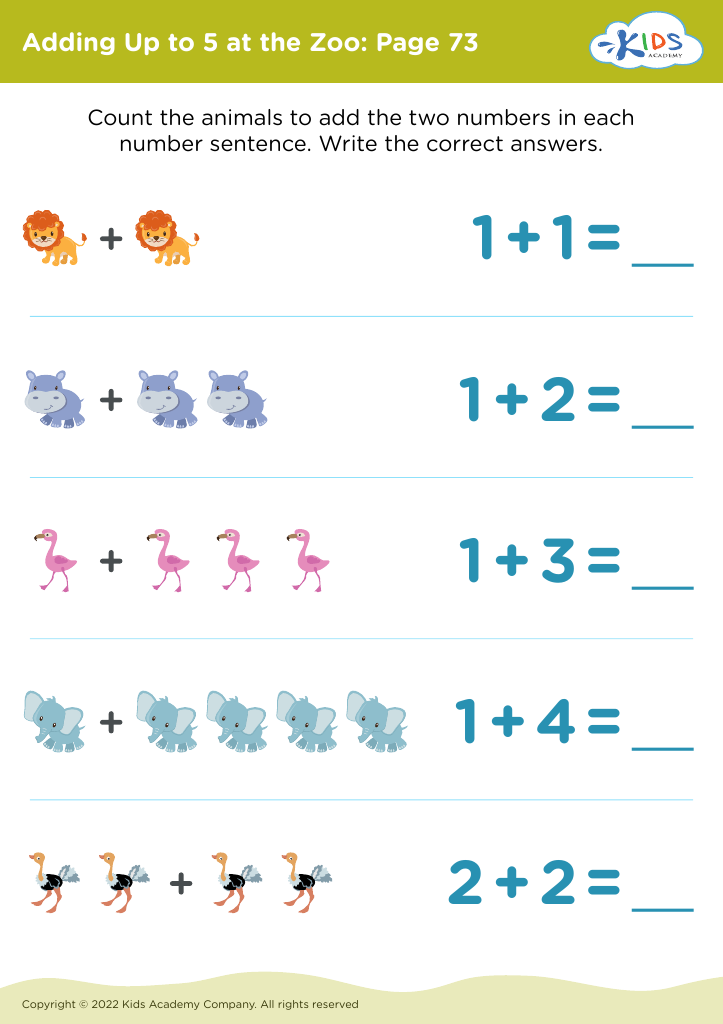
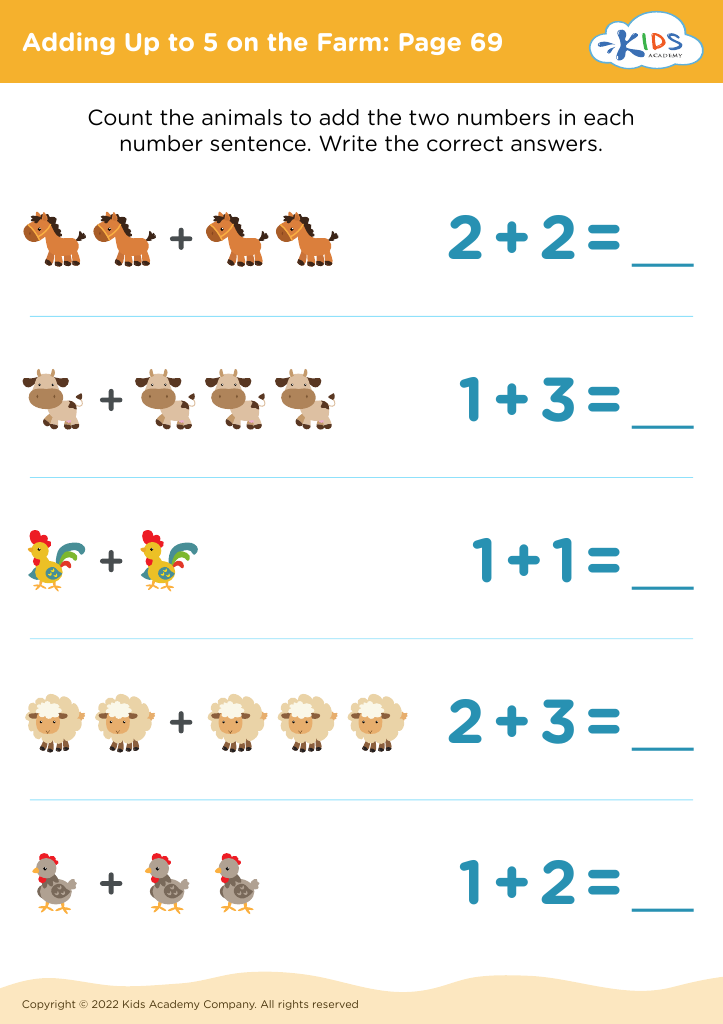
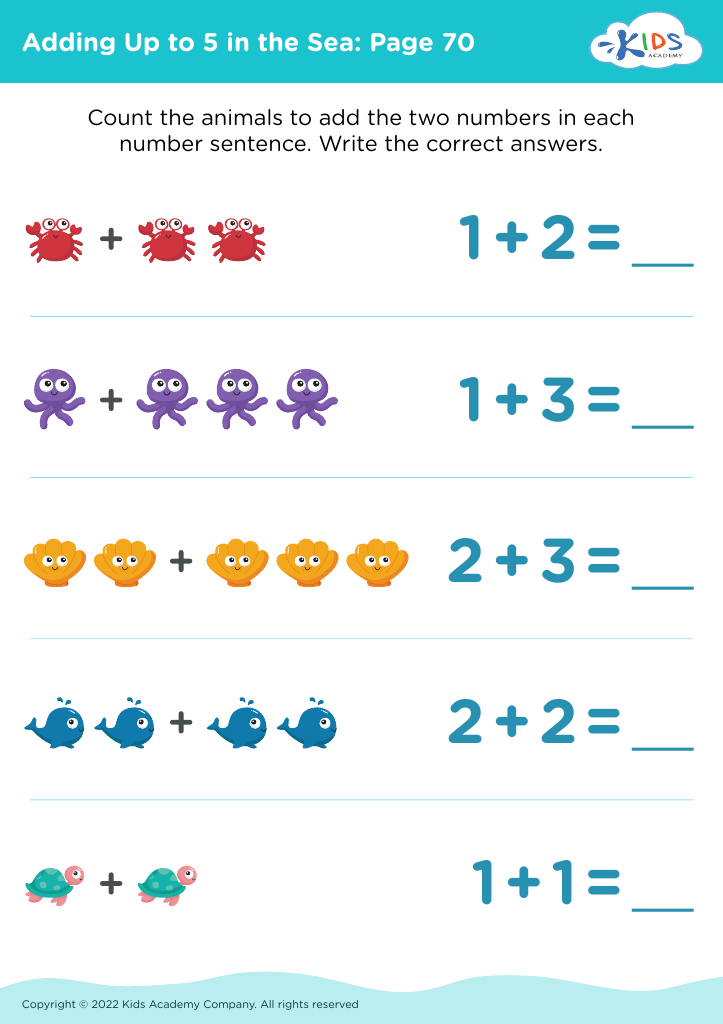
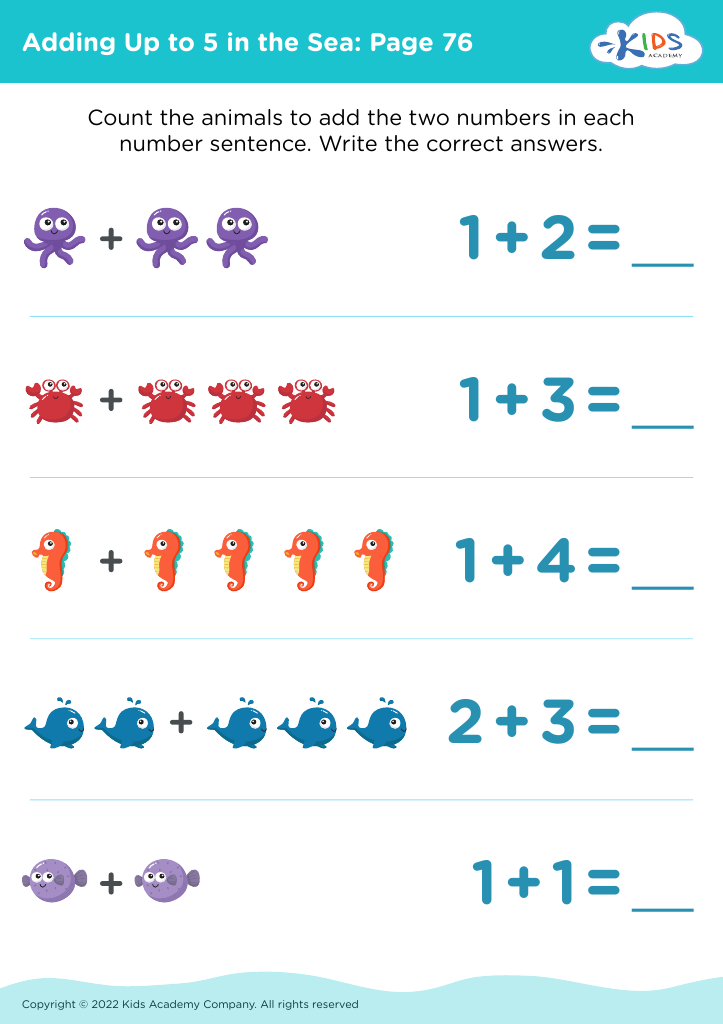
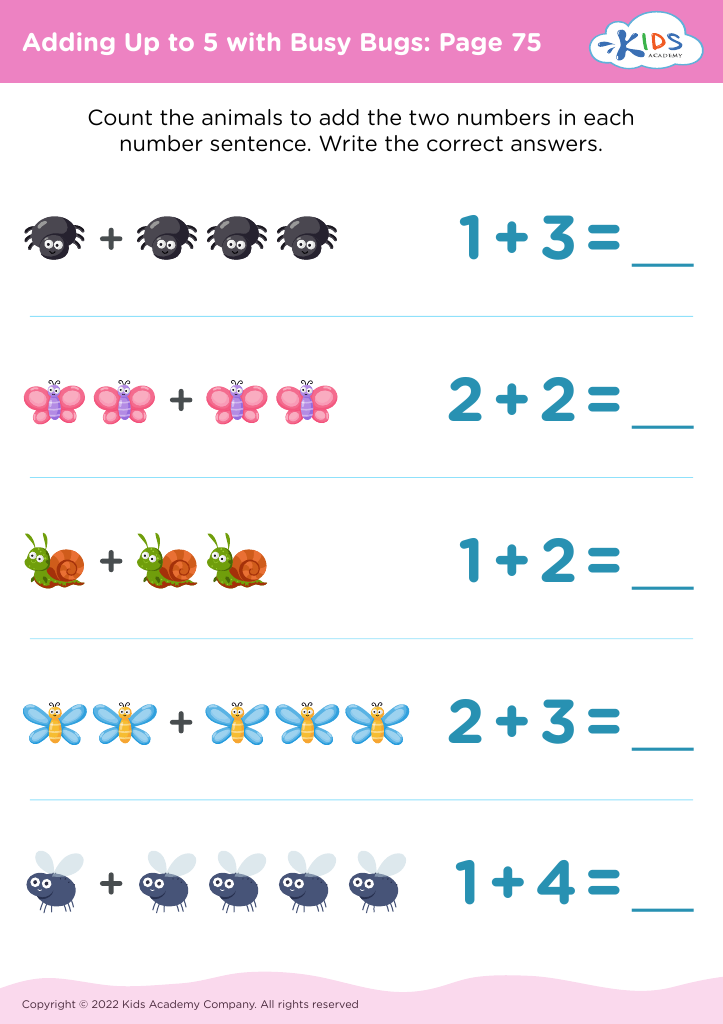
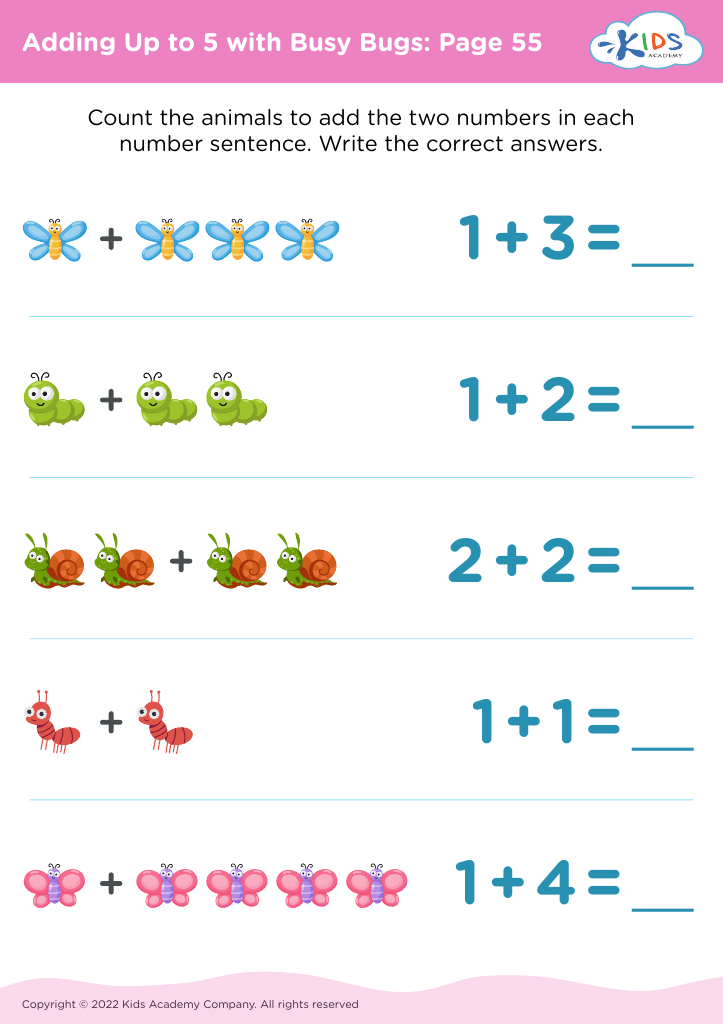
Our "Basic Math Understanding Worksheets for Ages 3-5" are designed to make early math concepts fun and engaging. Focusing on essential skills like counting, number recognition, and basic arithmetic, these worksheets provide hands-on learning through colorful and interactive activities. Perfect for preschoolers and kindergarteners, each sheet nurtures young learners' mathematical thinking and problem-solving abilities. Ideal for both classroom use and homeschooling, our worksheets lay the foundation for a lifelong love of math, ensuring that kids develop the confidence and skills they need to succeed in their early educational journey.
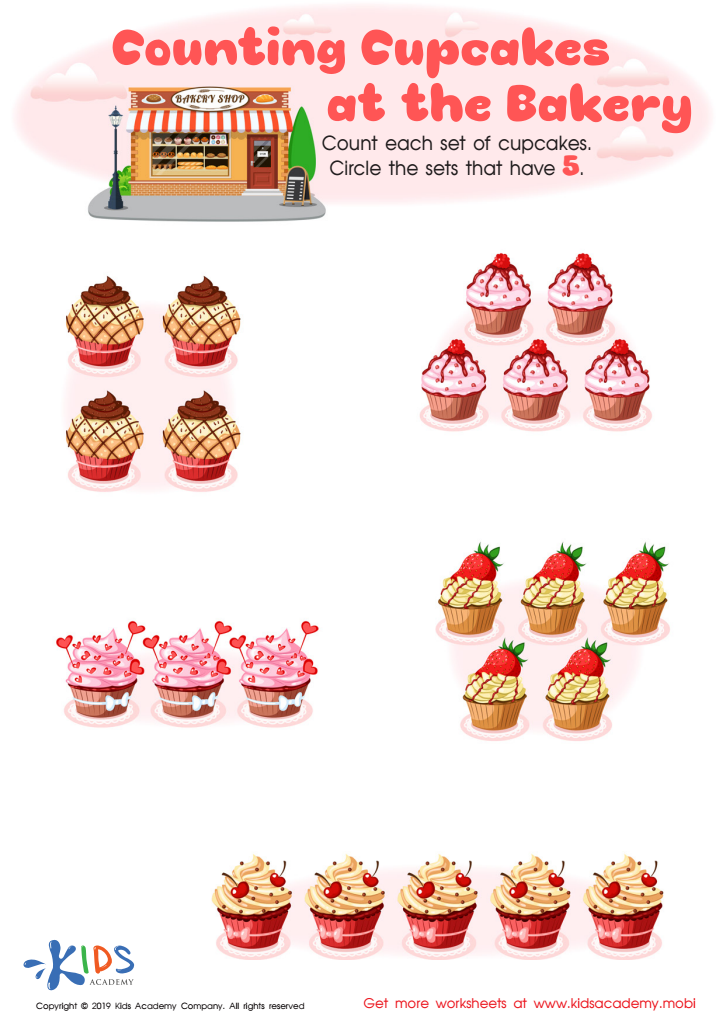
Counting Cupcakes Worksheet
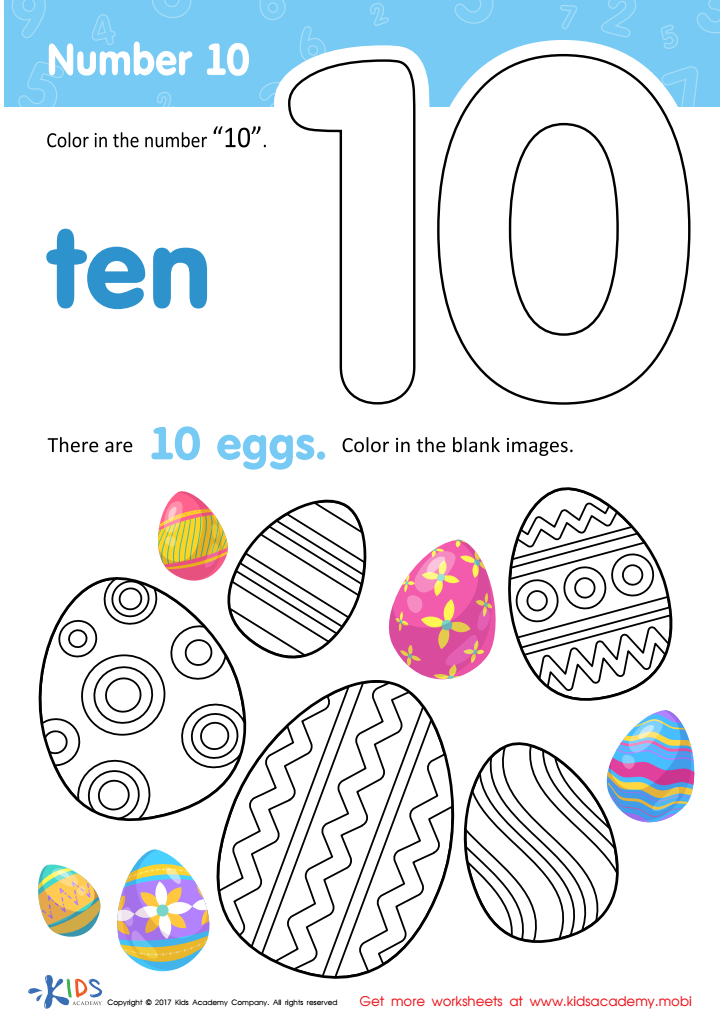
Number 10 Printable
 Assign to My Students
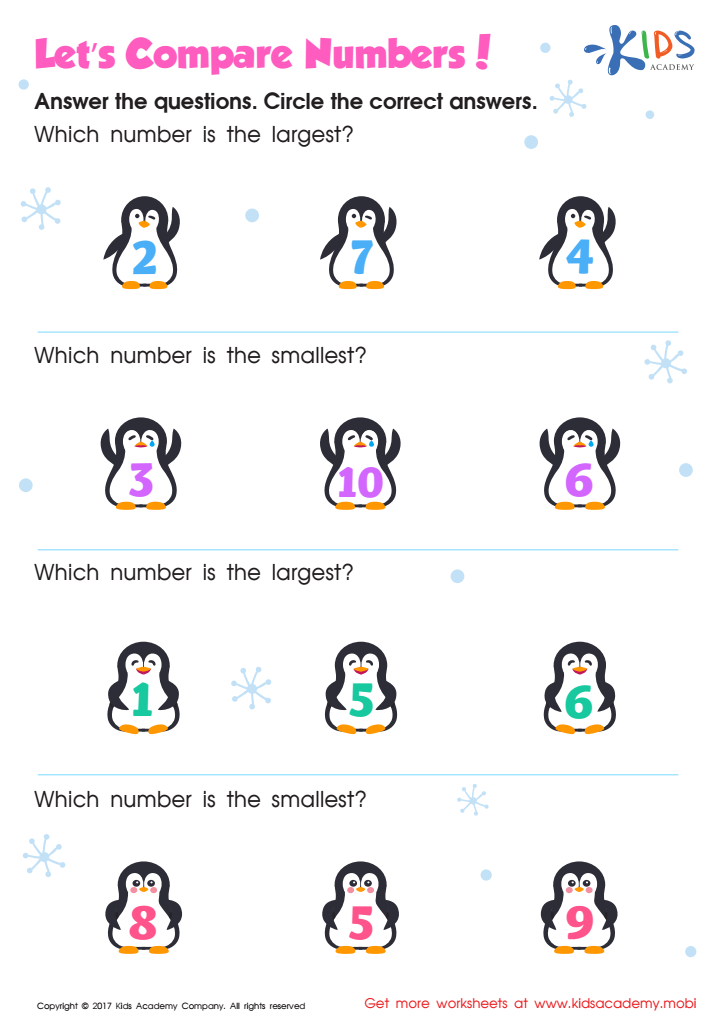
Comparing Numbers 1–10 Worksheet Kindergarten
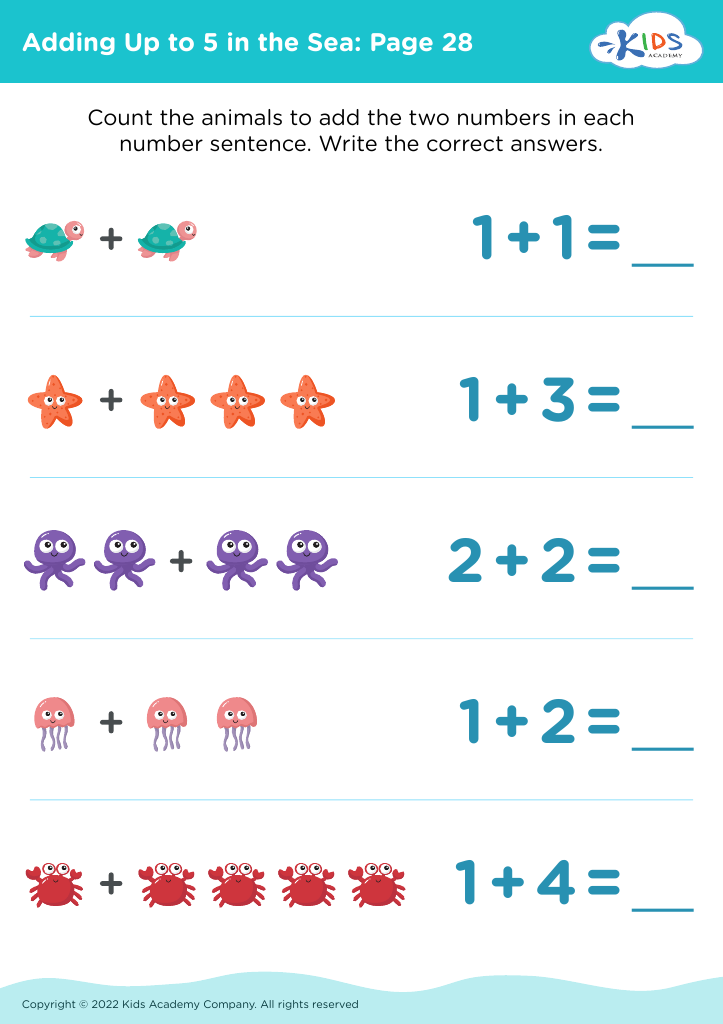







Understanding basic math at an early age serves as a crucial foundation for a child’s academic journey and cognitive development. Research shows that early math skills are a strong predictor of future academic success, even more so than early reading ability. For children aged 3-5, engaging in simple math concepts, such as counting, recognizing numbers, and understanding shapes and patterns, cultivates their logical thinking and problem-solving abilities.
When parents and teachers prioritize these foundational math skills, they help children build confidence and enthusiasm for learning. Practical activities—like playing with blocks, sorting objects, or simple board games—integrate math into daily routines, making learning fun and natural. This early exposure demystifies math, diminishing apprehension later in life.
Furthermore, basic math skills are integral to everyday activities, including following recipes, playing sports, or managing small tasks. Introducing math through tangible experiences forms the base for more complex concepts such as addition, subtraction, and measuring, setting the stage for future schoolwork.
In sum, nurturing an early understanding of basic math equips children with essential cognitive tools, promotes academic success, and instills a lifelong appreciation for the subject. Teachers and parents thus play a pivotal role by making early math exposure an enjoyable and routine part of a child’s early development.








