Fine Motor Skills (coloring) Math Worksheets for Ages 3-5
4 filtered results
-
From - To
Enhance your child's fine motor skills with our engaging coloring math worksheets designed specifically for ages 3-5. These worksheets not only make learning fun but also help little ones develop essential hand-eye coordination and dexterity through exciting coloring activity. As children color shapes, numbers, and basic math concepts, they enhance their cognitive skills and reinforce early math understanding. Our colorful and interactive resources are perfect for both home and classroom use, promoting creativity while also preparing children for future academic success. Explore our extensive collection of worksheets to set a solid foundation in math for your young learners today!
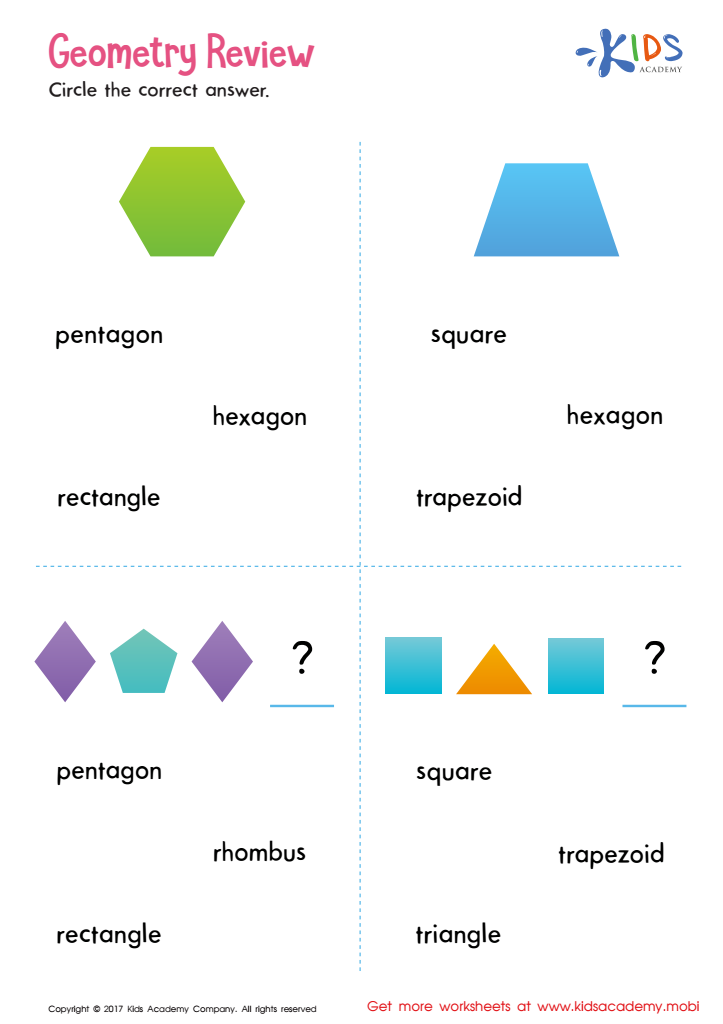
Geometry Review Printable
 Assign to My Students
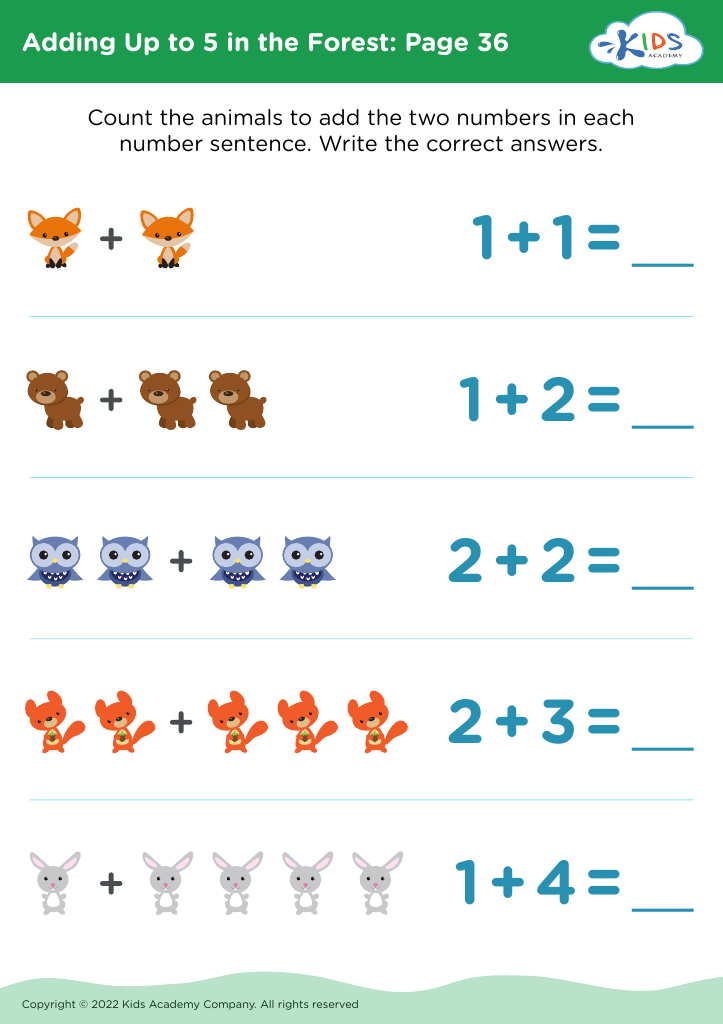
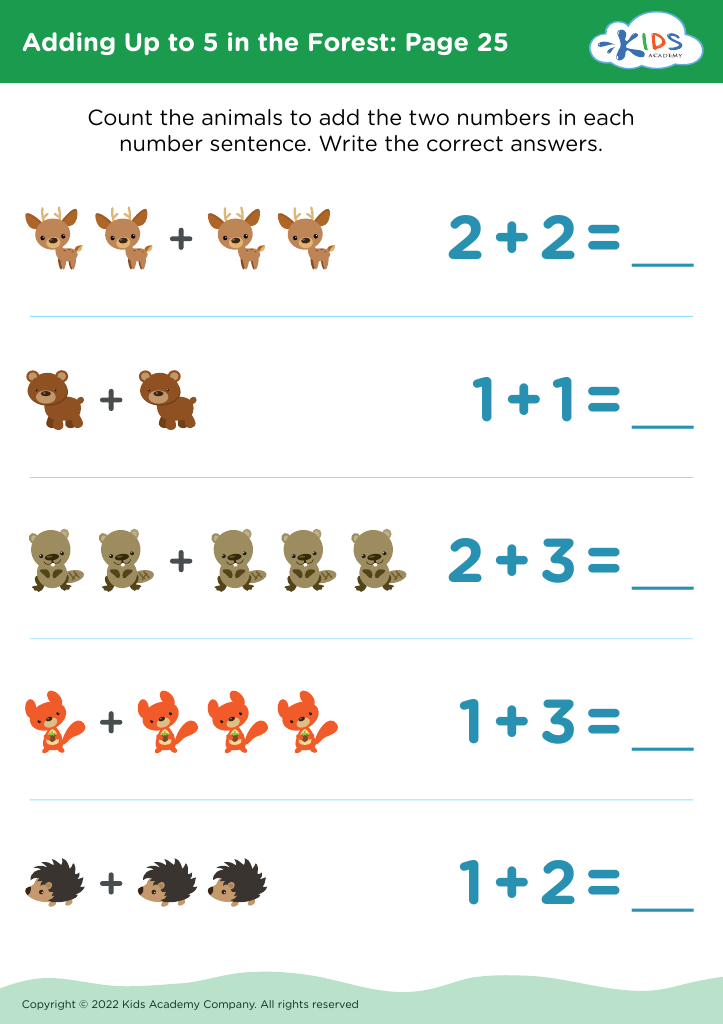
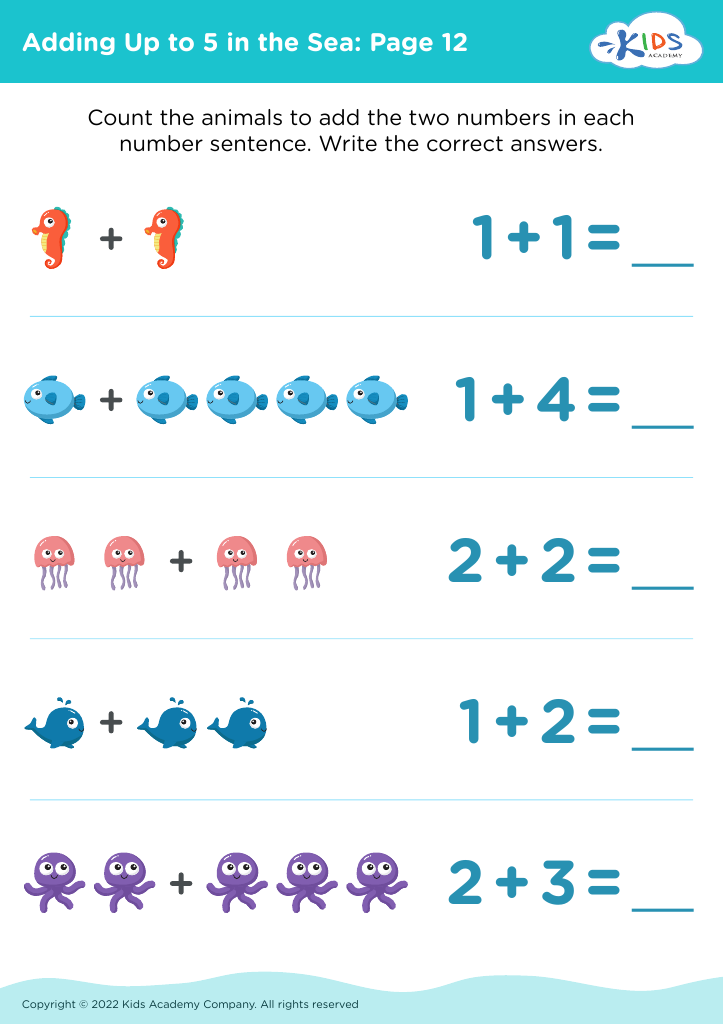


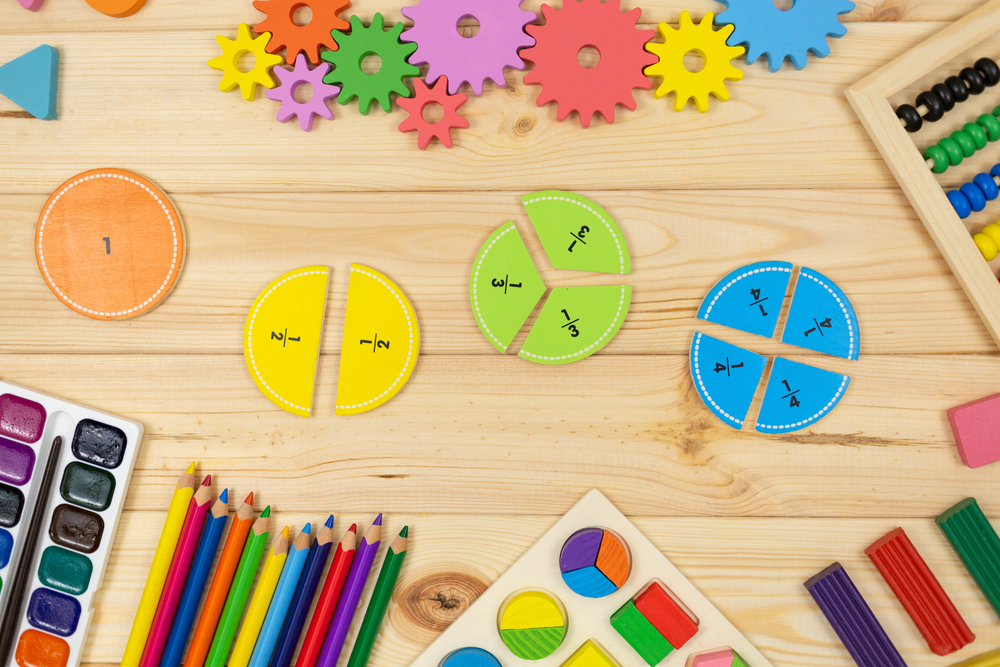




Fine motor skills are essential for young children's overall development, particularly for ages 3-5. These skills involve the coordination of small muscles in the hands and fingers, significantly impacting a child's ability to perform everyday tasks. Activities like coloring are not just creative outlets; they play a crucial role in enhancing fine motor coordination, dexterity, and control.
By focusing on these skills, parents and teachers can help children improve their hand-eye coordination, which is vital for academic success in later years, especially in subjects like math. As children manipulate crayons or markers, they exercise the same motions required for writing numbers and completing math-related tasks. Additionally, coloring encourages focus, patience, and the ability to follow directions, fostering cognitive development.
Incorporating fine motor skill activities into daily routines can lead to increased confidence as children become more adept at handling tools, whether in art or basic math. Early practice primes young learners for more complex tasks and skills needed in future academic endeavors, making the early years a crucial period for fine motor and cognitive growth. Engaging these skills early gives a solid foundation for learning, setting the stage for smoother transitions into formal education.








