Identifying objects Math Worksheets for Ages 3-5
3 filtered results
-
From - To
Discover our engaging Identifying Objects Math Worksheets, specifically designed for children aged 3-5! These worksheets provide a fun and interactive way for young learners to enhance their observational skills and boost their mathematical understanding. By identifying various objects, children will develop essential cognitive abilities while enjoying a variety of activities that spark their curiosity. Each worksheet is thoughtfully created to align with early learning standards, making it a perfect resource for teachers and parents. Help your little ones explore the world around them as they learn to recognize, classify, and describe objects. Start their mathematical journey today!
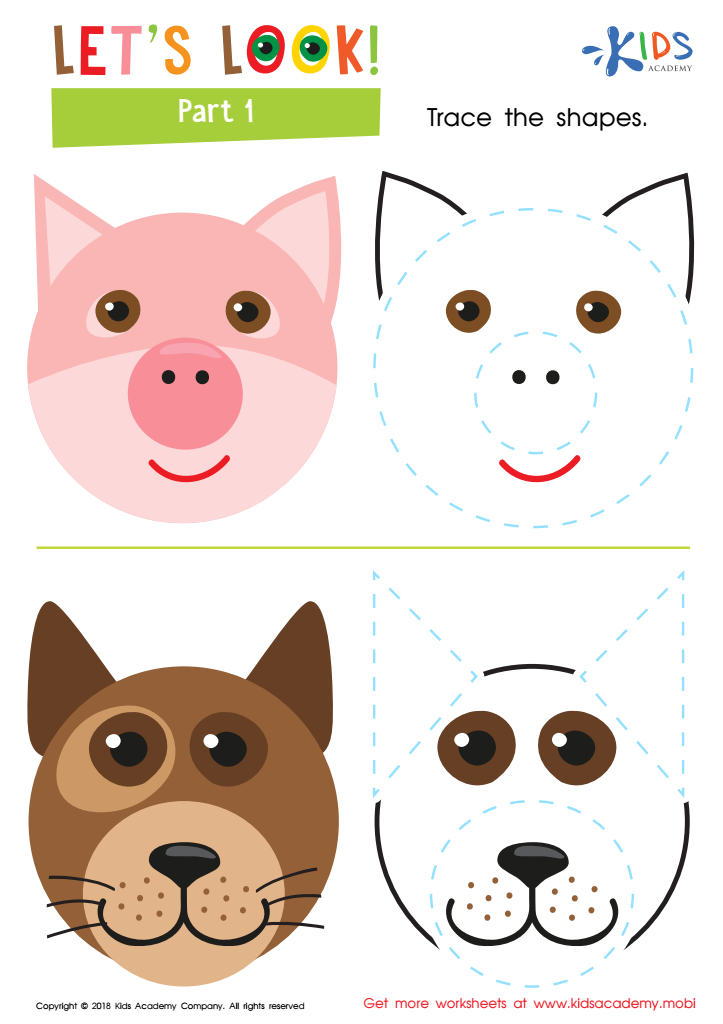
Let's Look! Part 1 Worksheet
 Assign to My Students
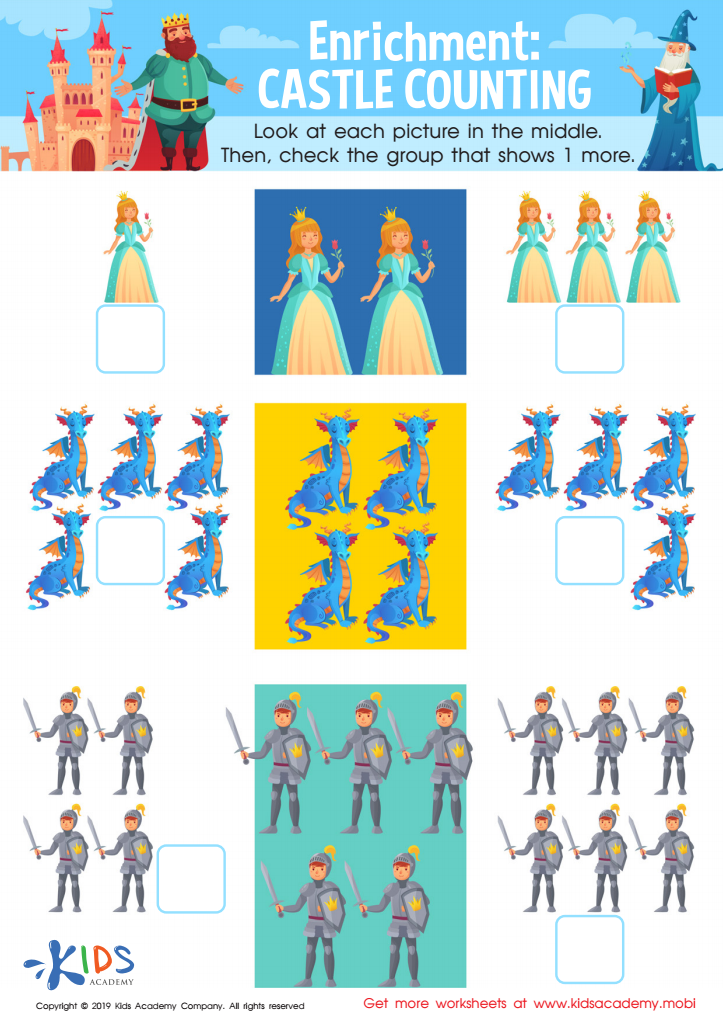
Enrichment: Castle Counting Worksheet
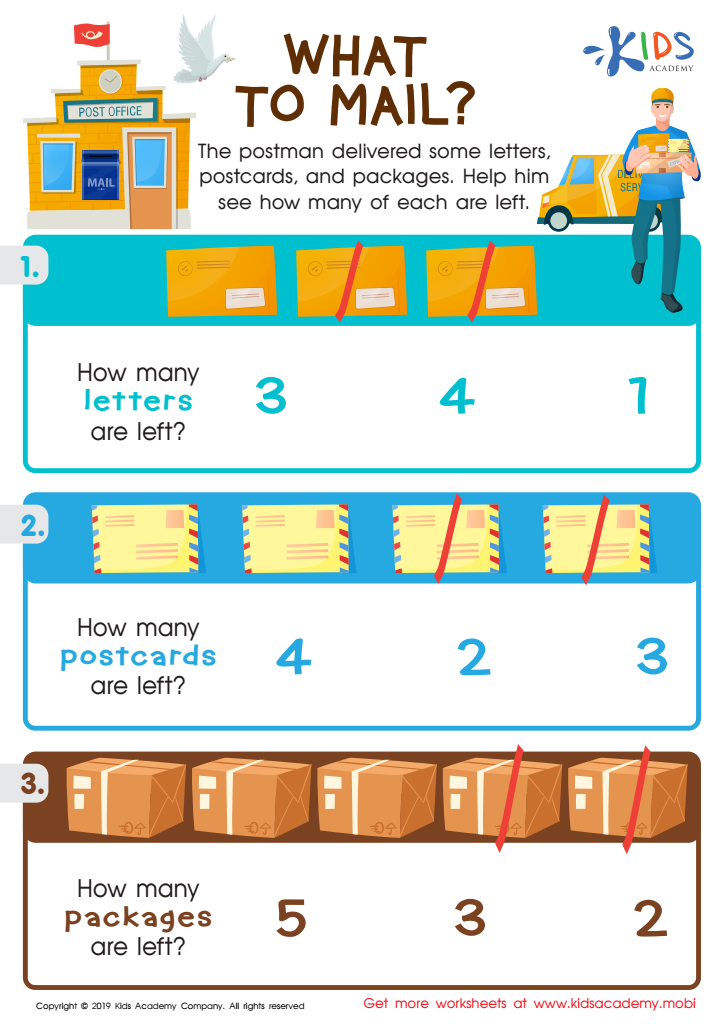
What to Mail? Worksheet






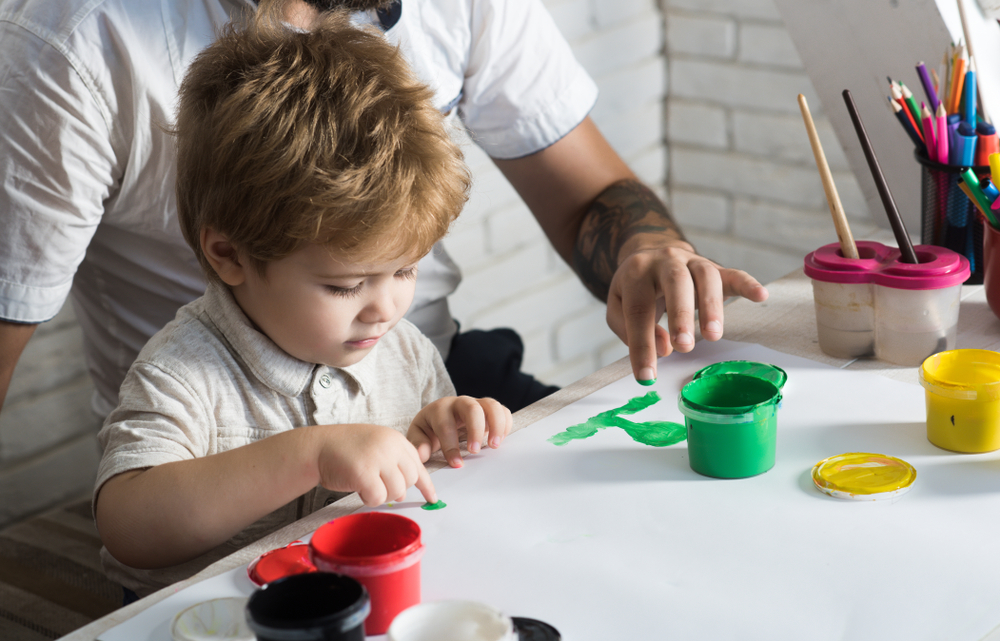
Identifying objects in mathematics for children aged 3-5 is a crucial component of early development that sets the stage for future learning. This foundational skill helps young learners make sense of the world around them and develop critical thinking abilities. When children learn to identify and classify objects, they enhance their understanding of shapes, sizes, colors, and quantities, which are essential building blocks of mathematical reasoning.
Engaging in object identification activities encourages exploration and cognitive development. Through play-based learning experiences, children learn to distinguish between different objects, fostering observation skills and attention to detail. This not only promotes mathematical skills but also supports language development as children describe and communicate their observations.
Moreover, identifying objects enables children to make connections between their everyday experiences and mathematical concepts. Teachers and parents can harness this opportunity to create enriching learning environments that stimulate curiosity and a love for learning. Ultimately, when educators and caregivers prioritize object identification in early childhood education, they contribute to building a solid foundation for problem-solving skills and a greater understanding of more complex mathematical ideas in the future. Thus, nurturing these skills in young children is essential for their academic and personal growth.








