
Understanding numbers Math Worksheets for Ages 3-5
4 filtered results
Difficulty Level
Grade
Age
-
From - To
Subject
Activity
Standards
Explore our engaging "Understanding Numbers" Math Worksheets designed for ages 3-5! Tailored to enhance early math skills, these worksheets introduce children to basic number concepts through fun activities. Kids will practice counting, number recognition, and simple comparisons while developing fine motor skills. Perfect for homeschooling or classroom settings, our resources provide a step-by-step approach that fosters a love for learning. With colorful illustrations and interactive exercises, your little ones will enjoy a hands-on experience that makes mastering numbers exciting. Jumpstart your child's mathematical journey with our thoughtfully crafted worksheets, fostering confidence and curiosity in their early years!
Favorites
With answer key
Interactive
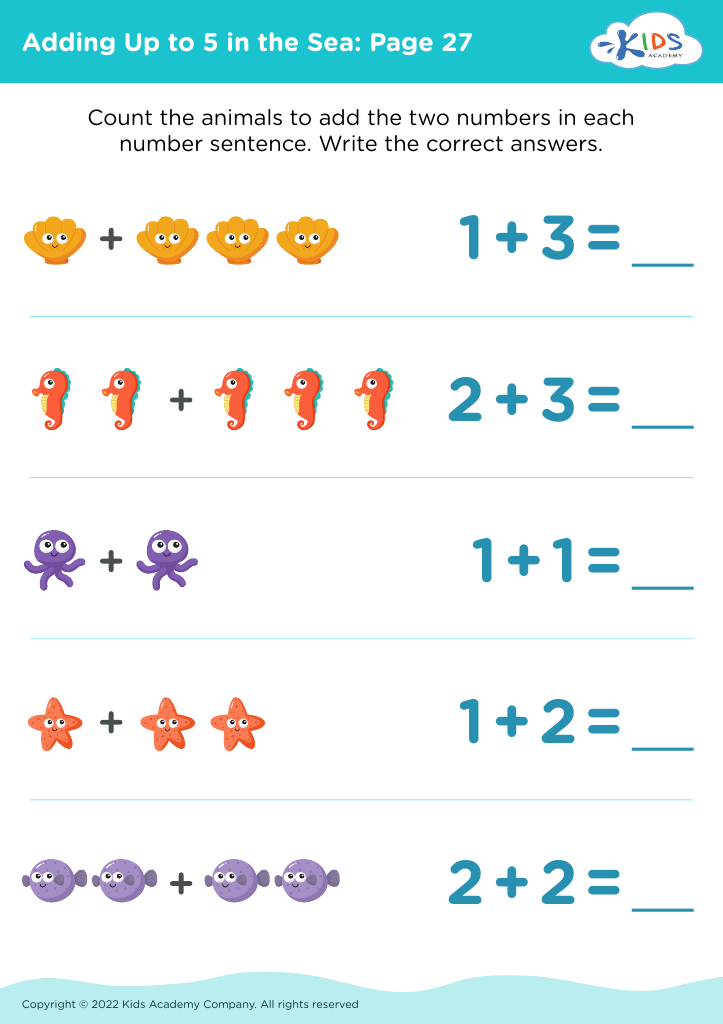
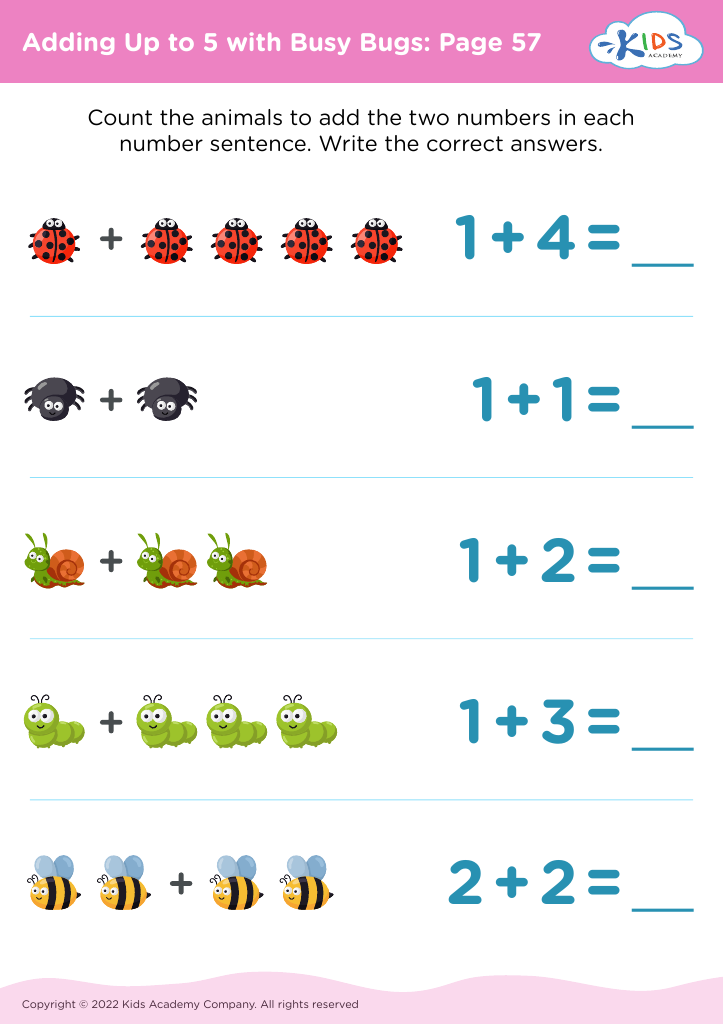
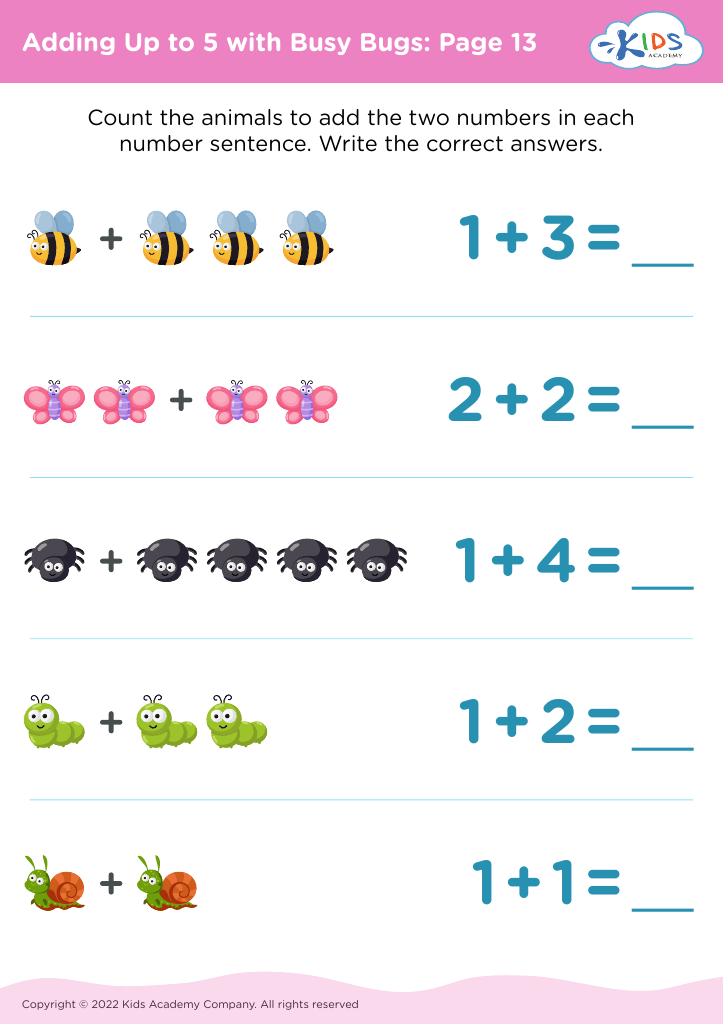
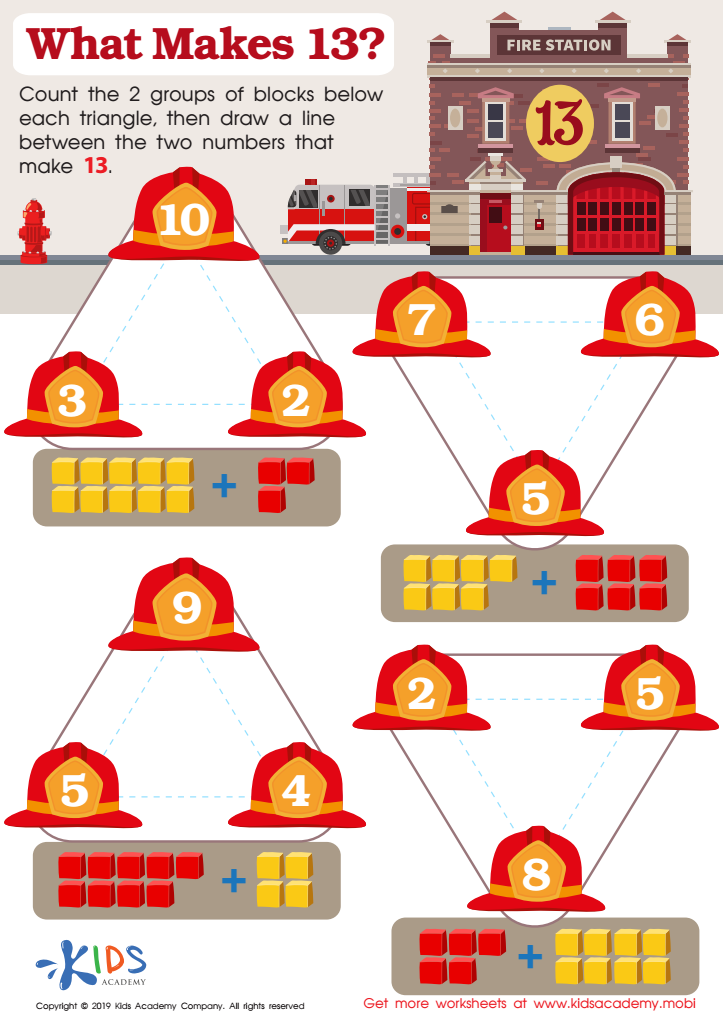
What Makes 13 Worksheet
Help your kids practice maths with this worksheet! With colourful images and simple equations, your kids will be more engaged in learning. Go through the four equations and help them add up the numbers. Then, draw a line between the numbers that make 13. Doing this will aid their learning and understanding.
 Assign to My Students
What Makes 13 Worksheet
Worksheet
Join Kids Academy for Free
Who is primarily going to use this learning content?


%20(1).jpg)





Understanding numbers is foundational for young children's cognitive development and sets the stage for their future success in mathematics and critical thinking. For children aged 3-5, grasping basic numerical concepts fosters essential skills such as counting, number recognition, and simple arithmetic. Engaging with numbers enhances problem-solving abilities and logical reasoning, which are vital across all academic subjects and in everyday life.
Parents and teachers should prioritize this early mathematical comprehension as it helps children develop a positive attitude towards learning and boosts their confidence. During this crucial developmental stage, children are naturally curious and eager to explore; introducing them to numbers through play and interactive activities can solidify these concepts in enjoyable ways.
Additionally, an early understanding of numbers is linked to later achievements in math, which is increasingly recognized as critical in our technology-driven world. By emphasizing math readiness in preschoolers, parents and teachers empower them to tackle more complex concepts as they advance through education.
Moreover, nurturing numeracy skills encourages children to engage socially, enhancing communication skills as they share ideas or work collaboratively on mathematical tasks. Overall, promoting numeracy in young children establishes a robust foundation for lifelong learning.








