Understanding symmetry Math Worksheets for Ages 3-5
3 filtered results
-
From - To
Discover our engaging "Understanding Symmetry Math Worksheets" designed specifically for ages 3-5! These carefully crafted worksheets introduce young learners to the fascinating concept of symmetry through fun visuals and hands-on activities. Kids will enjoy coloring, matching, and exploring symmetrical shapes, helping them develop essential early math skills while enhancing their creativity. With a focus on interactive learning, these worksheets encourage critical thinking and reinforce cognitive development. Each activity is tailored to ensure a supportive learning environment, making math enjoyable and accessible. Explore our collection today and watch your child's confidence in math grow as they grasp the concept of symmetry!
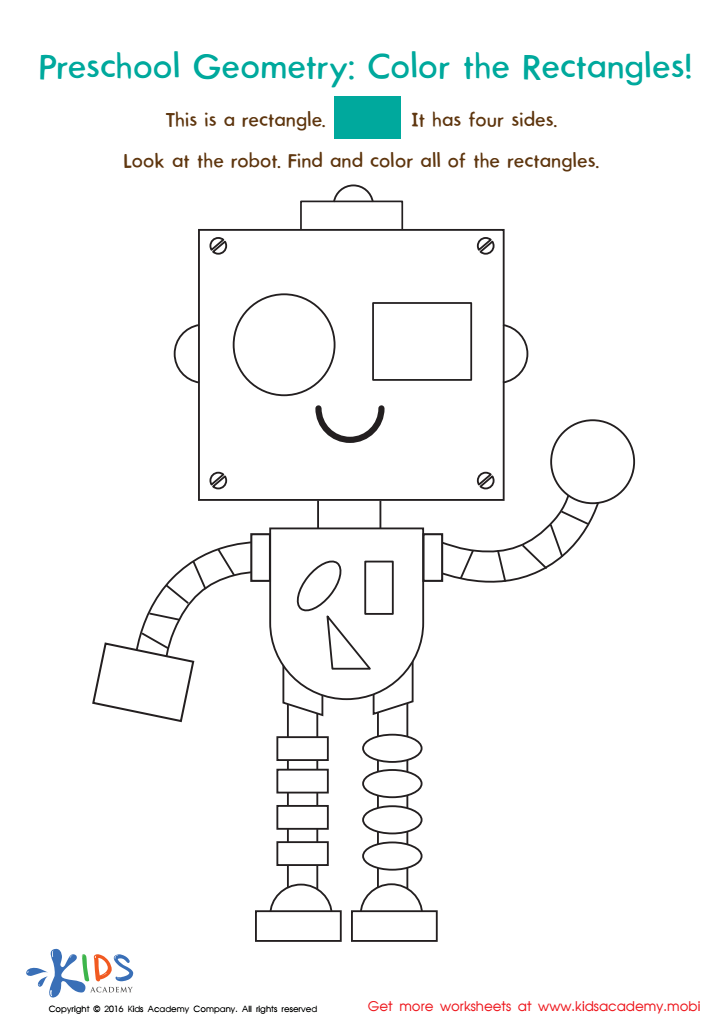
Geometry Worksheet
 Assign to My Students
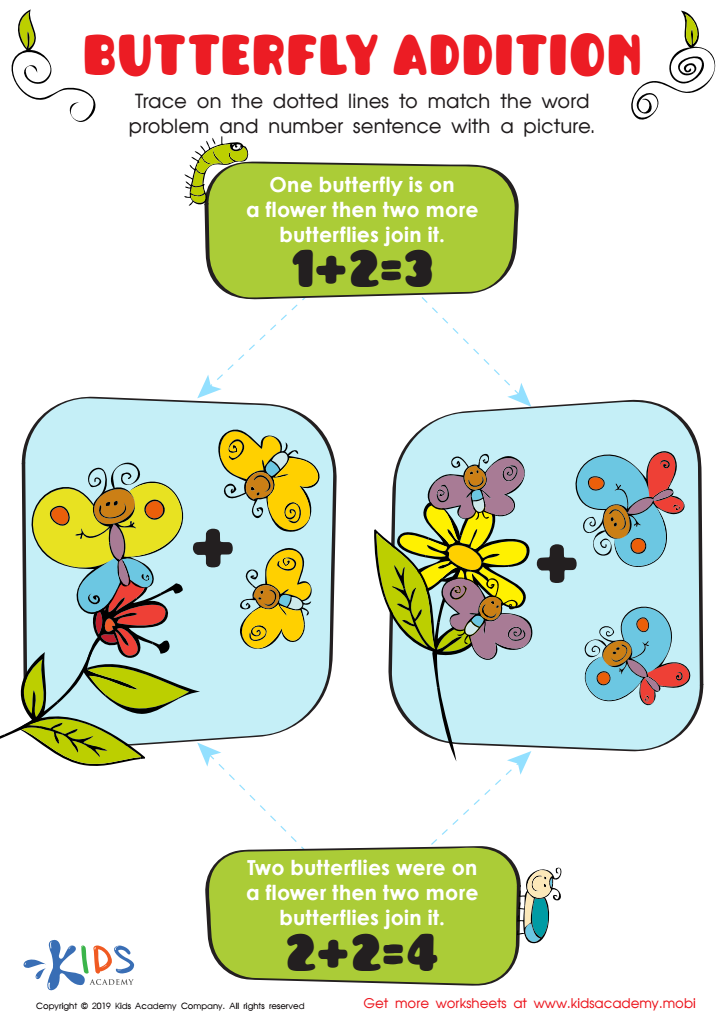
Butterfly Addition Worksheet
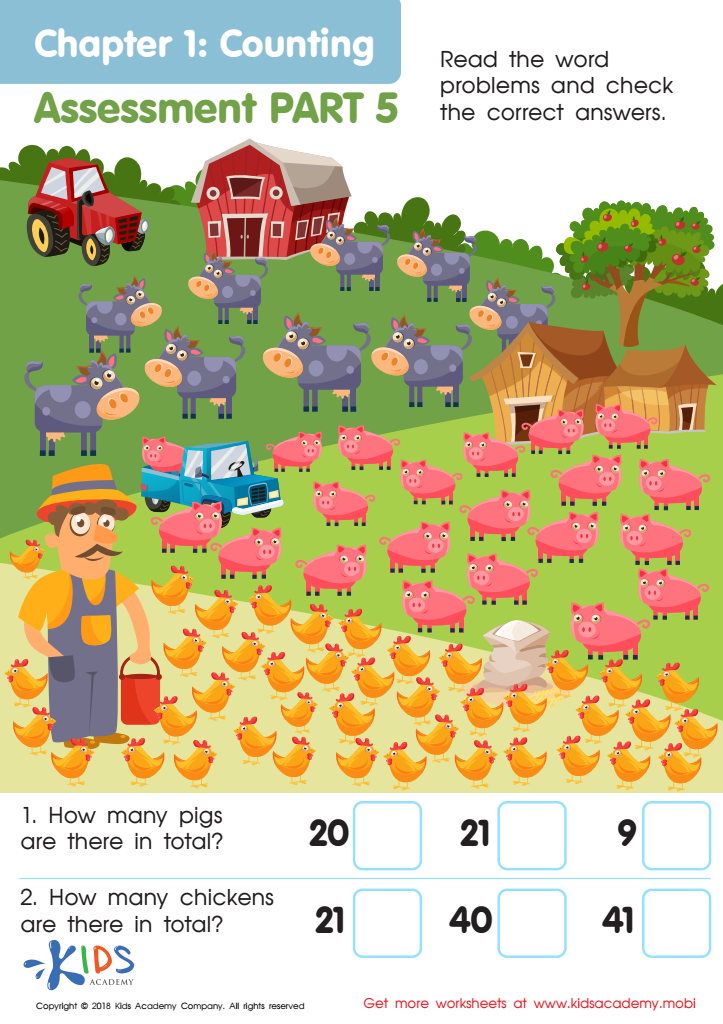
Counting: Assessment 5 Worksheet








Understanding symmetry is crucial for early childhood development, particularly for children aged 3-5, as it lays the foundation for various mathematical concepts. At this age, children are naturally curious, and introducing them to symmetry fosters their exploration of the world around them. When children learn about symmetry, they begin recognizing patterns, shapes, and spatial relationships, essential skills in math and science.
Symmetry enhances problem-solving abilities, as it encourages observational skills and critical thinking. Engaging in symmetry activities—like creating symmetrical art, building symmetrical structures, or identifying symmetrical shapes in their environment—makes learning dynamic and enjoyable. These hands-on experiences nurture creativity and cognitive development.
Moreover, understanding symmetry aids in refining fine motor skills, as children manipulate objects to create balance and mirror images. As parents and teachers, fostering this comprehension in young learners also builds their self-esteem, as they gain confidence in their ability to explore and understand mathematical concepts.
Ultimately, incorporating symmetry into early learning not only cultivates foundational math skills but also supports holistic development—encouraging children to think analytically and expressively while enjoying themselves. Understanding these foundational concepts is essential for later academic success in mathematics and beyond.








