
Visual learning reinforcement Math Worksheets for Ages 3-5
7 filtered results
Difficulty Level
Grade
Age
-
From - To
Subject
Activity
Standards
Discover the perfect blend of fun and education with our Visual Learning Reinforcement Math Worksheets for ages 3-5! Designed to captivate young minds, these engaging worksheets use vivid imagery and playful illustrations to teach essential math skills. Build a strong foundation in counting, number recognition, and basic arithmetic while fostering a love for learning. Created by experts, our visually-driven approach ensures that children grasp and retain core concepts effectively. Explore a stimulating, interactive way to boost your child's confidence in math and prepare them for future academic success. Start your preschooler’s math journey with our vibrant and dynamic worksheets today!
Favorites
With answer key
Interactive
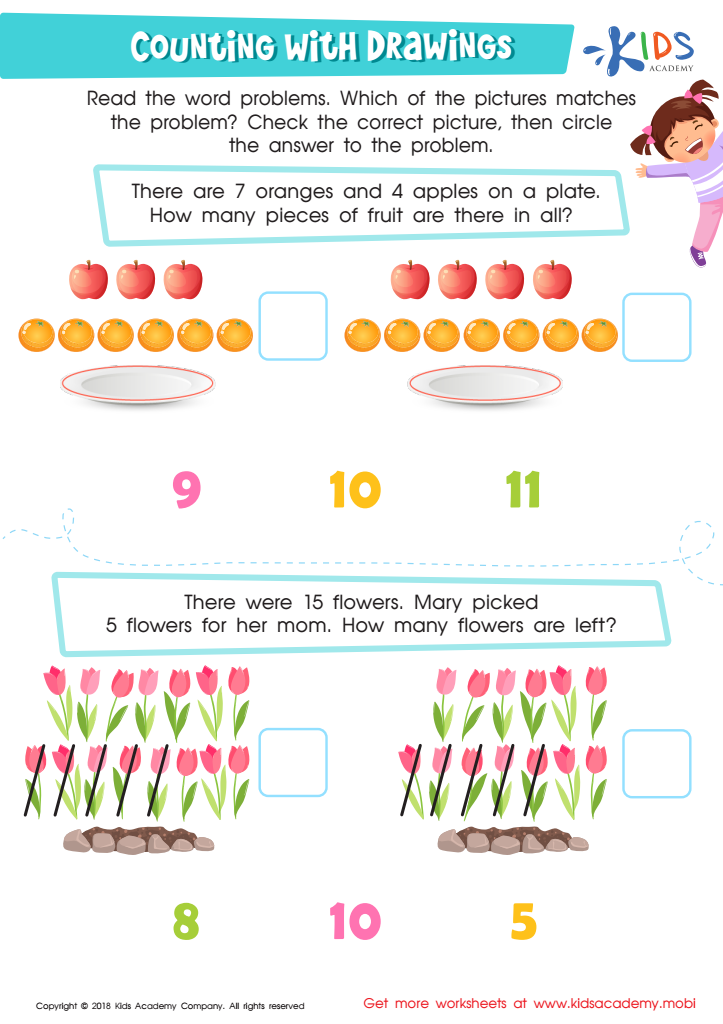
Counting with Drawings: Fruits & Chocolates Worksheet
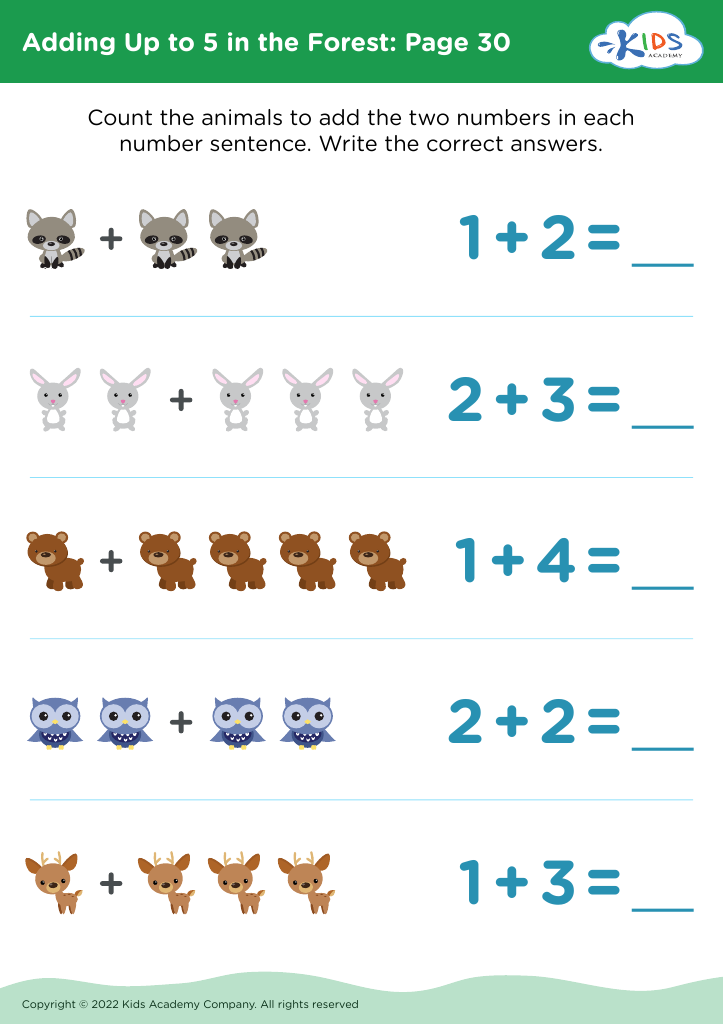
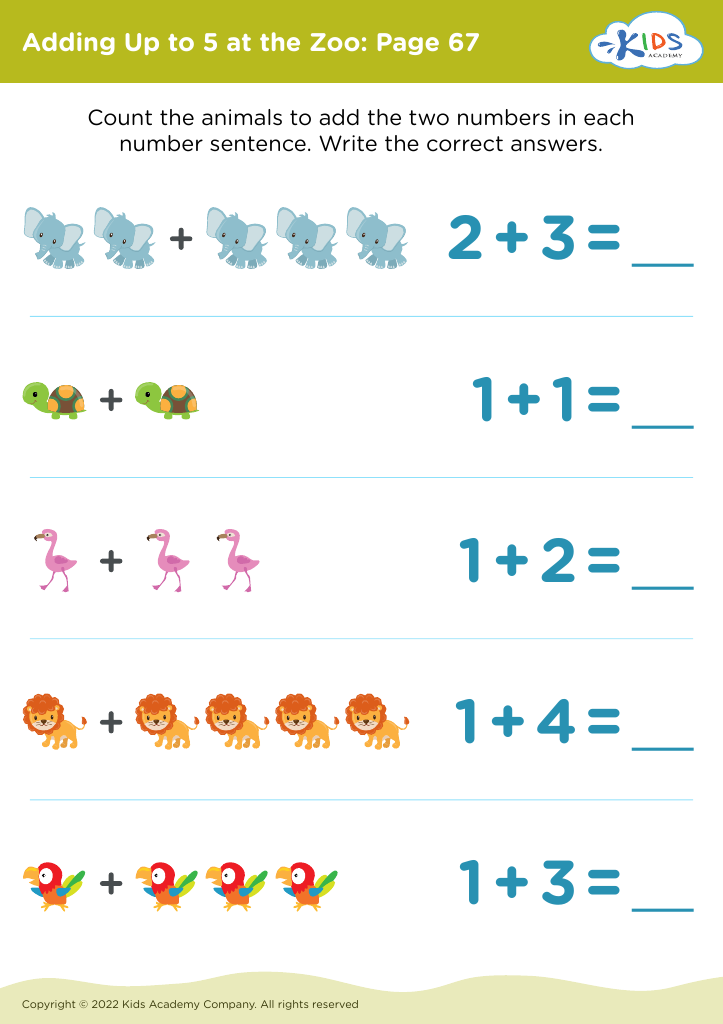
Learning basic addition and subtraction has never been easier with this free worksheet! Young mathematicians can sort & count to get the right sum or difference for each problem. Plus, they'll practice fine motor skills by circling the correct answer. An ideal way to help kids build important visual recognition and discernment skills.
 Assign to My Students
Counting with Drawings: Fruits & Chocolates Worksheet
Worksheet
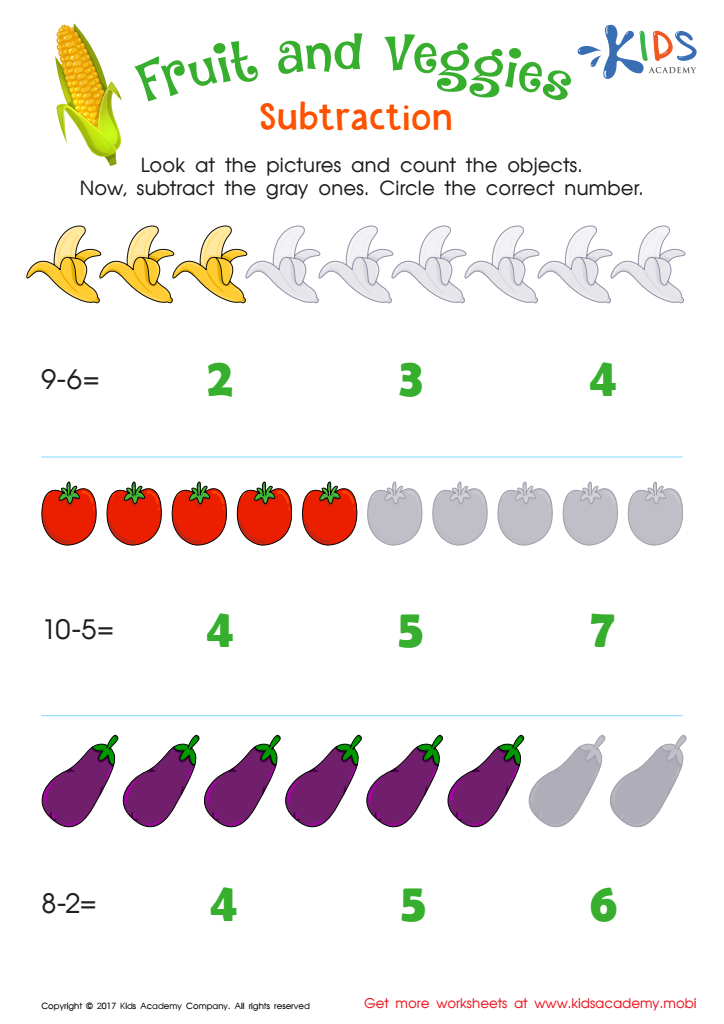
Fruit and Veggies Subtraction Worksheet
Kids learn subtraction with this fun worksheet: fruits and veggies! Kids use pictures to count or take away to get the right answer, aiding in understanding subtraction better.
Fruit and Veggies Subtraction Worksheet
Worksheet
Join Kids Academy for Free
Who is primarily going to use this learning content?







Visual learning reinforcement is incredibly important for children aged 3-5, as it harnesses their natural propensity to learn through observing and interacting with their environment. At this stage, children are highly visual learners, absorbing information through images, colors, and movement more effectively than through verbal explanations alone. Engaging them with visual tools in math—like shapes, patterns, charts, and interactive games—can significantly enhance their comprehension and retention.
This approach links concrete images with abstract concepts, making it easier for young minds to grasp foundational math ideas. For instance, using colorful blocks to illustrate addition or subtraction helps children visualize what these operations mean in a tangible way. Visuals also break down complicated ideas into simpler, digestible parts, aiding in step-by-step learning.
Moreover, visual reinforcement helps in identifying learning difficulties early on by showing which concepts a child may be struggling with, allowing parents and teachers to address these areas promptly. It also caters to different learning styles, offering an inclusive educational experience. In an age where visual media is pervasive, employing similar methods in education ensures that learning math is seen as engaging and relevant. Therefore, both parents and teachers should prioritize visual learning tools to build a robust foundation for future academic success.








