Visual discrimination Matching Worksheets for Ages 3-5
3 filtered results
-
From - To
Discover our engaging Visual Discrimination Matching Worksheets designed specifically for children ages 3-5. These worksheets help young learners enhance their visual discrimination skills by identifying and matching similar objects, shapes, and patterns. With colorful illustrations and age-appropriate activities, kids will enjoy honing their attention to detail while developing critical cognitive skills that lay the foundation for future learning. Perfect for preschool and kindergarten, these worksheets make learning fun and interactive, enabling children to build confidence as they master visual recognition. Explore our collection today and empower your child's learning journey with exciting matching challenges they’ll love!
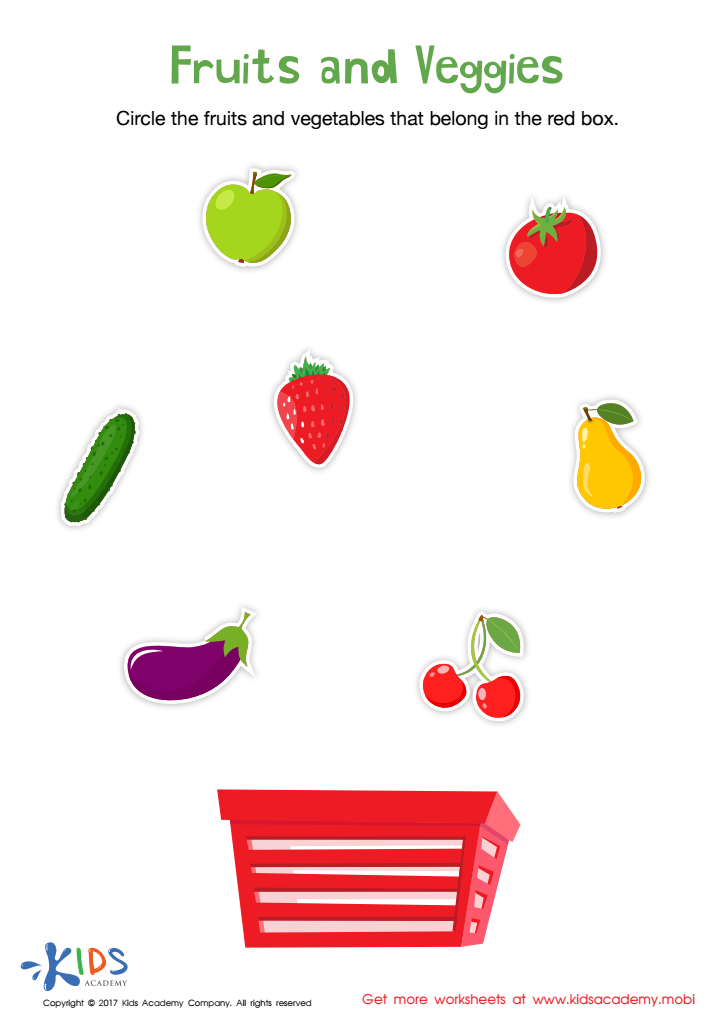
 Assign to My Students
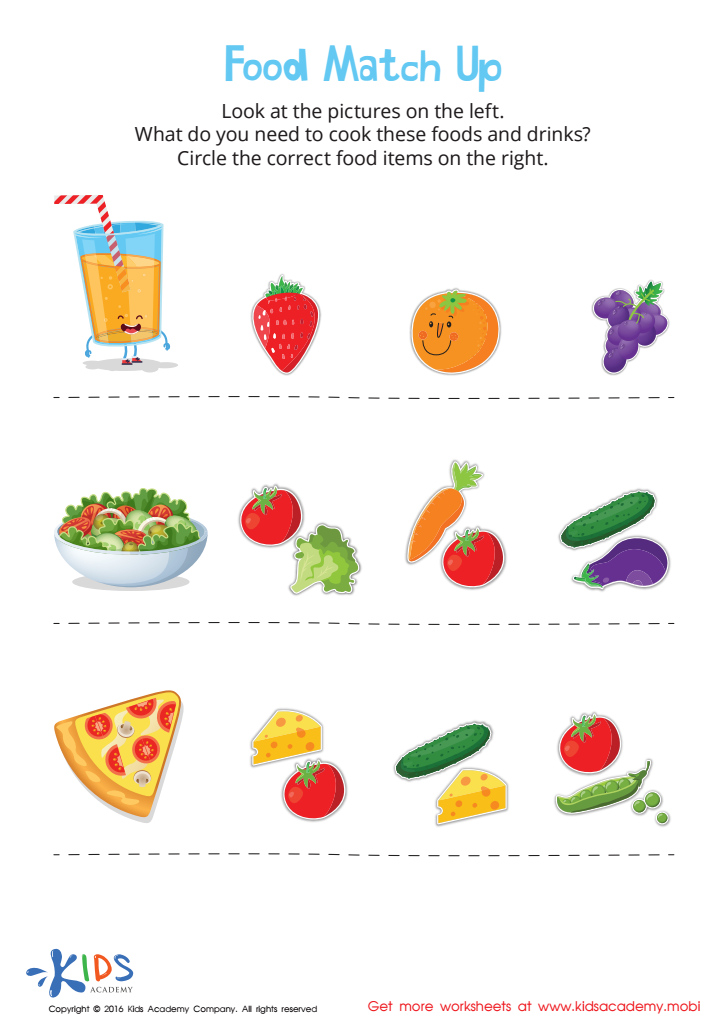
Food Match Up Worksheet
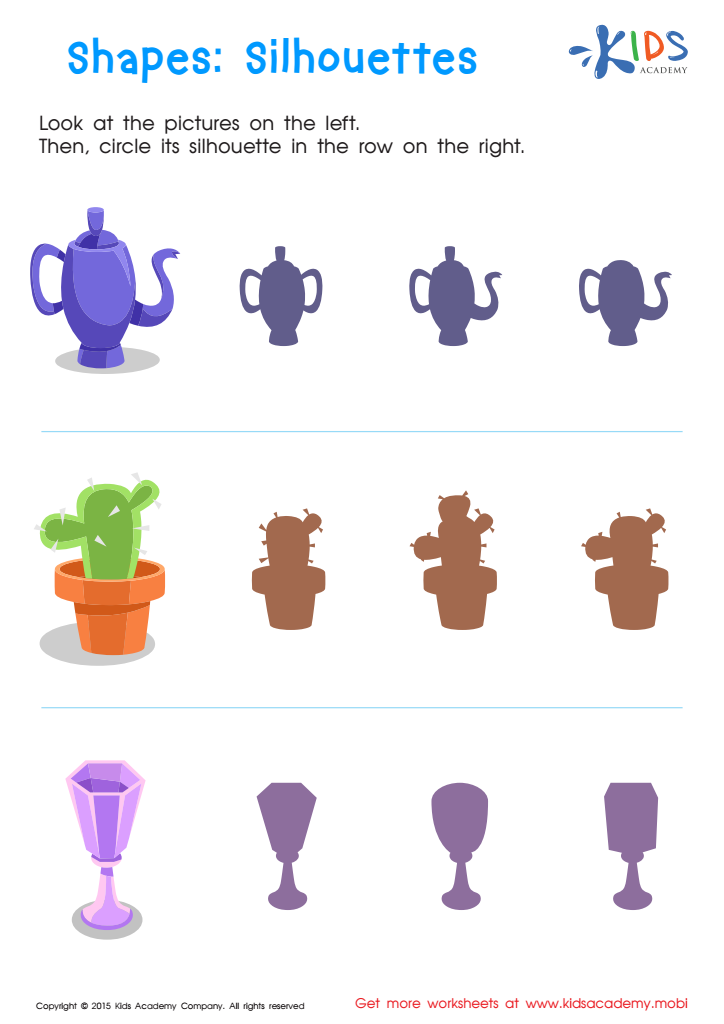
Silhouettes – Shapes Worksheet



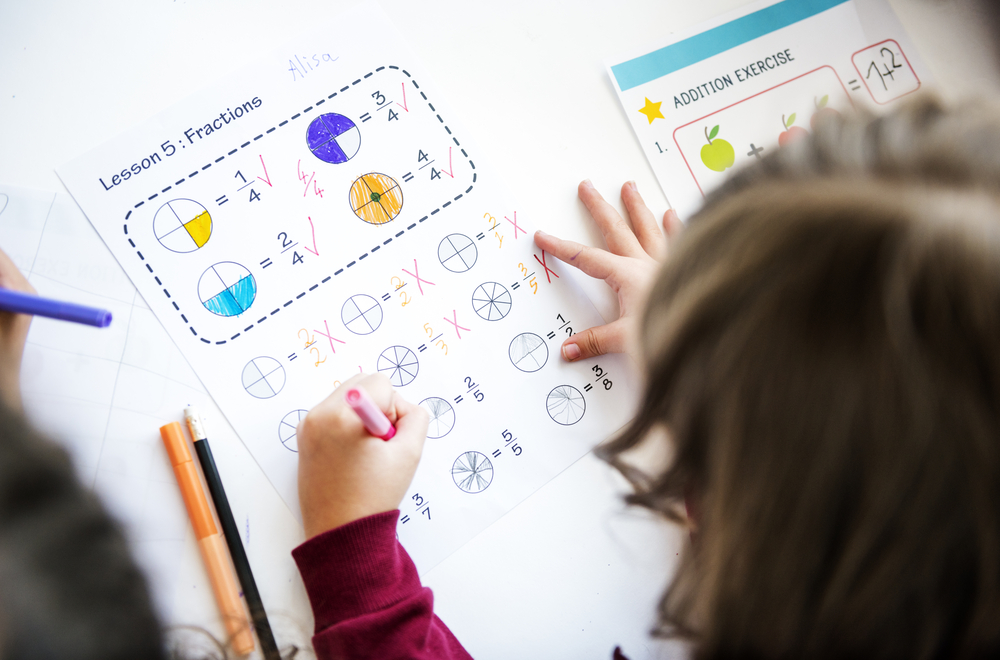




Visual discrimination matching is a crucial skill for children aged 3-5 as it lays the foundation for their academic success and cognitive development. This skill involves the ability to recognize similarities and differences among shapes, colors, patterns, and images. Parents and teachers should prioritize this developmental area for several reasons.
Firstly, visual discrimination is directly linked to a child's ability to read and write. Recognizing letters, words, and even punctuation relies on distinguishing between various visual cues. Early practice fosters confidence and a solid groundwork for literacy skills.
Secondly, visual discrimination promotes problem-solving abilities. Engaging in matching activities encourages kids to think critically and observe their environment keenly. These skills are vital for tasks ranging from basic sorting to more complex math concepts later in life.
Finally, fostering visual discrimination supports overall brain development. It enhances attention, memory, and processing speed, aiding children in other learning areas. Activities focused on visual discrimination are not only educational but can also strengthen parent-child or teacher-student connections through collaborative play and exploration. Therefore, prioritizing visual discrimination matching in early childhood education contributes significantly to a child’s holistic development, setting them on a path to lifelong learning.








