Basic Math Skills Measurement Worksheets for Ages 3-5
9 filtered results
-
From - To
Welcome to our collection of Basic Math Skills Measurement Worksheets designed specifically for children ages 3-5! These engaging worksheets help young learners explore foundational concepts in measurement through fun activities. From comparing lengths and sizes to understanding weight and volume, our resources stimulate early mathematical thinking. Each worksheet is crafted to promote hands-on learning and inspires curiosity about the world around them. Teachers and parents can easily integrate these worksheets into daily lessons or home activities. Foster your child's confidence in math by making measurement both enjoyable and educational! Explore now and start building essential skills for future success!
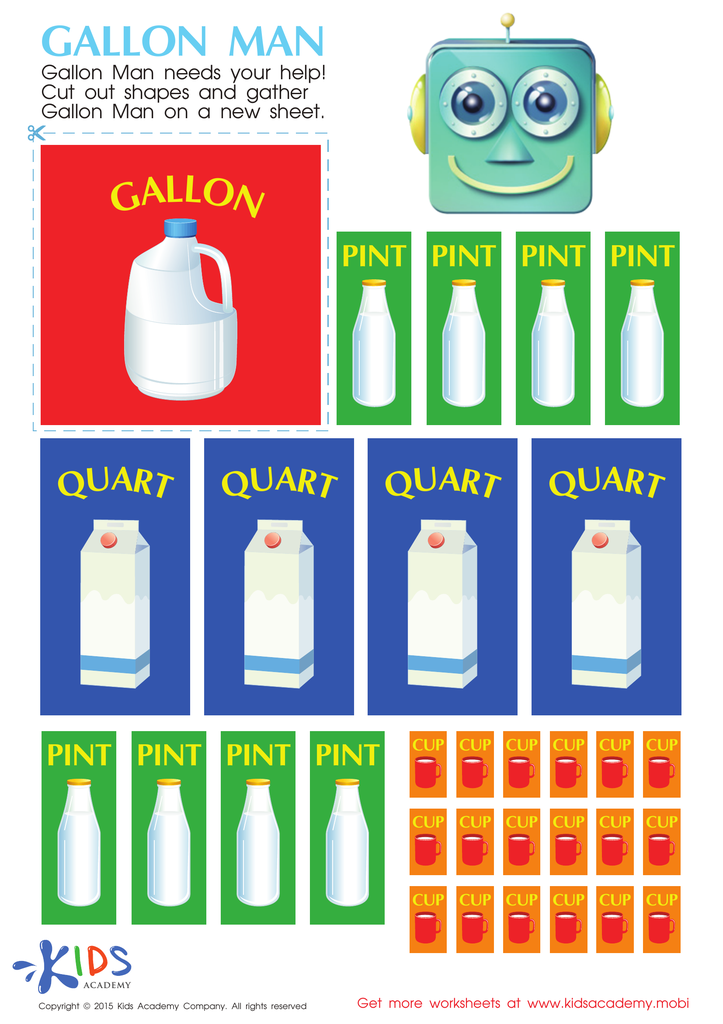
Cups, Pints and Quarts With Gallon Man Worksheet
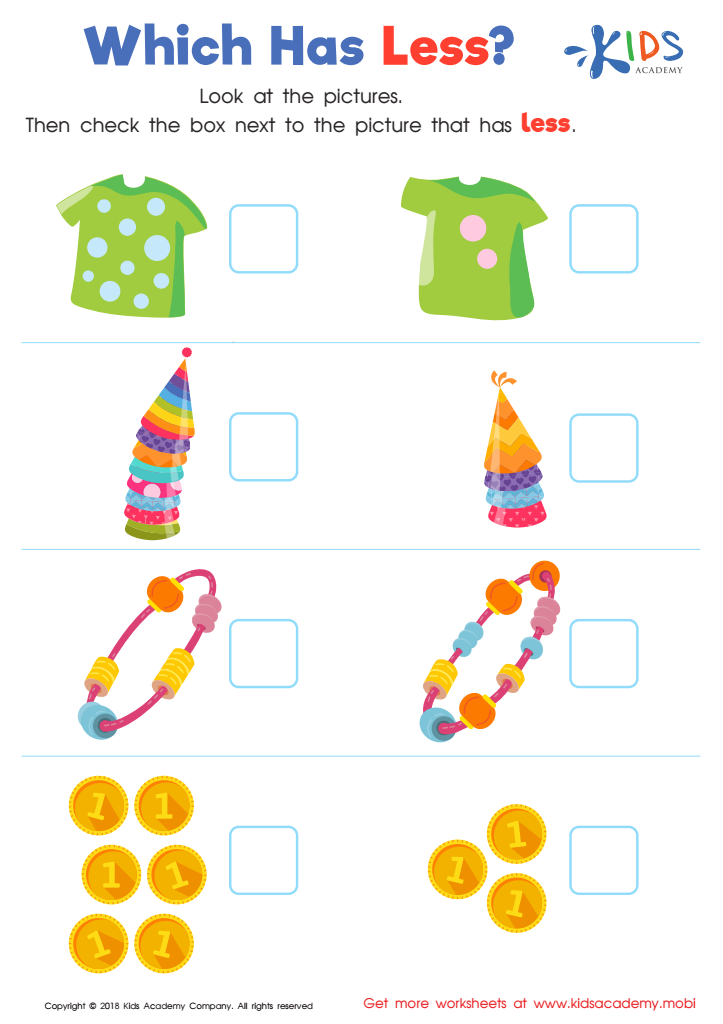
Which Has Less? Worksheet
 Assign to My Students
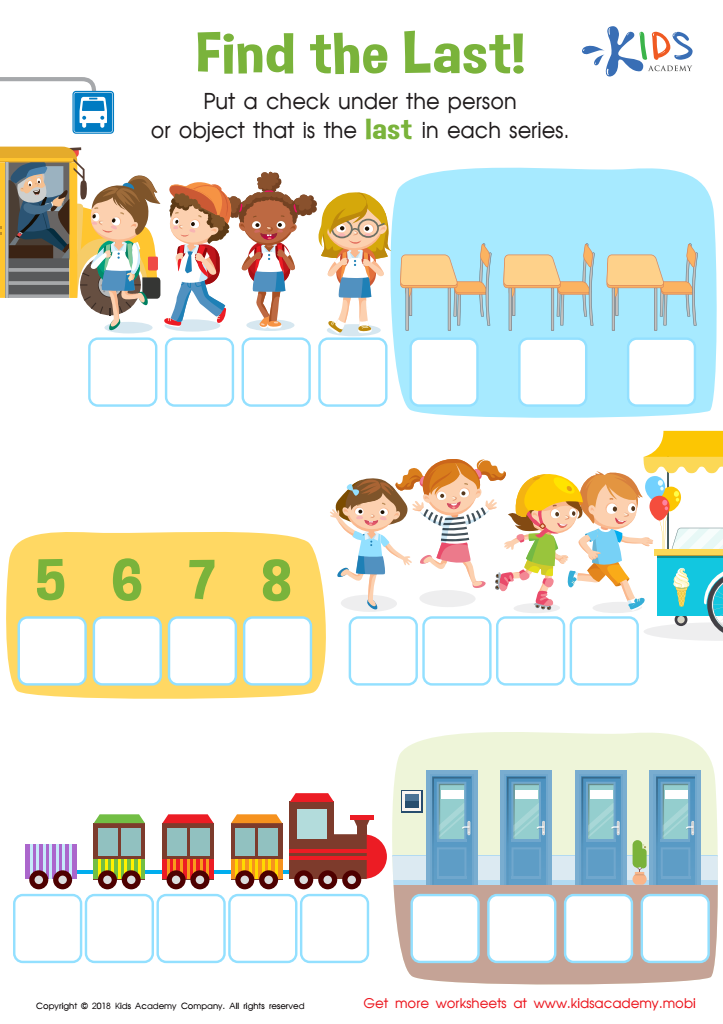
Find the Last! Worksheet
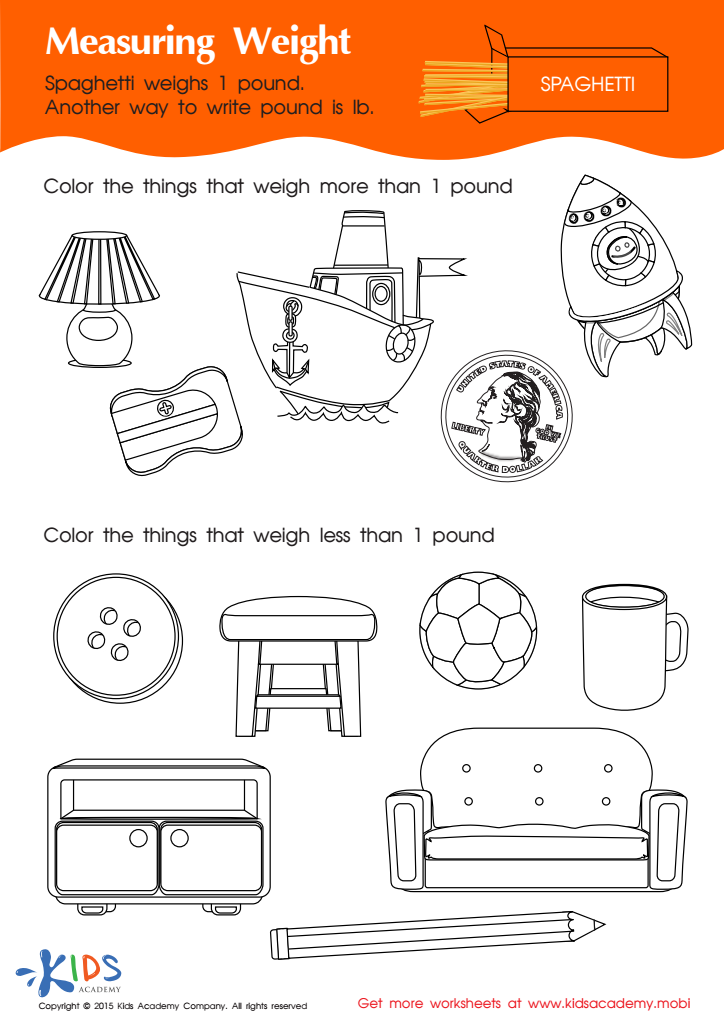
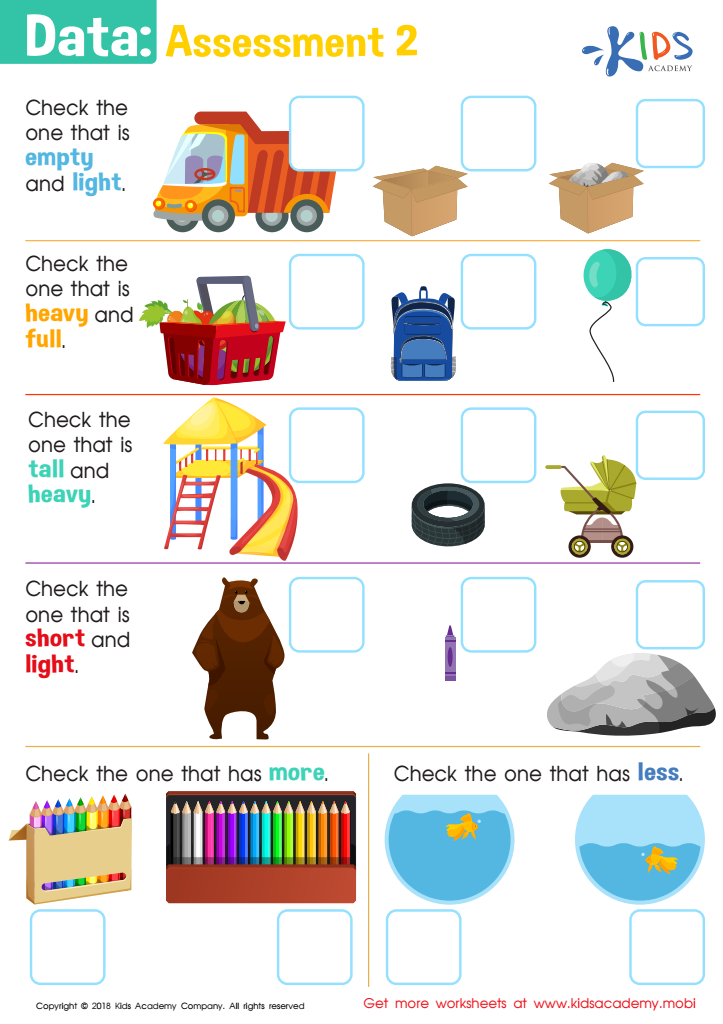
Data: Assessment 2 Worksheet
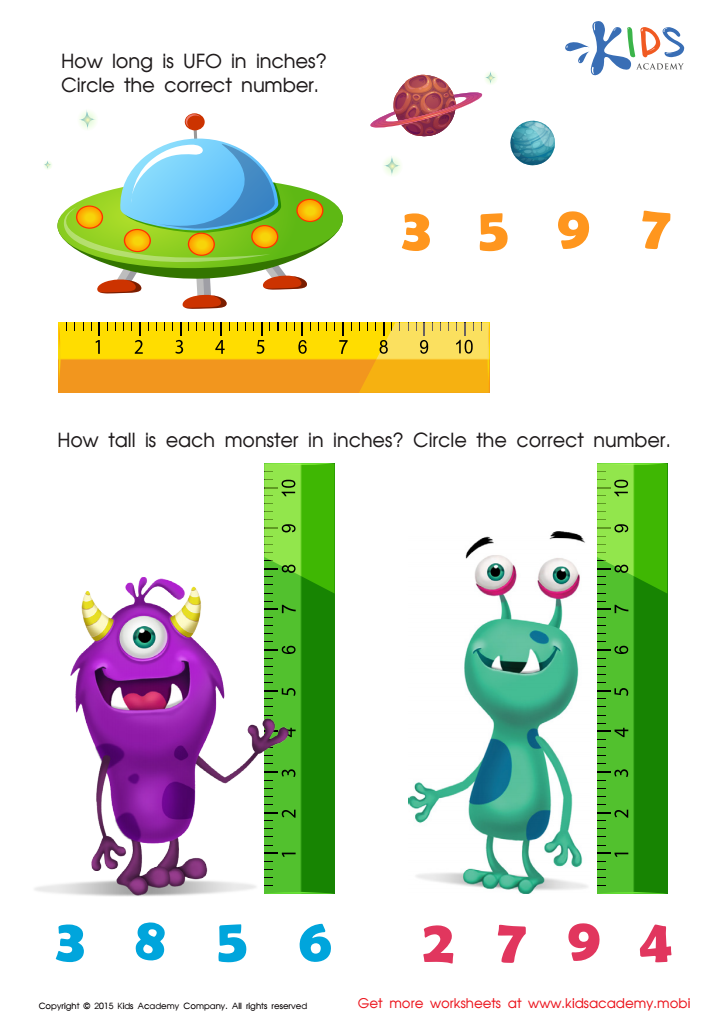
Measuring in Inches Worksheet
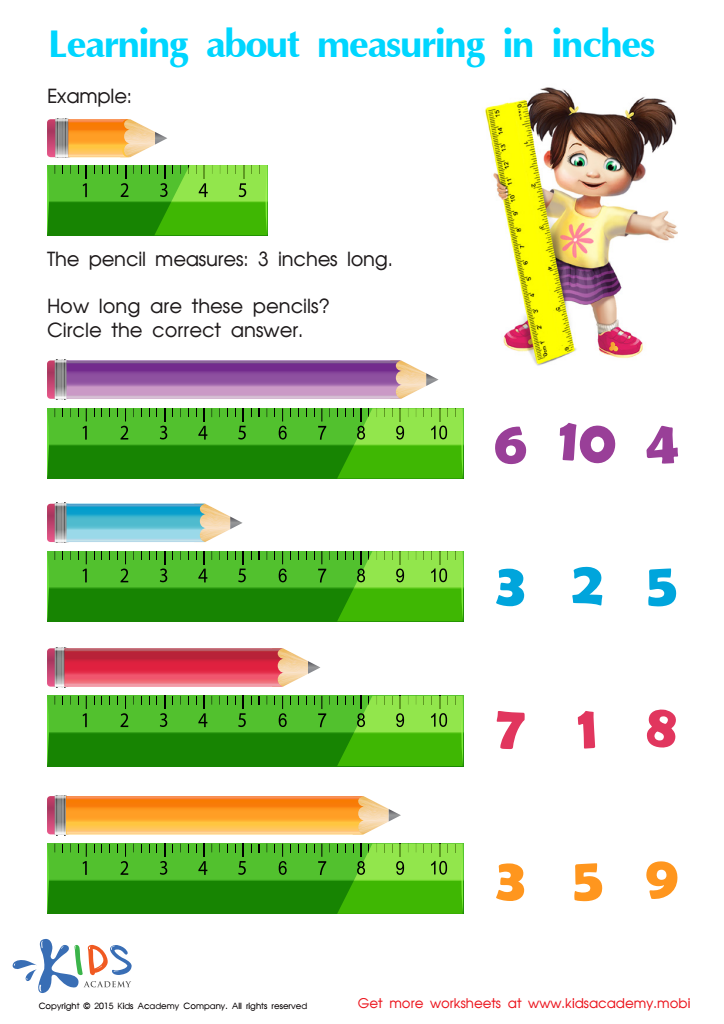
Learning About Measuring In Inches Printable
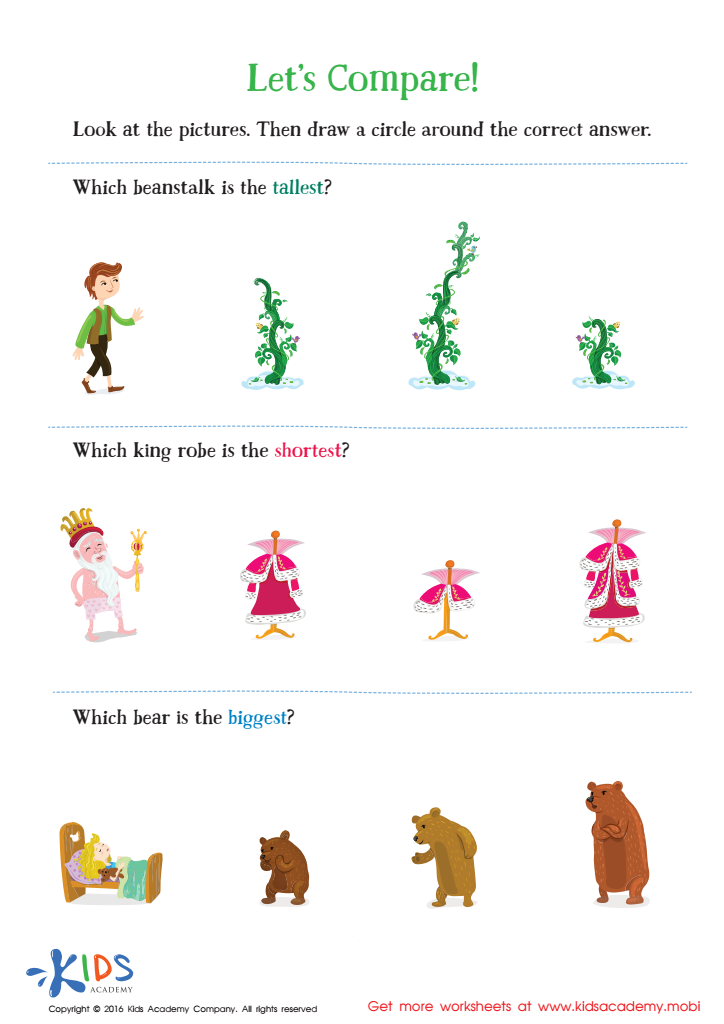
Fairy Tale Worksheet: Let's Compare
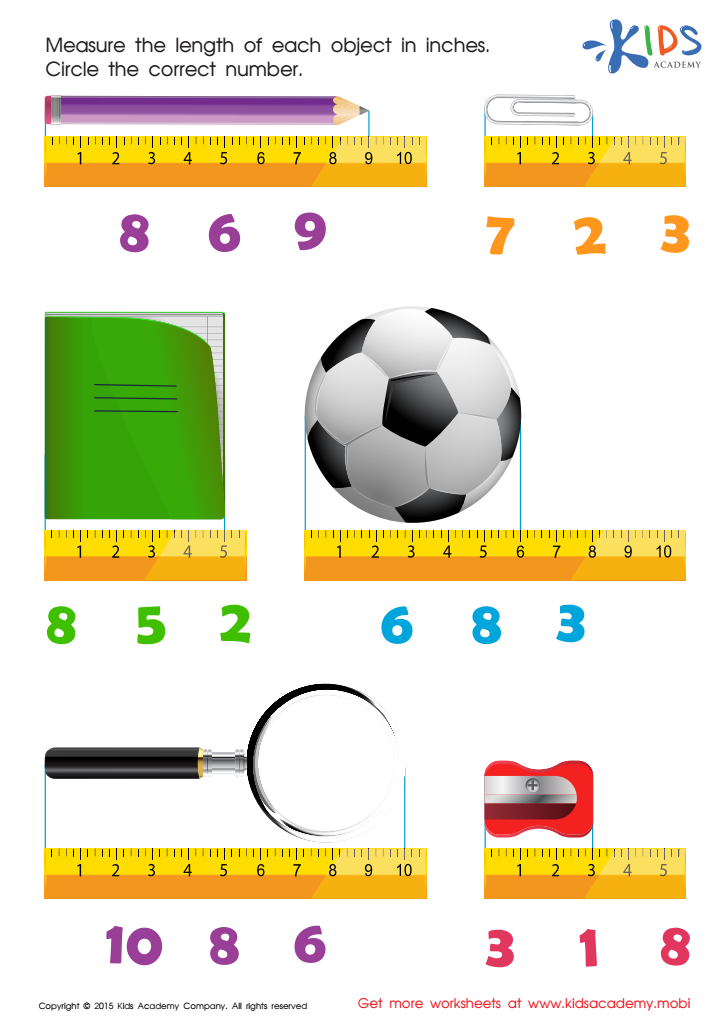
Learning measuring objects in inches Worksheet








Basic math skills, particularly in measurement, are foundational for children ages 3-5, influencing their cognitive and social development. Parents and teachers should prioritize these skills because early mathematical knowledge lays the groundwork for future academic success. Measurement, an essential aspect of math, helps children understand quantities, comparisons, and spatial relationships, which are crucial for problem-solving and critical thinking.
At this young age, children naturally engage with measurement concepts through play and exploration—whether filling containers with water, measuring ingredients for snacks, or comparing sizes of toys. By integrating measurement activities into everyday experiences, parents and teachers can make learning engaging and relevant.
Moreover, developing measurement skills fosters confidence. Children become adept at making comparisons, estimating, and analyzing information in their surroundings. These skills also encourage children to communicate effectively, as they learn to express their findings and experiences verbally.
By emphasizing measurement early on, we empower children with tools they will use throughout their education and daily lives. Investing in these skills not only enhances their mathematical understanding but also supports overall cognitive growth, setting up a strong foundation for lifelong learning. Thus, parents and teachers play a crucial role in promoting basic math skills during these formative years.








