Basic Counting Numbers 0–10 Worksheets for Ages 3-5
3 filtered results
-
From - To
Introduce your child to the world of numbers with our Basic Counting Numbers 0-10 worksheets, specially designed for ages 3-5. These engaging worksheets help young learners grasp fundamental counting skills in a fun and interactive way. With vibrant illustrations and easy-to-follow exercises, children will count objects, trace numbers, and progress at their own pace. Perfect for both classroom and home use, these activities build a strong mathematical foundation, fostering confidence and a love for learning. Ideal for preschoolers and kindergarteners, our resources promote early numeracy skills essential for future academic success. Start your child’s counting journey today!
 Assign to My Students
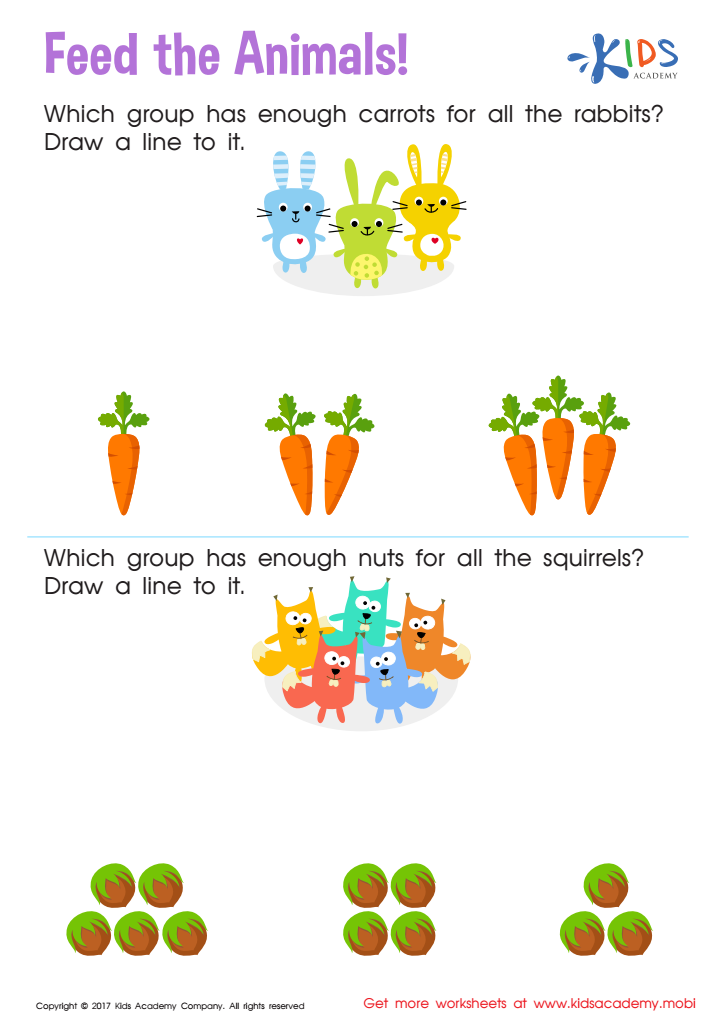
Count and Match: Feed the Animals Worksheet
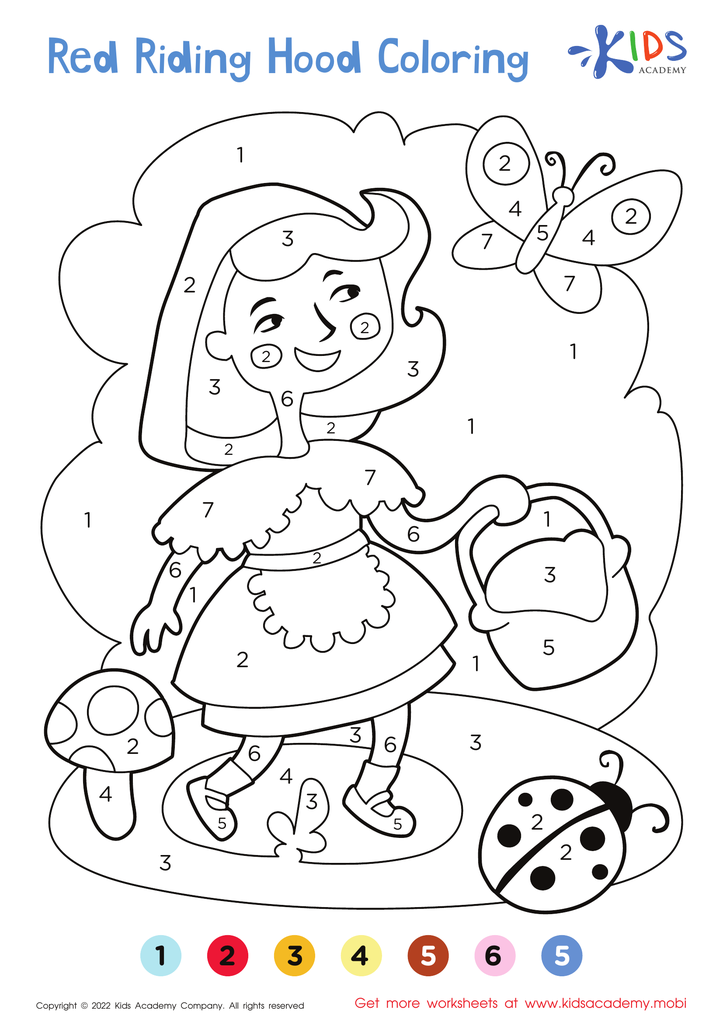
Little Red Riding Hood – Coloring by Numbers








Parents and teachers should care about basic counting numbers 0-10 for children ages 3-5 because this foundational skill lays the groundwork for future mathematical understanding and overall cognitive development. At this critical age, children are beginning to understand the world around them through exploration and observation.
Basic counting helps to develop essential skills such as number recognition and sequencing, which are pivotal for higher-level math concepts. It enhances their memory, attention span, and problem-solving abilities by learning how to count objects, match numbers to quantities, and understand numerical order. Additionally, these early math skills introduce patterns and establish a sense of order, contributing to logical thinking.
Another important aspect is that counting activities are usually hands-on and can enhance fine motor skills and hand-eye coordination, especially when using physical objects like blocks or beads.
Counting also integrates with everyday vocabulary and language skills. As children verbalize numbers and count out loud, they improve their pronunciation and communication abilities.
Moreover, learning to count provides a source of confidence and achievement, encouraging positive attitudes towards learning and exploration. These early successes can motivate children, fostering a long-lasting interest and positive disposition towards mathematics and academics in general. Hence, attentively nurturing these initial counting skills is crucial for ensuring well-rounded, future academic success.