Visual perception Numbers 0–10 Worksheets for Ages 3-5
13 filtered results
-
From - To
Enhance your child's visual perception skills with our engaging Numbers 0-10 worksheets designed specifically for ages 3-5! These fun, interactive worksheets help young learners improve their number recognition and comprehension through colorful illustrations and hands-on activities. Children will practice identifying and counting numbers from 0 to 10, fostering essential math skills while reinforcing their visual perception capabilities. Perfect for preschool, pre-K, and kindergarten environments, these worksheets encourage independent learning and creativity. Give your child a head start in their educational journey—download our affordable, high-quality worksheets today to make learning math enjoyable and effective!
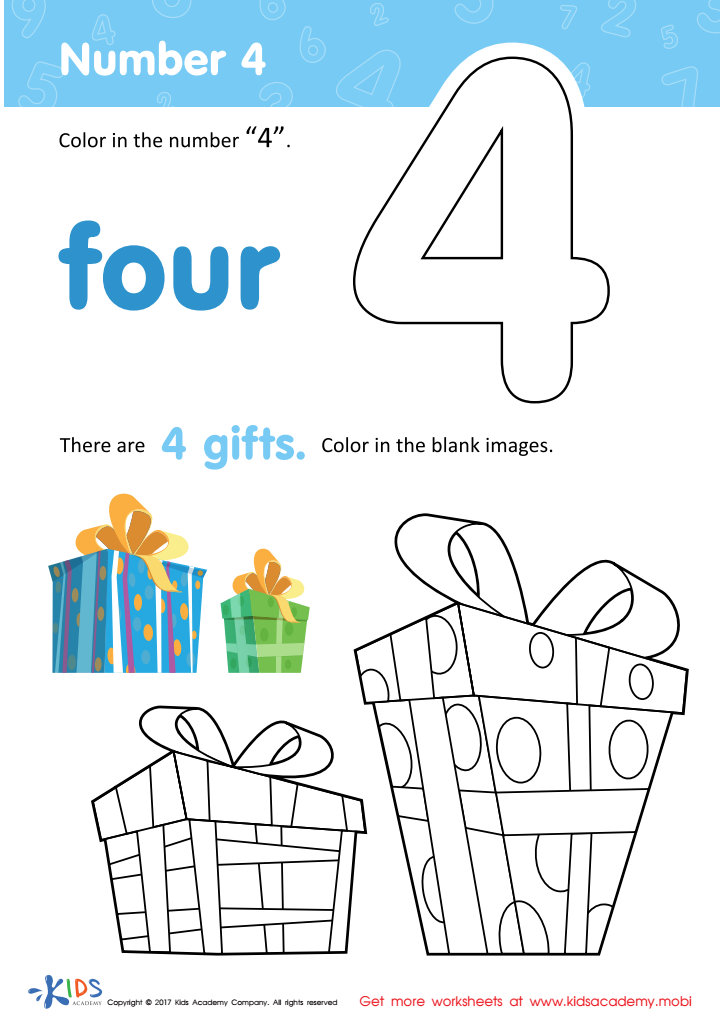
Number 4 Printable
 Assign to My Students
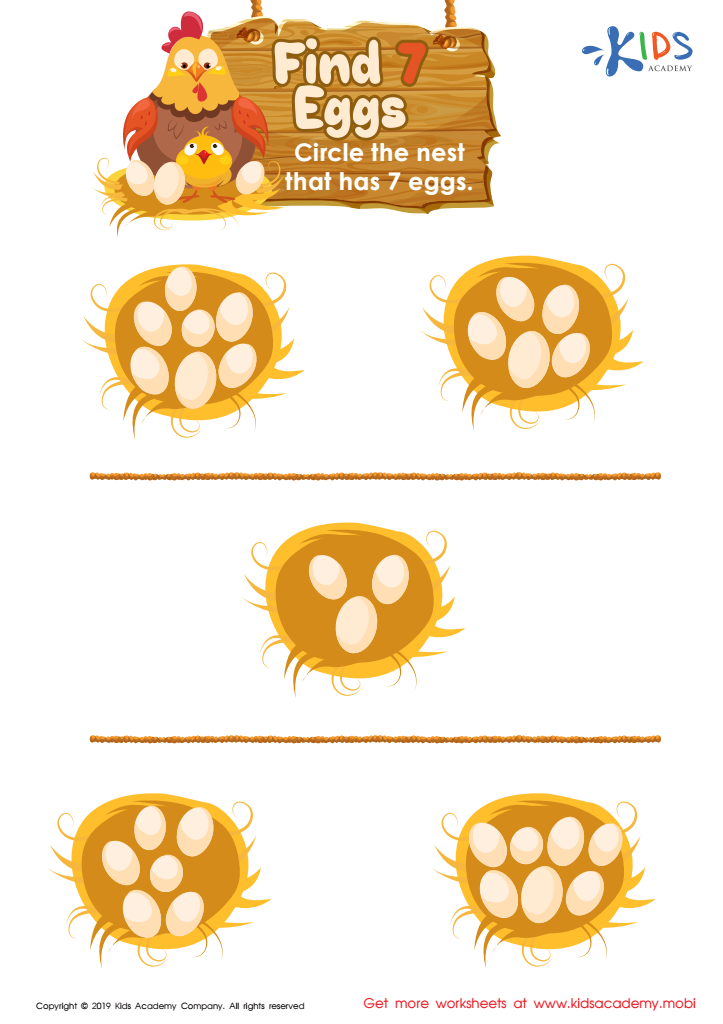
Find 7 Eggs Worksheet
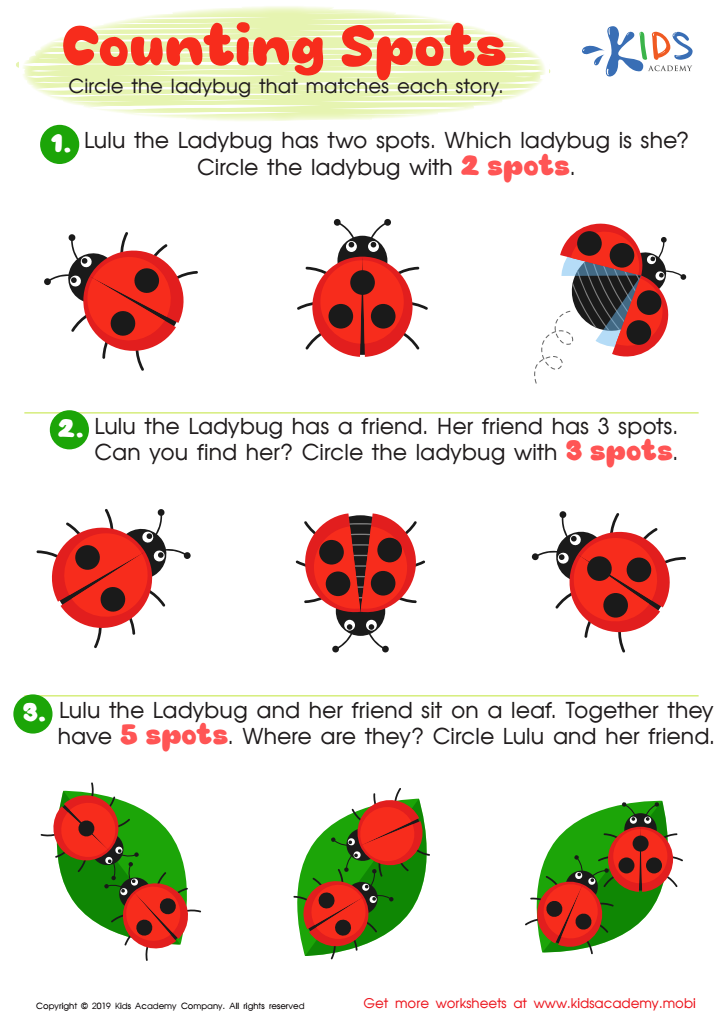
Counting Spots Worksheet
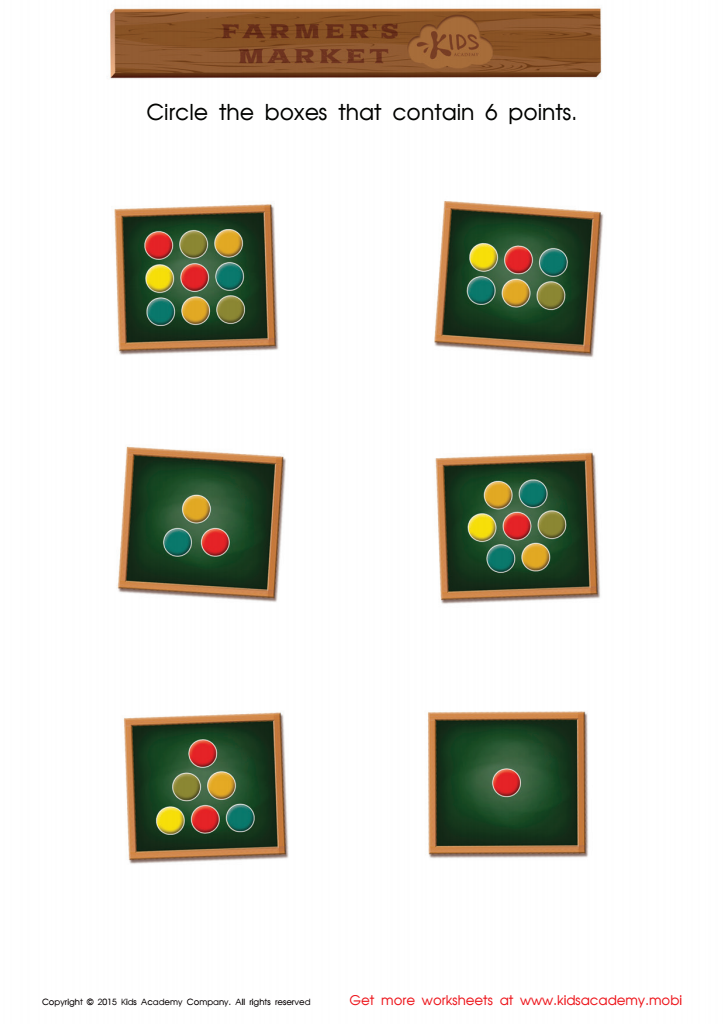
Count and Match Points 6 Math Worksheet
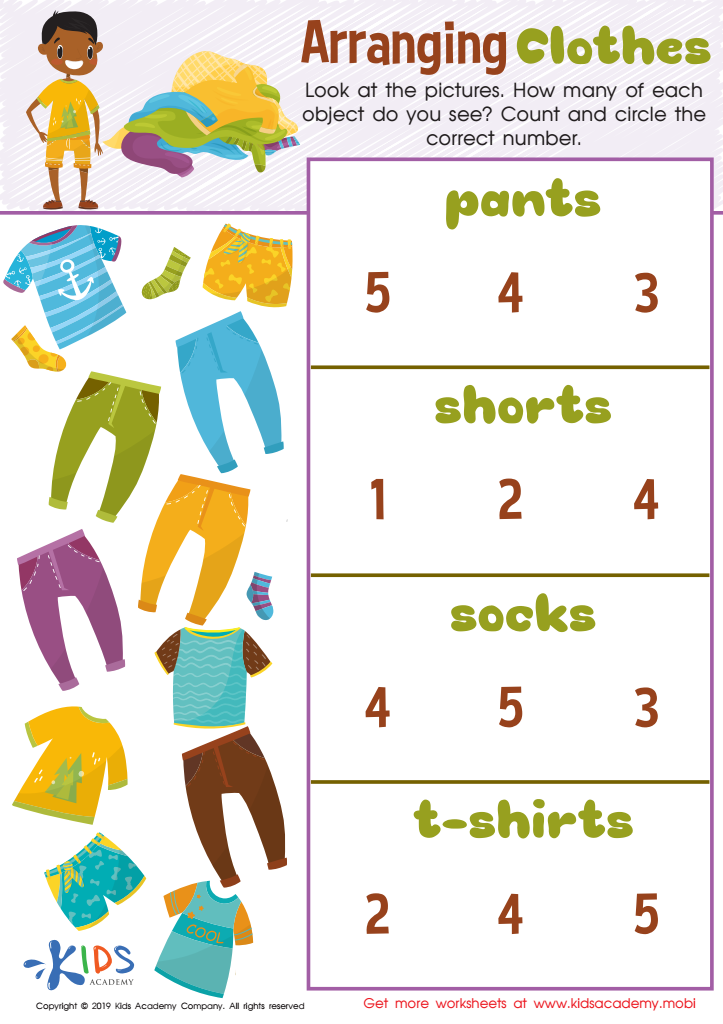
Arranging Clothes Worksheet
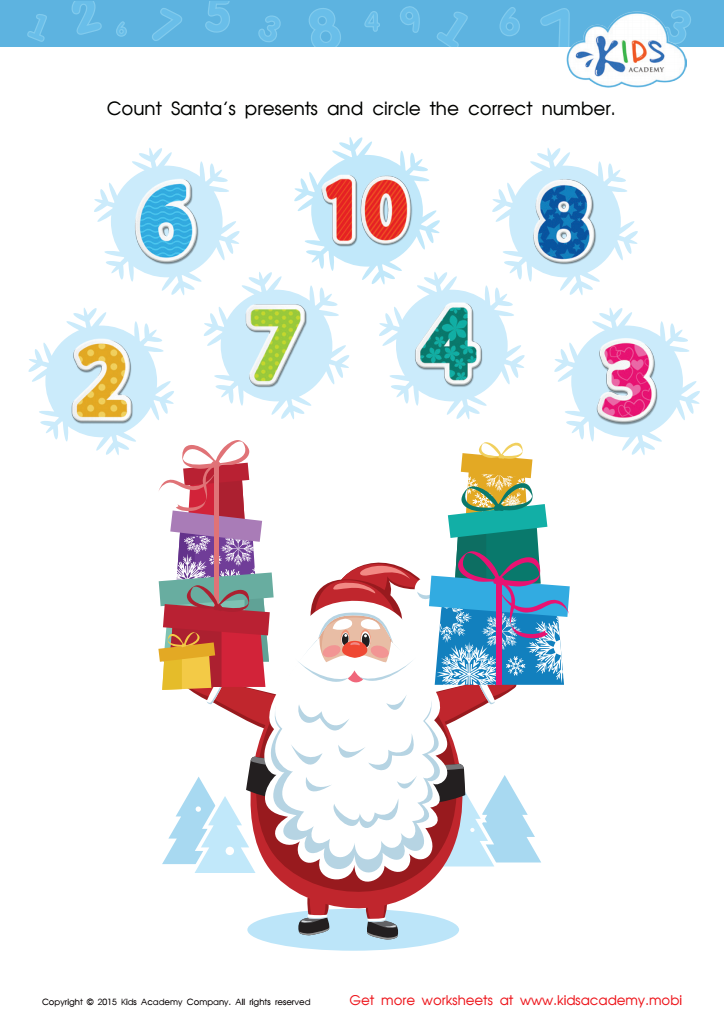
Count Santa's Presents Worksheet
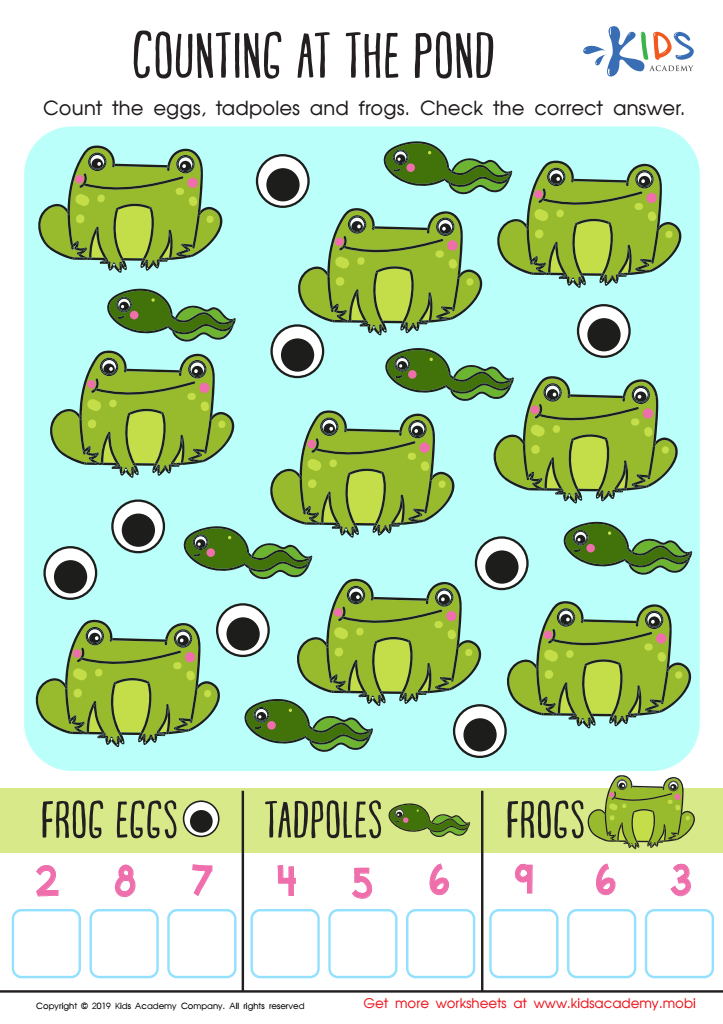
Counting at the Pond Worksheet
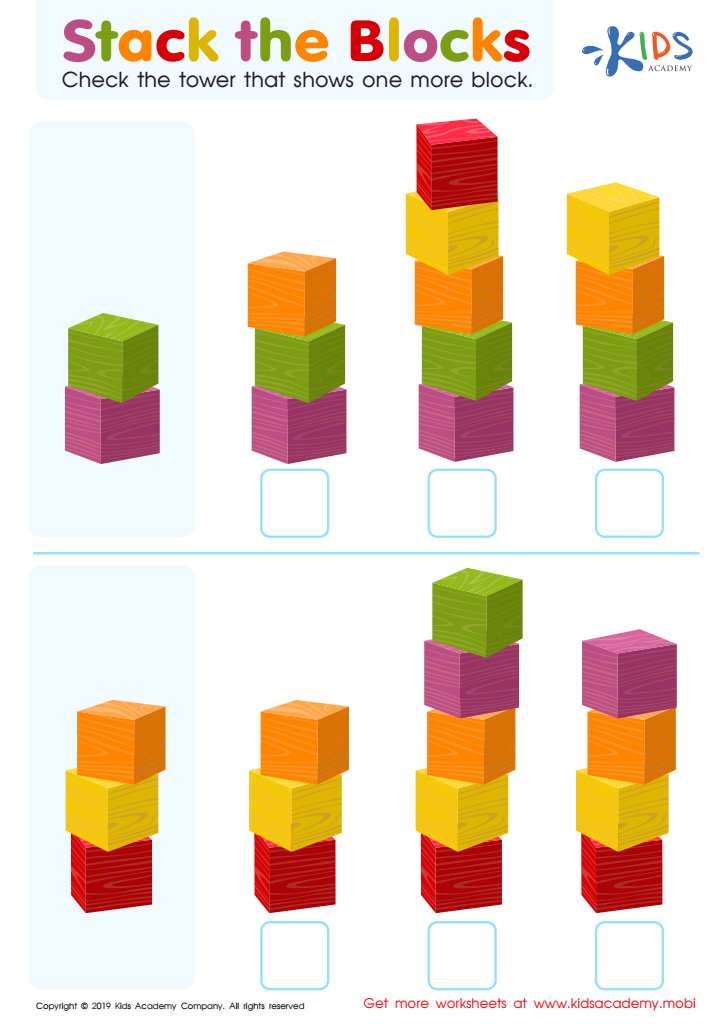
Stack the Blocks Worksheet
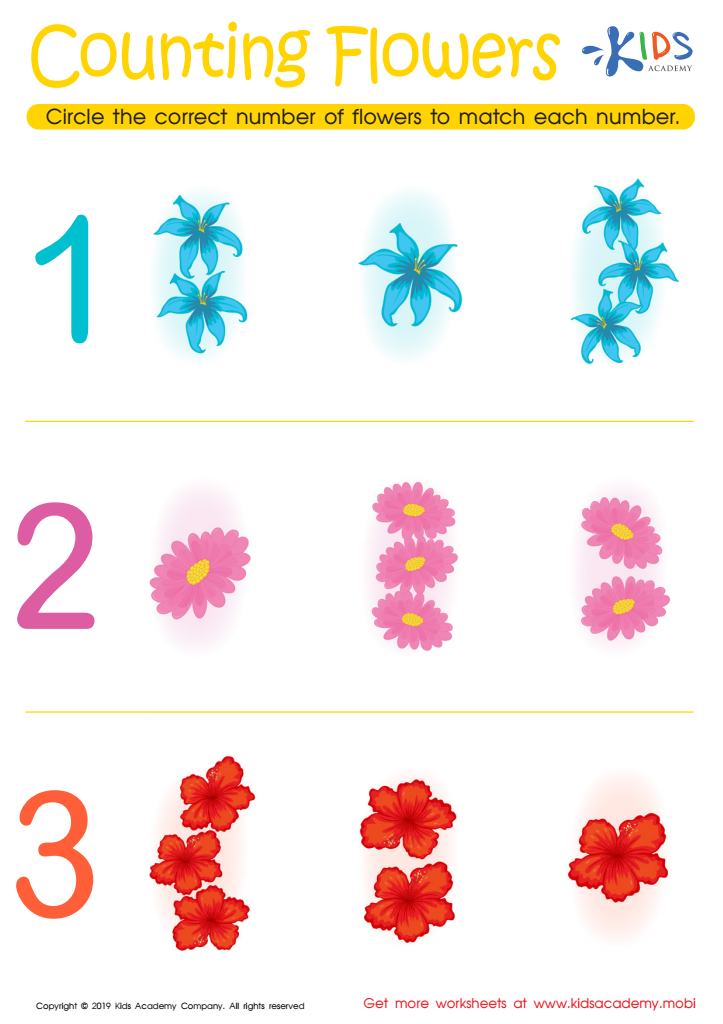
Counting Flowers Worksheet
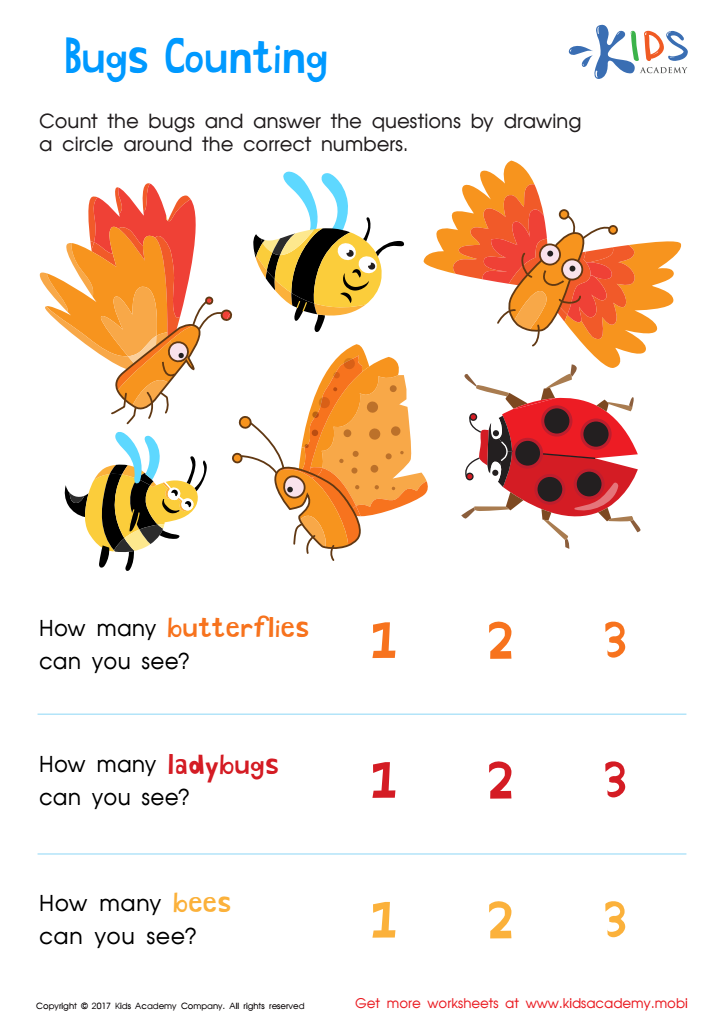
Bugs Counting Worksheet
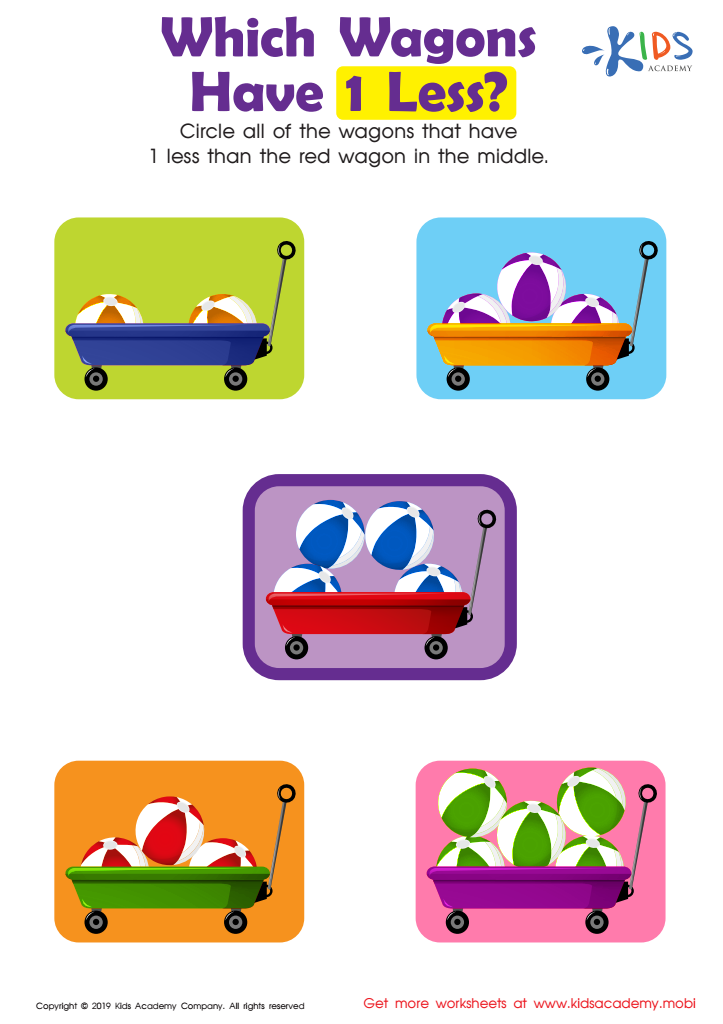
Which Wagons Have 1 Less? Worksheet
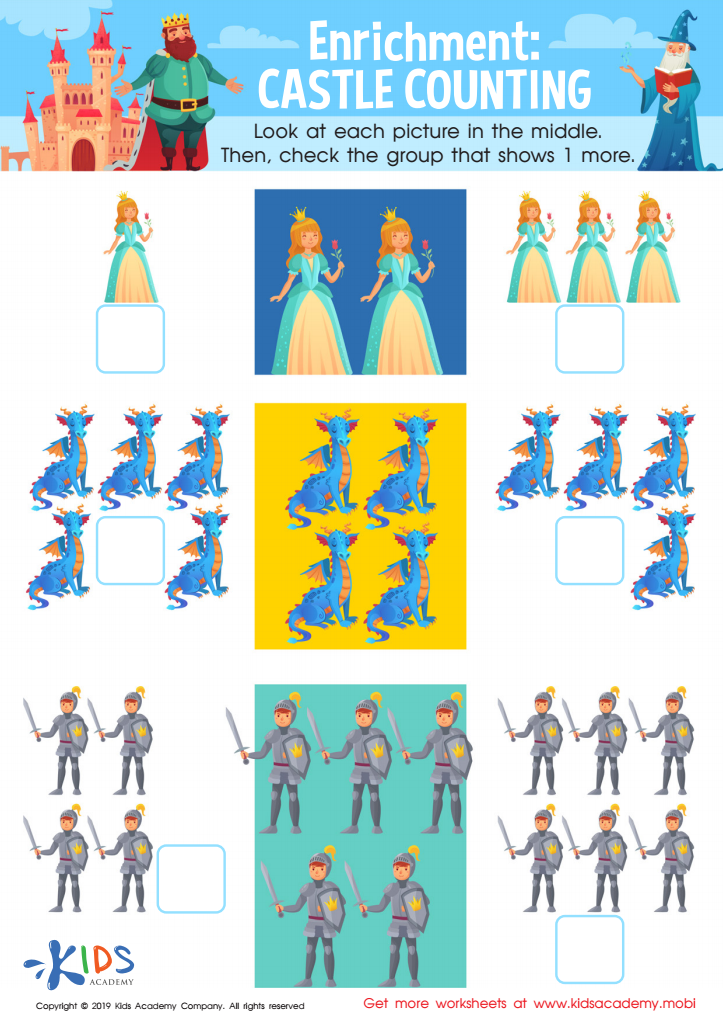
Enrichment: Castle Counting Worksheet
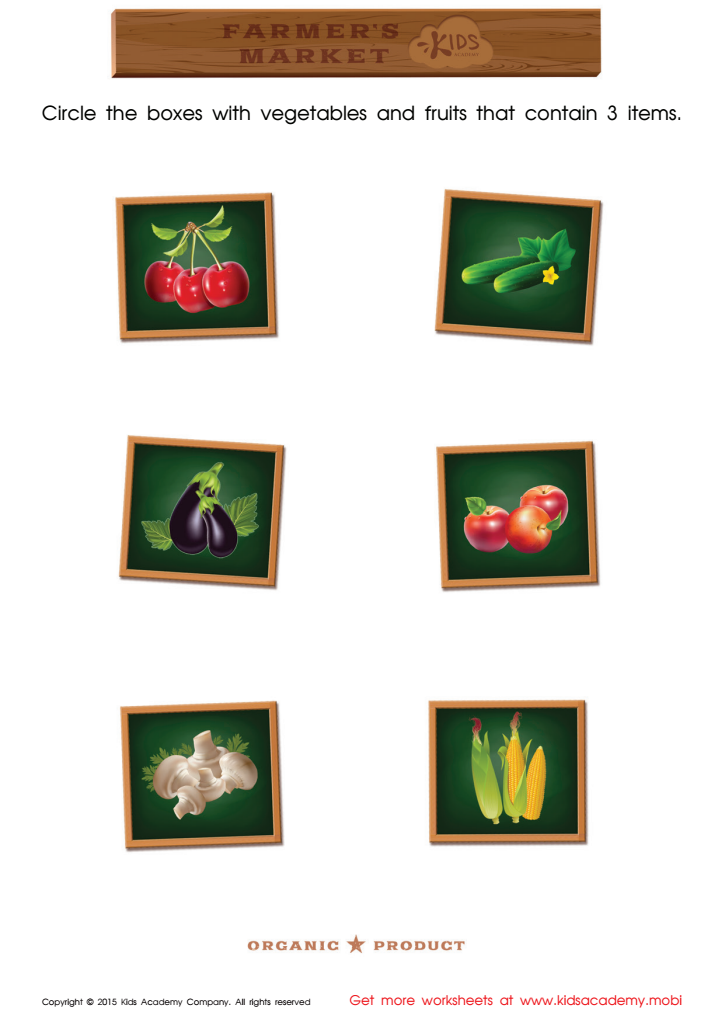
Count and Match Vegetables 1 – 5 Math Worksheet








Visual perception is a crucial cognitive skill that helps young children interpret and understand visual information. For children ages 3-5, developing skills related to visual perception, especially for numbers 0-10, lays the foundation for future academic success. At this stage, the ability to visually recognize numbers aids in identification and counting, essential for early math skills.
Parents and teachers should prioritize visual perception because it enhances children's ability to grasp mathematical concepts quickly. Understanding and recognizing numbers visually support various classroom activities, from simple counting exercises to more complex math problems. Effective visual perception helps children differentiate between similar-looking numbers and improves their confidence and accuracy when working with mathematical tasks.
Furthermore, strong visual perception skills contribute to overall cognitive development, including critical thinking and problem-solving skills. Engaging children in fun activities—such as matching games, number puzzles, and visual discrimination tasks—encourages learning through play. Investing time and resources in developing visual perception for numbers 0-10 not only enriches the educational experience but also prepares children for the more advanced math they will encounter in later grades. Therefore, prioritizing these skills is essential for fostering a love for learning and supporting lifelong academic achievement.








