Counting practice Building Vocabulary Worksheets for Ages 3-5
3 filtered results
-
From - To
Discover exciting "Counting Practice Building Vocabulary Worksheets for Ages 3-5" designed to enhance your child's early learning journey! These engaging printable activities combine counting exercises with vocabulary building to strengthen foundational math and language skills in a fun, interactive way. Perfect for preschoolers and kindergarteners, our worksheets feature colorful illustrations and playful themes to keep young learners motivated and eager to learn. Tailored for ages 3-5, they foster essential skills such as number recognition, counting proficiency, word identification, and language development. Prepare your little ones for academic success; explore our vibrant collection and ignite their passion for learning today!
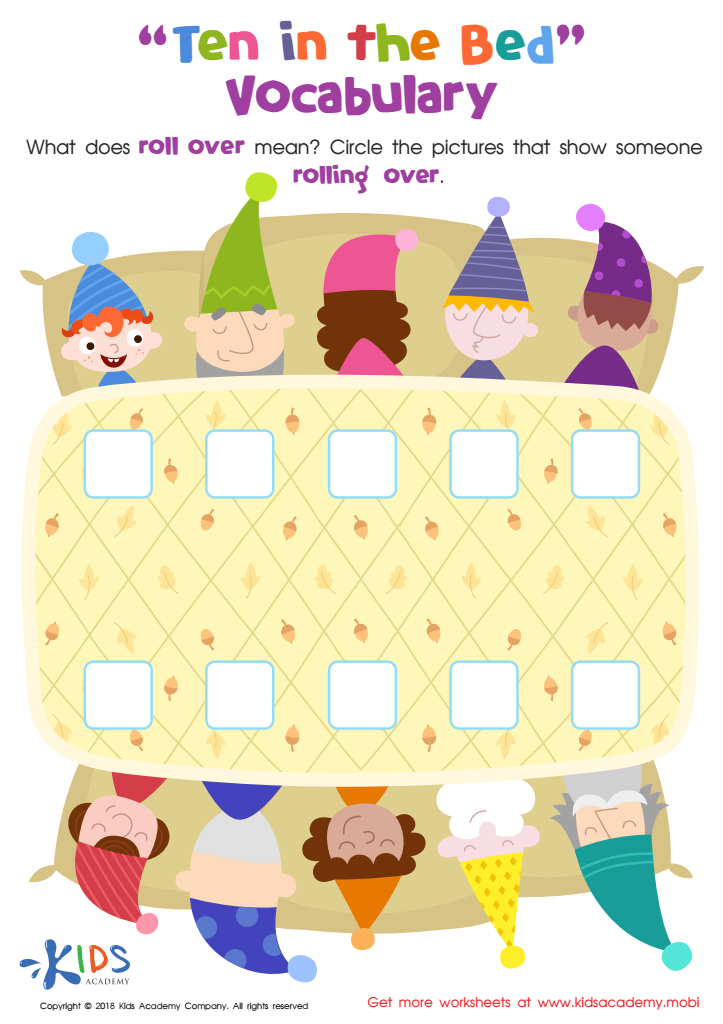
Ten in the Bed: Vocabulary Worksheet
 Assign to My Students











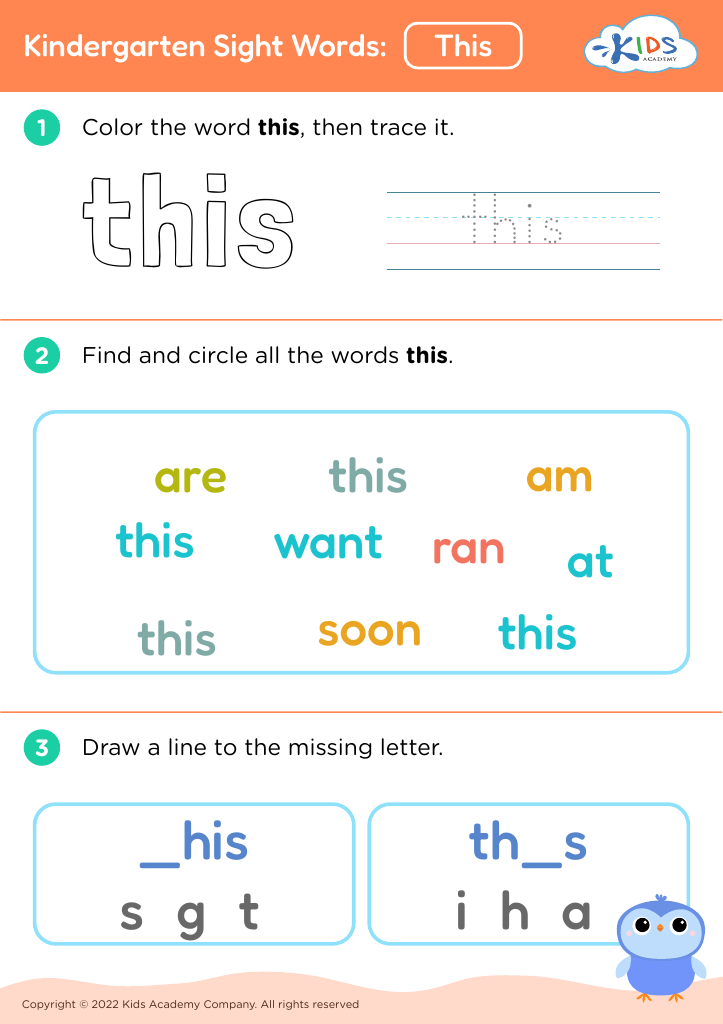
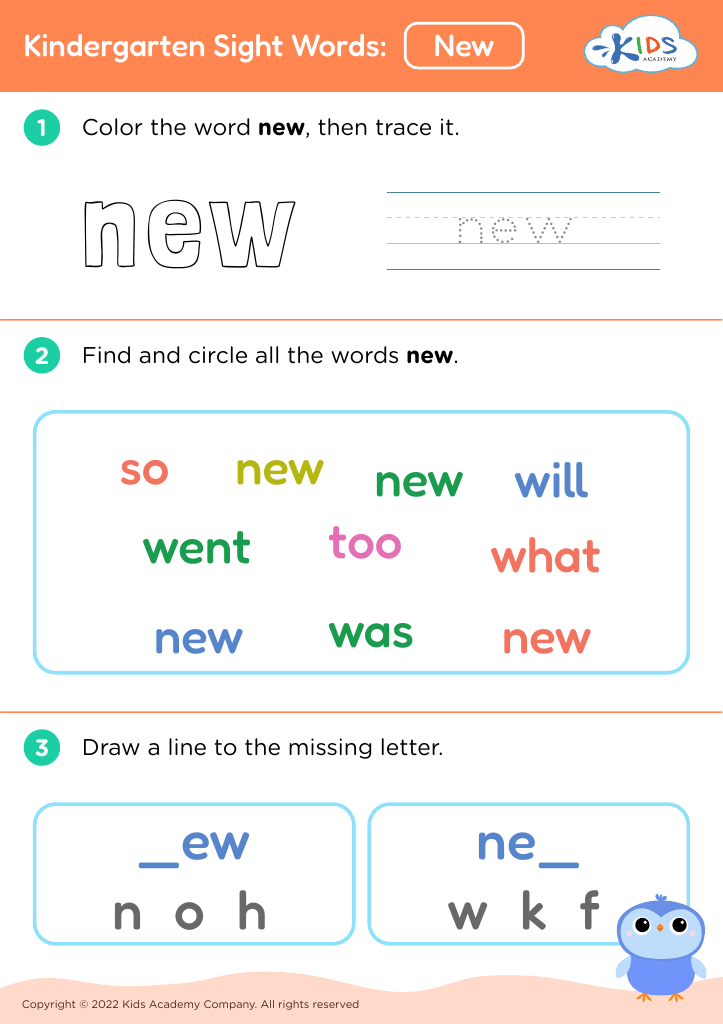








Counting practice and vocabulary building are essential developmental milestones for children aged 3-5, offering foundational benefits that extend well into their later academic years and daily life. Early counting practice introduces children to numerical concepts and basic arithmetic, which are crucial for their cognitive development. Understanding numbers and quantities helps kids develop problem-solving skills, logical thinking, and the ability to categorize information, all of which are vital in various learning contexts.
Simultaneously, building a robust vocabulary at an early age facilitates better communication and comprehension skills. A rich vocabulary allows children to express themselves more clearly and understand instructions or stories, thereby enhancing their ability to engage meaningfully in both social and academic settings. Vocabulary building also underpins reading proficiency, contributing to a child's ability to decode text and fostering a lifelong love for books and learning.
Moreover, these early practices nurture a positive attitude toward education. When parents and teachers invest time in counting and language activities, they demonstrate that learning is fun and valuable. During this formative period, children are sponges for knowledge, and engaging them in these foundational practices can set the stage for future educational success and a well-rounded intellectual development. Therefore, focusing on counting and vocabulary exercises is not just beneficial but crucial for young learners.








