Counting skills Building Vocabulary Worksheets for Ages 3-5
12 filtered results
-
From - To
Enhance your child's counting skills while building their vocabulary with our engaging worksheets designed for ages 3-5! Our fun and interactive resources promote early numeracy and language development, making learning delightful. Each worksheet incorporates colorful visuals and playful activities that encourage toddlers to practice counting objects and associating numbers with words. With a focus on hands-on learning and creativity, these worksheets foster essential foundational skills in young learners. Perfect for home or classroom use, our Counting Skills Building Vocabulary Worksheets provide an effective way to prepare your child for future educational success. Unlock the joy of learning today!
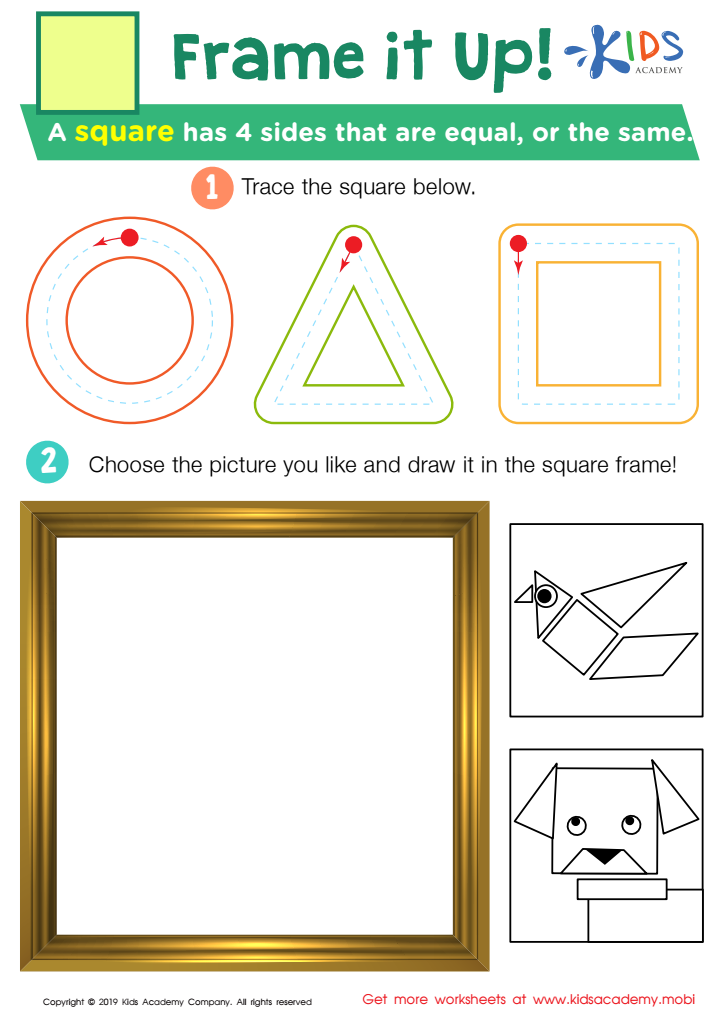
Frame it Up Worksheet
 Assign to My Students











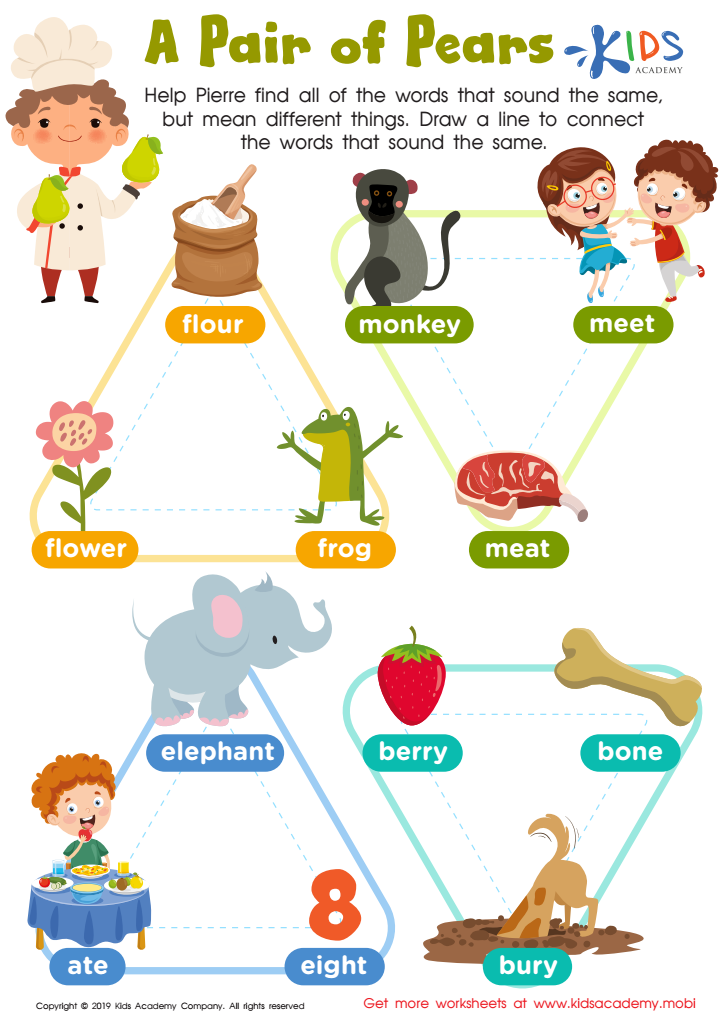
Pair Pears Worksheet
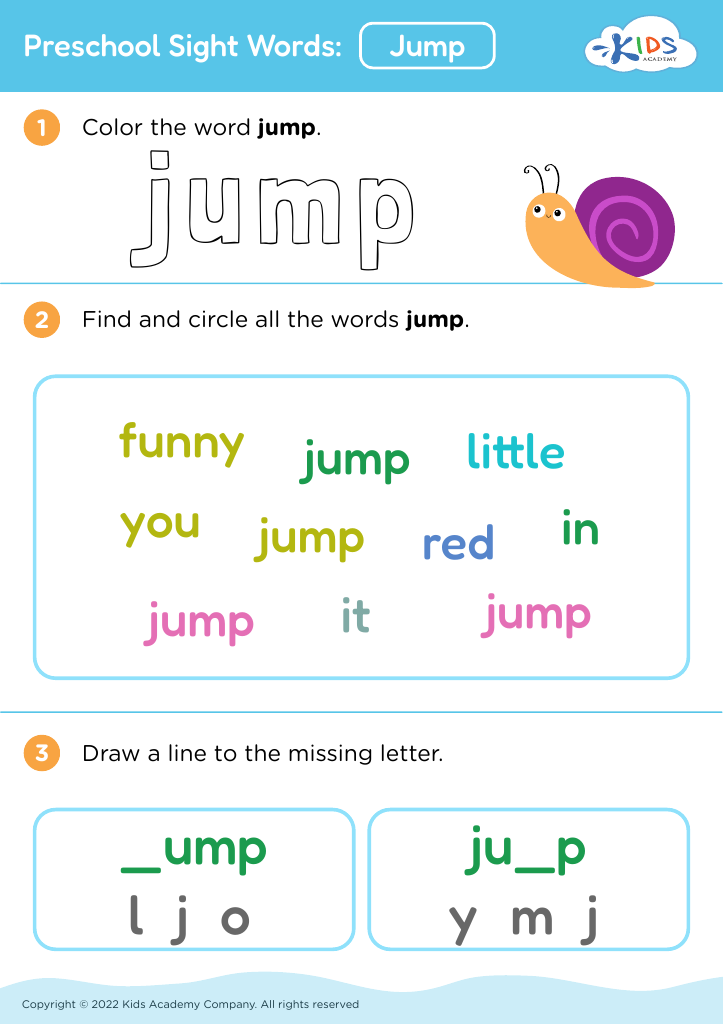
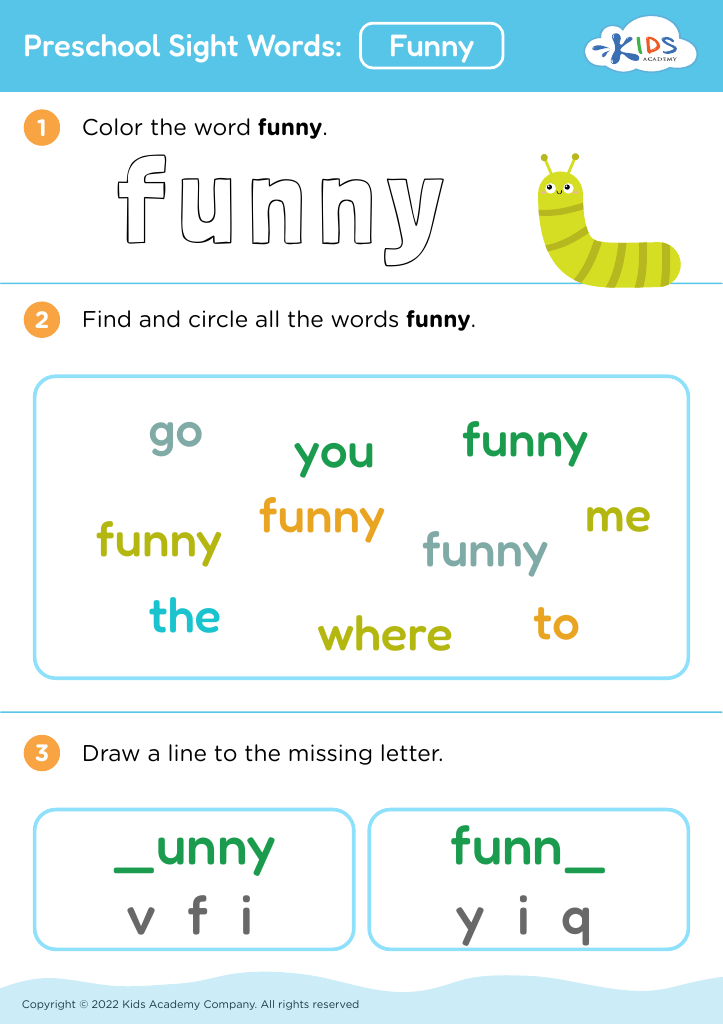
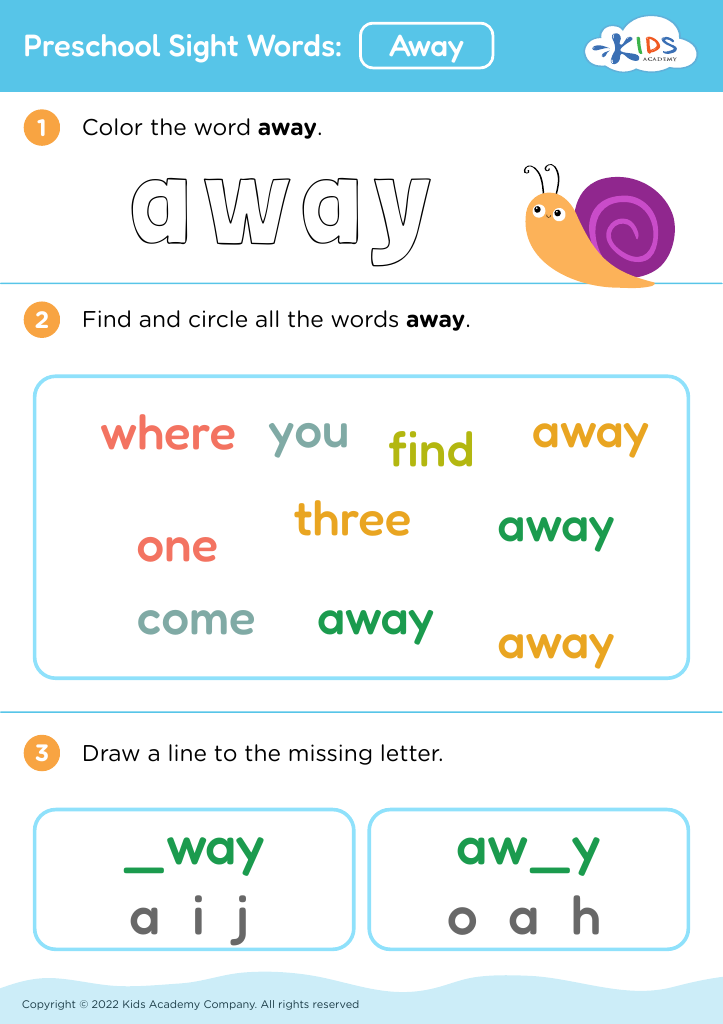
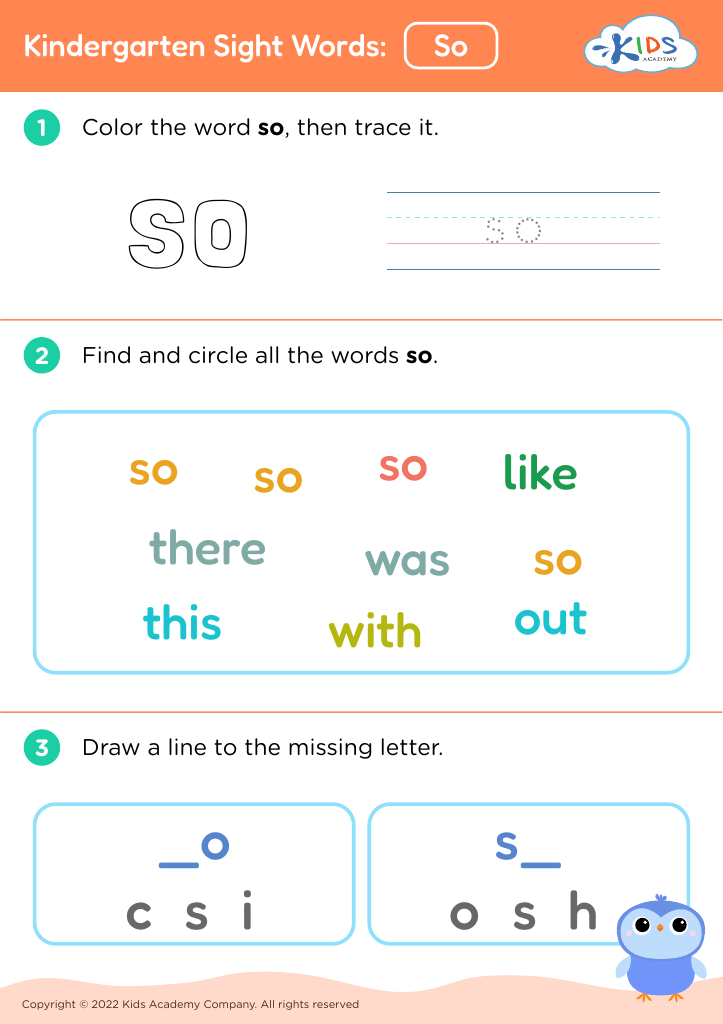
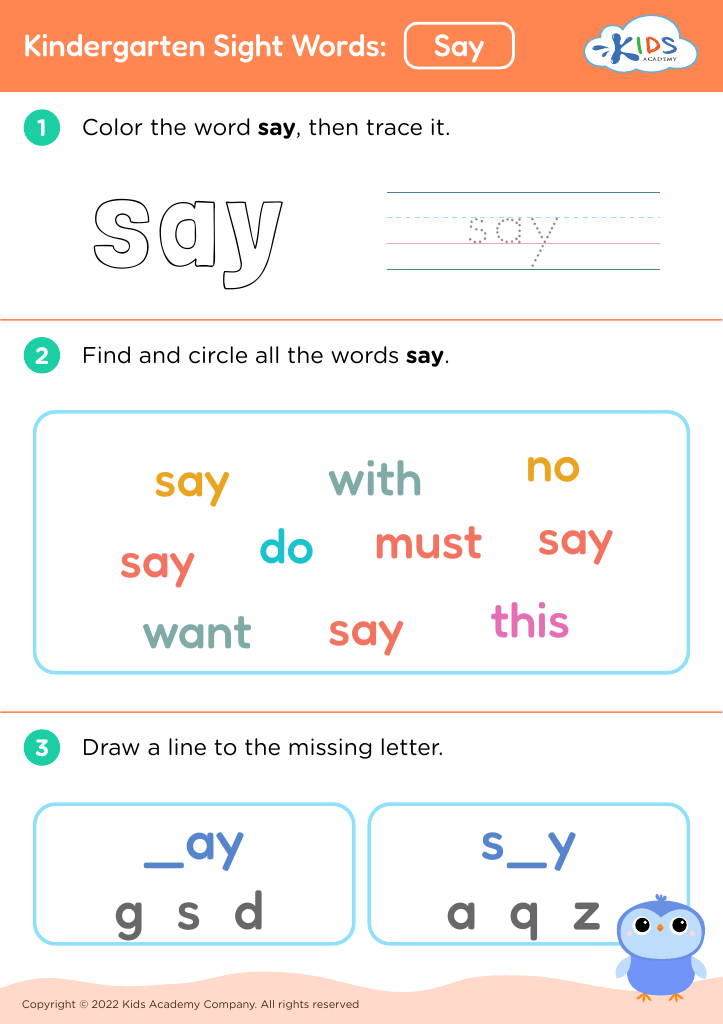
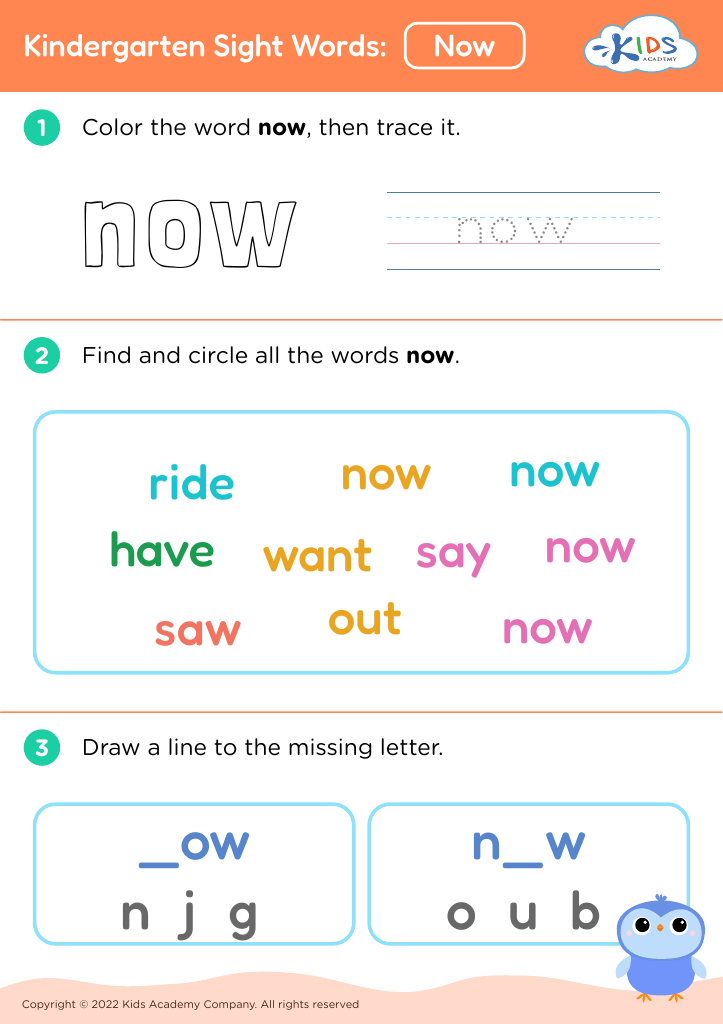
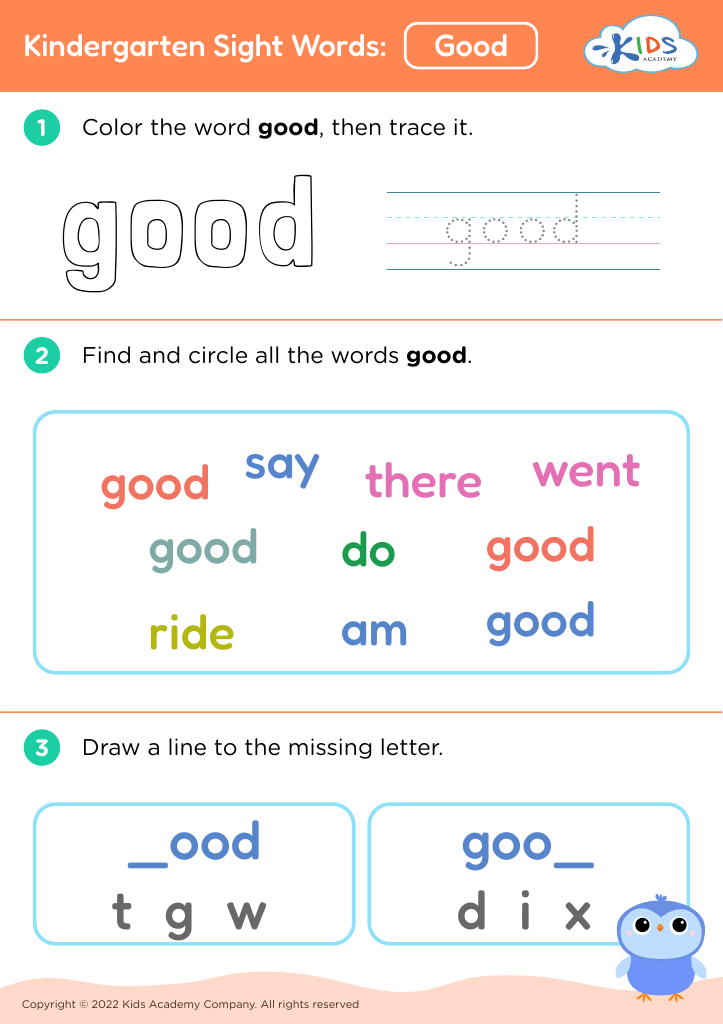
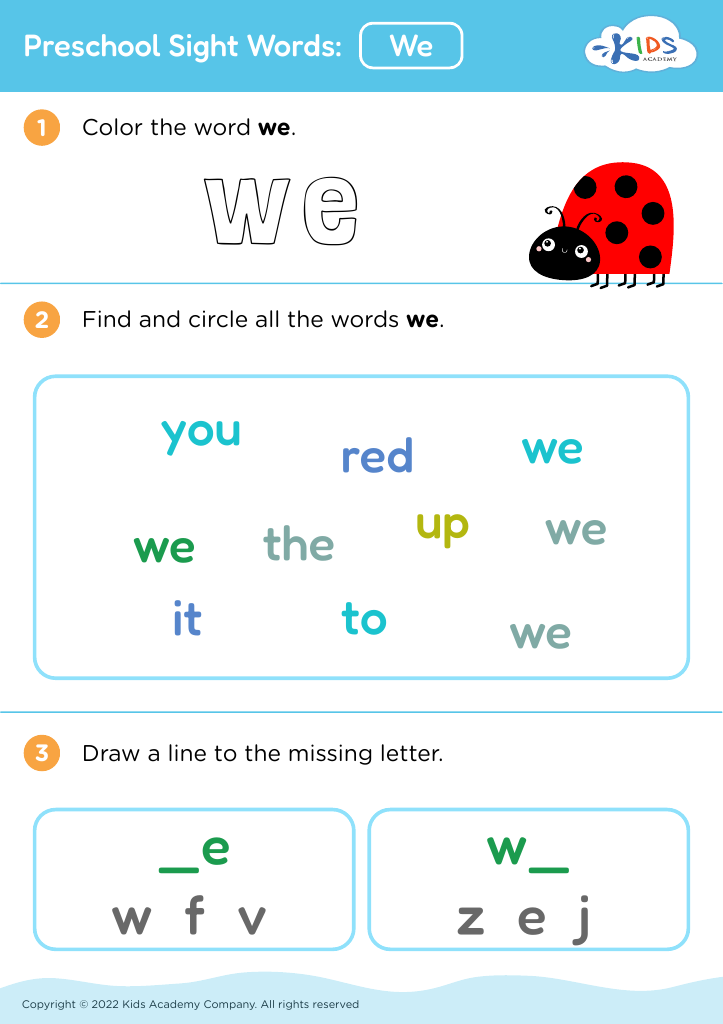








Counting skills and vocabulary building are fundamental for young children's cognitive and social development, especially for those ages 3-5. At this crucial stage, children begin to form the backbone of their mathematical understanding and language abilities. Counting skills not only aid in number comprehension but also enhance problem-solving and analytical thinking. Engaging in counting activities helps children learn one-to-one correspondence, quantity recognition, and basic arithmetic, which are essential for later math mastery.
Equally important is vocabulary building. A rich vocabulary enhances communication skills and fosters confidence as children express themselves. When children learn new words, they become better listeners and readers, which are vital skills in both academic and everyday contexts. Vocabulary development is closely linked to concept understanding; thus, it shapes how children perceive the world around them.
When parents and teachers support counting and vocabulary development through activities such as storytelling, games, or interactive discussions, they create a stimulating learning environment. This nurtures creativity, cognitive growth, and social interaction. In essence, establishing strong counting skills and a robust vocabulary during these formative years lays the groundwork for academic success and lifelong learning. Investing in these foundational skills equips children to navigate their educational journey with confidence and enthusiasm.








