Following instructions Building Vocabulary Worksheets for Ages 3-5
8 filtered results
-
From - To
Boost your child's language development with our "Following Instructions Building Vocabulary Worksheets" designed for ages 3-5. These engaging worksheets provide young learners with fun activities focused on following simple instructions while enhancing their vocabulary skills. Each task promotes comprehension, encourages critical thinking, and builds confidence in communication. Perfect for both home and classroom use, our resources help children grasp essential words and phrases needed for effective expression. With colorful visuals and imaginative themes, kids will love exploring language through interactive learning. Get started today and watch your little ones flourish as they enjoy following directions and expanding their vocabulary!
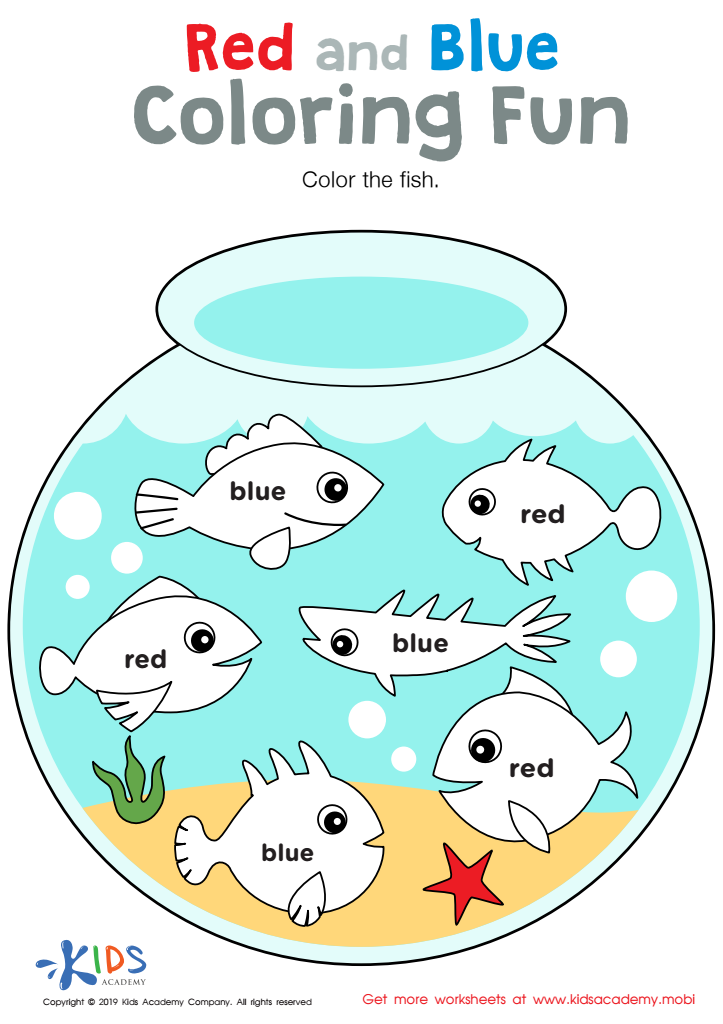
Red and Blue Coloring Fun Worksheet
 Assign to My Students











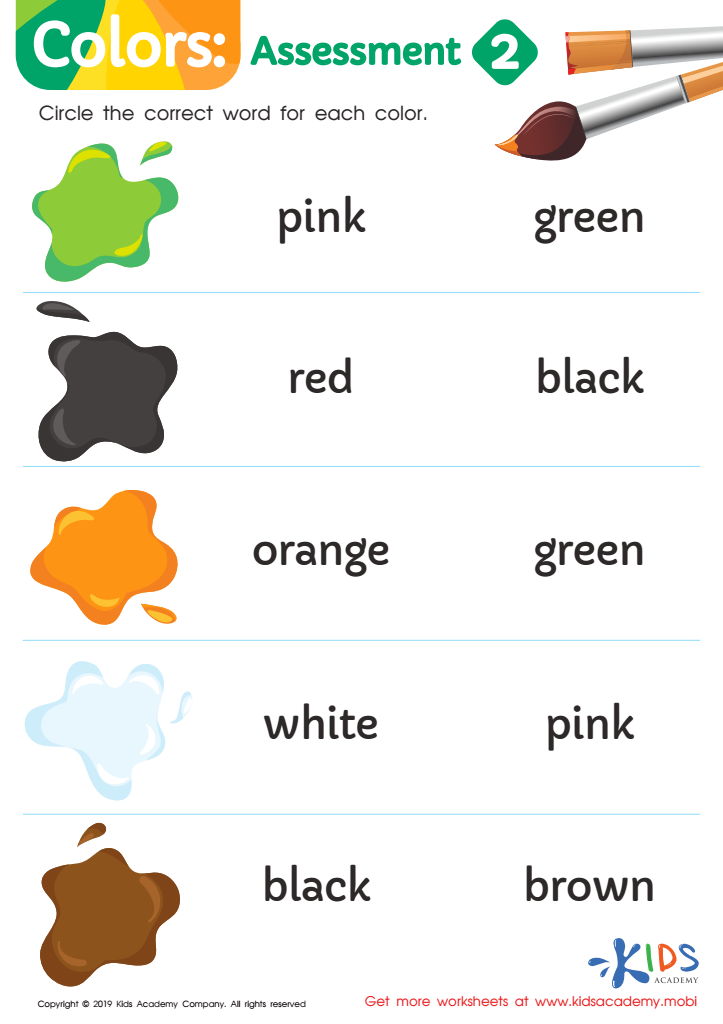
Colors: Assessment 2 Worksheet

Monster's Face Coloring Worksheet
Assign to My Students
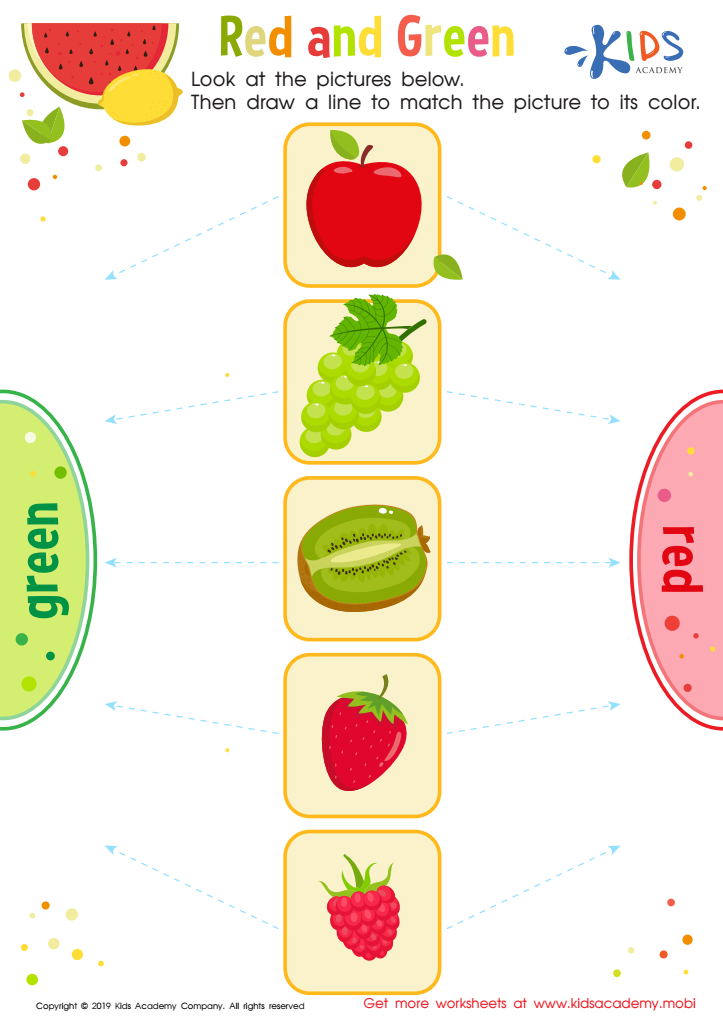
Red and Green Worksheet
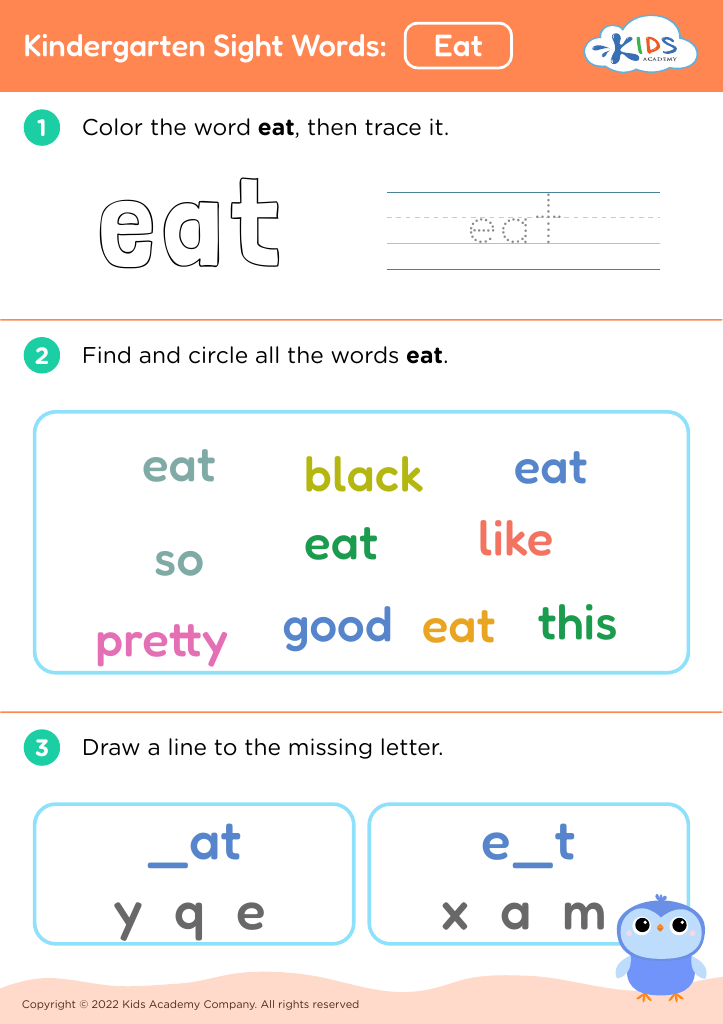
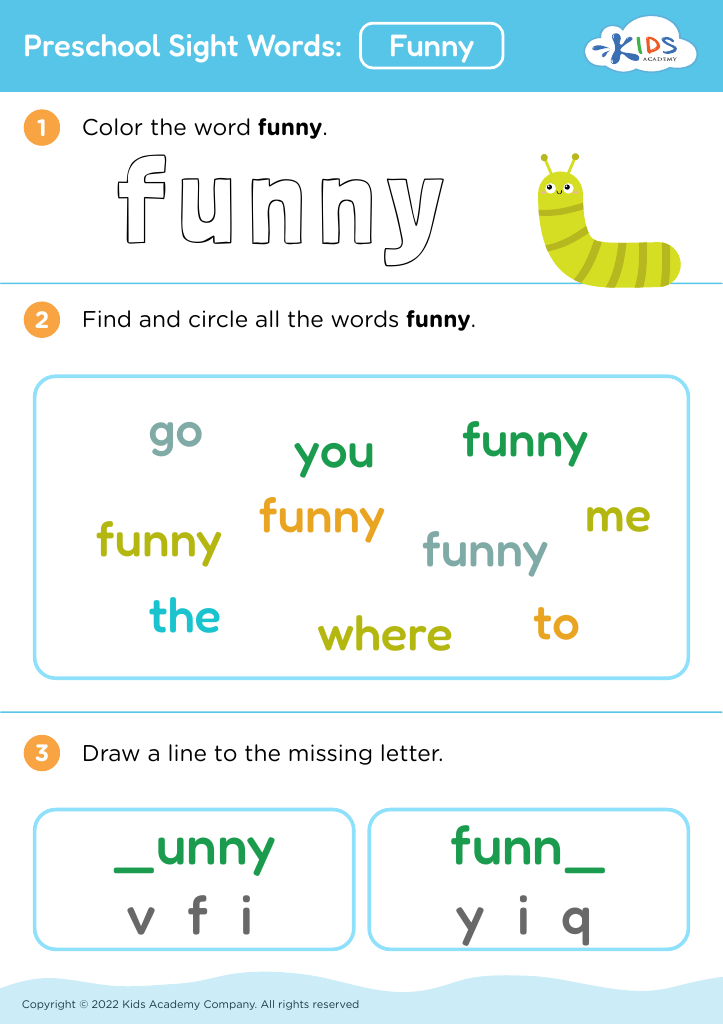
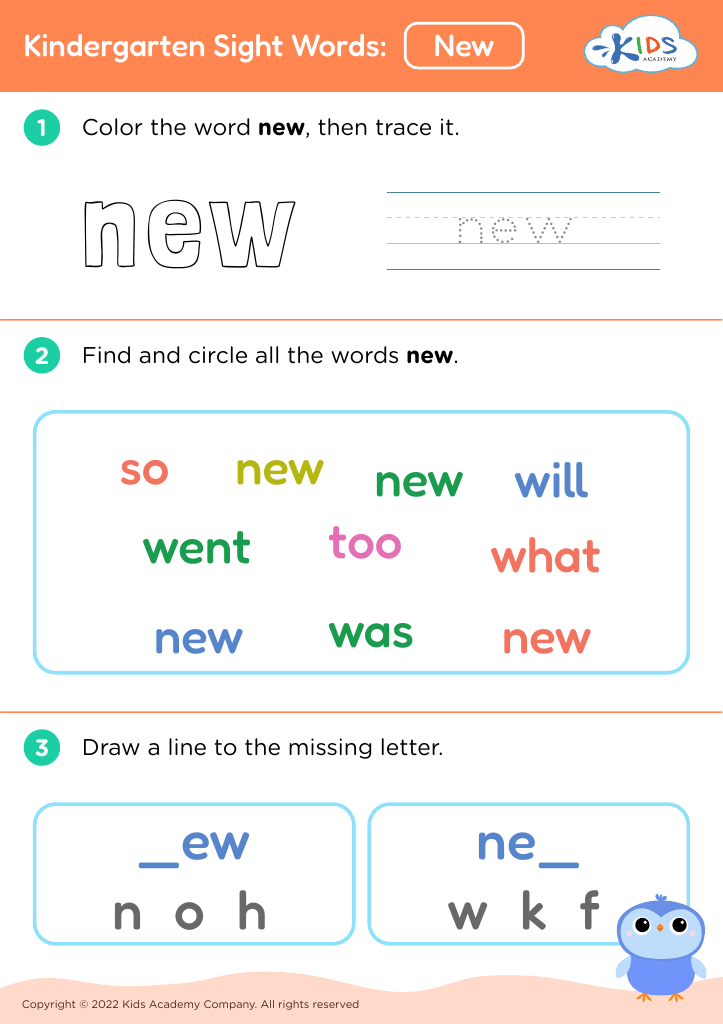
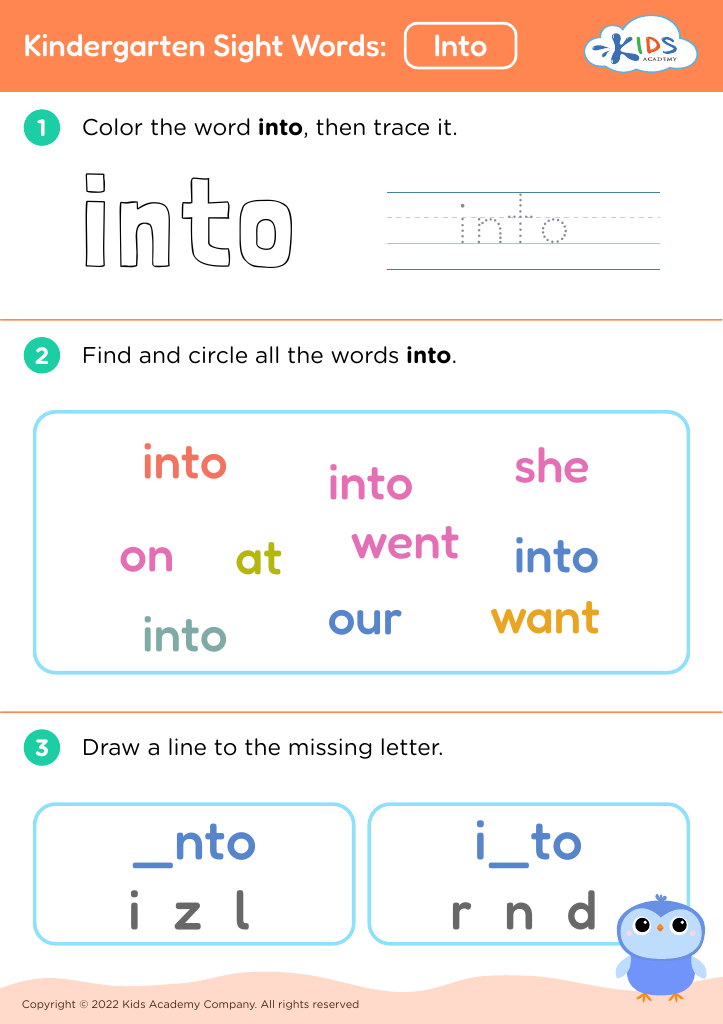








Following instructions and building vocabulary are vital components of a child's early development, particularly for ages 3-5. These skills lay the foundation for academic success and effective communication, both of which are crucial as children transition into formal education.
When children learn to follow instructions, they not only develop crucial listening and comprehension skills but also foster independence and confidence. This ability is essential for daily activities, such as completing tasks in school and understanding routines at home. Teaching children to process and respond to instructions sets them up for success in structured environments, helping them navigate the rules and expectations of formal education.
Building vocabulary at an early age promotes cognitive development and reading readiness. A rich vocabulary enhances a child's ability to express themselves, articulate thoughts and feelings, and build relationships with peers and adults. Expanding vocabulary also aids comprehension and fluency in reading, which are critical for lifelong learning.
Consequently, parents and teachers should prioritize these skills to support children's holistic development. Engaging in activities that foster following instructions and vocabulary enrichment lays a robust groundwork for future academic achievements and social interactions, ensuring children are well-prepared for their educational journey ahead.








