Mathematical reasoning Building Vocabulary Worksheets for Ages 3-5
5 filtered results
-
From - To
Discover our engaging Mathematical Reasoning Building Vocabulary Worksheets designed specifically for children ages 3-5! These interactive worksheets help young learners develop essential math-related vocabulary while honing their reasoning skills. Our resources focus on key math concepts, encouraging children to explore numbers, shapes, sizes, and patterns in a fun and stimulating way. Each worksheet is carefully crafted to promote critical thinking and enhance language development through practical exercises and captivating visuals. Foster a strong mathematical foundation in your little ones with our fun worksheets that make learning a delightful experience. Get ready to inspire a love for math and language in your child today!
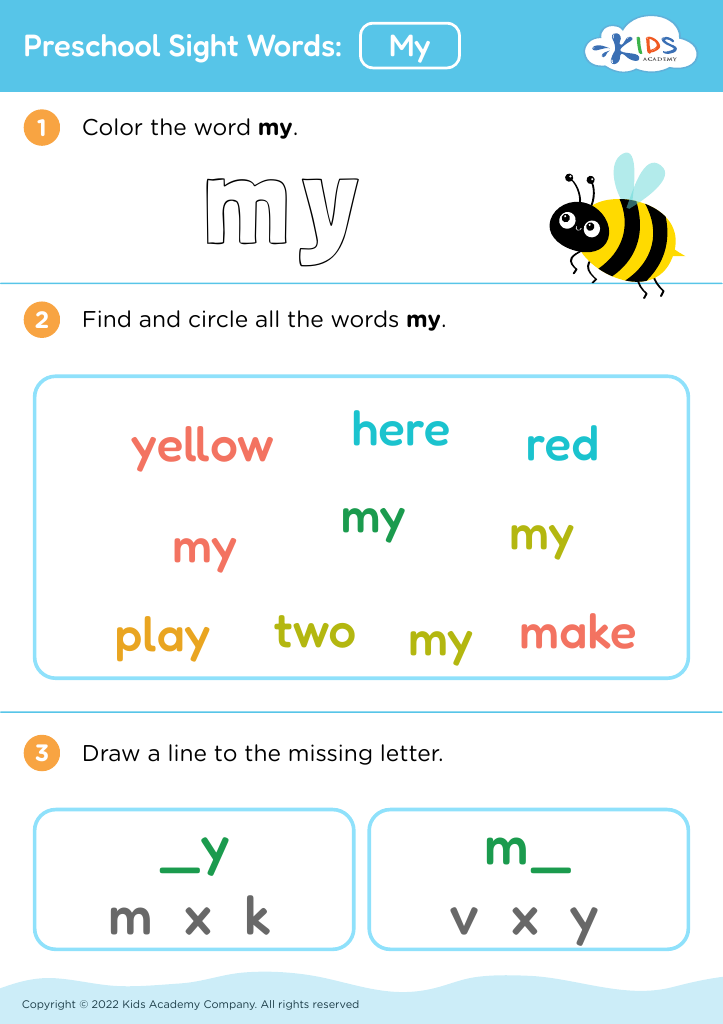











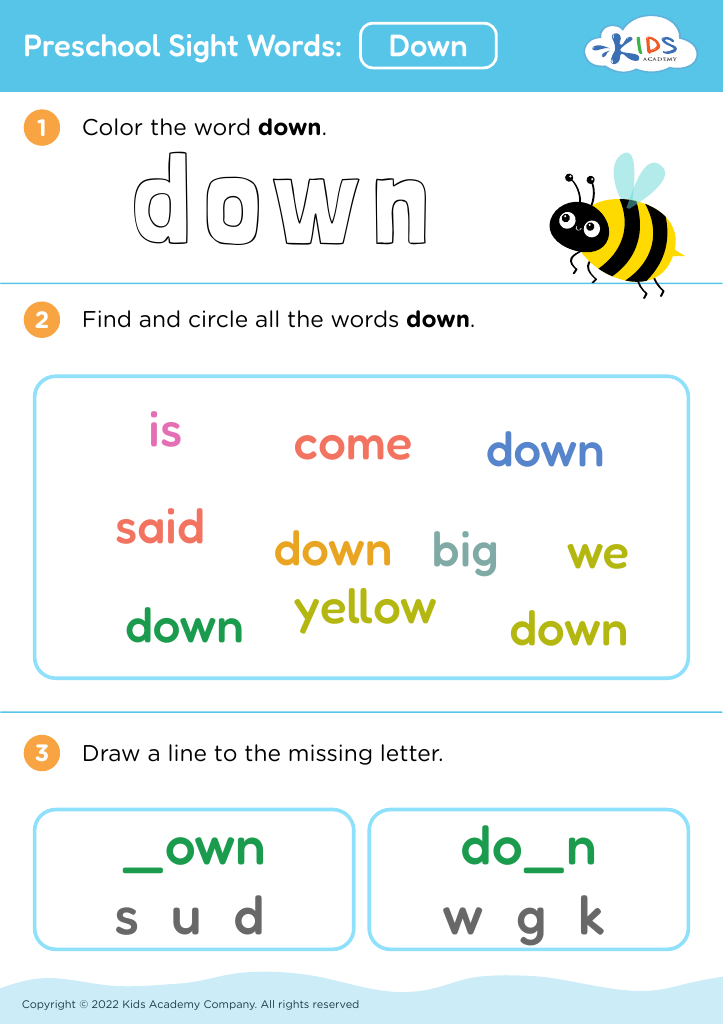
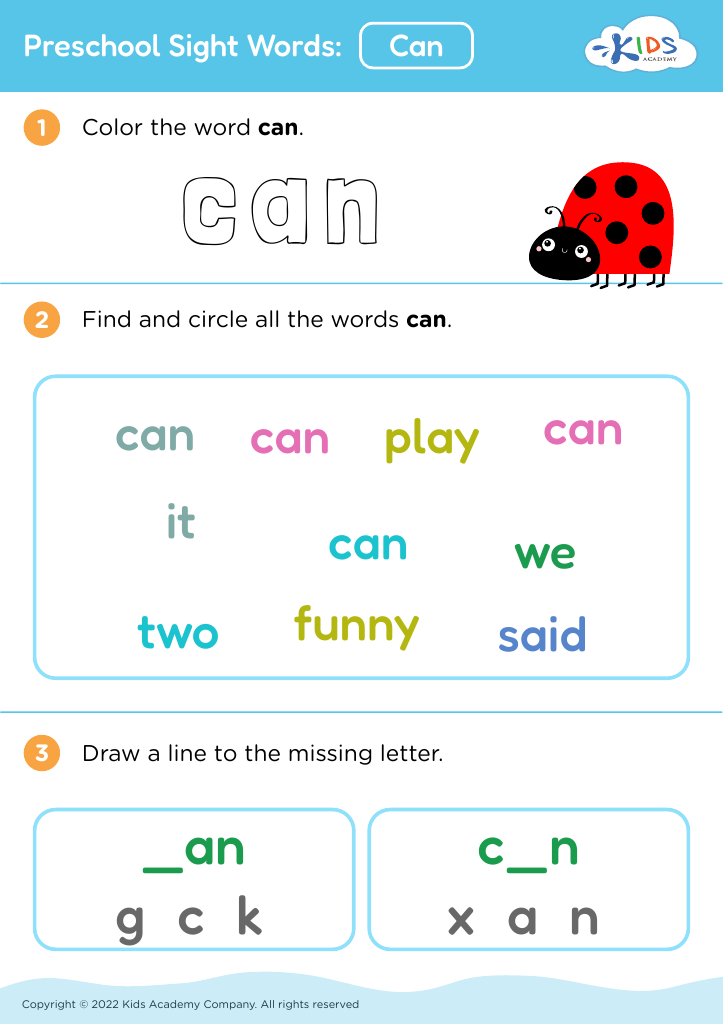
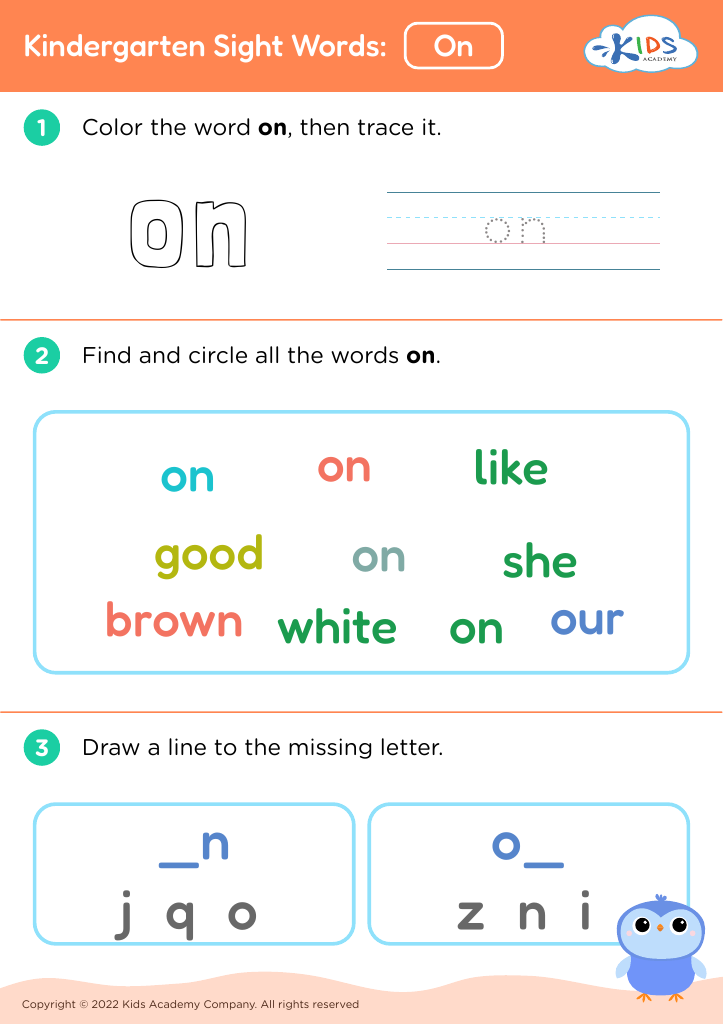
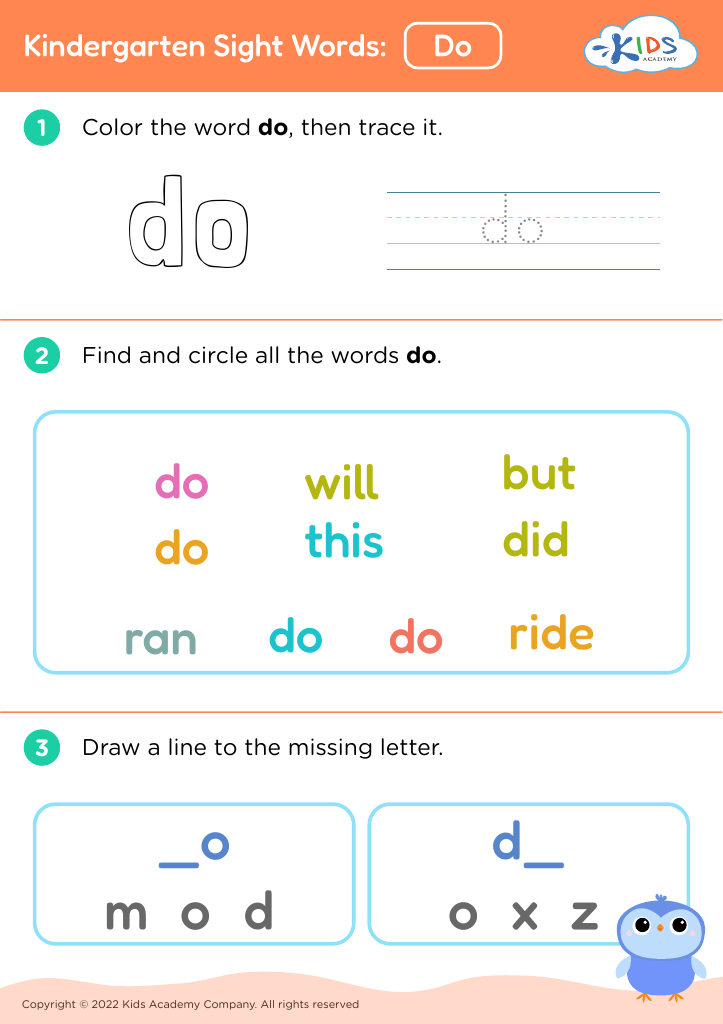








Mathematical reasoning and vocabulary development are crucial components of early childhood education, particularly for children aged 3-5. During this period, children's brains are rapidly developing, making it an opportune time to introduce concepts that enhance logical thinking and problem-solving skills.
Fostering mathematical reasoning helps young children understand critical concepts such as counting, patterns, and comparisons. It promotes analytical thinking, enabling them to make connections and apply math in real-life situations. When parents and teachers engage children in mathematical reasoning, they equip them with essential life skills, laying a solid foundation for future academic success.
Building vocabulary in mathematics is equally important. A rich mathematical vocabulary allows children to express their thoughts clearly and engage in discussions about math concepts. By introducing terms like "more," "less," "equals," and "total," educators and parents facilitate better comprehension and self-confidence in young learners.
Together, mathematical reasoning and vocabulary help children develop a positive attitude towards math. When they understand and communicate effectively about math, they become more motivated and adept at tackling challenges. Therefore, investing in these early learning experiences is vital for shaping competent, confident learners who are prepared for the future.








