Fine Motor Skills Reading Worksheets for Ages 3-5 - Page 2
33 filtered results
-
From - To

The Bingo Song: Coloring The Dog Worksheet
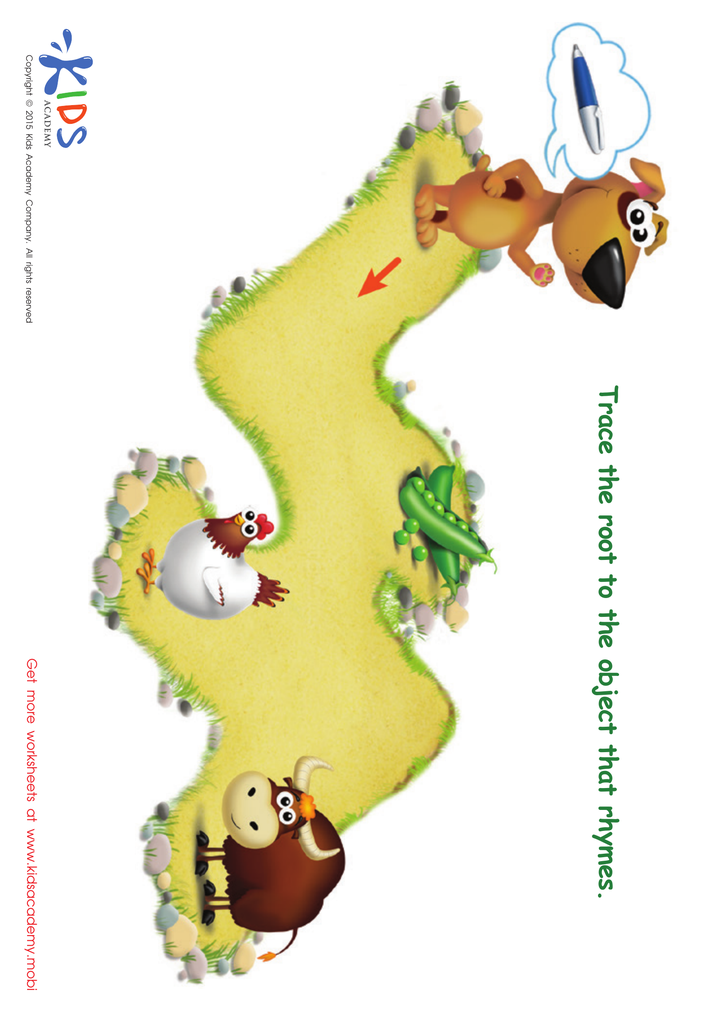
Pen Rhyming Words Worksheet

Twinkle, Twinkle, Little Star – Coloring by Numbers
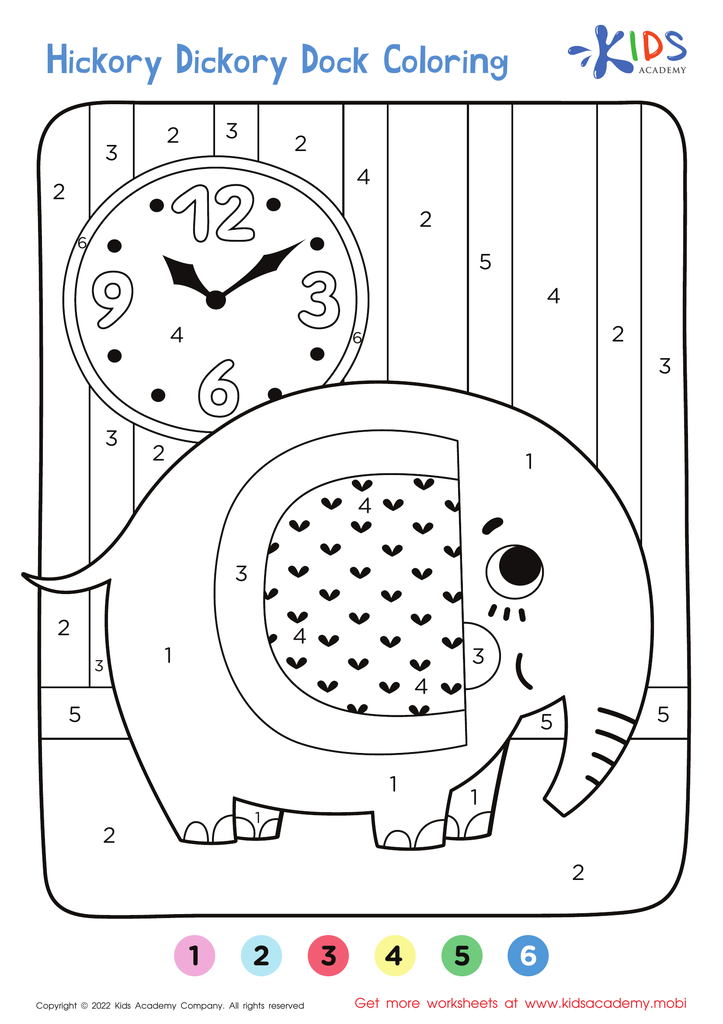
Hickory Dickory Dock – Coloring by Numbers
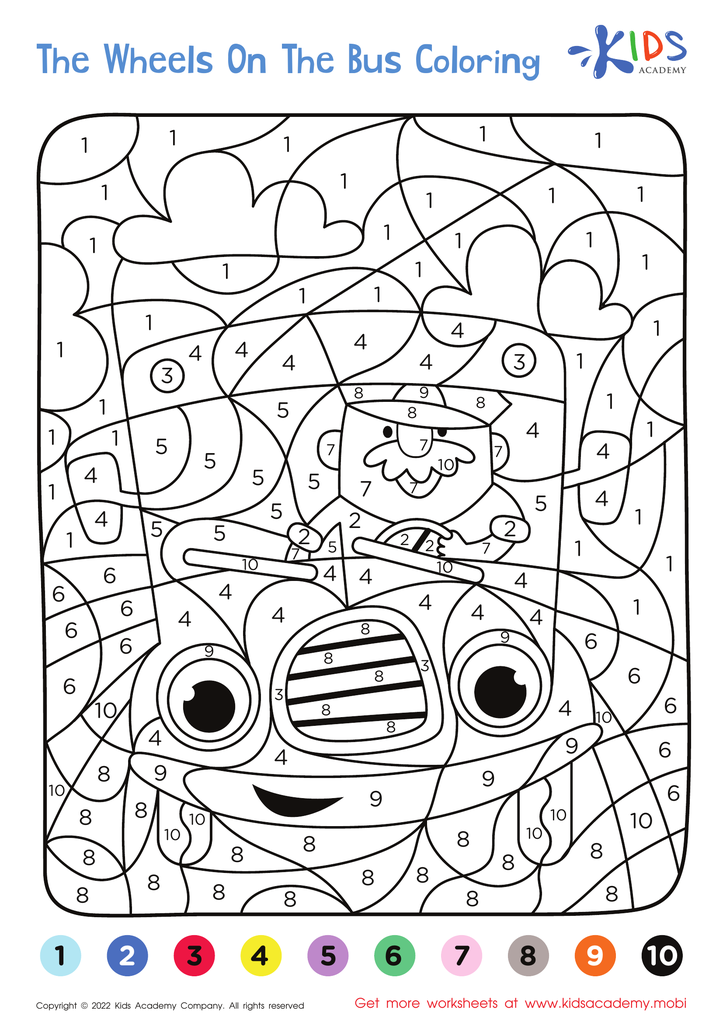
Wheels on the Bus – Coloring by Numbers







Fine motor skills are essential for young children's overall development and play a vital role in reading readiness for children ages 3-5. These skills involve the coordination of small muscles, particularly in the hands and fingers, which are crucial for various tasks such as holding a pencil, turning pages, and manipulating letters. By age 3-5, children's fine motor abilities increasingly influence their ability to engage in reading activities.
Parents and teachers should care about developing fine motor skills because they lay a foundational basis for academic success. Proficient fine motor skills enhance a child's ability to write letters and words, play with books, and participate in literacy activities that boost vocabulary and comprehension. Activities such as drawing, cutting with scissors, or playing with building blocks not only strengthen these skills but also foster creativity and cognitive growth.
Moreover, fine motor development is linked to self-confidence. As children feel more competent in handling writing materials and books, their desire to read and explore new vocabulary increases, setting the stage for a lifelong love of learning. By nurturing fine motor skills early, parents and teachers can directly influence children's literacy development, fostering engagement and enthusiasm for reading from a young age.








