Sequencing Skills Reading Fiction Worksheets for Ages 3-5
5 filtered results
-
From - To
Enhance your child's reading journey with our Sequencing Skills Reading Fiction Worksheets, specially designed for ages 3-5. These engaging worksheets help young learners develop vital sequencing skills, critical for comprehension and storytelling. By following characters in their favorite tales and arranging events in order, children will strengthen their understanding of narrative structure while boosting their imagination. Perfect for home or classroom use, our resources provide a fun and interactive approach to learning. Equip your child with essential skills that lay the foundation for future reading success. Explore our delightful, printable worksheets today and make learning an exciting adventure!
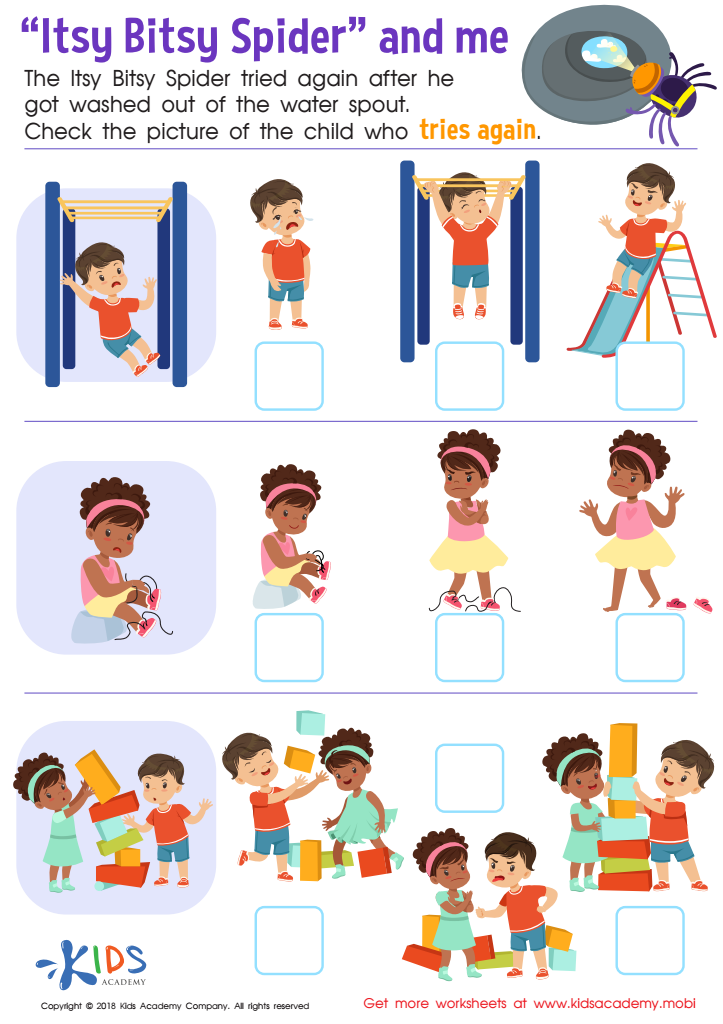
Itsy Bitsy Spider and Me Worksheet
 Assign to My Students
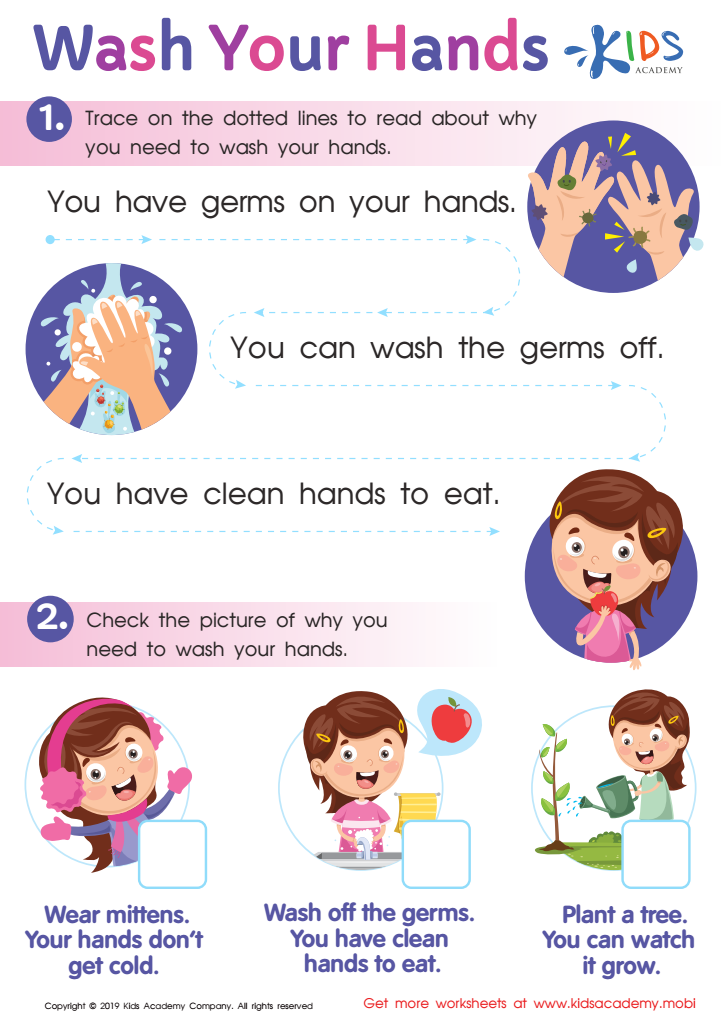
Wash Your Hands Worksheet
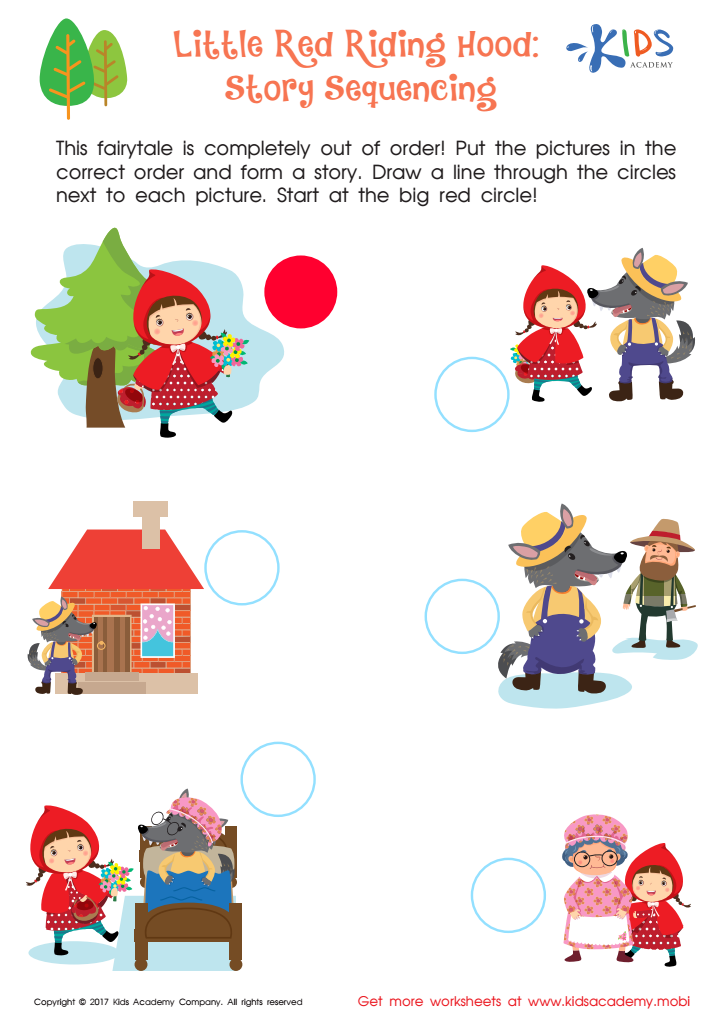
Story Sequencing Printable
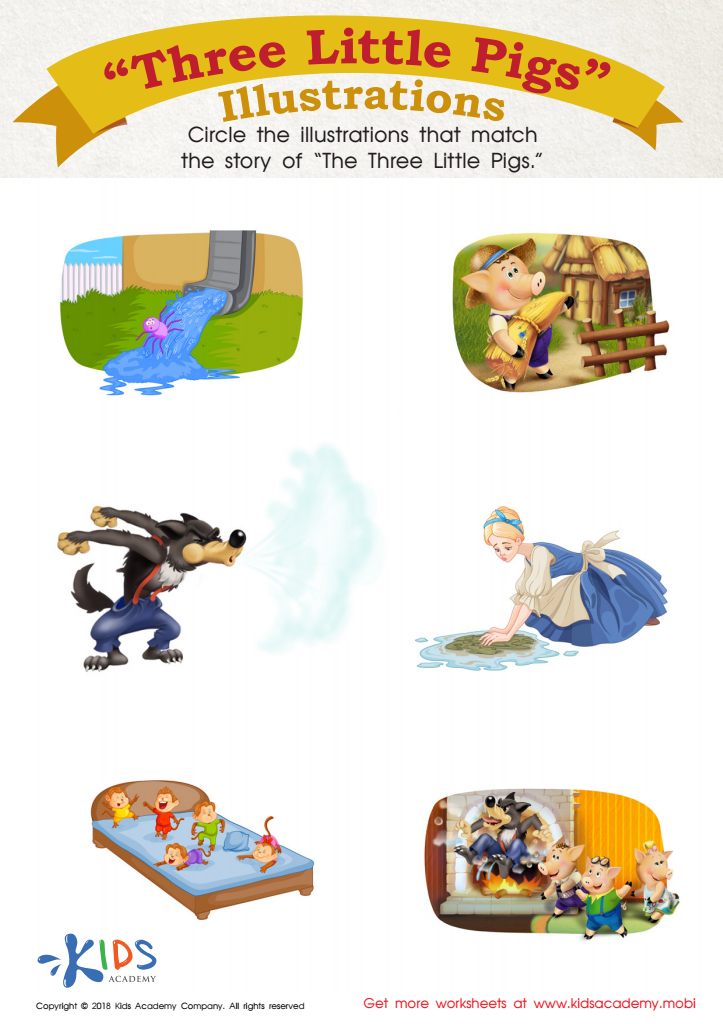
Three Little Pigs: Illustrations Worksheet
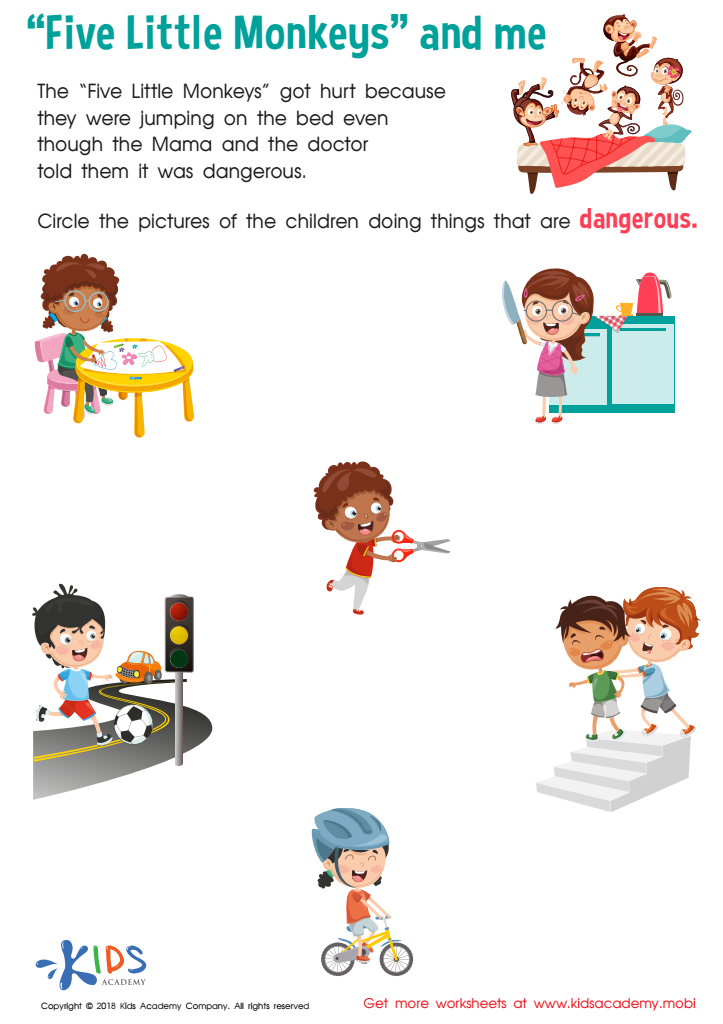
Five Little Monkeys and Me Worksheet








Sequencing skills are fundamental for young children's reading development, particularly in fiction for ages 3-5. These skills involve understanding and organizing events in the correct order, which is crucial for comprehending stories. When parents and teachers emphasize sequencing skills, they enable children to better grasp narrative structures, such as beginnings, middles, and ends. This understanding is key to acknowledging cause-and-effect relationships, predicting outcomes, and enhancing critical thinking.
Focusing on sequencing also promotes literacy and language development. As children retell stories or sequence illustrations, they enhance their vocabulary, storytelling ability, and imaginative play. Engaging with fiction allows them to relate to characters and situations, fostering empathy and social understanding.
Moreover, developing sequencing skills supports various cognitive areas, such as memory recall and organizational abilities. Strong sequencing skills can lead to improved performance in both academic and life situations as children progress through their education.
By encouraging sequencing in early childhood, parents and teachers lay a foundation for lifelong learning. They empower children to construct narratives, participate in discussions, and become inquisitive readers, ultimately cultivating a genuine love for books and stories, which plays a crucial role in their overall educational journey.








