Vocabulary enhancement Rhyming Words Worksheets for Ages 3-5
7 filtered results
-
From - To
Discover our engaging Vocabulary Enhancement Rhyming Words Worksheets designed for children ages 3-5! These fun and interactive resources help young learners develop critical language skills through rhyming words. Each worksheet features colorful illustrations and simple exercises that foster phonemic awareness, increase vocabulary, and promote early reading skills. By practicing with rhyming words, kids will enhance their memory and pronunciation while enjoying the process of learning. Perfect for both home and classroom use, our worksheets provide an excellent foundation for literacy advancement. Spark creativity and boost confidence in young learners with our delightful and educational rhyming activities today!
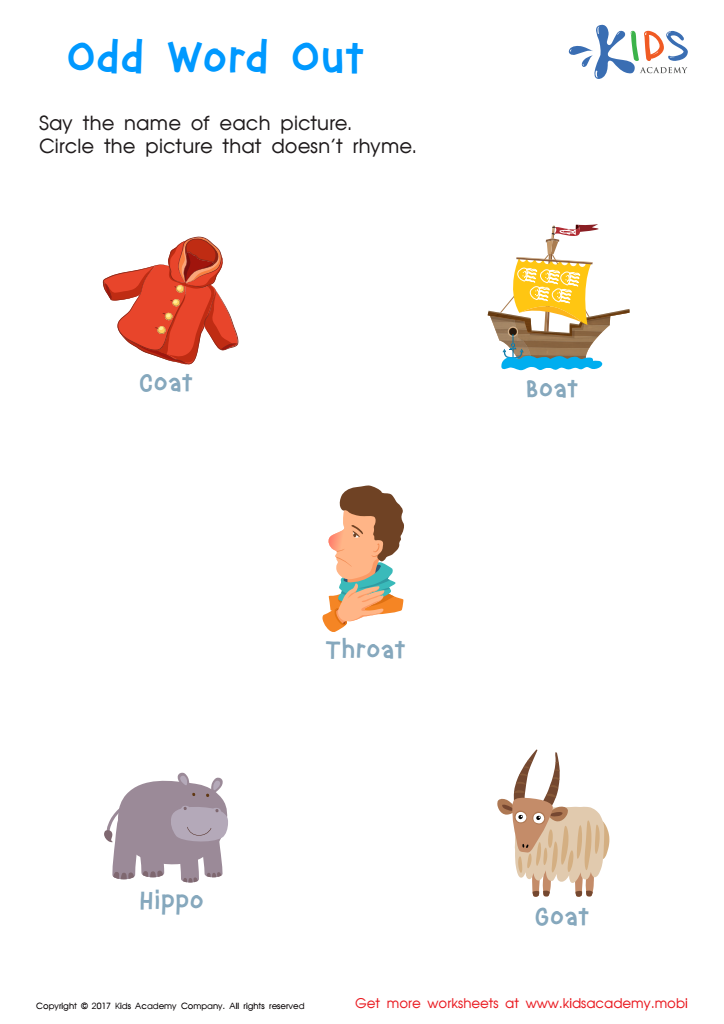
Odd Word Out Rhyming Worksheet
 Assign to My Students
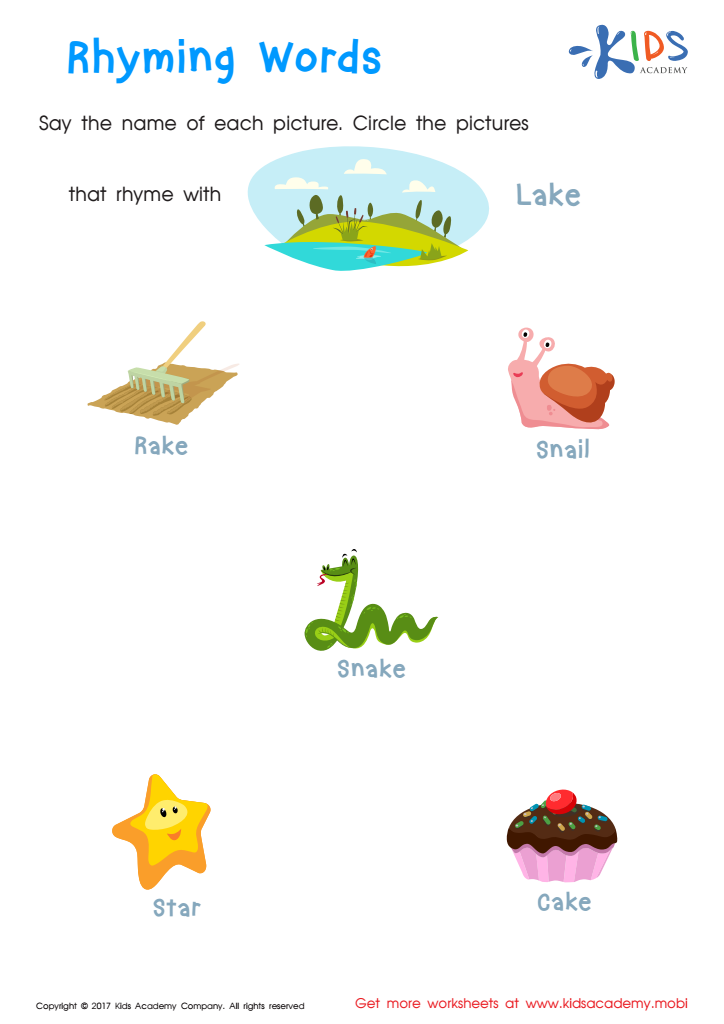
Rhyming Words Rhyming Worksheet
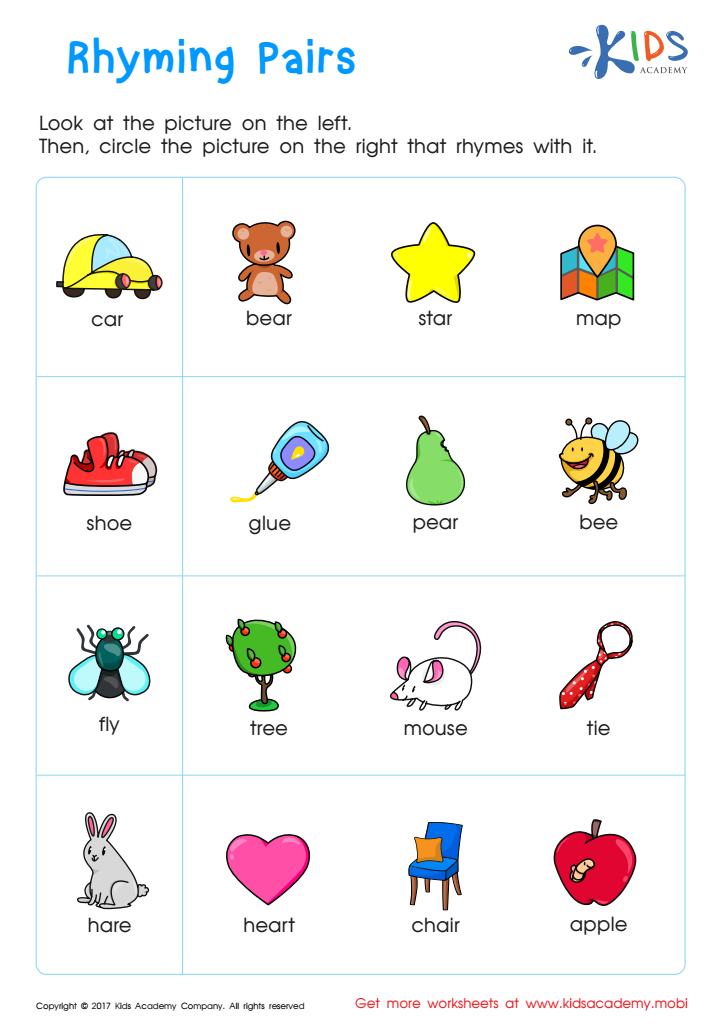
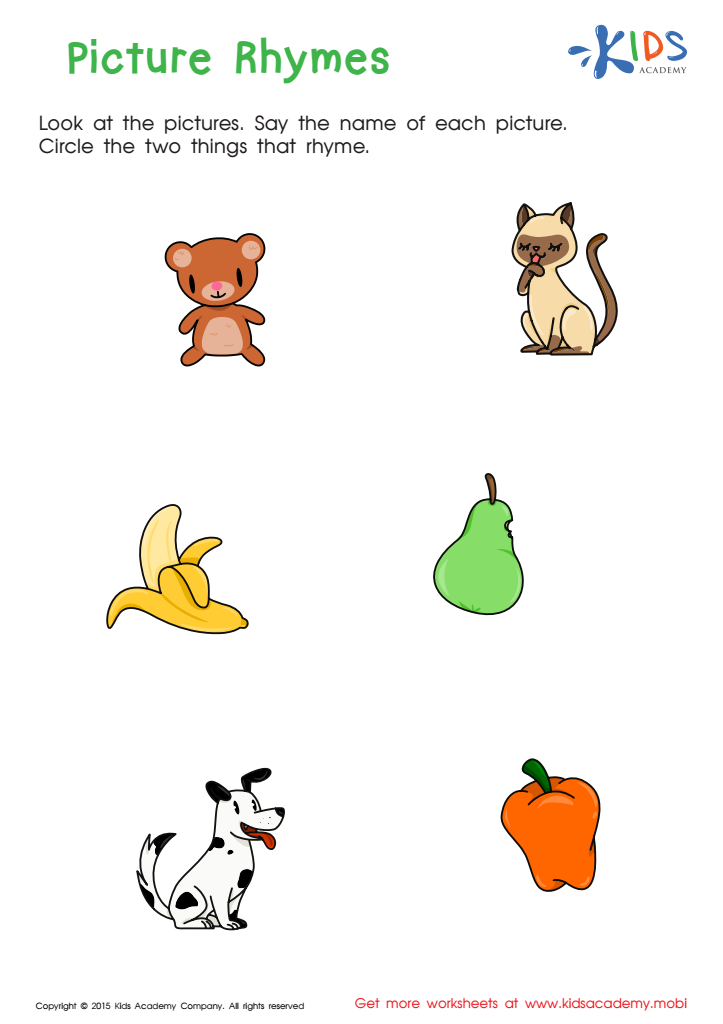
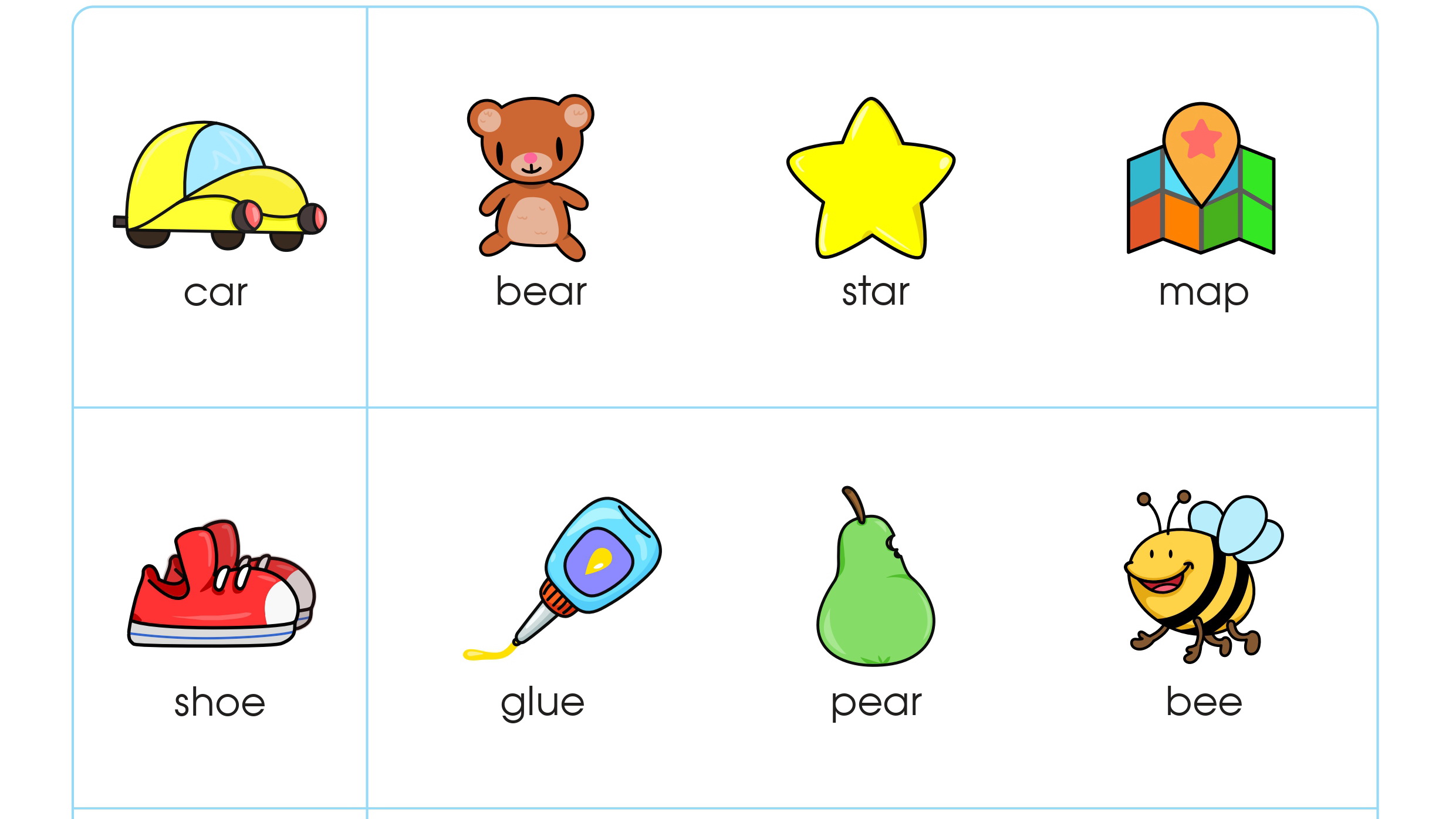
First Words: Picture Rhymes Worksheet
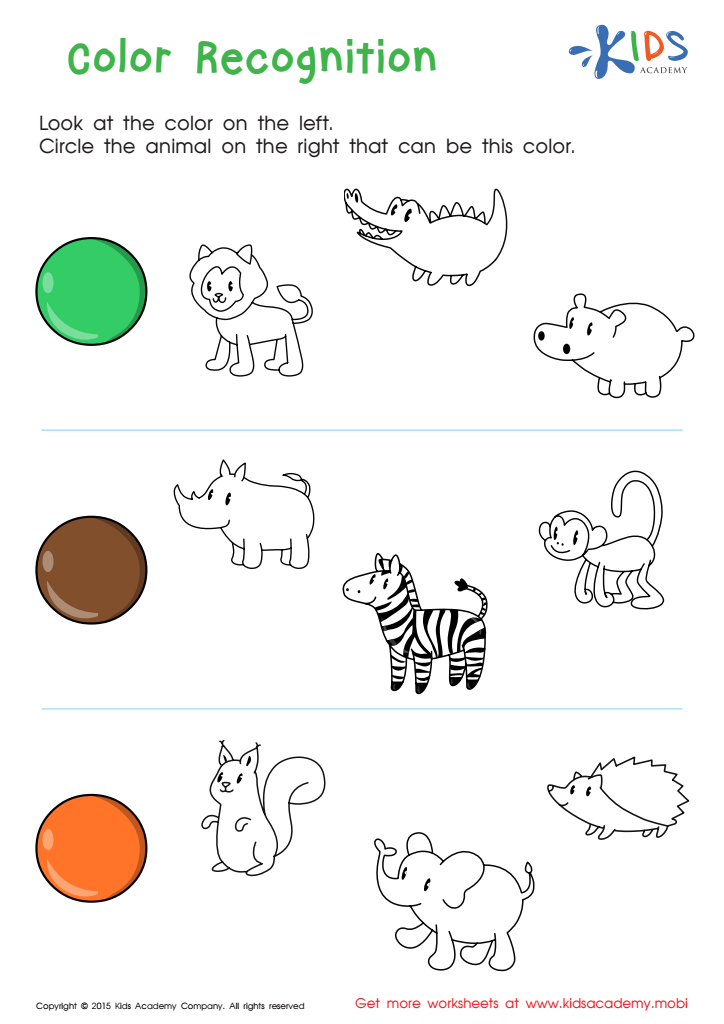
First Words: Color Recognition Worksheet
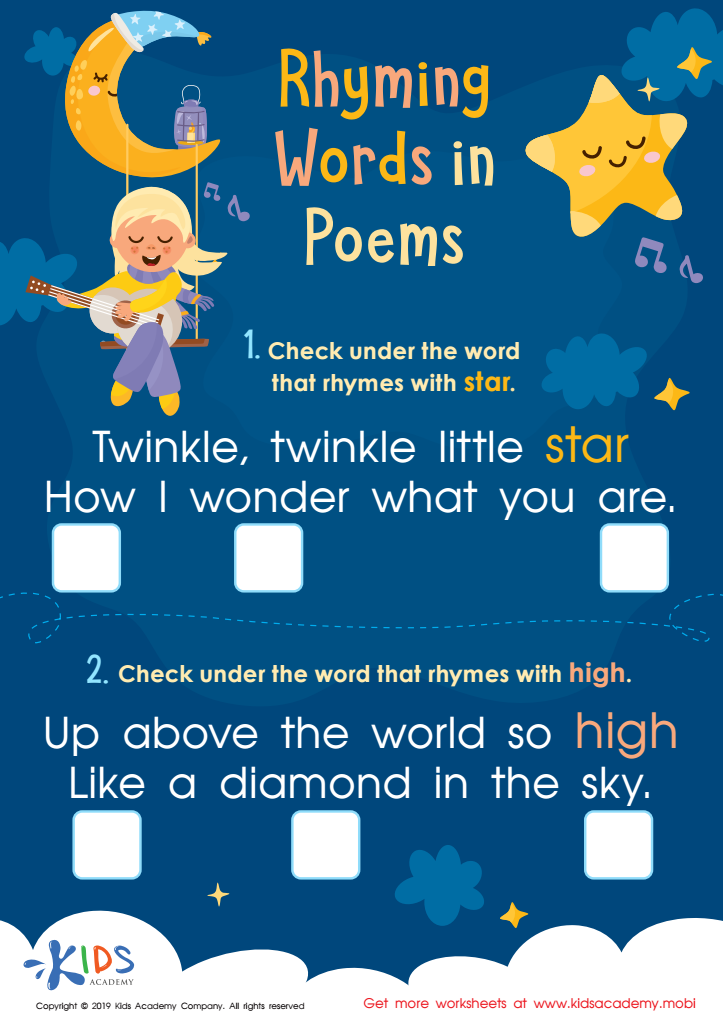
Rhyming Words in Poems Worksheet
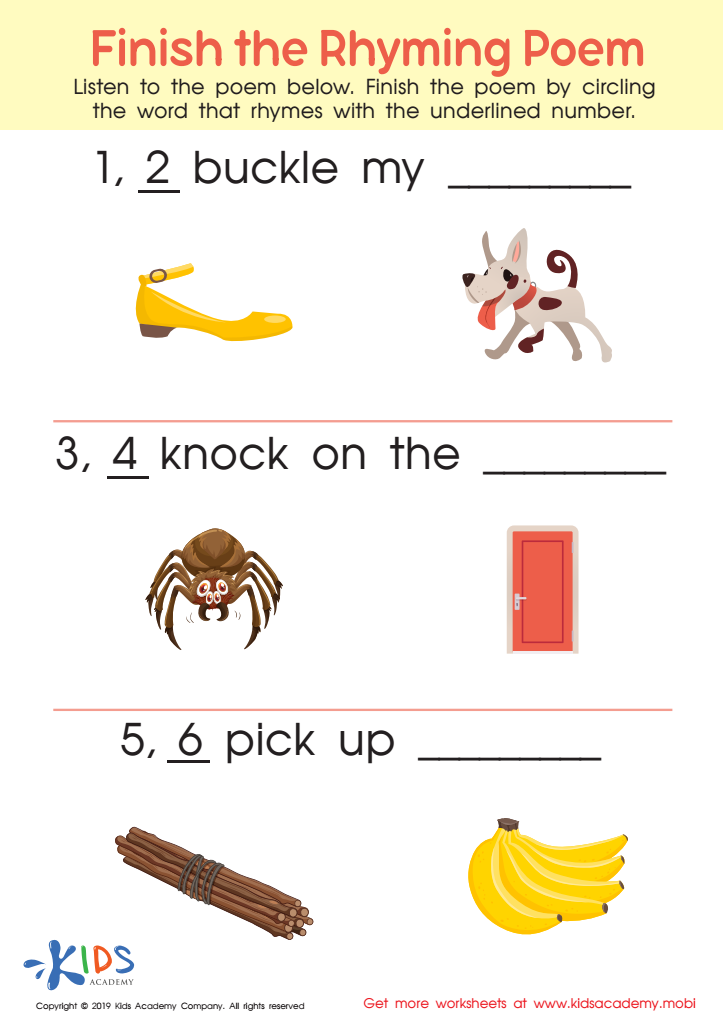
Finish Rhyming Poem Worksheet







Vocabulary enhancement and the use of rhyming words are crucial for children aged 3-5 as they lay the foundation for literacy development. At this age, children are naturally curious about language, and introducing rhymes captures their attention, making learning more engaging and enjoyable. Rhyming helps children develop phonemic awareness, a critical skill that drives reading proficiency. When they recognize and play with sounds, they are better equipped to decode words later on, fostering early reading confidence.
Moreover, rhyming enhances cognitive development by promoting memory and listening skills. It allows children to experiment with sounds, aiding in word retrieval and encouraging creative expression. Engaging with rhymes also sparks curiosity about language structure, vocabulary expansion, and narrative skills through storytelling.
Additionally, incorporating vocabulary enhancement through rhymes fosters social skills and emotional connections. Shared rhyming experiences, whether in a classroom or home setting, can strengthen bonds between educators and children, fostering a love for learning.
For parents and teachers, focusing on vocabulary enhancement with rhyming words is an effective, fun way to cultivate essential early literacy skills, ultimately laying the groundwork for successful future learning and communication. They should prioritize this playful yet educational approach to nurture language development.








