Basic Math Skills Sight Words Worksheets for Ages 3-5
7 filtered results
-
From - To
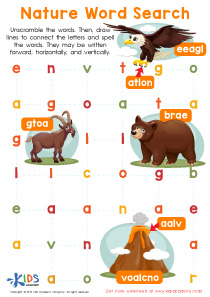
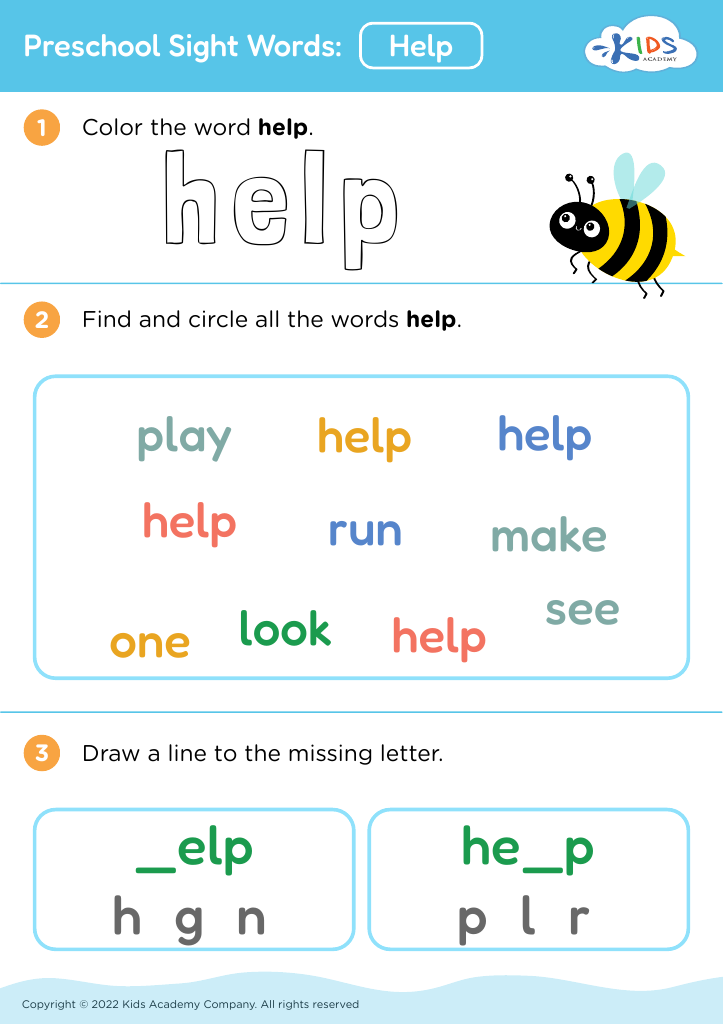
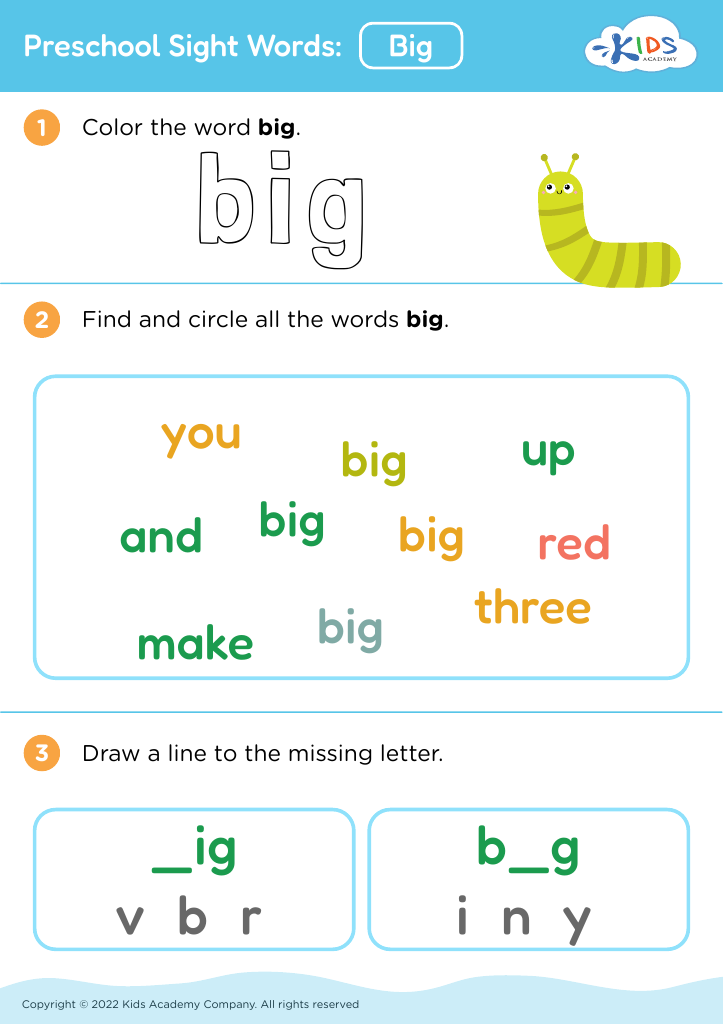
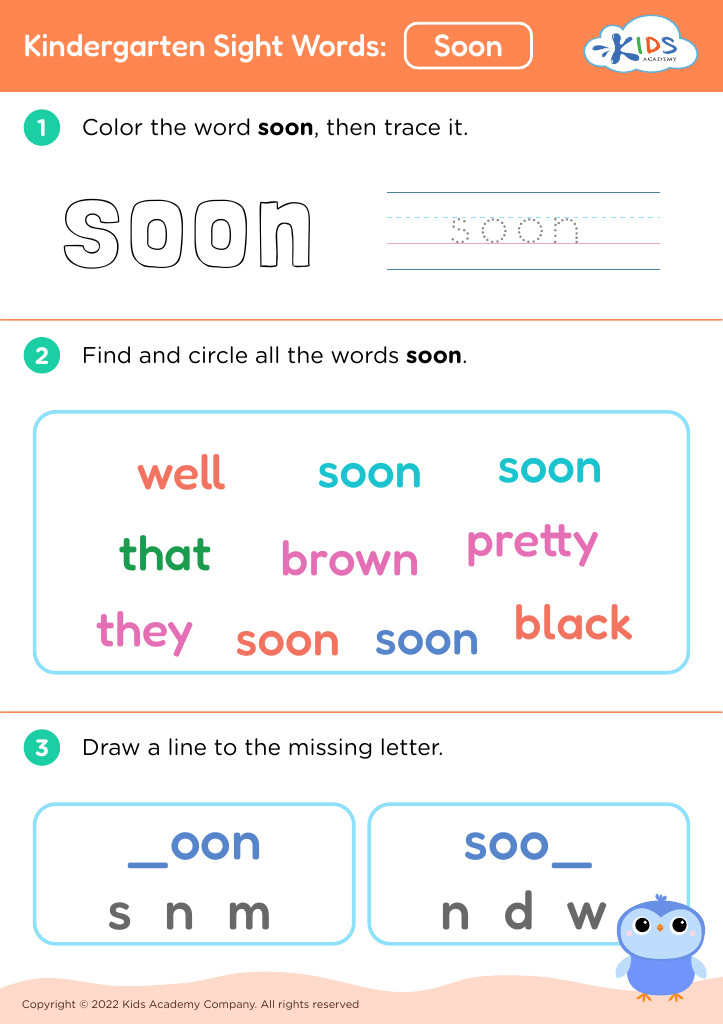
Introduce your child to the world of numbers with our "Basic Math Skills Sight Words Worksheets for Ages 3-5." Perfectly designed for early learners, these engaging printable worksheets blend foundational math concepts with essential sight words, promoting cognitive development and literacy. Each worksheet fosters number recognition, counting skills, and basic addition, while incorporating commonly used sight words to enhance reading abilities. Tailored for kids aged 3 to 5, our worksheets make learning fun and interactive. Embark on a joyful educational journey where playful exercises ignite a love for math and language in your young learner. Start building crucial skills today!





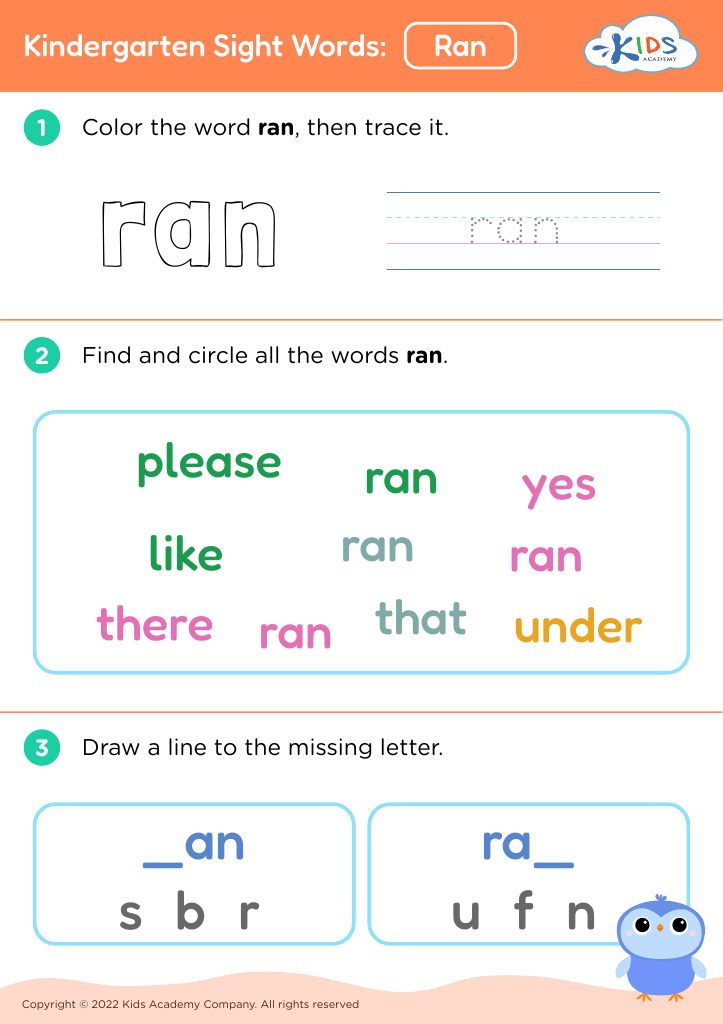
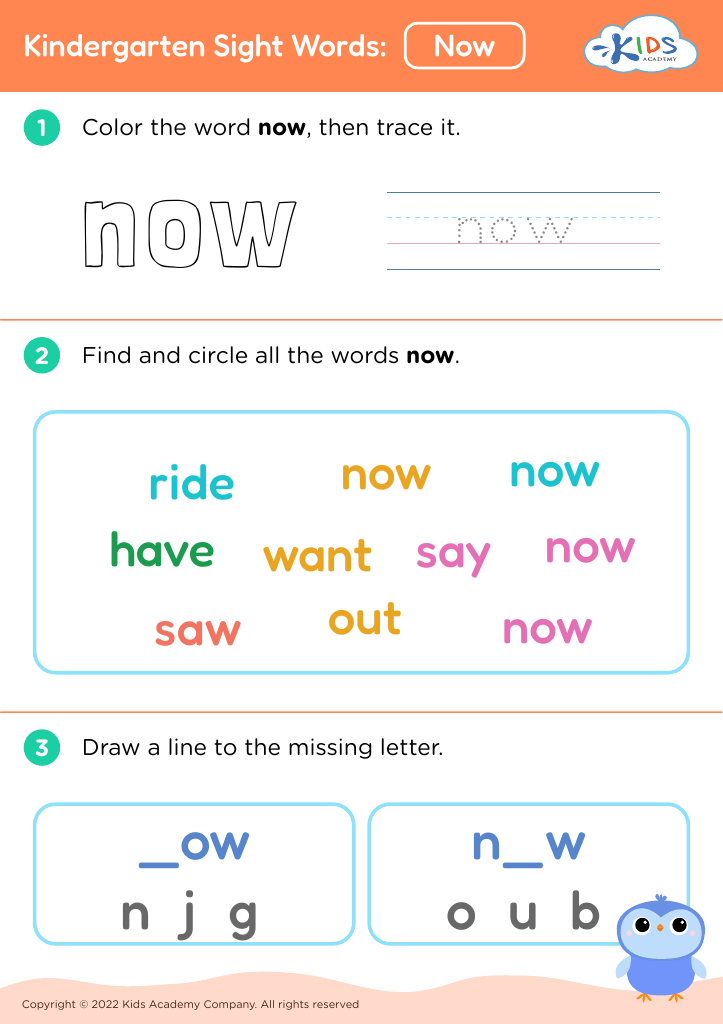
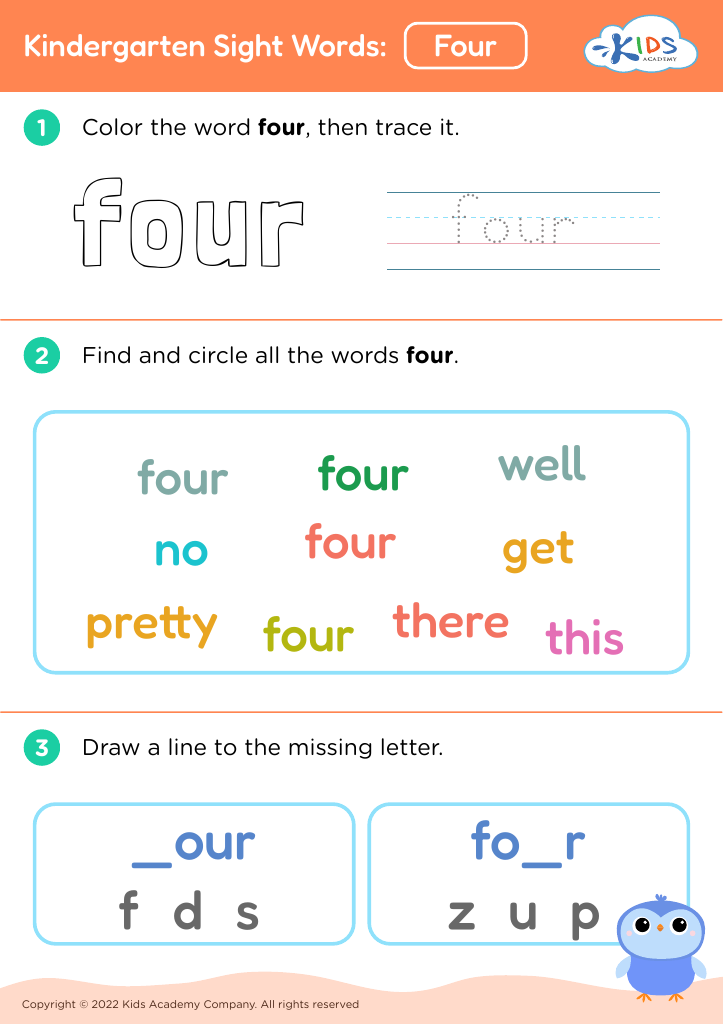
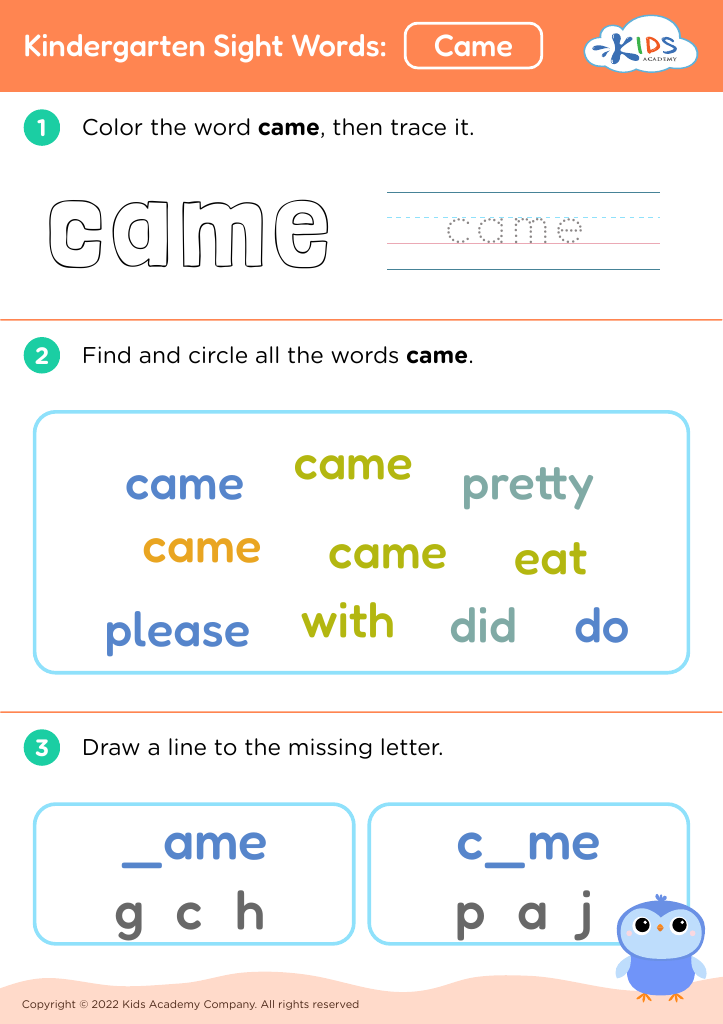







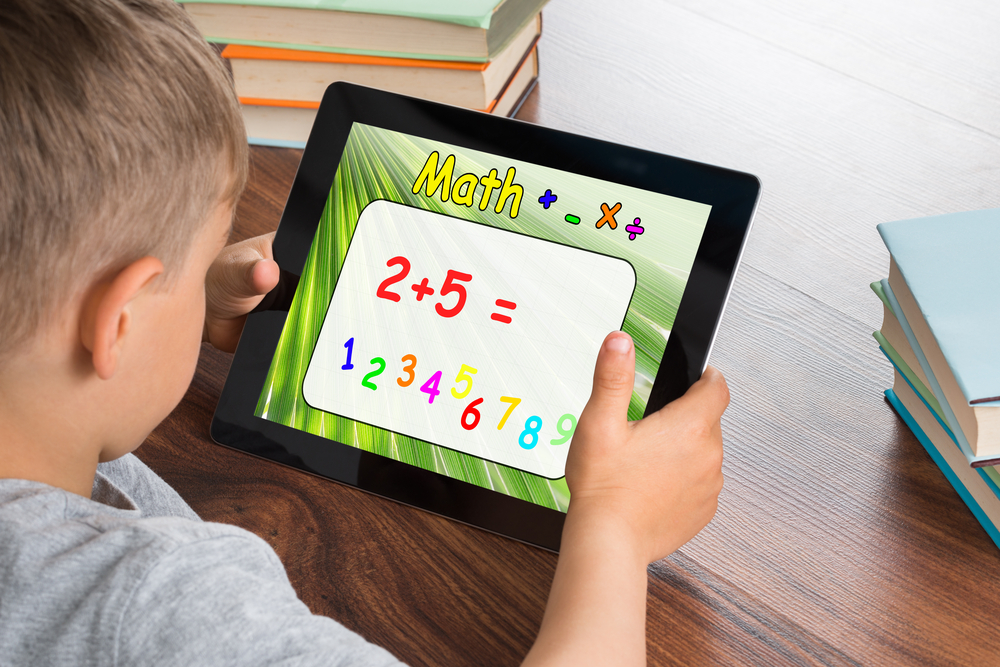
Developing basic math and sight word skills in children aged 3-5 is crucial for setting a solid foundation for their future academic success. At this early age, kids' brains are particularly receptive to new information and forming connections. Introducing basic math skills like counting, recognizing numbers, and understanding simple concepts like more or less, equips children with essential tools they will use daily, both in and out of the classroom.
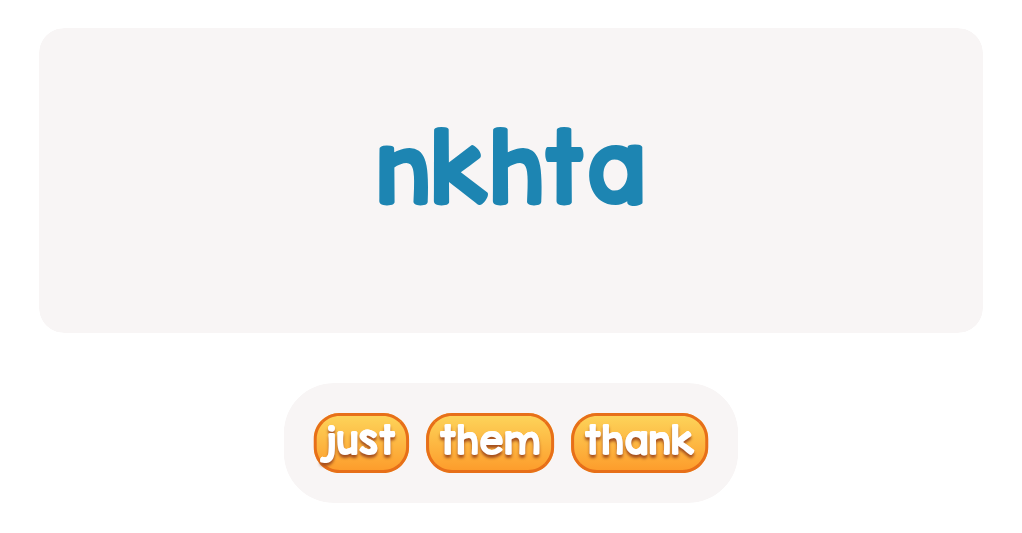
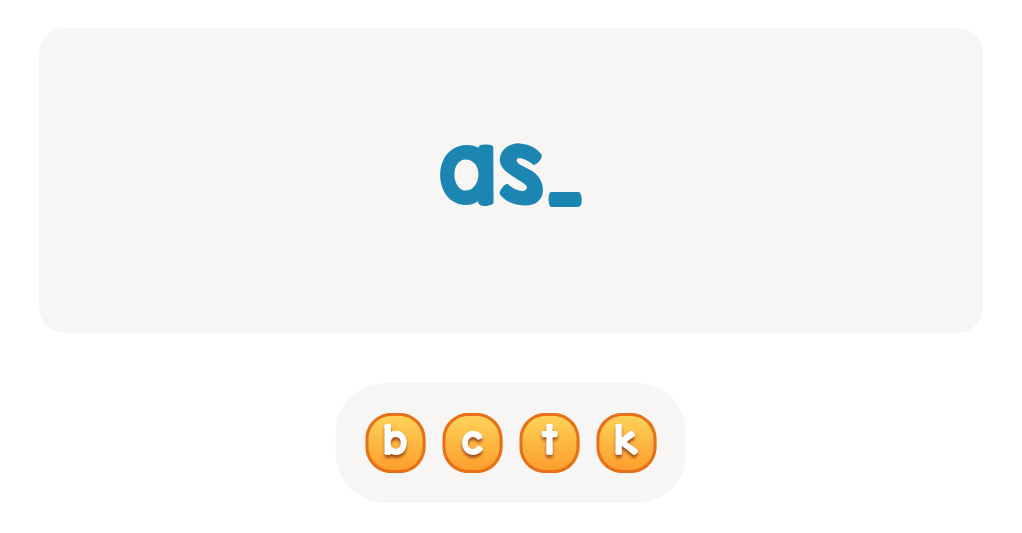
Simultaneously, sight words—common words that children are encouraged to recognize without having to sound out—are equally important. Recognizing basic sight words improves reading fluency, comprehension, and confidence. This early literacy skill empowers children to access more complex texts sooner and with less frustration, fostering a love for reading.
Both sets of skills—math and sight words—are intertwined with cognitive development, enhancing overall critical thinking and problem-solving abilities. Teachers and parents who prioritize these areas help children develop persistence, self-esteem, and a sense of accomplishment. Engaging activities at this stage, whether through playful counting games or interactive reading sessions, make learning enjoyable and more effective. By laying this strong educational groundwork, children are better prepared to tackle future challenges and thrive academically.