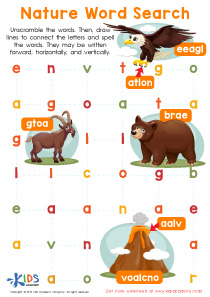
Understanding fractions Sight Words Worksheets for Ages 3-5
24 filtered results
-
From - To
Explore our engaging "Understanding Fractions Sight Words Worksheets" designed for children ages 3-5! These interactive worksheets introduce young learners to fundamental fraction concepts while reinforcing essential sight words. Each worksheet combines visual aids with fun exercises, making learning about halves, quarters, and more enjoyable and accessible. Perfect for parents and educators, these resources provide a hands-on approach to literacy and math, promoting critical thinking and vocabulary development. Help your child build a strong foundation in understanding fractions while enhancing their reading skills. Download these worksheets today and watch your little ones embark on an exciting educational journey!
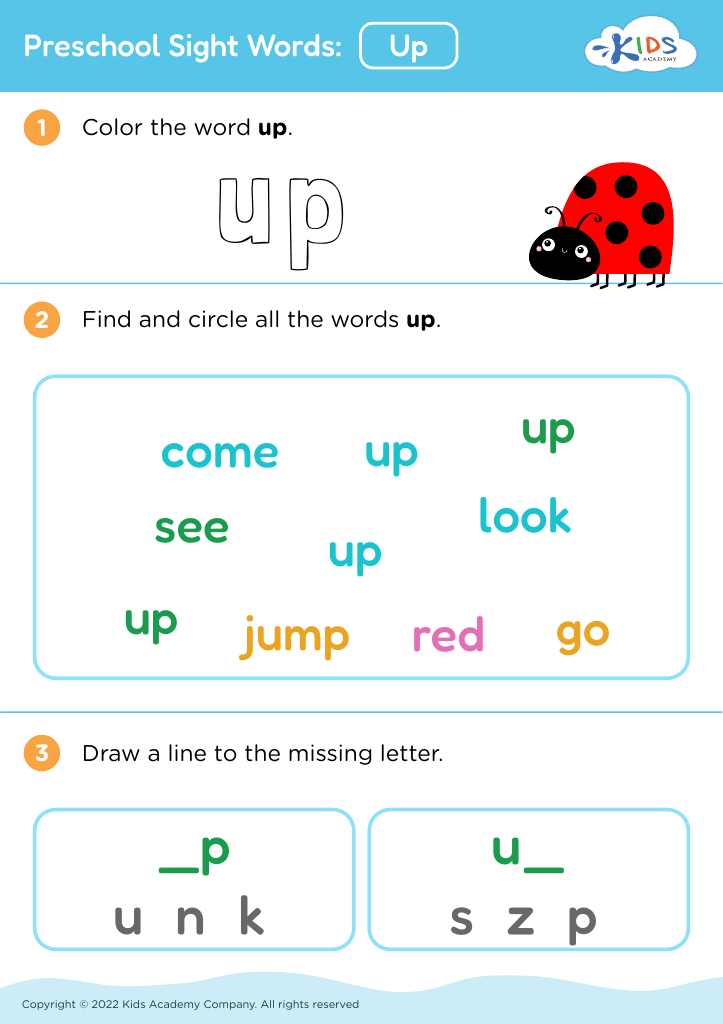



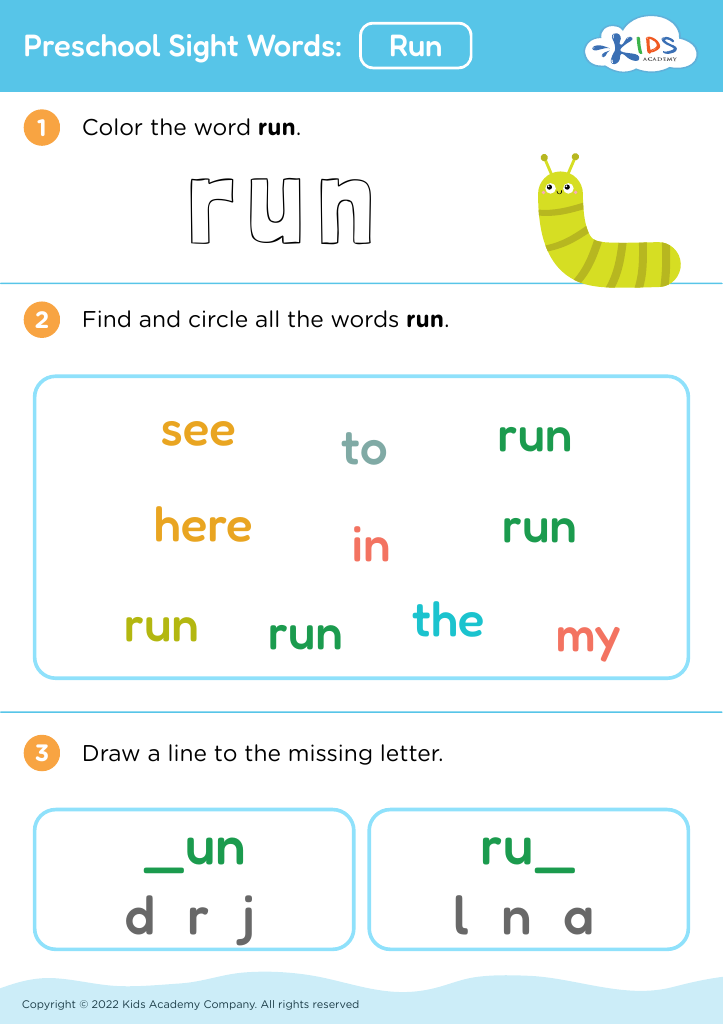
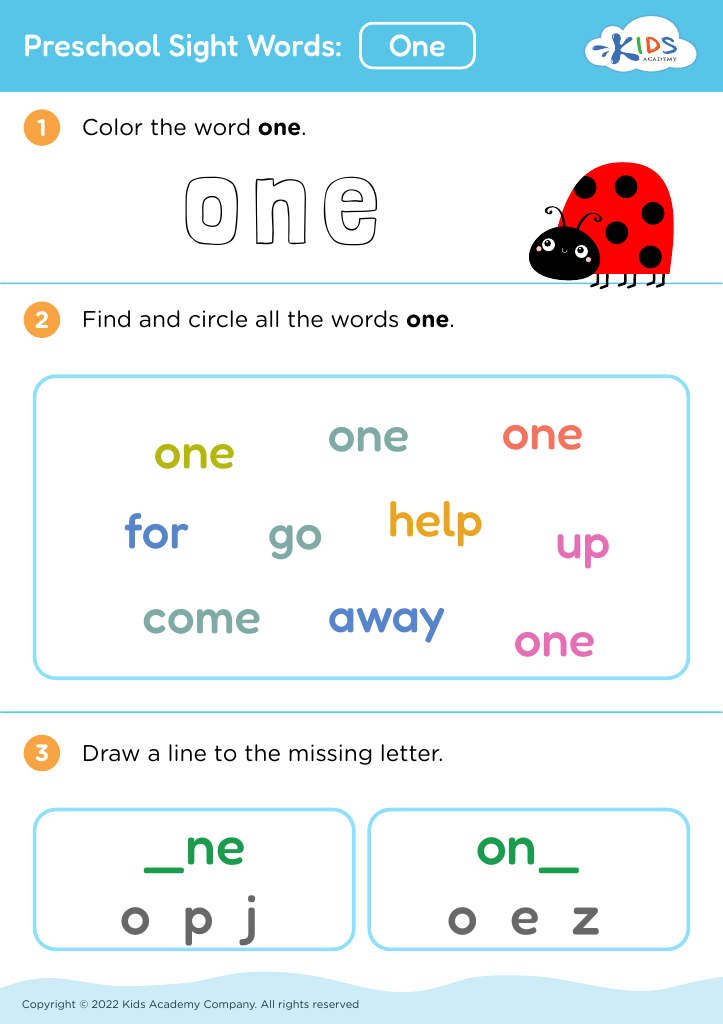
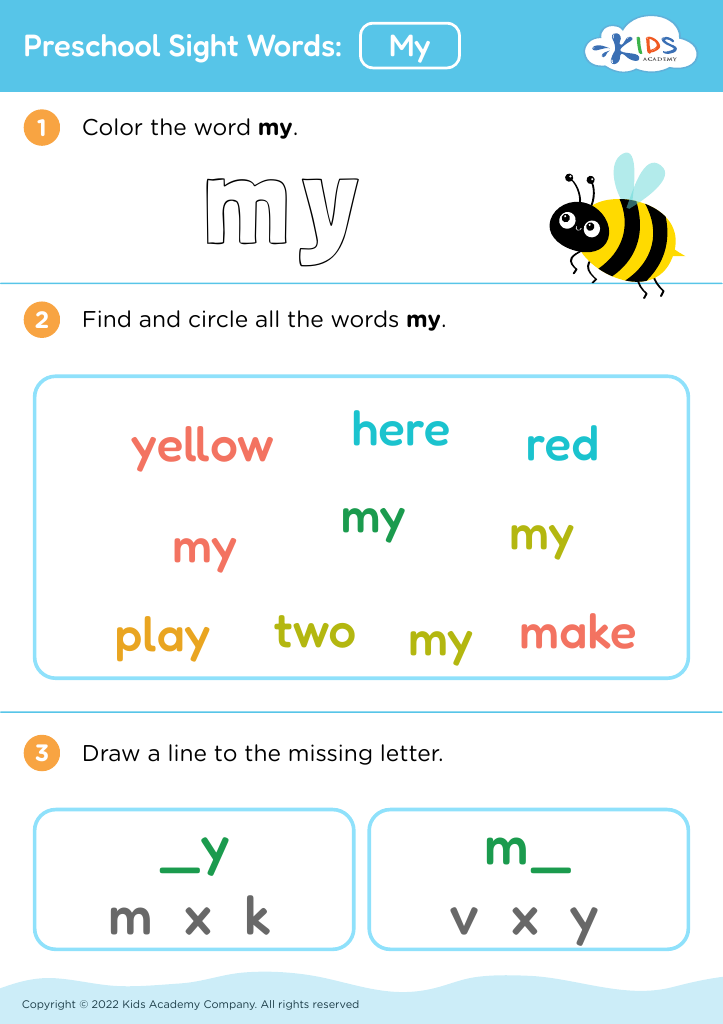
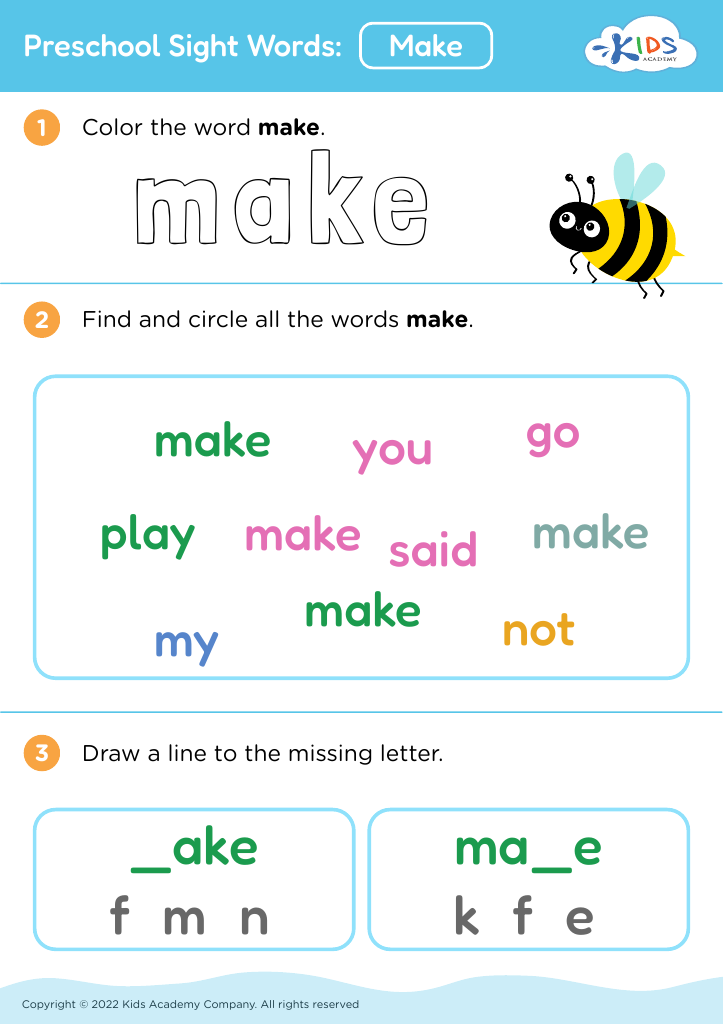
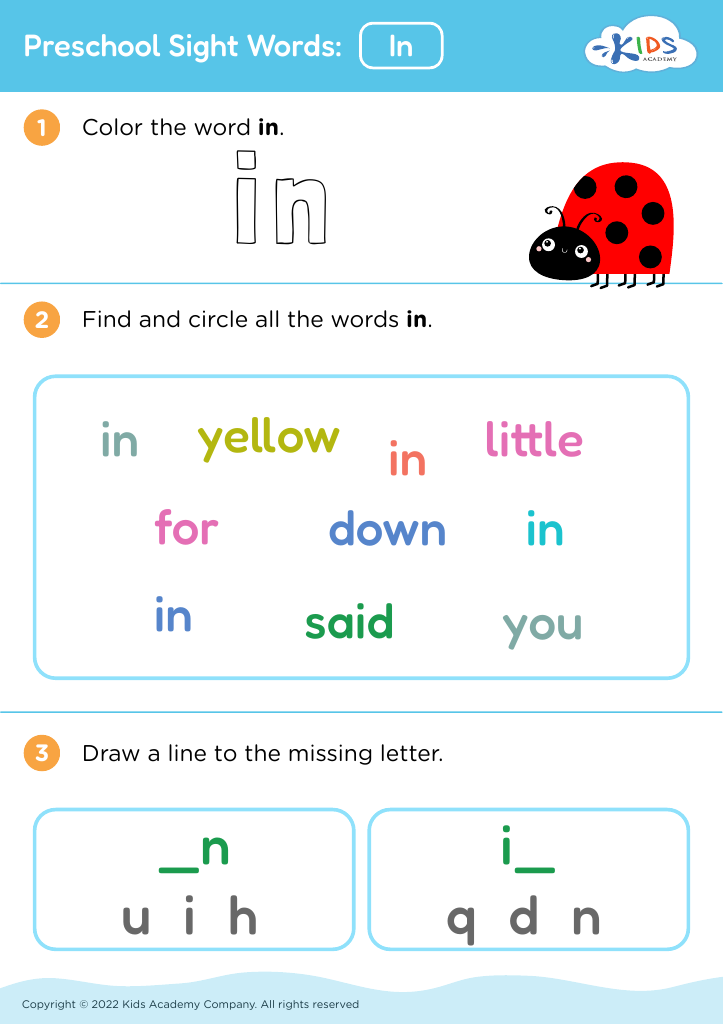
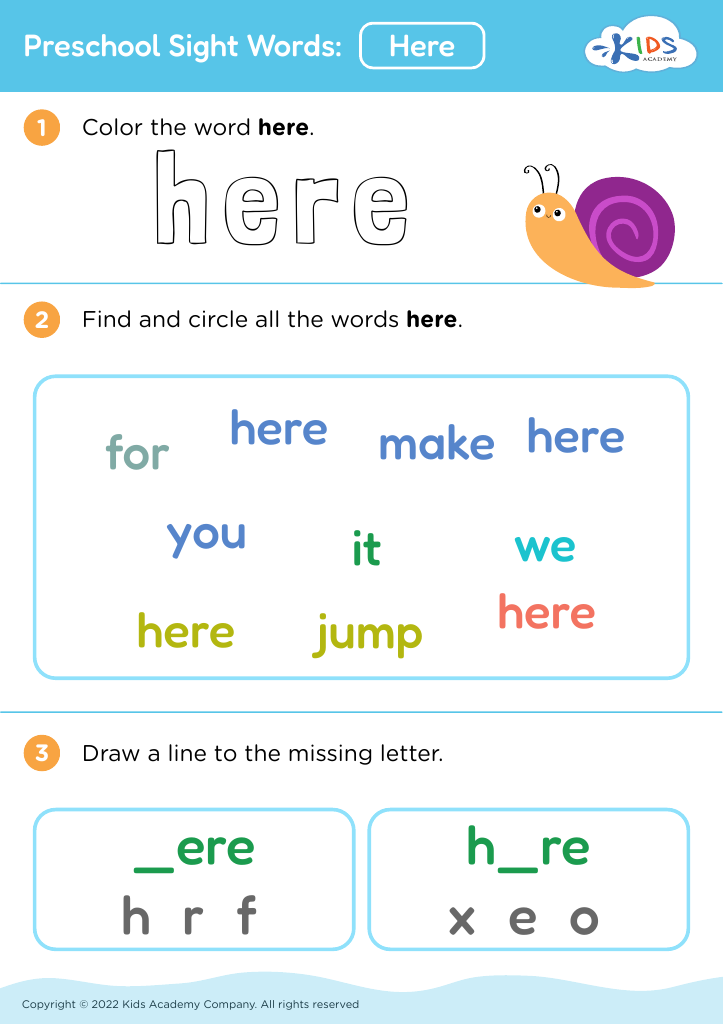
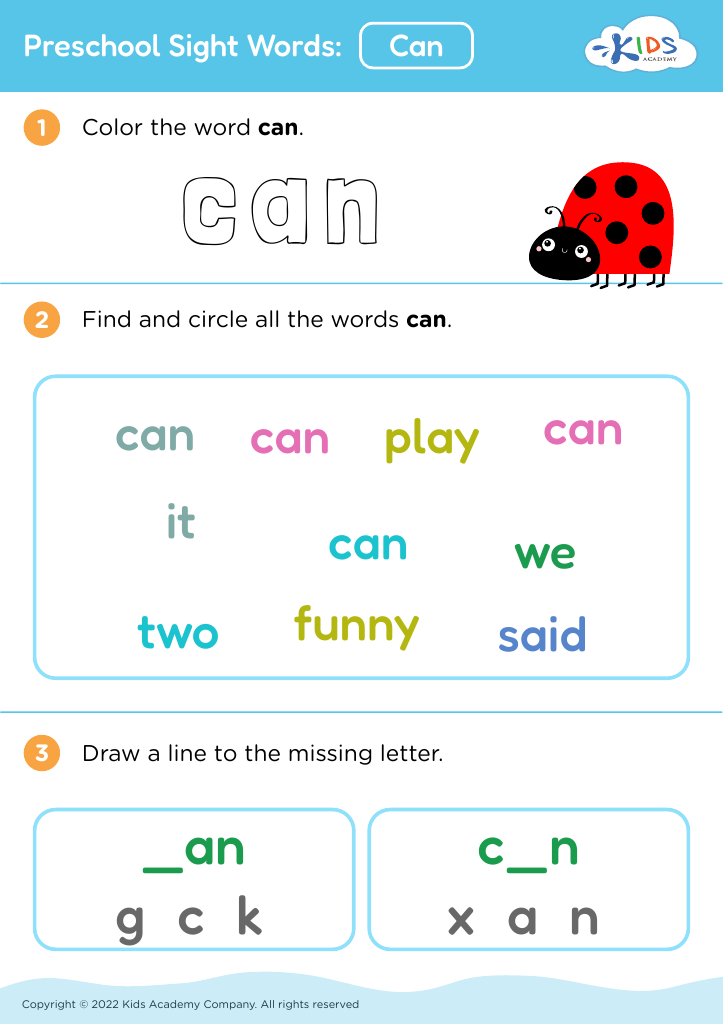
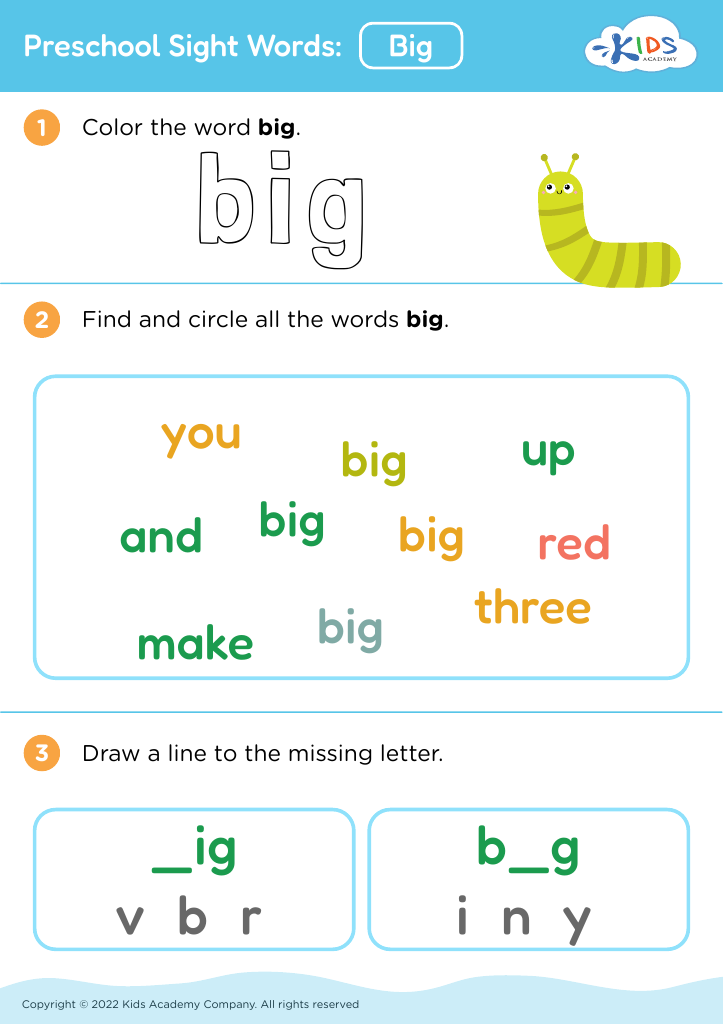
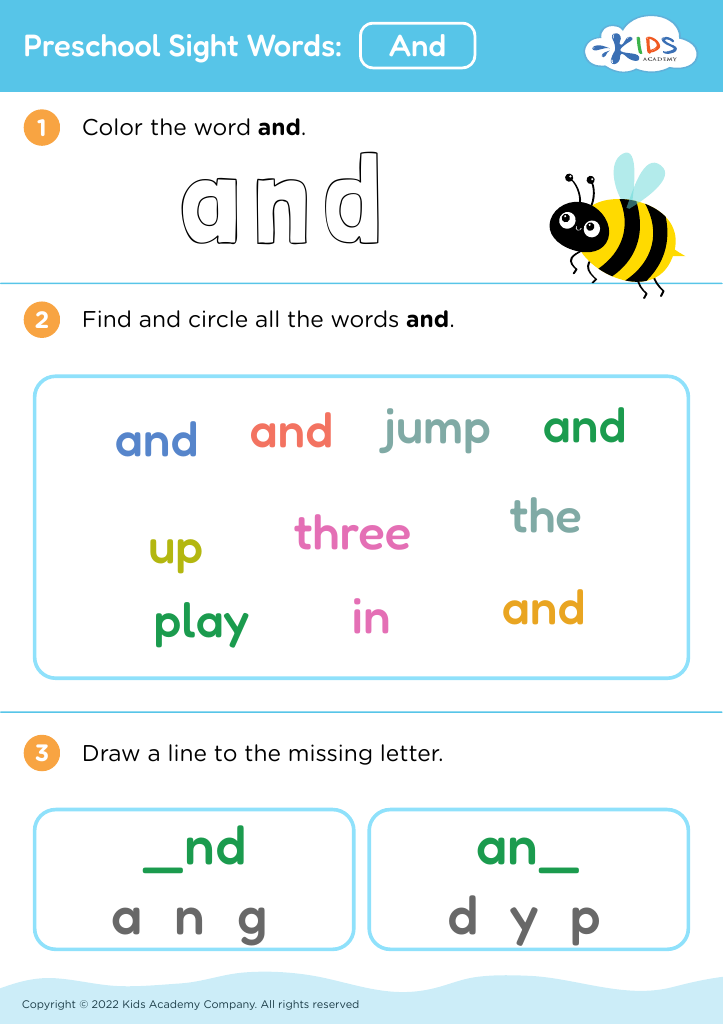
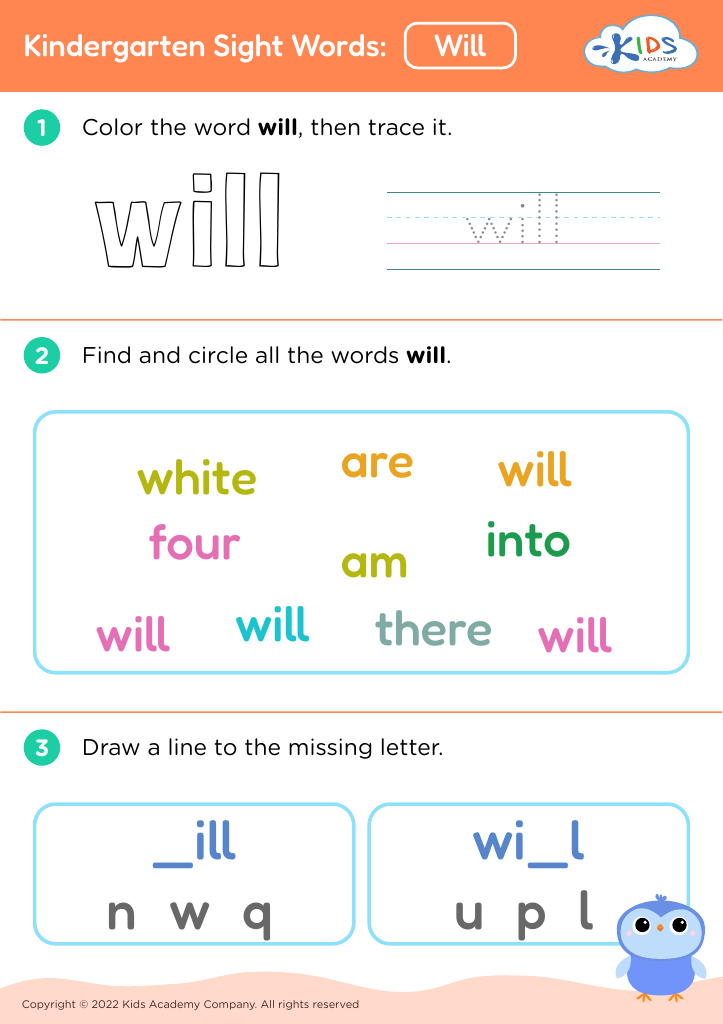
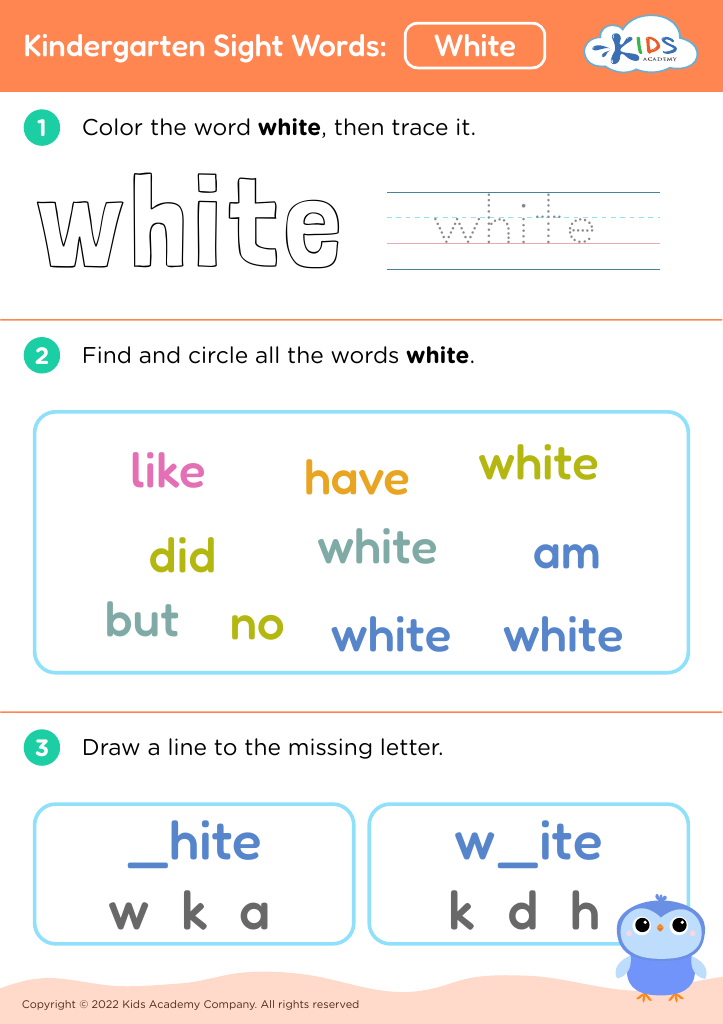
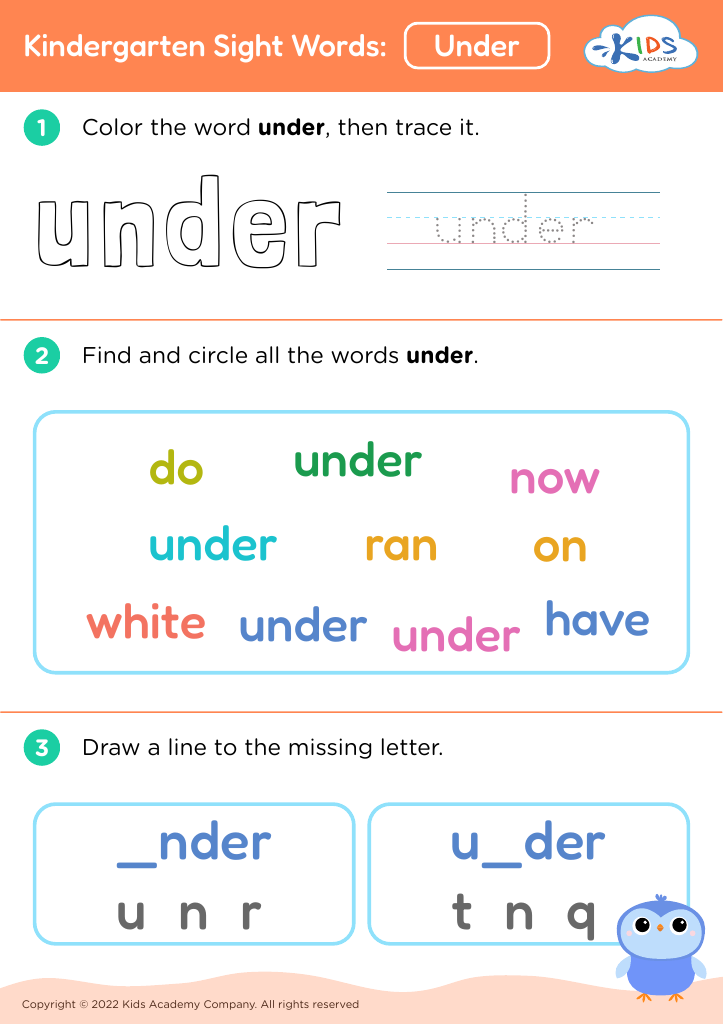
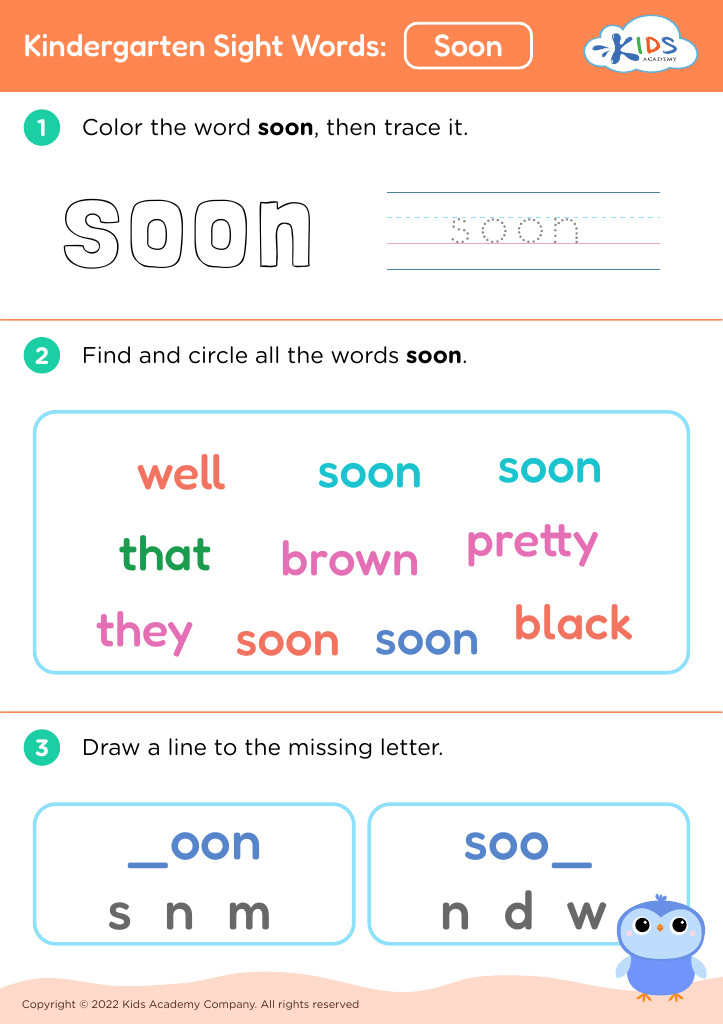
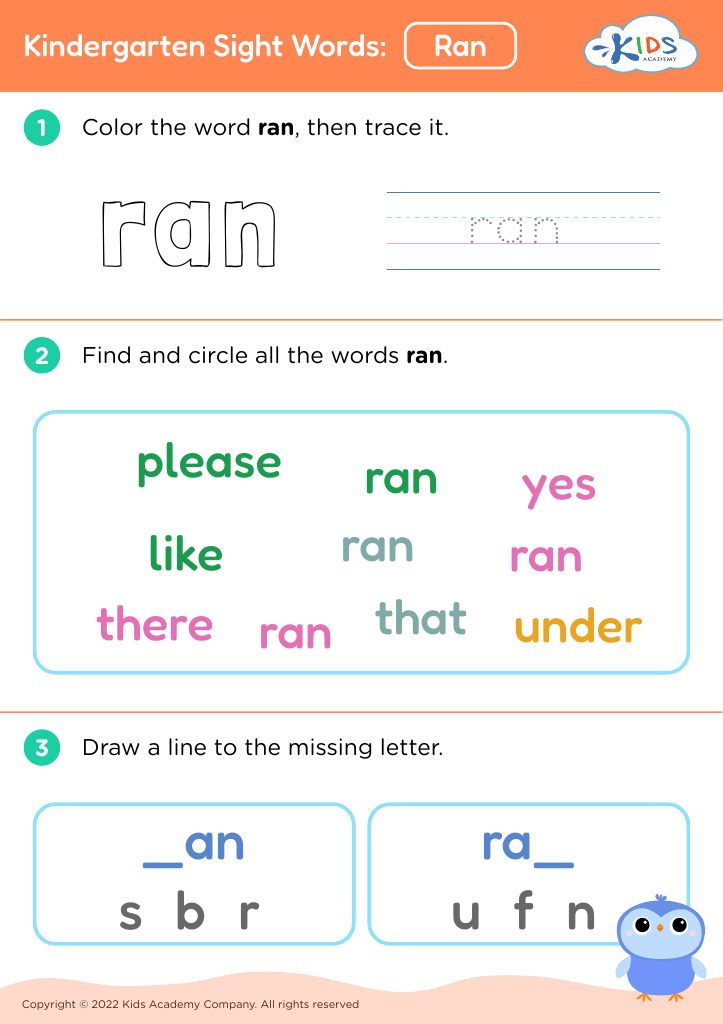
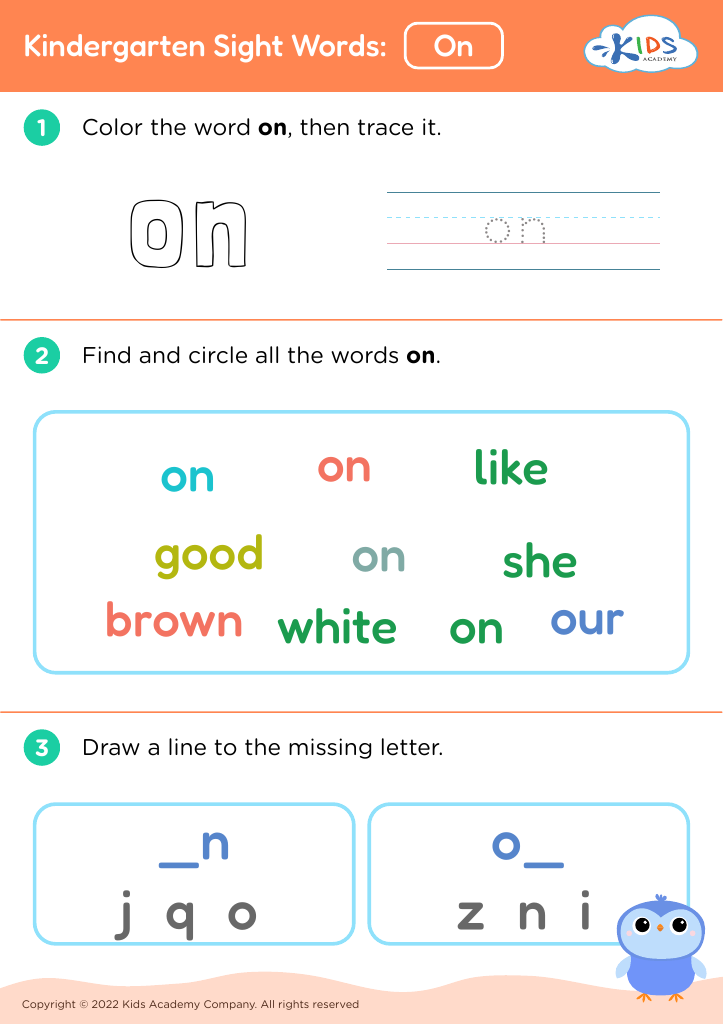
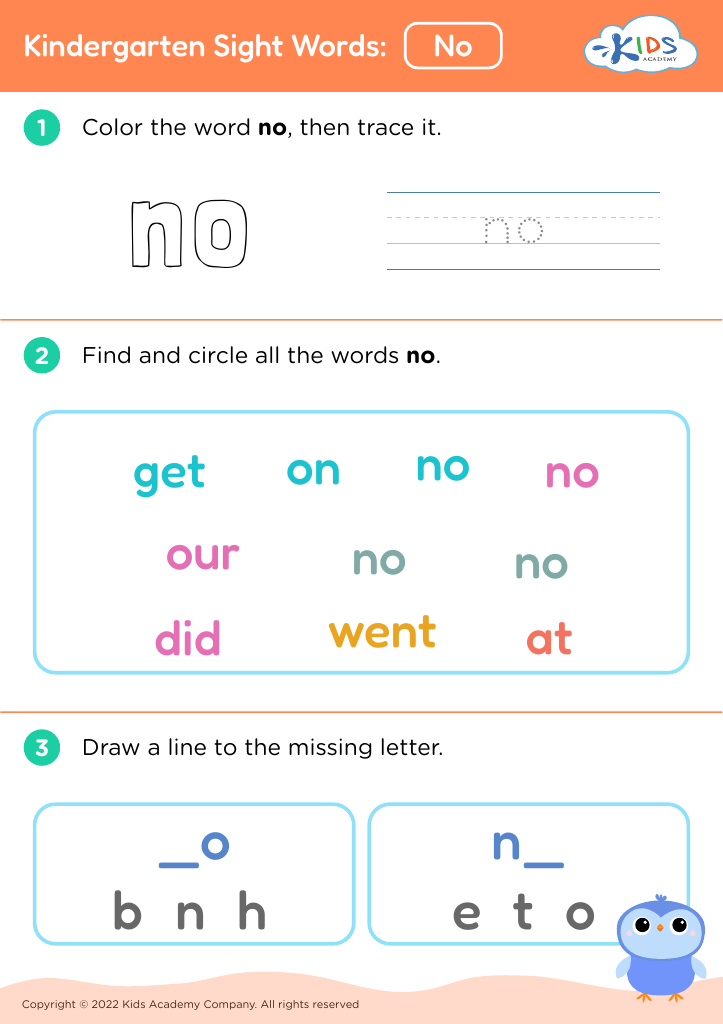
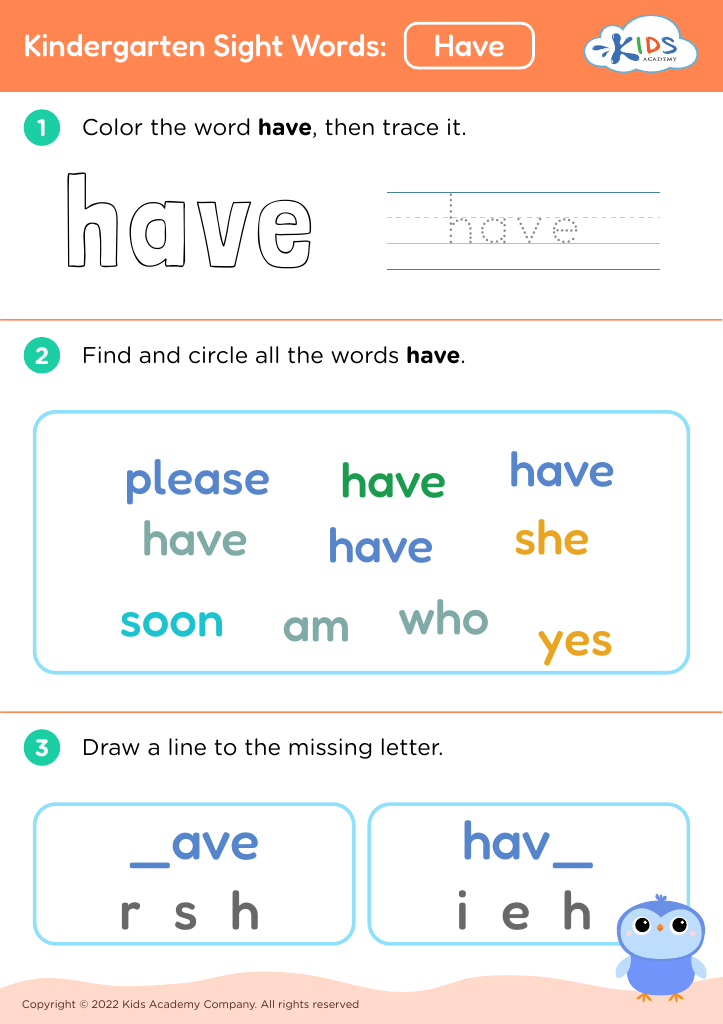
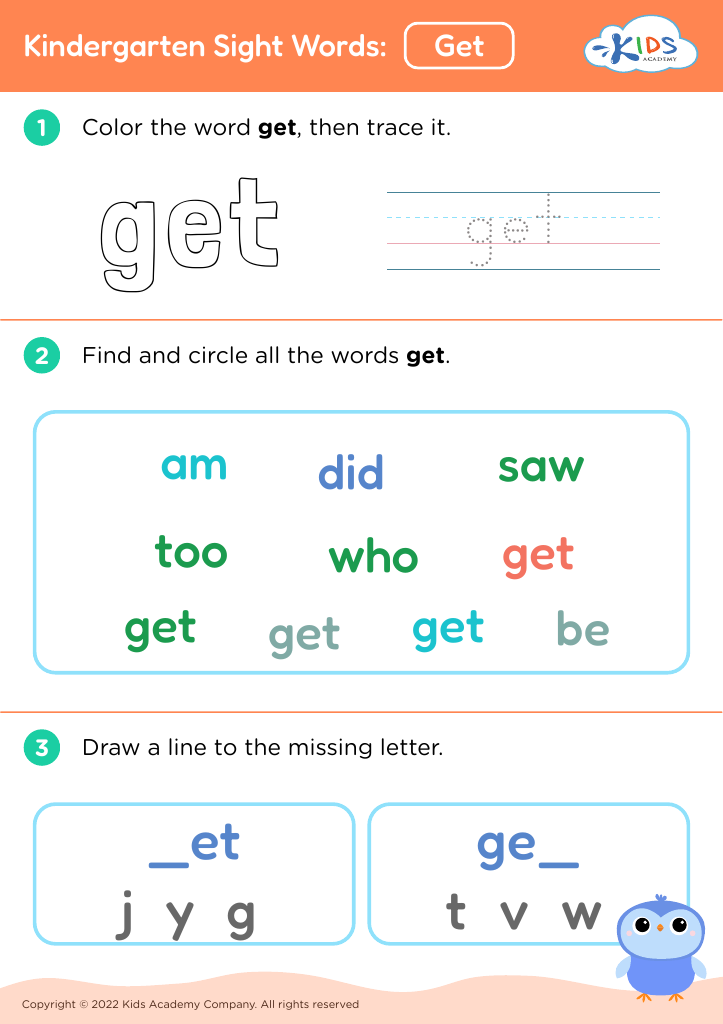
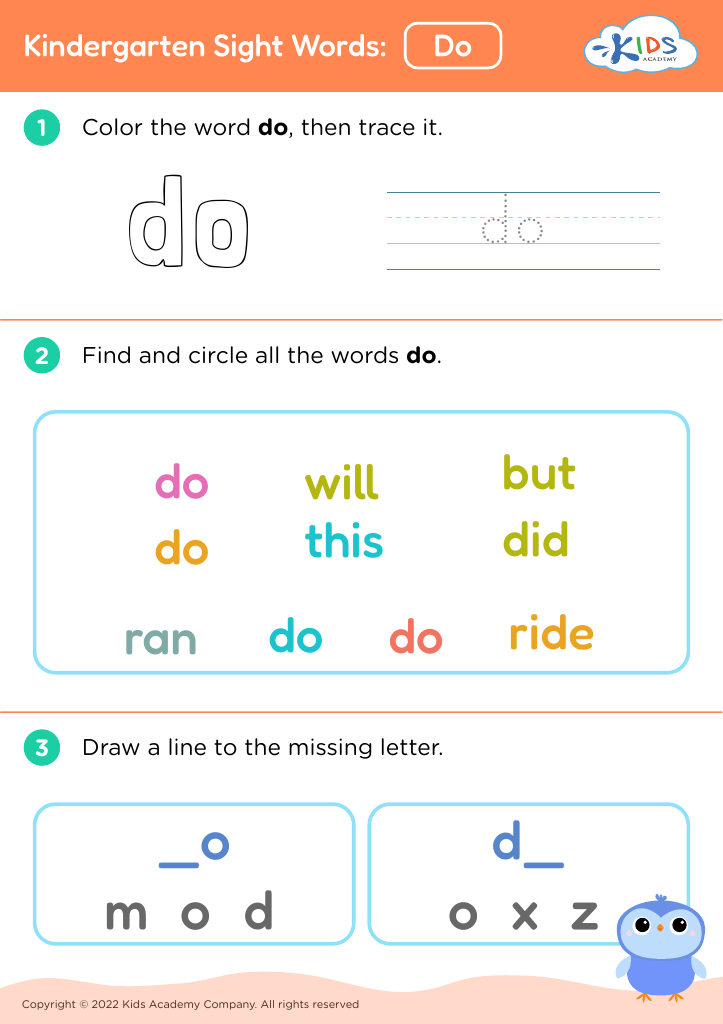
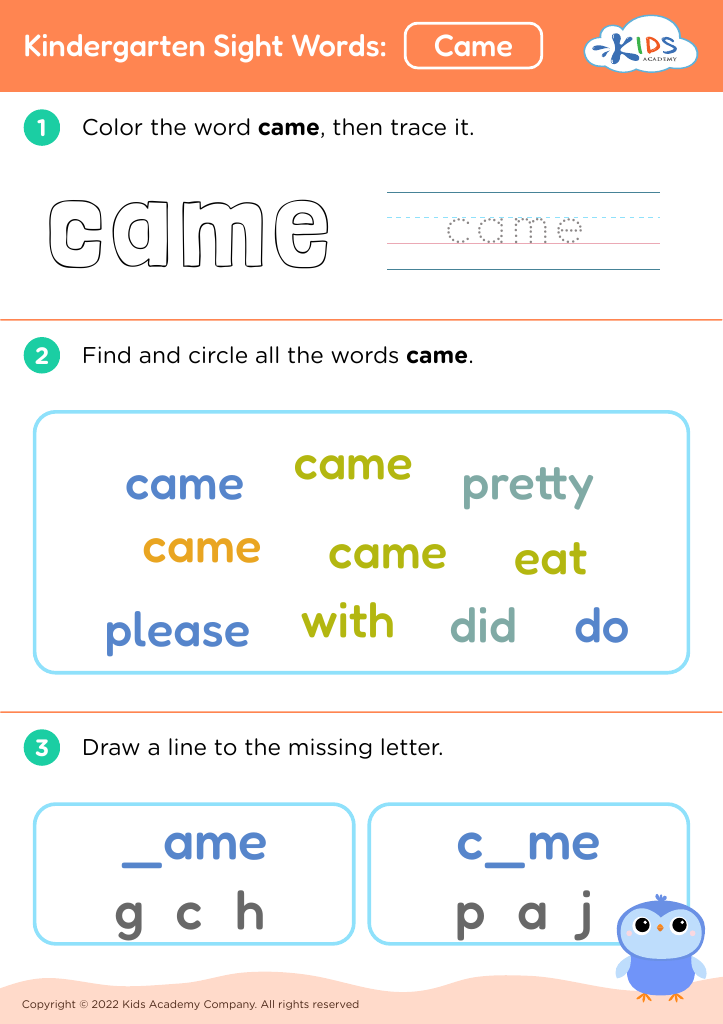
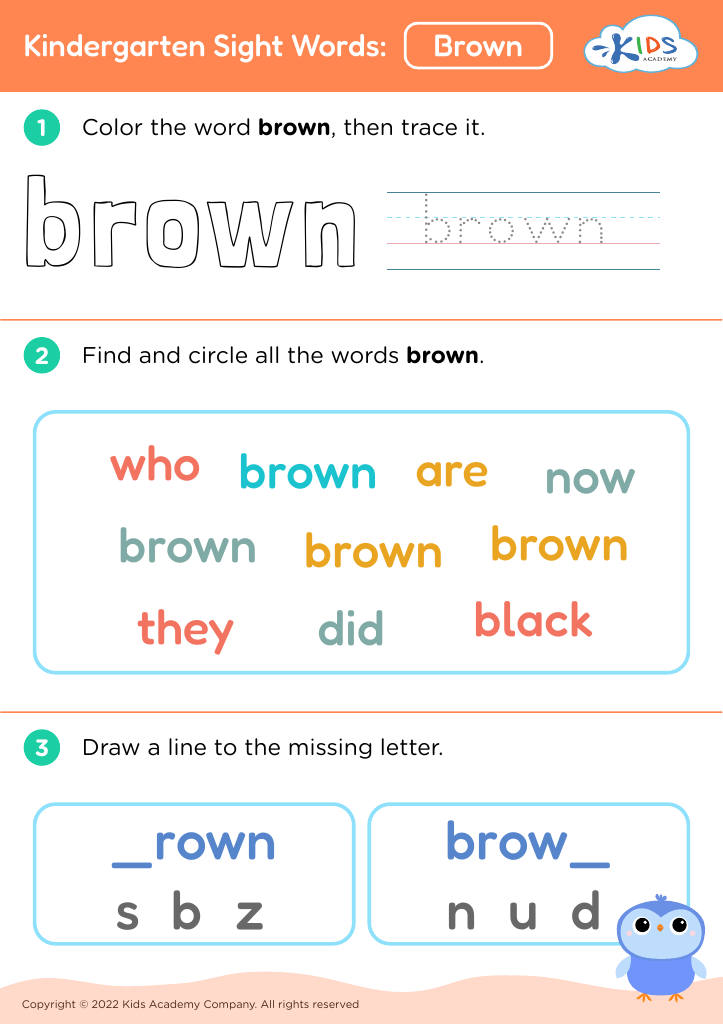
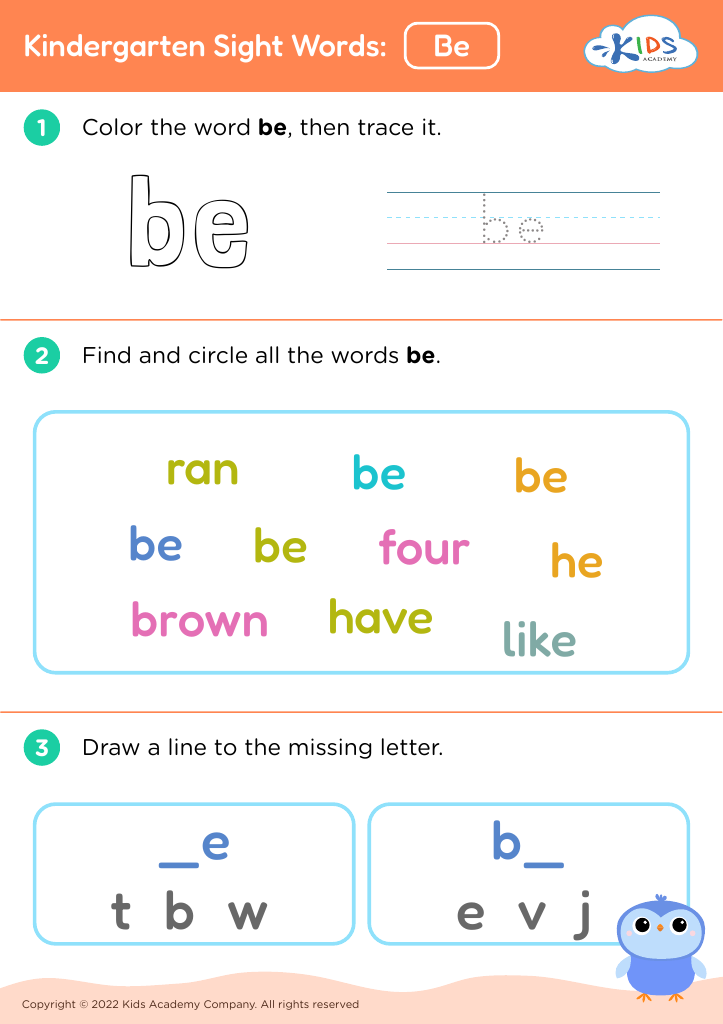
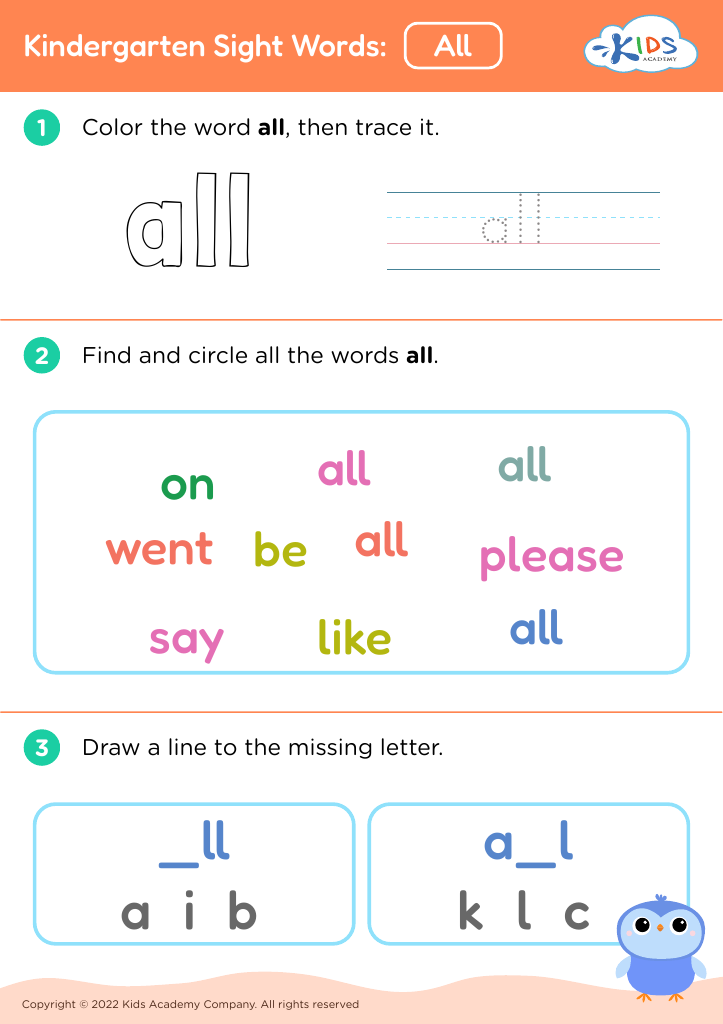








Understanding fractions and sight words are fundamental building blocks for young learners, particularly for ages 3-5. Parents and teachers should care about these concepts as they lay the groundwork for future academic success.
Firstly, introducing fractions at an early age helps children develop a sense of quantity, division, and part-to-whole relationships. Even simple activities, like sharing snacks, can help children grasp these concepts in a tangible way. Fractions not only enhance mathematical understanding but also foster critical thinking skills that are essential for problem-solving throughout their education.
On the other hand, sight words are crucial for early literacy development. Recognizing common sight words allows children to quickly read and understand sentences, building their confidence and love for reading. Mastering sight words helps young learners become functioning readers, which is essential in a world that prioritizes literacy.
When parents and teachers prioritize understanding fractions and sight words, they equip children with critical skills that enhance early learning experiences. These concepts contribute to a well-rounded educational foundation, and as children progress, the confidence and skills they develop will support them in more complex subjects, ensuring their readiness for later academic challenges. Ultimately, fostering these early skills can have lasting impacts on a child's future educational journey.