Understanding patterns Sight Words Worksheets for Ages 3-5
4 filtered results
-
From - To
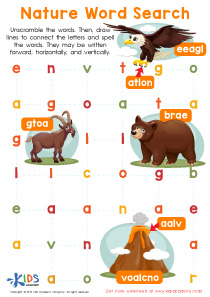
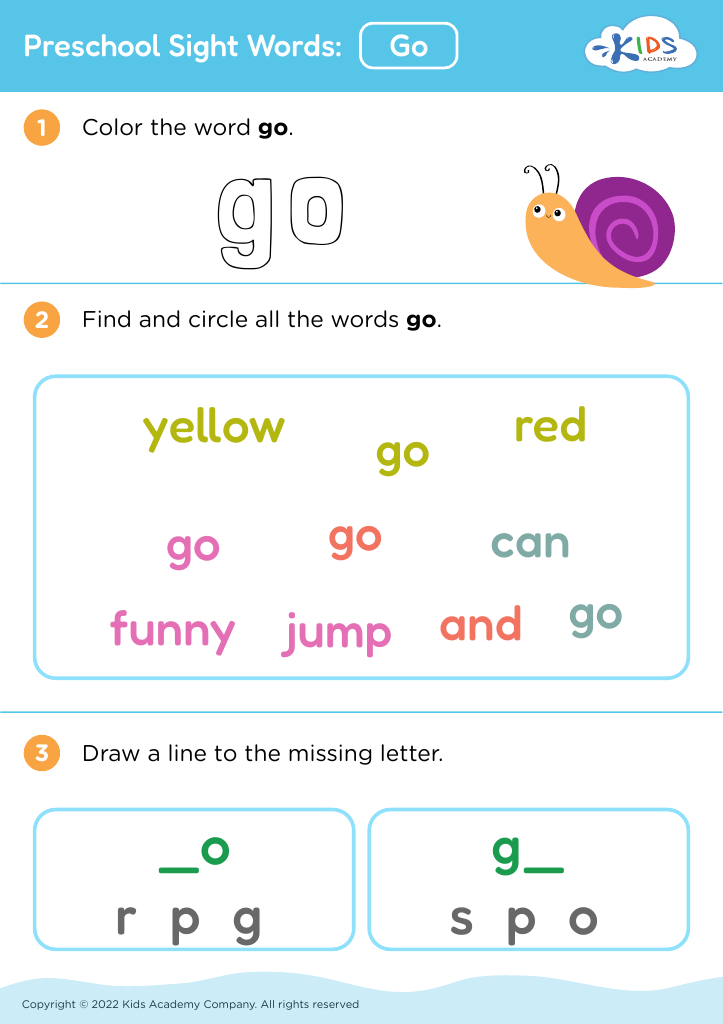
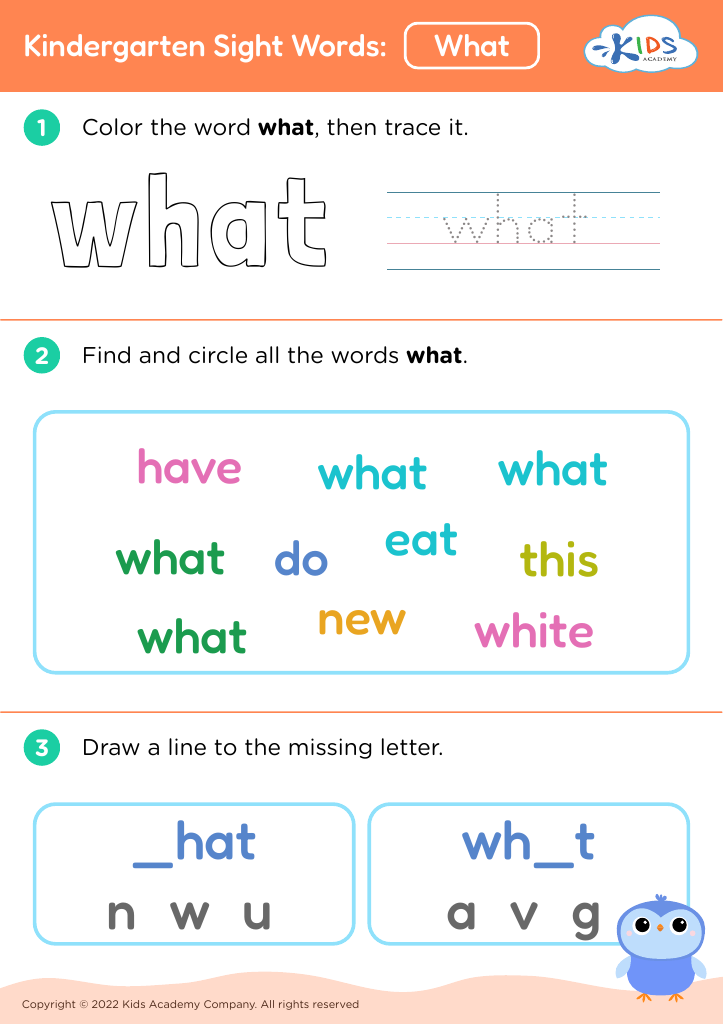
Welcome to our "Understanding Patterns Sight Words Worksheets" for Ages 3-5! These engaging, printable worksheets are designed to help your little ones recognize and understand basic sight word patterns, laying a foundation for early literacy skills. Our fun, interactive activities encourage children to identify, circle, and trace sight words, making learning both enjoyable and effective. By reinforcing pattern recognition, these worksheets not only enhance vocabulary but also boost reading confidence. Perfect for parents and educators alike, our resources support critical early learning milestones. Dive into the world of sight words and patterns with our tailored worksheets today!
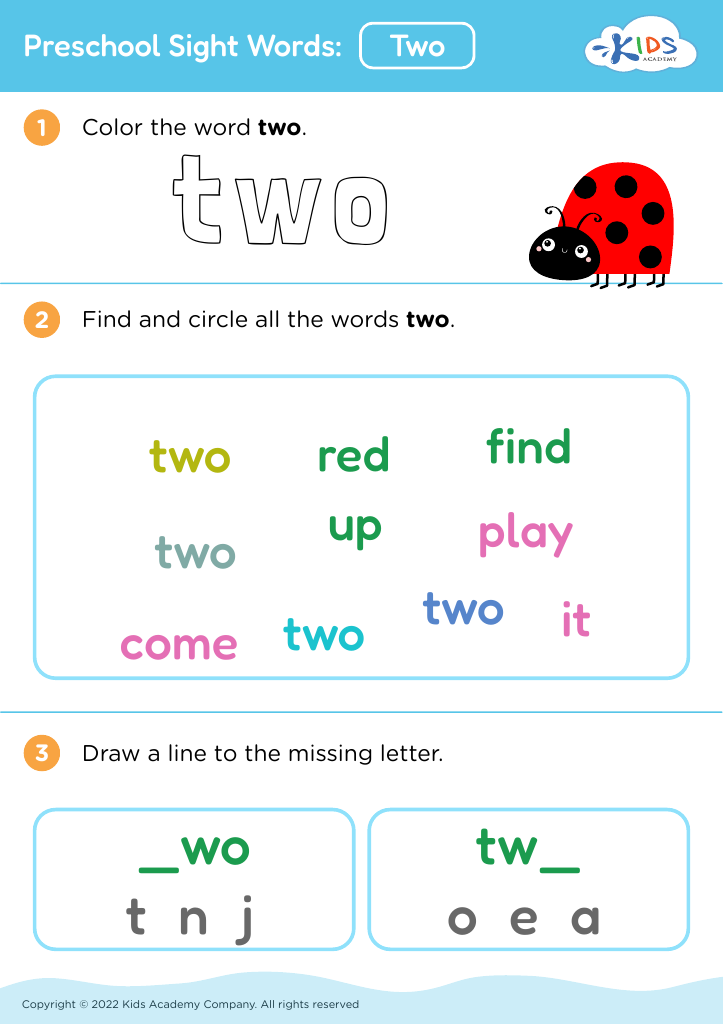




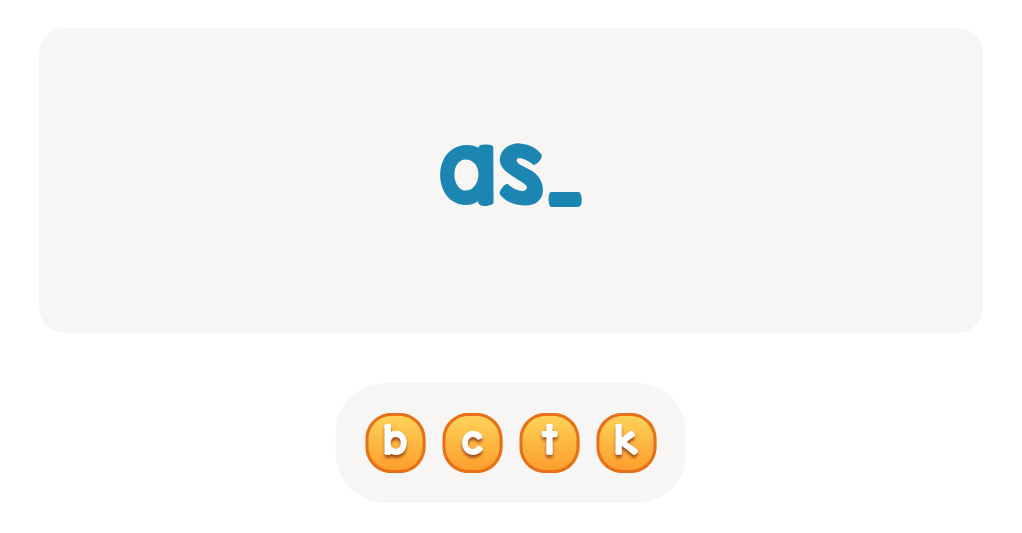
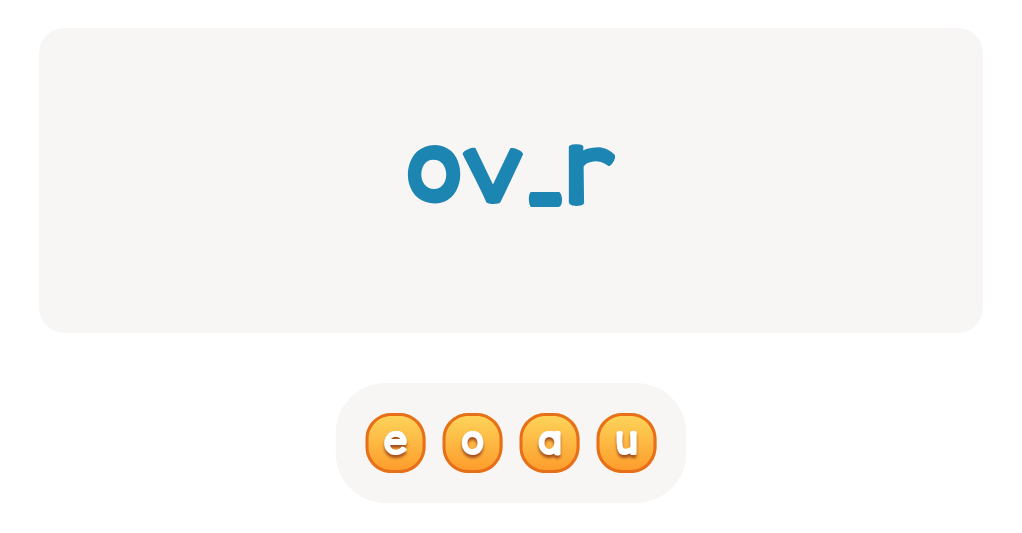
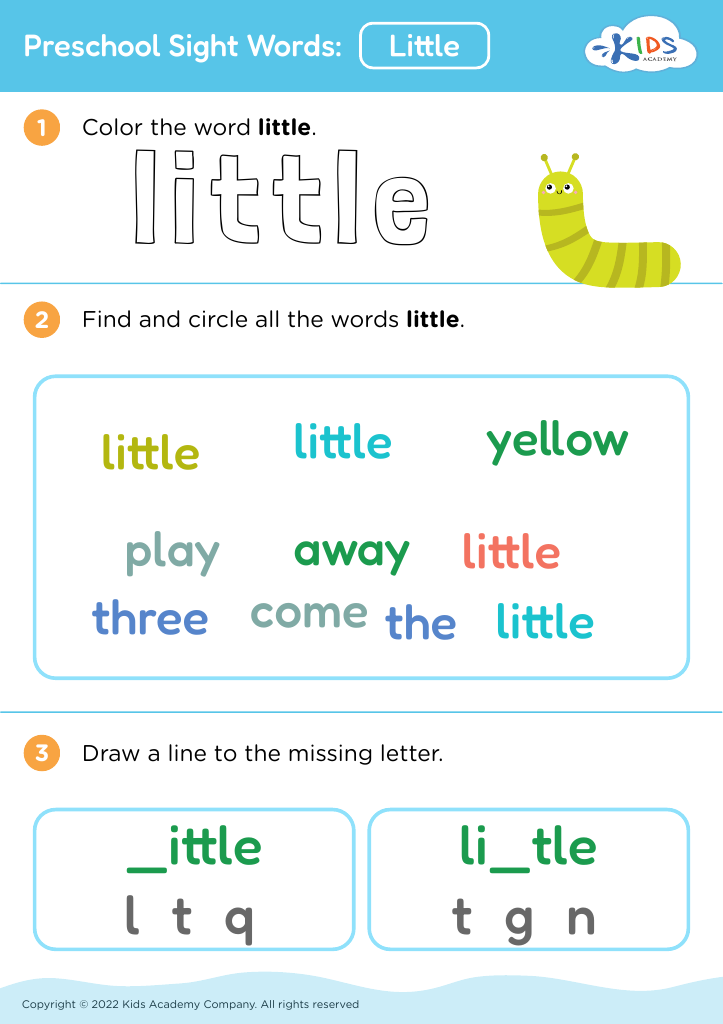







Understanding patterns and sight words for ages 3-5 is crucial for several reasons. First, early childhood is a formative period for language development. Recognizing sight words—frequent, easily recognizable words—enhances a child's reading skills, fostering confidence and fluency. Children who master sight words can focus on comprehension rather than decoding, enabling them to engage more deeply with stories.
Additionally, identifying patterns in language helps little learners grasp the structure and rhythm of reading. Patterns in phonics—like rhyming schemes or word families—foster a sense of predictability, making literacy less intimidating. Children receive valuable tools to tackle new words and sentences, preparing them for more complex reading challenges as they progress.
Furthermore, sight words and patterns lay the foundation for critical thinking and problem-solving skills. Observing and recognizing patterns cultivates analytical abilities beyond literacy, empowering children to make connections in various subjects.
For parents and teachers, prioritizing these concepts encourages a love for reading and a sense of curiosity. By incorporating fun and engaging activities that involve sight words and patterns, adults play a vital role in developing confident, capable readers who are excited to explore the world of information and stories around them.