Vocabulary enhancement Animals Worksheets for Ages 3-5
3 filtered results
-
From - To
Introduce your little one to the exciting world of animals with our Vocabulary Enhancement Animals Worksheets, specially designed for children ages 3-5. Kids Academy offers engaging, educational worksheets that help build fundamental vocabulary skills through fun activities and colorful illustrations. Each worksheet focuses on different animals, enhancing children's word recognition, pronunciation, and comprehension. Perfect for early learners, these worksheets blend play with learning, fostering a love for science and nature. Discover a variety of exercises that stimulate curiosity and develop foundational language skills, all aligned with early childhood education standards. Start the adventure in vocabulary enhancement today!
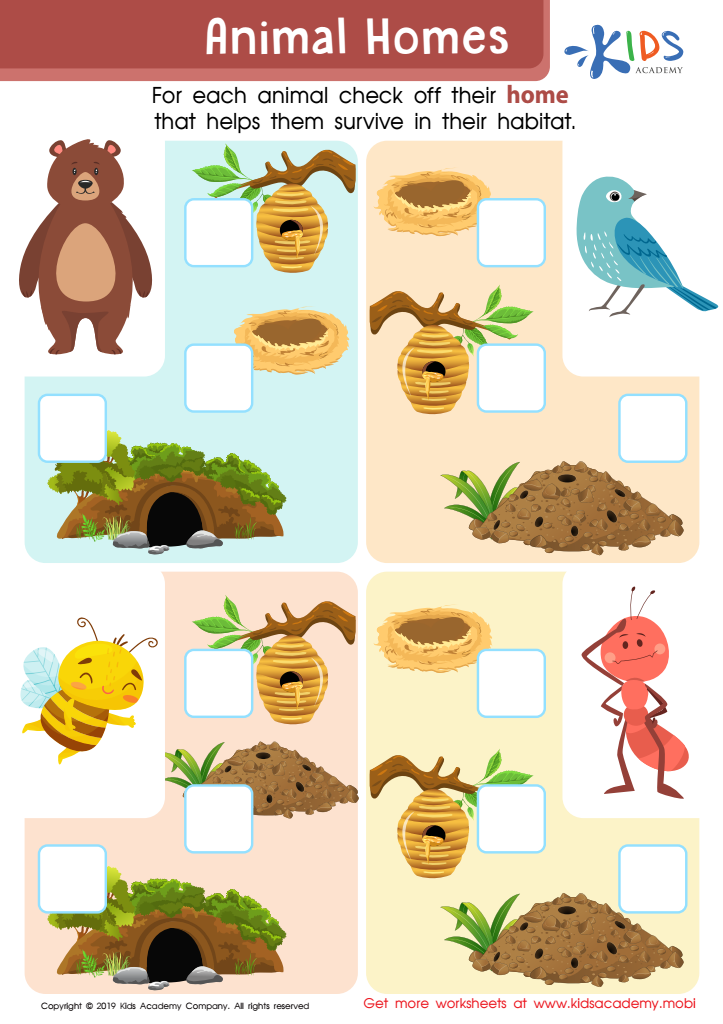
Animal Homes Worksheet
 Assign to My Students
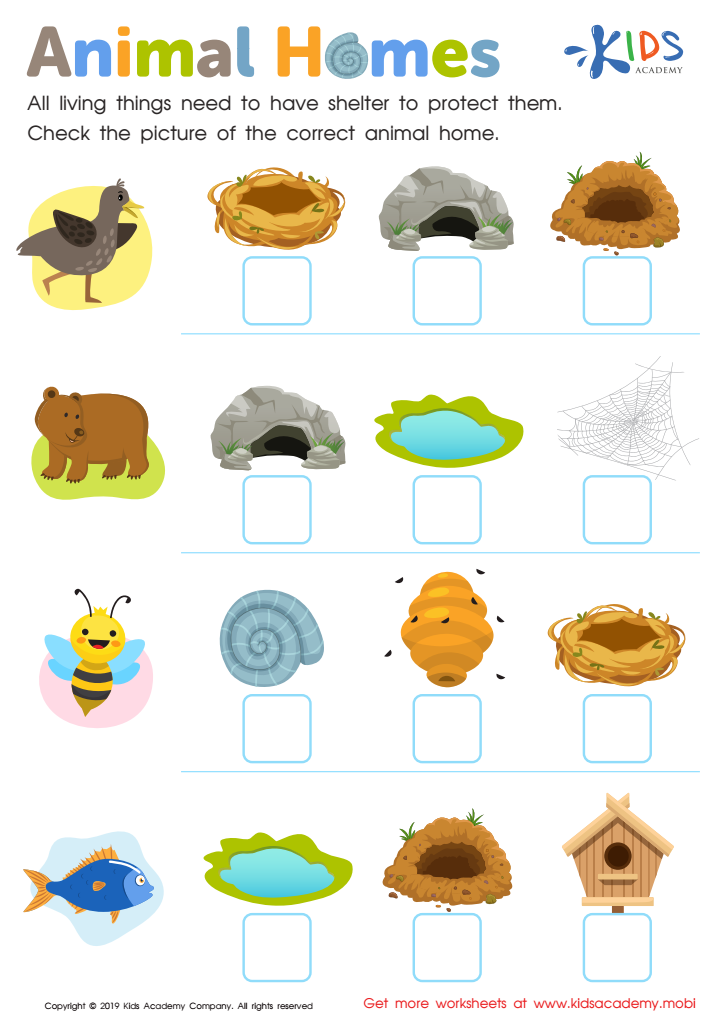
Animal Homes Worksheet
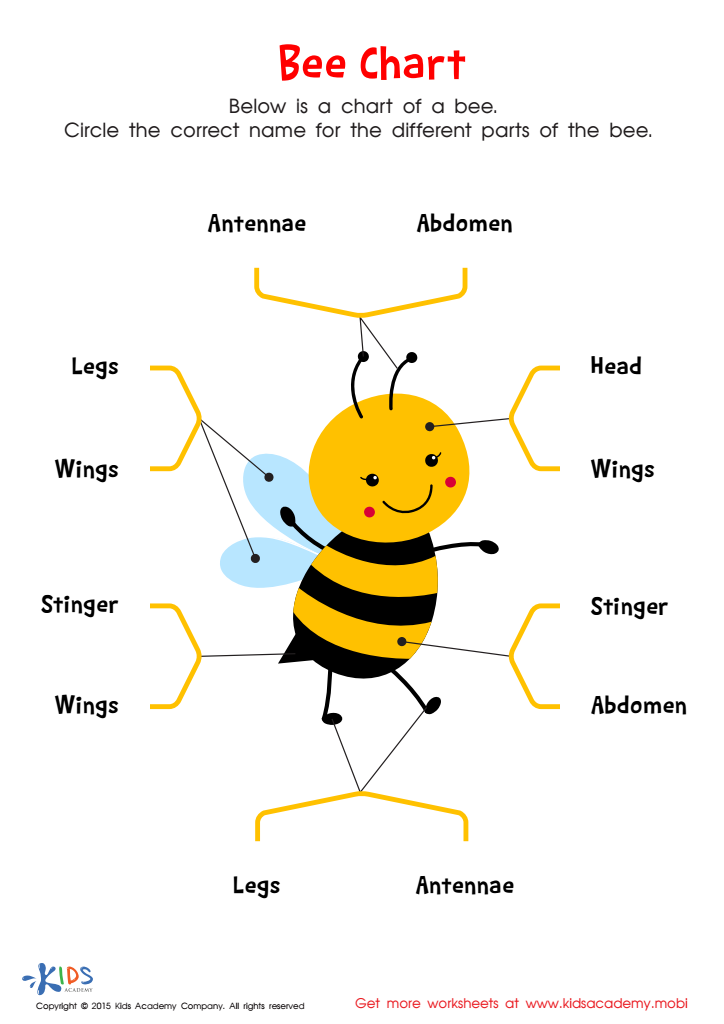



%20(1).jpg)


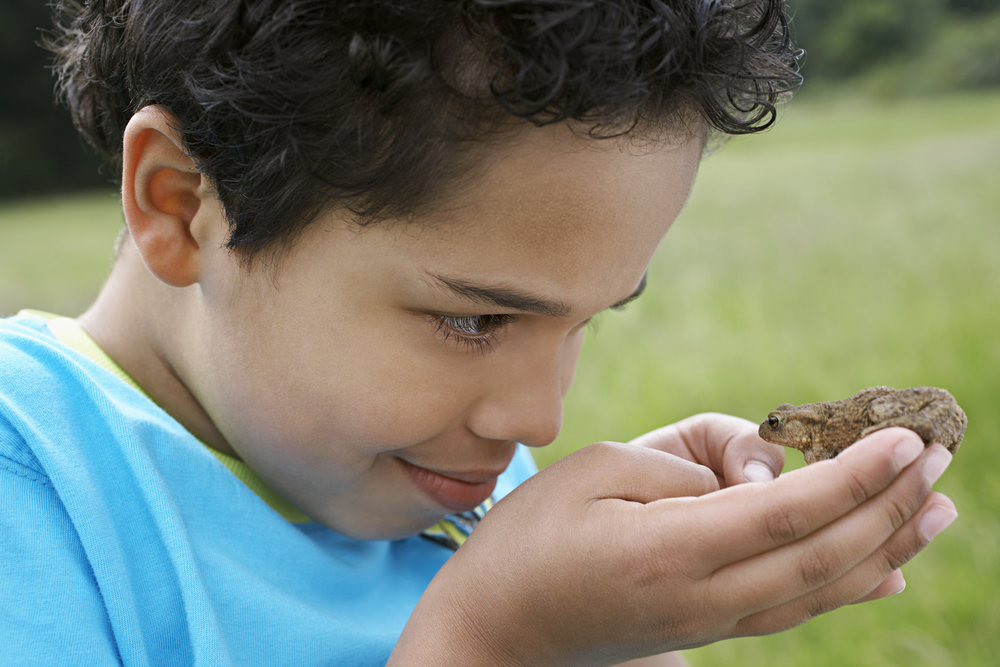
Vocabulary enhancement, especially regarding animals, for children aged 3-5, plays an essential role in early language development and cognitive growth. At this tender age, children are rapidly absorbing new information and words, and animals are a captivating, relatable, and diverse subject that can significantly bolster their vocabulary.
First, learning animal names and characteristics introduces children to a diverse array of words that help build a strong linguistic foundation. As children learn about the various types of animals, including their habitats, sounds, and physical attributes, they develop context for words, which improves comprehension and recall.
Moreover, discussing animals can spark curiosity and encourage exploration, fostering a love for learning. Young children find animals enjoyable and engaging, making it easier for them to learn through songs, stories, and interactive activities. This natural interest facilitates language acquisition more effectively than abstract concepts.
Enhancing vocabulary through animal-related content also supports cognitive development by teaching classification, comparison, and observational skills. Children learn to categorize animals (e.g., domestic vs. wild animals) and describe their differences, which enhances critical thinking and cognitive organization.
Finally, a strong vocabulary in early childhood correlates with later reading success. By expanding their word bank early on, children are better prepared for academic achievement and effective communication. Therefore, parents and teachers should prioritize vocabulary enhancement centered on animals to support holistic early development.








