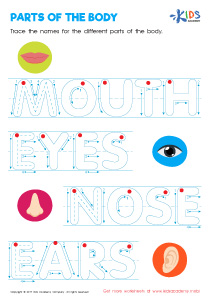
Categorization skills World Around Us Worksheets for Ages 3-5
3 filtered results
-
From - To
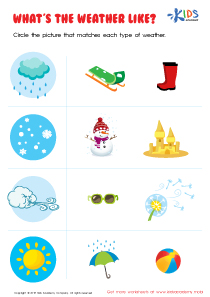
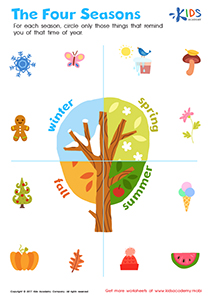
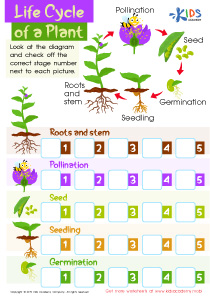
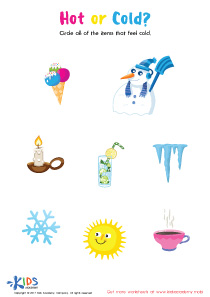
Explore our engaging "Categorization Skills World Around Us Worksheets" designed specifically for ages 3-5. These worksheets provide young learners with fun and interactive activities to help them identify and classify objects from their surroundings. By sorting items into categories such as animals, plants, colors, and shapes, children enhance their critical thinking and problem-solving abilities. This foundational skill not only builds their cognitive development but also promotes early literacy and language skills. Our vibrant and engaging worksheets make learning an enjoyable experience for children and encourage curiosity about the world around them. Start your child's categorization journey today!
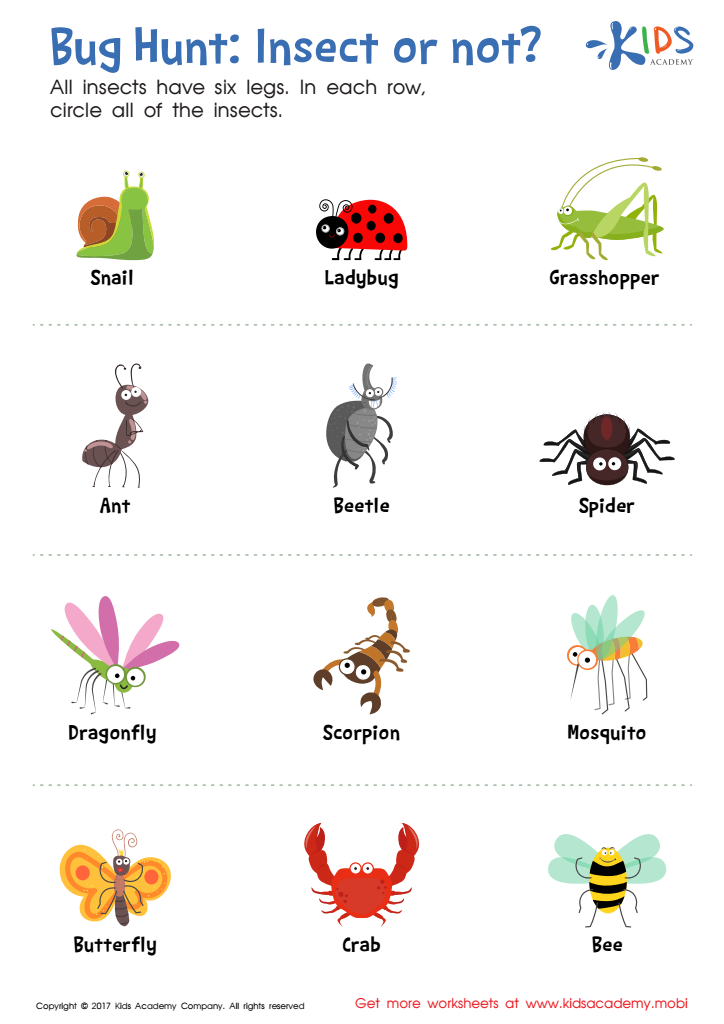
 Assign to My Students
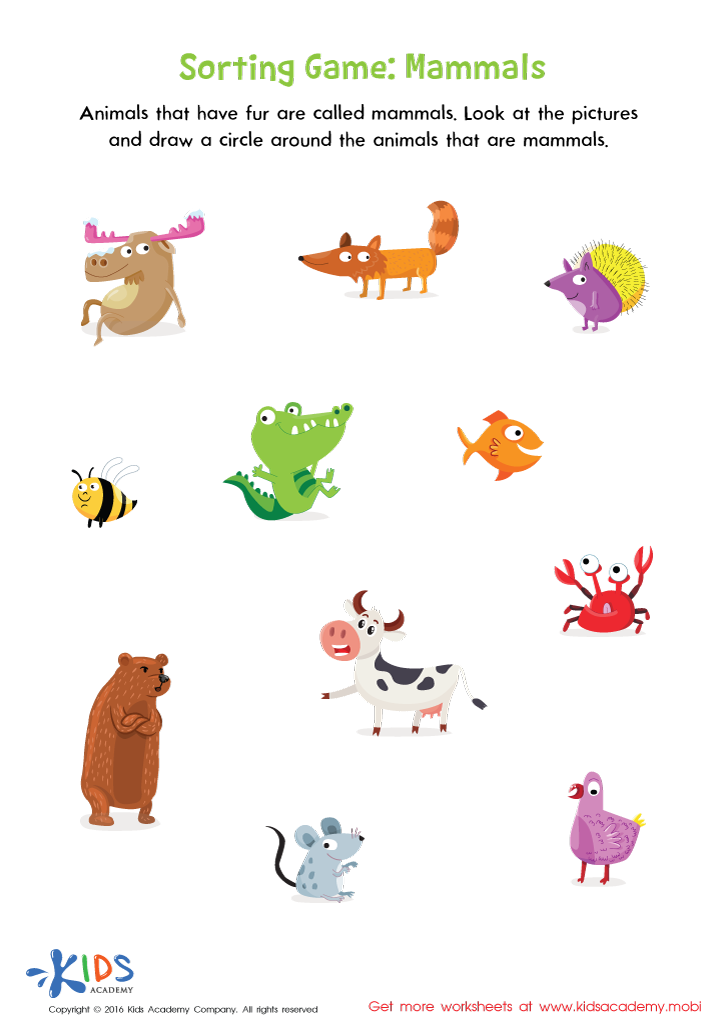
Mammals Sorting Worksheet
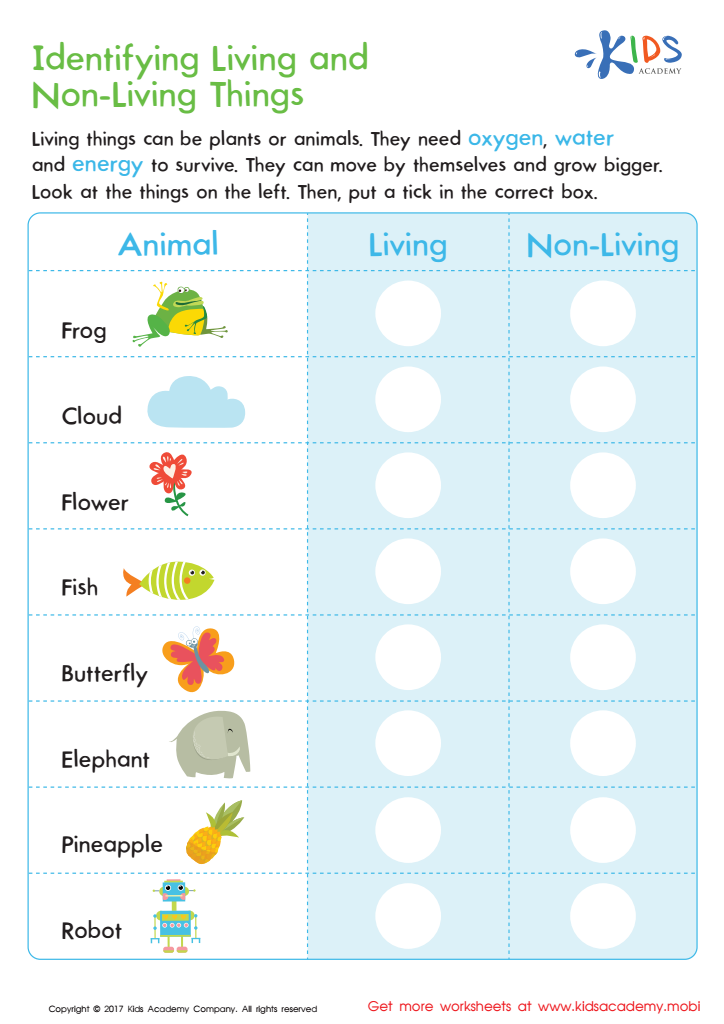
Identifying Living or Non–living Worksheet








Categorization skills are crucial for young children as they form the foundation for understanding the world around them. For ages 3-5, children begin to sort and classify objects by attributes such as size, color, shape, or function. This skill not only enhances cognitive development but also boosts language acquisition, problem-solving, and critical thinking.
Parents and teachers should prioritize categorization skills because these abilities help children make sense of their environment. By grouping similar items, children learn to identify relationships and differences, which paves the way for more complex concepts in math and science as they progress in their education. Furthermore, categorization encourages curiosity and exploration, fostering a love for learning from an early age.
In addition to cognitive growth, these skills have social implications. Categorizing helps children understand social dynamics and groupings, making it easier for them to interact with peers and navigate social settings. By nurturing categorization skills, parents and teachers equip children with vital tools for future learning and everyday life, emphasizing the connection between early skills and lifelong success. Instilling these competencies early enhances overall classroom engagement, preparing children for a world where critical analytical abilities are indispensable.