Counting skills World Around Us Worksheets for Ages 3-5
5 filtered results
-
From - To
Unlock your child's potential with our "Counting Skills World Around Us Worksheets for Ages 3-5." These engaging and colorful printables are designed to make learning fun and interactive for young children. With a focus on everyday elements, our worksheets help kids develop essential counting skills by exploring the world around them. Perfect for preschoolers, they provide a strong foundation in numeracy while nurturing curiosity and observational skills. Our expertly crafted activities make counting relatable and exciting, ensuring your little learner stays motivated and engaged. Start your child's educational journey with these delightful and effective printables!
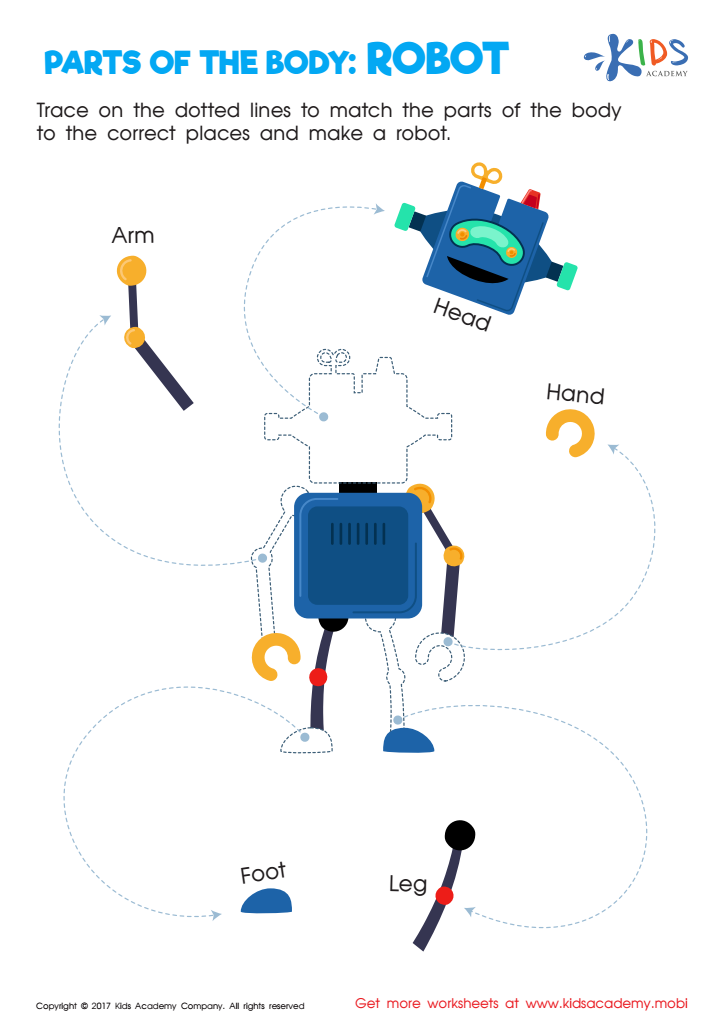
Robot Printable
 Assign to My Students
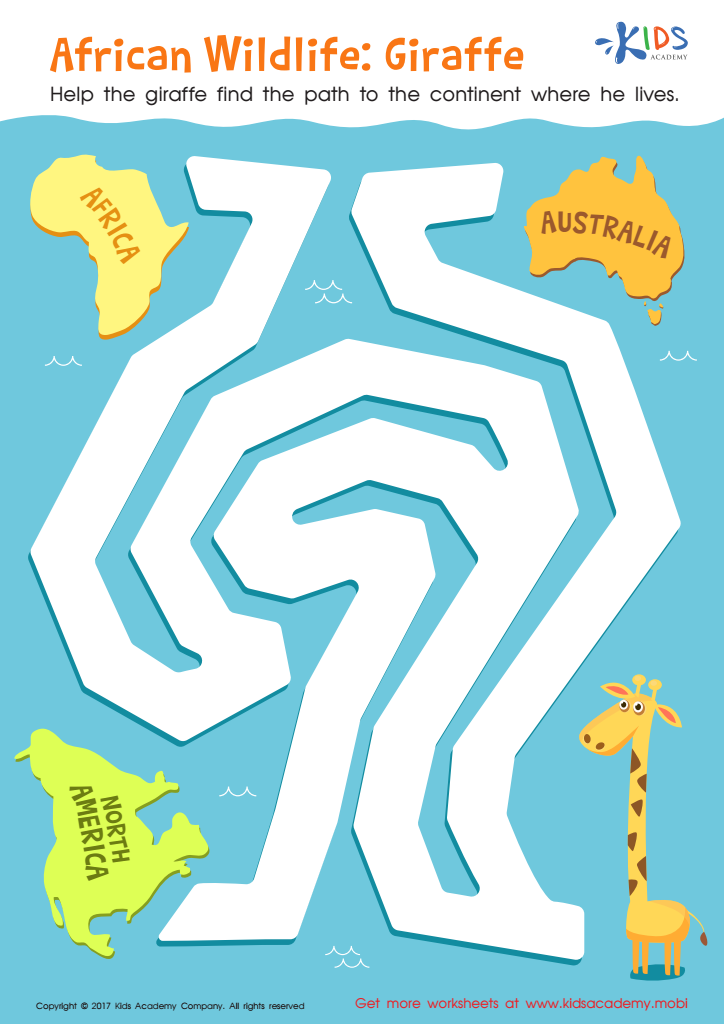
African Wildlife: Giraffe Worksheet
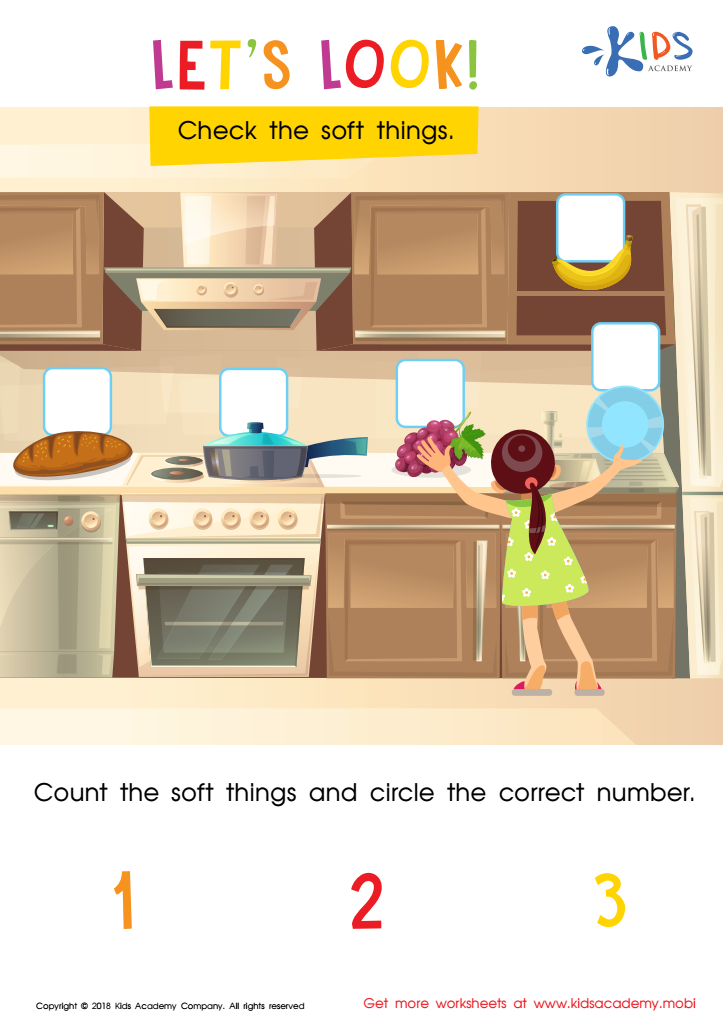
Let's Look! Assessment Worksheet
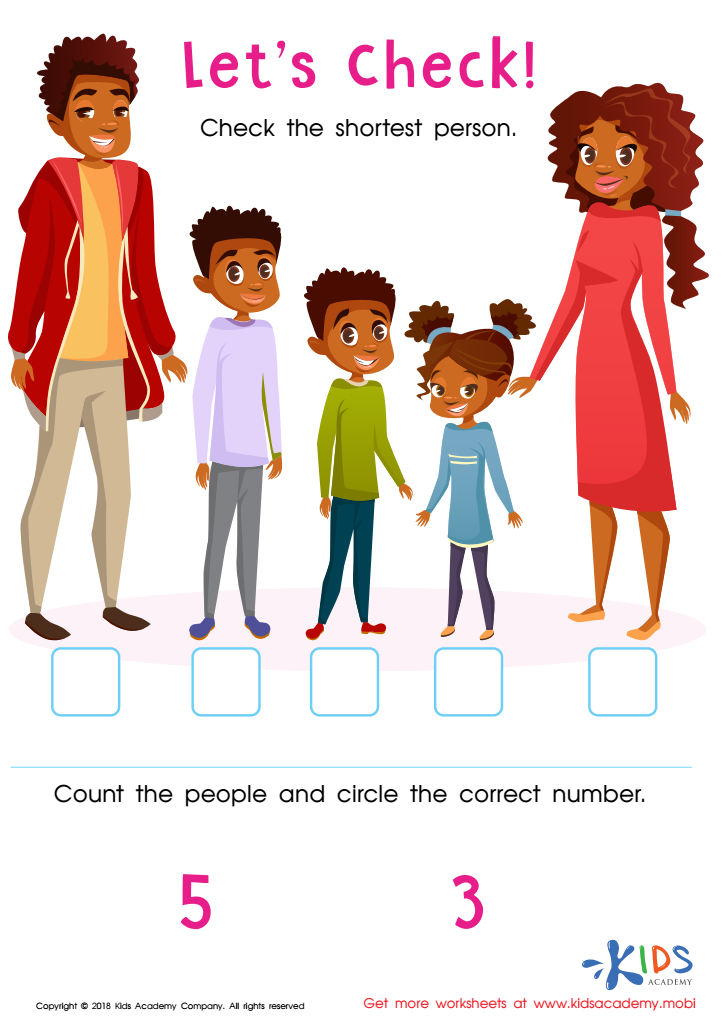
Let's Check! Assessment Worksheet
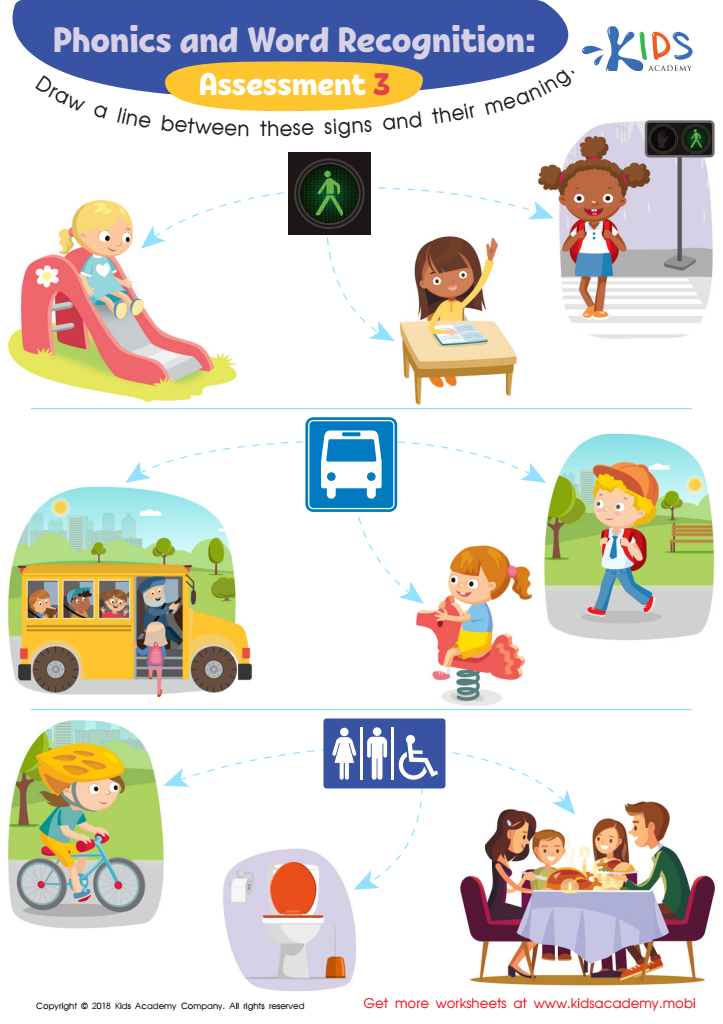
Phonological Awareness: Assessment 3 ELA Worksheet







Counting skills are foundational for early childhood development, especially for children ages 3-5. By learning to count, children achieve critical cognitive milestones that pave the way for more complex mathematical understanding in the future. Parents and teachers should prioritize these skills because they are not just about memorizing numbers, but about understanding relationships between quantities, patterns, and sequences. When children count objects in their world, whether it's toys, steps, or pieces of fruit, they enhance their observational skills and improve their ability to make sense of their environment.
Moreover, early counting skills support language development as children learn to articulate numbers and their corresponding nouns clearly. This also helps build their vocabulary and conversational skills.
Beyond academics, counting nurtures problem-solving abilities and logical thinking which are vital across all aspects of learning and daily life. A child who can count confidently will find it easier to follow complex instructions and will likely have higher self-esteem and a more proactive attitude toward learning.
Teachers and parents play an essential role in constructing real-life counting experiences, grounding abstract mathematical concepts in the tangible world around us. For example, asking a child to set the table by counting utensils, or counting steps while climbing stairs, makes learning interactive and fun. Thus, counting skills are integral in fostering a rounded and resilient learner.