Noun identification Grammar Worksheets for Ages 3-5
4 filtered results
-
From - To
Discover a fun and engaging way to teach noun identification with our specially designed grammar worksheets for children ages 3-5! These interactive resources introduce young learners to the concept of nouns through colorful illustrations and simple activities. Kids will enjoy identifying common nouns as they explore various themes, enhancing their vocabulary and comprehension skills. Our worksheets encourage creativity and reinforce learning through playful exercises, ensuring educational development in a joyful environment. Ideal for preschool teachers and parents alike, these noun identification worksheets provide a solid foundation for little ones as they embark on their learning journey. Start nurturing their language skills today!
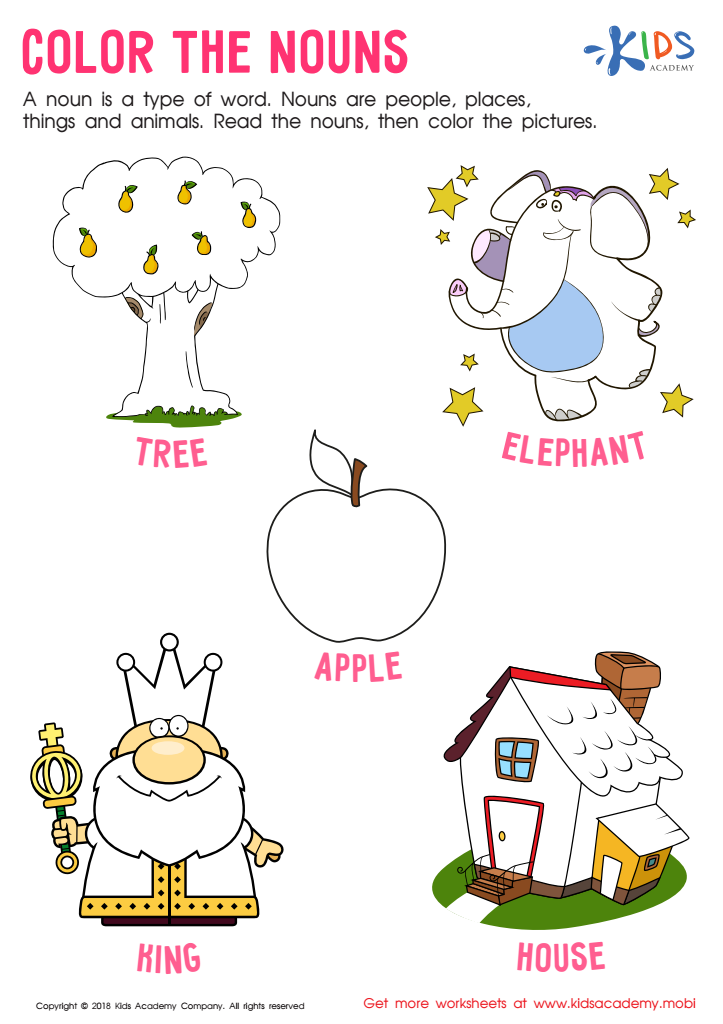
Color the Nouns Worksheet
 Assign to My Students
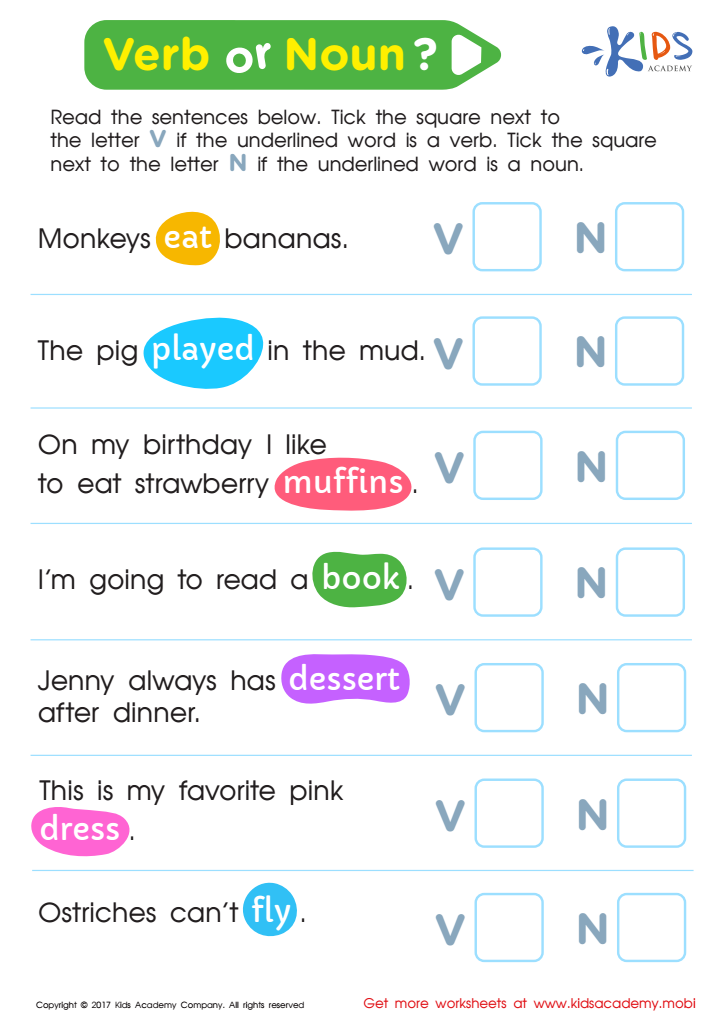
Verb or Noun Worksheet
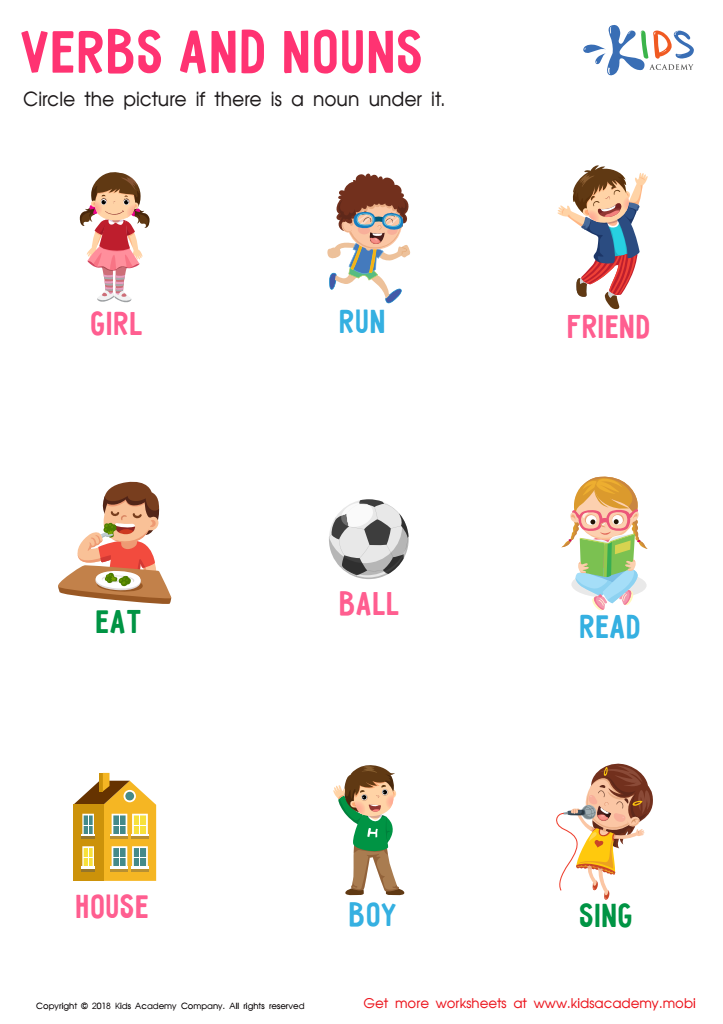
Verbs and Nouns Worksheet
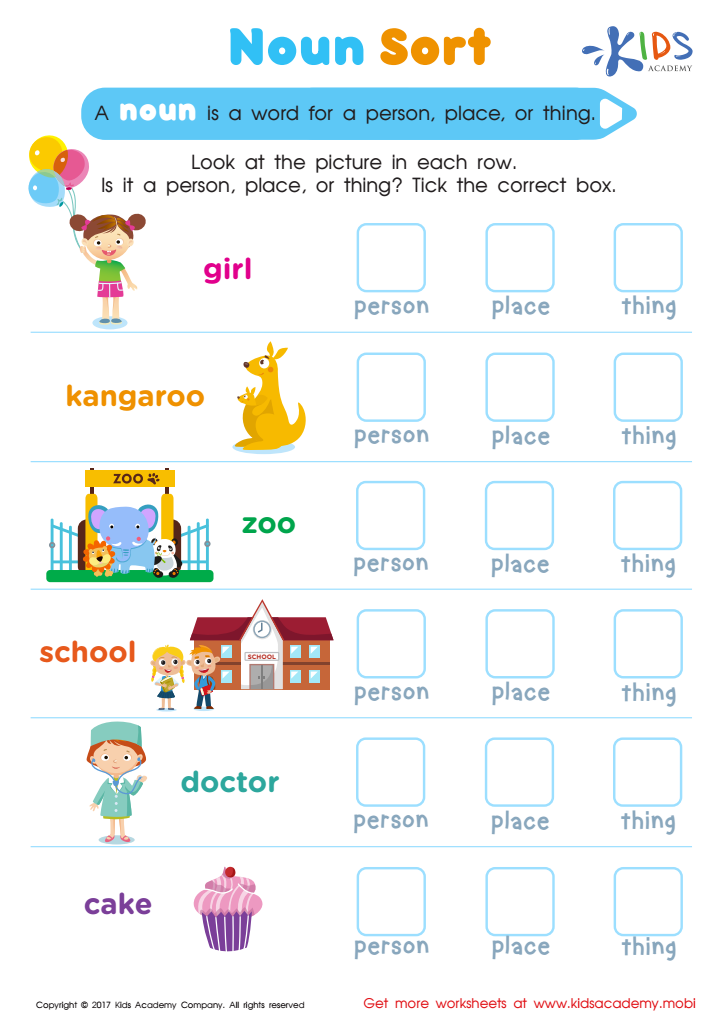
Noun Sort Printable




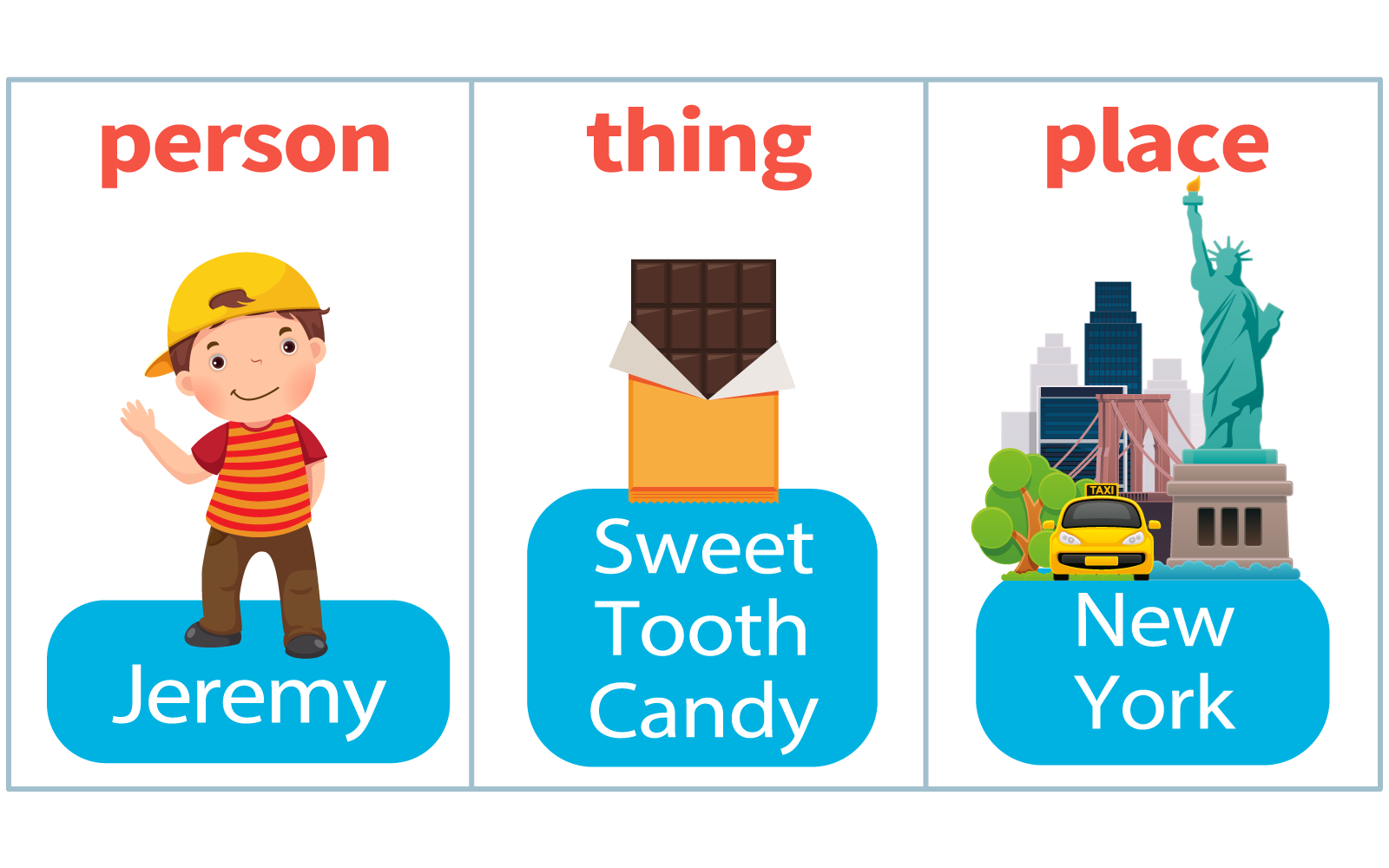


Noun identification is a crucial aspect of language development for children ages 3-5, making it essential for parents and teachers to prioritize this skill. At this age, children are rapidly expanding their vocabulary and beginning to form sentences. Understanding nouns—the names of people, places, things, and ideas—forms the foundation for effective communication and literacy skills.
Noun recognition helps children categorize and make sense of the world around them. When children identify nouns, they enhance their ability to express themselves, describe their experiences, and engage in conversations. This one-on-one interaction fosters social skills and emotional growth, as communication is fundamental to forming relationships.
Additionally, early exposure to grammar concepts like noun identification lays the groundwork for reading and writing. Children who are proficient in recognizing nouns can better comprehend stories, contribute to discussions, and eventually write sentences.
Teachers and parents can incorporate fun, engaging activities, like storytelling and labeling objects, to guide this learning process. By understanding the importance of noun identification, they can help children build a strong linguistic foundation that will support academic success and lifelong communication skills. Investing time in language development during these formative years is crucial for future literacy and learning.








