Alphabet Recognition ABC Letters Worksheets for Ages 3-6
31 filtered results
-
From - To
Introduce your child to the joys of reading with our Alphabet Recognition ABC Letters Worksheets, designed for ages 3-6! These engaging and educational worksheets help young learners master letter identification, phonics, and early reading skills. Featuring fun activities and colorful illustrations, each worksheet makes learning the alphabet a delightful adventure. Perfect for both classroom and at-home learning, our worksheets are a valuable resource for teachers and parents alike. Set a strong literacy foundation and watch your child thrive with our expertly crafted Alphabet Recognition ABC Letters Worksheets. Unlock the door to lifelong reading success!
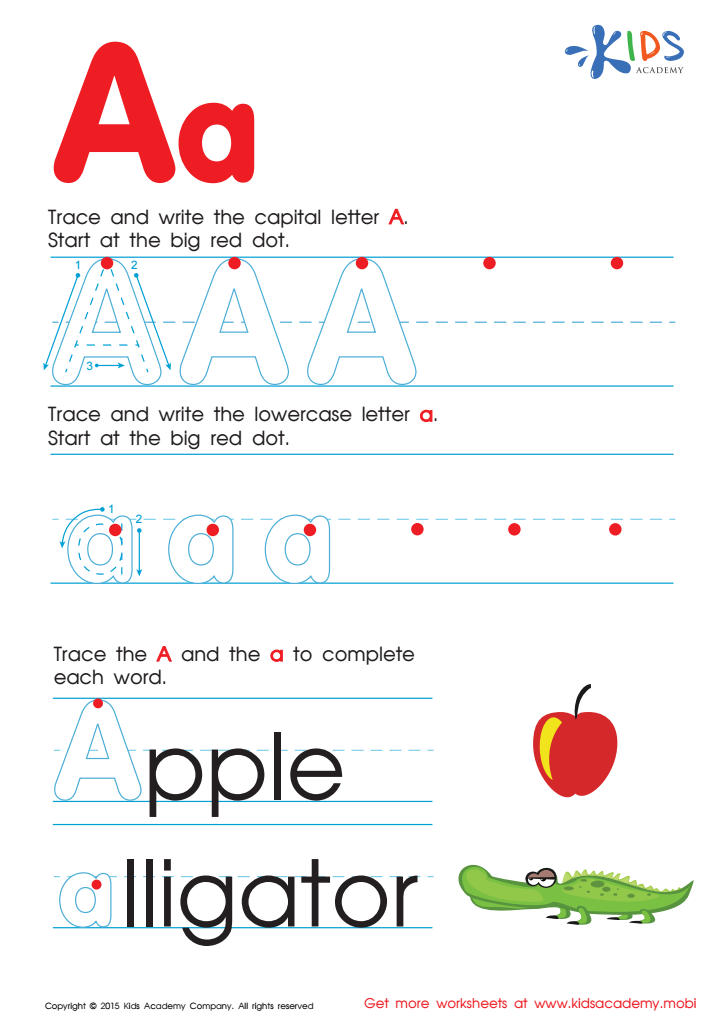
Letter A Tracing Page







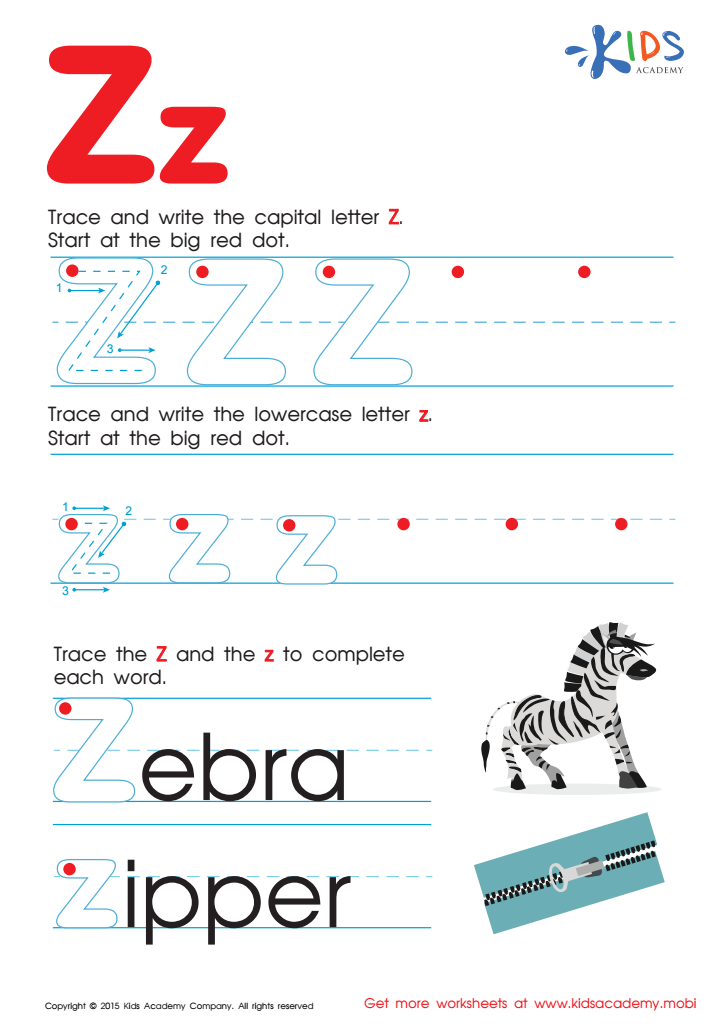
Letter Z Tracing Page
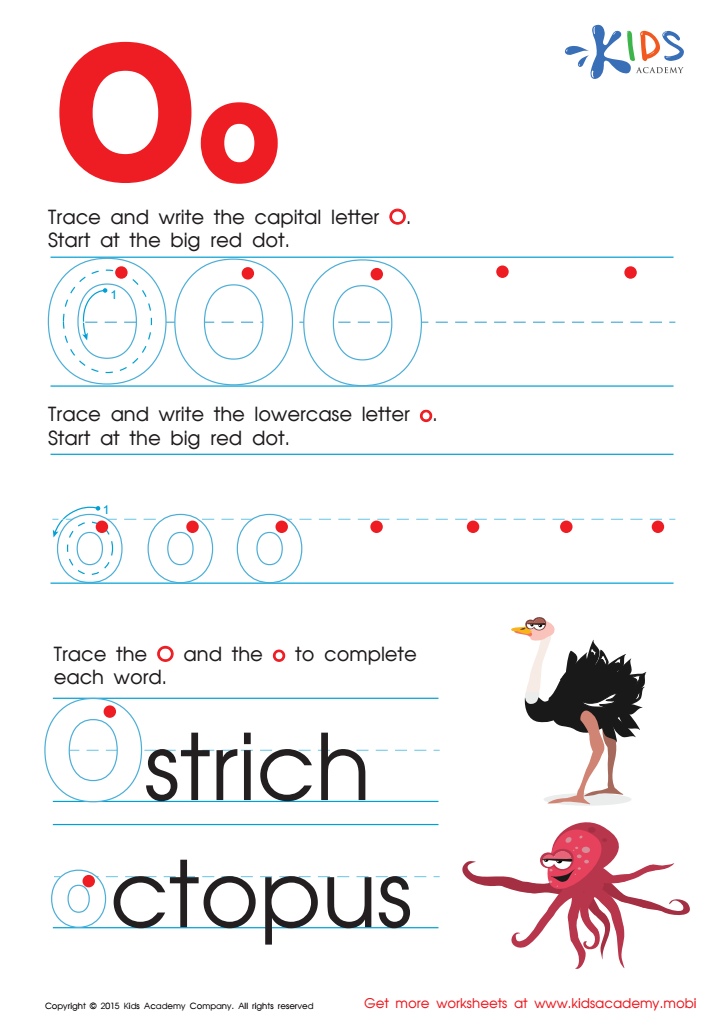
Letter O Tracing Page
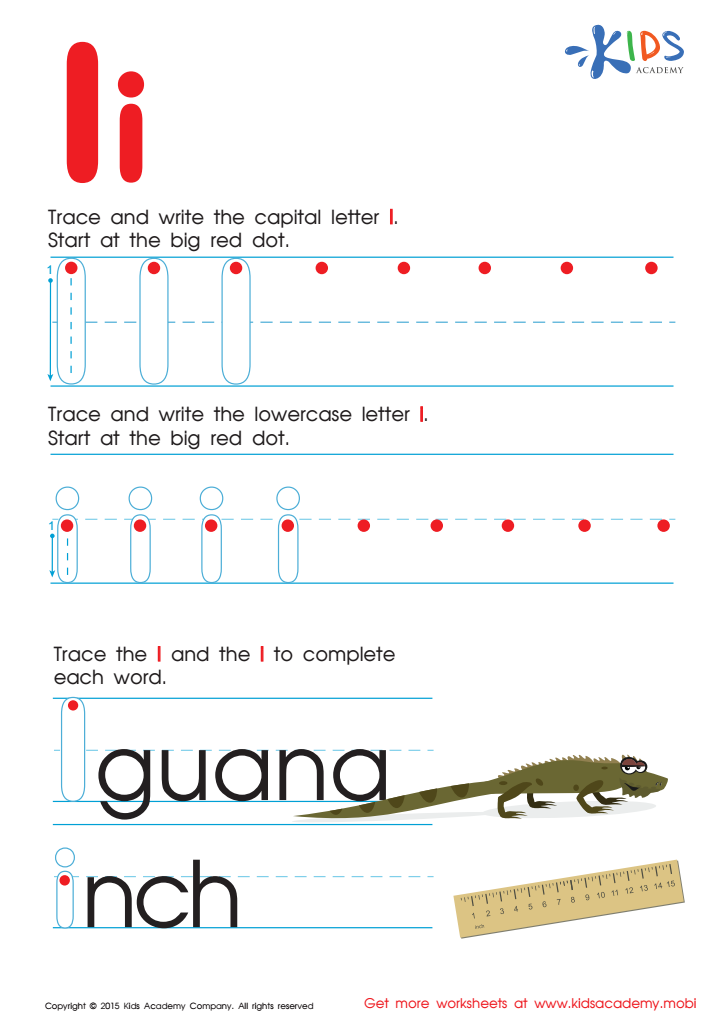
Letter I Tracing Page
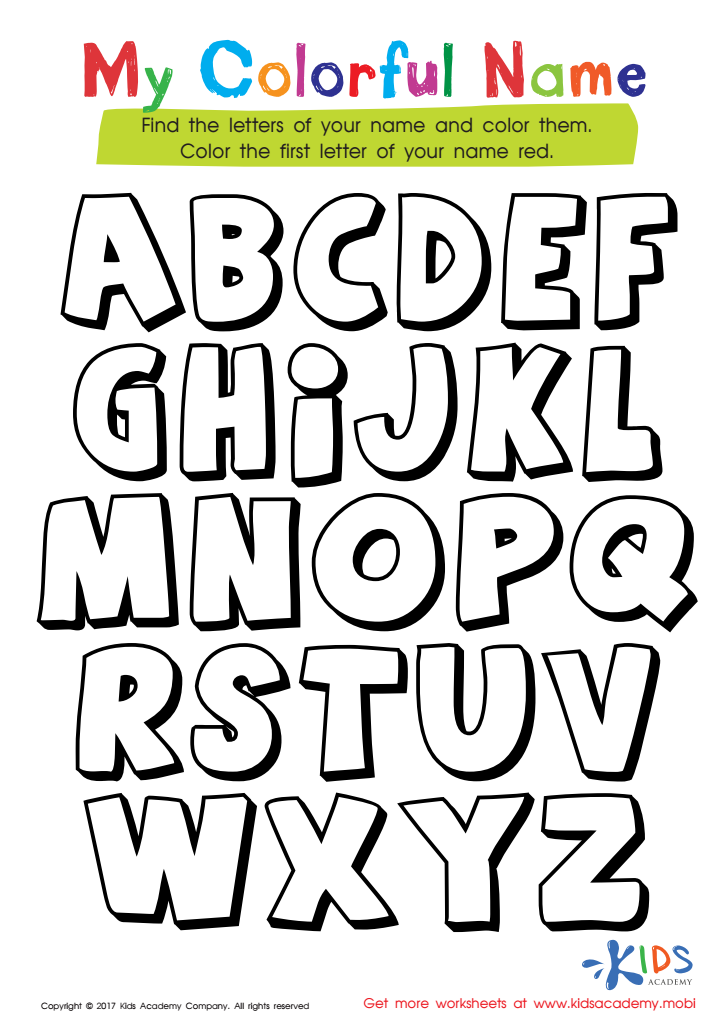
My Colorful Name Worksheet
 Assign to My Students
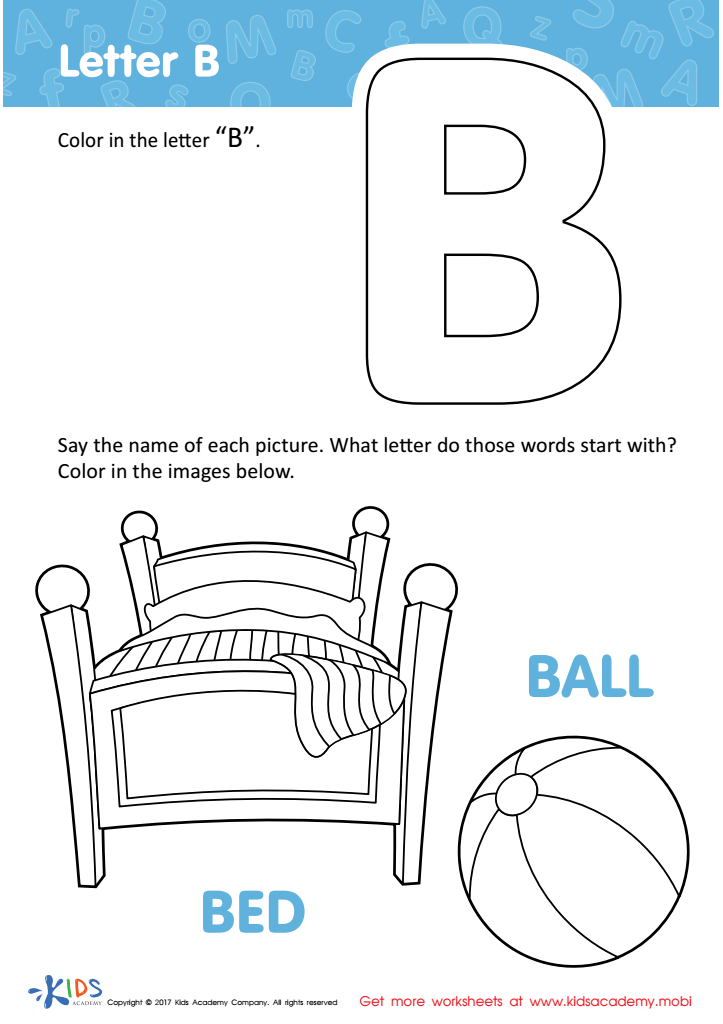
Letter B Coloring Sheet
Assign to My Students
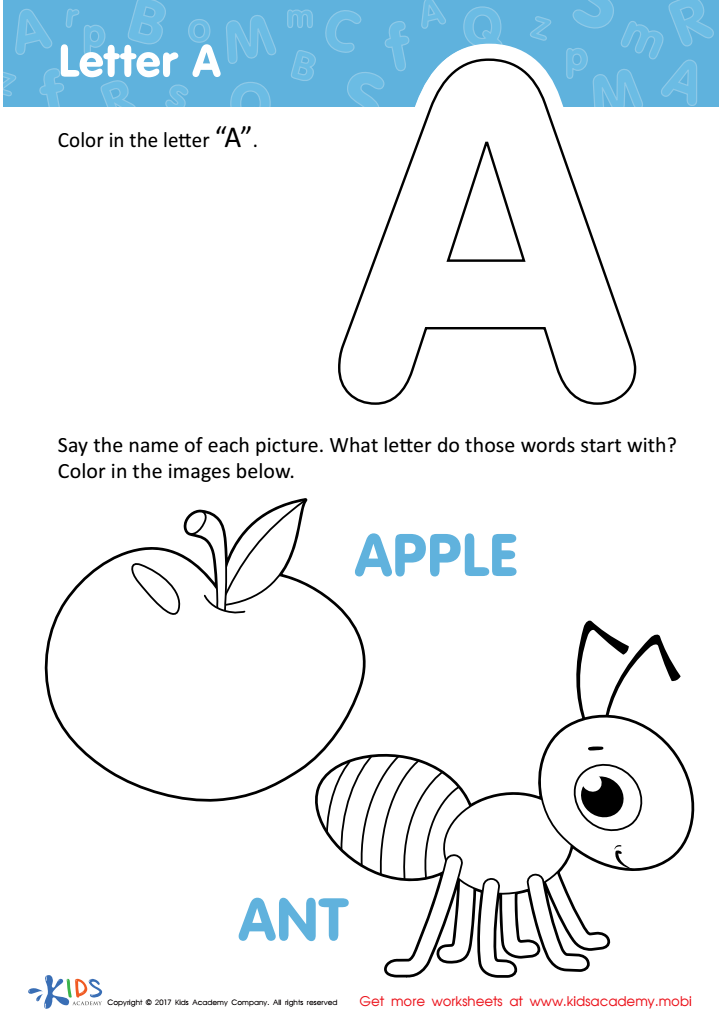
Letter A Coloring Sheet
Assign to My Students
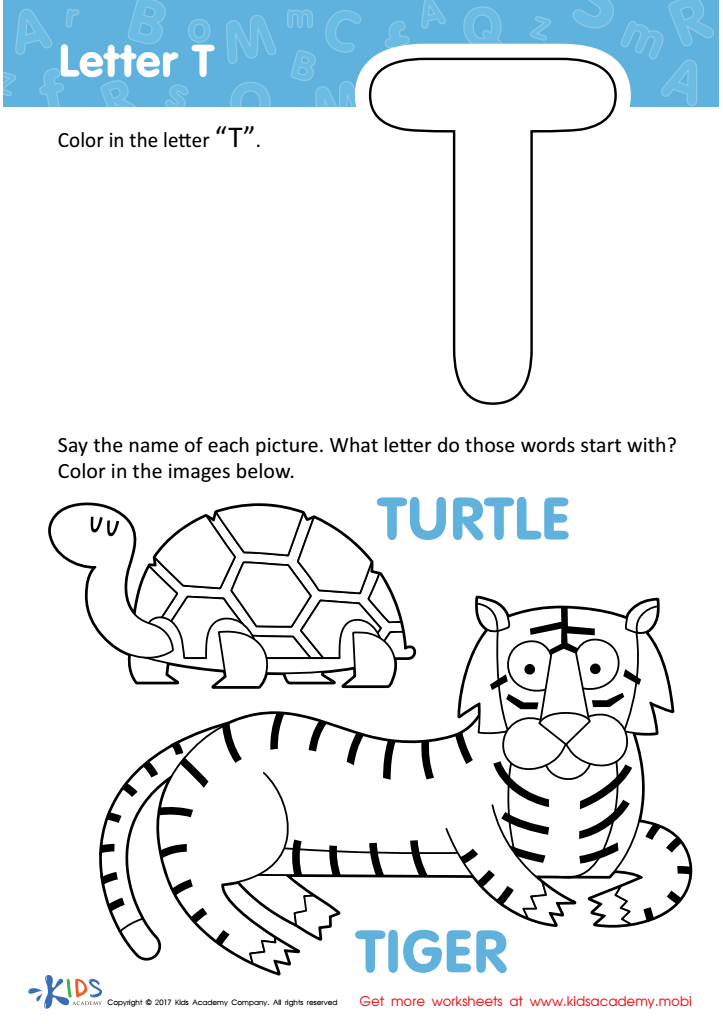
Letter T Coloring Sheet
Assign to My Students
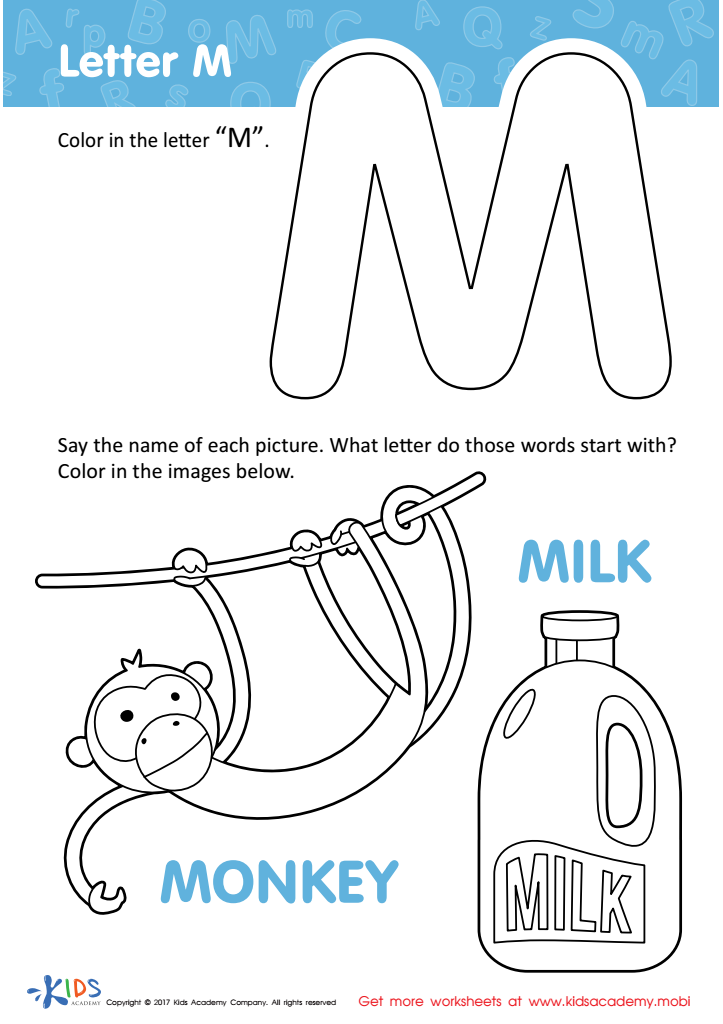
Letter M Coloring Sheet
Assign to My Students
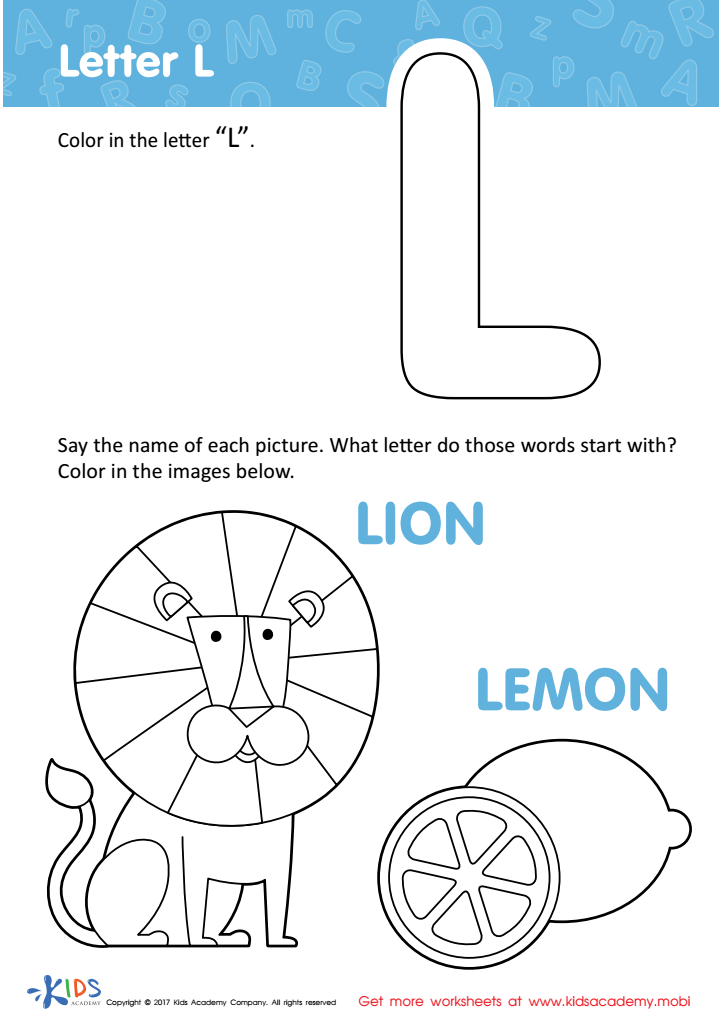
Letter L Coloring Sheet
Assign to My Students

Letter C Tracing Page
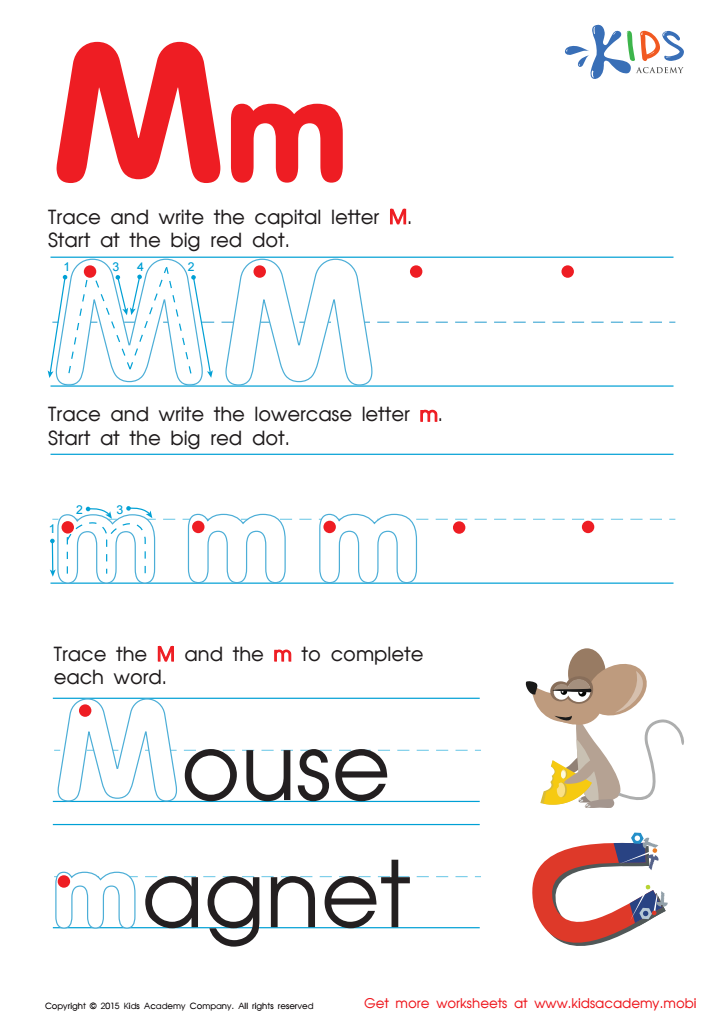
Letter M Tracing Page
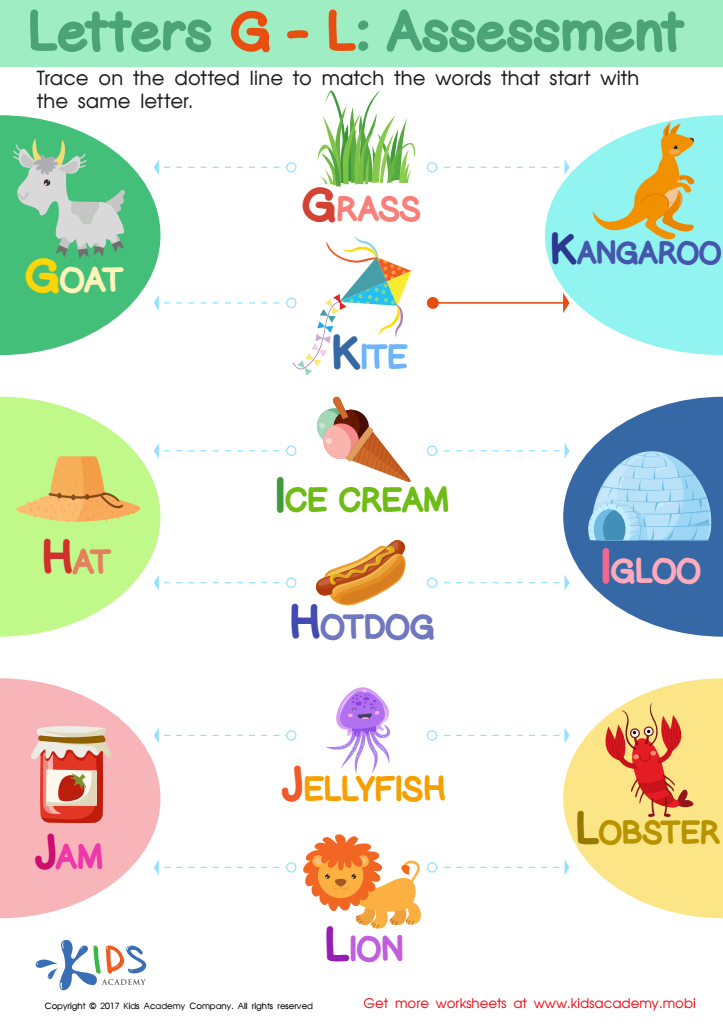
Letters G-L Worksheet
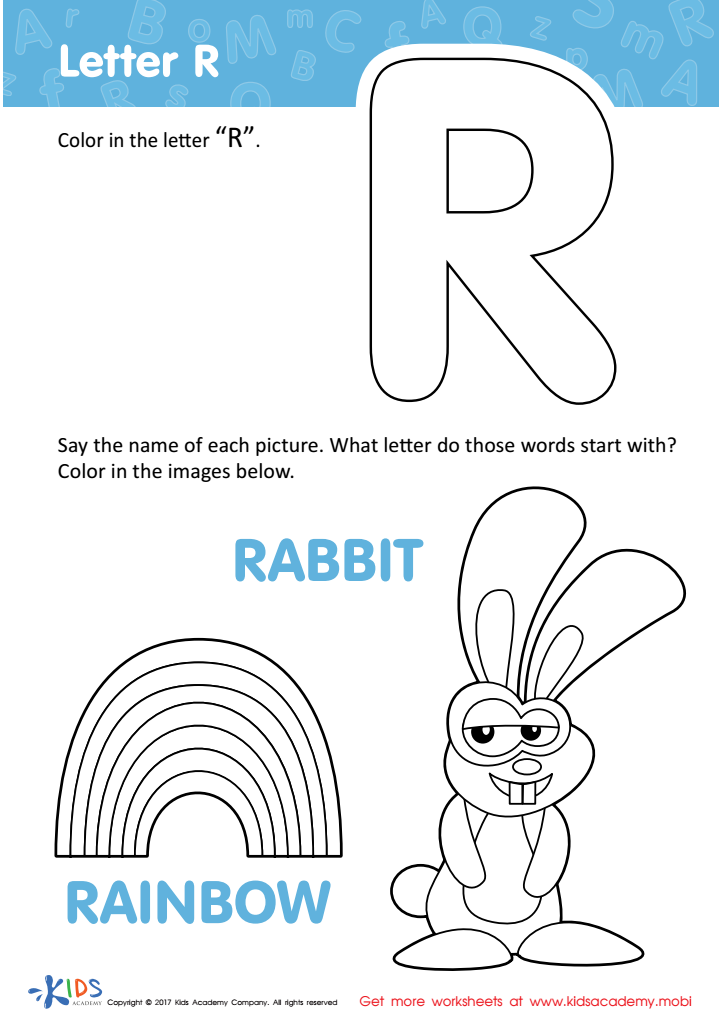
Letter R Coloring Sheet
Assign to My Students
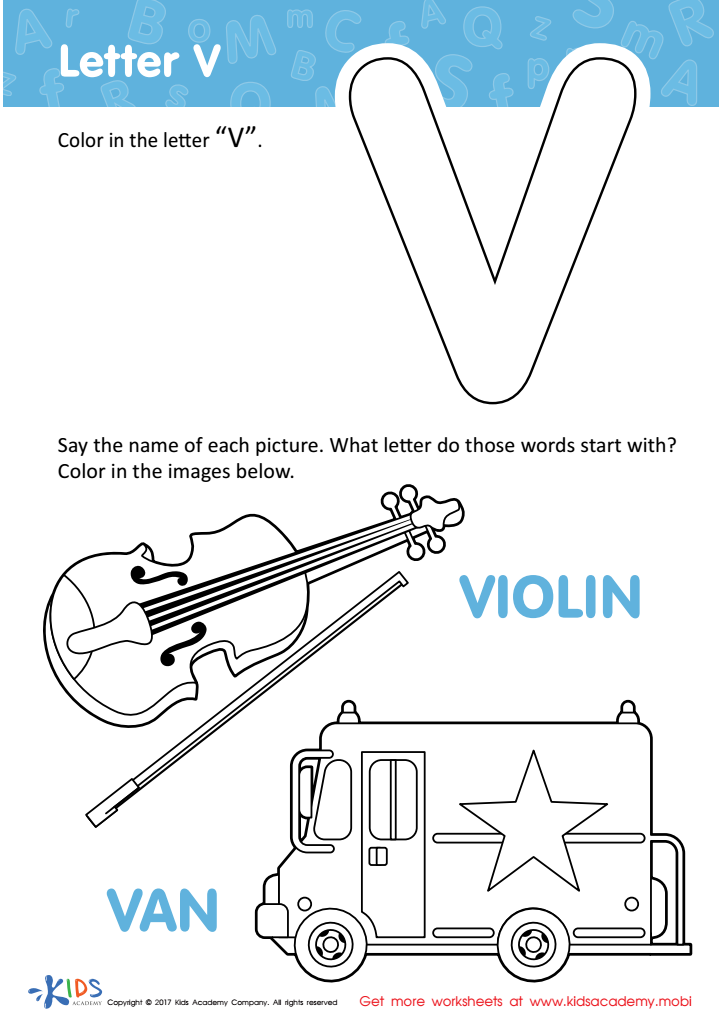
Letter V Coloring Sheet
Assign to My Students
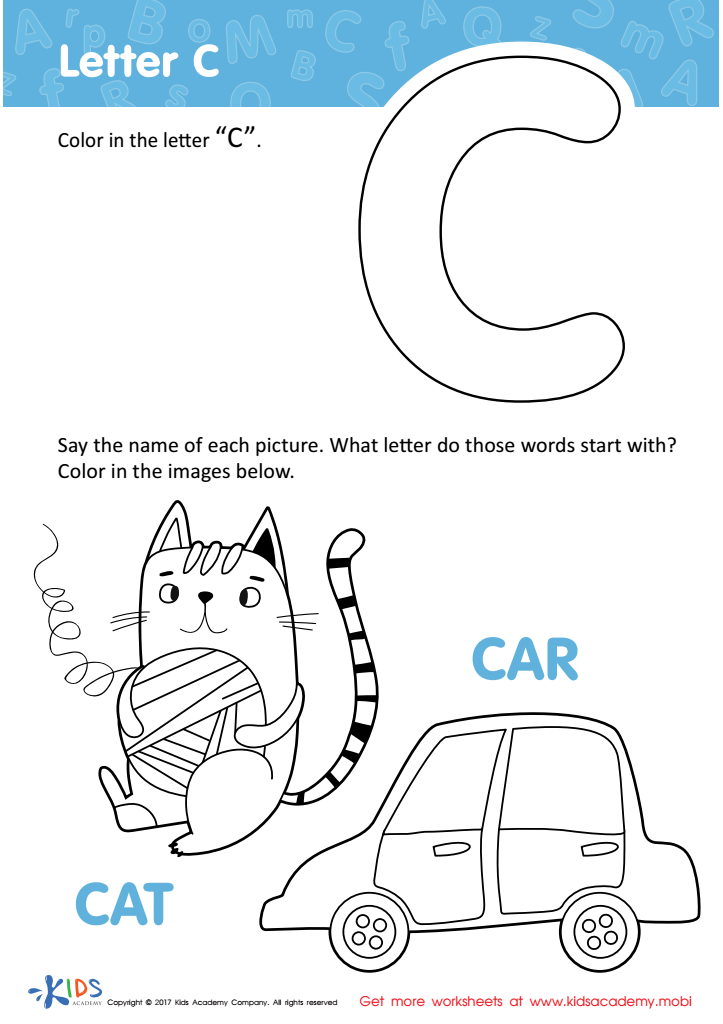
Letter C Coloring Sheet
Assign to My Students
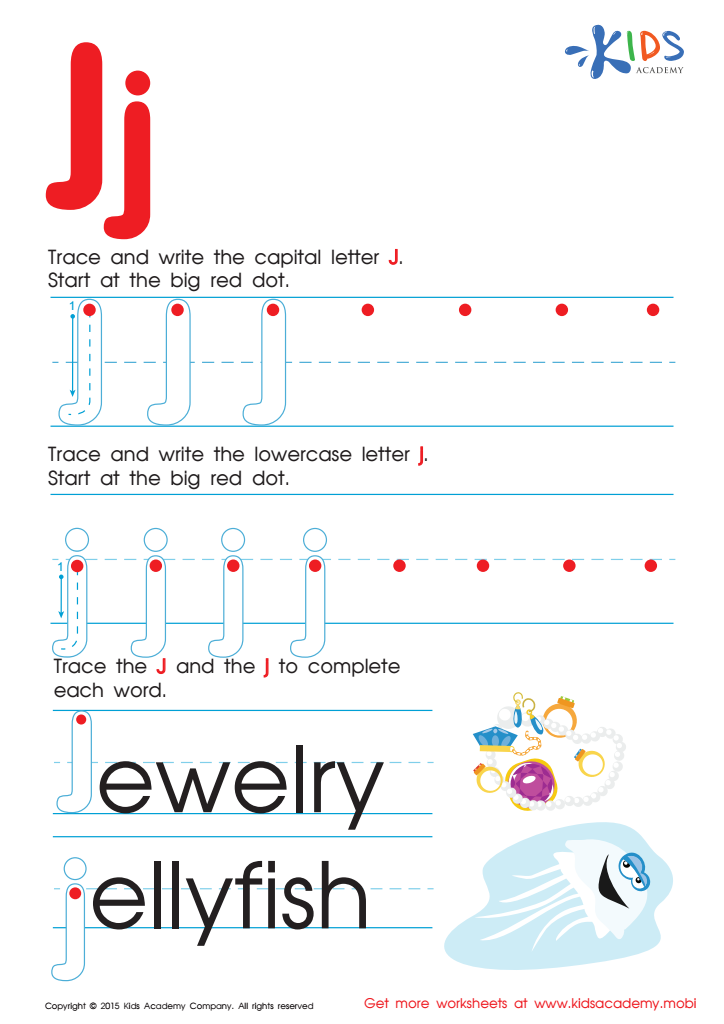
Letter J Tracing Page
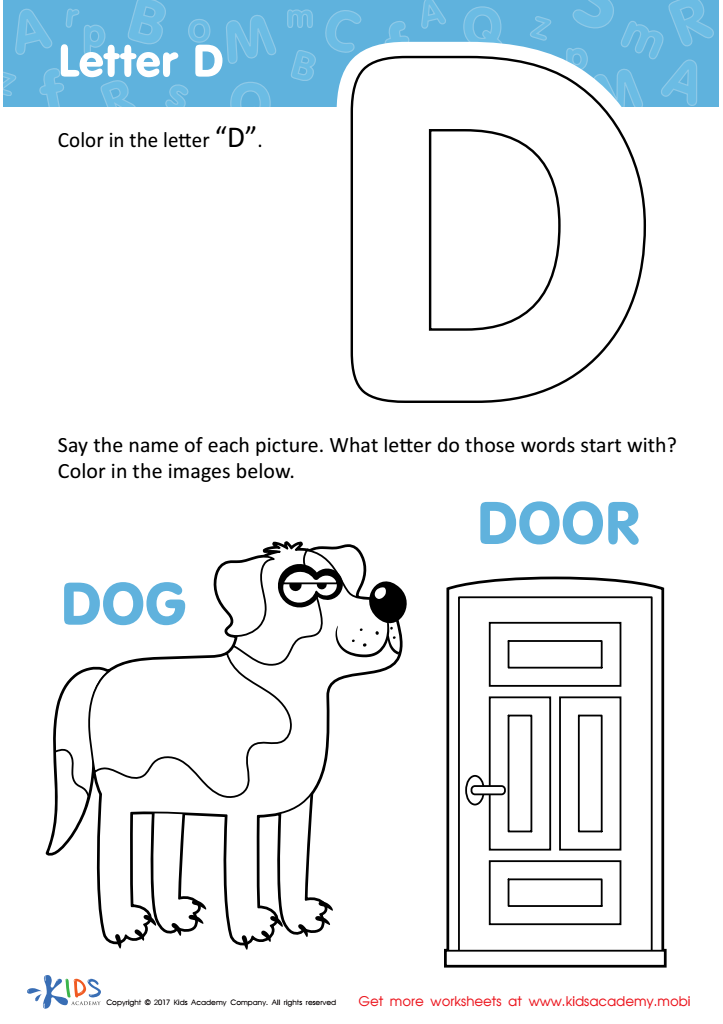
Letter D Coloring Sheet
Assign to My Students
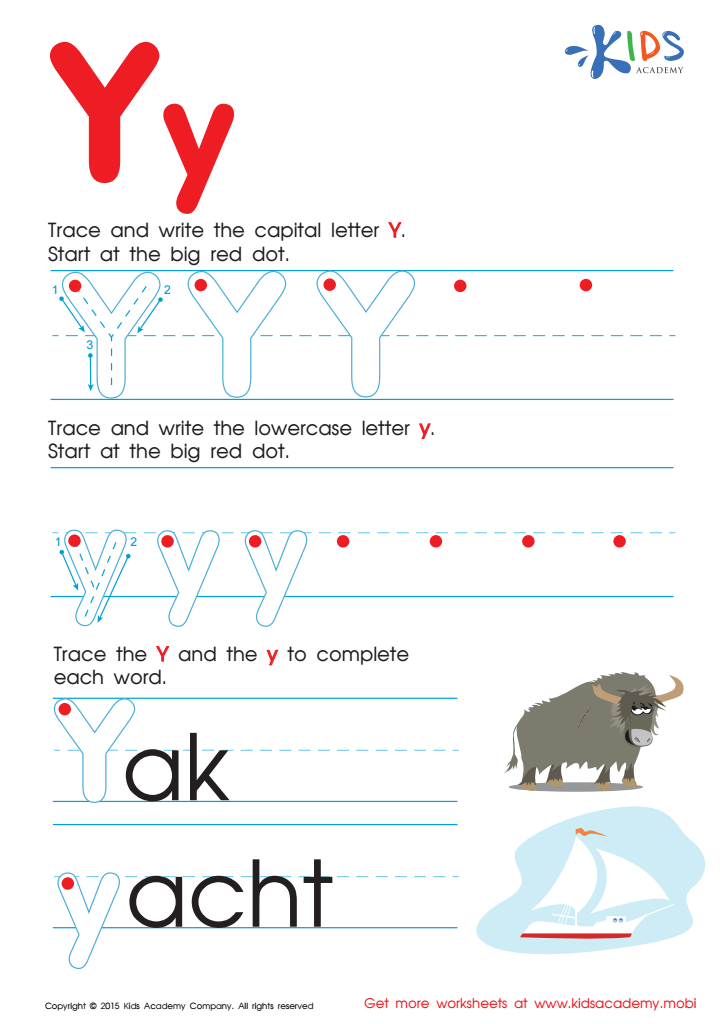
Letter Y Tracing Page
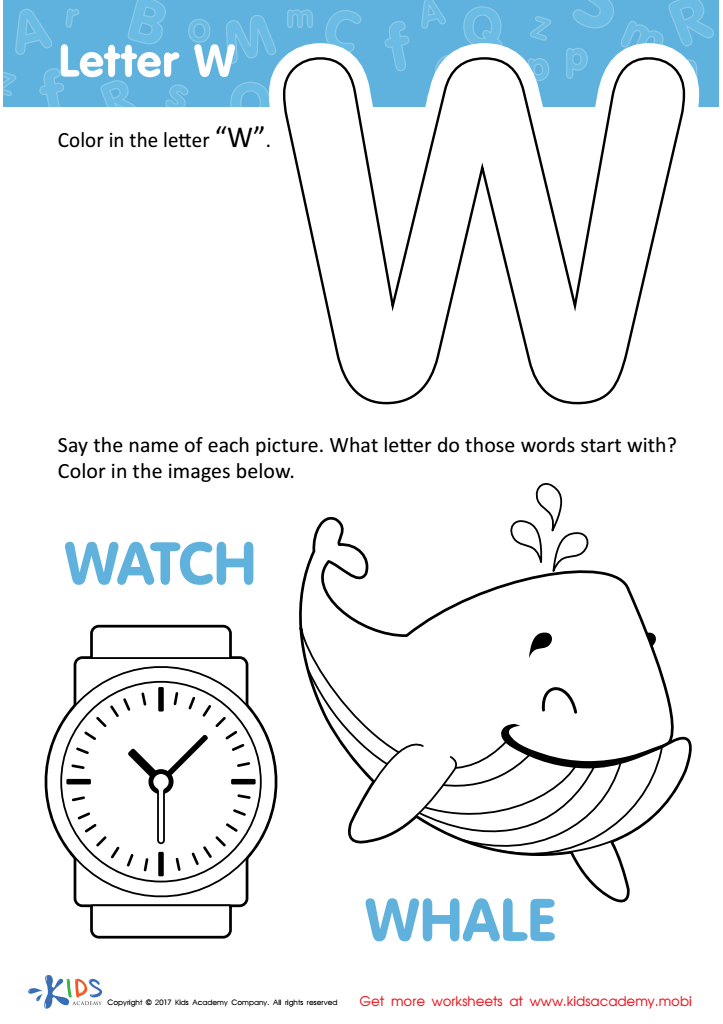
Letter W Coloring Sheet
Assign to My Students
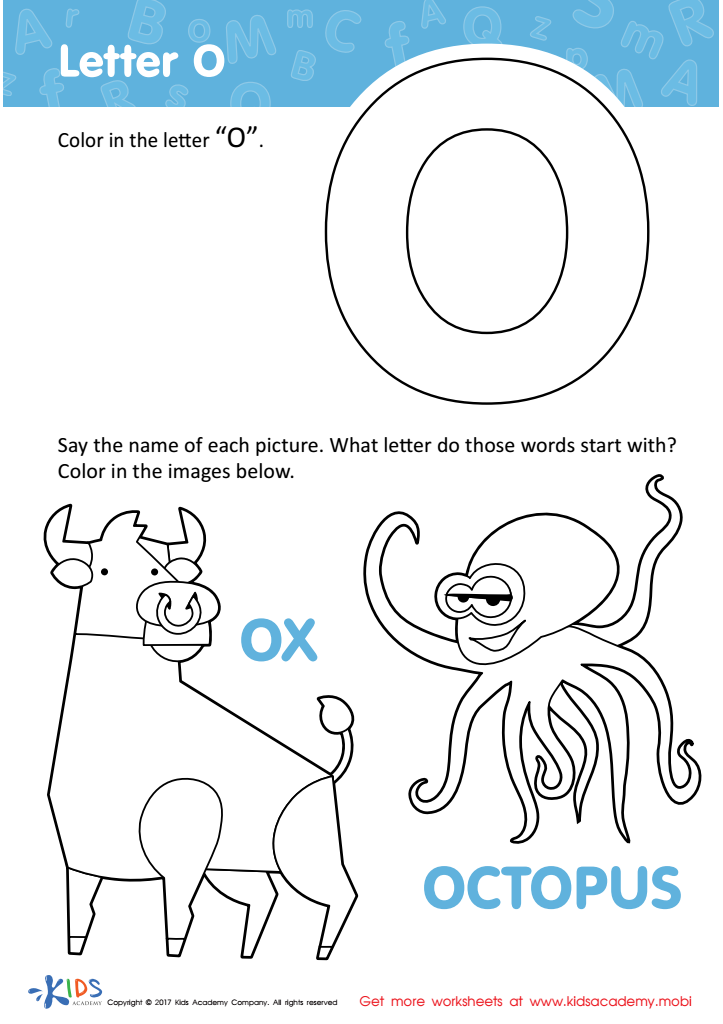
Letter O Coloring Sheet
Assign to My Students
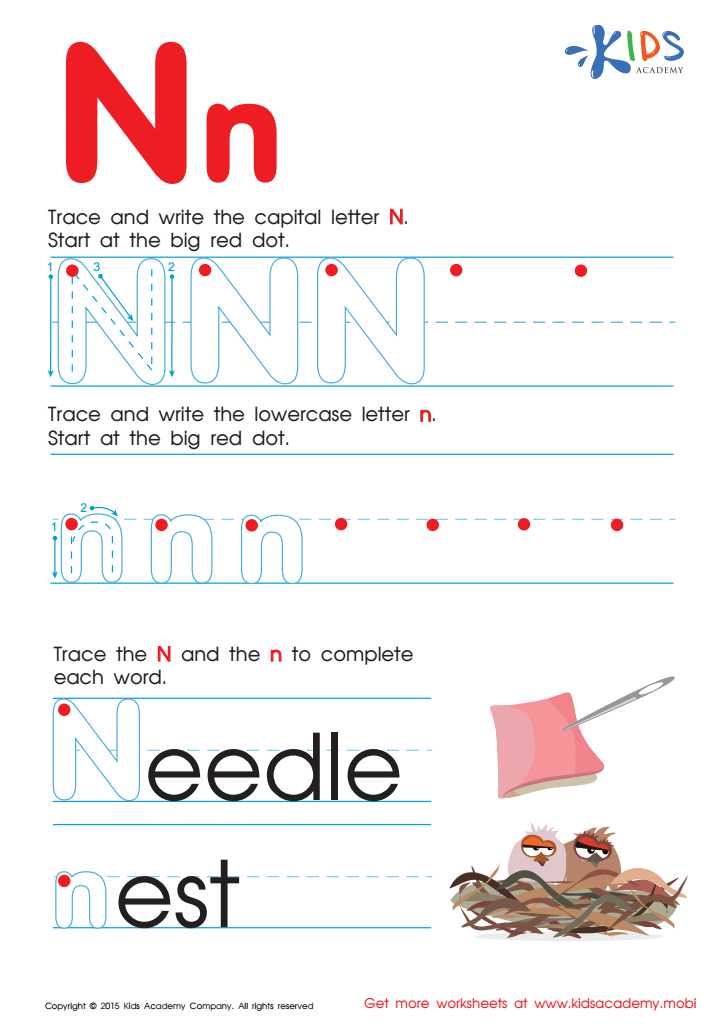
Letter N Tracing Page
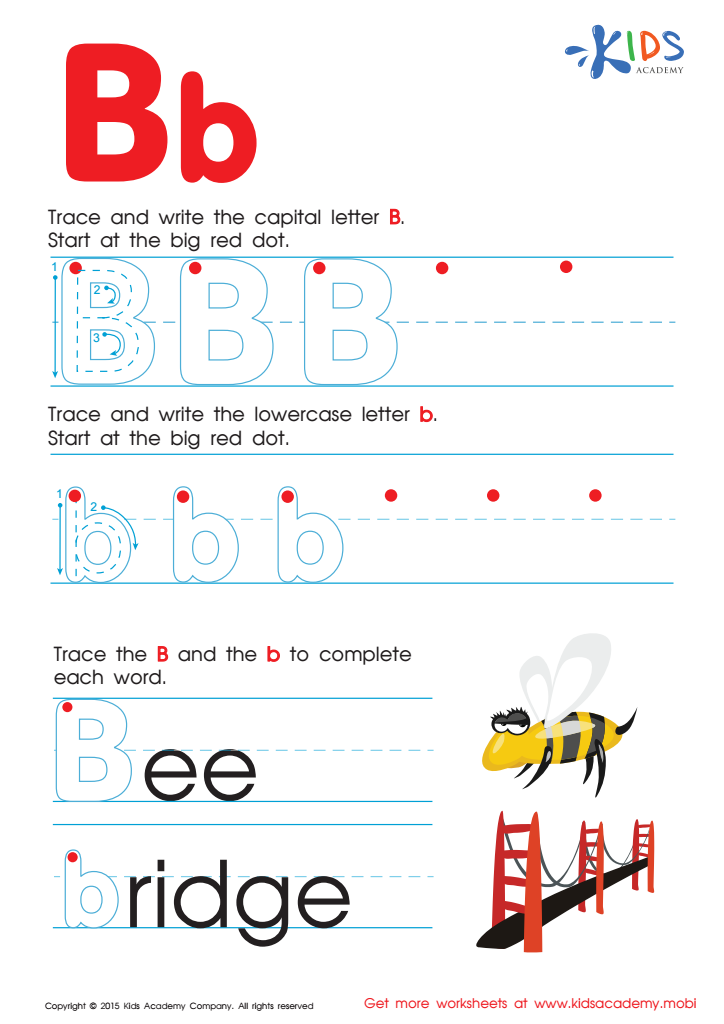
Letter B Tracing Page
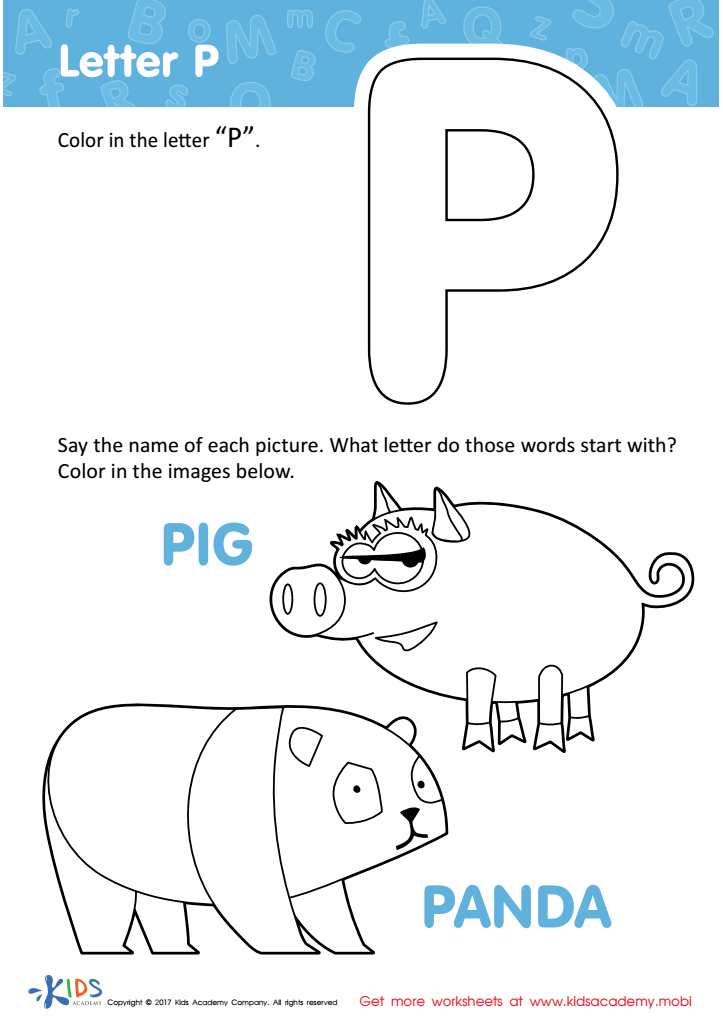
Letter P Coloring Sheet
Assign to My Students






Alphabet recognition is a foundational skill for young learners, and both parents and teachers should prioritize it for several crucial reasons. Firstly, recognizing the letters of the alphabet plays a vital role in early literacy development. It serves as the preliminary step towards reading proficiency by helping children understand that letters form the building blocks of words and sentences.
Secondly, mastering the alphabet aids in phonemic awareness—the ability to hear, identify, and manipulate individual sounds in spoken words. This understanding is crucial for developing decoding skills, where children learn to sound out words as they read, building a bridge between spoken and written language.
Thirdly, alphabet recognition enhances cognitive development, aiding memory, concentration, and even fine motor skills through writing practice. Activating these core areas early contributes significantly to academic success in other subjects as well.
Furthermore, early familiarity with letters fosters confidence and a positive attitude toward learning, which is especially important in formative years. When children feel adept at a fundamental skill like alphabet recognition, they are more likely to approach new learning opportunities with enthusiasm.
Lastly, recognizing ABC letters facilitates smoother transitions between home and school learning environments, allowing for seamless reinforcement of skills practiced both at home and in the classroom, thereby ensuring consistency in the child’s educational journey.







