Handwriting practice Alphabet Worksheets for Ages 3-6 - Page 2
55 filtered results
-
From - To
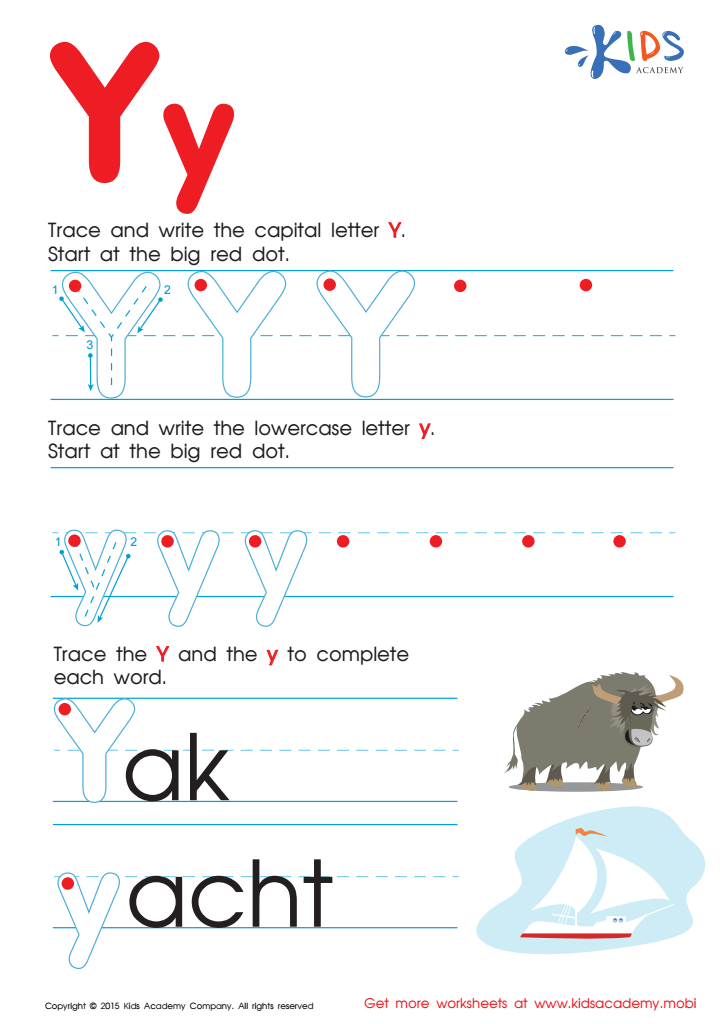
Letter Y Tracing Page
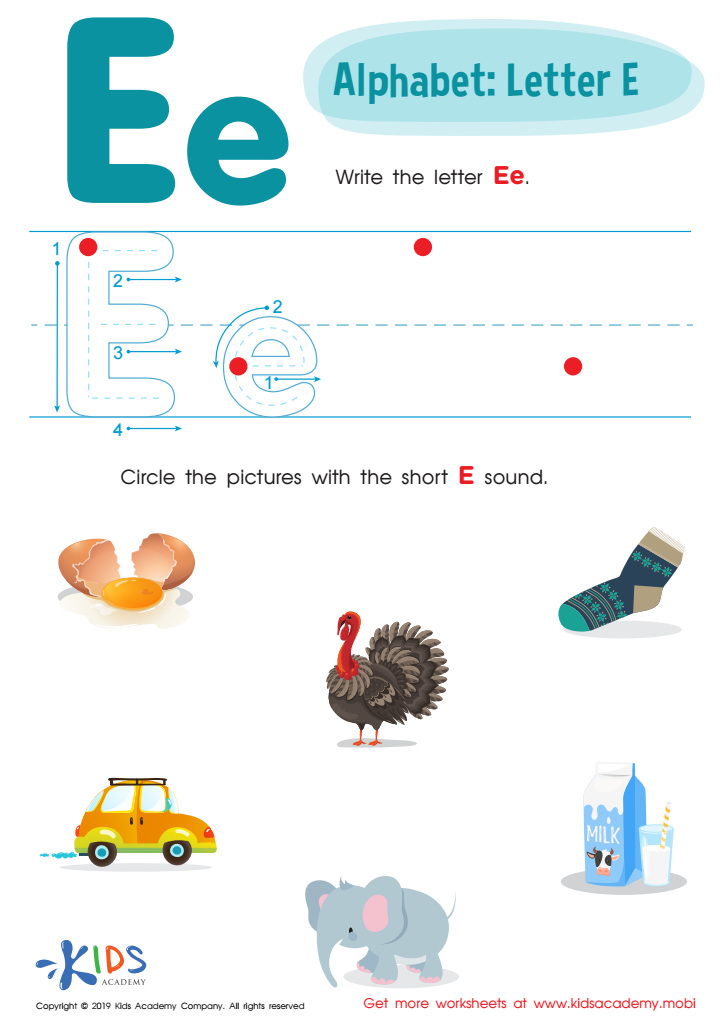
Letter E Tracing Worksheet
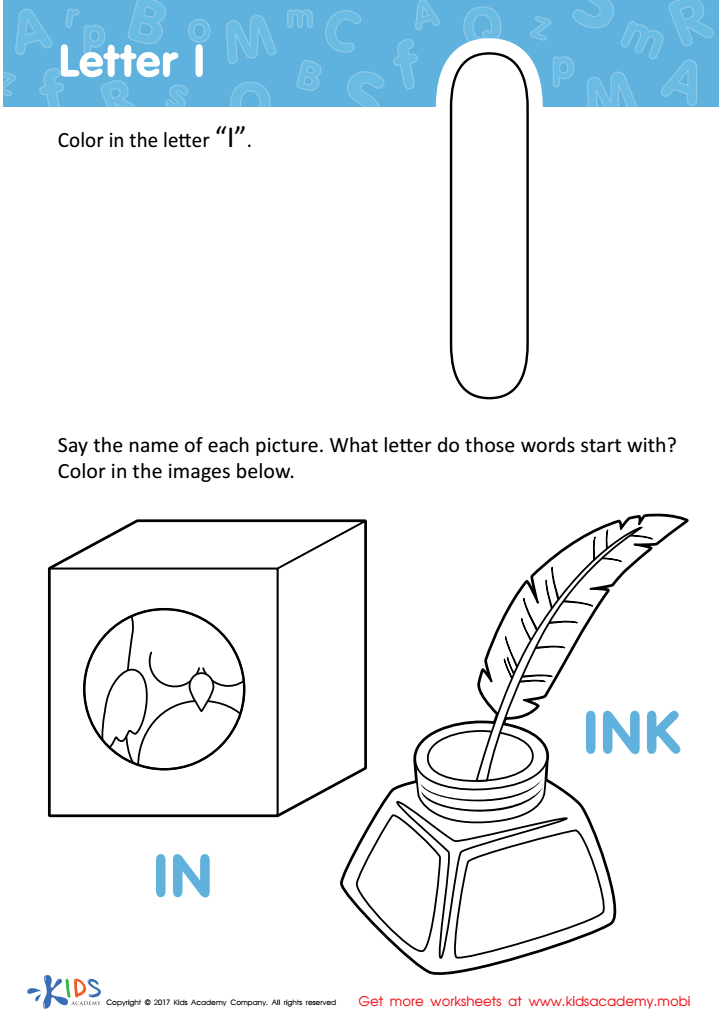
Letter I Coloring Sheet
 Assign to My Students
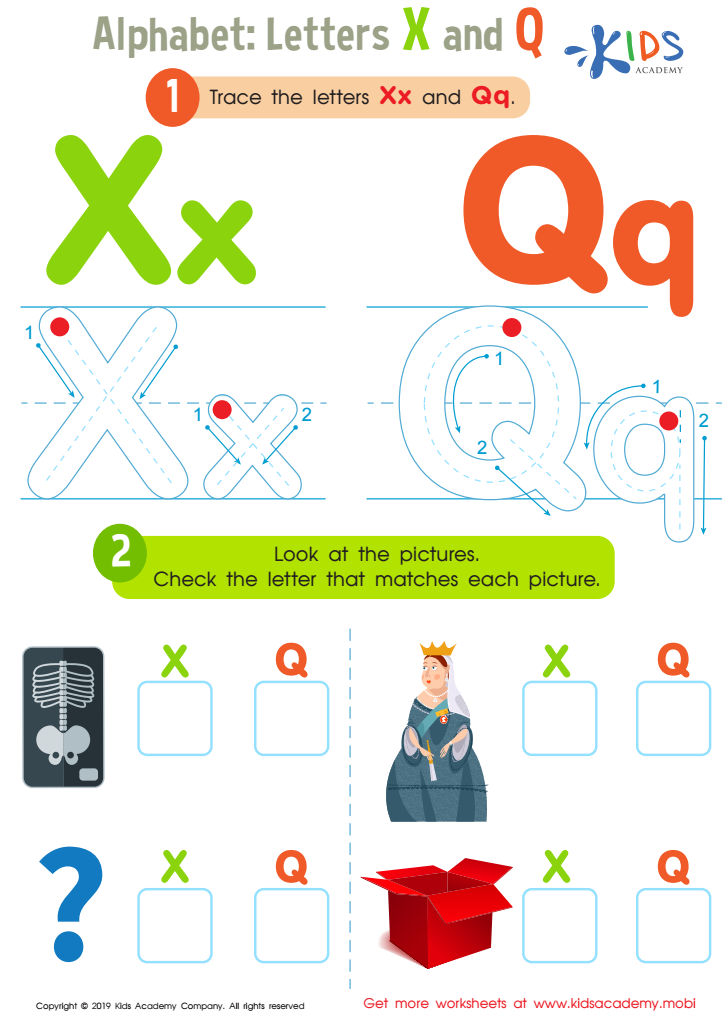
Letters X and Q Tracing Worksheet
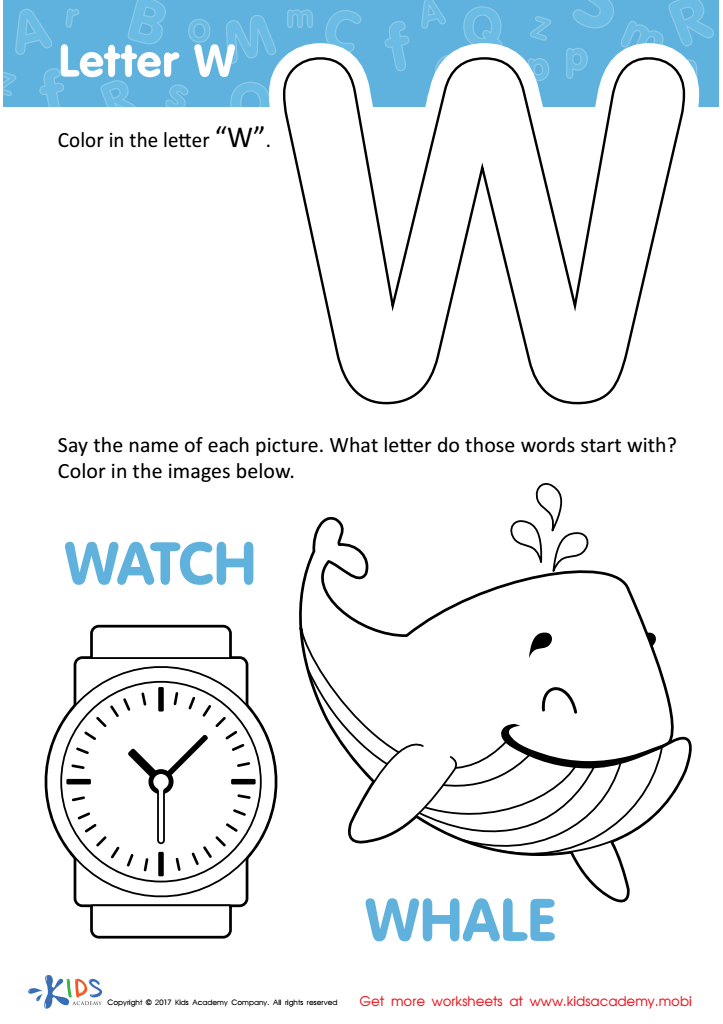
Letter W Coloring Sheet
Assign to My Students
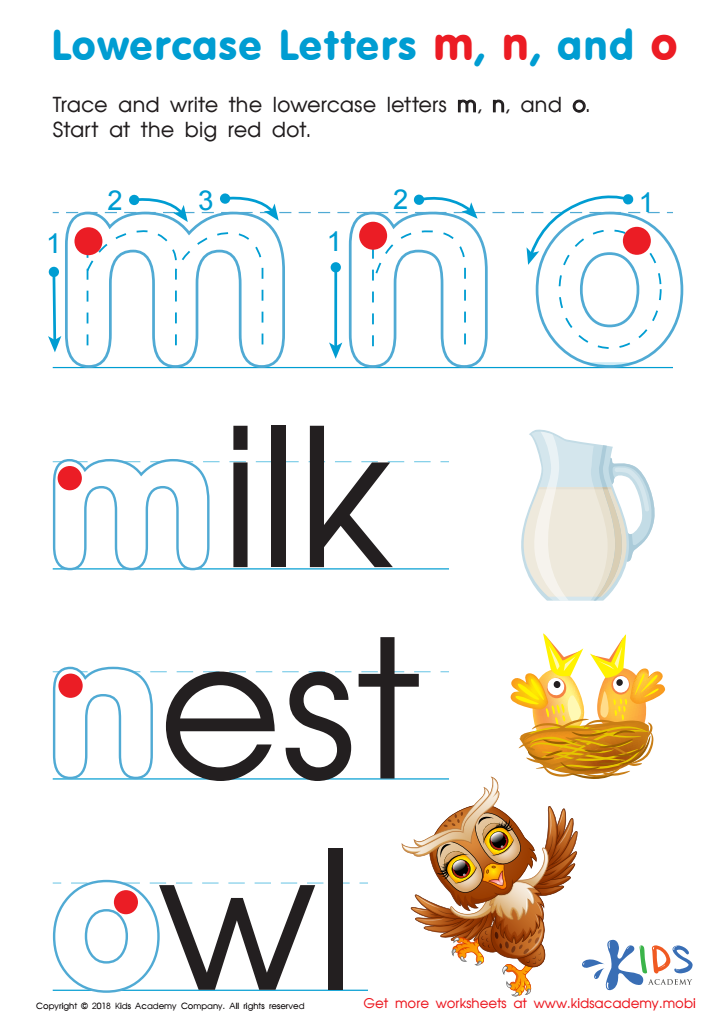
Lowercase Letters m n o Worksheet
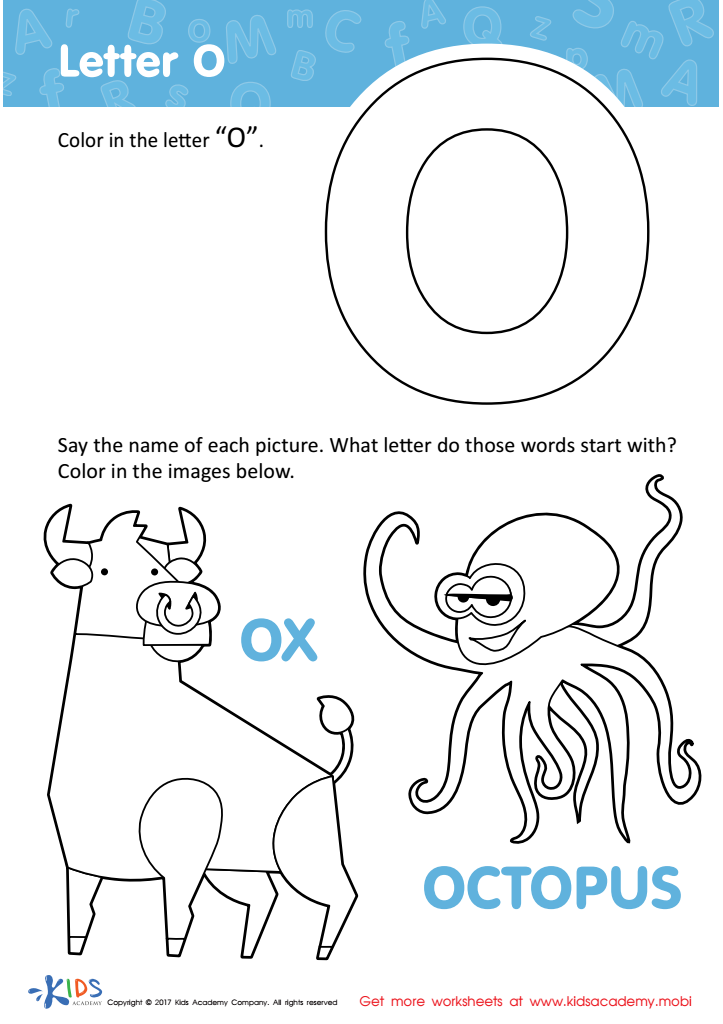
Letter O Coloring Sheet
Assign to My Students
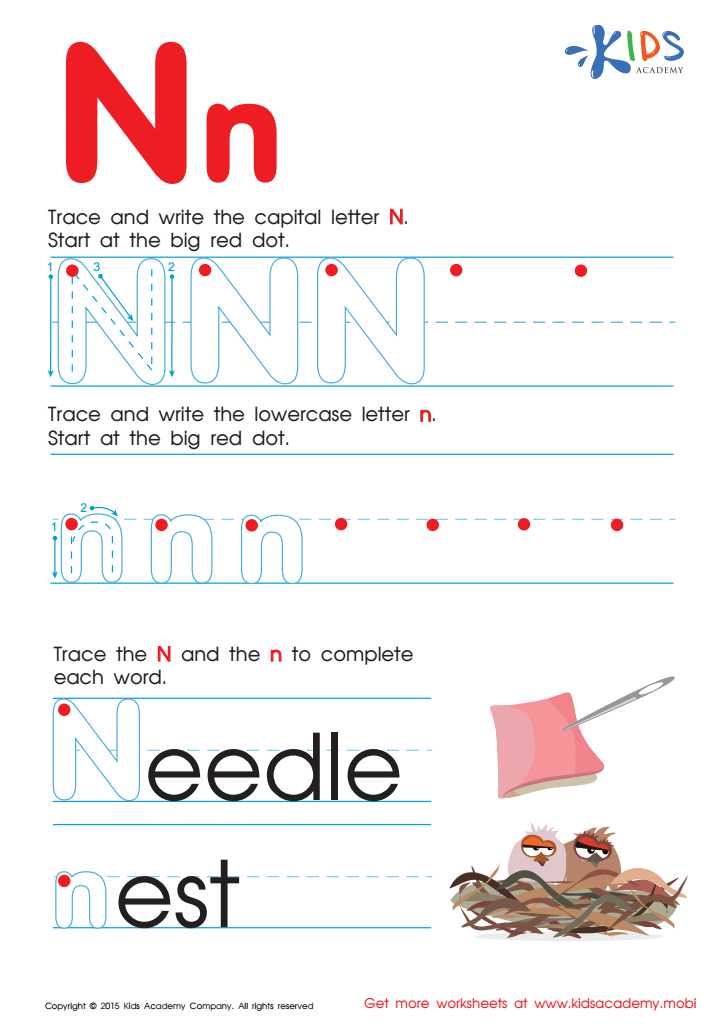
Letter N Tracing Page
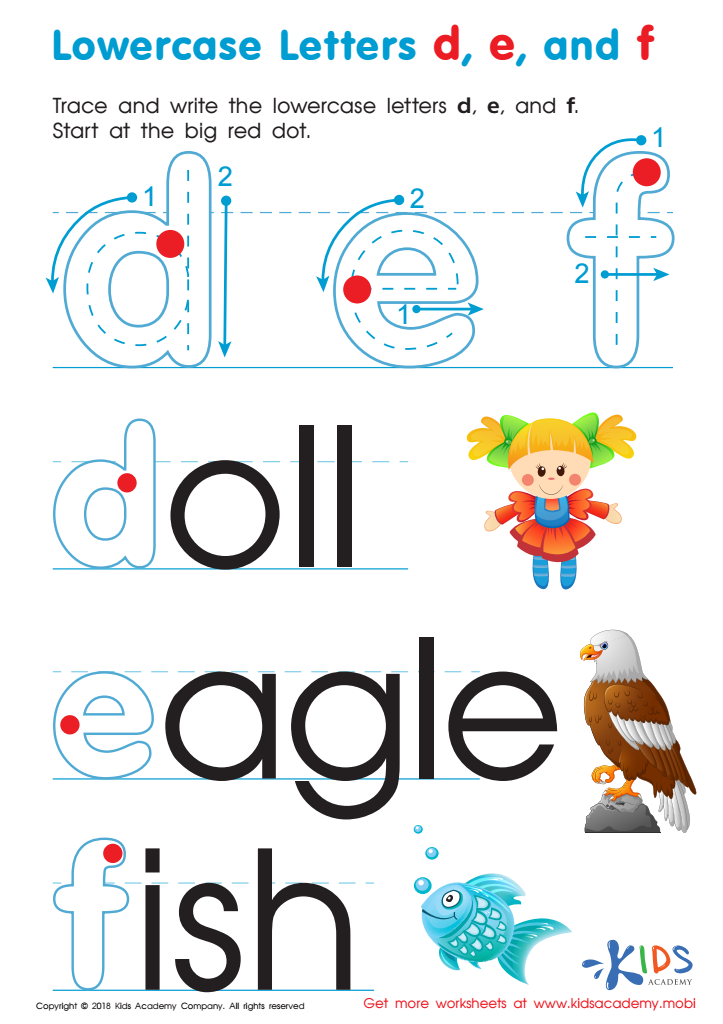
Lowercase Letters d e f Worksheet
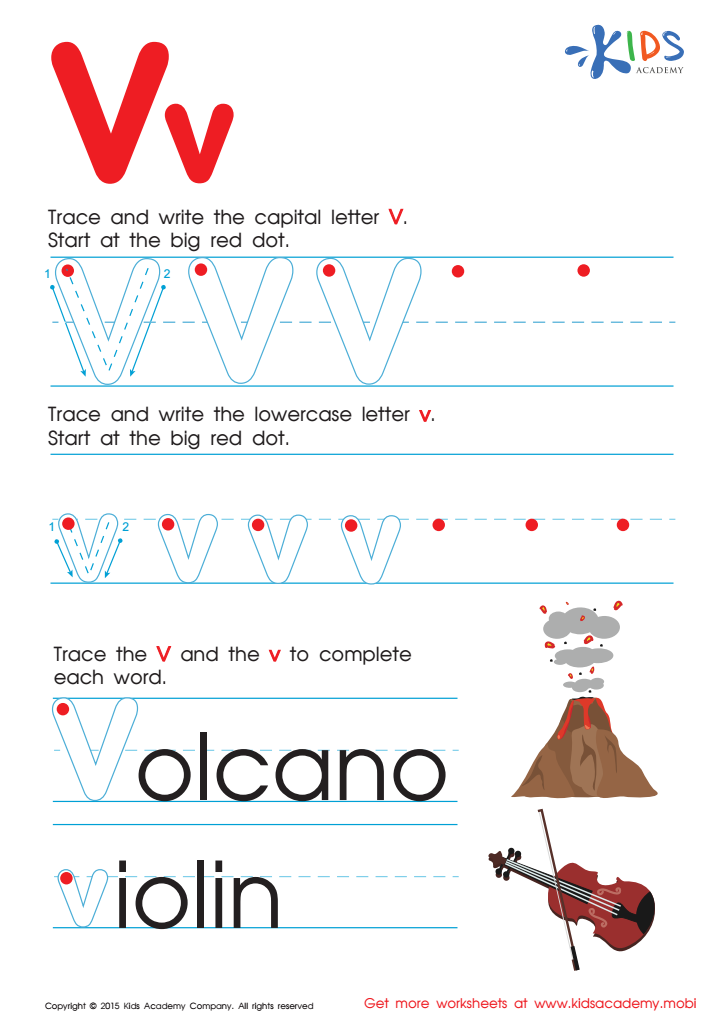
Letter V Tracing Page
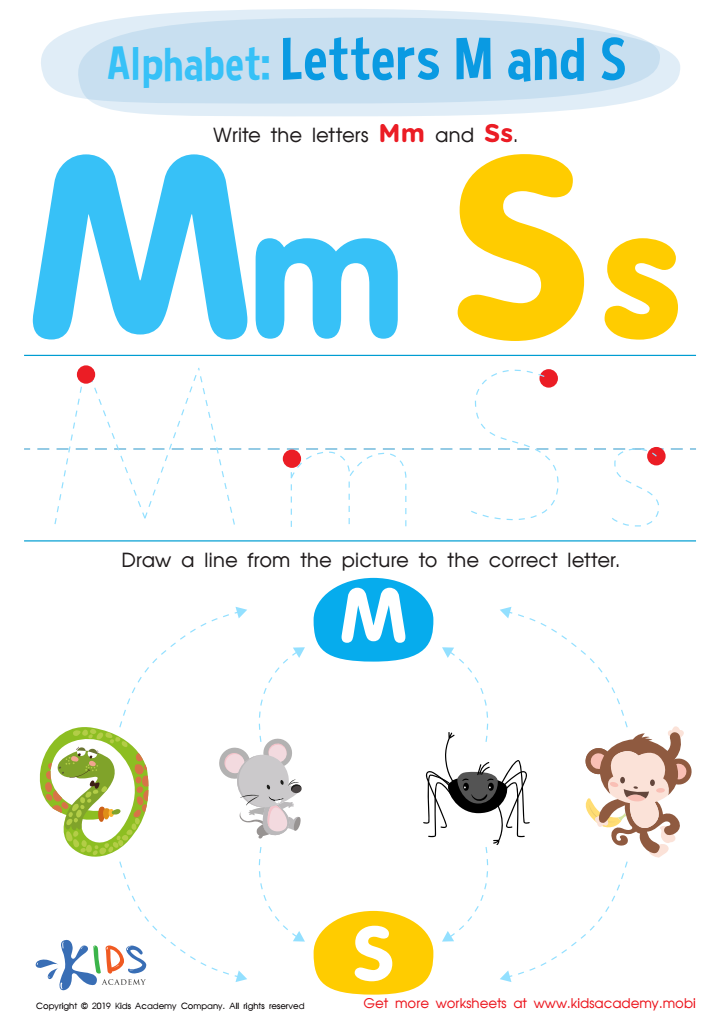
Letters M and S Tracing Worksheet
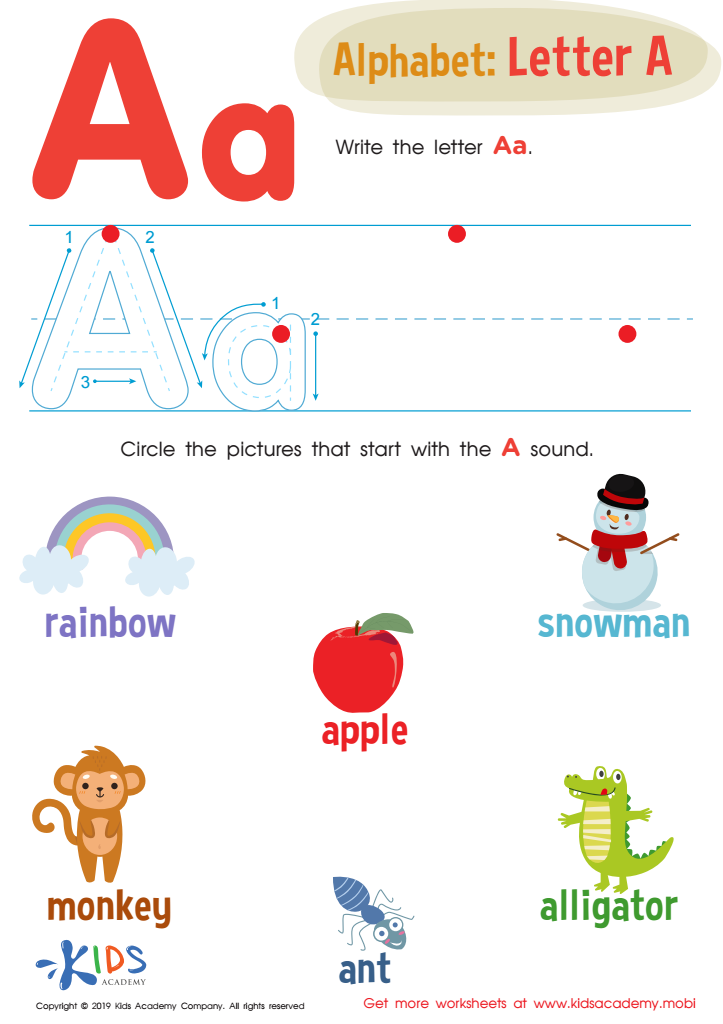
Letter A Tracing Worksheet
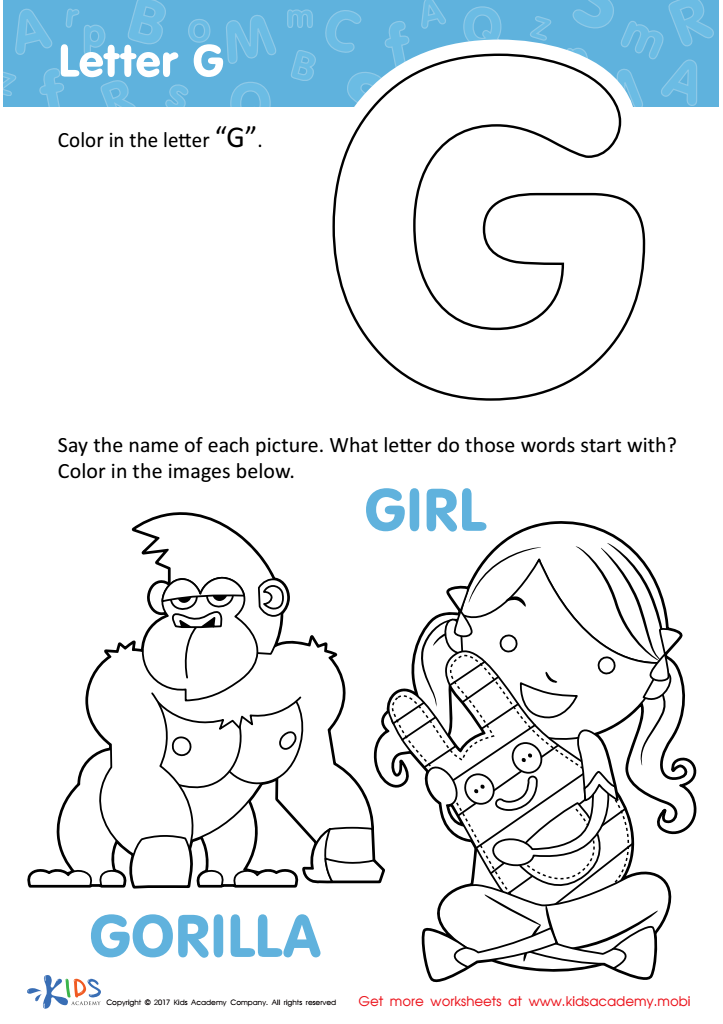
Letter G Coloring Sheet
Assign to My Students
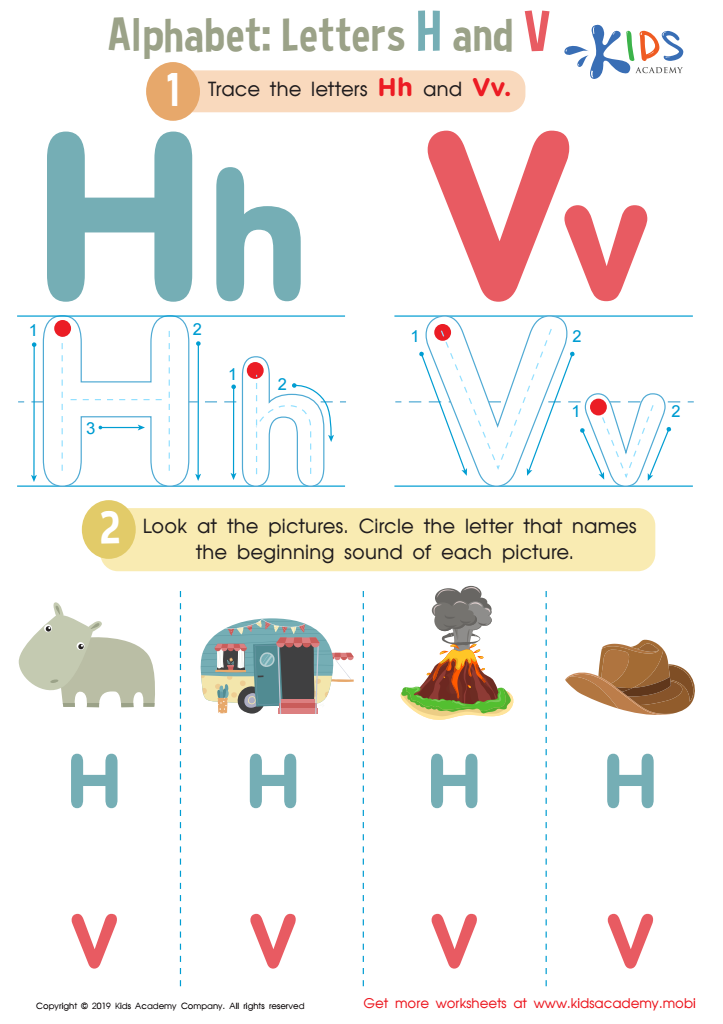
Letters H and V Tracing Worksheet
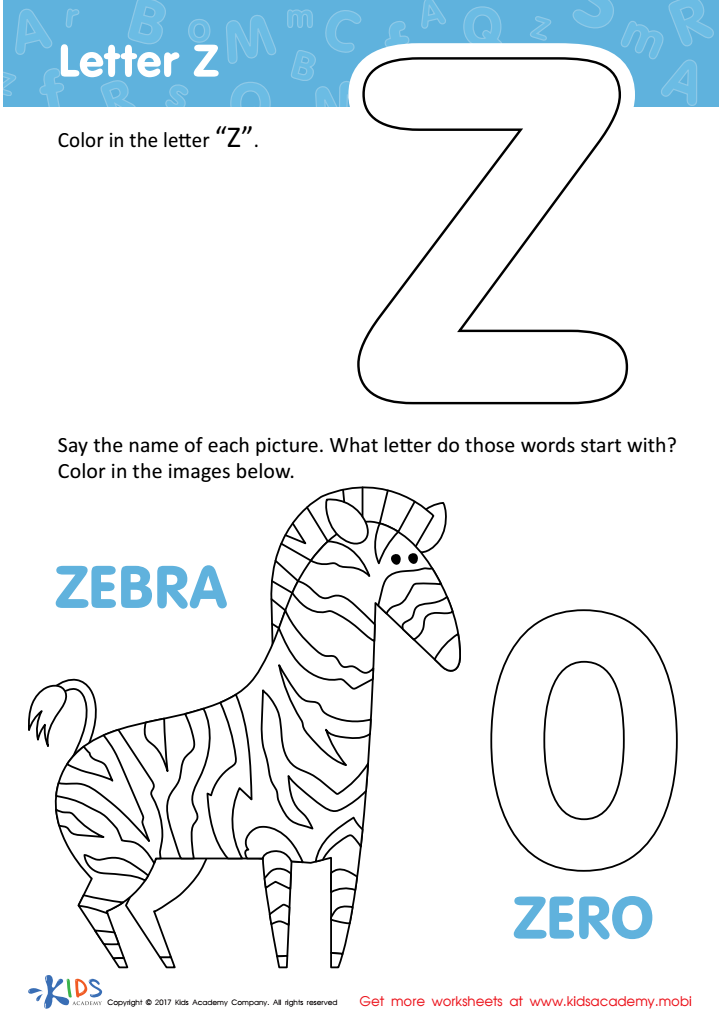
Letter Z Coloring Sheet
Assign to My Students
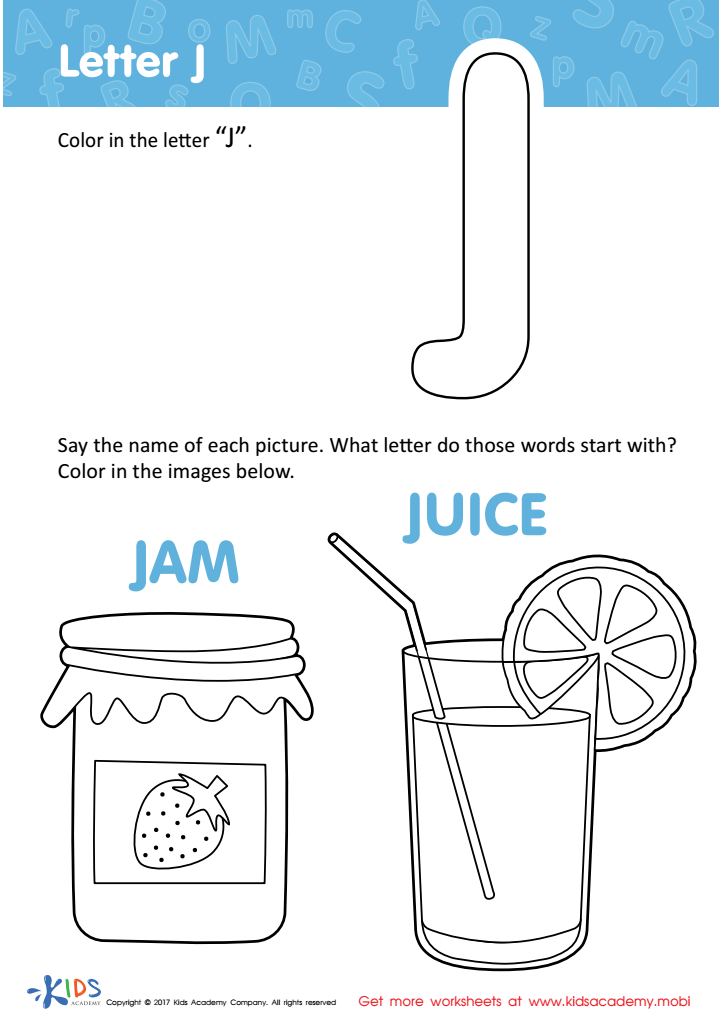
Letter J Coloring Sheet
Assign to My Students
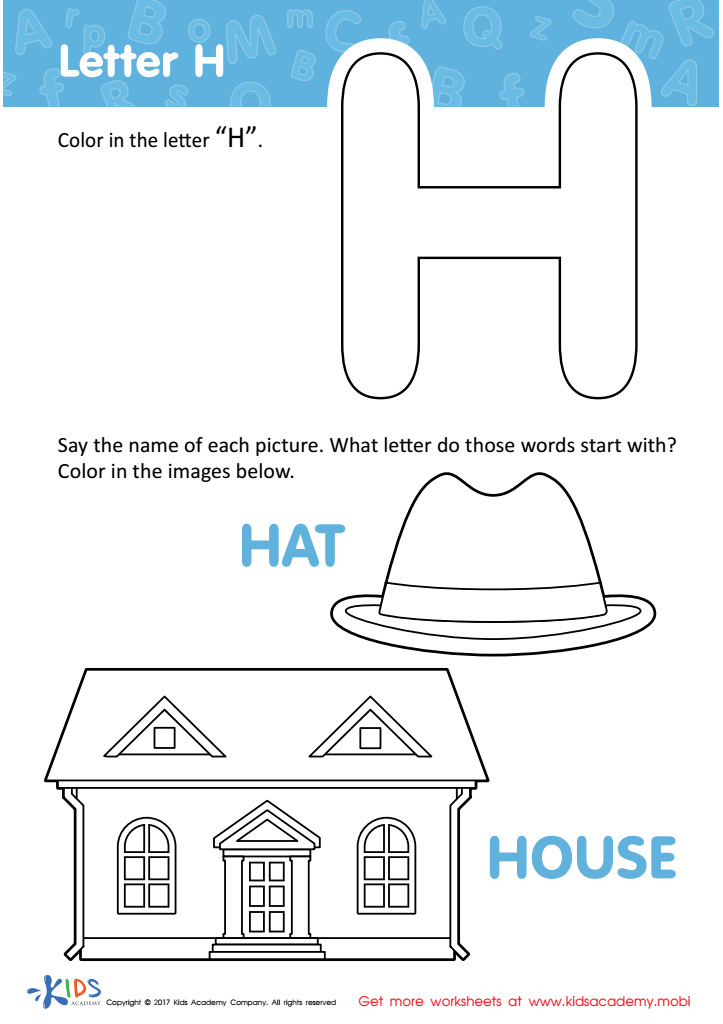
Letter H Coloring Sheet
Assign to My Students
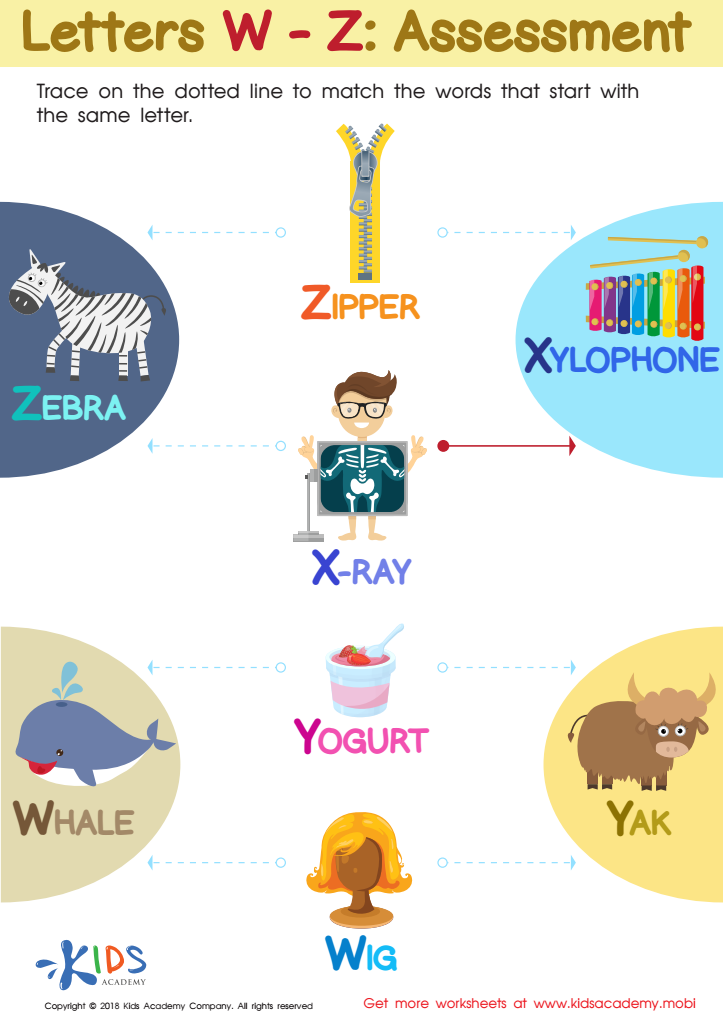
Letters W–Z Tracing Worksheet
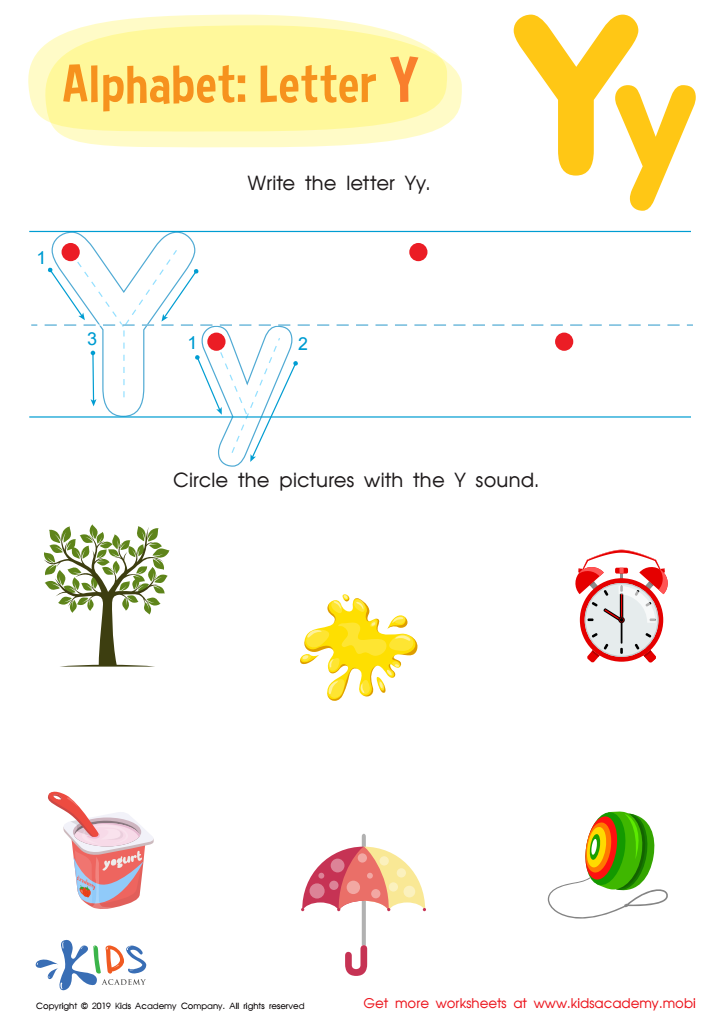
Letter Y Tracing Worksheet
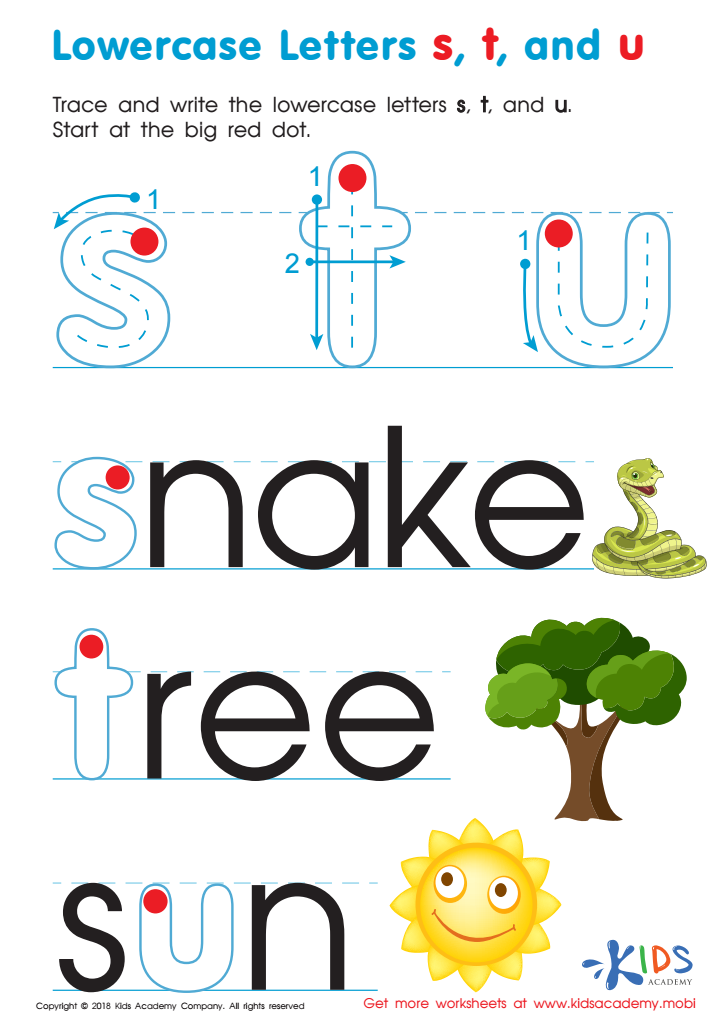
Lowercase Letters s t u Worksheet
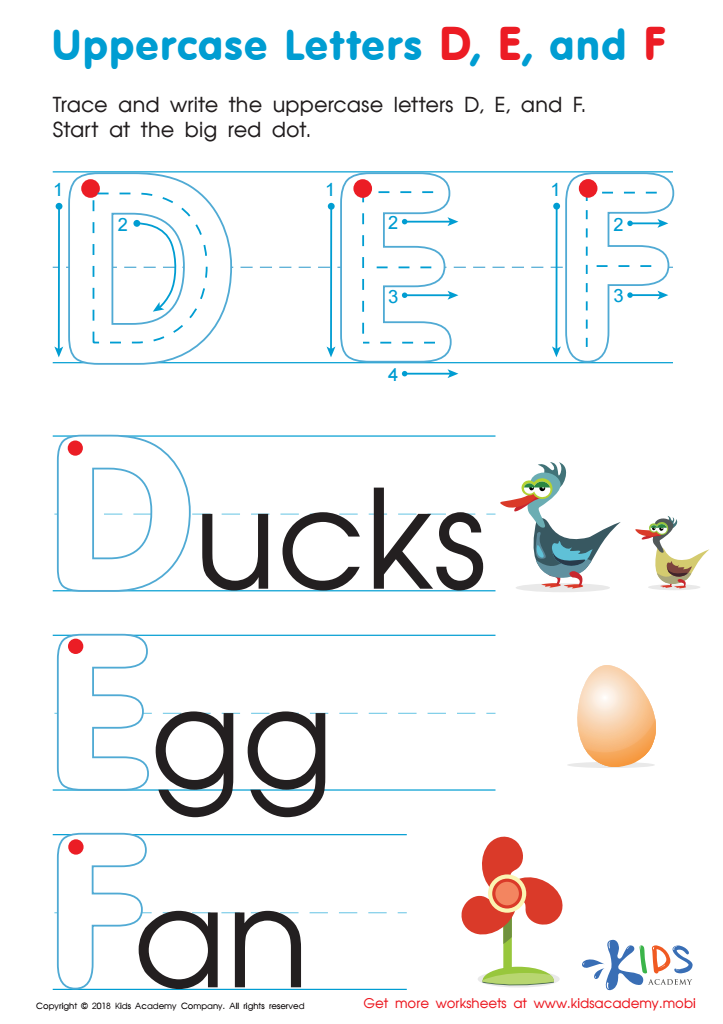
Uppercase Letters D, E, and F Worksheet
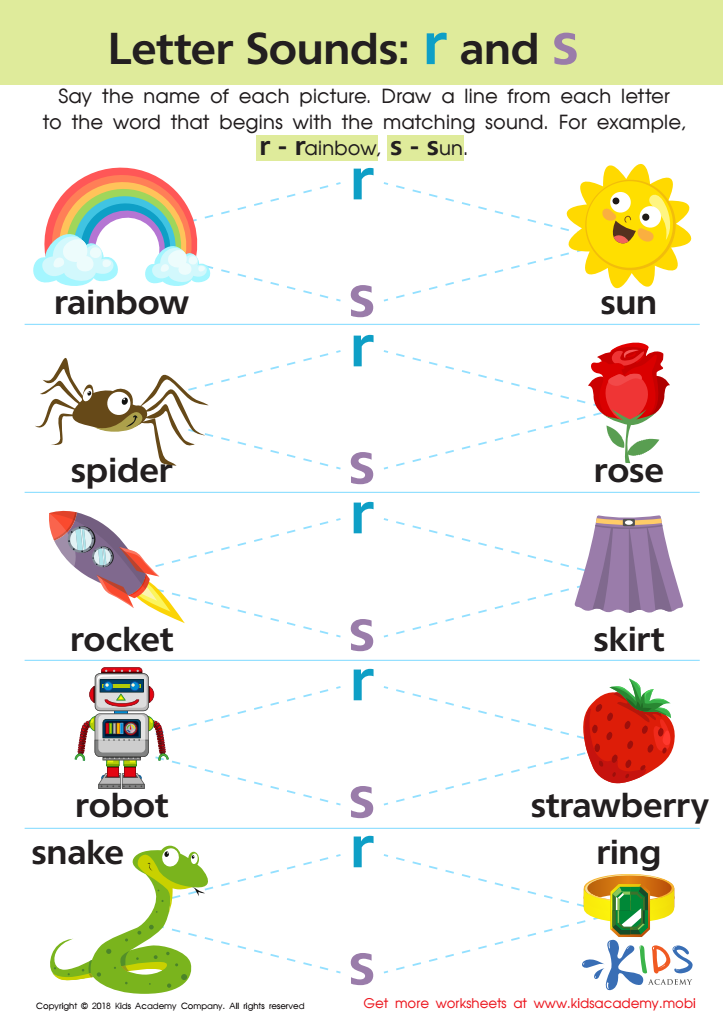
Letter R and S Sounds Worksheet
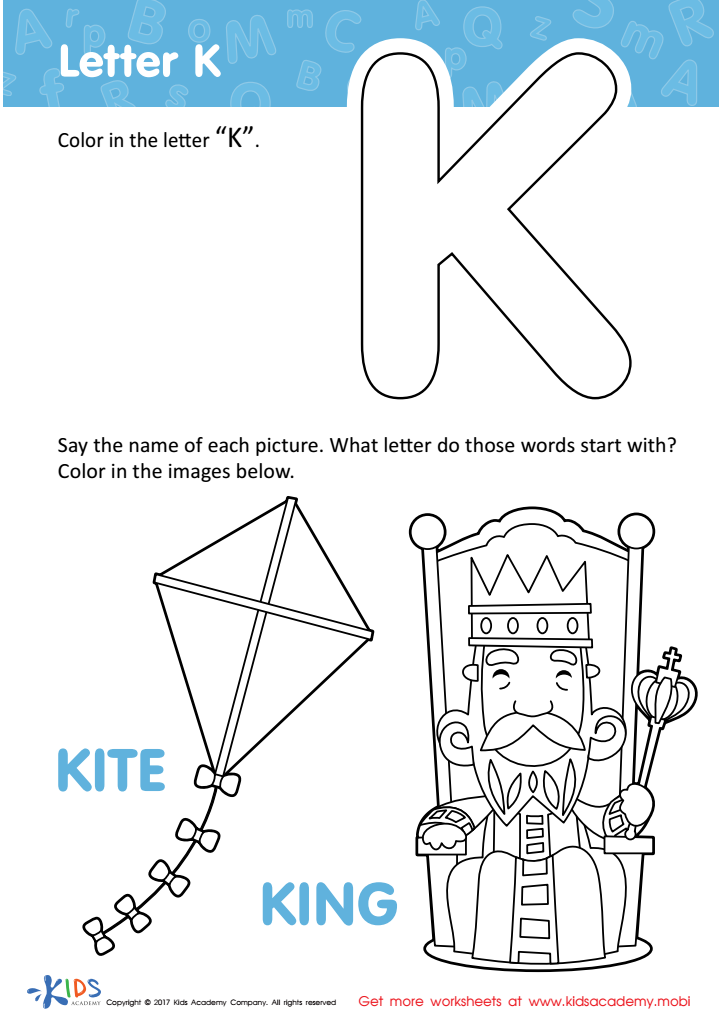
Letter K Coloring Sheet
Assign to My Students
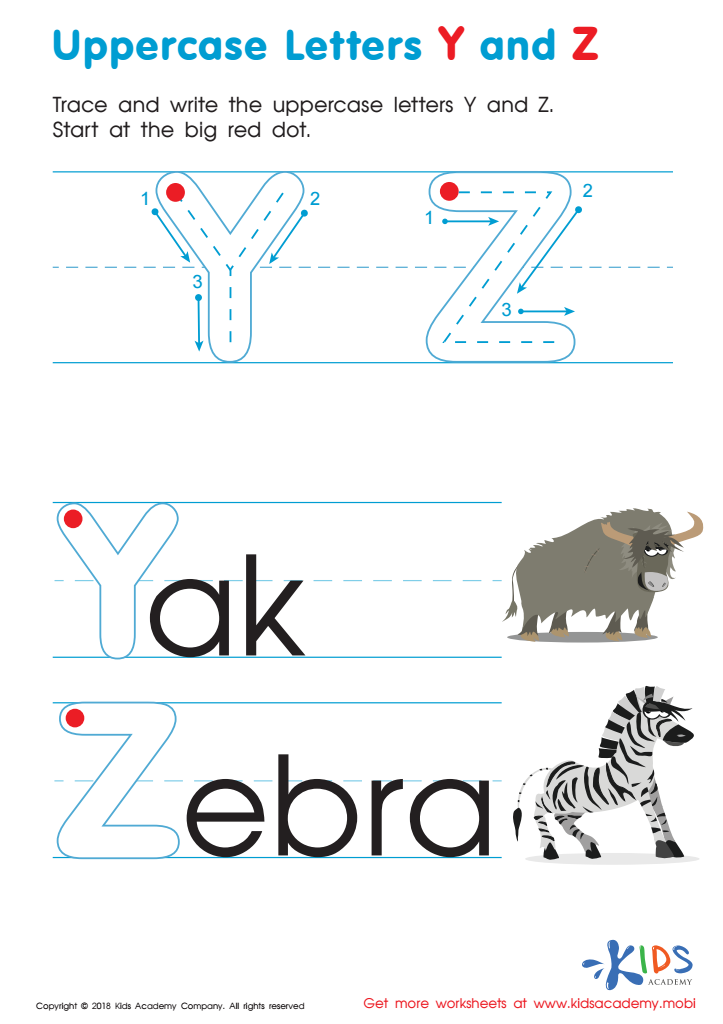
Uppercase Letters Y Z Worksheet






Handwriting practice is a fundamental activity for young children, particularly those aged 3-6, because it plays a crucial role in their overall development. For parents and teachers, encouraging consistent handwriting practice, especially for the alphabet, is important for several reasons. Firstly, it enhances fine motor skills, as children must control their hand movements to form letters. This fine motor control is foundational for many other daily tasks, such as buttoning clothes or using utensils.
Secondly, handwriting practice supports the development of visual-motor integration. This means that children learn how to coordinate what they see with their hand movements, which is essential for reading and other classroom activities. Thirdly, it fosters cognitive development. As young learners practice forming letters, they also engage in memory exercises, coordinate sequencing skills (remembering the order of strokes), and build their attention span.
Moreover, handwriting is closely tied to literacy. Identifying and writing letters reinforces phonemic awareness and supports early reading skills. When children can write letters, they enhance their ability to recognize them in print, laying a solid foundation for future literacy success.
Lastly, consistent handwriting practice can bolster self-esteem and confidence. As children see their improvement, they feel a sense of accomplishment. For parents and teachers, focusing on handwriting practice is not just about legibility; it's about nurturing a well-rounded, capable, and confident learner.







