Letter Recognition Worksheets for Ages 3-6
121 filtered results
-
From - To
Discover engaging Letter Recognition Worksheets perfect for children ages 3-6 at Kids Academy. Our expertly designed worksheets help young learners identify and practice uppercase and lowercase letters, laying the foundation for reading and writing success. With colorful illustrations and fun activities such as tracing, matching, and coloring, these worksheets make learning the alphabet enjoyable and interactive. Whether at home or in a classroom, your child will develop essential letter recognition skills while boosting their confidence. Explore our selection today and watch your little one’s literacy flourish! Unlock your child’s potential with Kids Academy’s trusted educational resources.
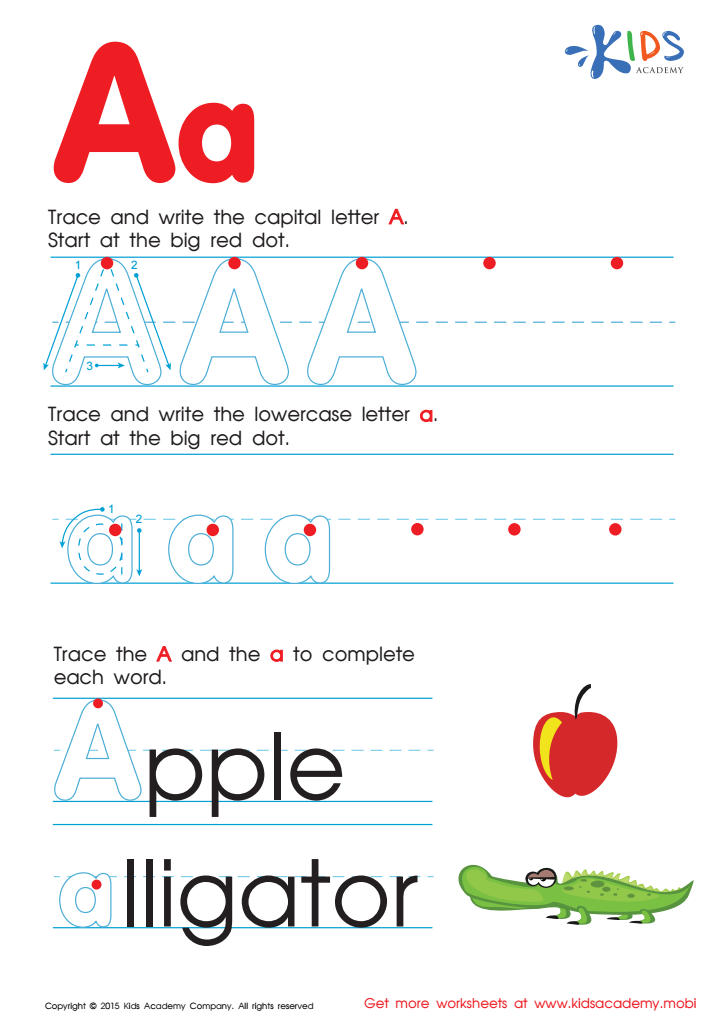
Letter A Tracing Page
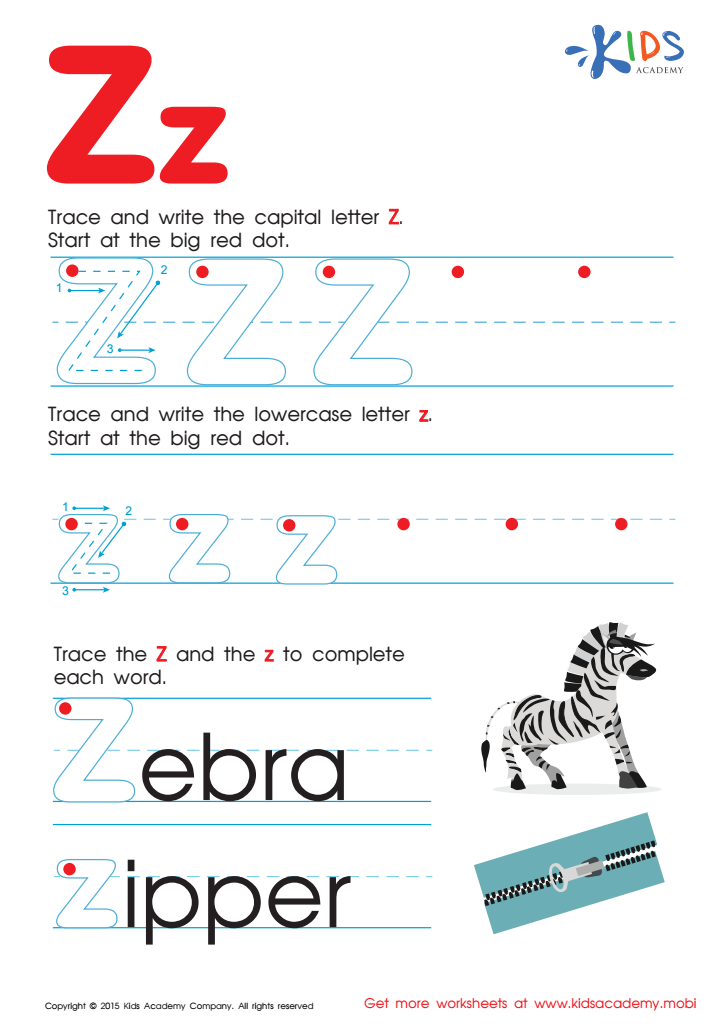
Letter Z Tracing Page
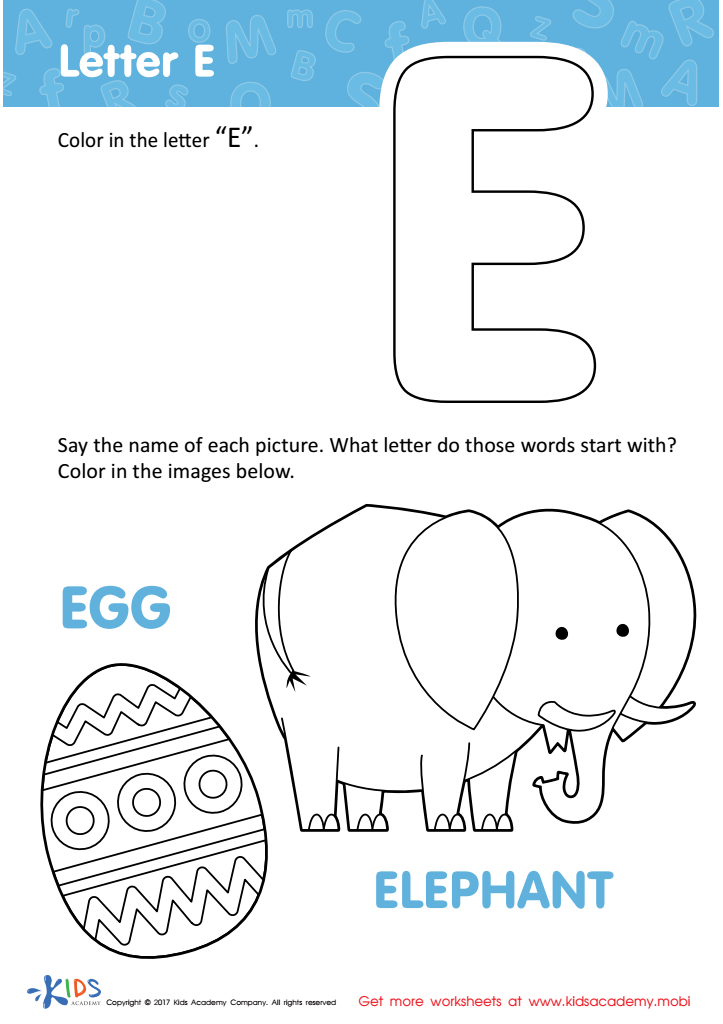
Letter E Coloring Sheet
 Assign to My Students
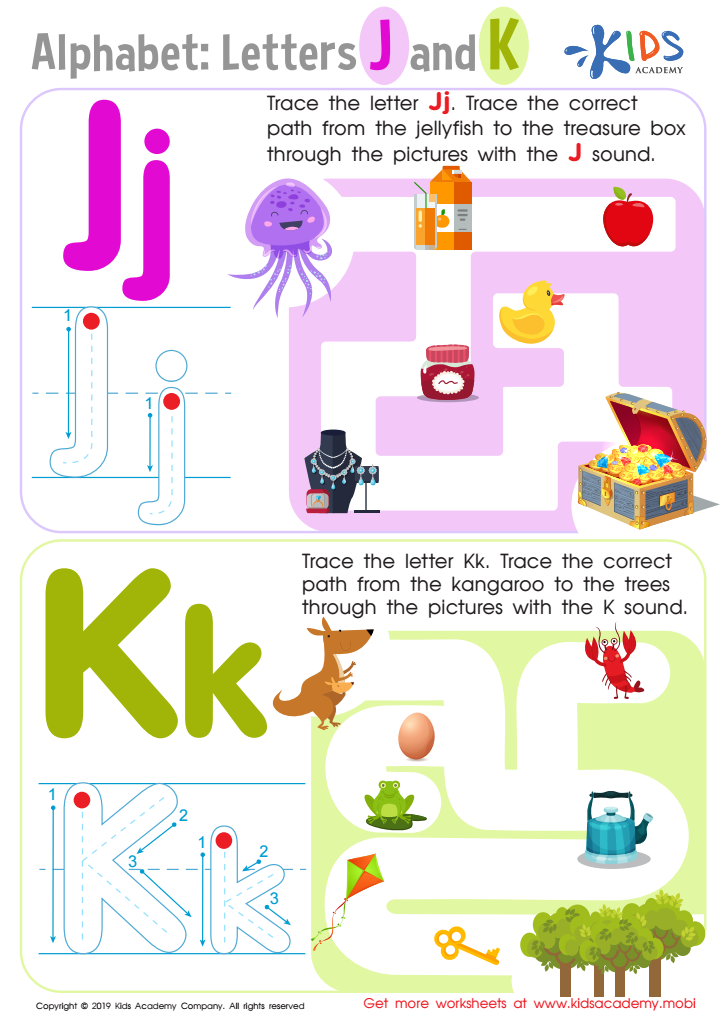
Letters J and K Tracing Worksheet
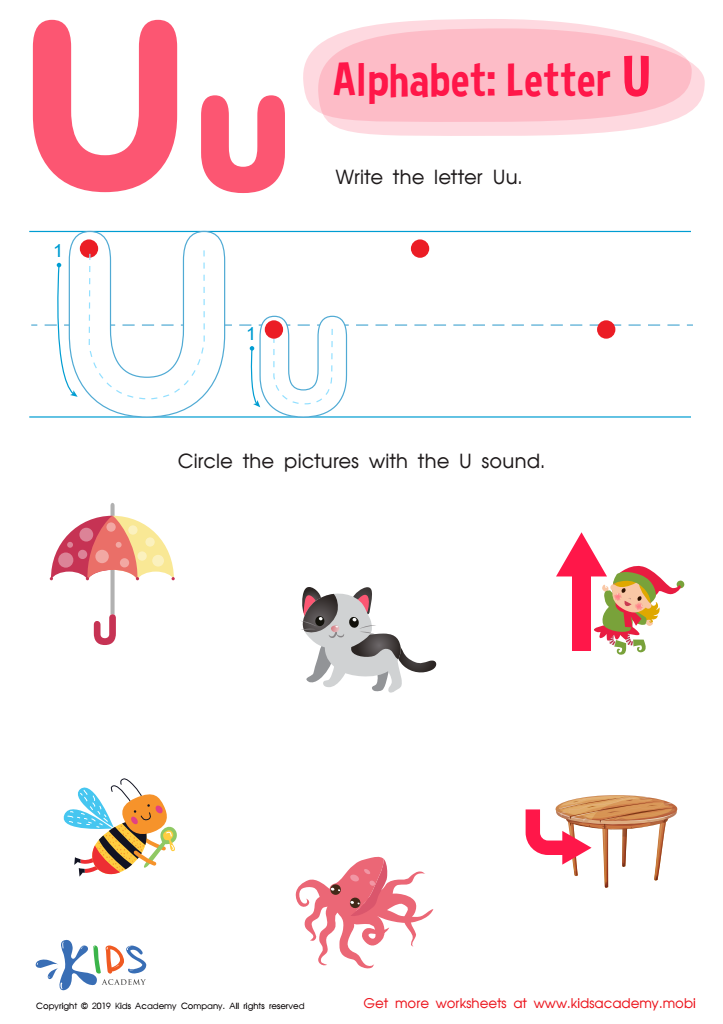
Letter U Tracing Worksheet
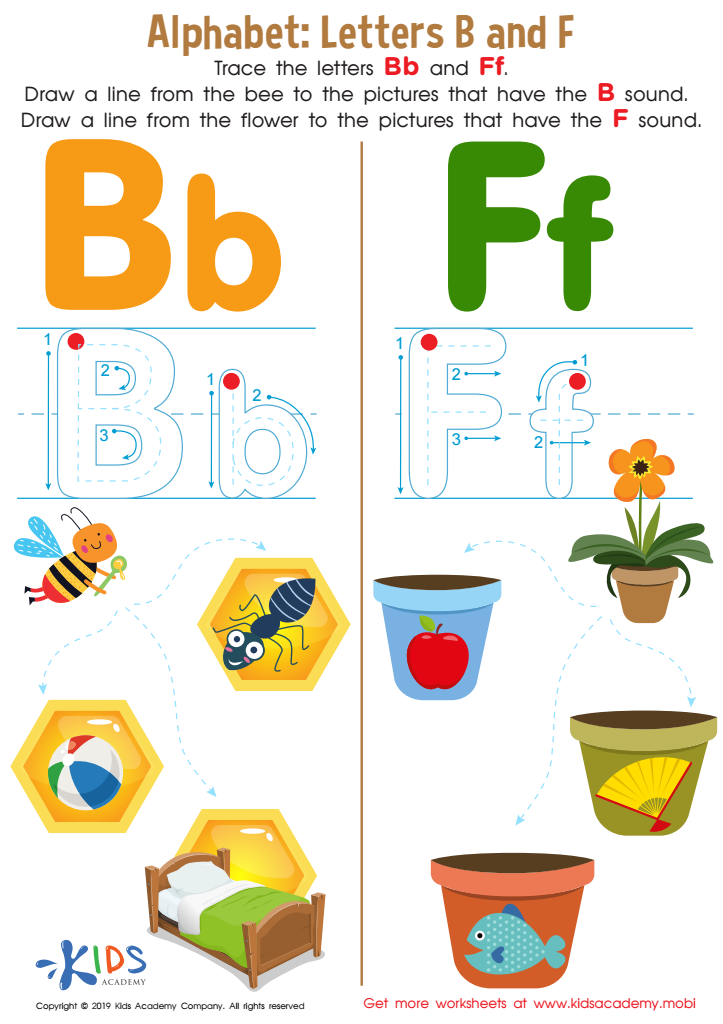
Letters B and F Tracing Worksheet
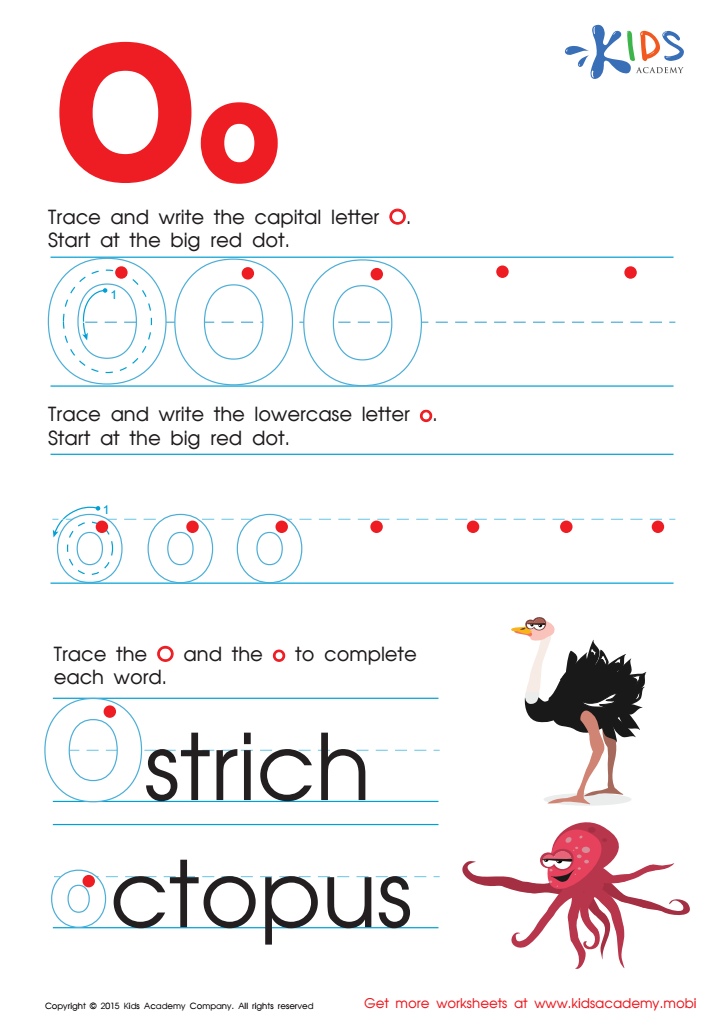
Letter O Tracing Page
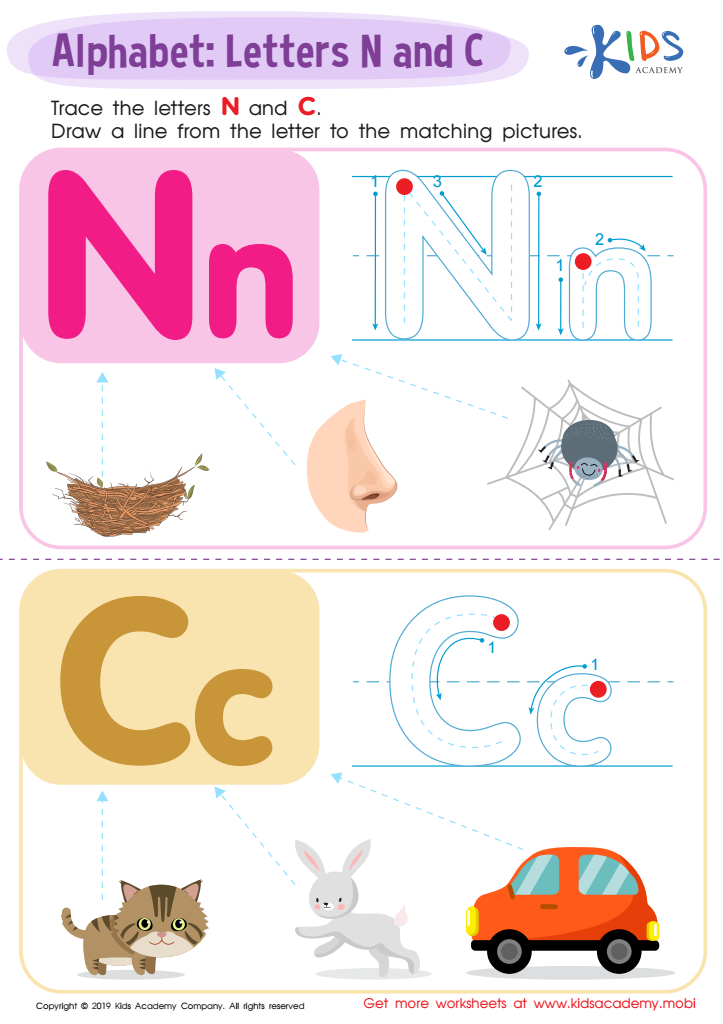
Letter N and C Tracing Worksheet
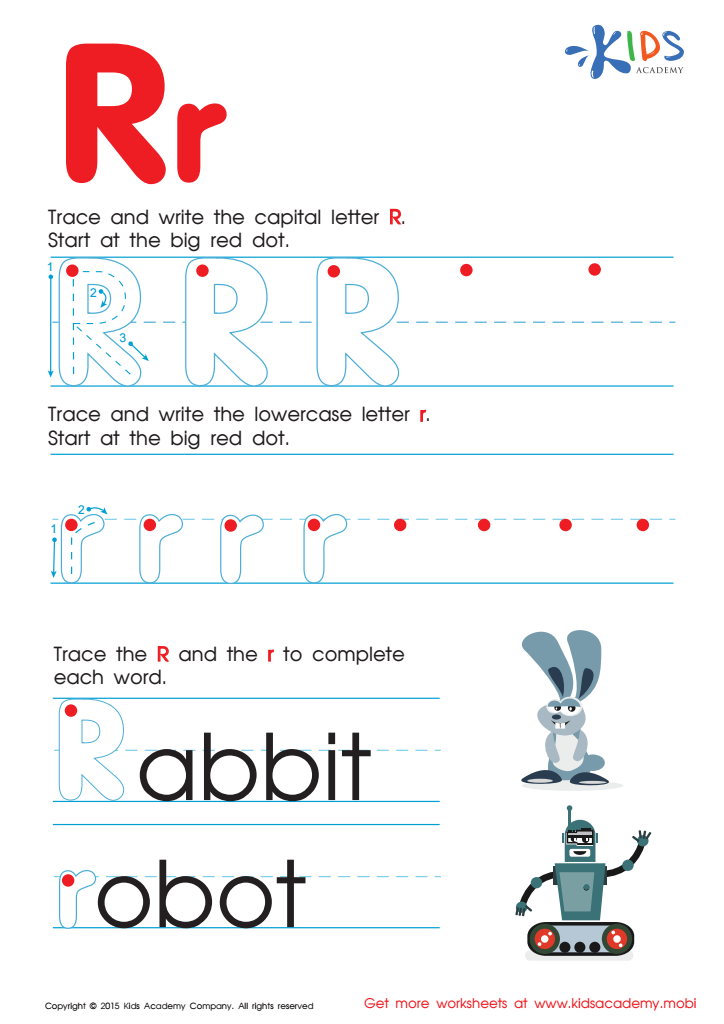
Letter R Tracing Page
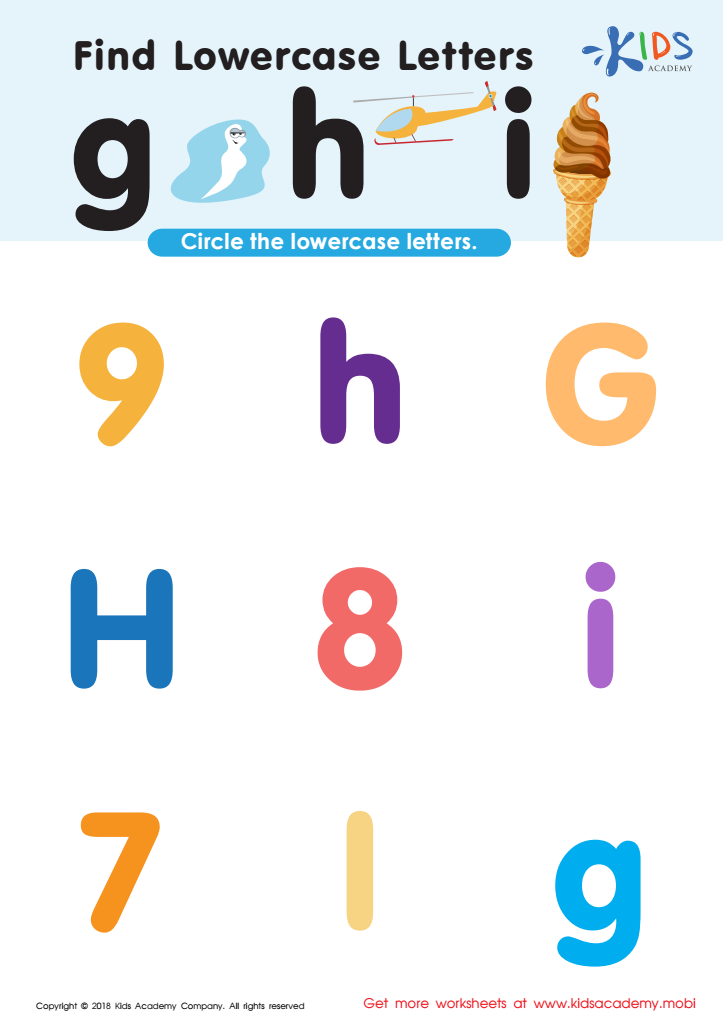
Find Lowercase Letters g h i Worksheet
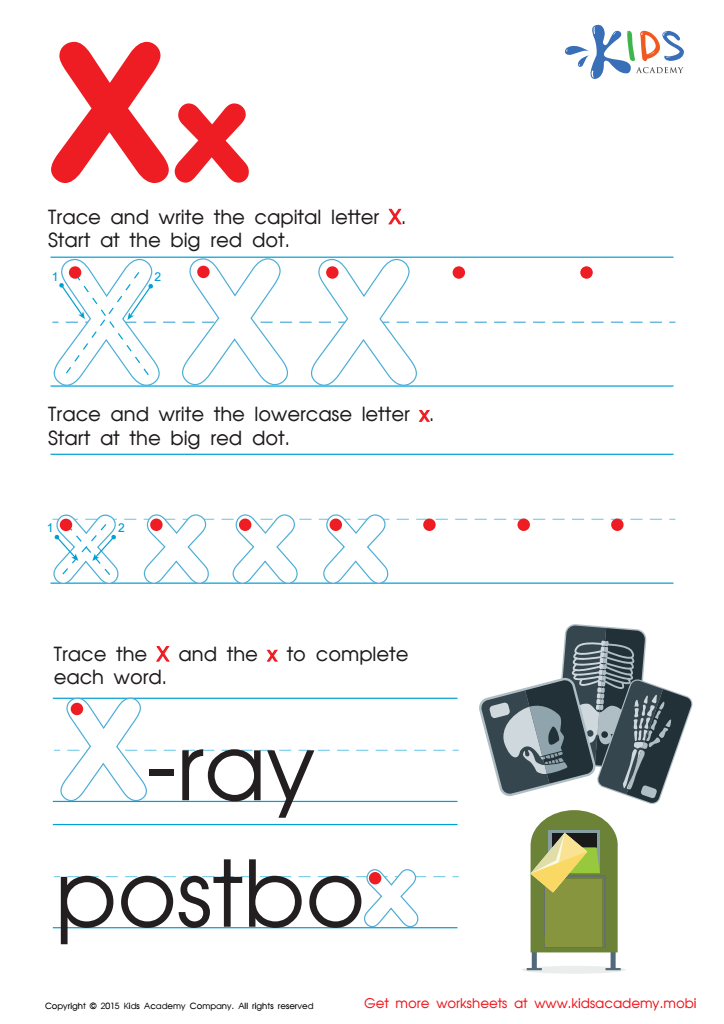
Letter X Tracing Page
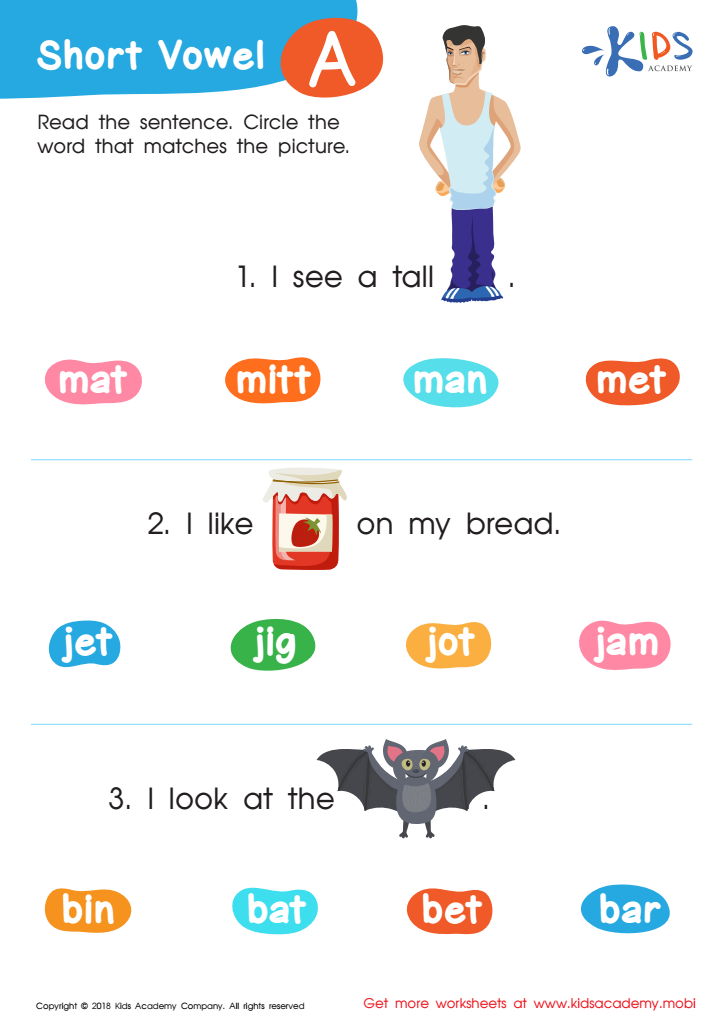
Short Vowel /a/ Worksheet
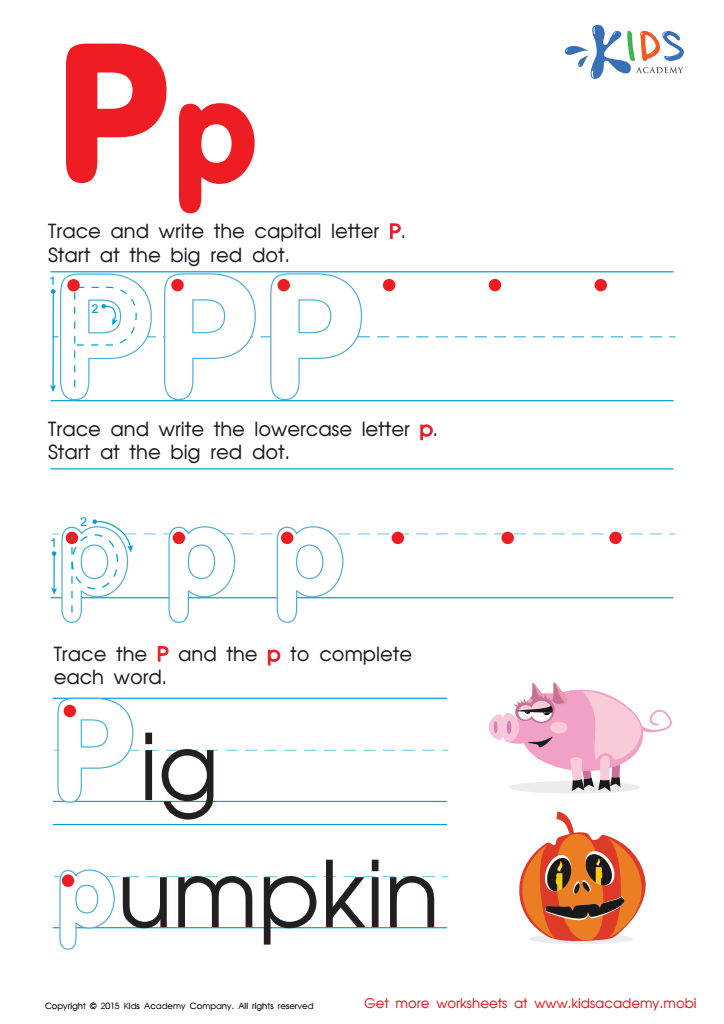
Letter P Tracing Page
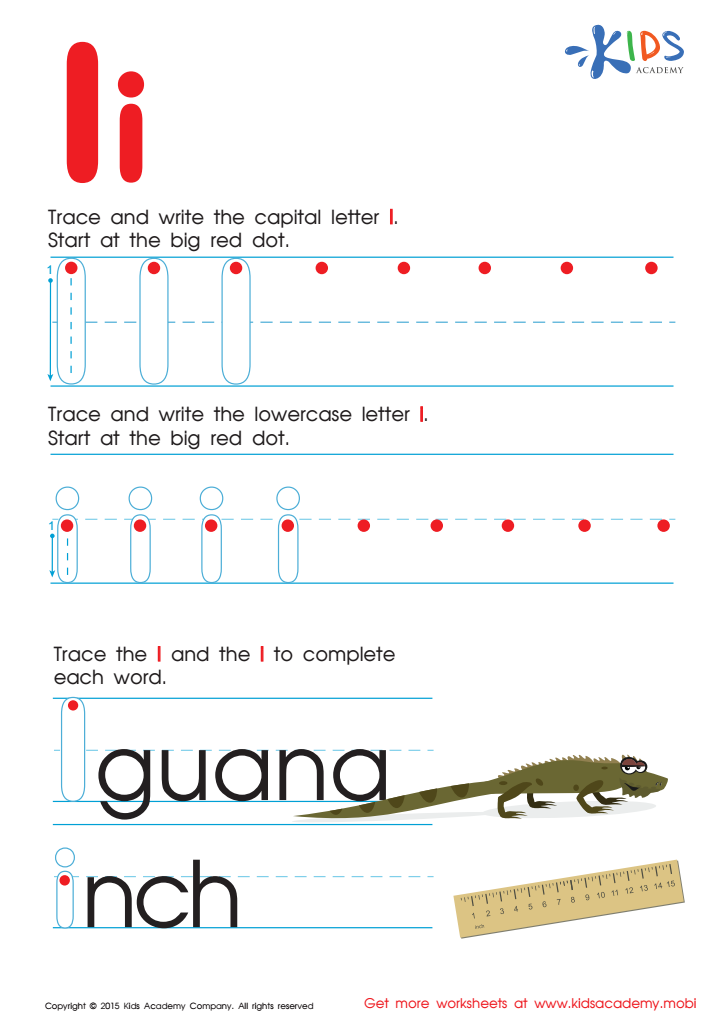
Letter I Tracing Page
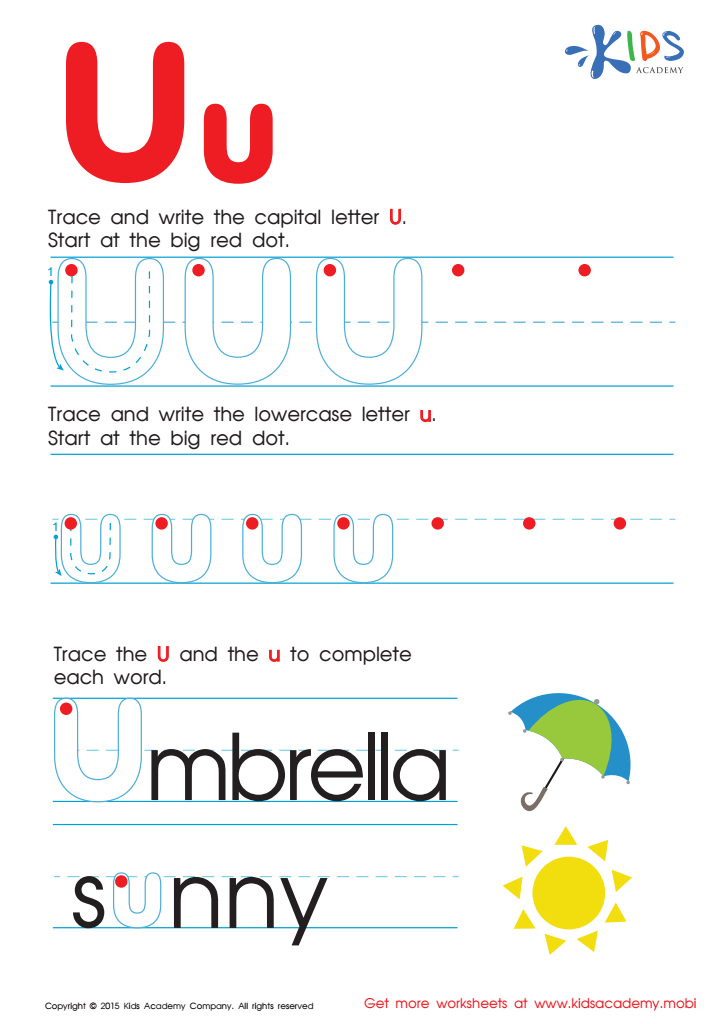
Letter U Tracing Page
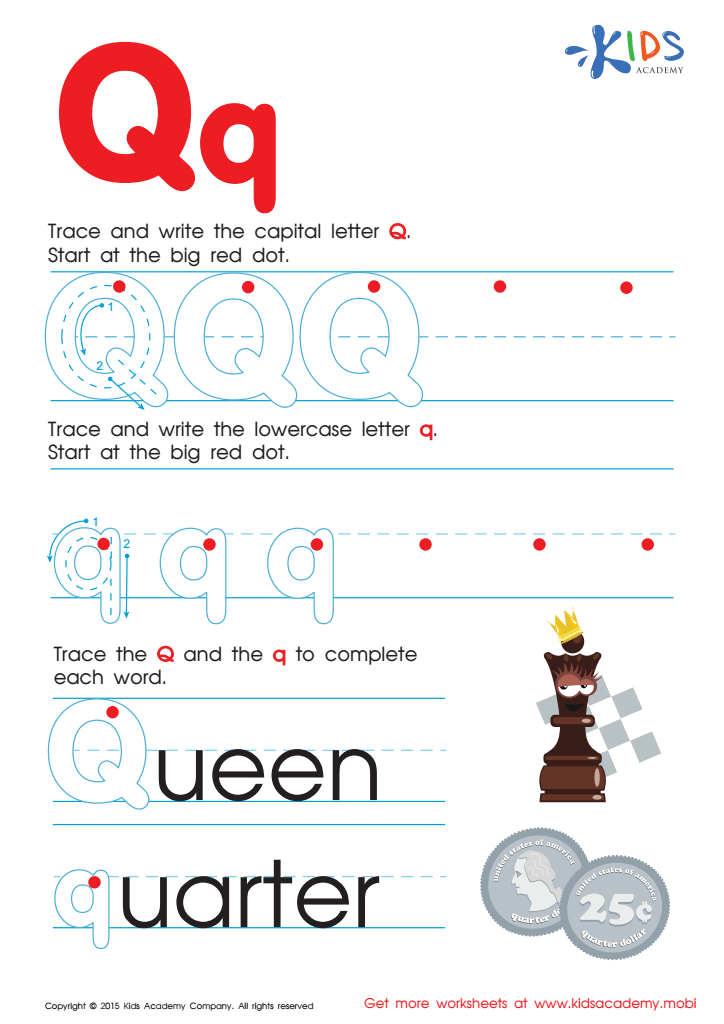
Letter Q Tracing Page
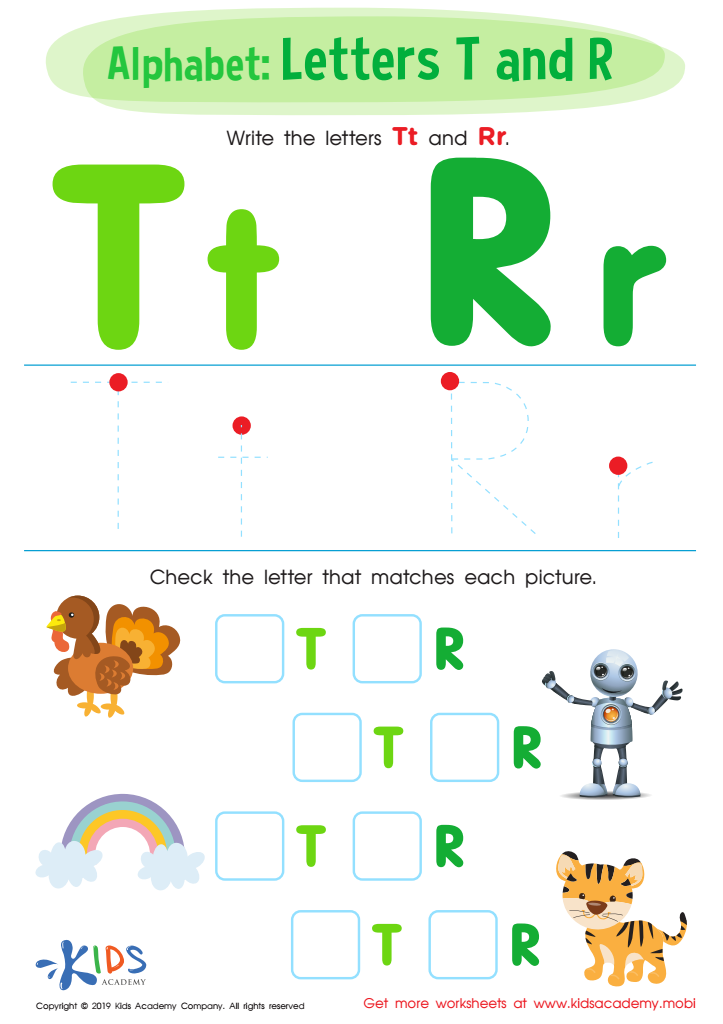
Letters T and R Worksheet
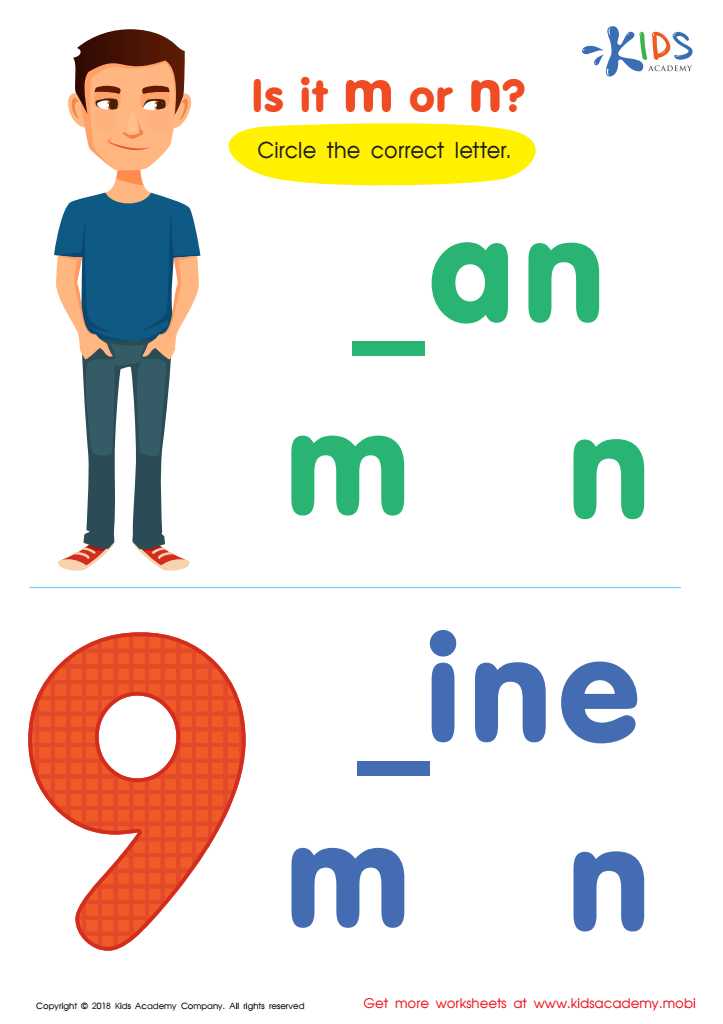
Is It m or n? Worksheet
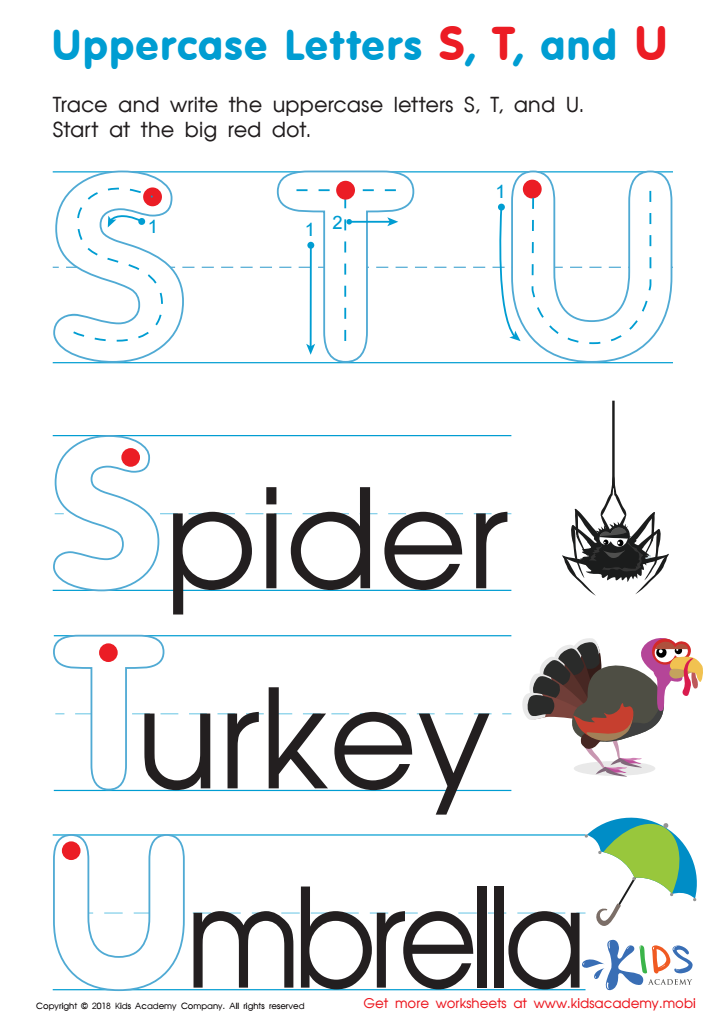
Uppercase Letters S, T, and U Worksheet
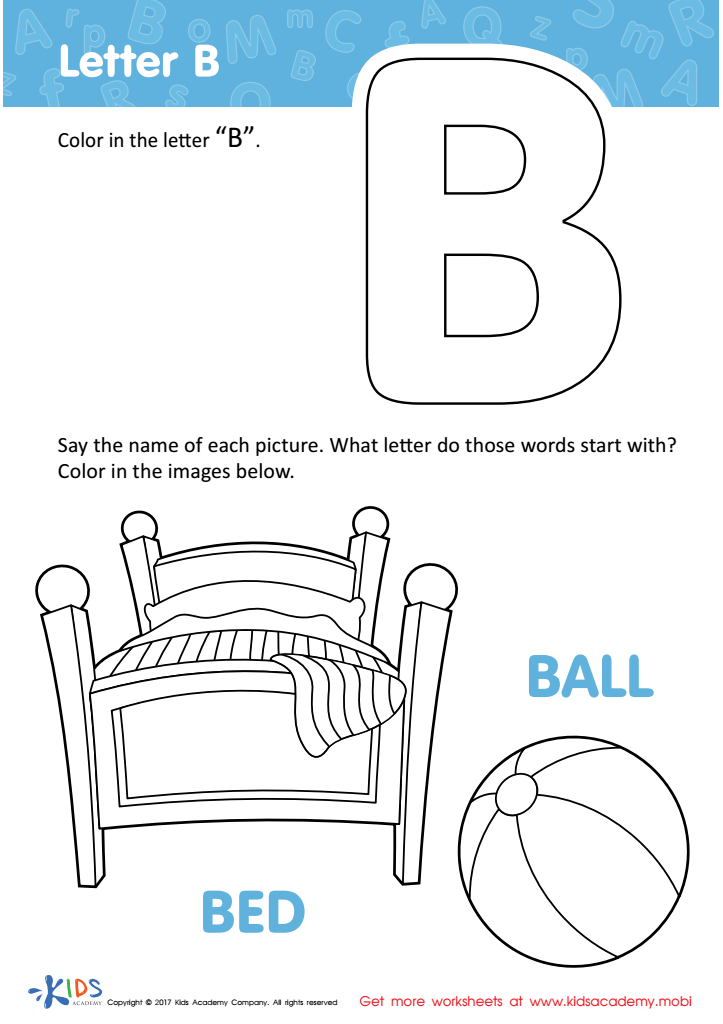
Letter B Coloring Sheet
Assign to My Students
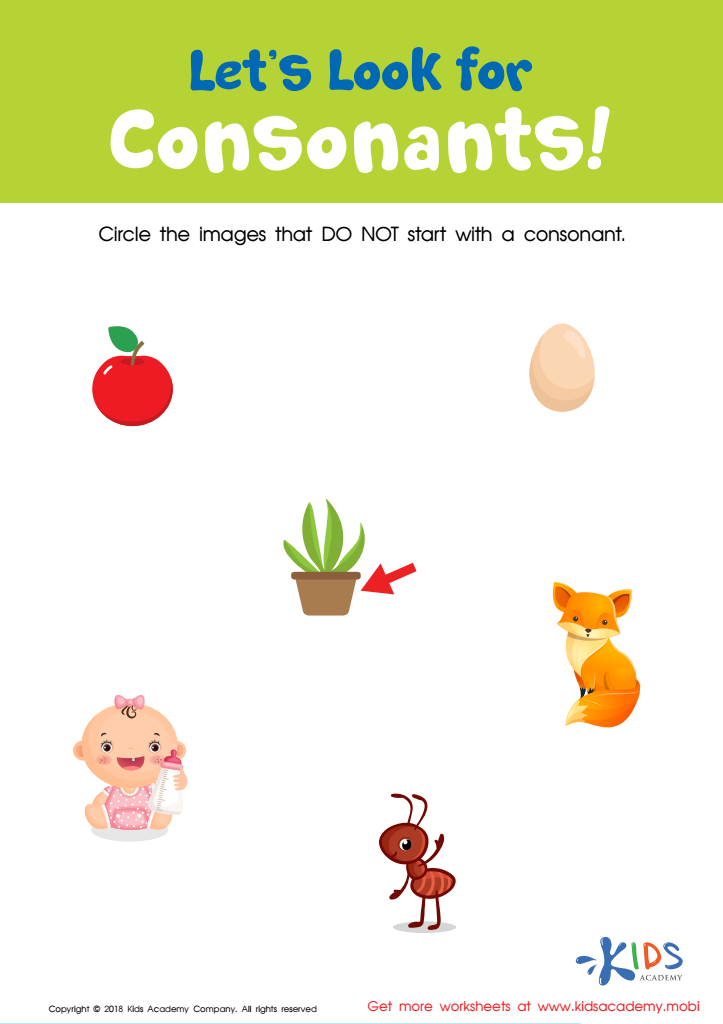
Let's Look for Consonants Worksheet
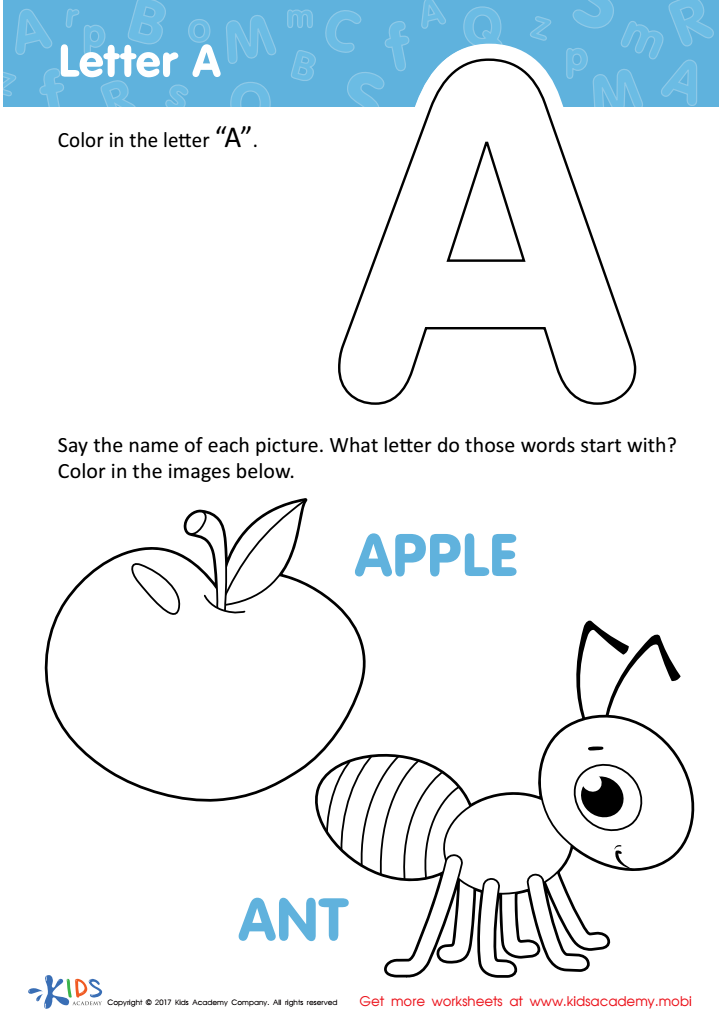
Letter A Coloring Sheet
Assign to My Students
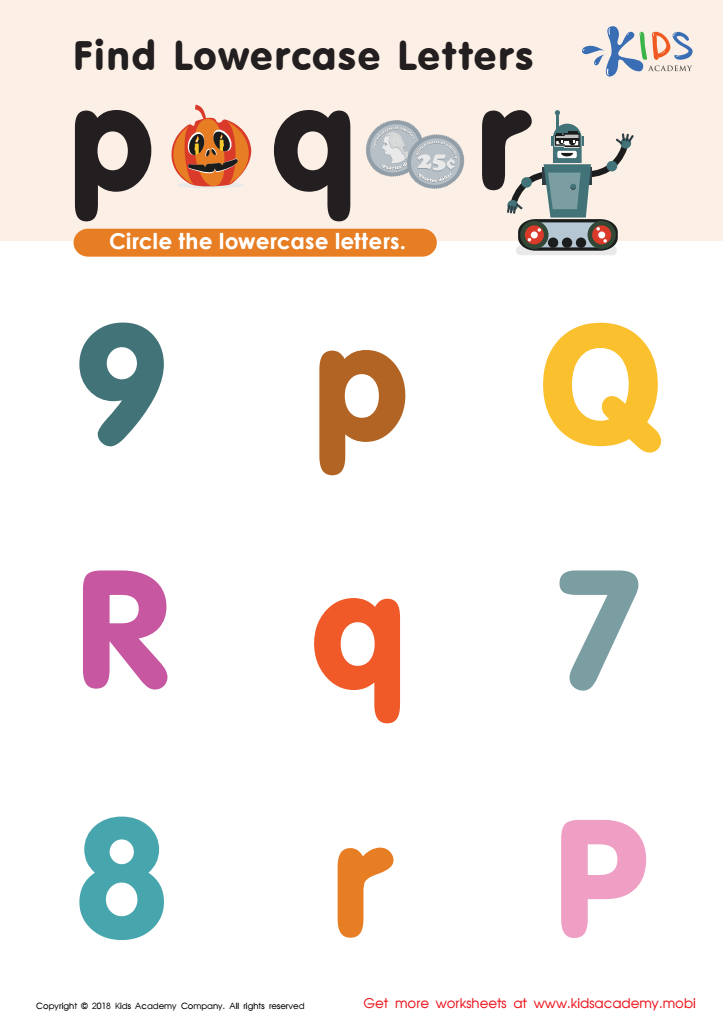
Find lowercase Letters p q r Worksheet
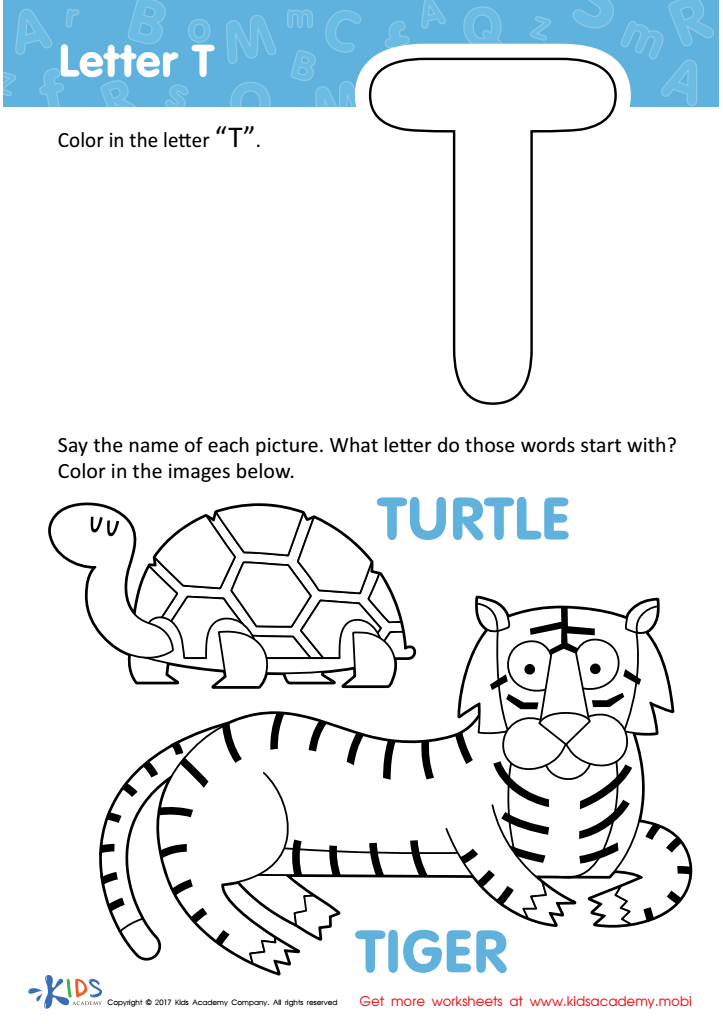
Letter T Coloring Sheet
Assign to My Students








Letter recognition is a foundational skill in early childhood education, essential for children ages 3-6. At this developmental stage, children are like sponges, absorbing information rapidly. Recognizing letters isn't just about learning the alphabet; it sets the stage for reading and writing, two critical skills for future academic success.
When children can identify letters, they develop phonemic awareness, meaning they can connect letters to particular sounds. This understanding is crucial for decoding words, which is the first step in learning to read. As they become comfortable with letters, children also start to write them, enhancing their fine motor skills and hand-eye coordination.
Moreover, letter recognition significantly boosts children's confidence. It creates a sense of achievement that encourages a positive attitude towards learning. Plus, mastering this skill early on reduces the chances of later reading difficulties, making transitioning to more complex literacy tasks smoother.
Teachers and parents who emphasize letter recognition help children build a strong literacy foundation. This early intervention not only fosters cognitive development but also opens a world of information, stories, and communication. In a rapidly developing and information-rich society, these skills won't just benefit them academically but will also become integral to their everyday lives. Through engaging activities, children can learn letters in a fun and interactive manner, setting them up for lifelong literacy skills.







