Phonics Worksheets for Ages 3-6 - Page 9
195 filtered results
-
From - To
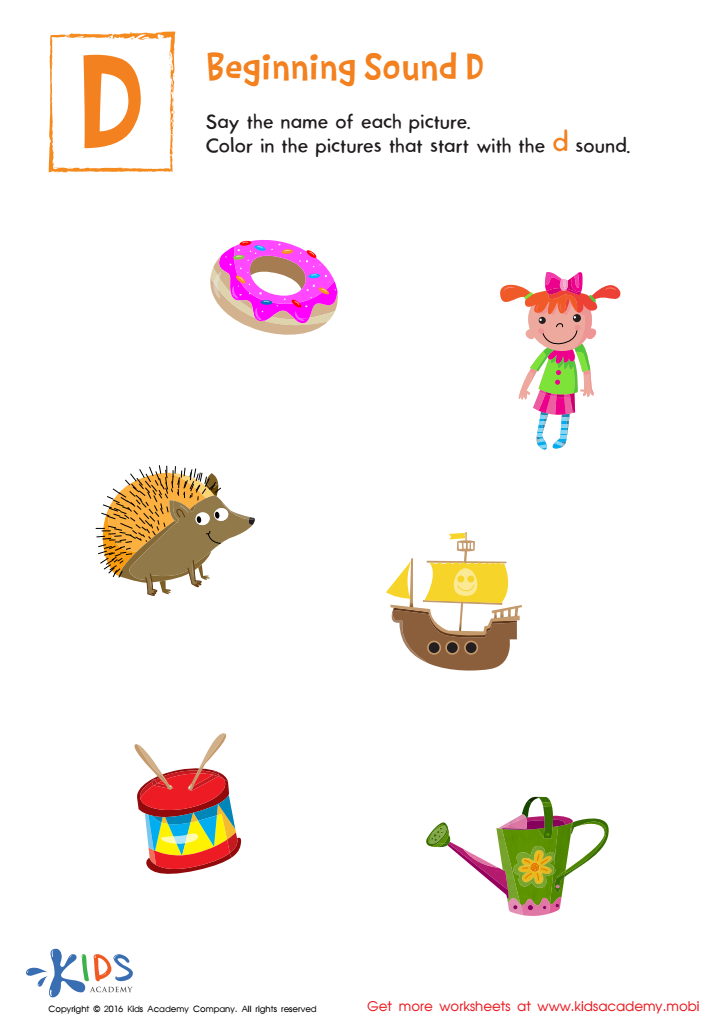
Beginning Sound D Worksheet
 Assign to My Students
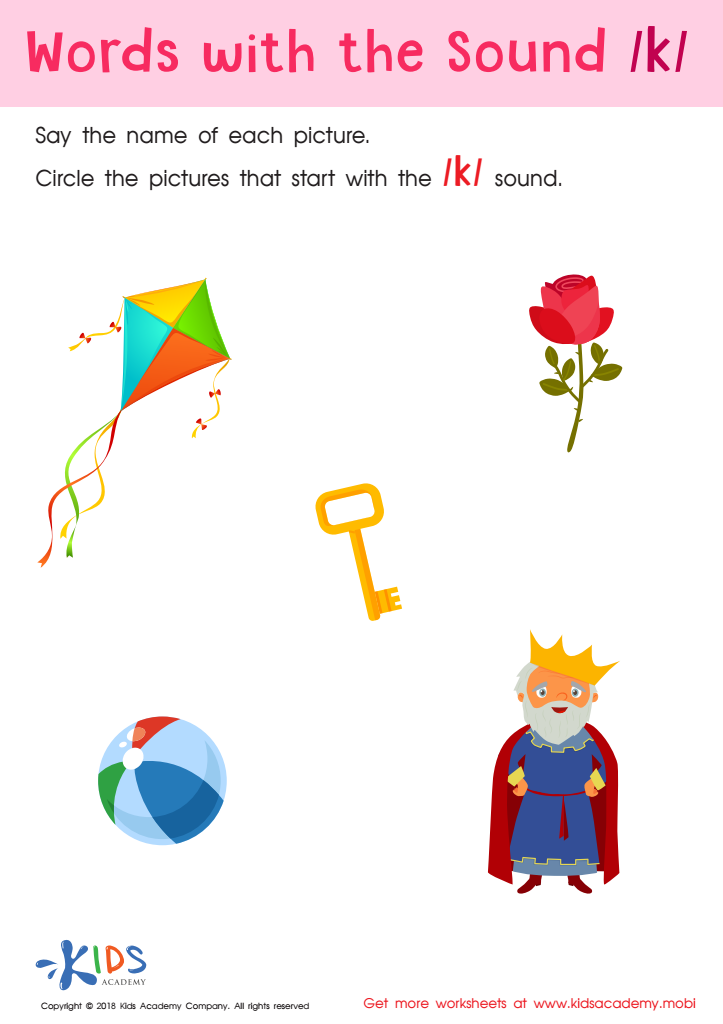
Words with sound k Reading Worksheet
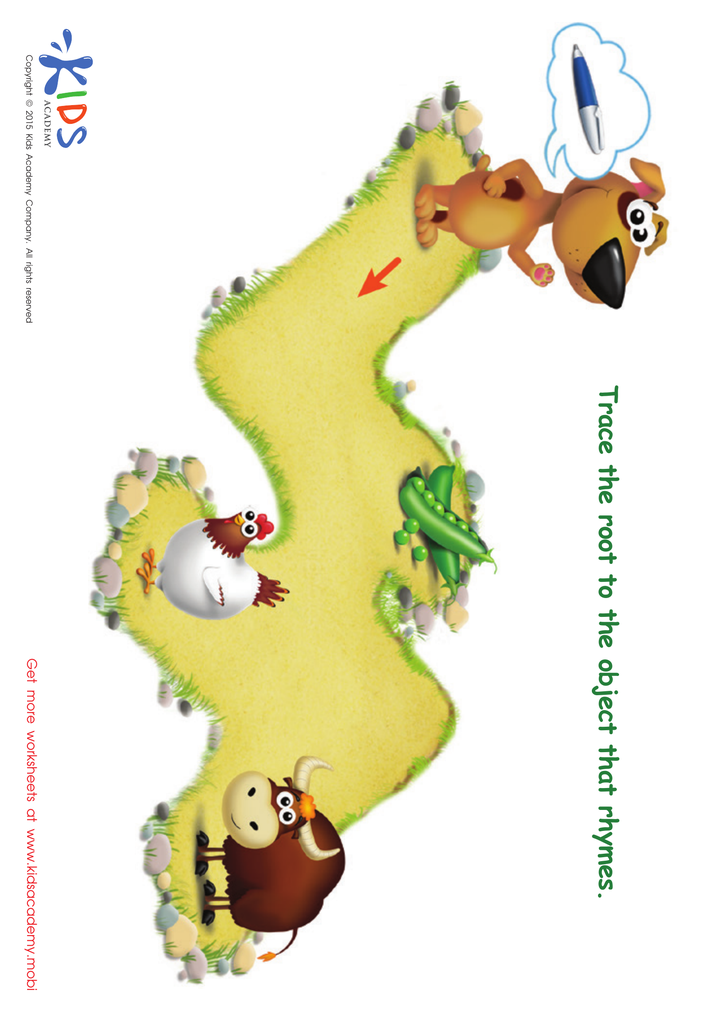
Pen Rhyming Words Worksheet








Phonics is fundamental for young children aged 3-6 because it lays the foundation for reading and literacy, crucial skills for lifelong learning. This method teaches children the relationship between letters and sounds systematically, helping them to decode words accurately and fluently. When children understand phonics, they're better equipped to read independently, which boosts their confidence and fosters a love for reading.
Learning phonics improves phonemic awareness, enabling children to recognize, differentiate, and manipulate the sounds in words. This is a critical skill for spelling and reading comprehension. Early proficiency in phonics also equips children to tackle unfamiliar words, enhancing their vocabulary and comprehension as they delve into more complex texts.
Furthermore, phonics instruction caters to diverse learning speeds and patterns, making it adaptable for all students. Through engaging activities such as songs, games, and stories, children not only learn but also have fun, making the learning experience enjoyable and memorable.
Parents and teachers who prioritize phonics from an early age contribute significantly to a child's academic progress and overall educational success. As children gain strong reading skills, they're better prepared for advanced learning in later years, setting a solid groundwork for future educational achievements.







