Reading Improvement Phonics Worksheets for Ages 3-6
8 filtered results
-
From - To
Unlock the magic of reading with our Reading Improvement Phonics Worksheets designed for ages 3-6! Inspire young learners by reinforcing letter recognition, phonemic awareness, and decoding skills. Our engaging and interactive worksheets use fun activities, vibrant illustrations, and systematic phonics instruction to build a strong reading foundation. Ideal for preschool and kindergarten, these worksheets meet early literacy standards while ensuring a joyful learning experience. Empower children to read fluently and confidently with resources from Kids Academy – where early readers' successful journeys begin. Enhance reading skills today with our expertly designed phonics worksheets!
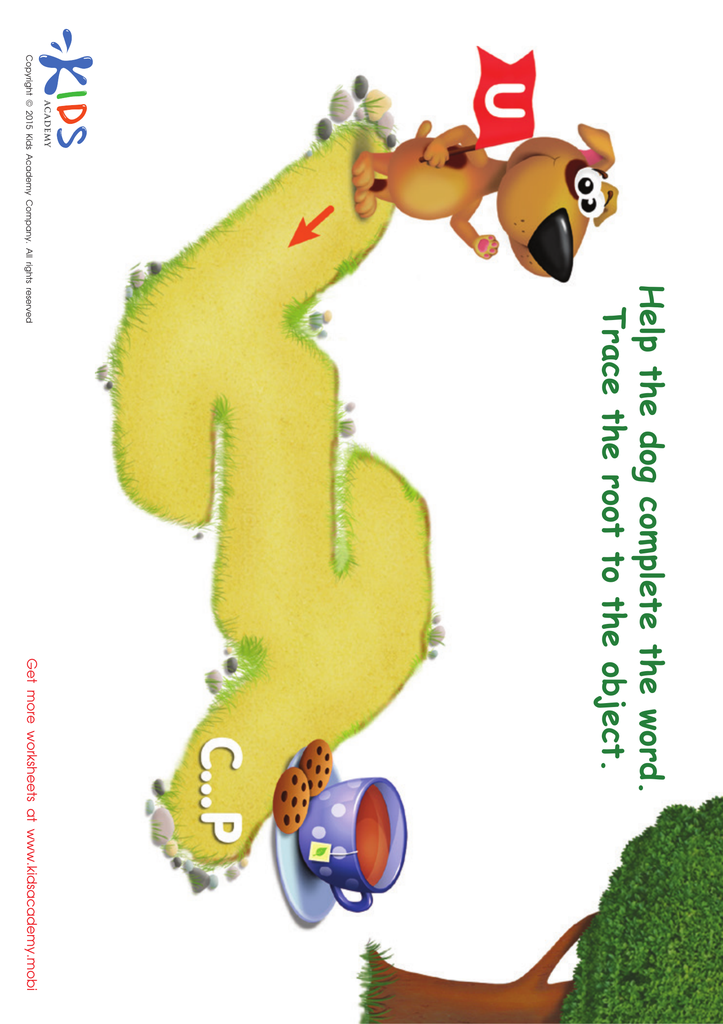
Short Vowel Sound U Worksheet Worksheet
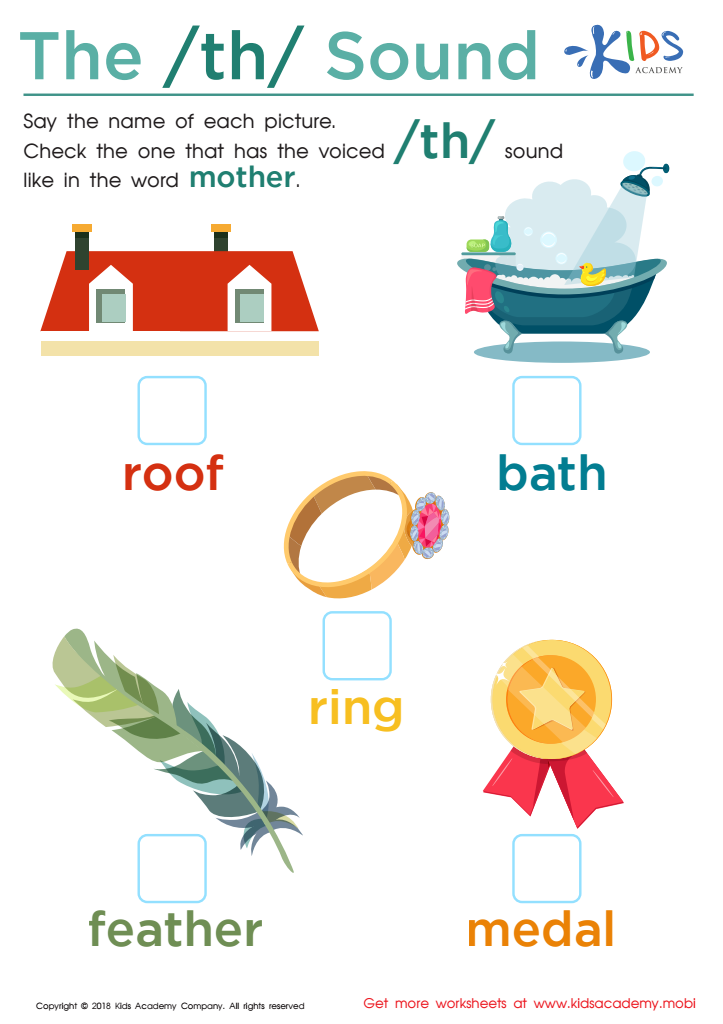
The /th/ Sound Worksheet
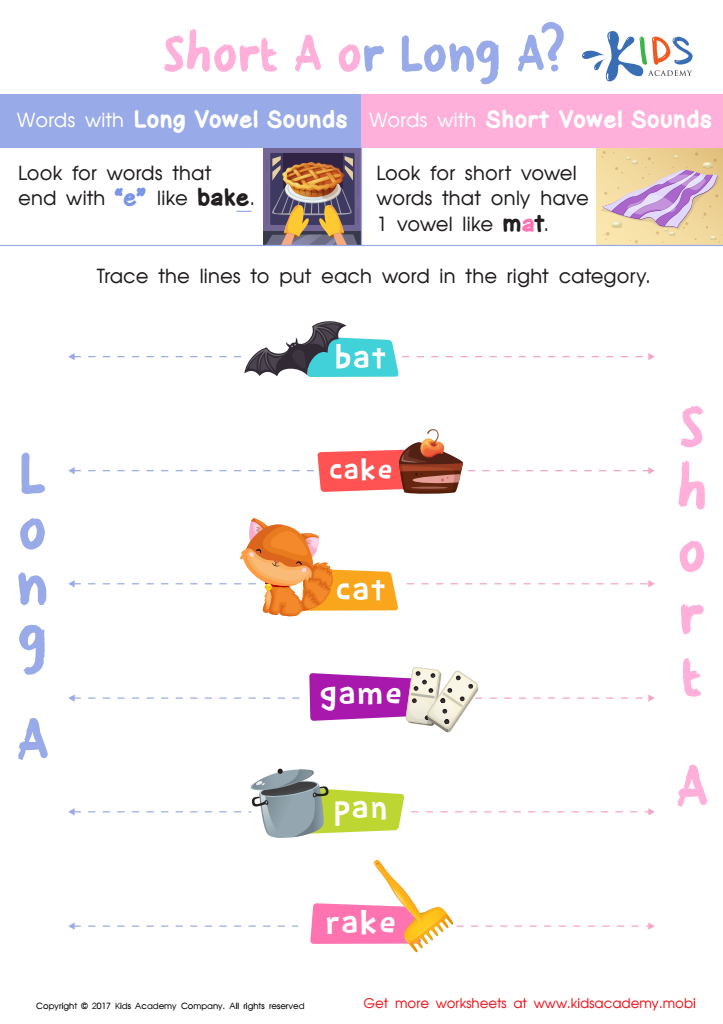
Short /a/ or Long /a/? Worksheet
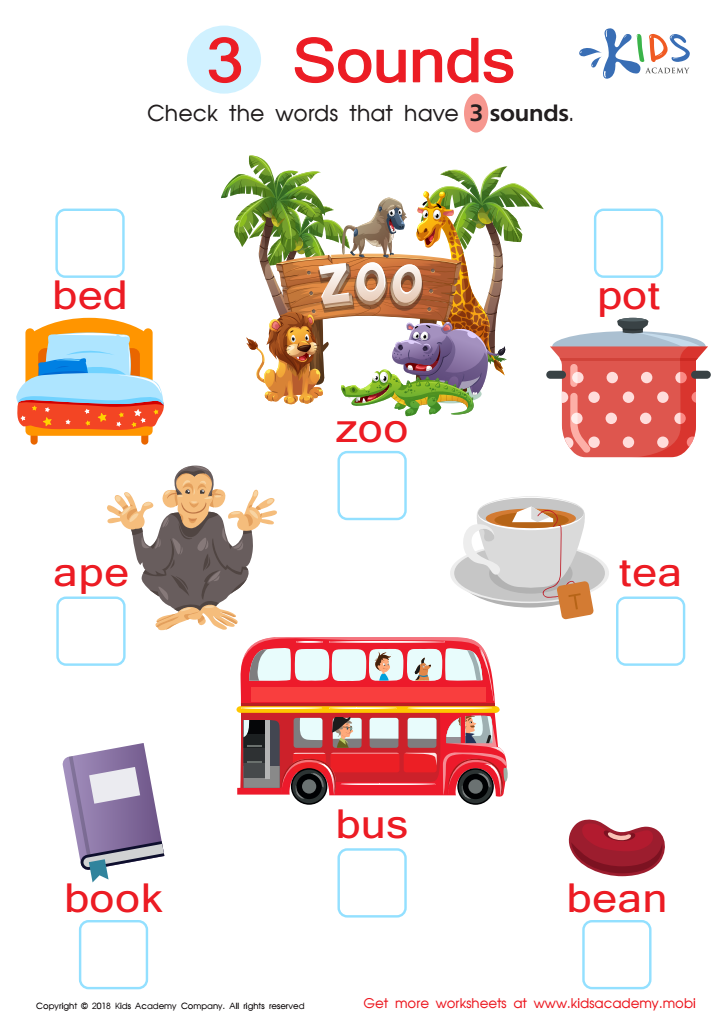
3 Sounds Worksheet
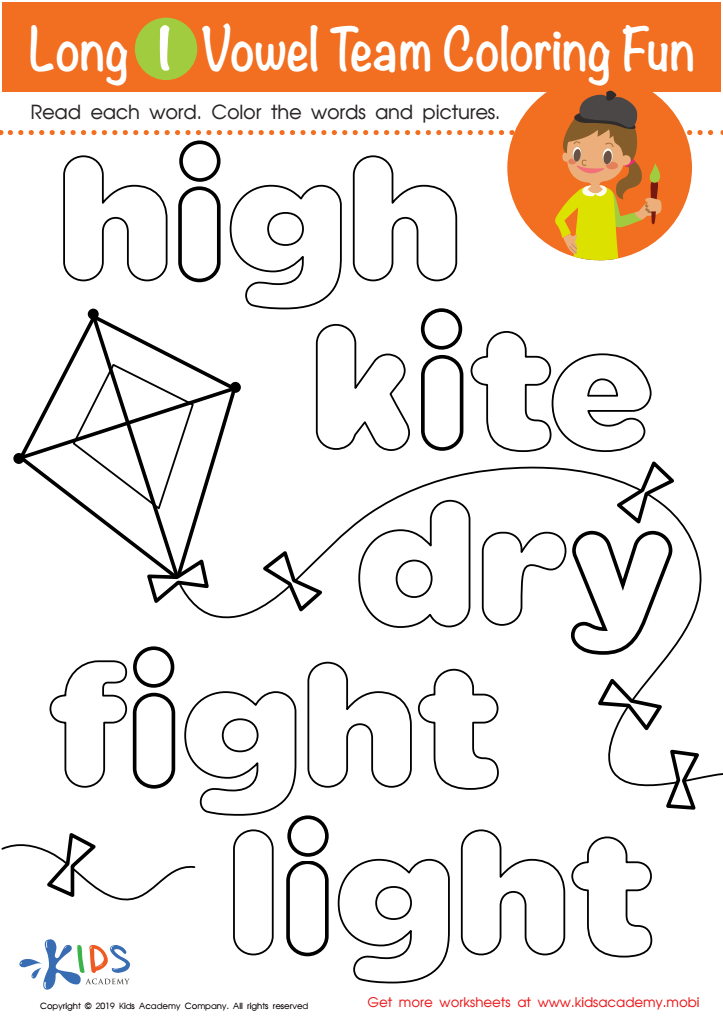
Long I Vowel Team Coloring Worksheet
 Assign to My Students
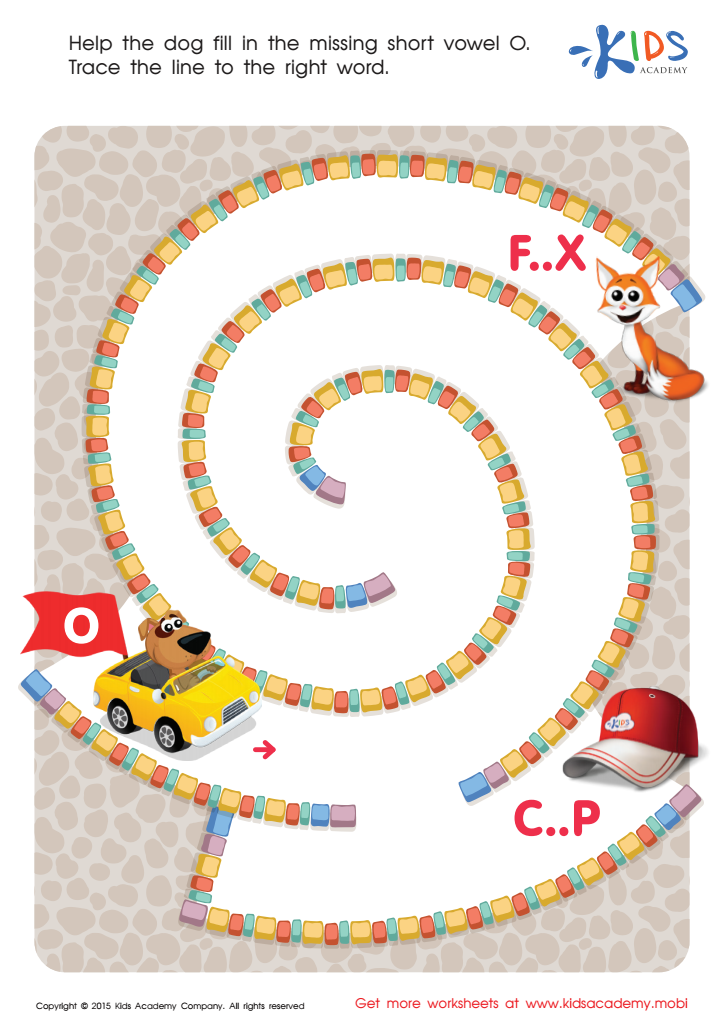
Short Vowel Sound O Worksheet
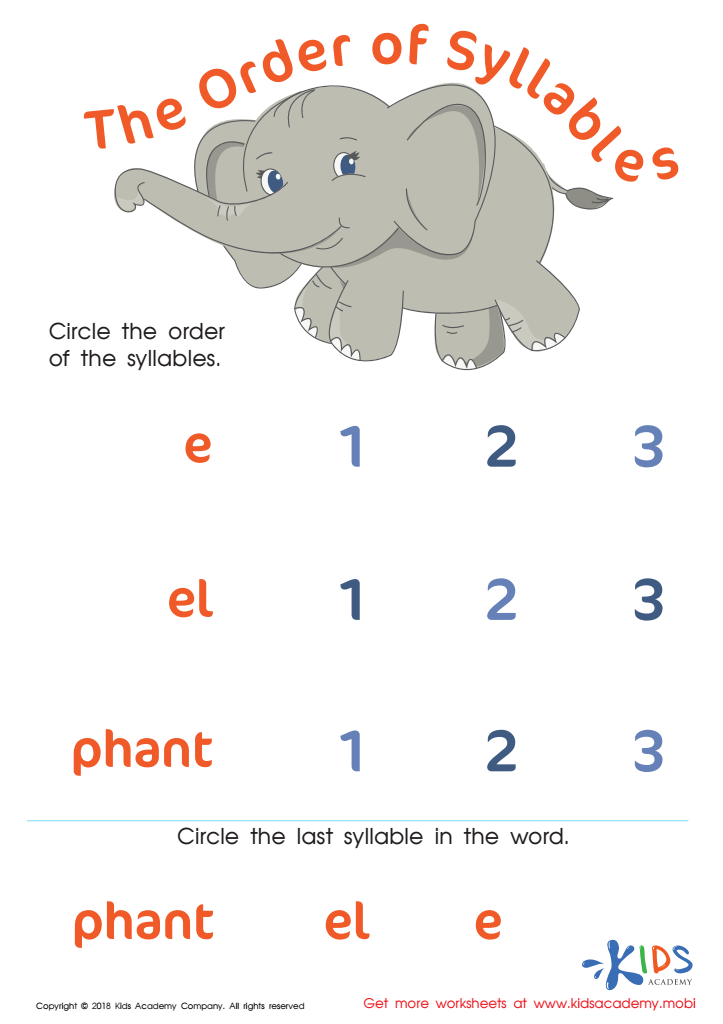
The Order of Syllables Worksheet
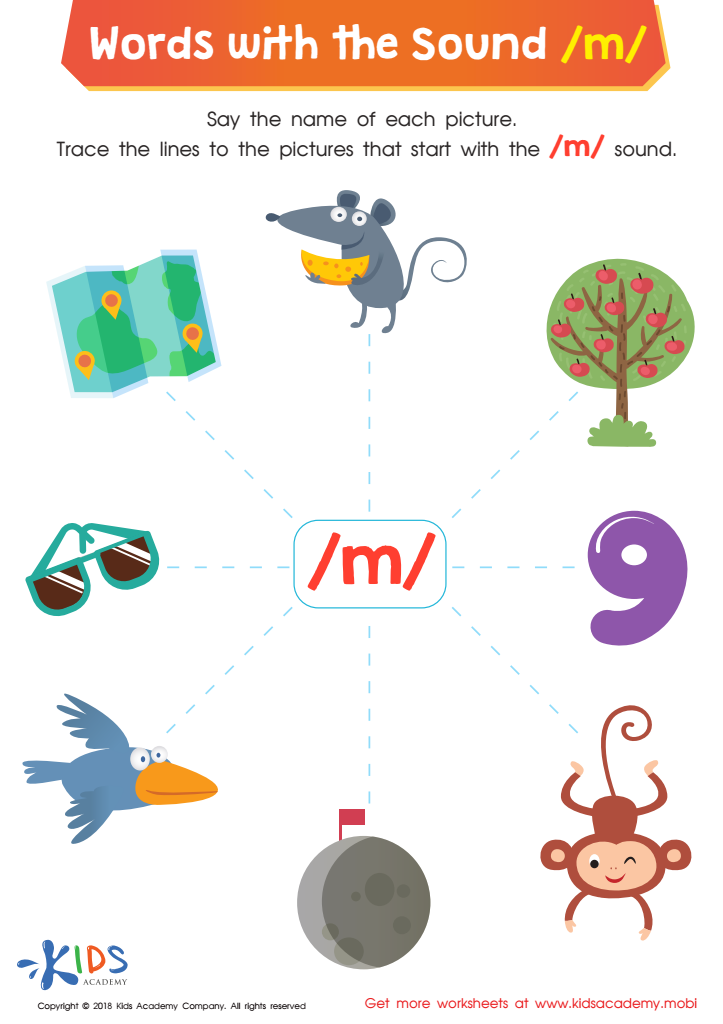
Words with Sound M Reading Worksheet








Parents and teachers should prioritize Reading Improvement Phonics for children ages 3-6 because this critical period sets the foundation for successful literacy skills. During these formative years, young brains are highly adaptable and capable of absorbing basic language building blocks more efficiently. Phonics, the method of teaching reading by correlating sounds with letters or groups of letters, equips children with the tools to decode words accurately. This skill is vital for reading fluency and comprehension, key components in academic achievement and lifelong learning.
Early exposure to phonics helps children understand the relationship between letters and sounds, fostering better spelling, reading, and writing abilities. By engaging in phonics-based activities, young learners enhance their auditory discrimination and phonemic awareness, which are essential for distinguishing between different sounds and understanding how sounds form words.
Moreover, children who grasp phonics fundamentals often develop a love for reading, encouraging a positive attitude towards learning and intellectual curiosity. For parents and teachers, investing time and resources into phonics instruction translates to fewer struggles with reading difficulties, boosting children's confidence and laying a brighter educational pathway. This foundational competence not only benefits individual learners but also positively impacts classroom dynamics by creating a more engaged and proficient cohort of students.







