Fine Motor Skills Tracing Letters Worksheets for Ages 3-6 - Page 2
35 filtered results
-
From - To
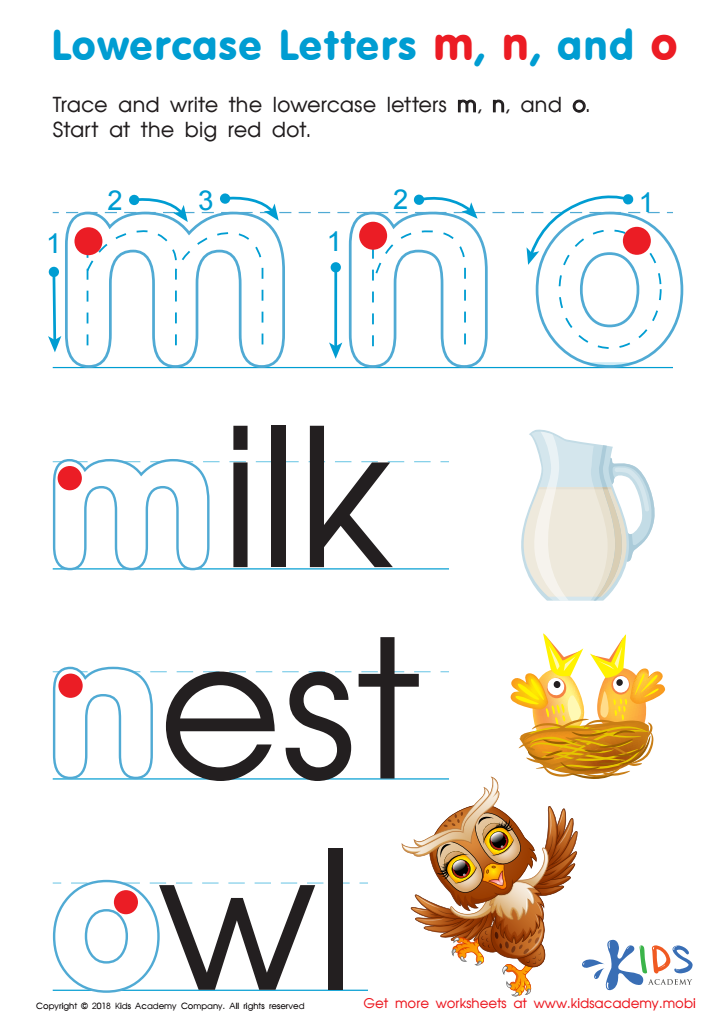
Lowercase Letters m n o Worksheet
 Assign to My Students
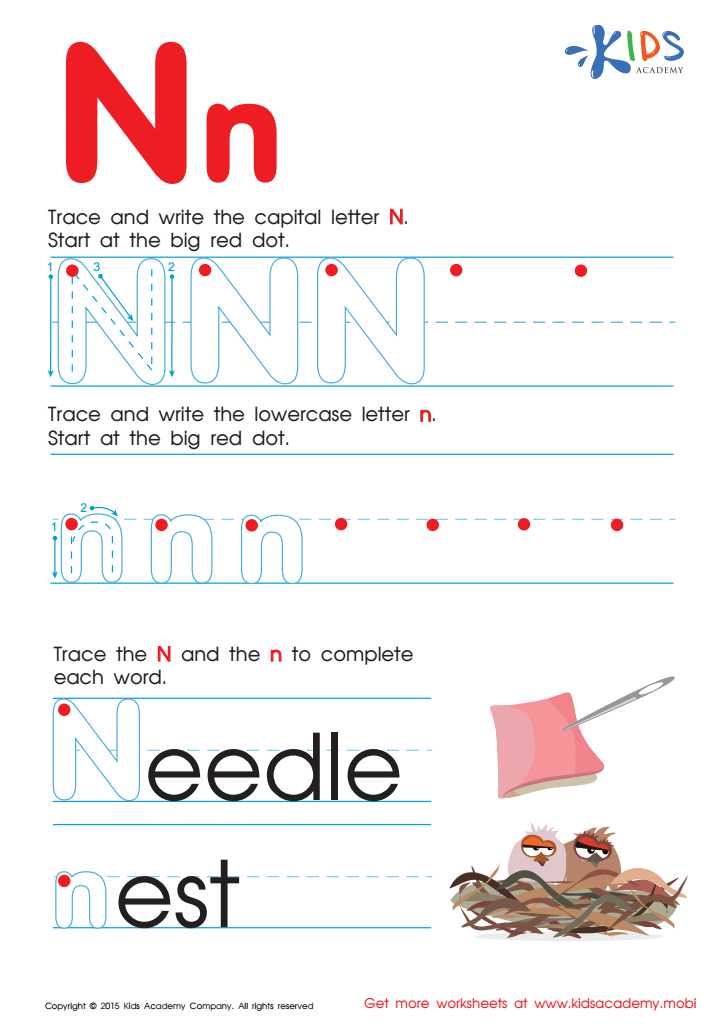
Letter N Tracing Page
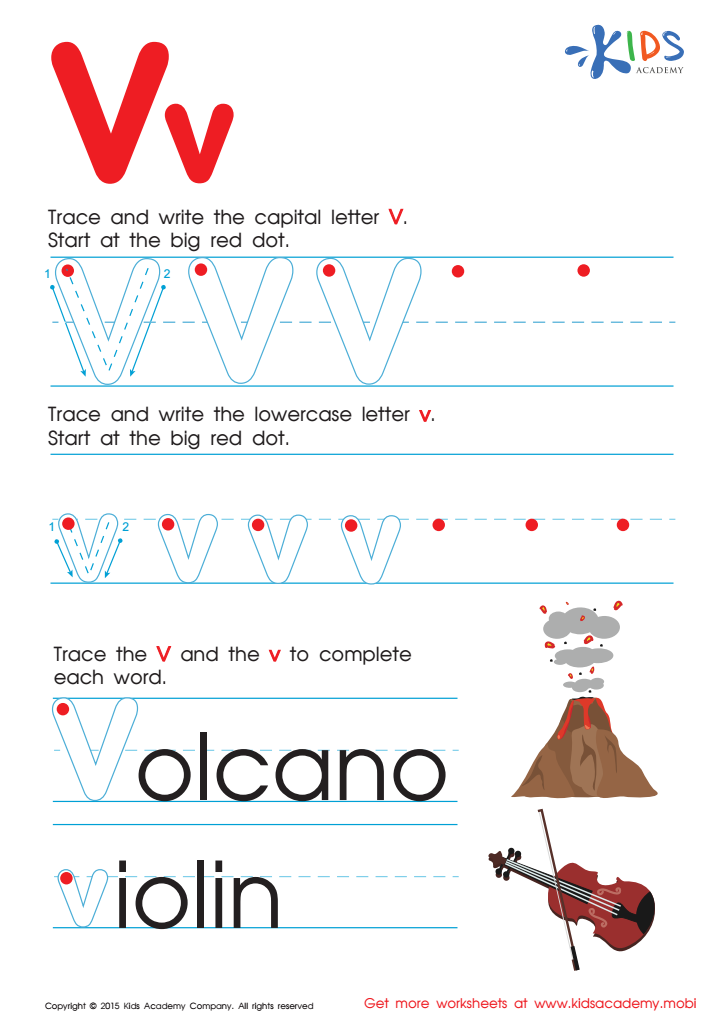
Letter V Tracing Page
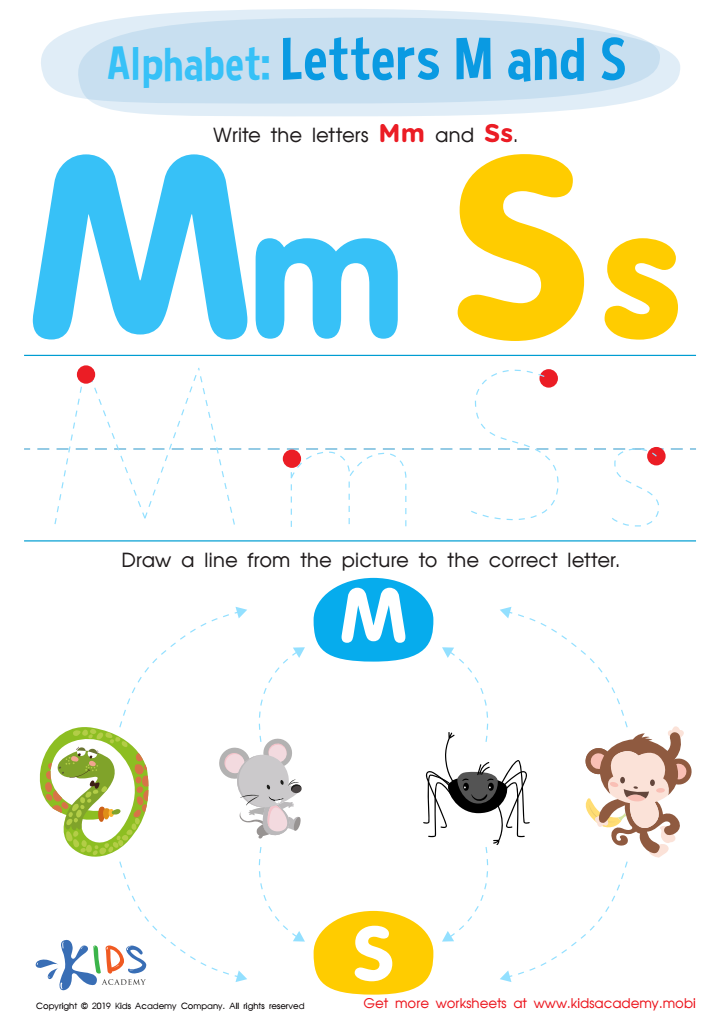
Letters M and S Tracing Worksheet
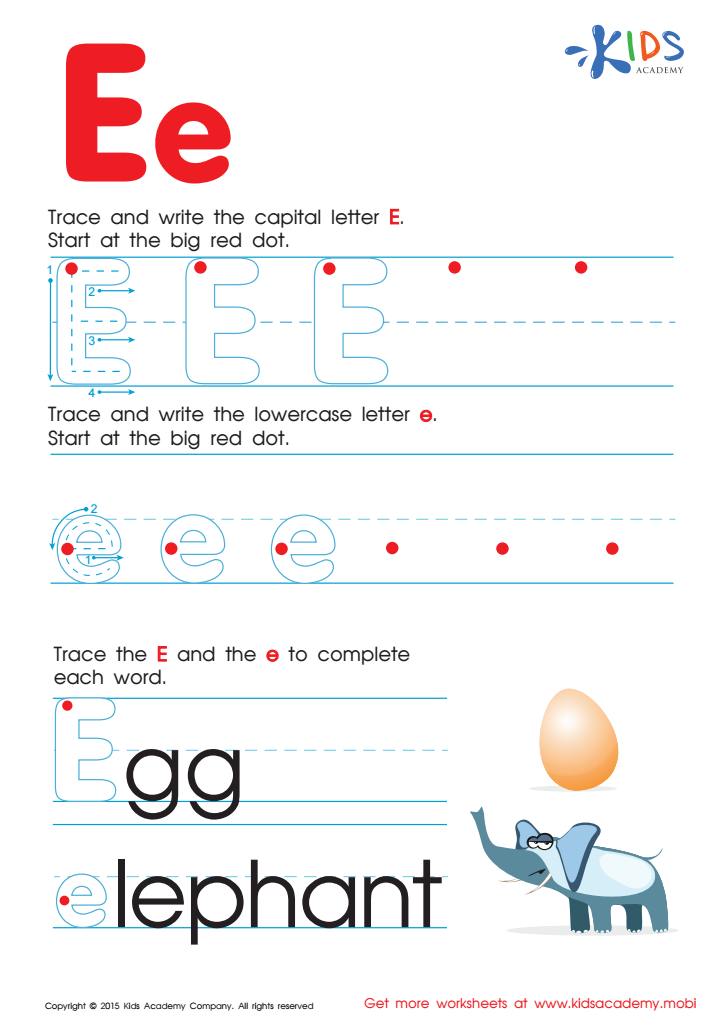
Letter E Tracing Page
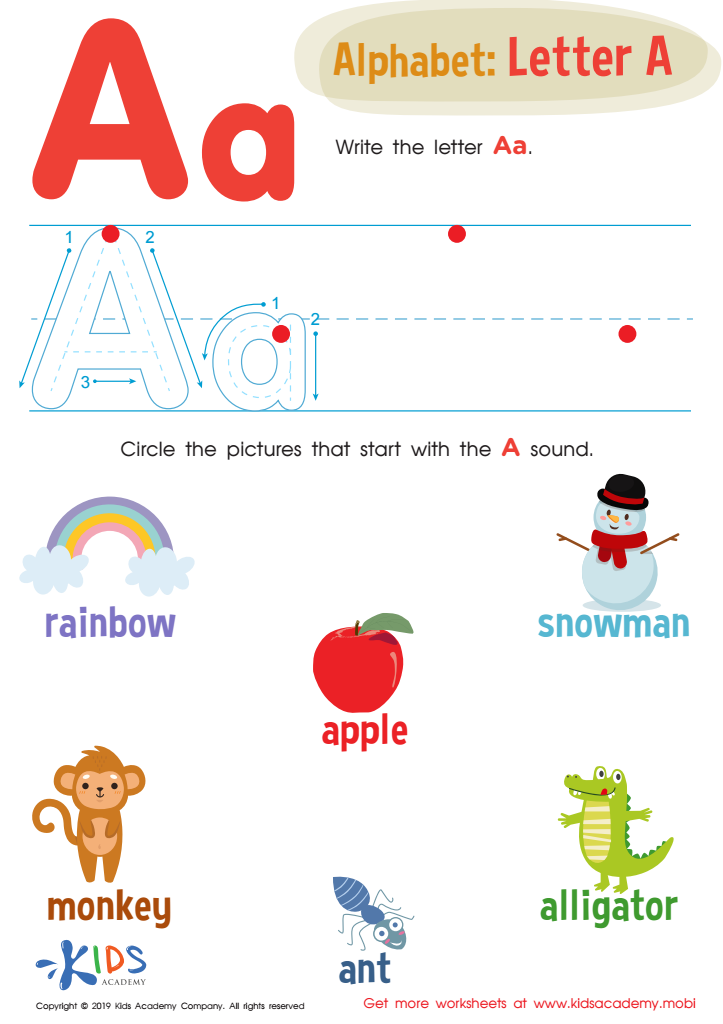
Letter A Tracing Worksheet
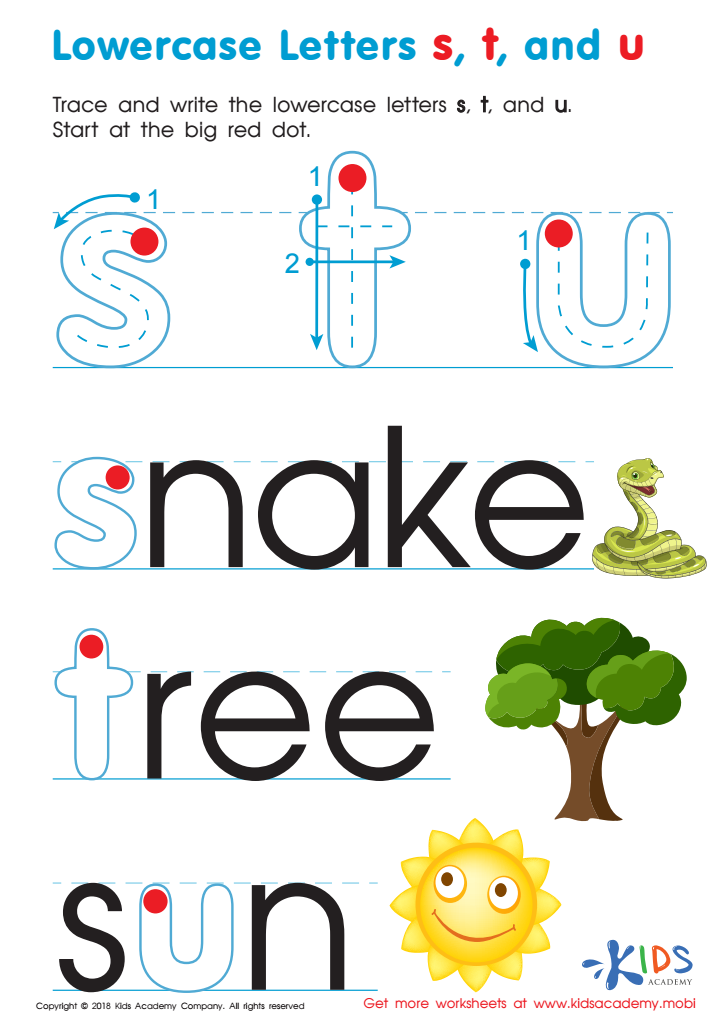
Lowercase Letters s t u Worksheet
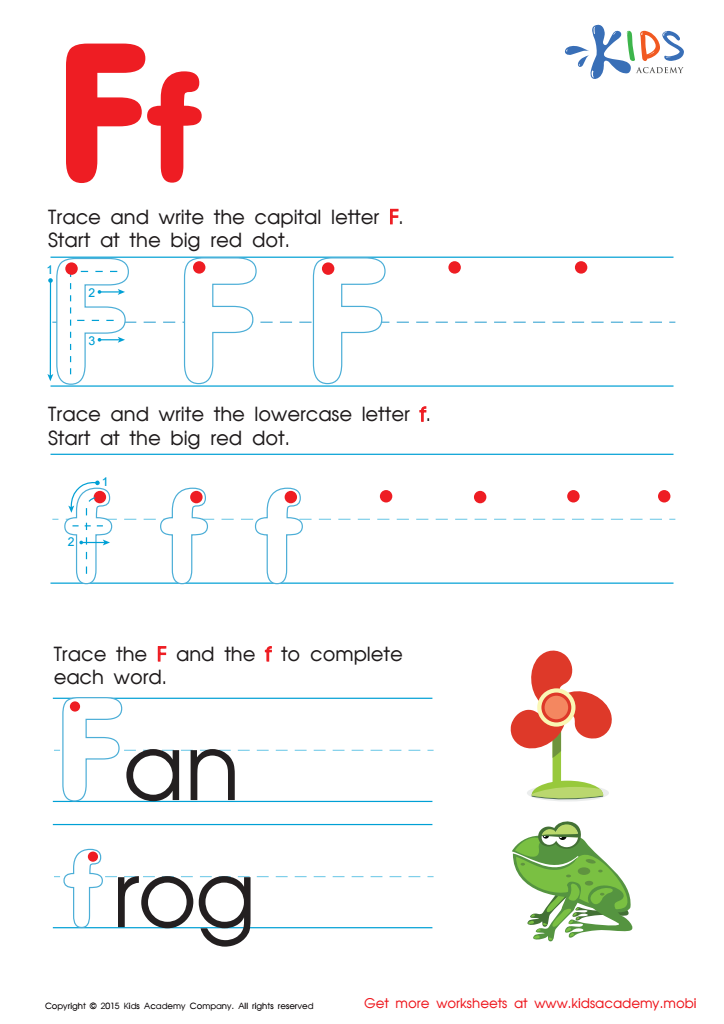
Letter F Tracing Page

Uppercase Letters Y Z Worksheet
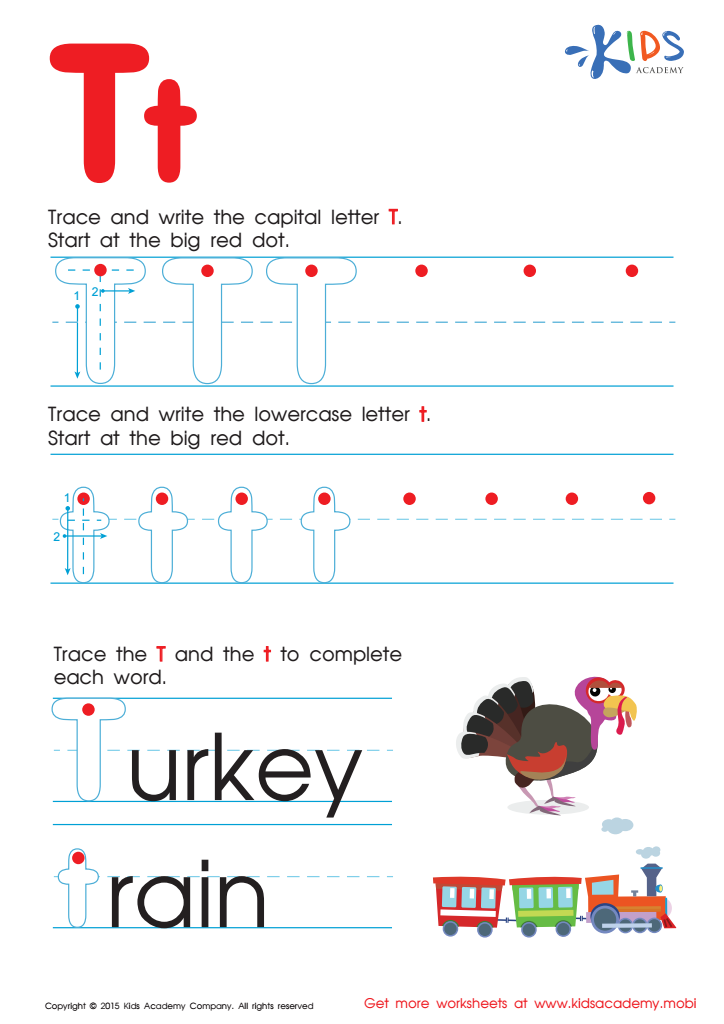
Letter T Tracing Page

Letter D Tracing Page








Fine motor skills are crucial for young children's development, especially during the ages of 3 to 6 when they are laying the foundation for later learning. Tracing letters not only helps children develop precision in their hand movements but also enhances their hand-eye coordination and dexterity. These skills are pivotal for a variety of daily tasks, such as writing, buttoning shirts, and using utensils.
Moreover, tracing letters provides a playful way to introduce literacy concepts. As children engage in this activity, they become more familiar with letter shapes and sounds, fostering early reading and writing readiness. It integrates sensory perception, allowing them to feel the letters while reinforcing memory.
For parents and teachers, encouraging fine motor skill development through tracing helps ensure that children are prepared to meet academic challenges. It fosters a sense of accomplishment, boosting self-esteem and a positive attitude towards learning. Additionally, these early interactions create a strong parent-child or teacher-student bond, setting a positive tone for educational growth. Ultimately, investing in fine motor skills through activities like tracing letters offers long-term benefits for children's literacy and overall cognitive development, making it an essential focus in early education.








