Alphabet Recognition Worksheets for Ages 3-6 - Page 3
68 filtered results
-
From - To
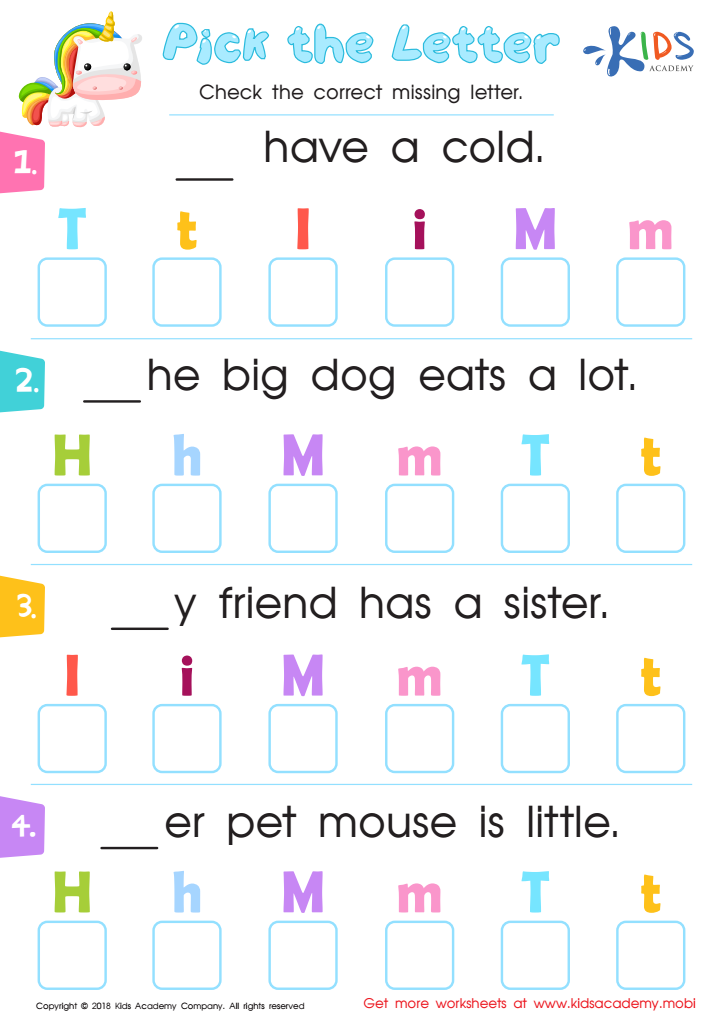
Pick the Letter Worksheet
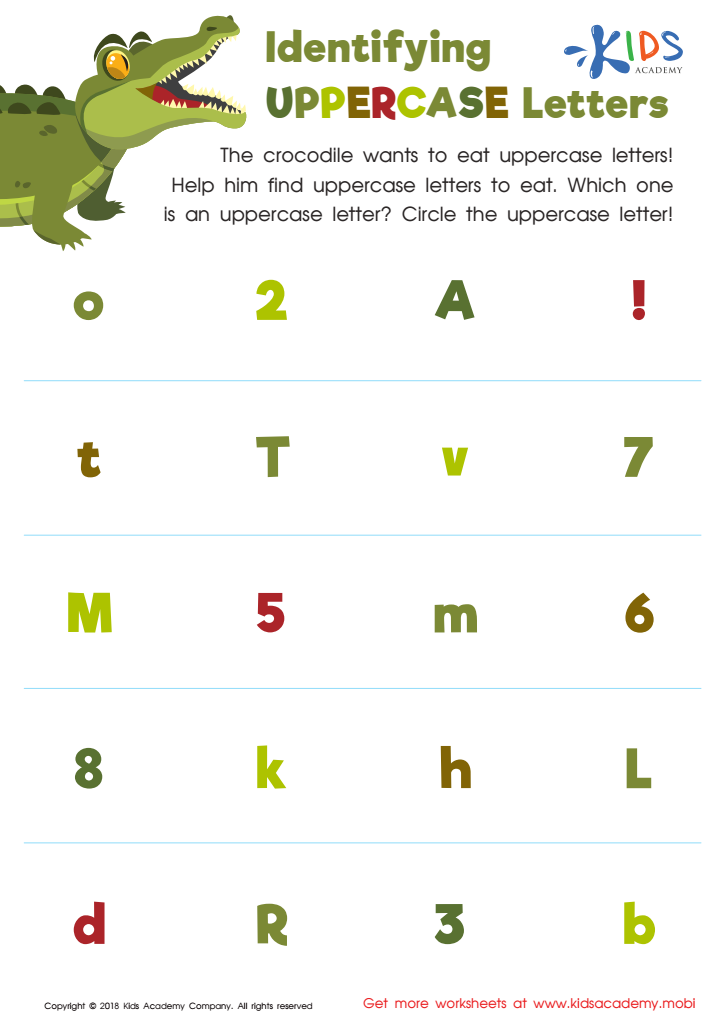
Identifying Uppercase Letters Worksheet
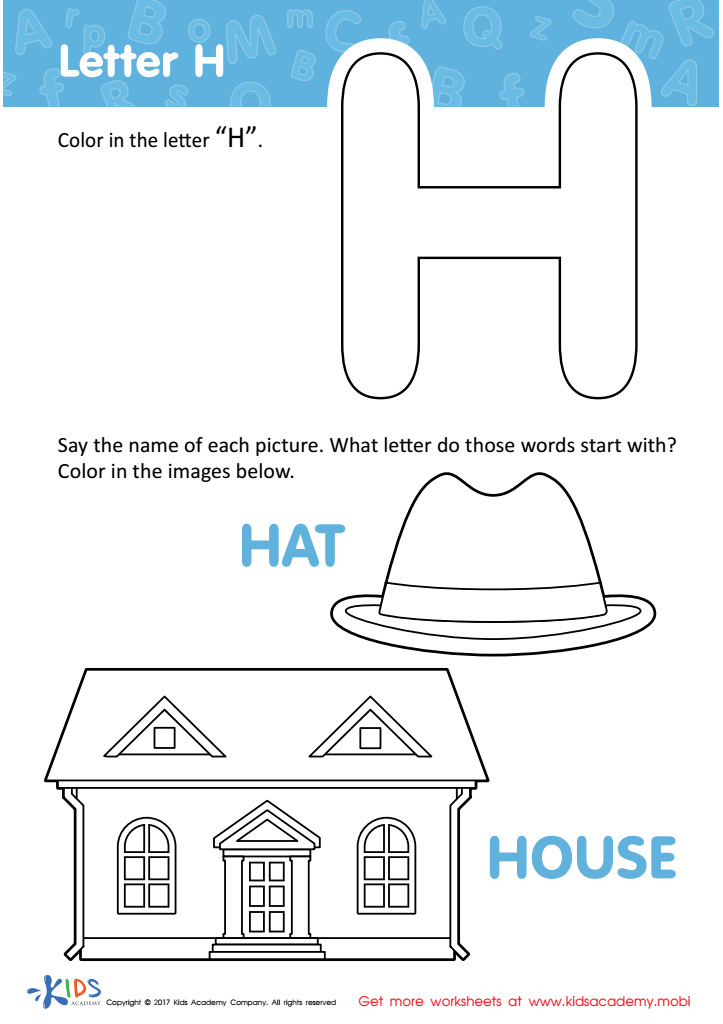
Letter H Coloring Sheet
 Assign to My Students
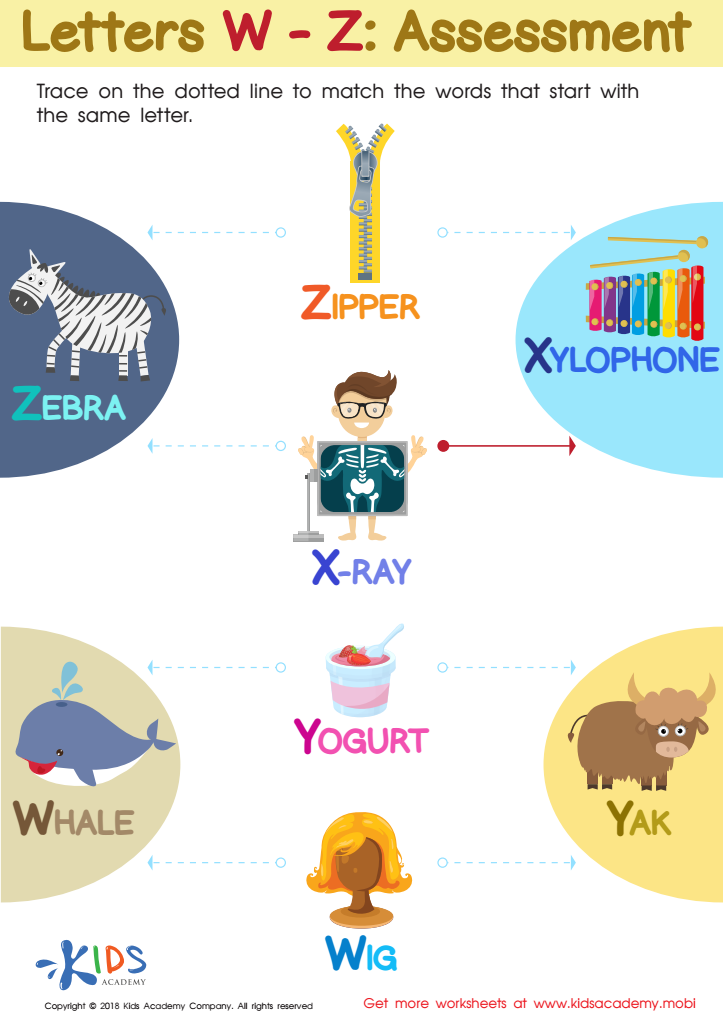
Letters W–Z Tracing Worksheet
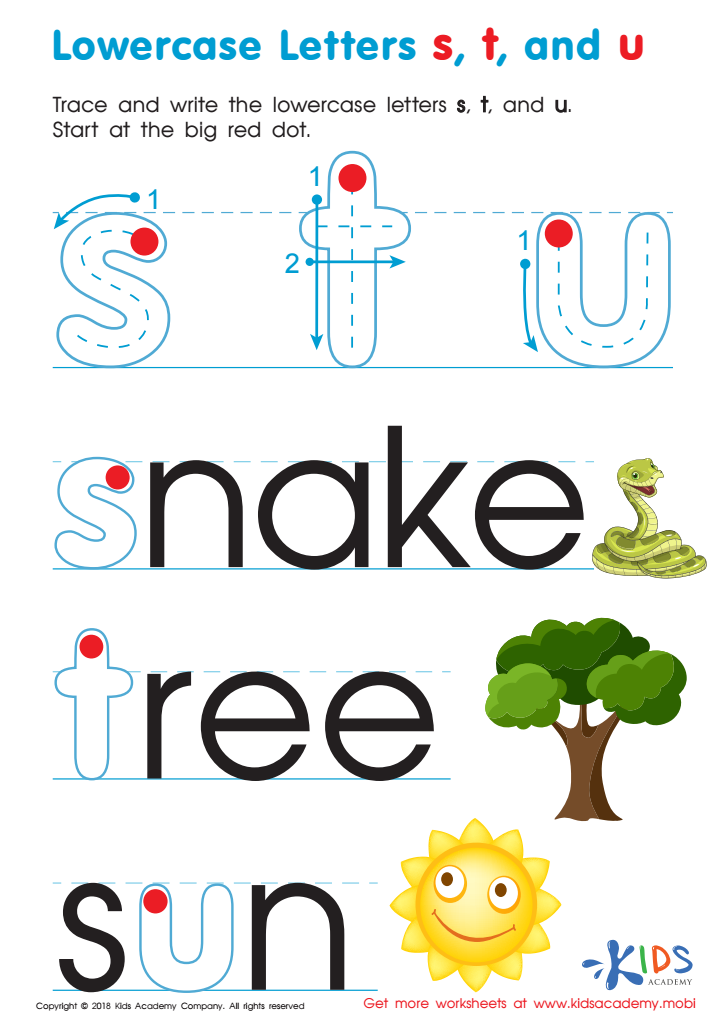
Lowercase Letters s t u Worksheet
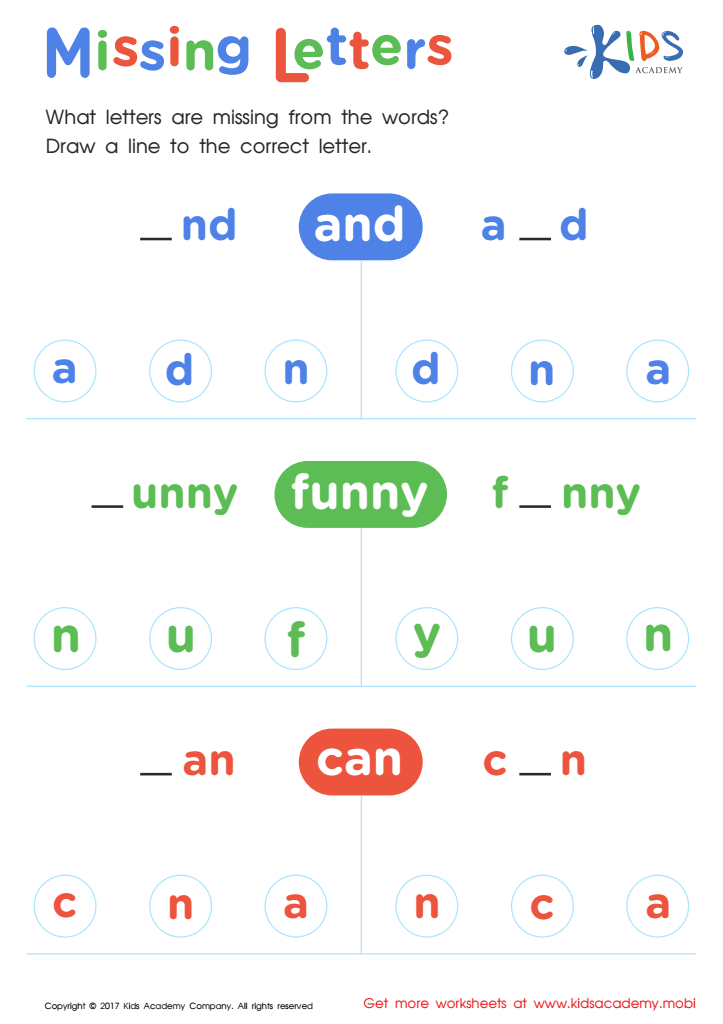
Missing Letters Worksheet
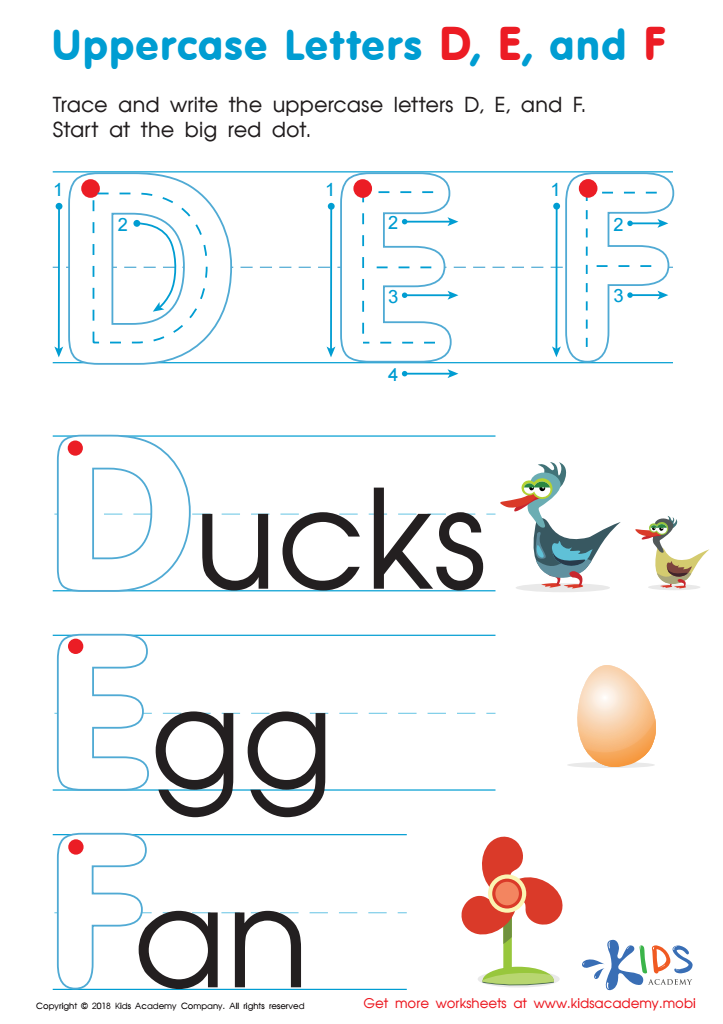
Uppercase Letters D, E, and F Worksheet
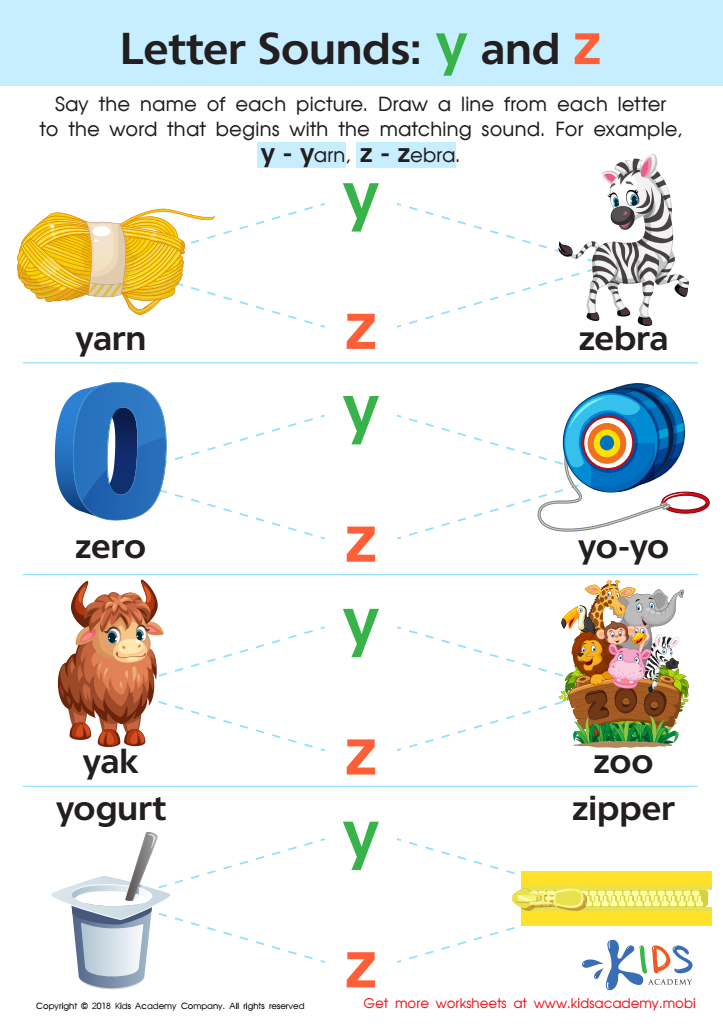
Letter Y and Z Sounds Worksheet
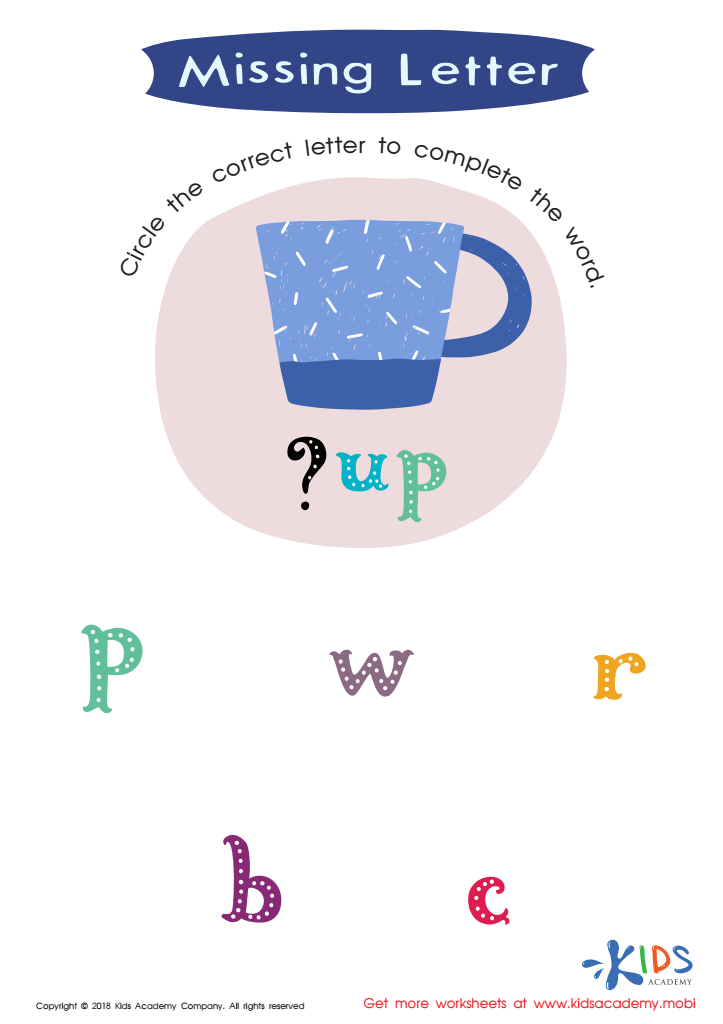
Missing Letter Worksheet
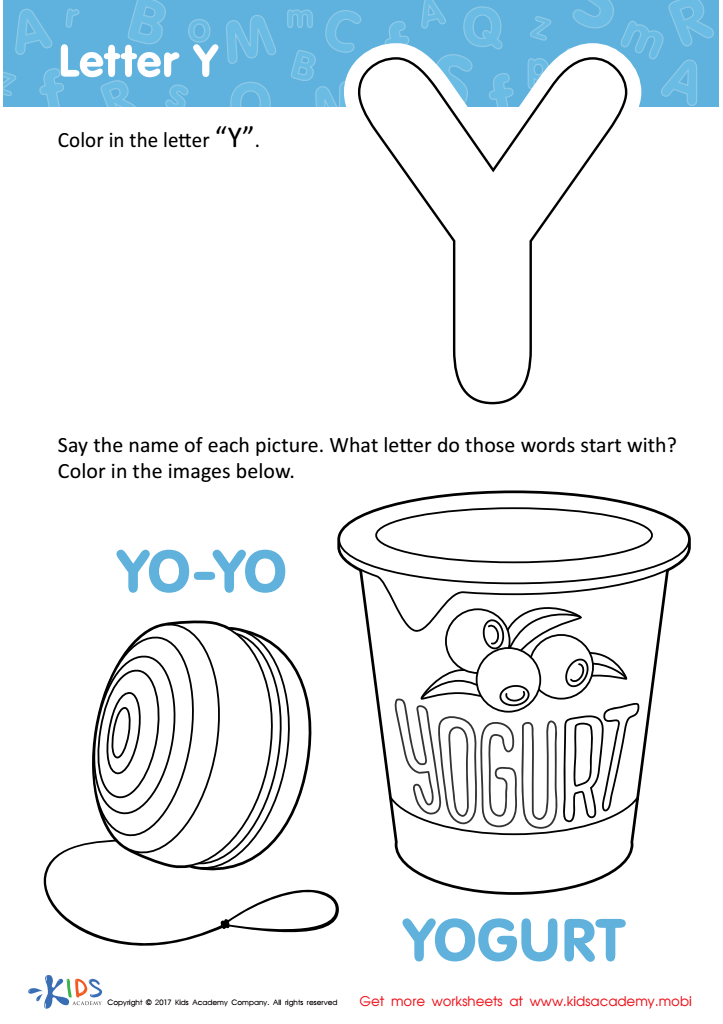
Letter Y Coloring Sheet
Assign to My Students
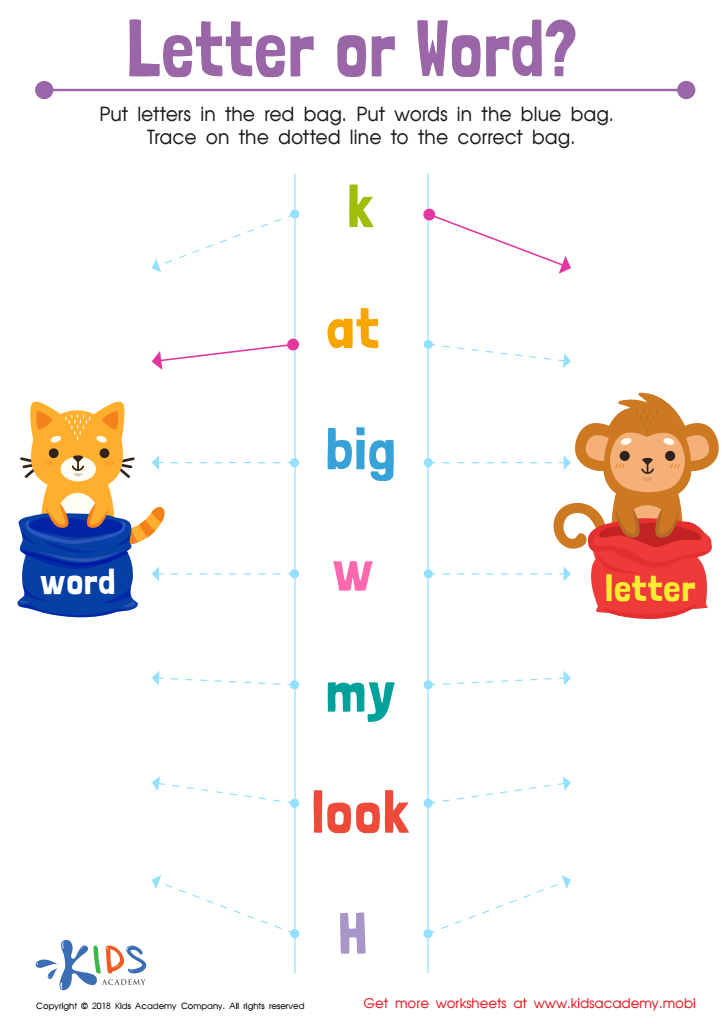
Letter or Word? Worksheet
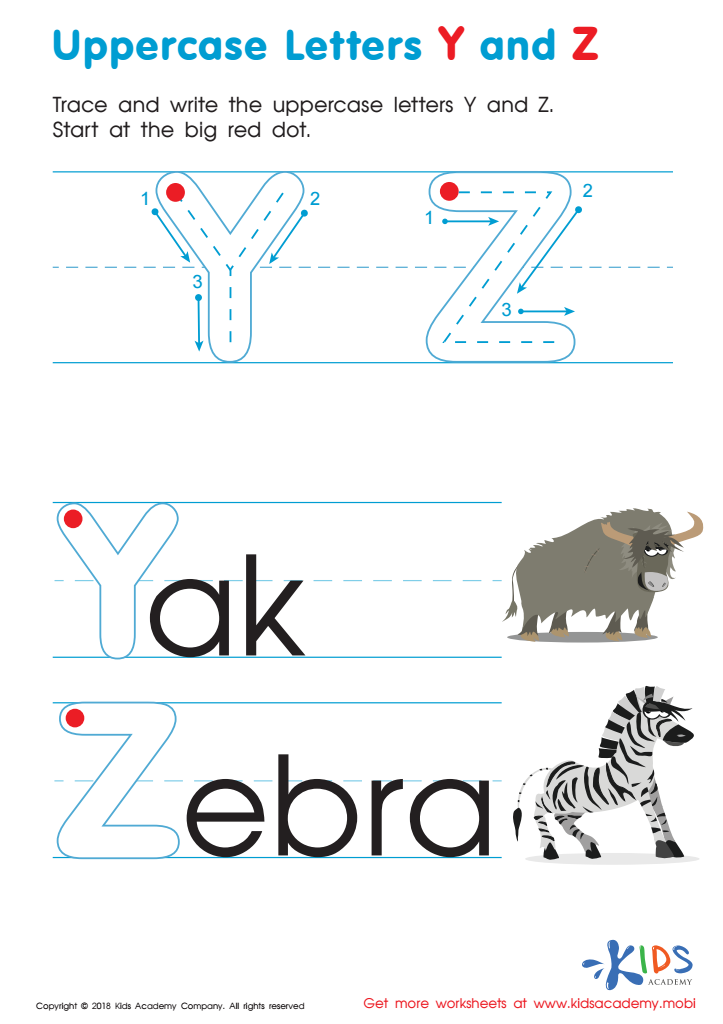
Uppercase Letters Y Z Worksheet
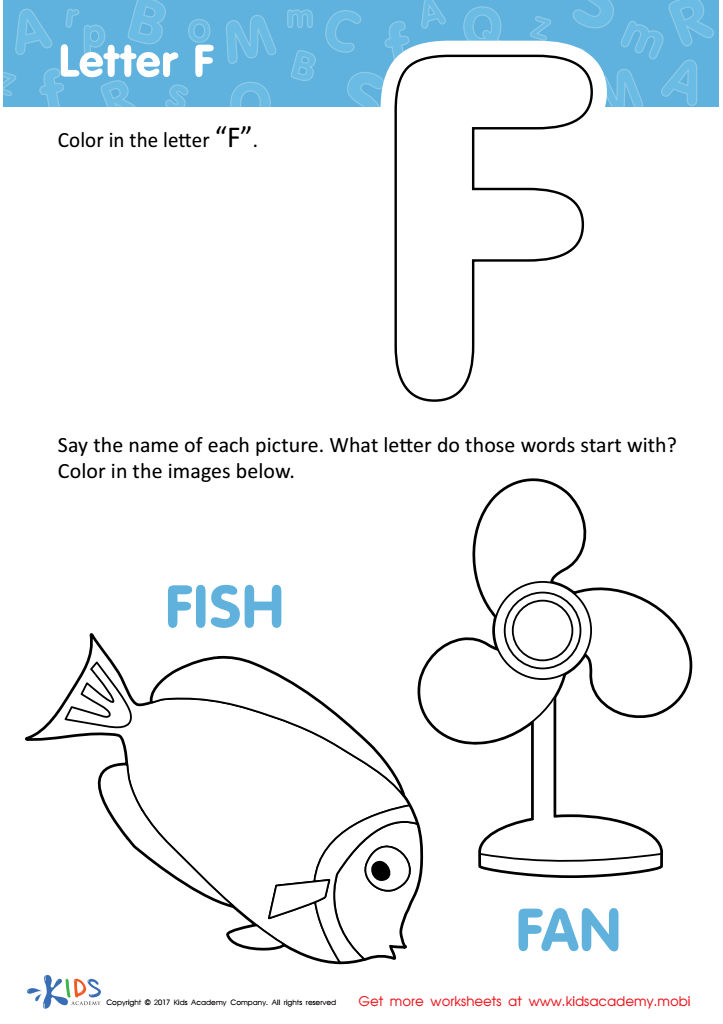
Letter F Coloring Sheet
Assign to My Students
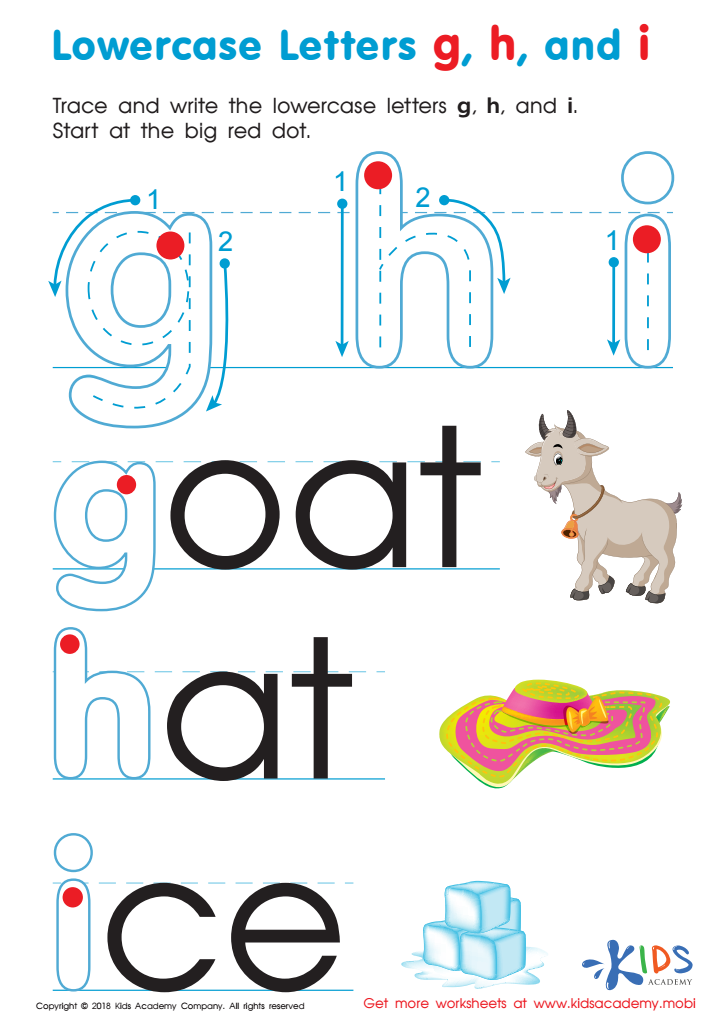
Lowercase Letters g h i Worksheet
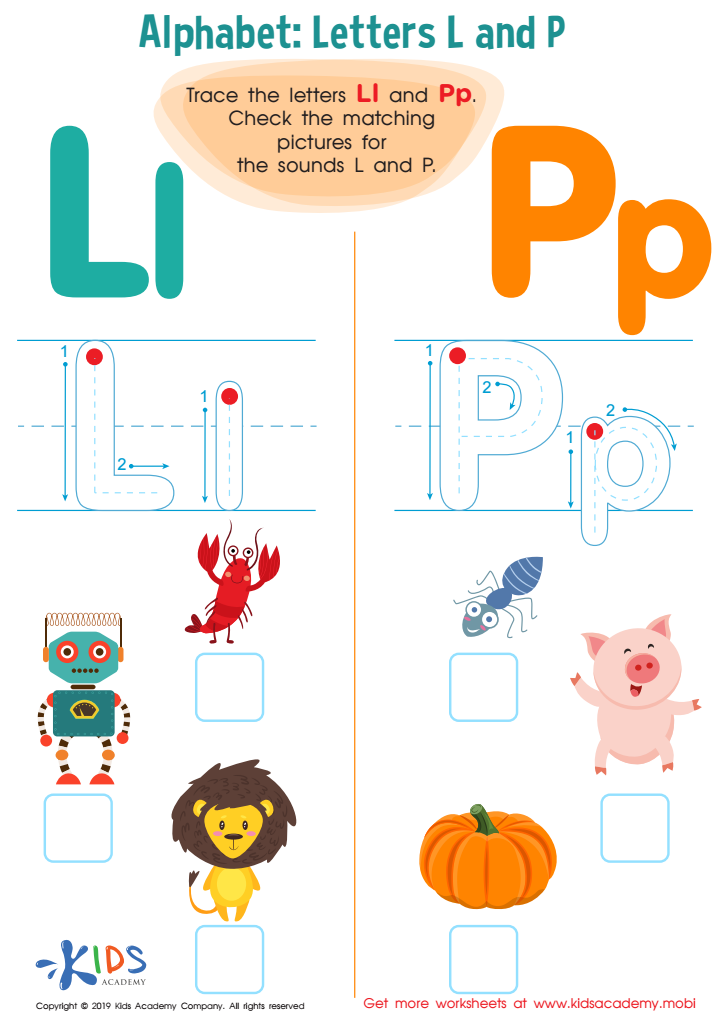
Letter L and P Tracing Worksheet
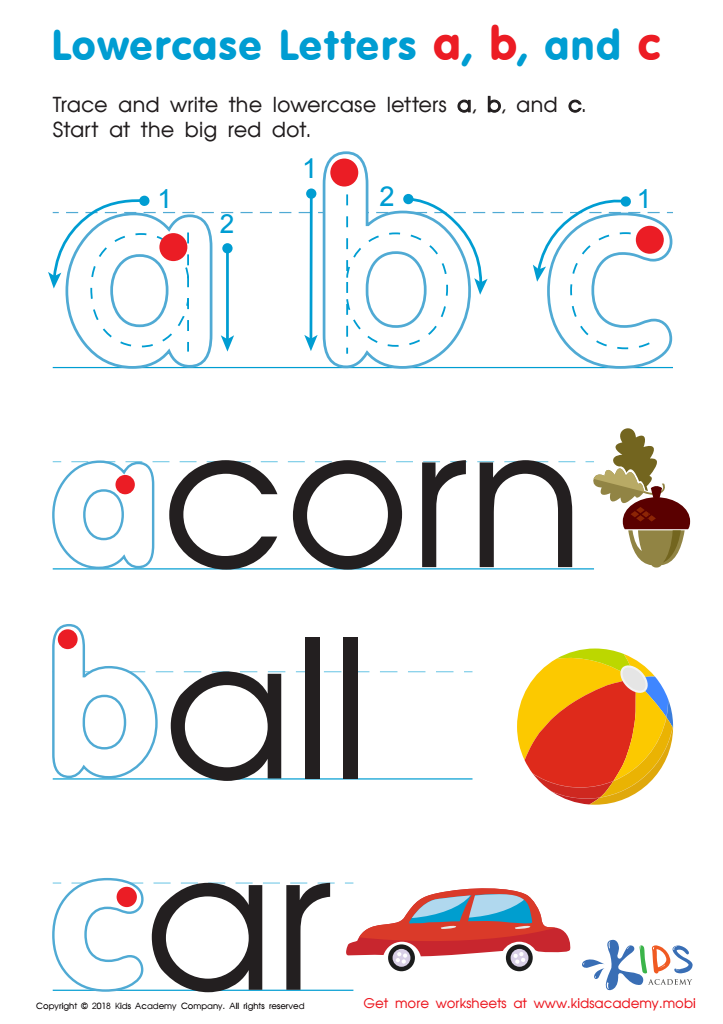
Lowercase Letters a b c Worksheet
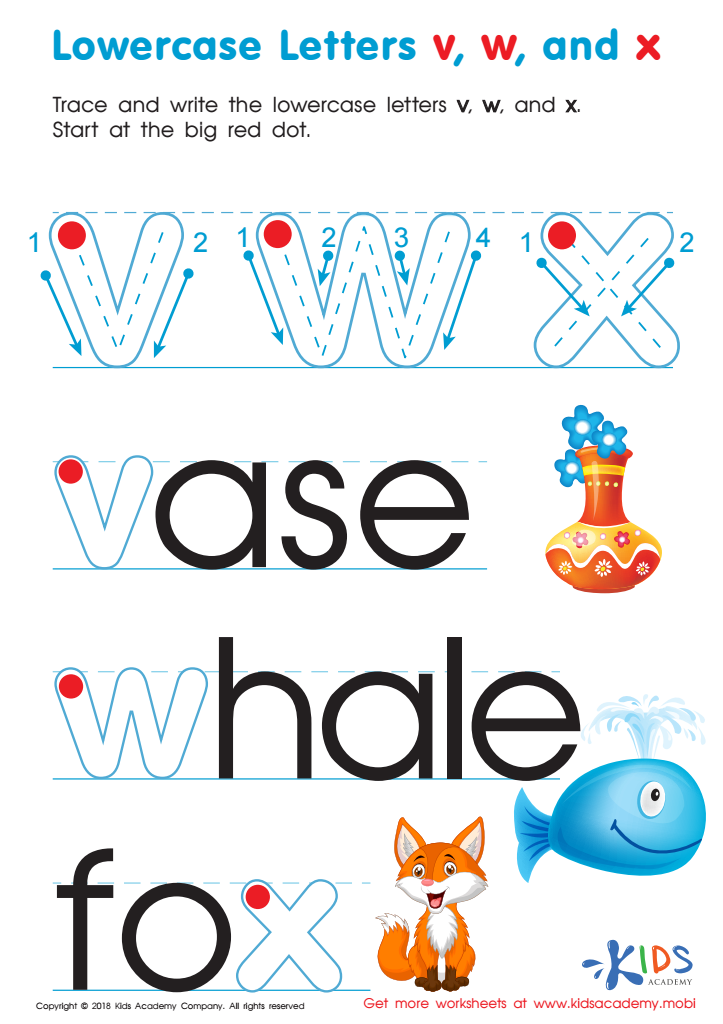
Lowercase Letters v w x Worksheet
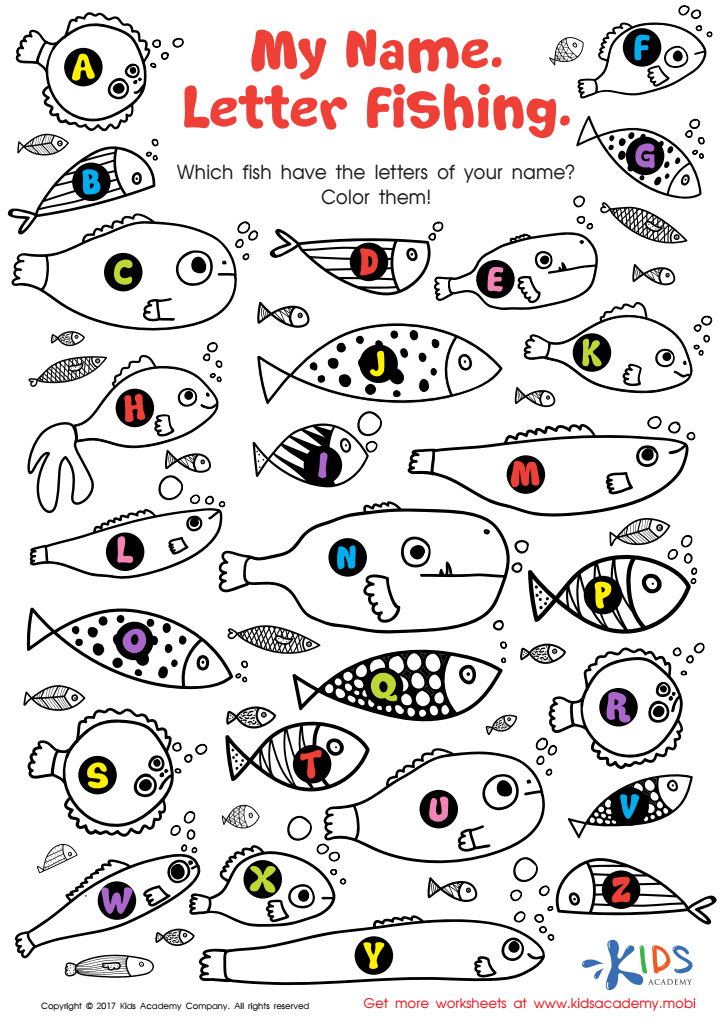
My Name: Letter Fishing Worksheet
Assign to My Students
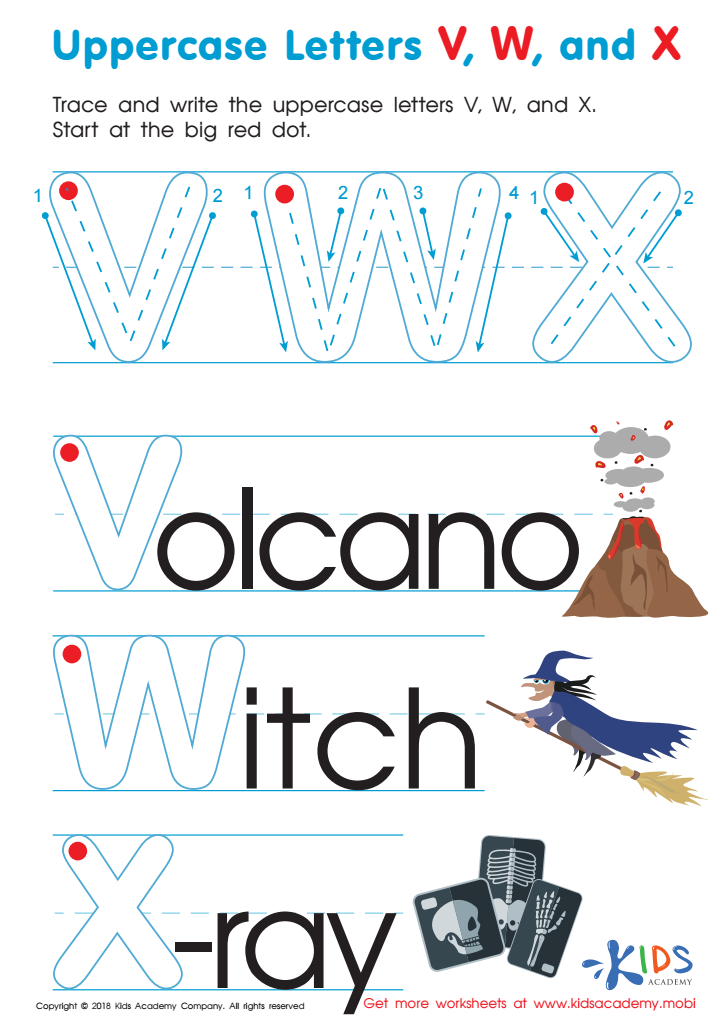
Uppercase Letters V, W, and X Worksheet
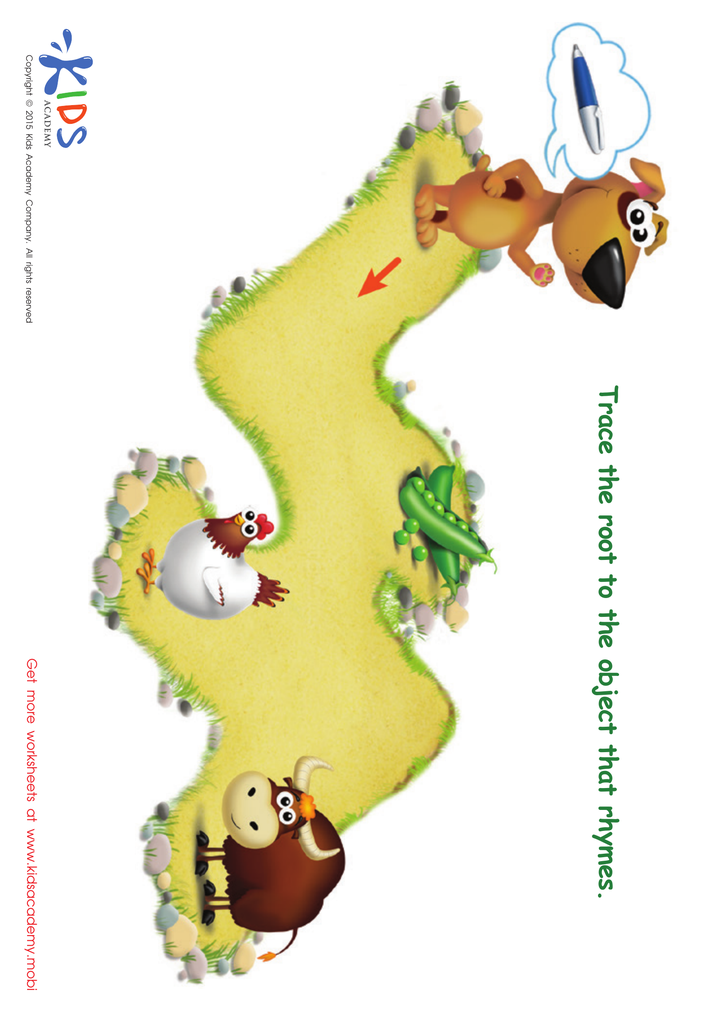
Pen Rhyming Words Worksheet







Alphabet recognition is a crucial foundational skill for children aged 3-6, as it serves as the building block for literacy development. During these formative years, children are naturally curious and eager to learn. Teaching them to recognize letters helps develop their phonemic awareness, which is key for reading and writing. When children can identify letters, they start to understand that letters represent sounds, enabling them to decode words.
For parents and teachers, fostering alphabet recognition is essential for several reasons. First, it promotes confidence in young learners as they begin to navigate the world of books and written language. Enjoying the process of identifying letters can spark a lifelong love for reading. Additionally, proper alphabet recognition skills can significantly affect a child’s academic performance in subsequent grades, as strong reading capabilities are linked to later success in various subjects.
Moreover, letter recognition encourages social interaction, whether through group activities or games. Working together with peers or parents provides valuable moments for bonding and collaboration. Therefore, prioritizing alphabet recognition in early education not only equips children with vital literacy skills but also nurtures their emotional and social growth. Investing in this early teaching can yield profound benefits for the child's overall educational journey.








