Counting practice Worksheets for Ages 3-6 - Page 3
320 filtered results
-
From - To
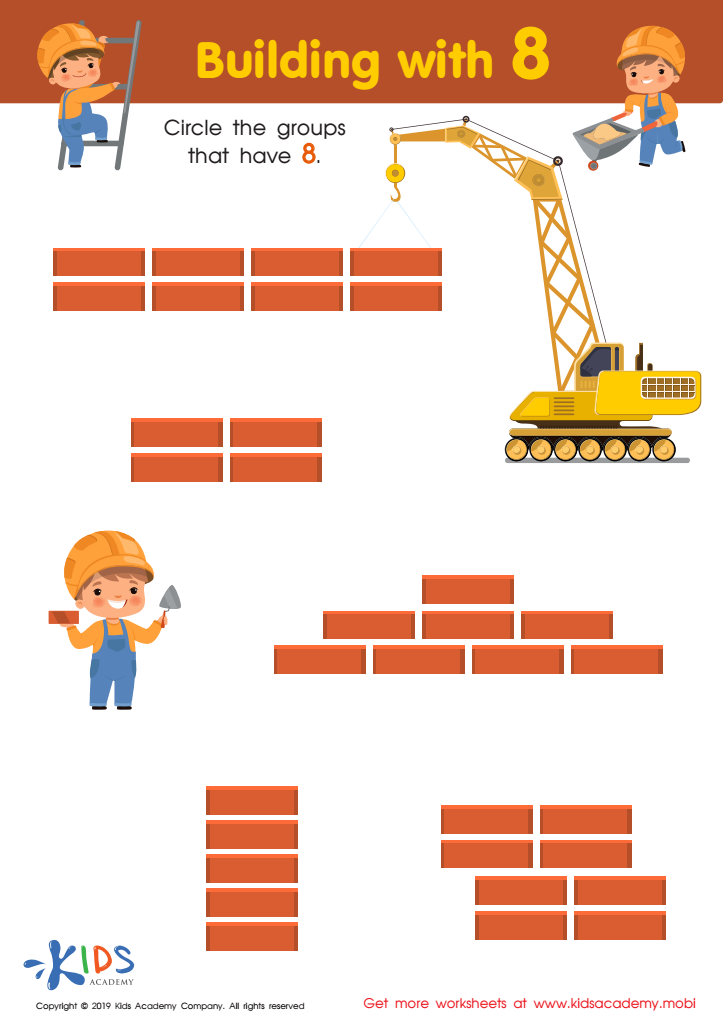
Building with 8 Worksheet
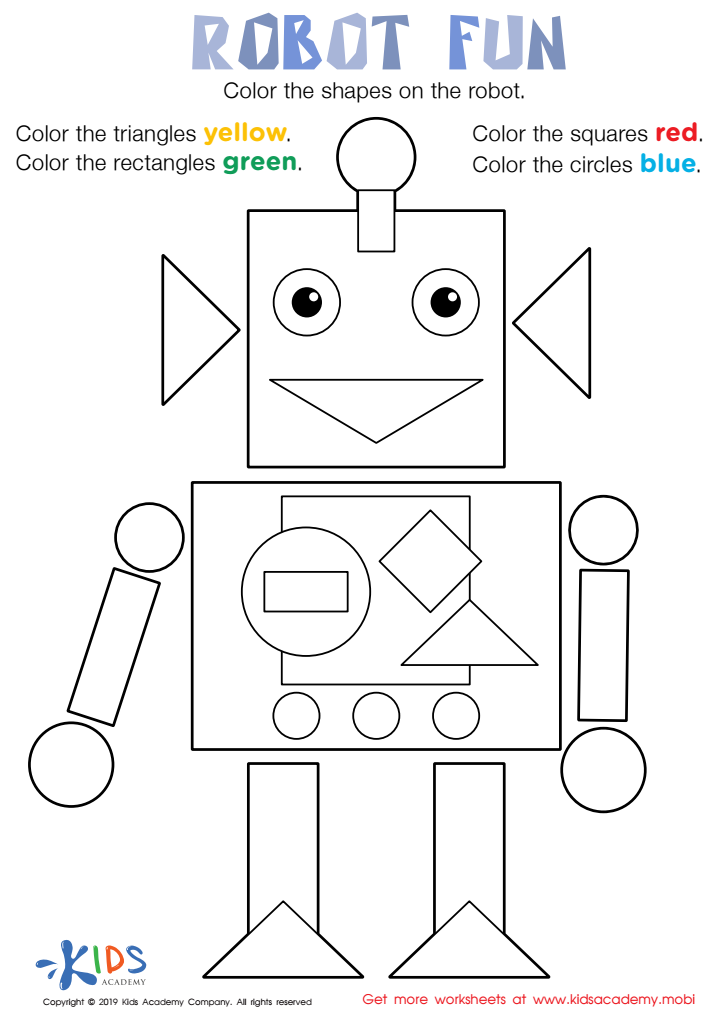
Robot Fun Worksheet
 Assign to My Students
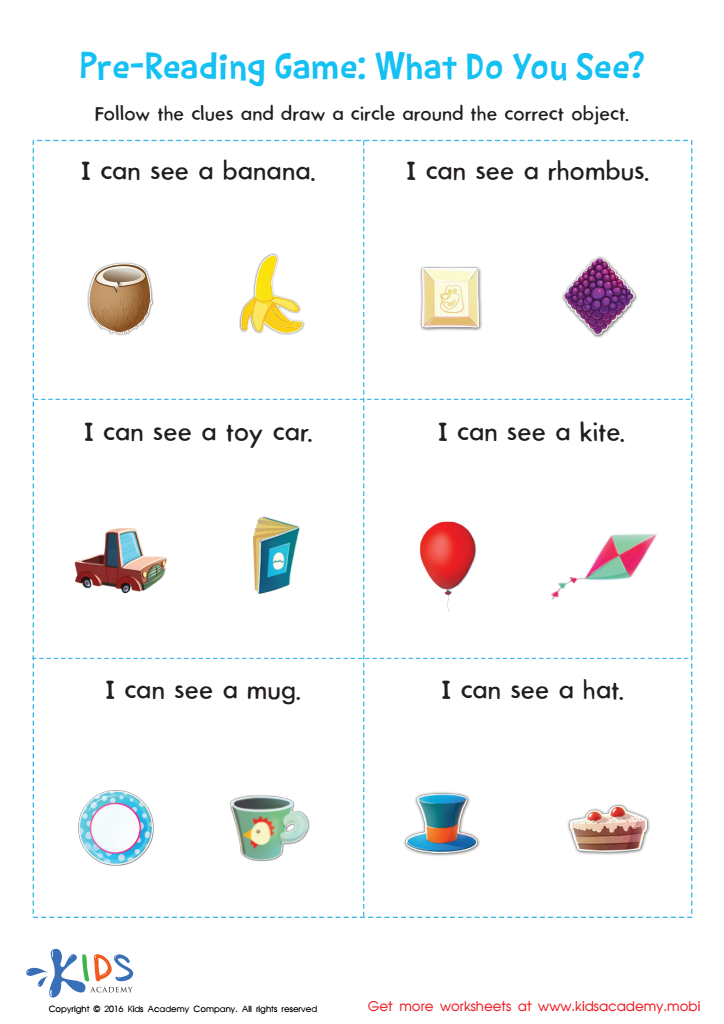
Pre–reading Worksheet: What Do You See?
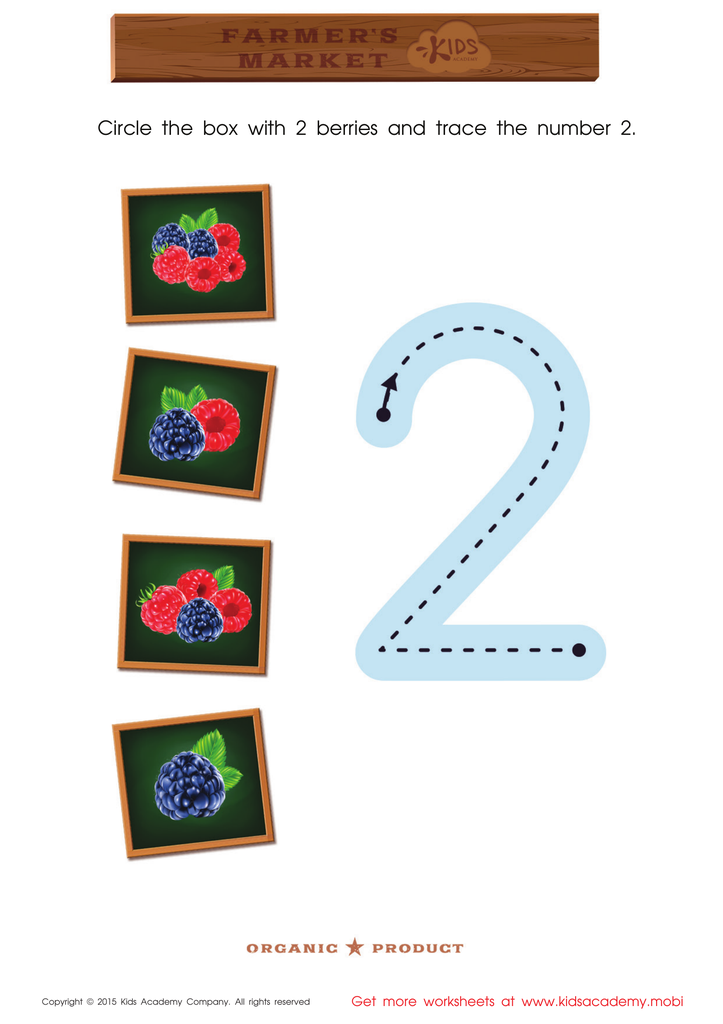
Count the Berries and Trace the Number 2 Printable
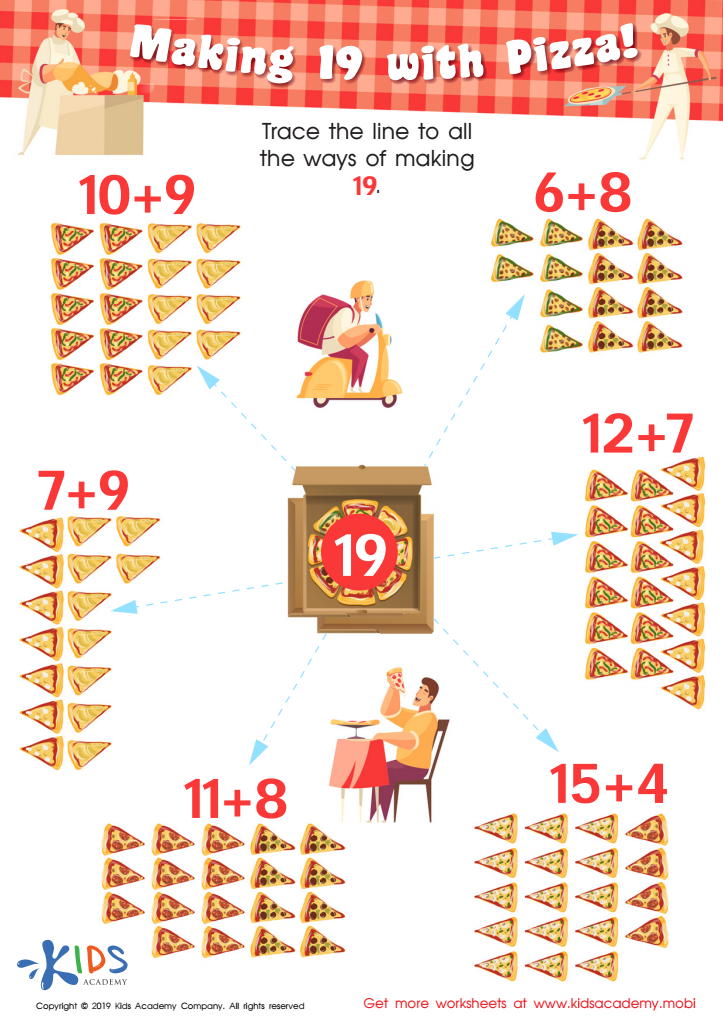
Making 19 with Pizza! Worksheet
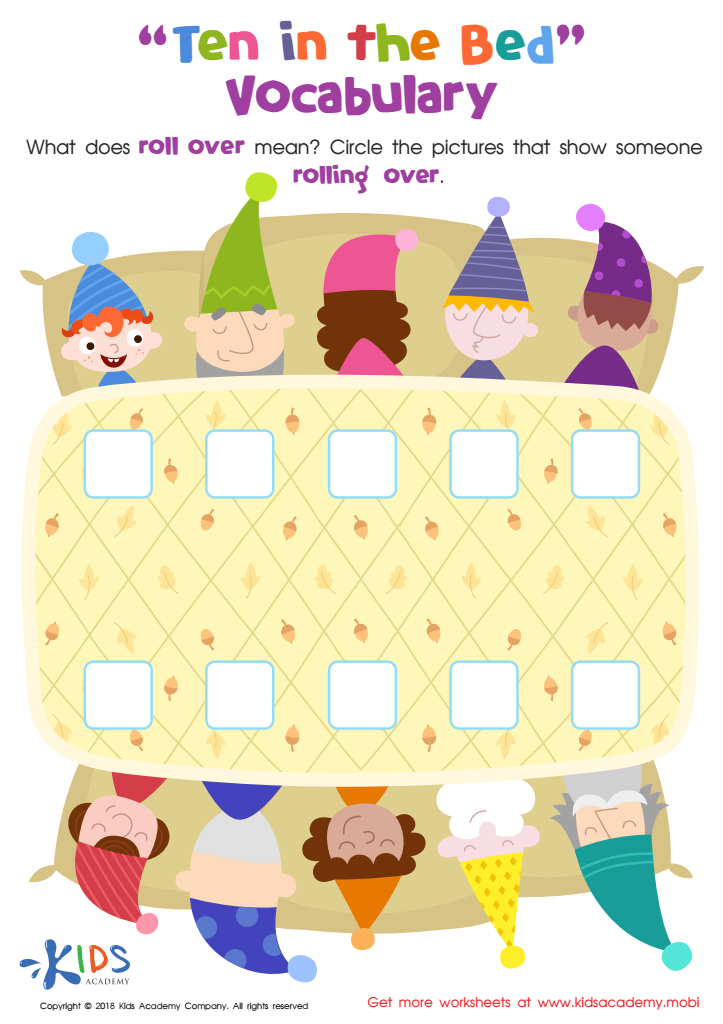
Ten in the Bed: Vocabulary Worksheet
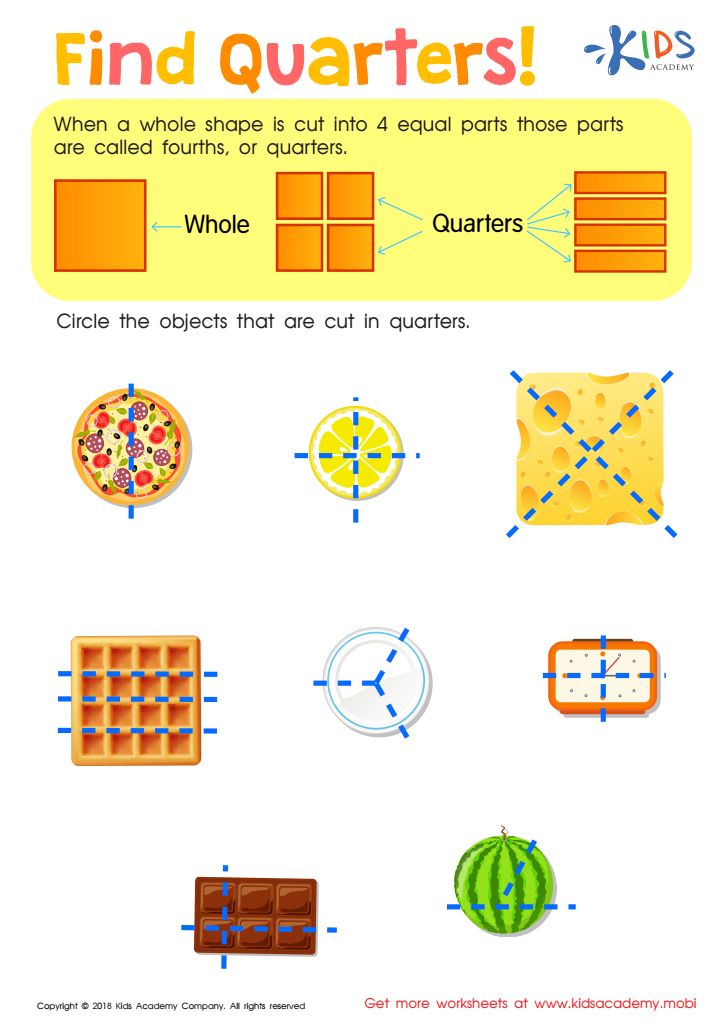
Find Quarters Worksheet
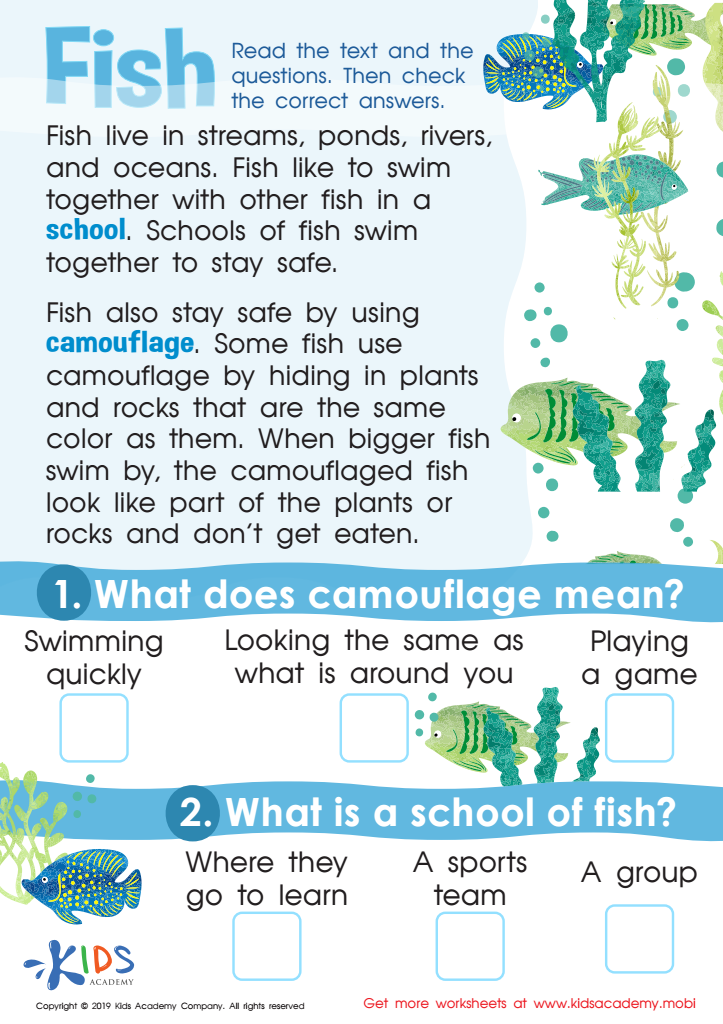
Fish Worksheet







%20(1).jpg)
Counting practice is crucial for children aged 3-6 as it lays the foundation for essential mathematical skills and cognitive development. During these formative years, children actively engage with their environments; counting enhances their understanding of numbers as they relate to the world around them. By practicing counting, children improve their numerical fluency, a skill that is vital for everyday life and academic success.
Additionally, counting helps develop critical thinking and cognitive skills. It enhances children's ability to classify, compare, and recognize patterns in their surroundings. When parents and teachers provide counting exercises, they enable kids to make connections between numbers and quantities, fostering a sense of order and logic.
Moreover, counting can be both fun and interactive. Activities such as counting objects, singing number songs, or playing games can make learning enjoyable, promoting a positive attitude towards mathematics from an early age. Engaging in counting practice also supports language development, as children learn to articulate numbers and understand concepts like "more" and "less."
Ultimately, emphasizing counting at this stage contributes to a child’s academic readiness and confidence, setting the groundwork for more complex mathematical concepts in the future. By nurturing these skills, parents and teachers play a pivotal role in fostering lifelong learning.








