Logical Reasoning Worksheets for Ages 3-6 - Page 2
48 filtered results
-
From - To
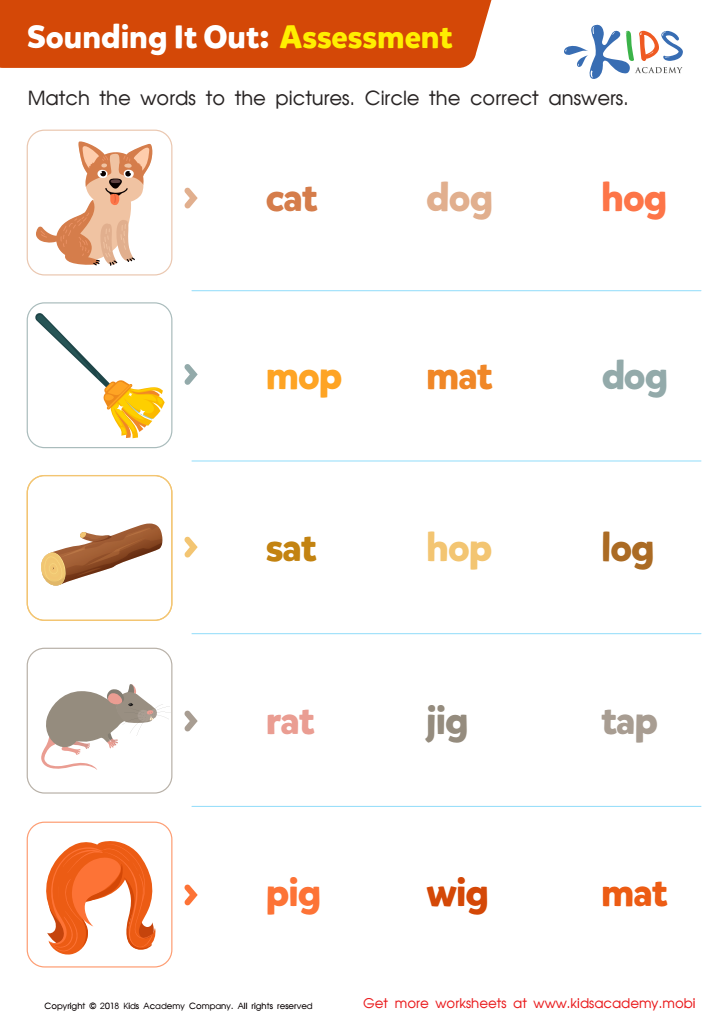
Sounding it Out: Assessment Worksheet
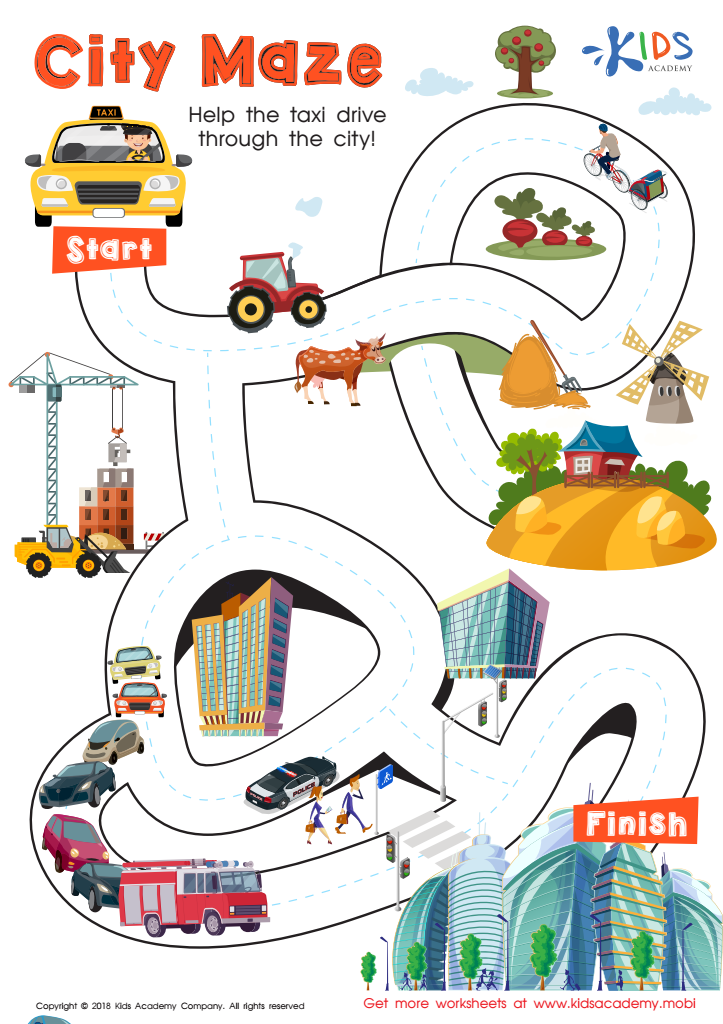
City Maze Worksheet
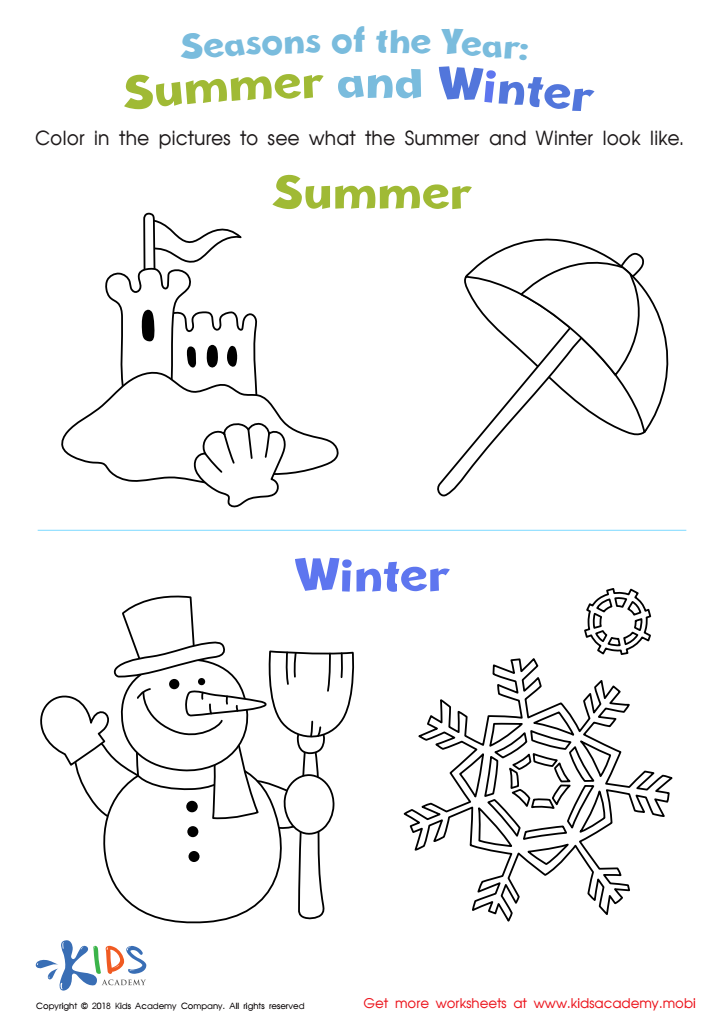
Summer and Winter Worksheet
 Assign to My Students
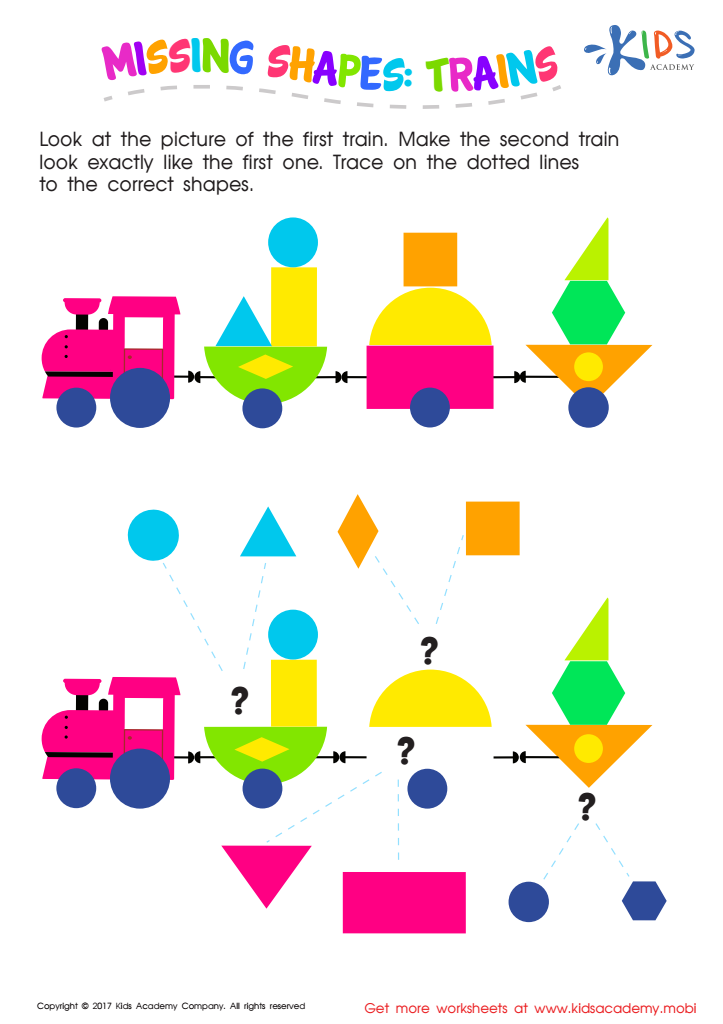
Missing Shapes: Trains Worksheet
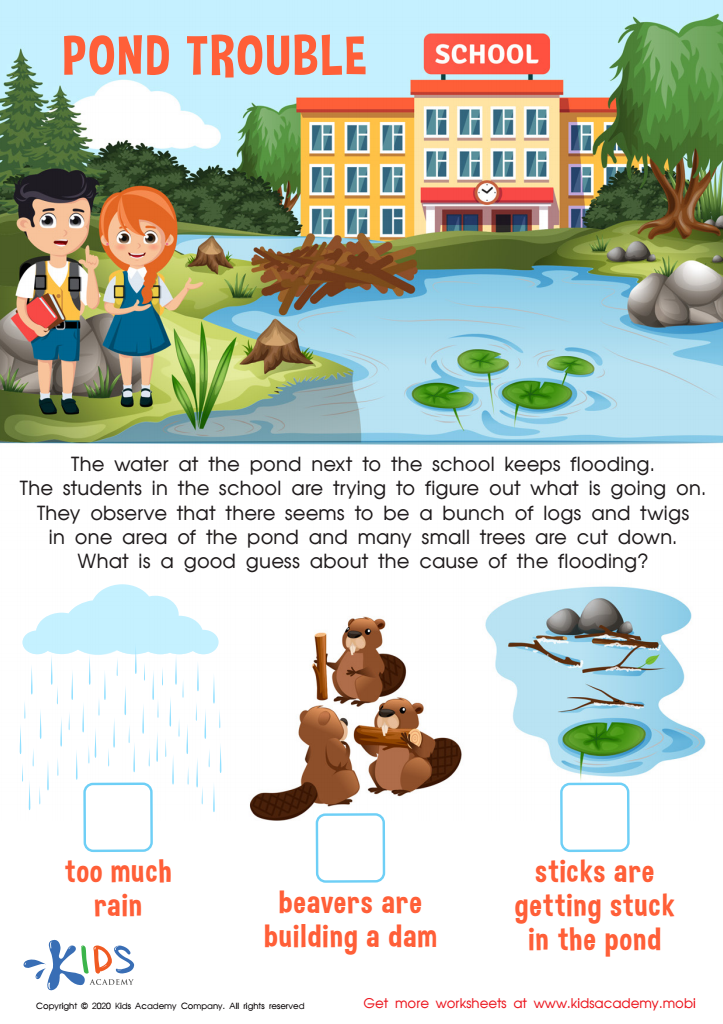
Pond Trouble Worksheet
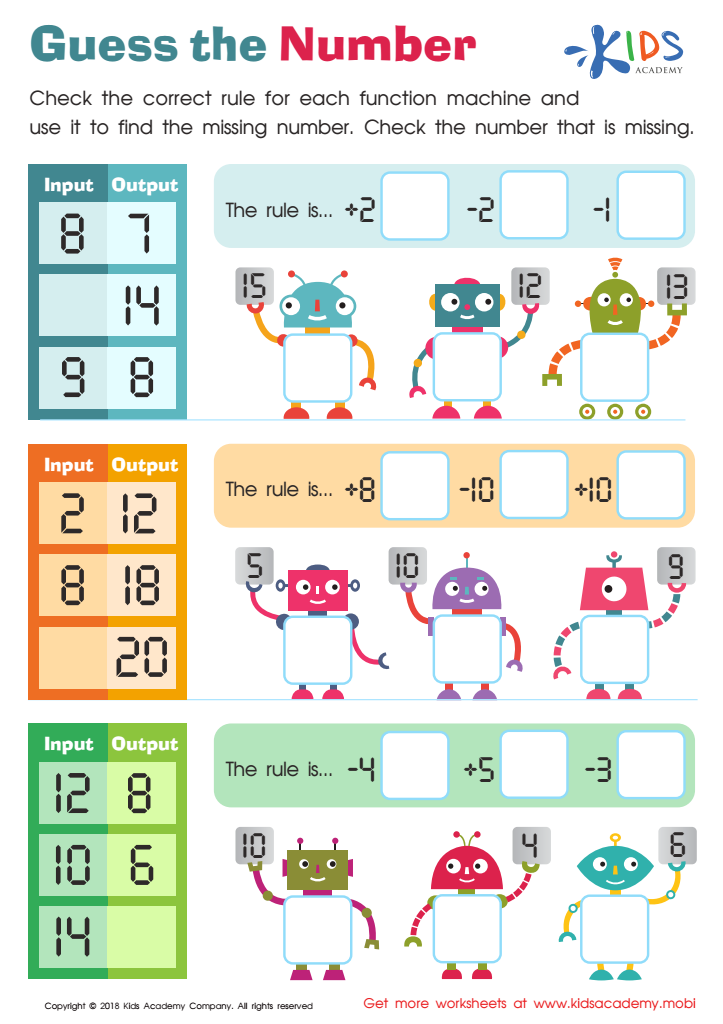
Guess the Number Worksheet
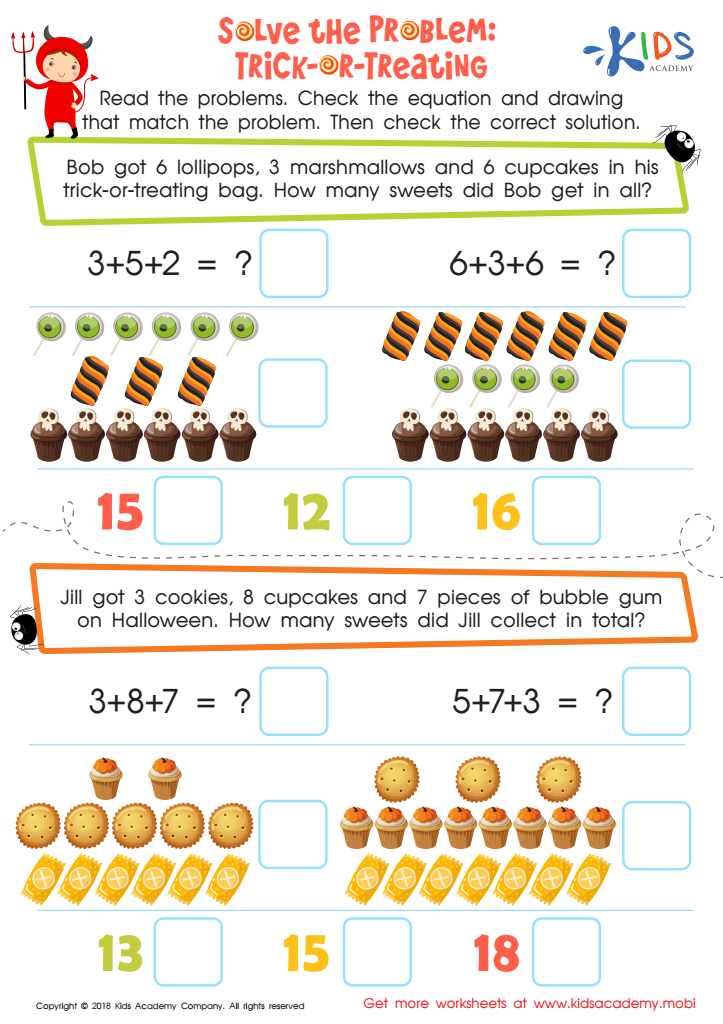
Solve the Problem: Trick–or–treating Worksheet
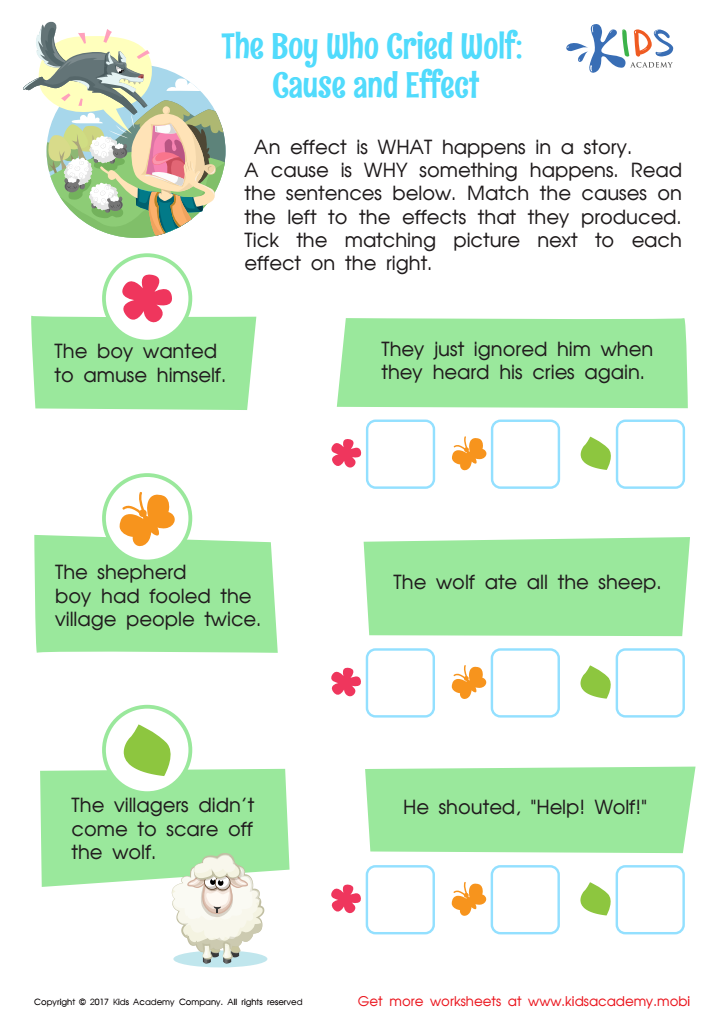
The Boy Who Cried Wolf: Cause and Effect Worksheet
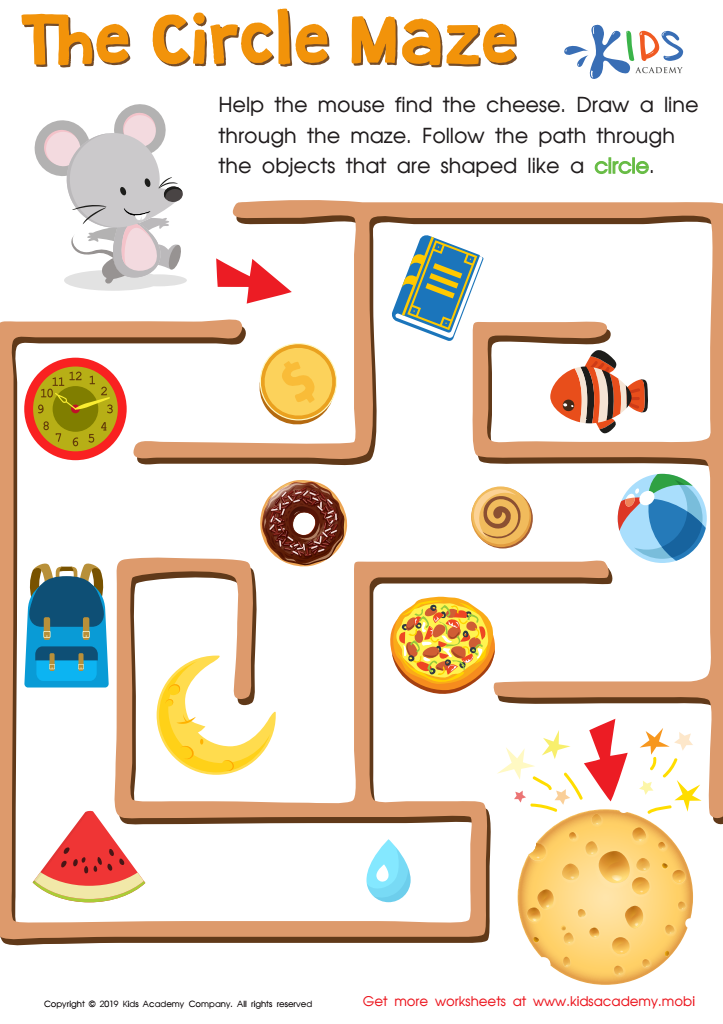
The Circle Maze Worksheet
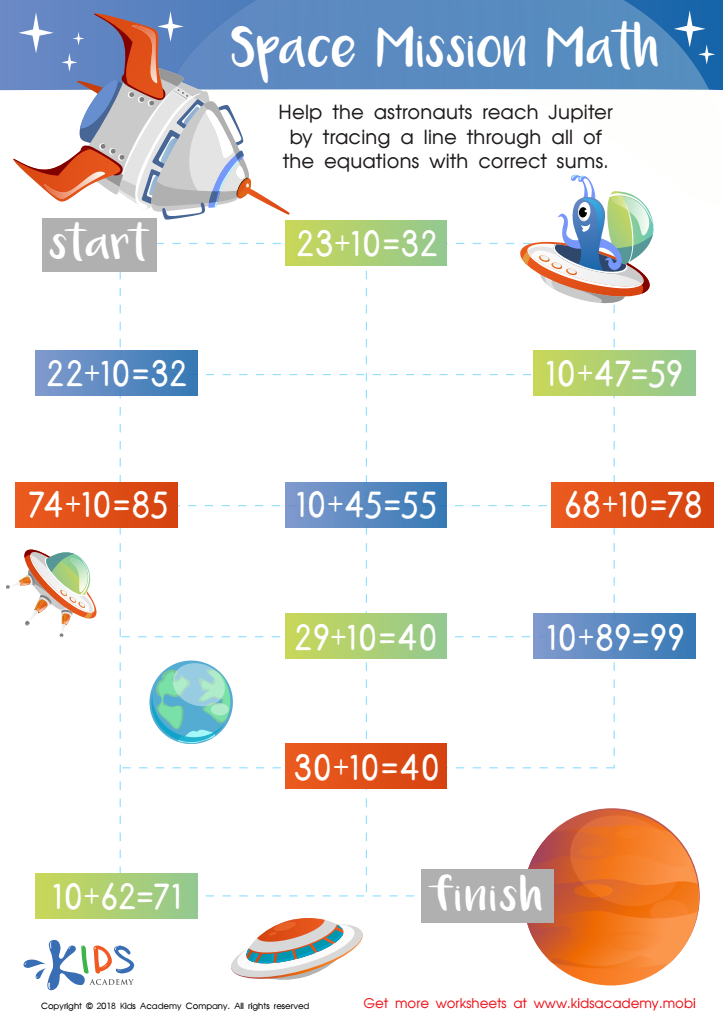
Space Mission Math Worksheet
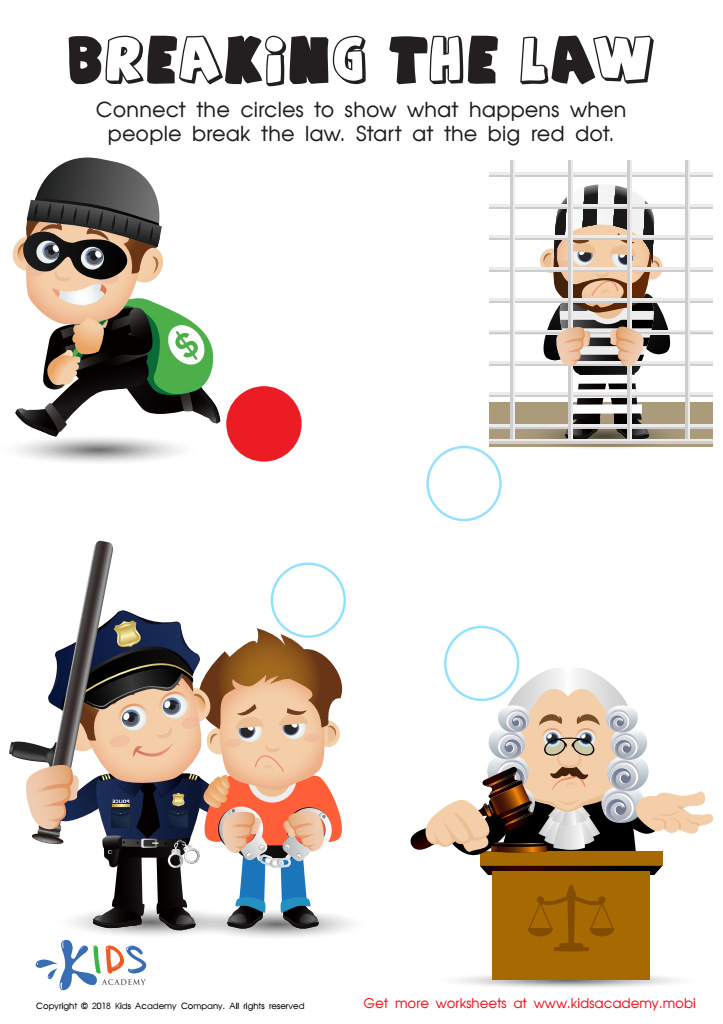
Breaking the Law Worksheet
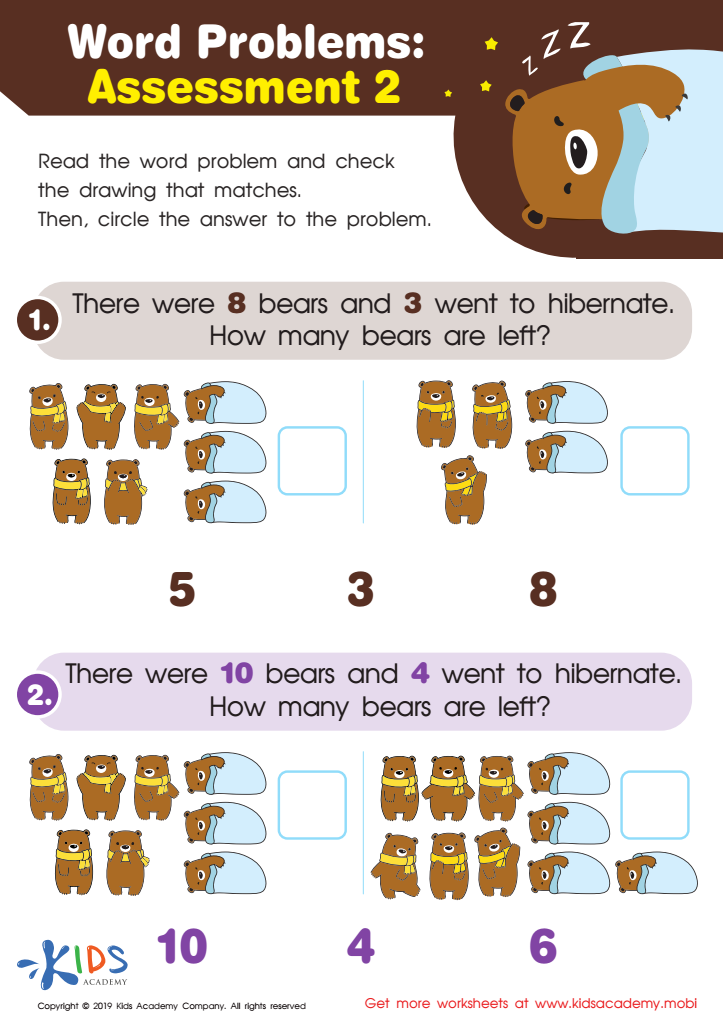
Word Problems: Assessment 2 Worksheet
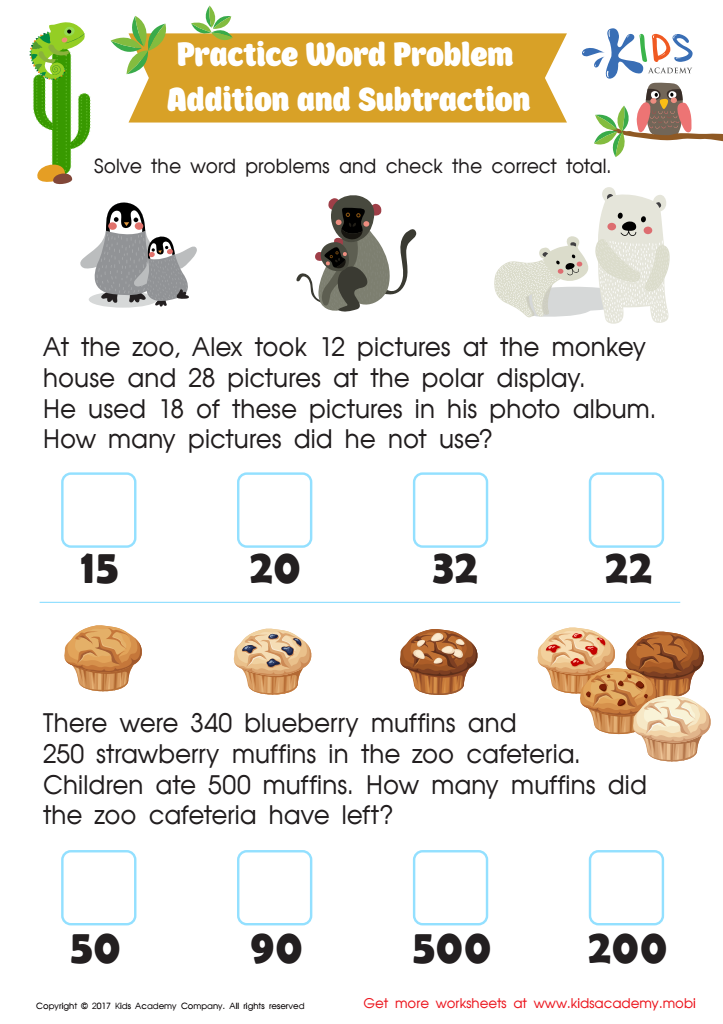
Addition and Subtraction: Word Problems Worksheet
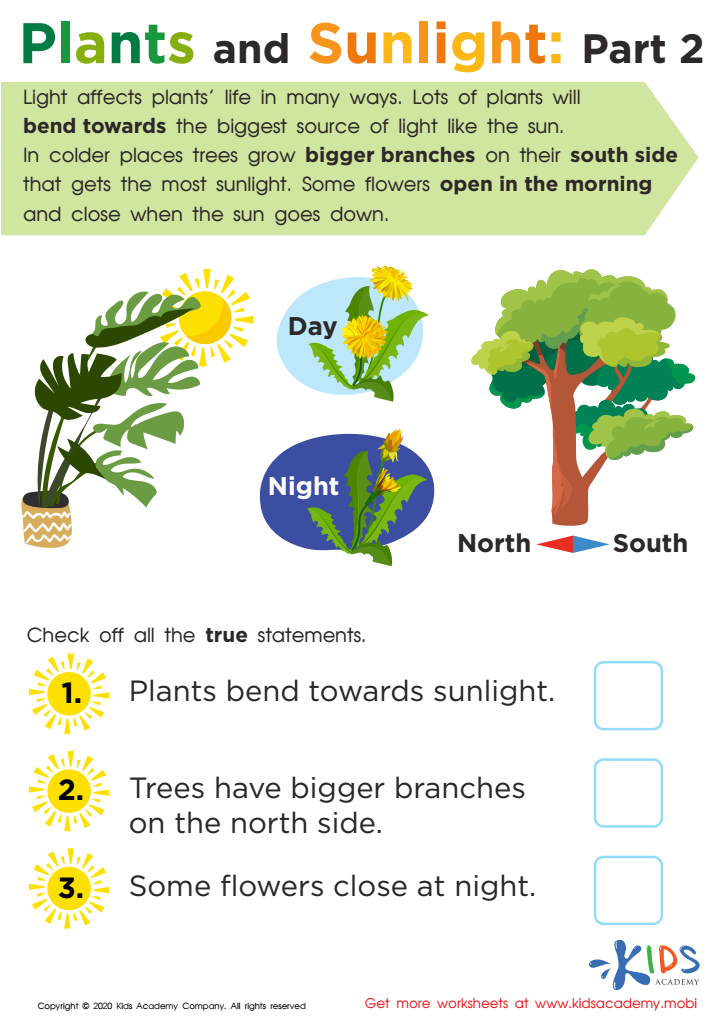
Plants and Sunlight: Part 2 Worksheet
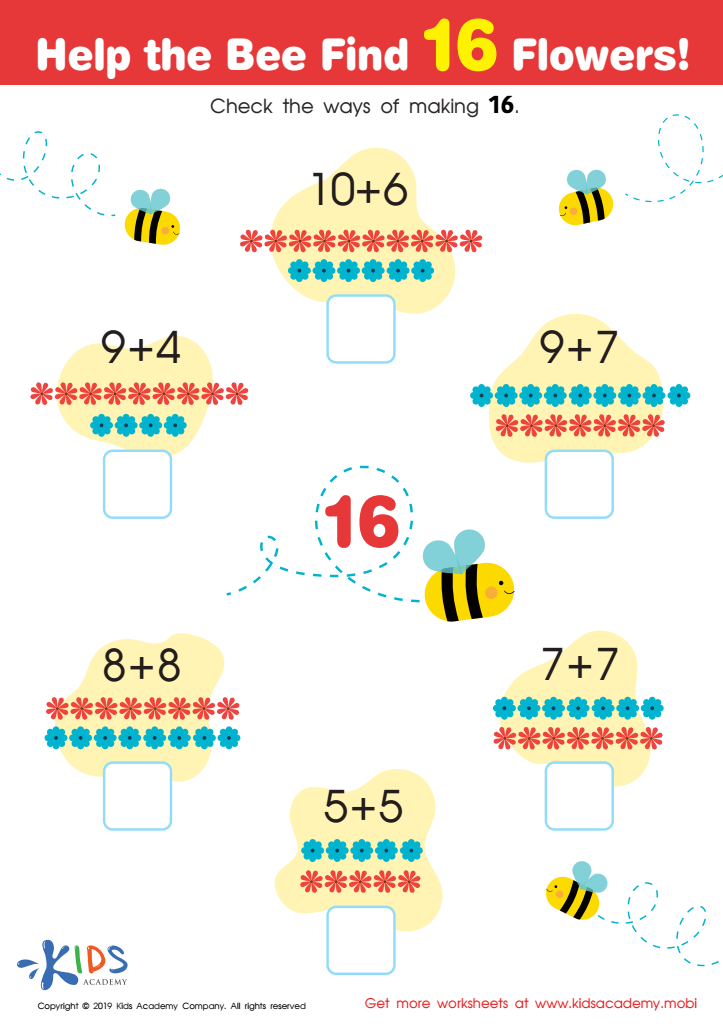
Help the Bee Find 16 Flowers Worksheet
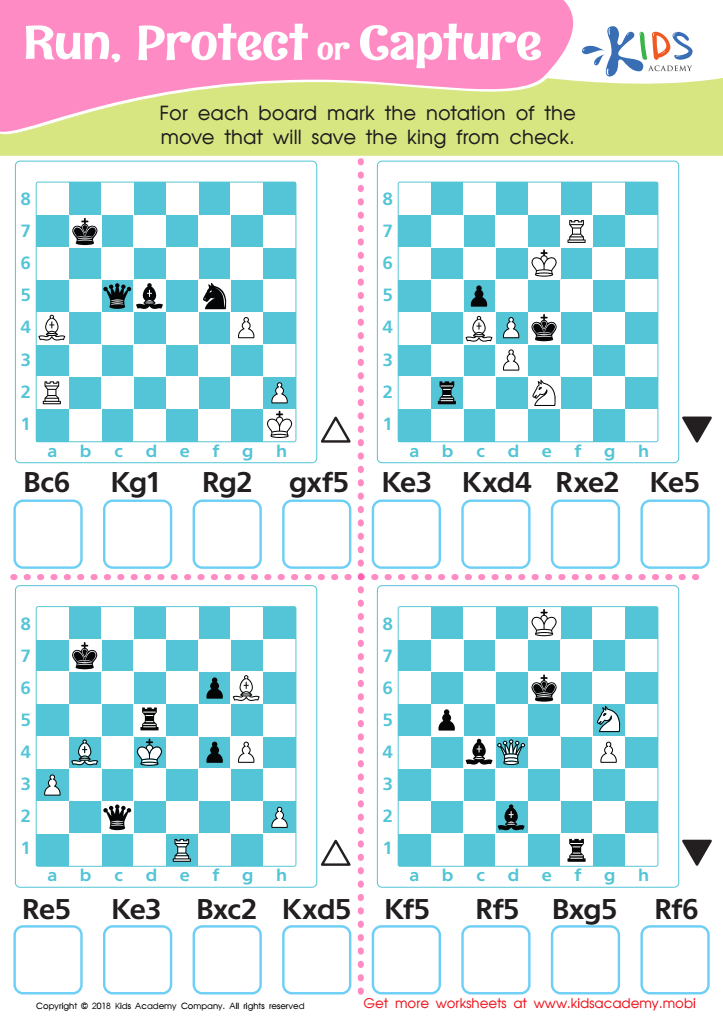
Run, Protect or Capture Worksheet
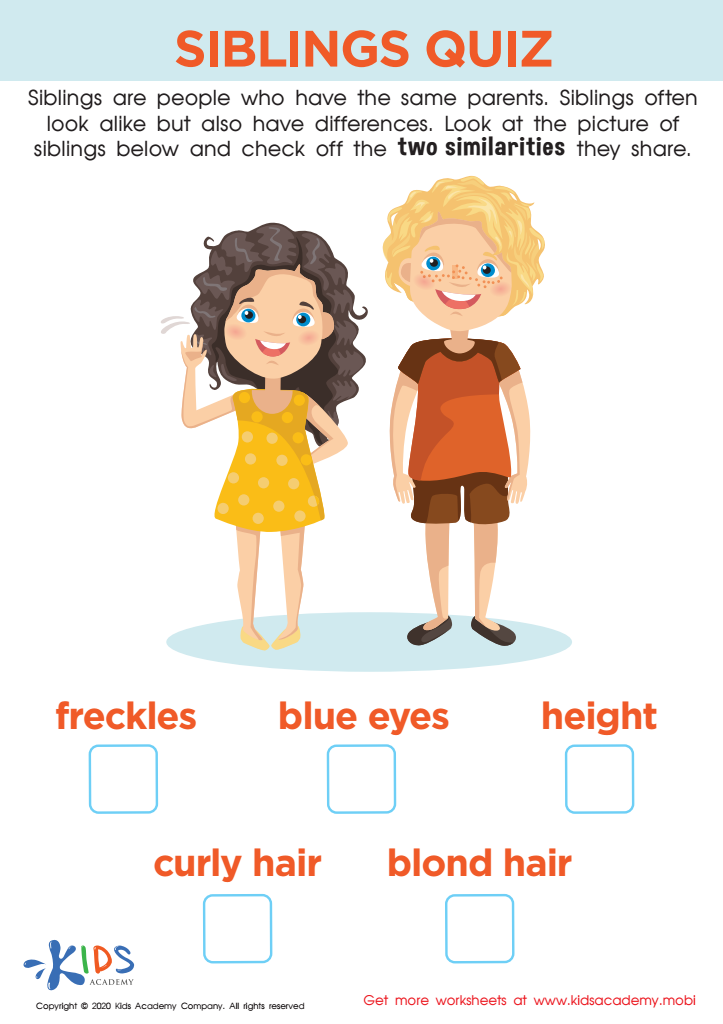
Siblings Quiz Worksheet
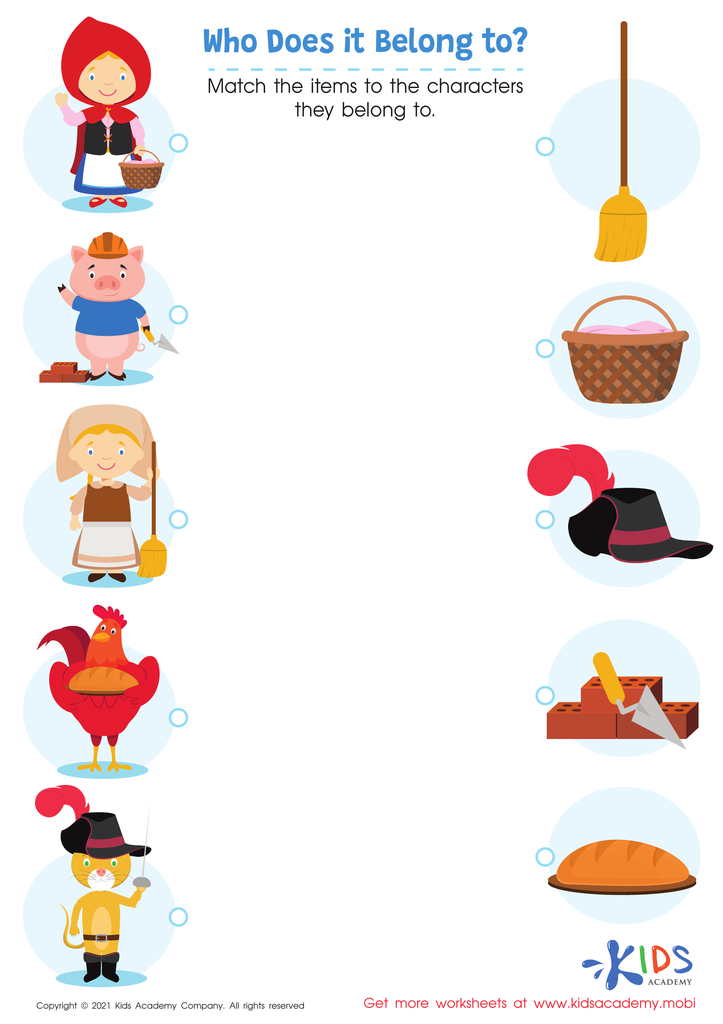
Who Does It Belong To? Worksheet
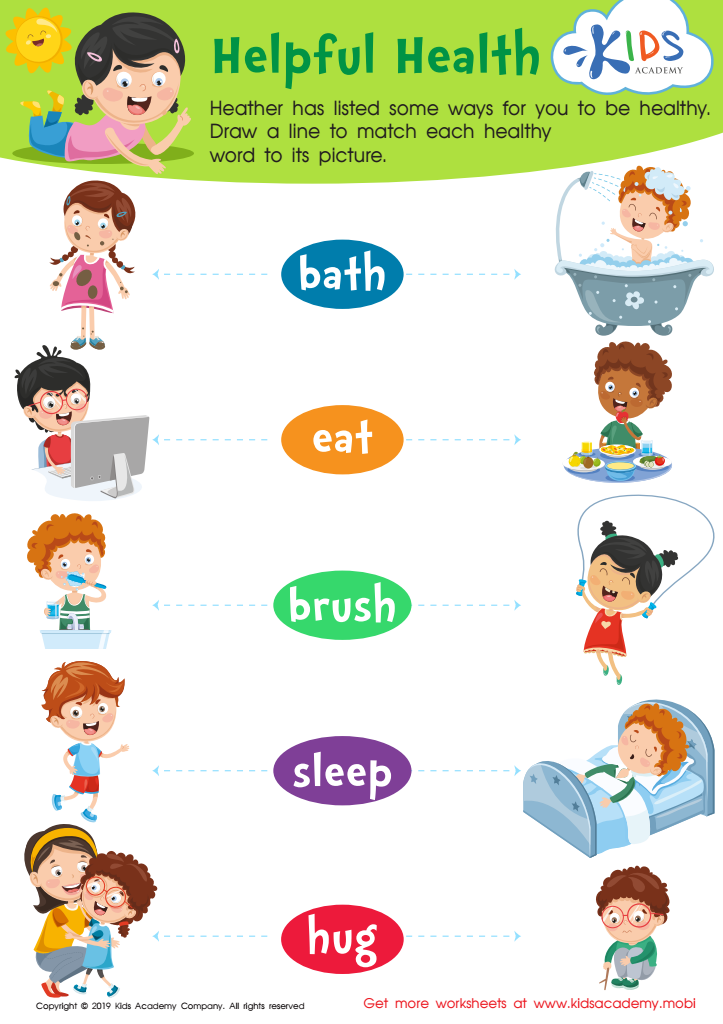
Helpful Health Worksheet
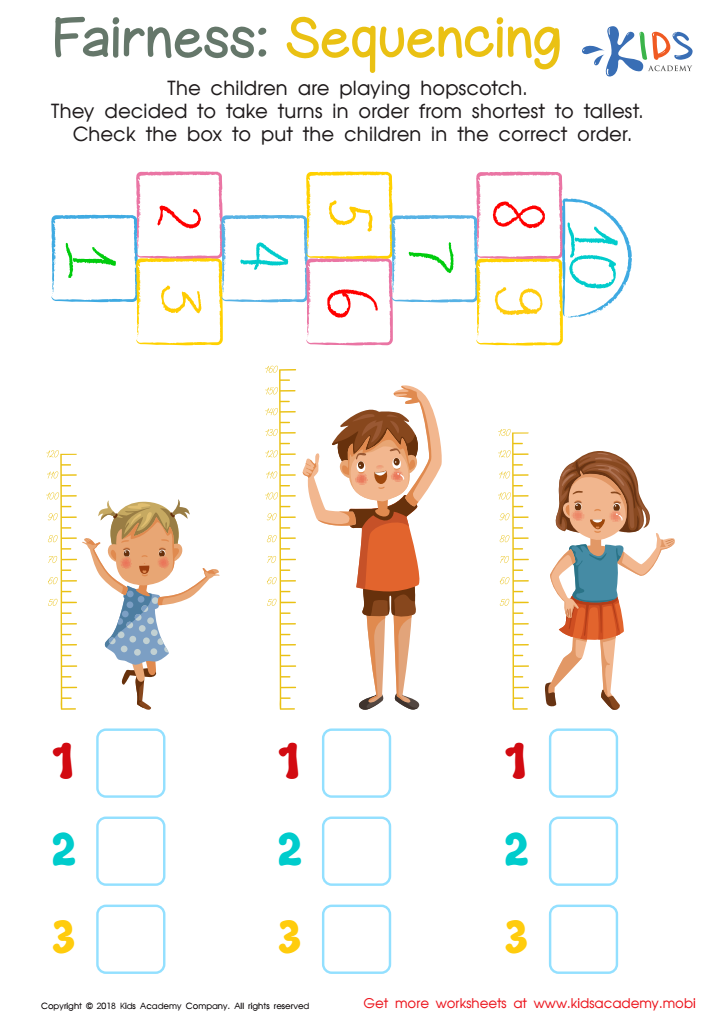
Fairness: Sequencing Worksheet
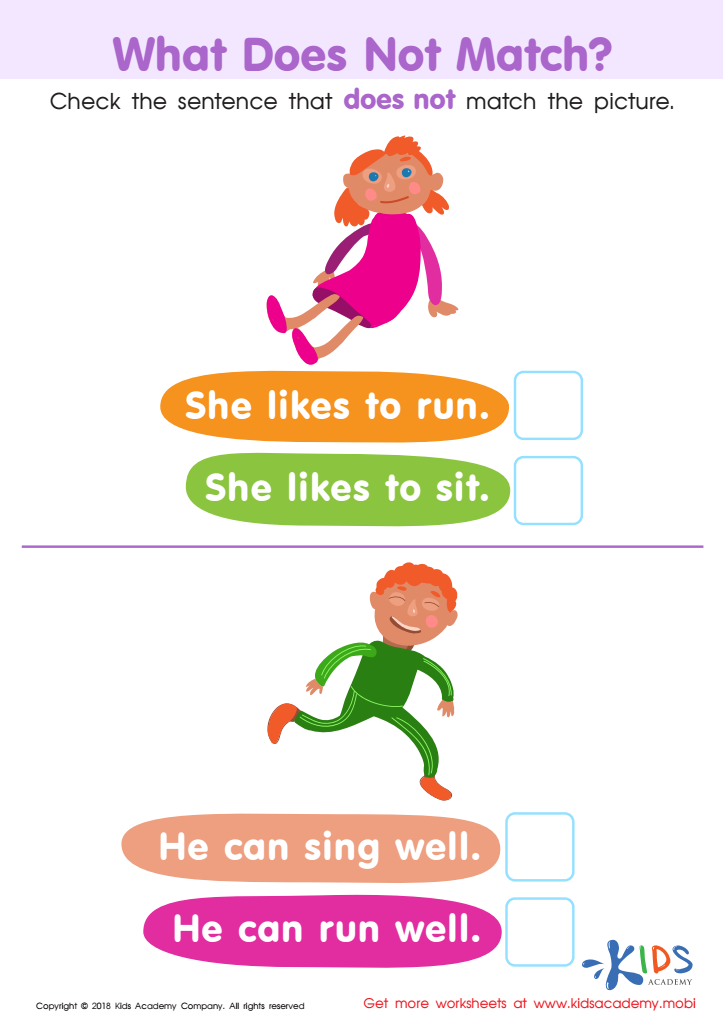
What Does Not Match? Worksheet
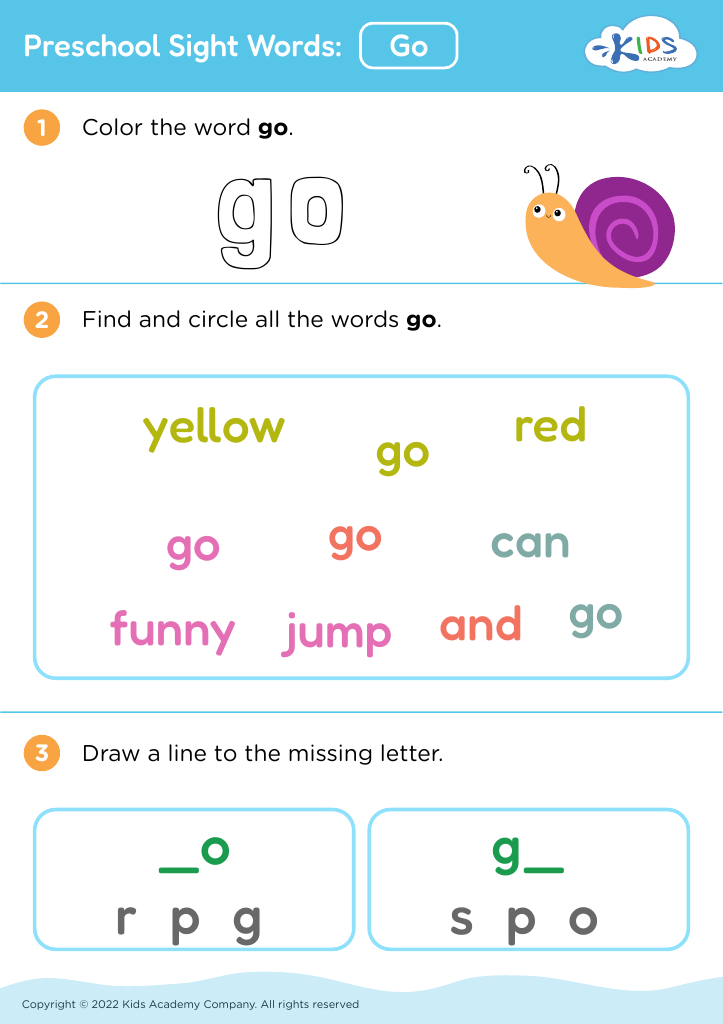
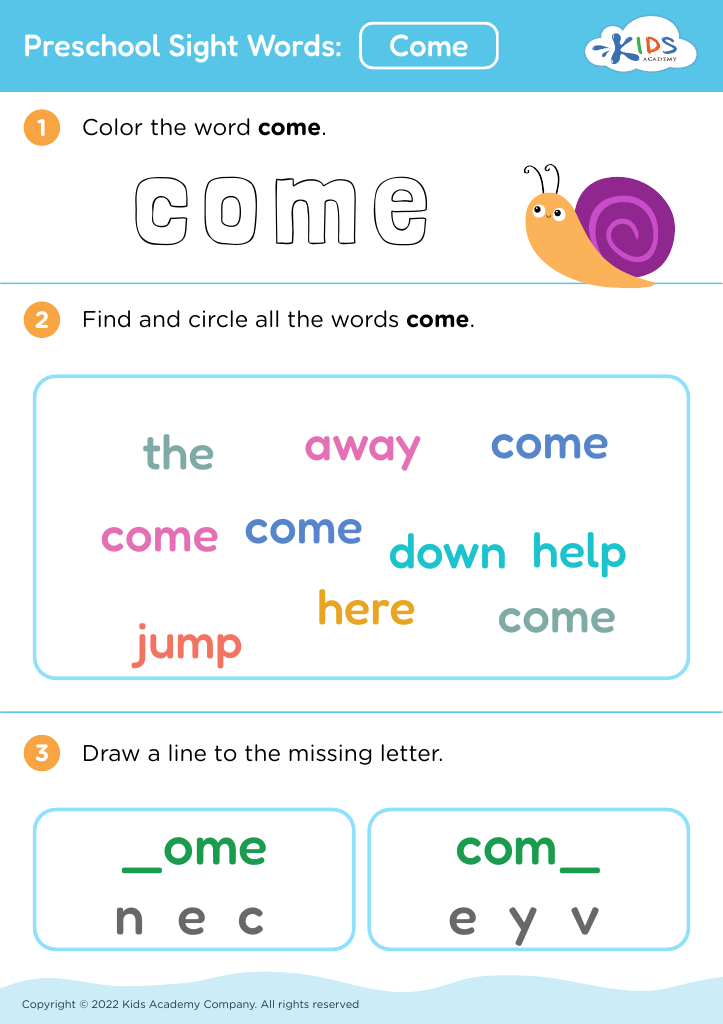
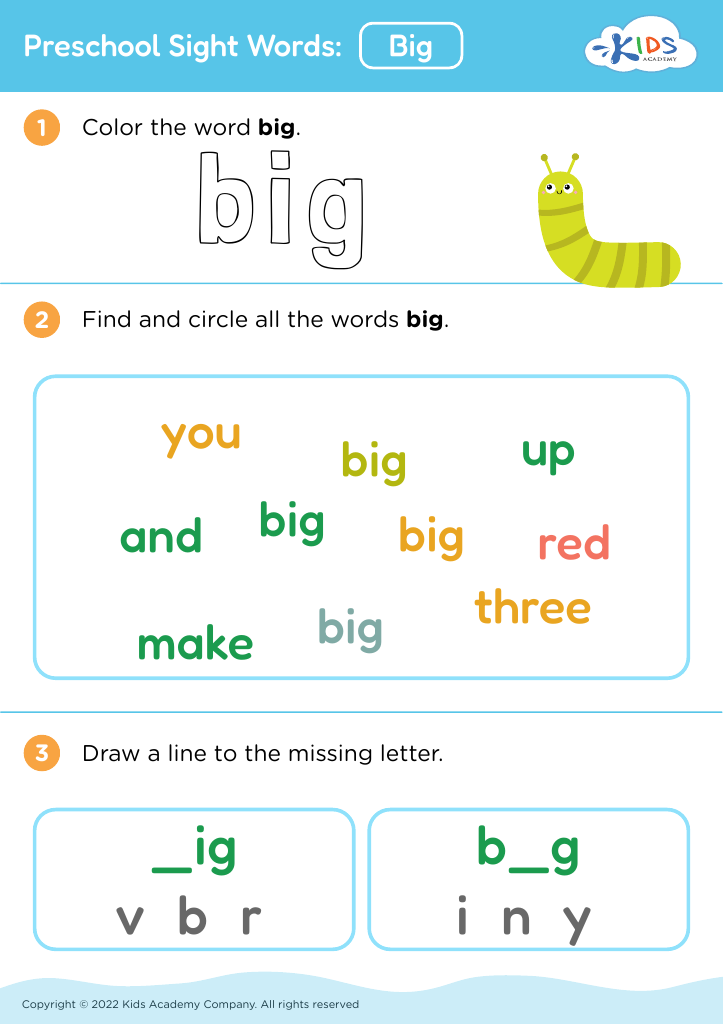








Logical reasoning is a fundamental skill that lays the groundwork for critical thinking and problem-solving, and it plays a crucial role in the early developmental stages of children aged 3-6. Parents and teachers should prioritize fostering this skill because it helps children make sense of the world around them. At this age, children are naturally curious and engage in play-based learning, making them ideal candidates for exploring logical reasoning through hands-on activities.
By nurturing logical reasoning, children learn to recognize patterns, classify objects, and understand relationships between different concepts, which enhances their cognitive abilities. These skills not only benefit their academic performance later on but also contribute to their social and emotional development by teaching them how to make informed decisions and understand consequences.
Furthermore, introducing logical reasoning in playful and engaging ways—such as through puzzles, games, and storytelling—not only makes learning enjoyable but also encourages creativity and communication. When parents and teachers actively participate in these activities, they strengthen their bonds with children and provide positive reinforcement. Ultimately, fostering logical reasoning at an early age equips children with essential tools for lifelong learning, helping them become independent thinkers and confident learners as they grow.








