Reading Skills Enhancement Worksheets for Ages 3-6
5 filtered results
-
From - To
Unlock your child's reading potential with our Reading Skills Enhancement Worksheets designed for ages 3-6. Our carefully crafted resources promote literacy development through engaging activities that capture young learners' interest. These worksheets focus on essential skills, including letter recognition, phonemic awareness, and vocabulary building, ensuring a solid foundation for future reading success. With colorful illustrations and interactive exercises, children will enjoy practicing their skills while boosting their confidence. Ideal for home or classroom use, these worksheets are perfect for parents and educators seeking to enhance early reading abilities in a fun, effective way. Start nurturing a love for reading today!
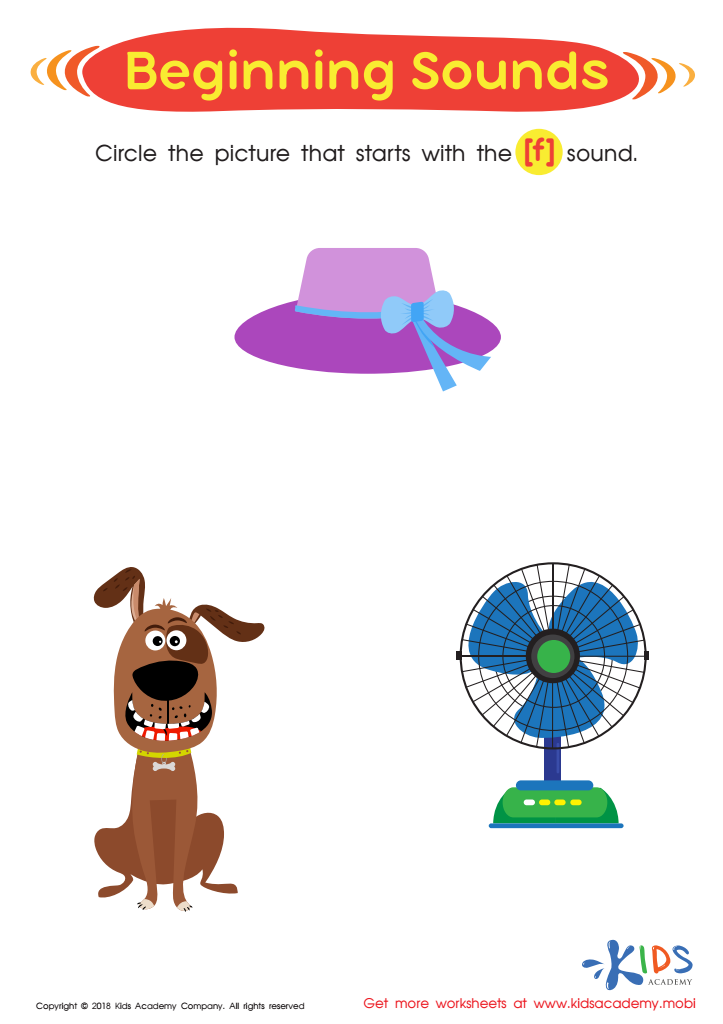
Beginning Sounds Assessment Printable
 Assign to My Students
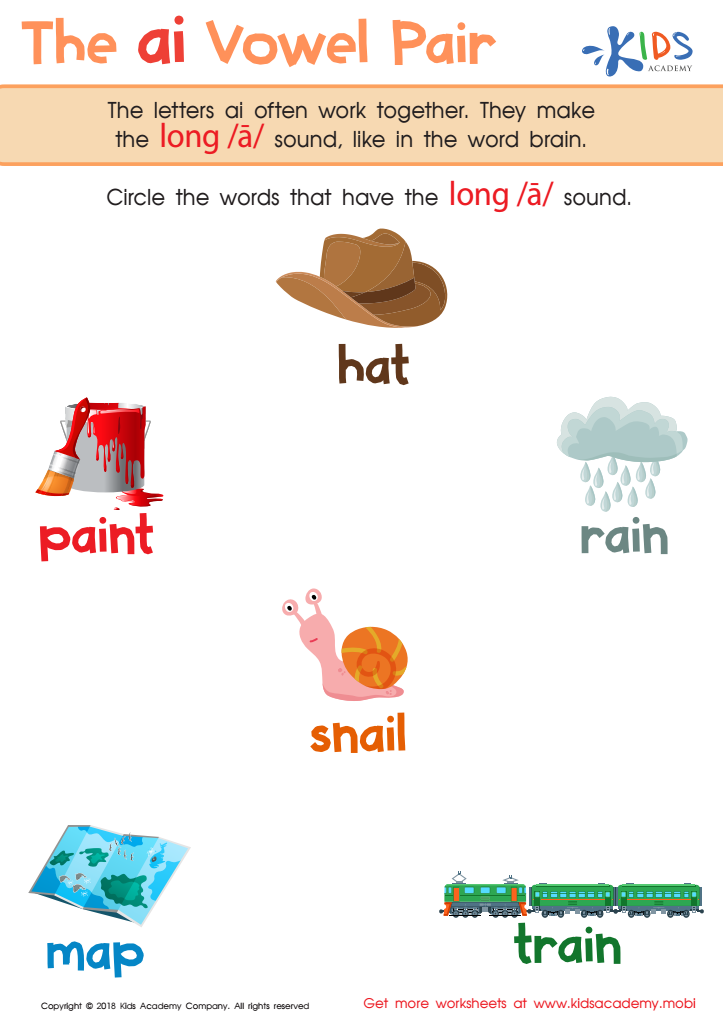
The AI Vowel Pair Worksheet
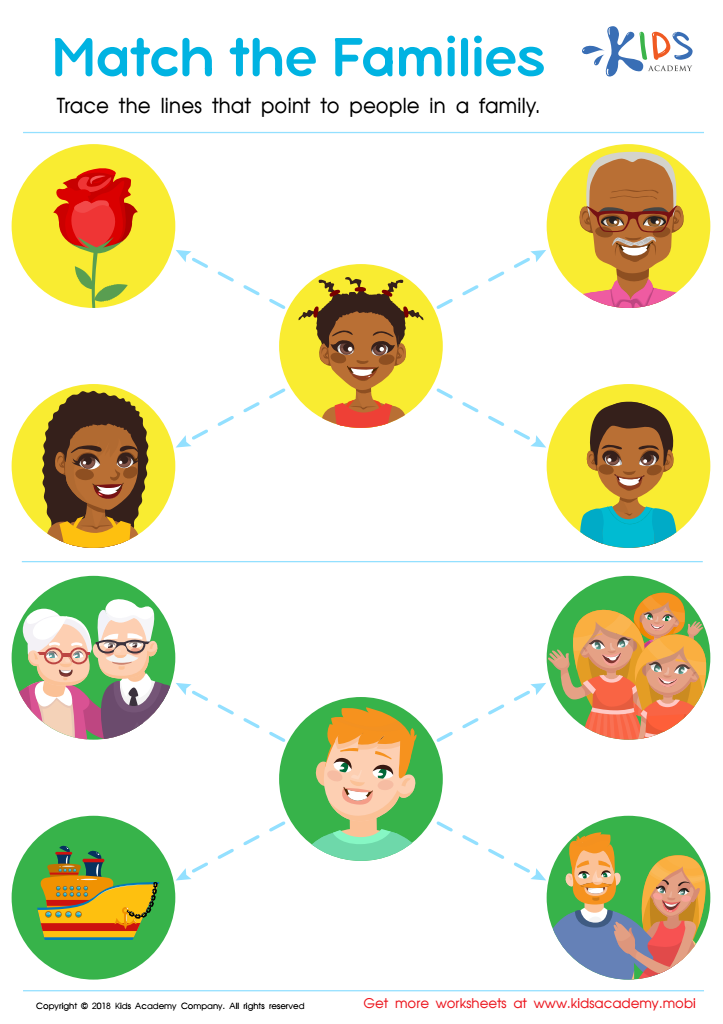
Match the Families Worksheet
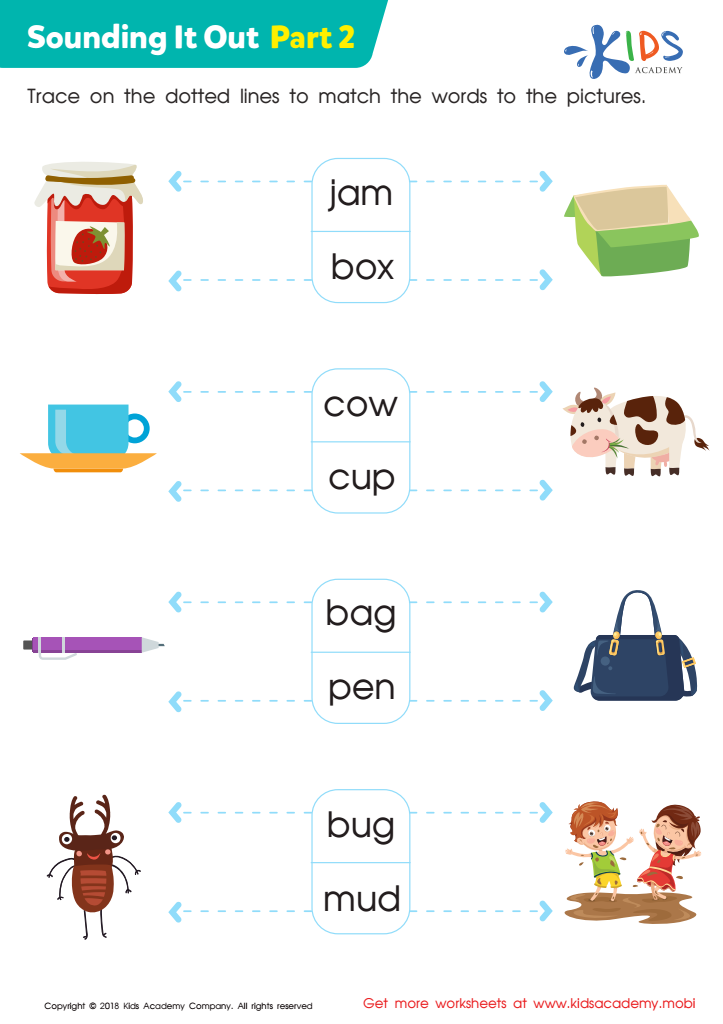
Sounding it Out: Part 2 Worksheet
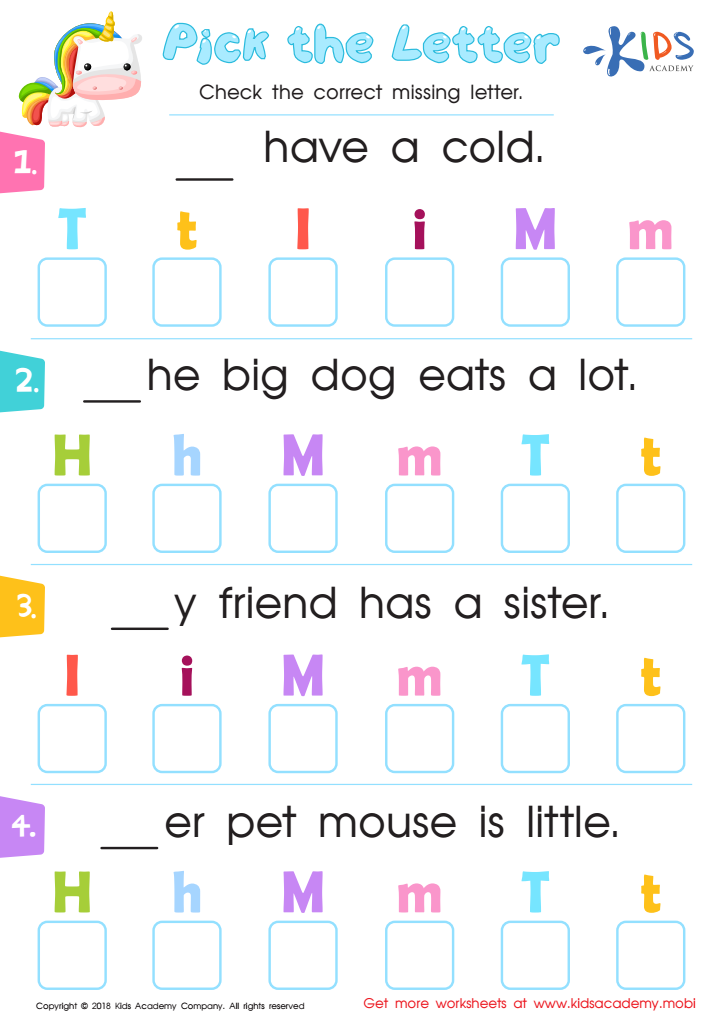
Pick the Letter Worksheet


.jpg)




Reading skills enhancement for ages 3-6 is critical for several reasons. Firstly, this developmental stage is the foundation for future learning; children exposed to reading at an early age are more likely to develop strong literacy skills. Early reading experiences promote vocabulary expansion and comprehension, essential components for effective communication and learning in all subjects.
Additionally, early intervention can address potential learning difficulties before they become more pronounced. Children who develop a love for reading early on are often more engaged learners, leading to increased academic success later in their educational journey.
Moreover, nurturing reading skills fosters cognitive development, creativity, and critical thinking. Through stories, children learn about diverse cultures, viewpoints, and life experiences, enhancing their emotional and social understanding. This exposure helps foster empathy and interpersonal skills.
Lastly, to ensure a holistic approach to education, collaboration between parents and teachers is necessary. When educators and families work together to promote reading at home and school, children receive a consistent message about the importance of literacy, contributing to their long-term success. Thus, prioritizing reading skills enhancement not only impacts individual learners but also nurtures a community of literate, engaged citizens.








