Shape identification Worksheets for Ages 3-6
23 filtered results
-
From - To
Dive into our engaging Shape Identification Worksheets designed specifically for children ages 3-6! These interactive resources help young learners recognize and differentiate various shapes through fun, hands-on activities. By exploring vibrant illustrations and playful exercises, children enhance their early math skills while boosting their cognitive development. Our worksheets cater to diverse learning styles, fostering creativity and curiosity in each little learner. Perfect for preschool, kindergarten, or at-home education, these worksheets provide endless opportunities for shape recognition practice. Empower your child's learning journey and make shape identification an exciting adventure today! Discover the joy of shapes with Kids Academy!
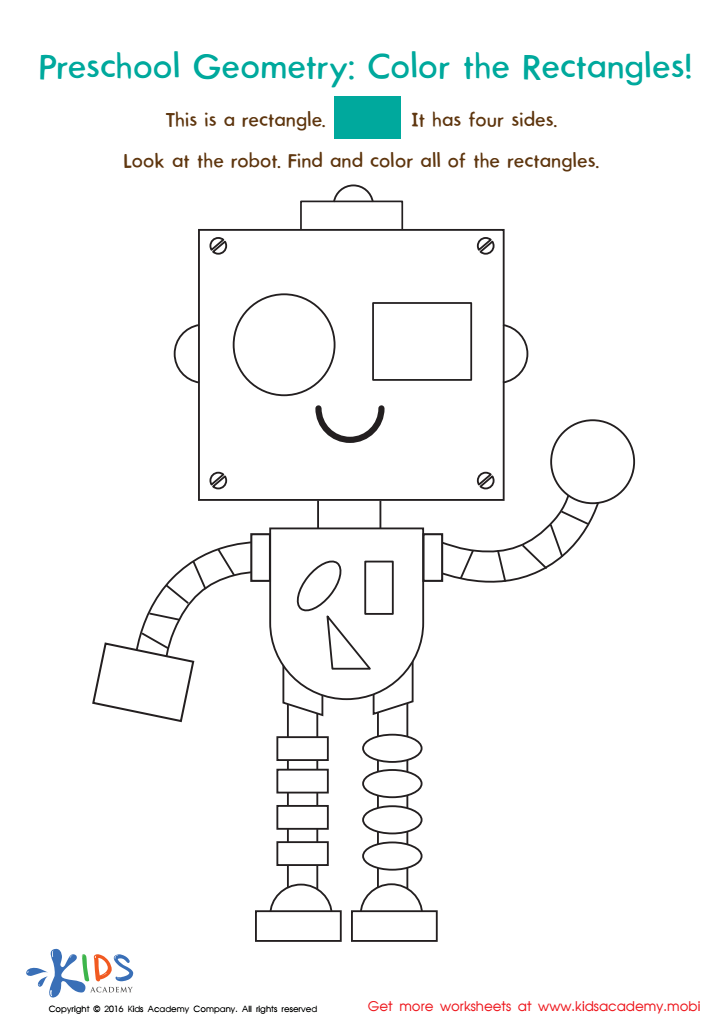
Geometry Worksheet
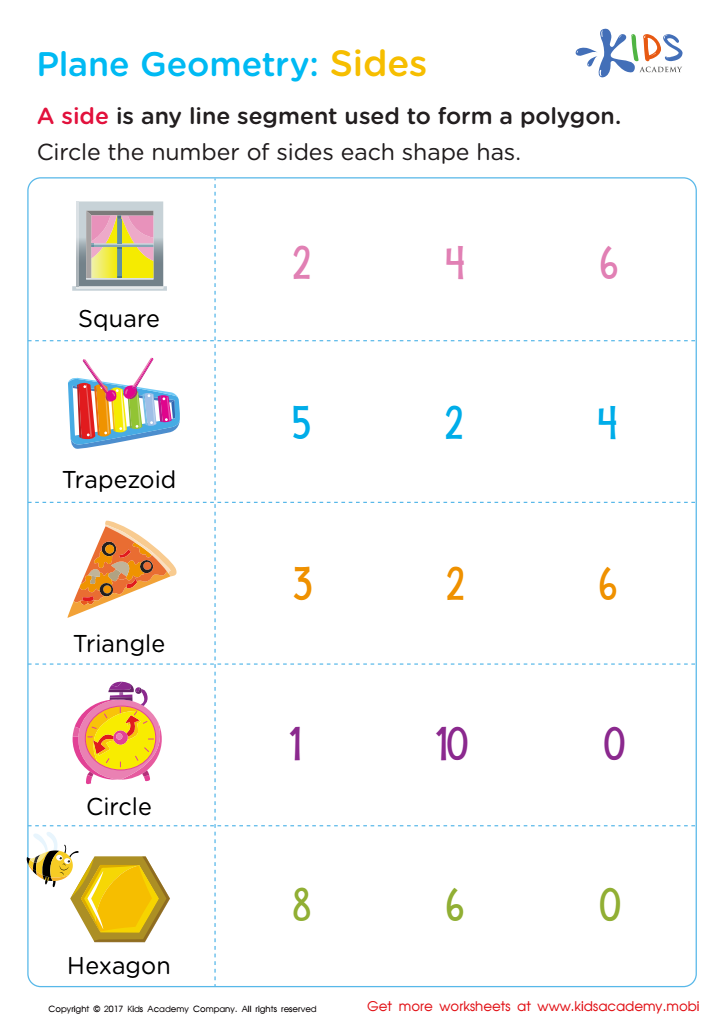
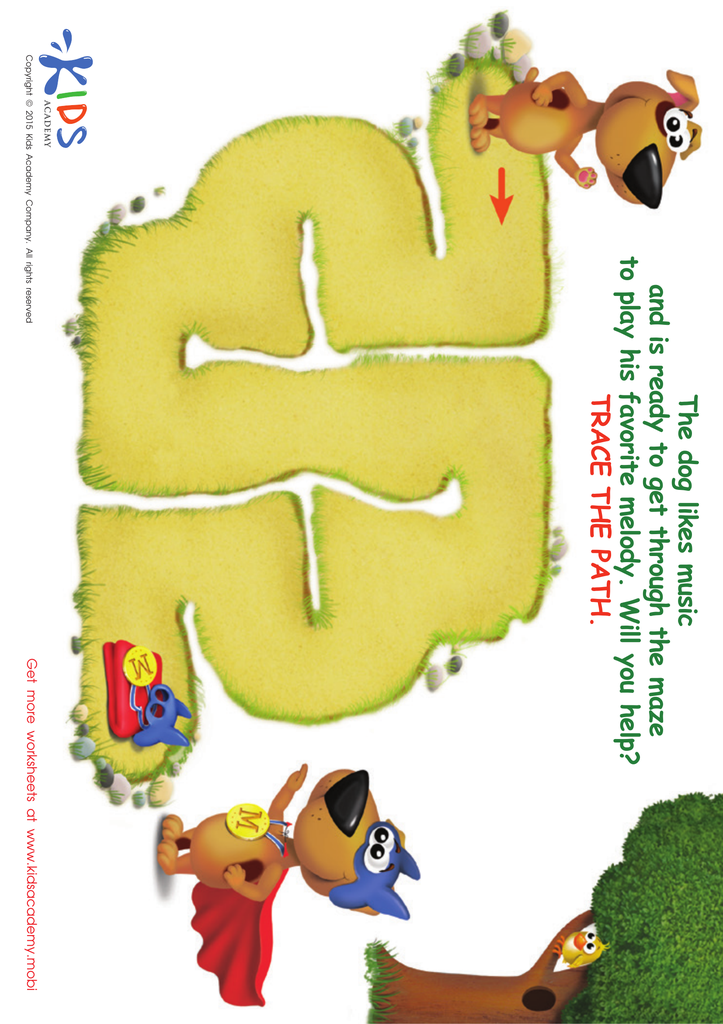
Superman Maze Worksheet
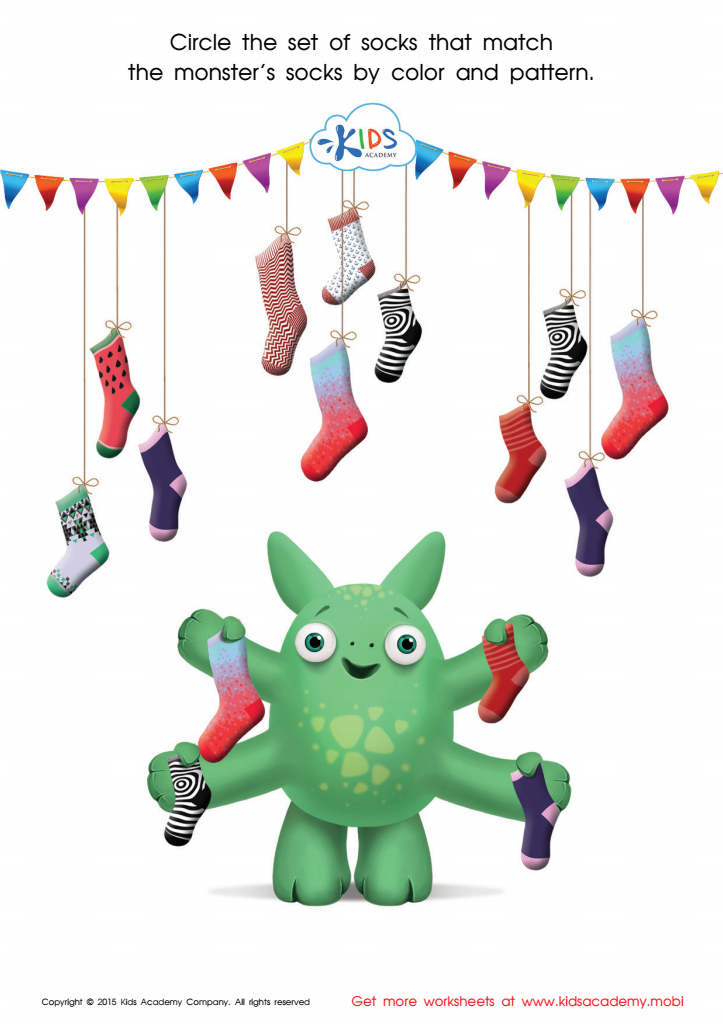
Sort the Monster's Socks Worksheet
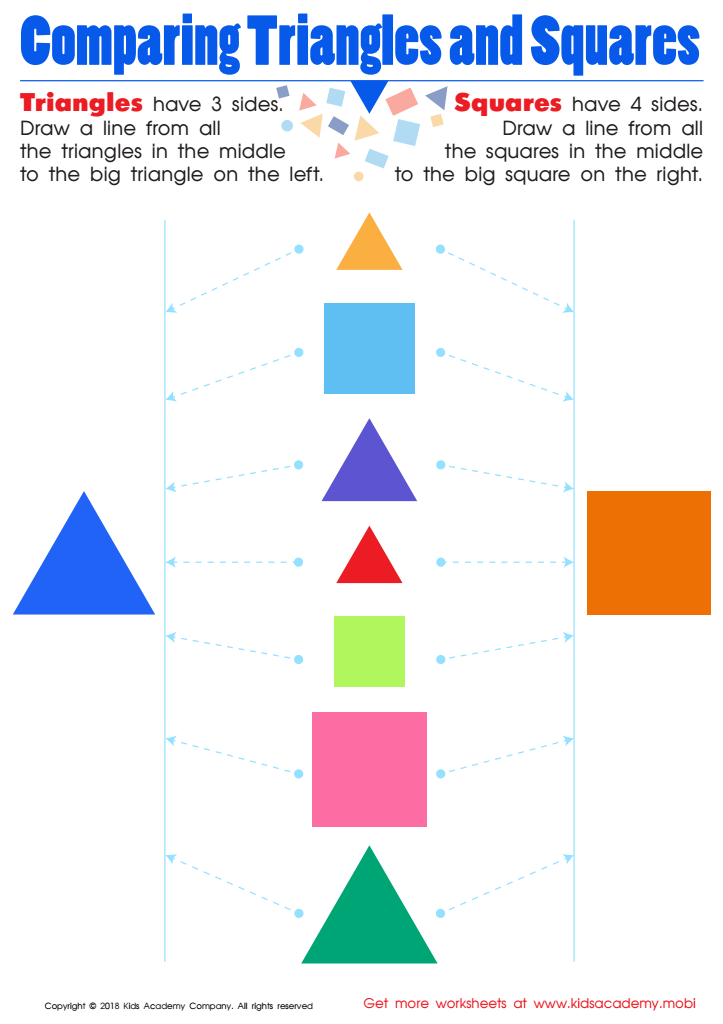
Comparing Triangles Squares Worksheet
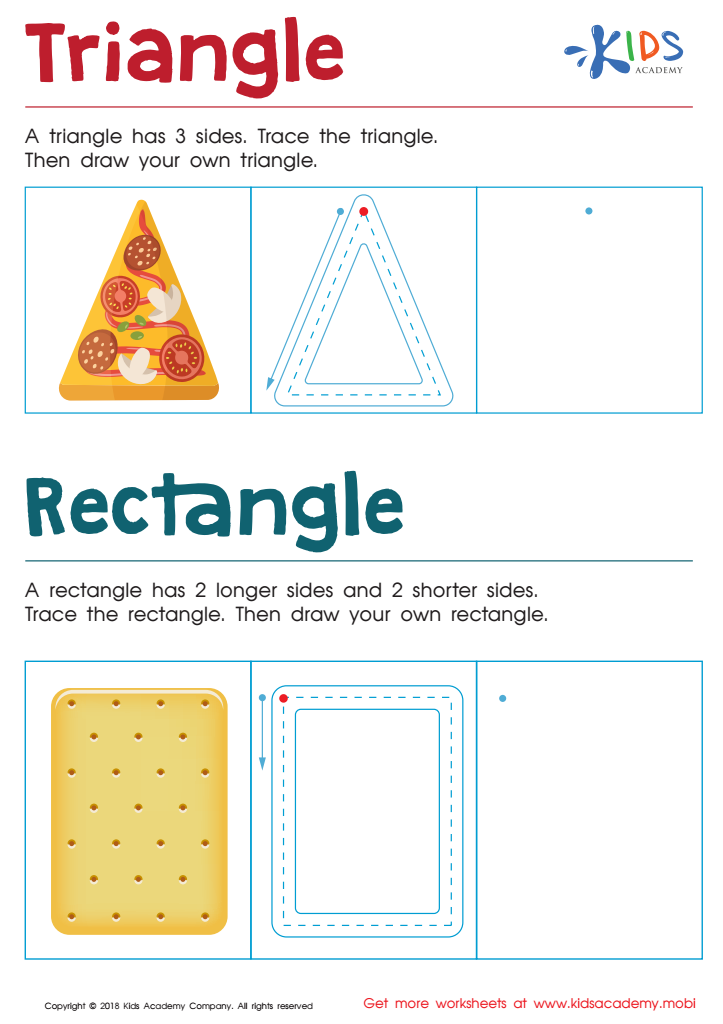
Triangle Rectangle Worksheet
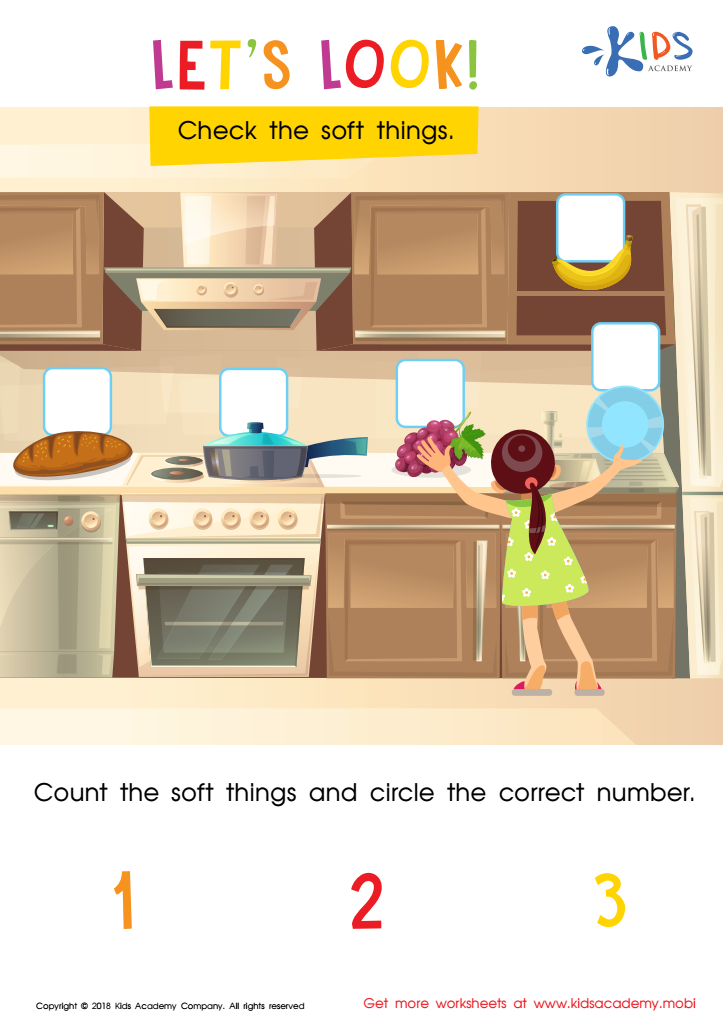
Let's Look! Assessment Worksheet
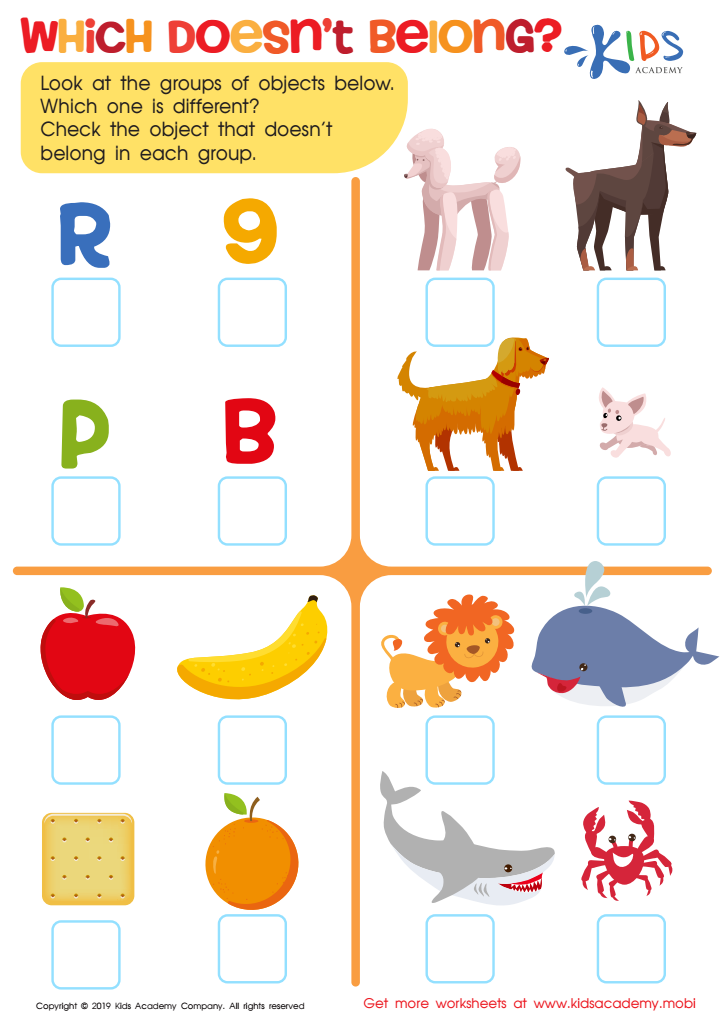
Which Doesn't Belong? Worksheet
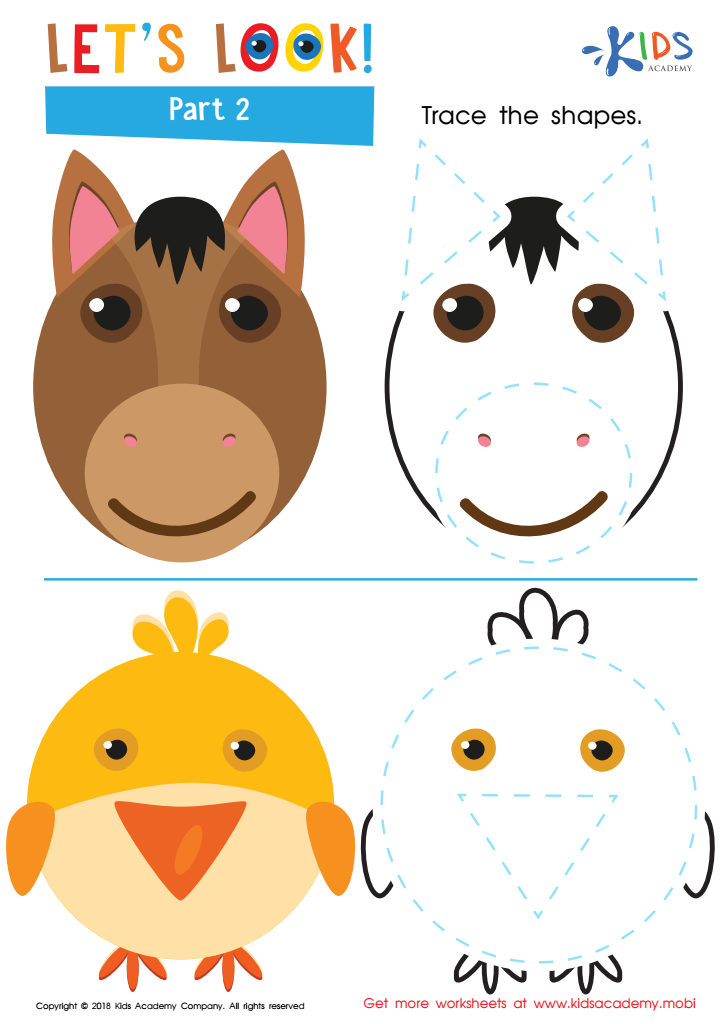
Let's Look! Part 2 Worksheet
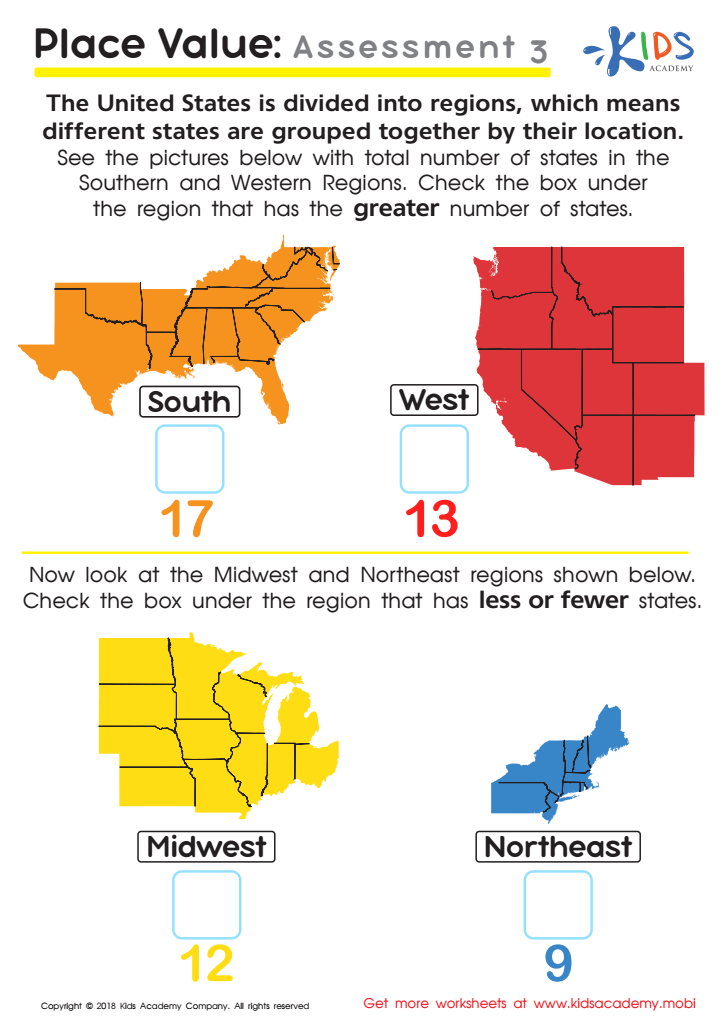
Place Value: Assessment 3 Worksheet
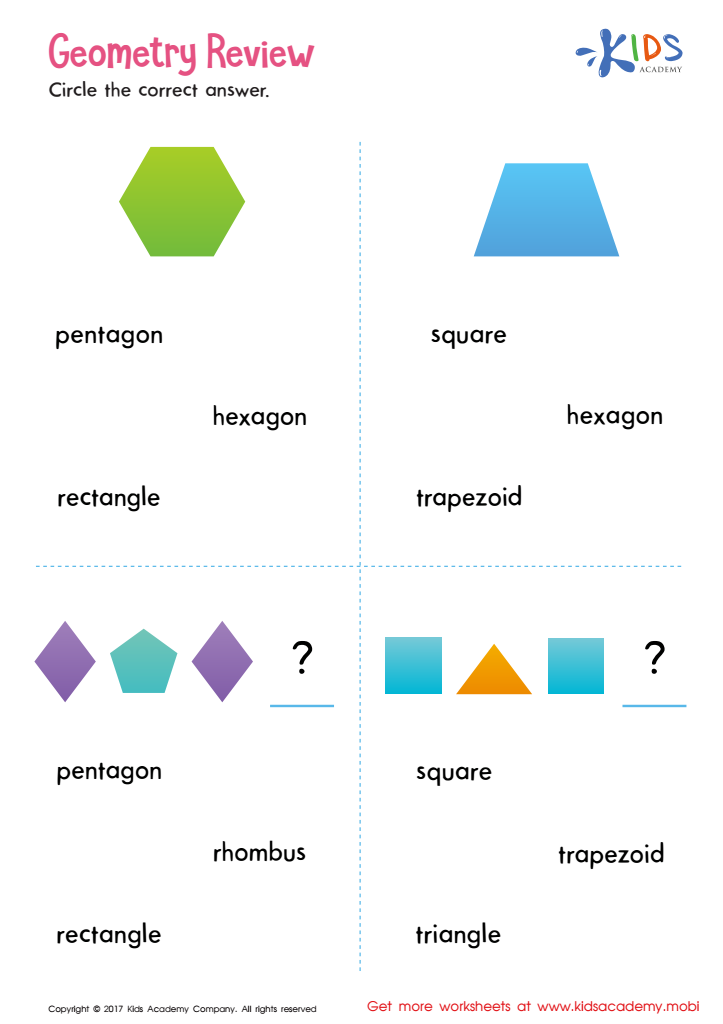
Geometry Review Printable
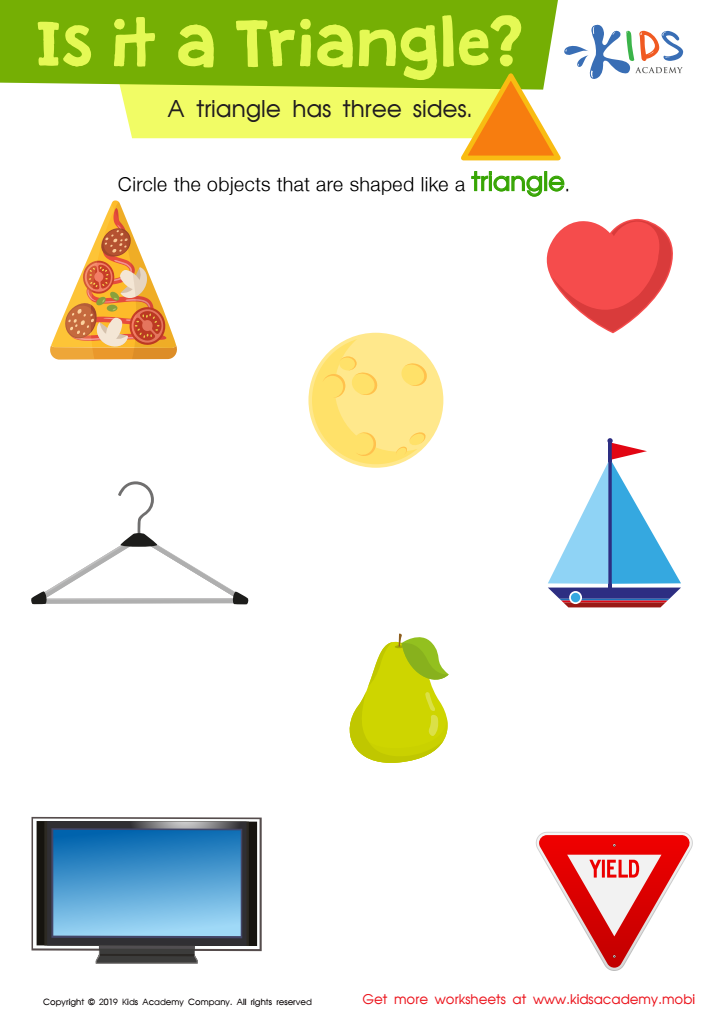
Is It a Triangle? Worksheet
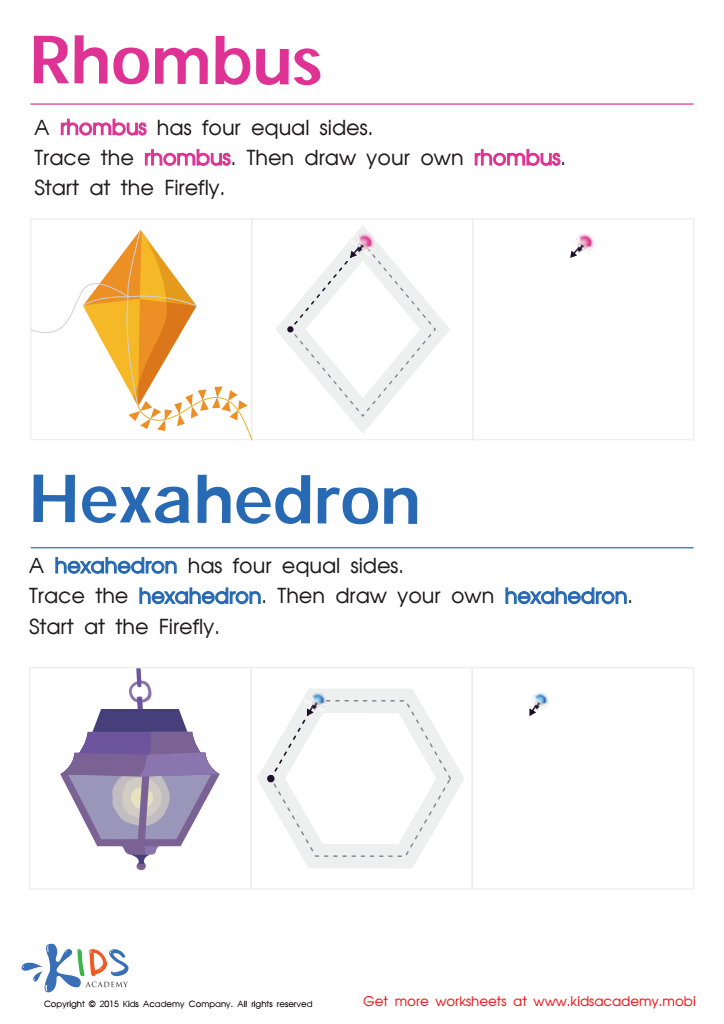
Draw a Rhombus And a Hexahedron Printable
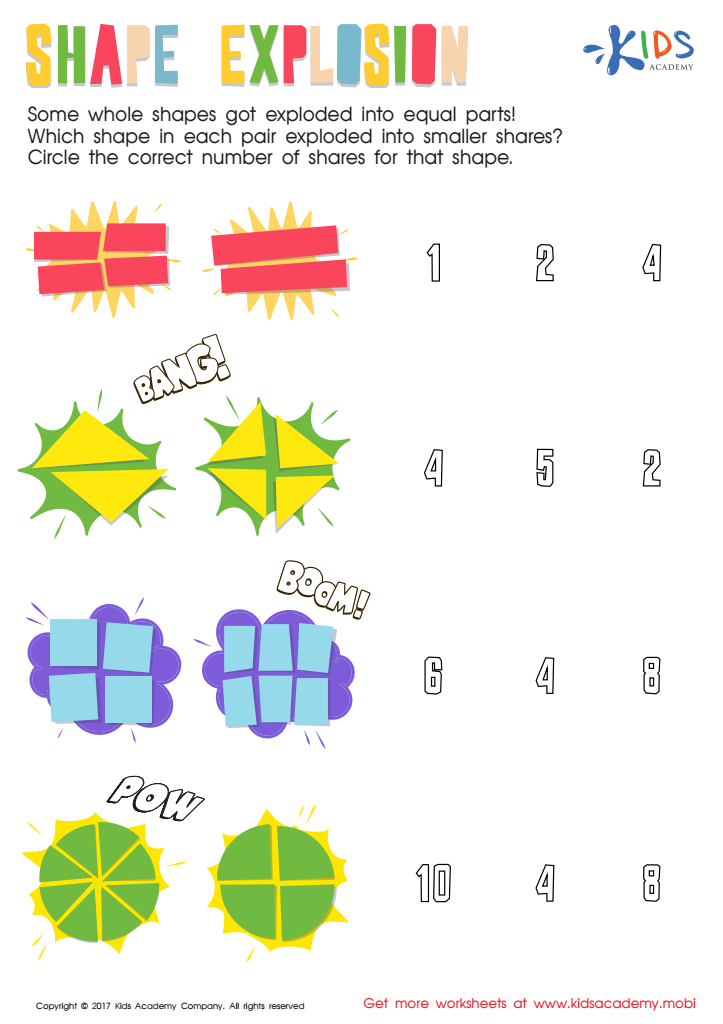
Shape Explosion Worksheet
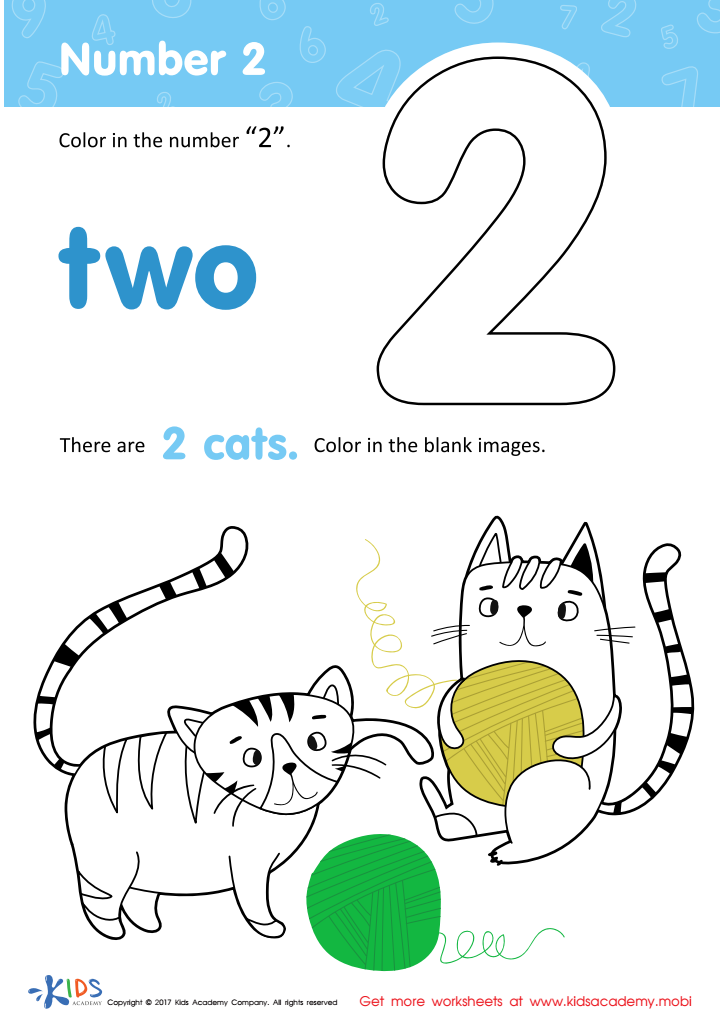
Number 2 Printable
 Assign to My Students
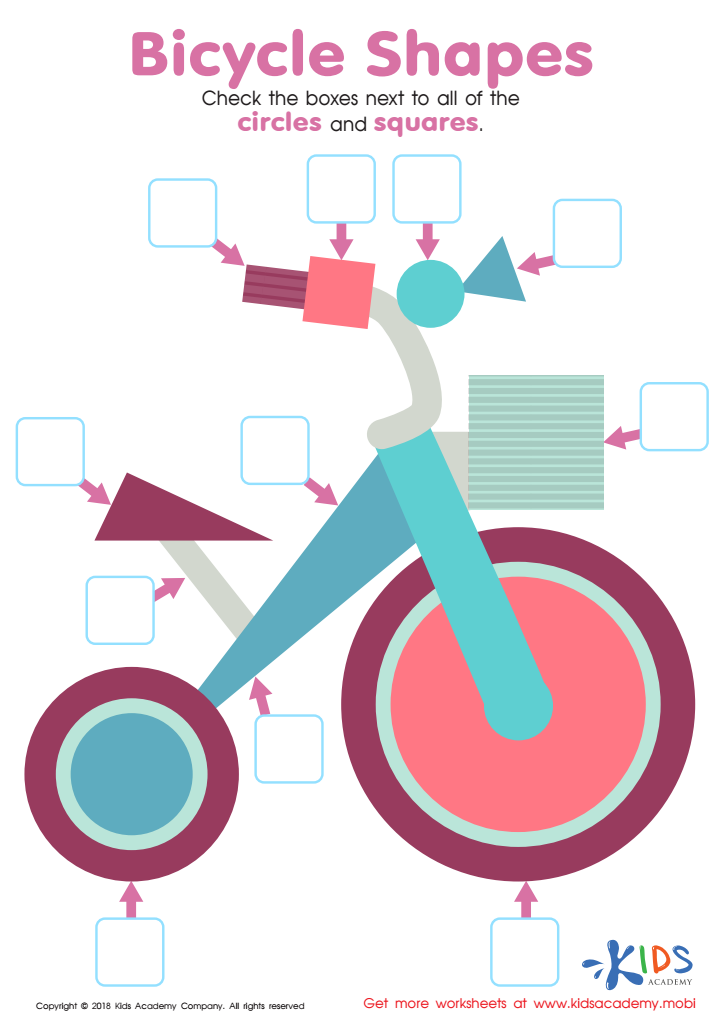
Bicycle Shapes Worksheet
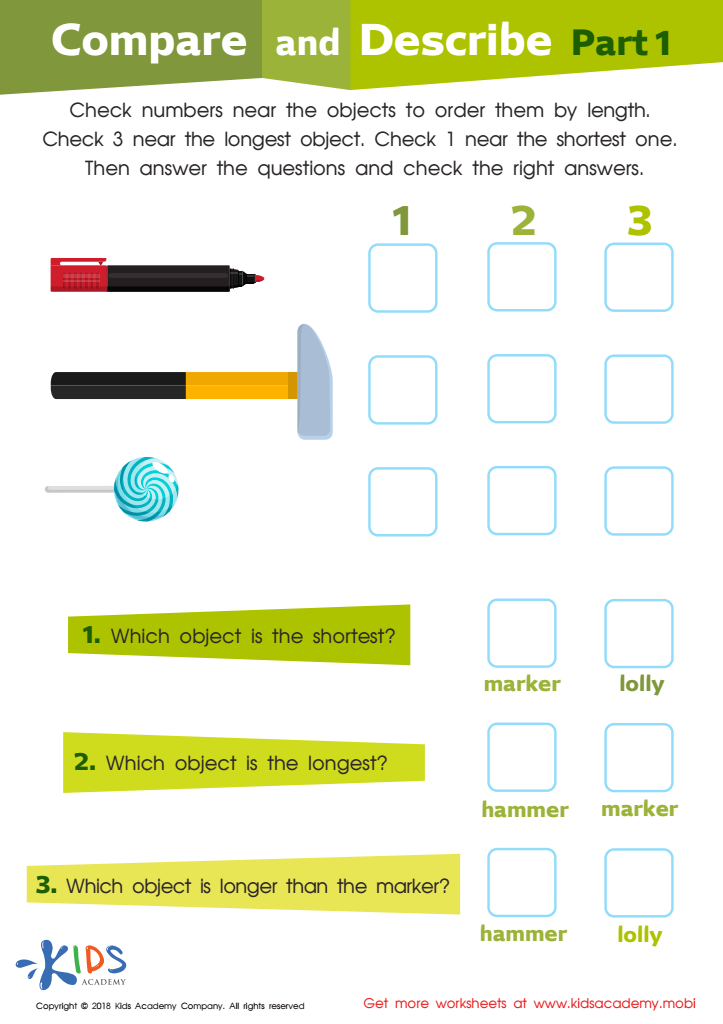
Compare and Describe: Part 1 Worksheet
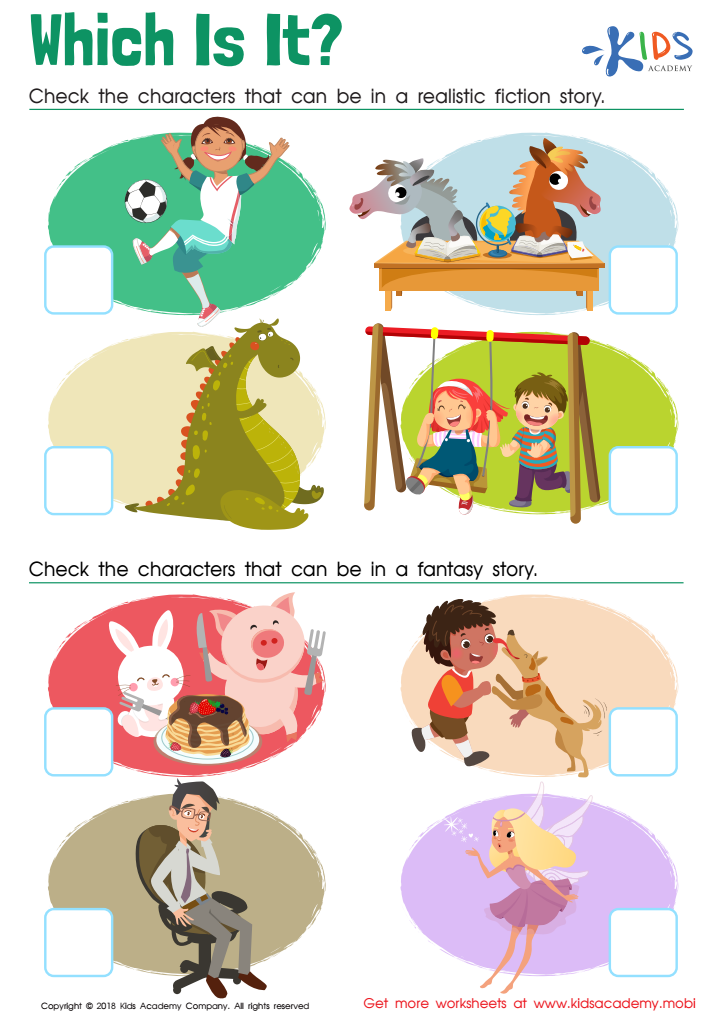
Which Is It? Worksheet
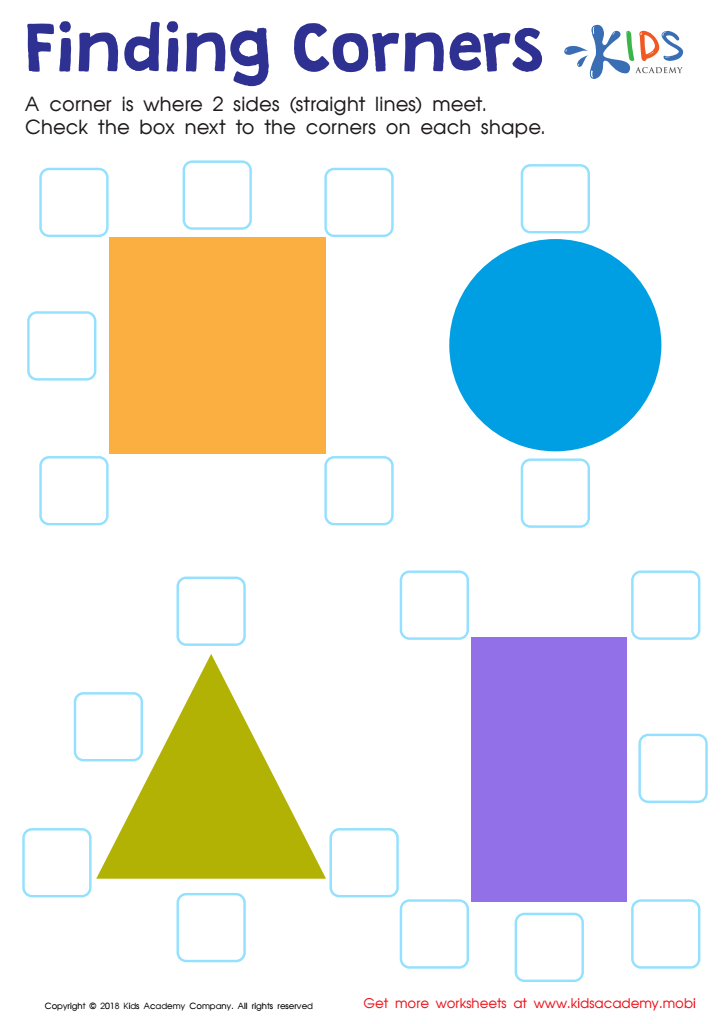
Finding Corners Worksheet
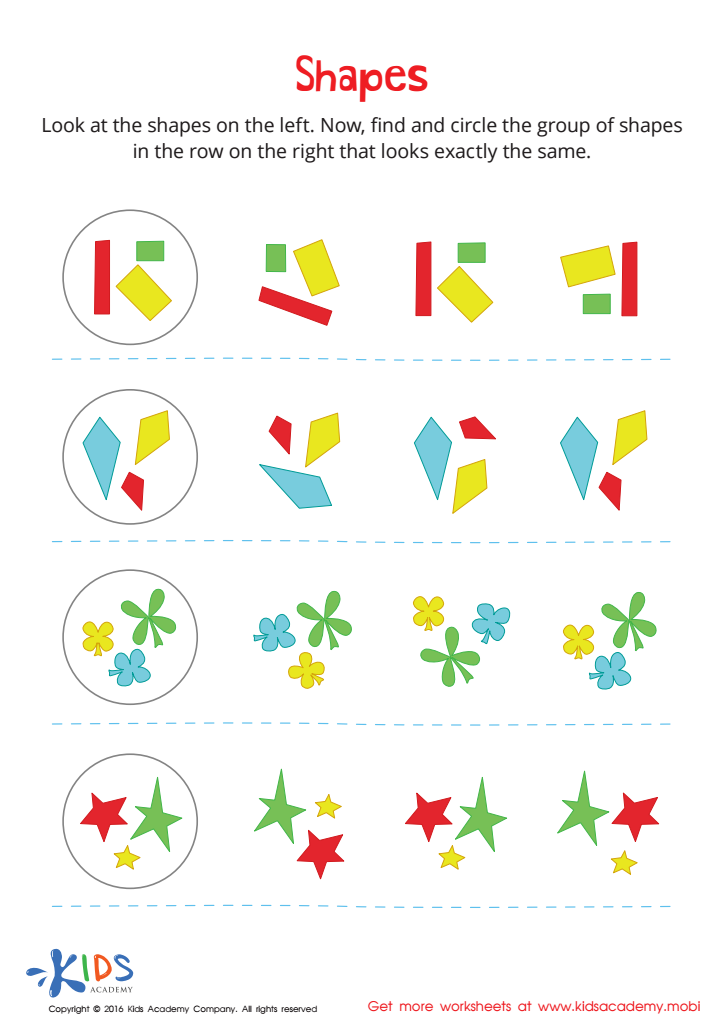
Shapes Worksheet
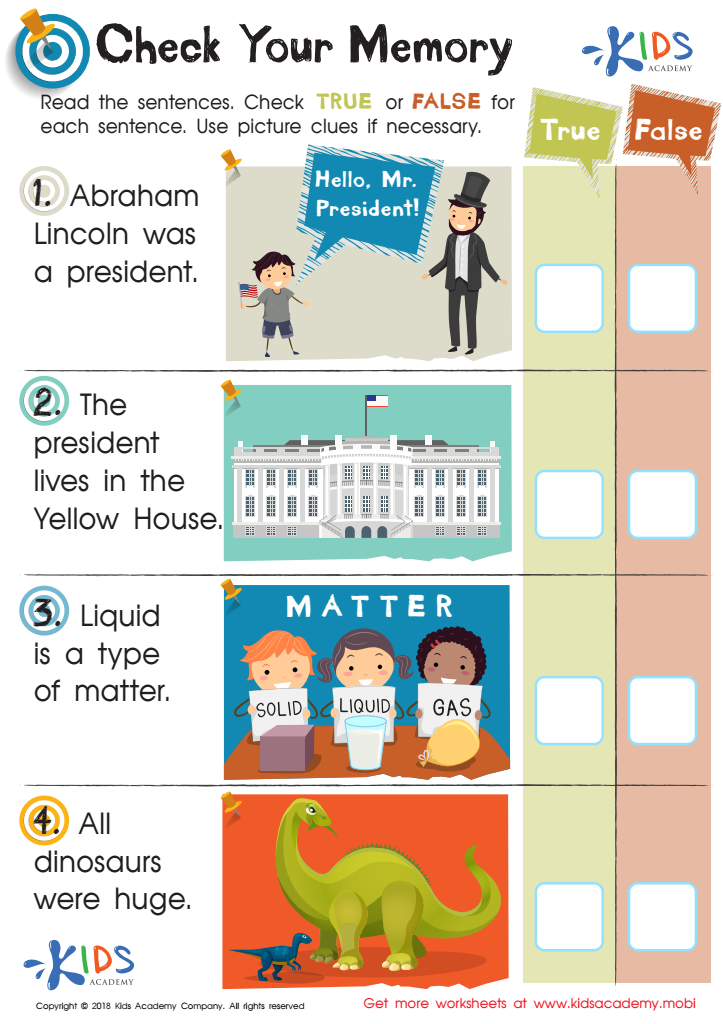
Check Memory Worksheet







Shape identification is a foundational skill for children ages 3-6, playing a crucial role in early childhood development. During this age, children are naturally curious, exploring the world around them. Understanding shapes helps them make sense of their environment, facilitating cognitive development and spatial awareness.
Recognizing shapes enhances problem-solving and critical thinking skills, as children learn to categorize objects based on their properties. This skill is also vital for mathematical concepts; shapes serve as building blocks for understanding more complex ideas, such as measurement, geometry, and symmetry.
Furthermore, shape identification supports language development. As children learn the names and attributes of different shapes, they enrich their vocabulary and communication skills, laying the groundwork for future literacy.
Socially and emotionally, engaging in shape-related activities encourages teamwork and sharing, developing collaborative skills. Parents and teachers can incorporate shapes into everyday activities, making learning organic and enjoyable. Therefore, recognizing the importance of shape identification creates a stronger foundation for children, equipping them with essential skills both for later academic success and daily life. By fostering their understanding of shapes, adults can help cultivate well-rounded learners ready to navigate the complexities of the world.








