Check out this FREE Trial Lesson on Addition & Subtraction for age 3-6!

P

Favorites
With answer key
Interactive
  • 3-6
  • Visual Learning
  • Addition & Subtraction
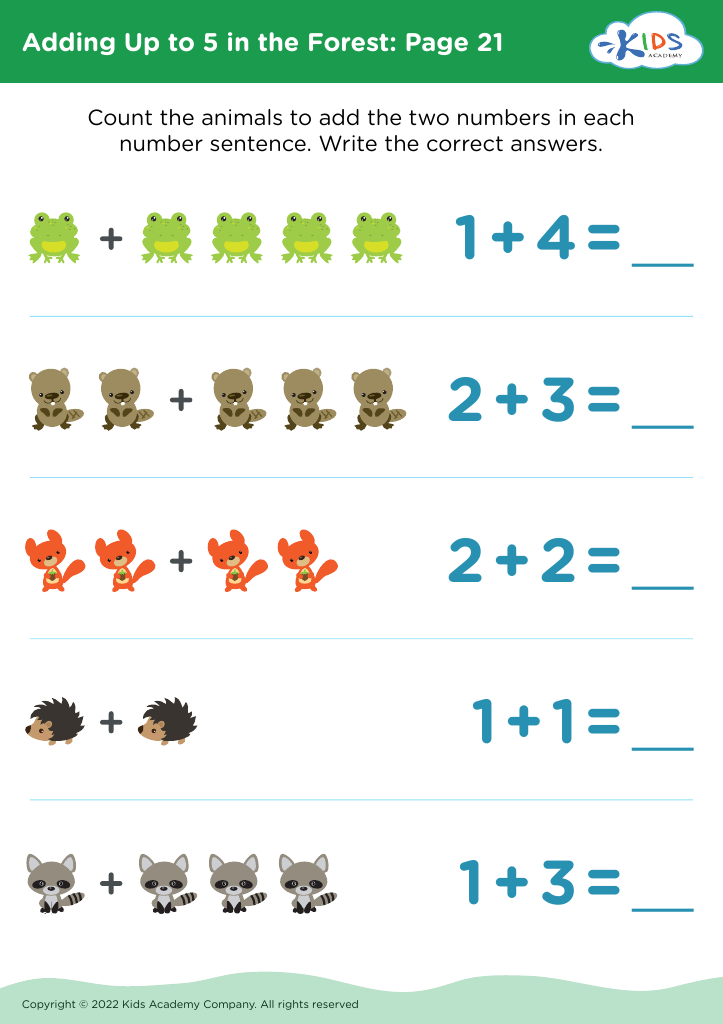
Adding Up to 5 in the Forest: Page 21
Worksheet
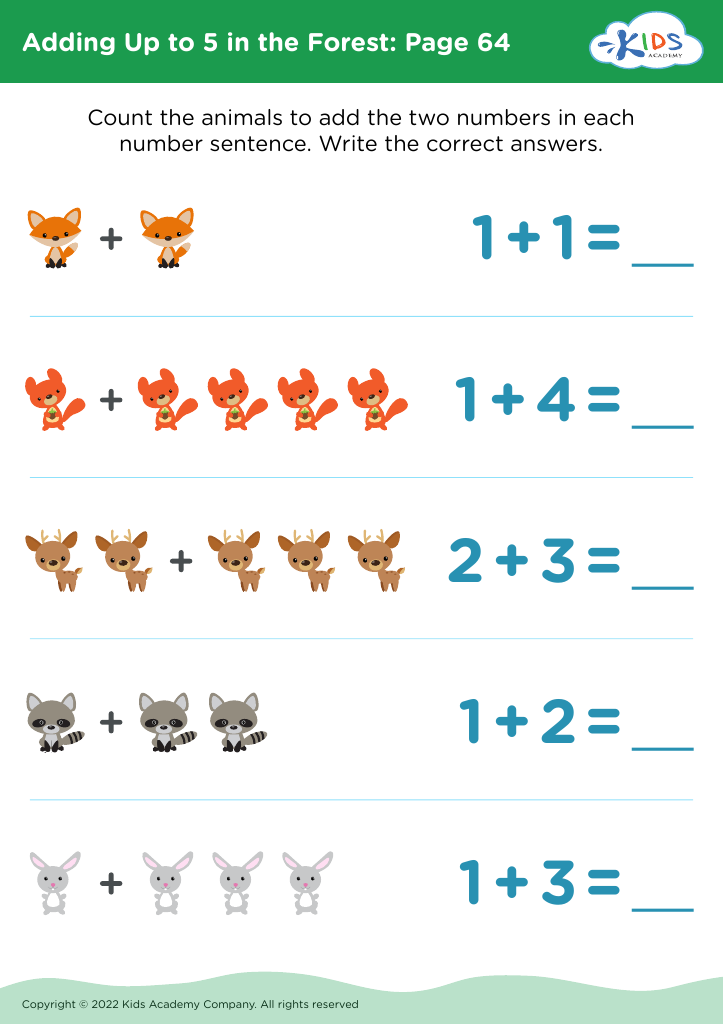
Adding Up to 5 in the Forest: Page 64
Worksheet
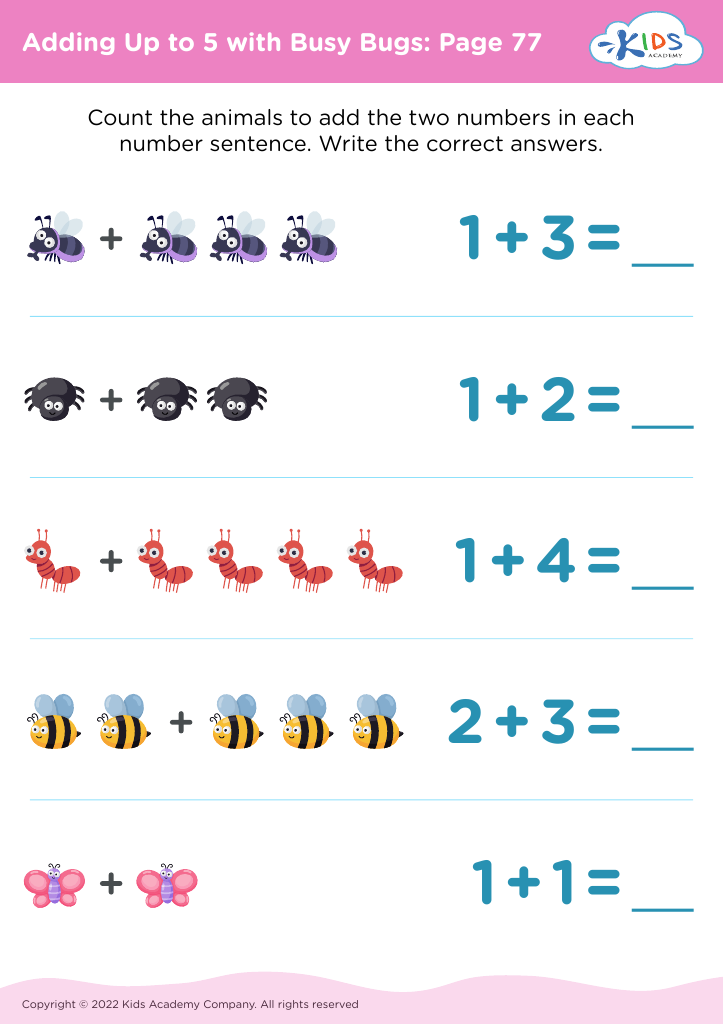
Adding Up to 5 with Busy Bugs: Page 77
Worksheet
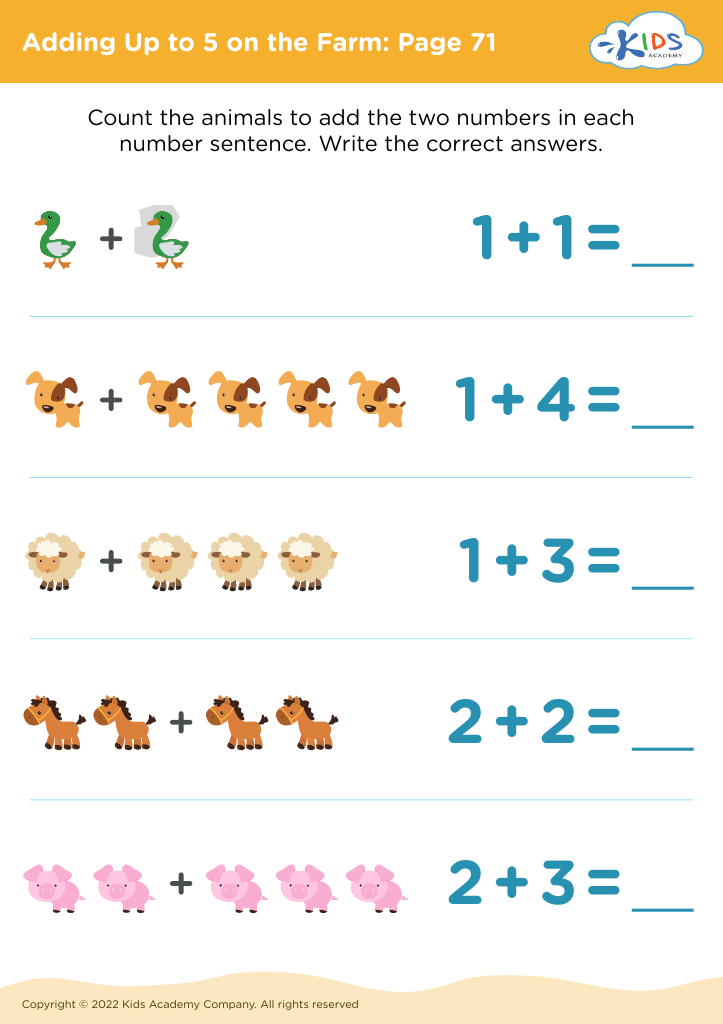
Adding Up to 5 on the Farm: Page 71
Worksheet
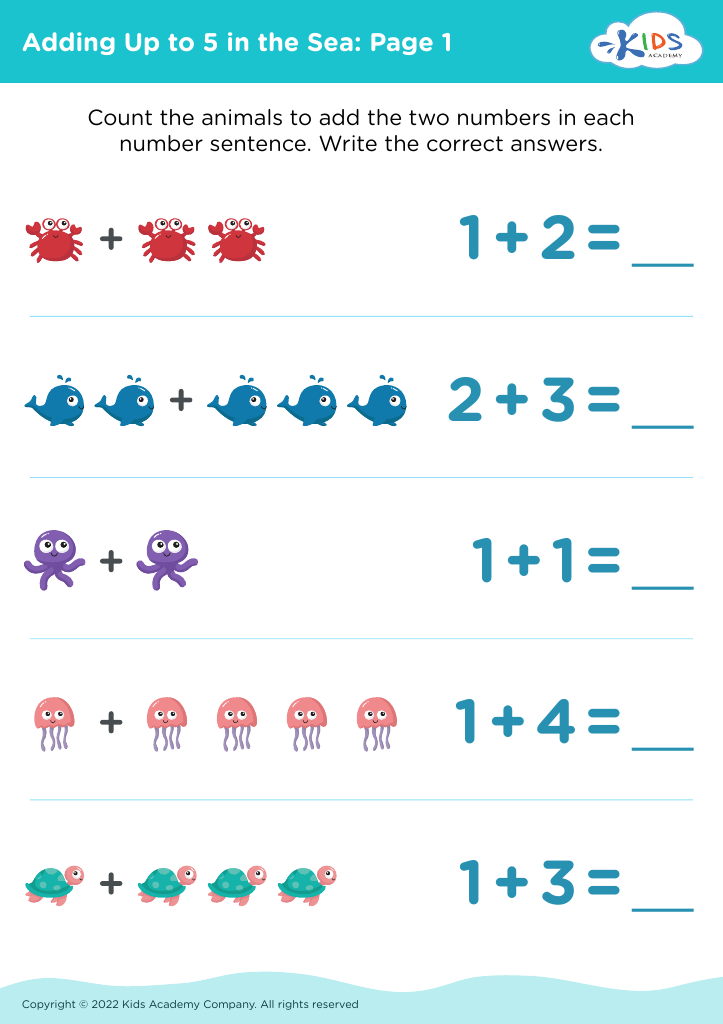
Adding Up to 5 in the Sea: Page 1

Adding Up to 5 in the Sea: Page 1

Adding Up to 5 in the Sea: Page 1
Worksheet
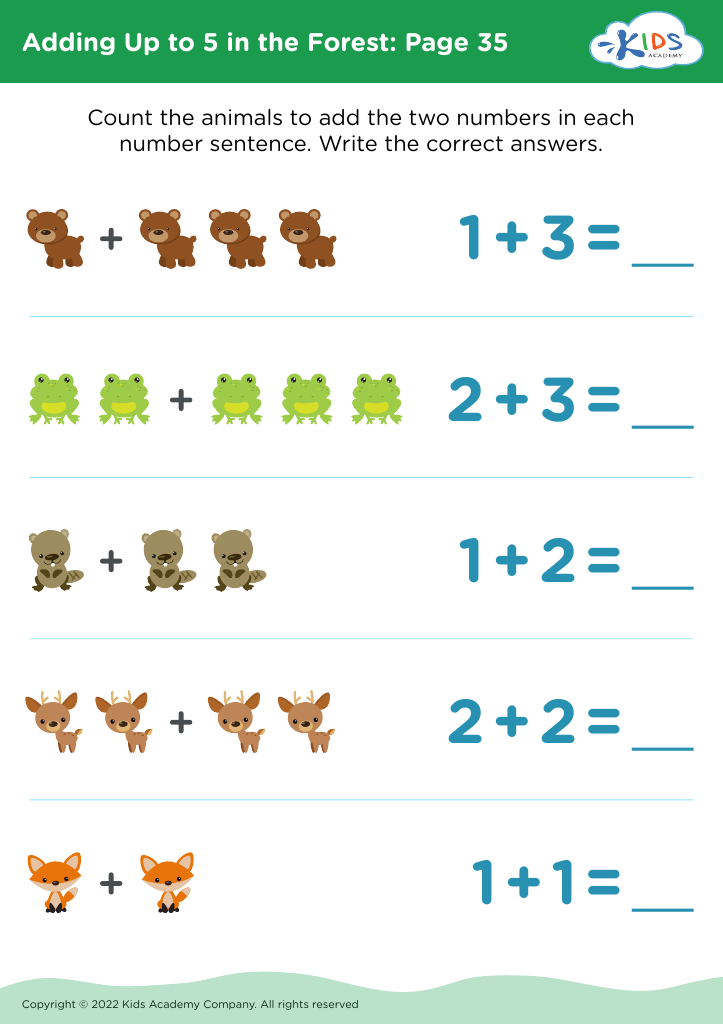
Adding Up to 5 in the Forest: Page 35
Worksheet
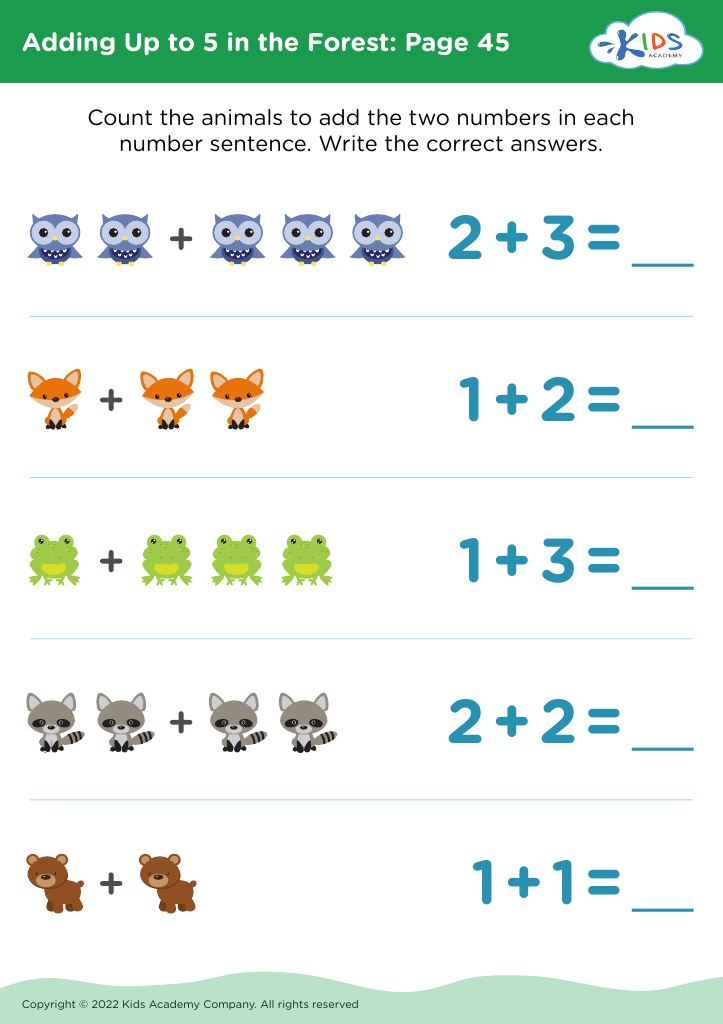
Adding Up to 5 in the Forest: Page 45
Worksheet
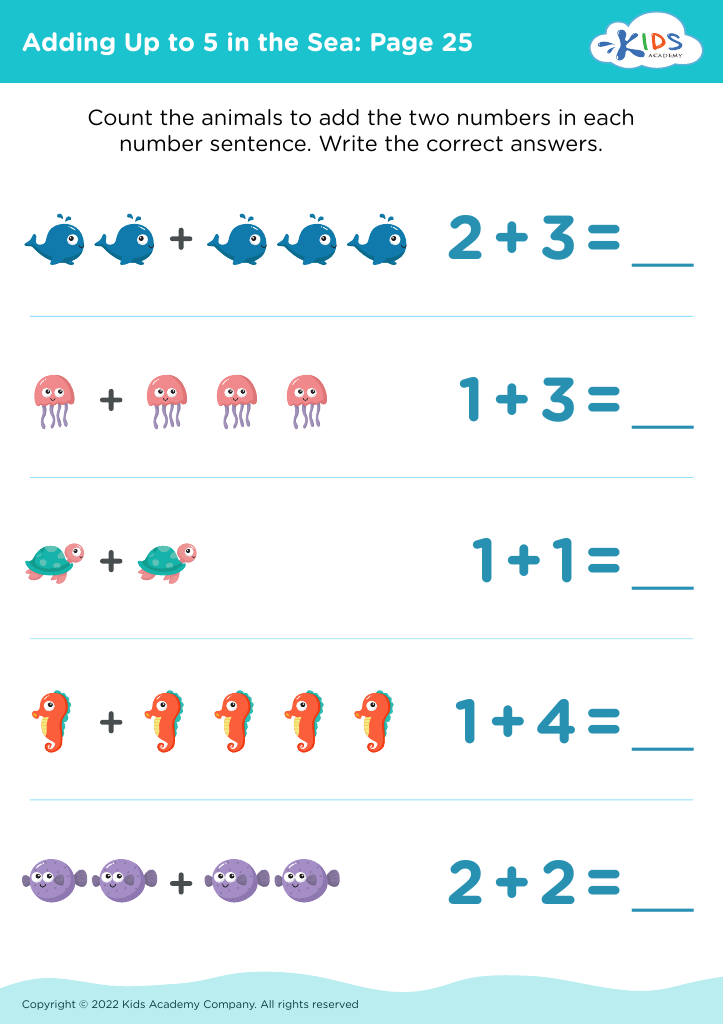
Adding Up to 5 in the Sea: Page 25
Worksheet
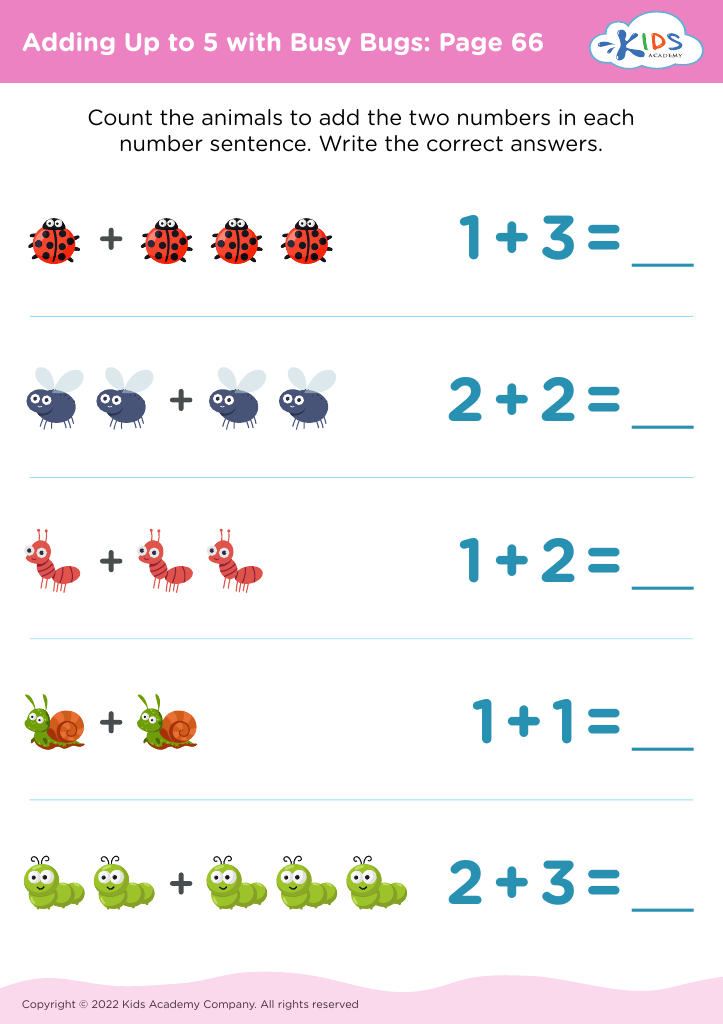
Adding Up to 5 with Busy Bugs: Page 66
Worksheet
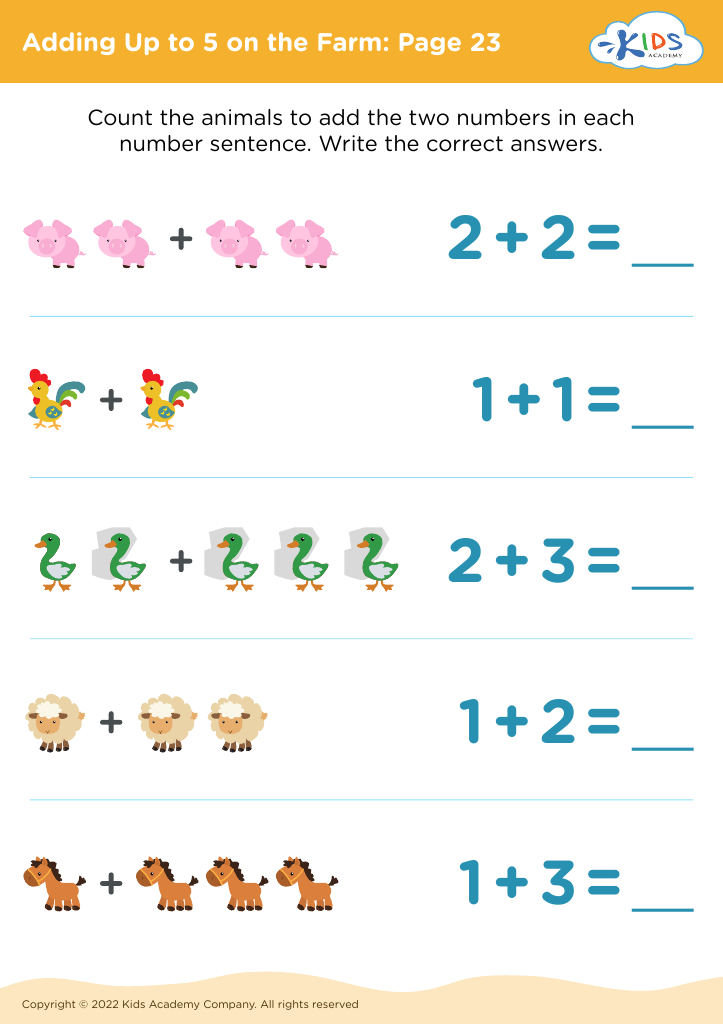
Adding Up to 5 on the Farm: Page 23
Worksheet
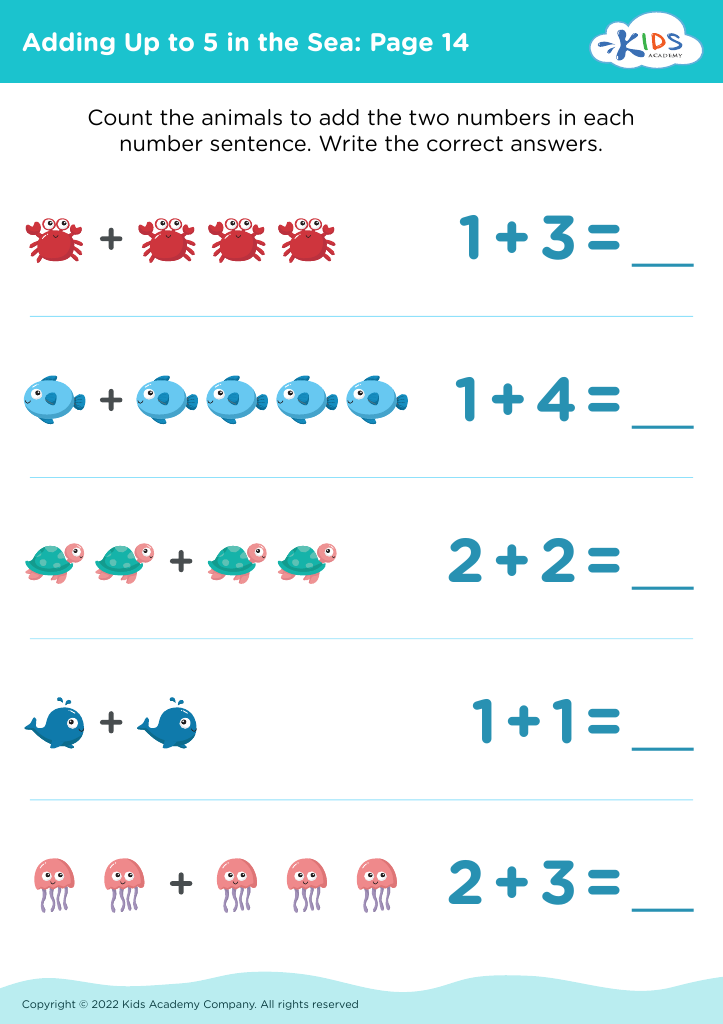
Adding Up to 5 in the Sea: Page 14
Worksheet
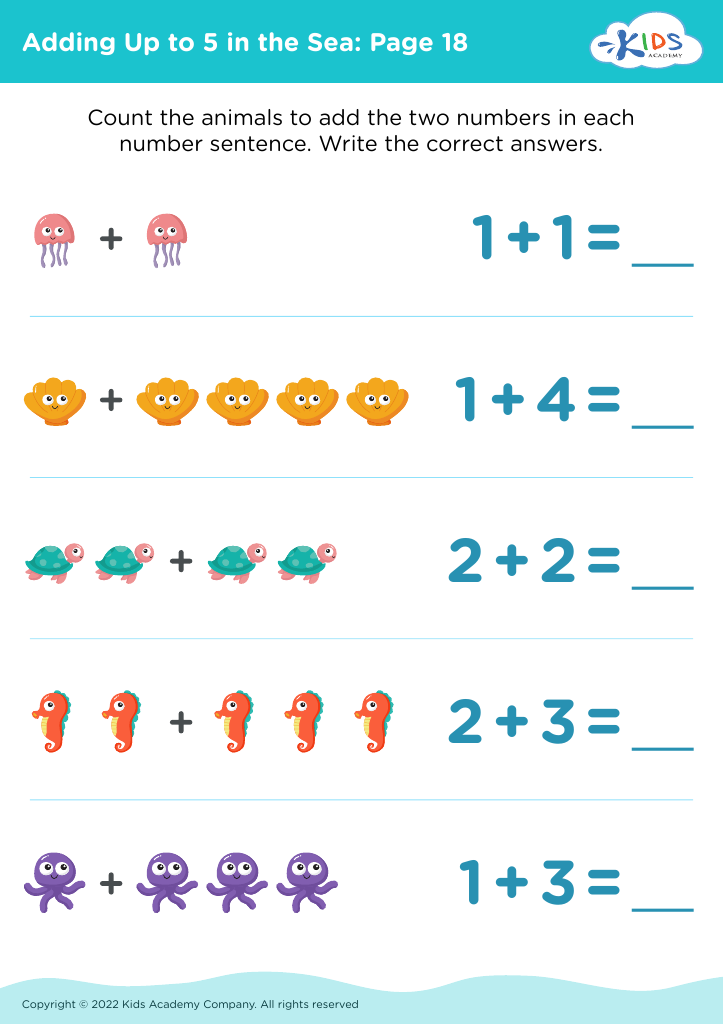
Adding Up to 5 in the Sea: Page 18
Worksheet
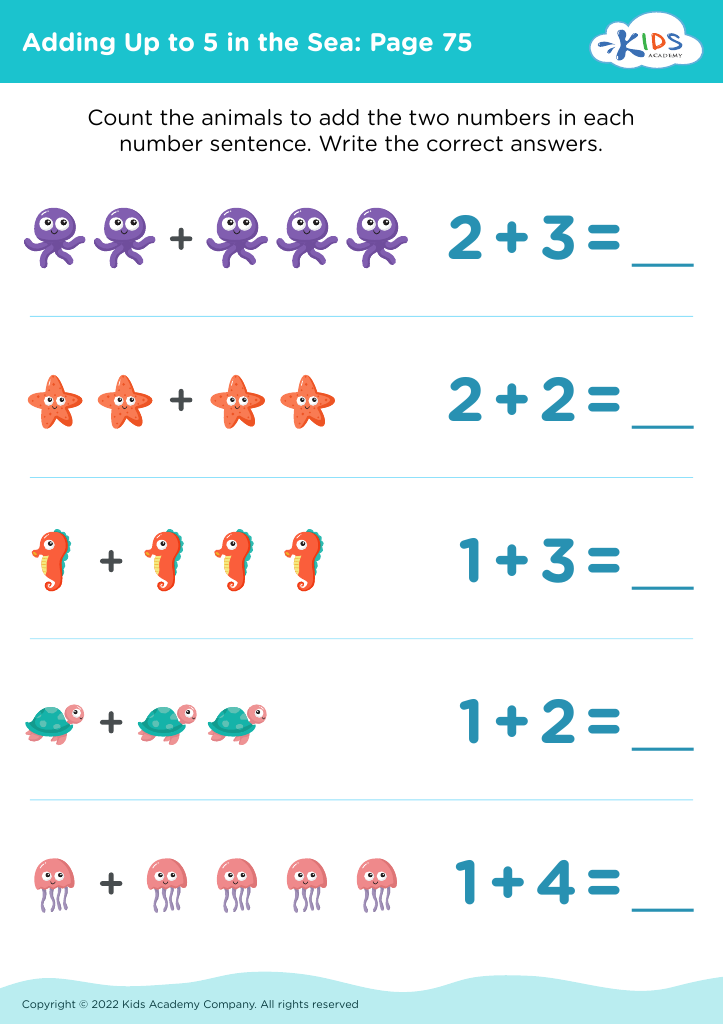
Adding Up to 5 in the Sea: Page 75
Worksheet
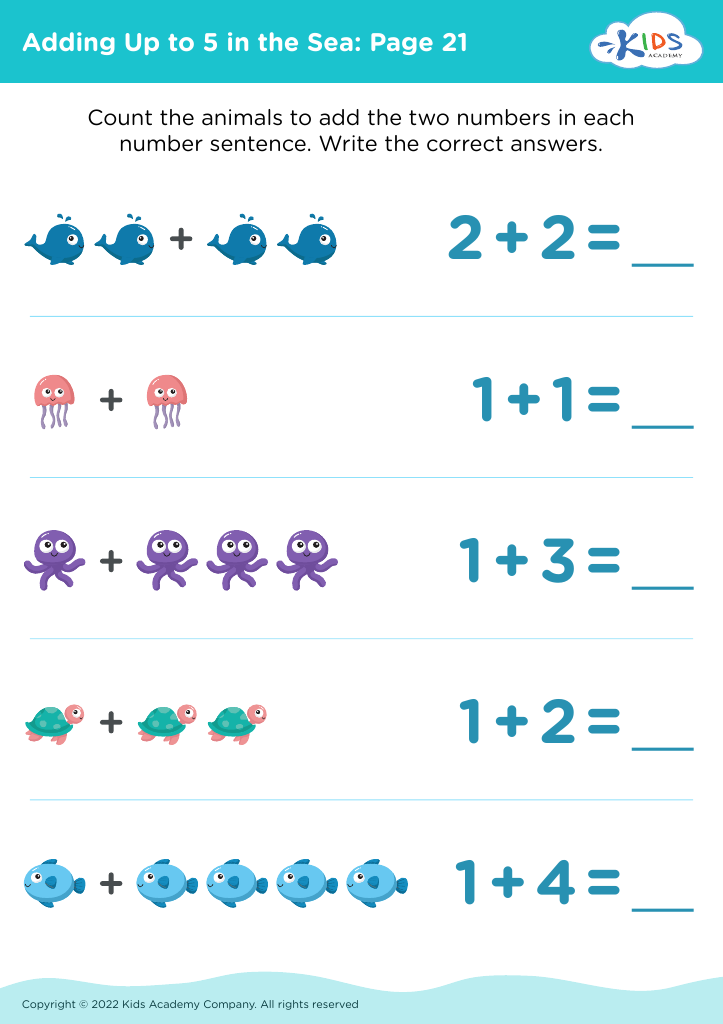
Adding Up to 5 in the Sea: Page 21
Worksheet
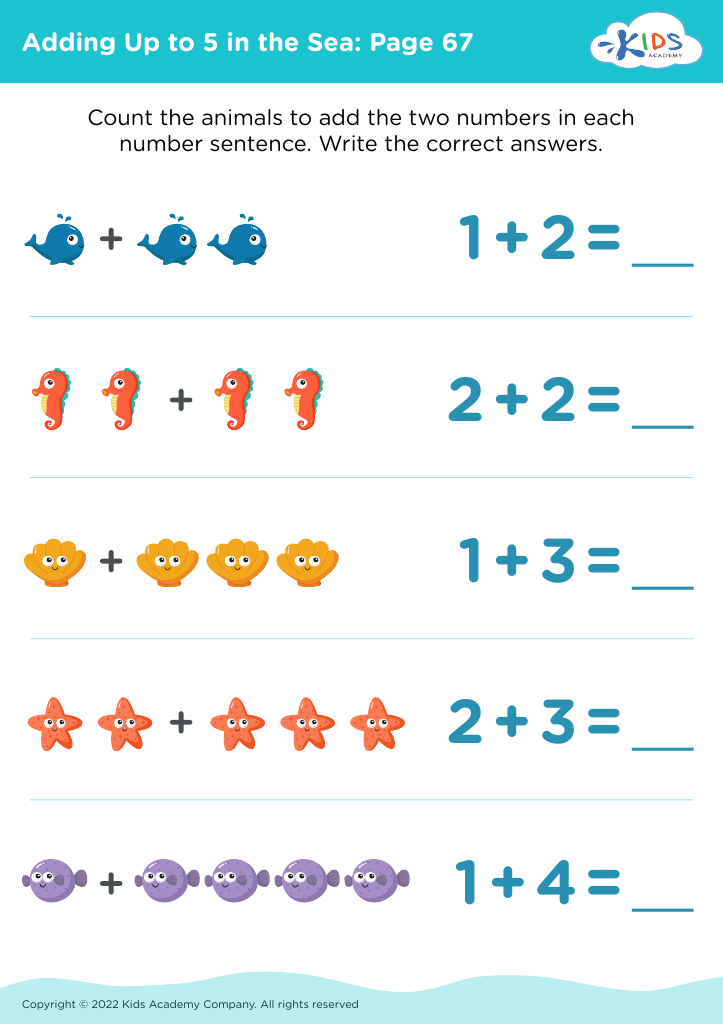
Adding Up to 5 in the Sea: Page 67
Worksheet
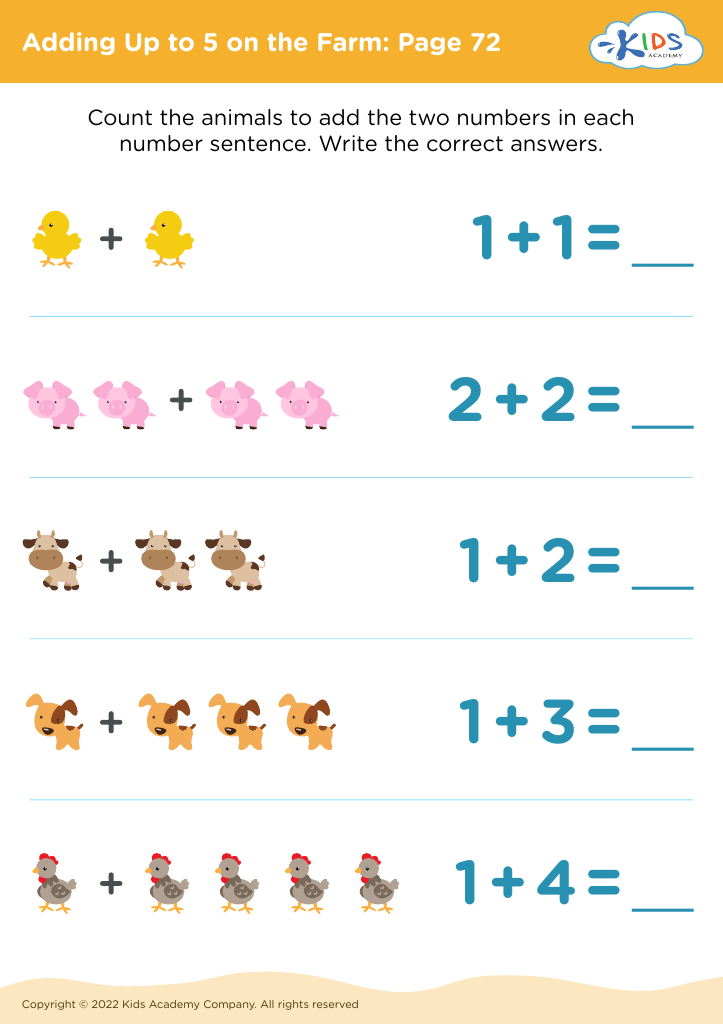
Adding Up to 5 on the Farm: Page 72
Worksheet
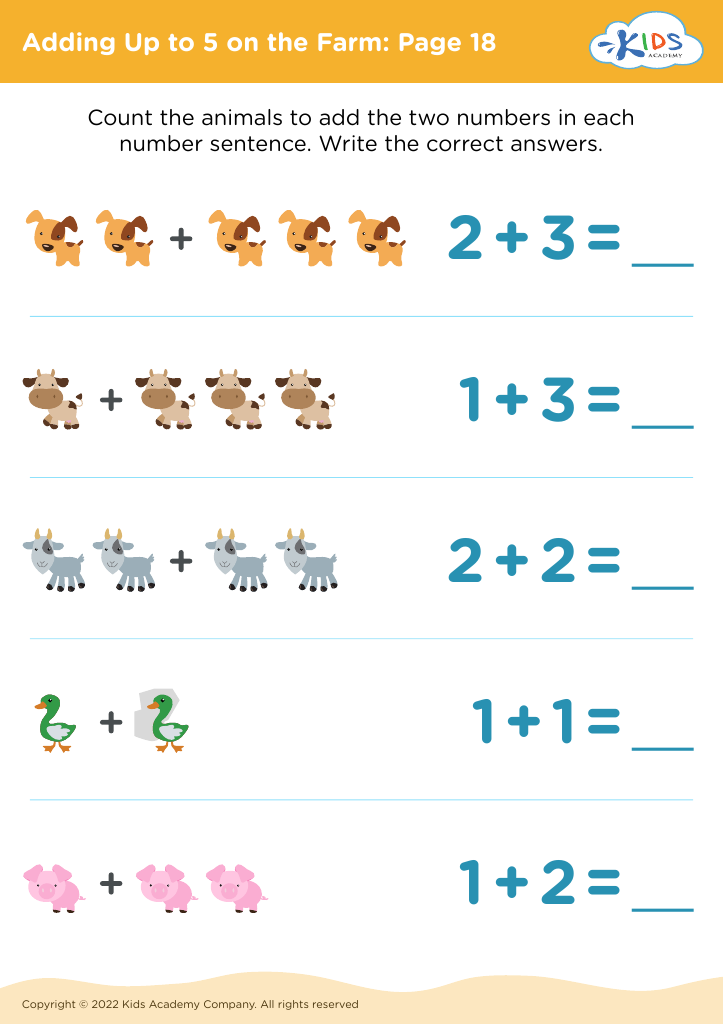
Adding Up to 5 on the Farm: Page 18
Worksheet
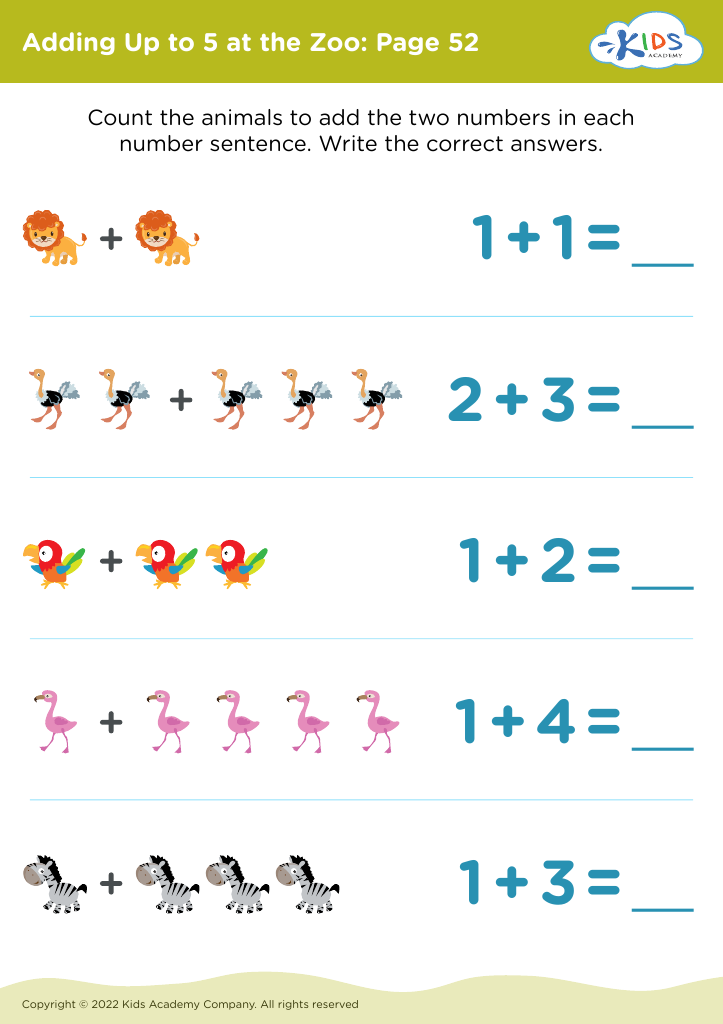
Adding Up to 5 at the Zoo: Page 52
Worksheet
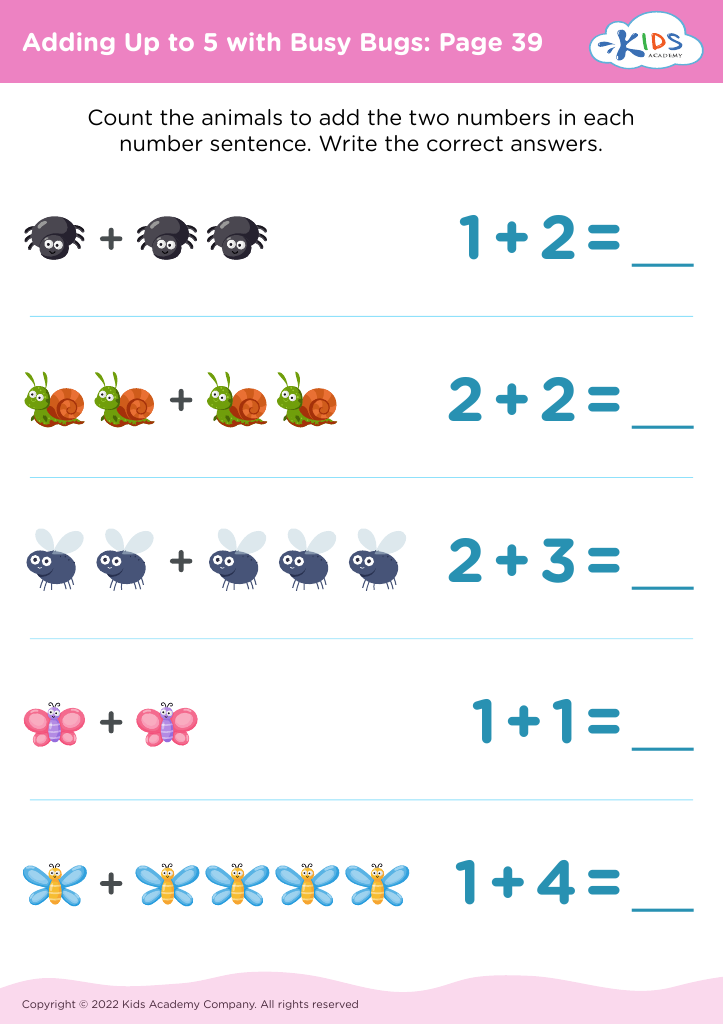
Adding Up to 5 with Busy Bugs: Page 39
Worksheet
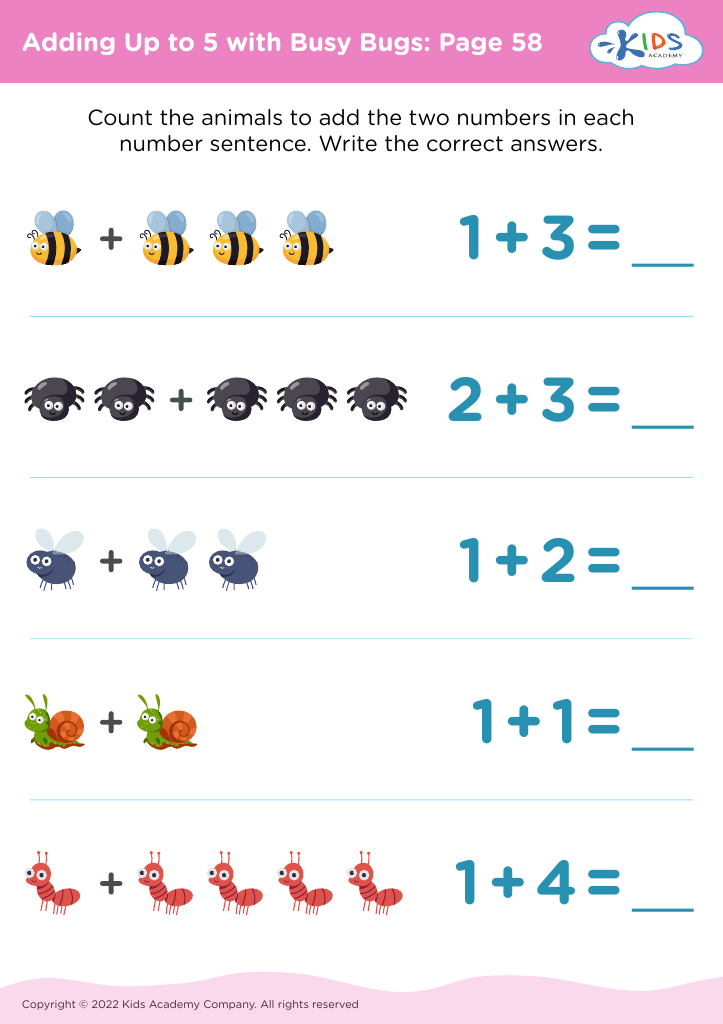
Adding Up to 5 with Busy Bugs: Page 58
Worksheet
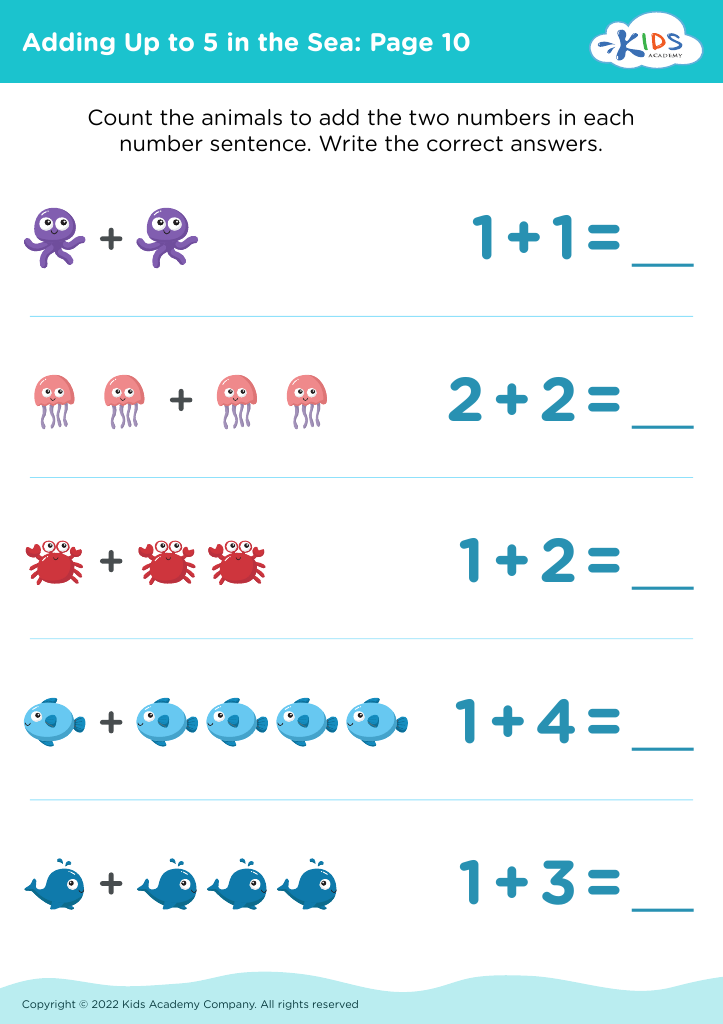
Adding Up to 5 in the Sea: Page 10
Worksheet
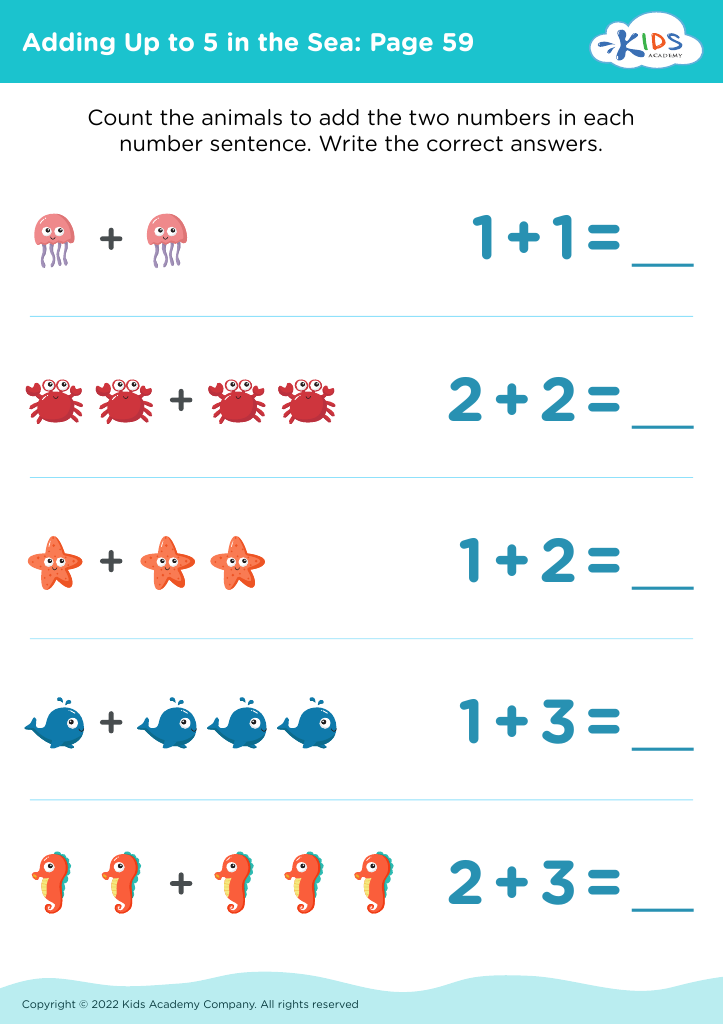
Adding Up to 5 in the Sea: Page 59
Worksheet
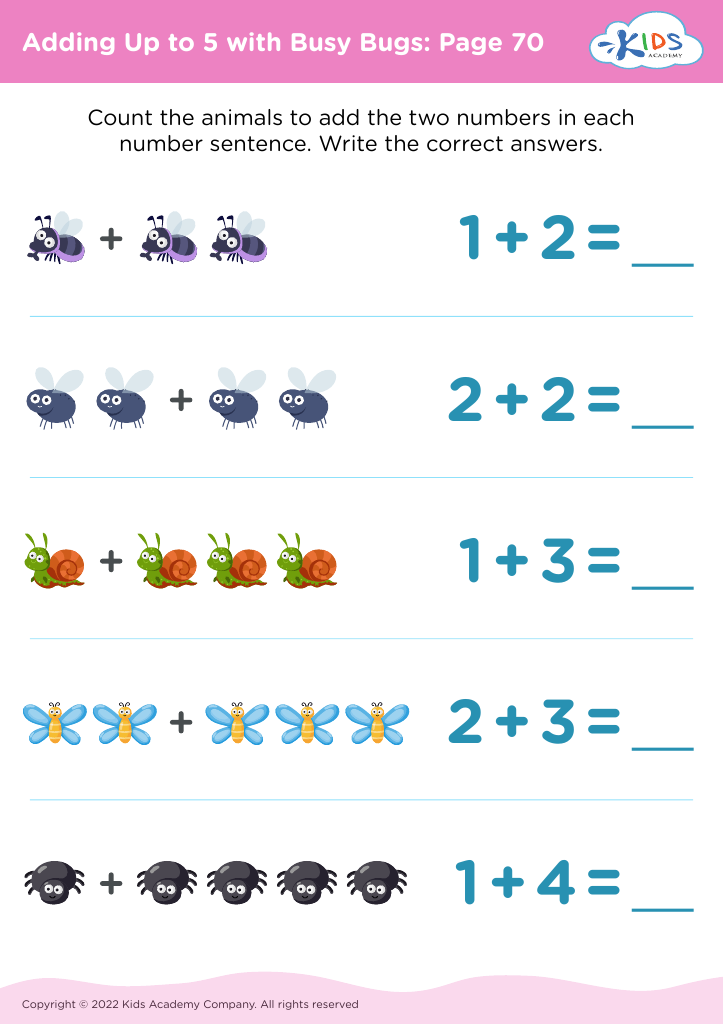
Adding Up to 5 with Busy Bugs: Page 70
Worksheet
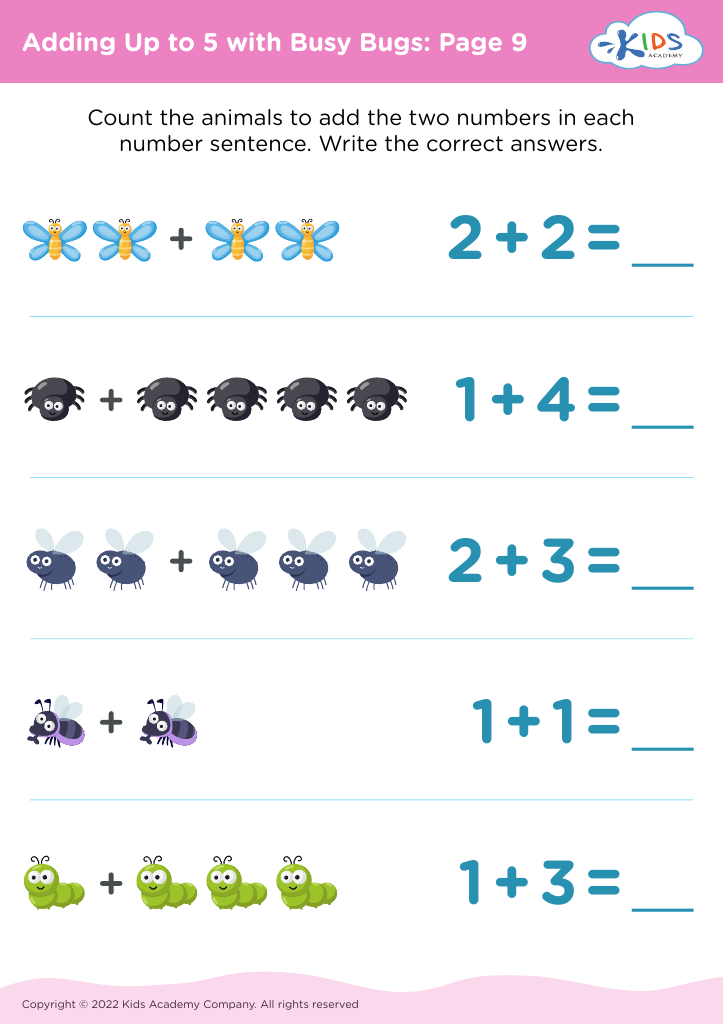
Adding Up to 5 with Busy Bugs: Page 9
Worksheet


Visual learning in addition and subtraction for children ages 3-6 is essential for foundational math skills development. During these early years, children are highly receptive to learning through visual aids because their cognitive and motor skills are still maturing. Visual tools, such as counting objects, number lines, and colorful illustrations, make abstract mathematical concepts more accessible and comprehensible for young minds.

Using visual aids engages multiple senses and helps children understand the concepts of addition and subtraction in a concrete way. For instance, they can physically manipulate objects to see how combining groups increases the total or how removing items decreases it. This hands-on experience solidifies their understanding and keeps them actively involved in the learning process.

Additionally, visual learning caters to different learning styles, helping both visual learners and those who benefit from tactile experiences. It reduces anxiety around math by making learning playful and less intimidating, fostering a positive attitude toward mathematics from an early age.

Moreover, when children grasp these fundamental skills early, it sets a solid foundation for more complex mathematical concepts they'll encounter later in their education. Investing in visual learning for addition and subtraction thus equips children with confidence, critical thinking, and problem-solving skills essential for future academic success.