Counting skills Geometry Worksheets for Ages 3-6
13 filtered results
-
From - To
Engage your little learners with our Counting Skills Geometry Worksheets tailor-made for ages 3-6. These playful, colorful worksheets introduce basic geometric shapes while honing essential counting abilities. Designed by educators, each activity fosters early math confidence, reinforces shape recognition, and enhances number skills through hands-on practice. Perfect for preschoolers and kindergarteners, our worksheets blend fun activities like matching, counting, and shape tracing to create an enjoyable learning experience. Ideal for both classroom settings and at-home practice, these worksheets cater to young minds eager to explore the exciting world of geometry and number counting. Nurture your child's math journey today!
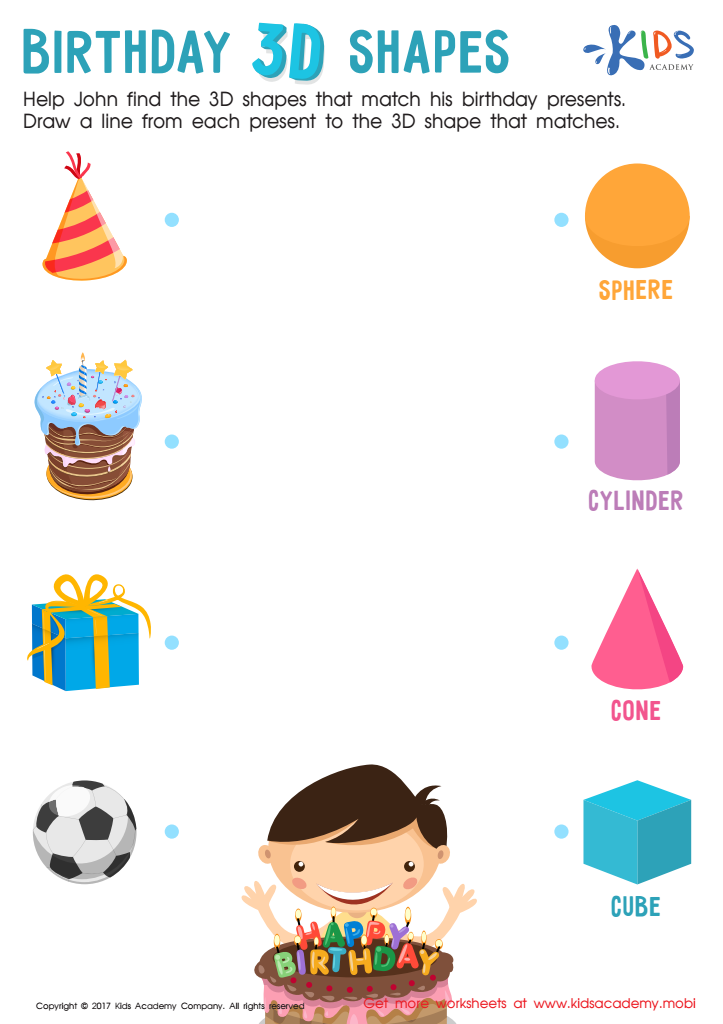
Birthday 3D Shapes Worksheet
 Assign to My Students











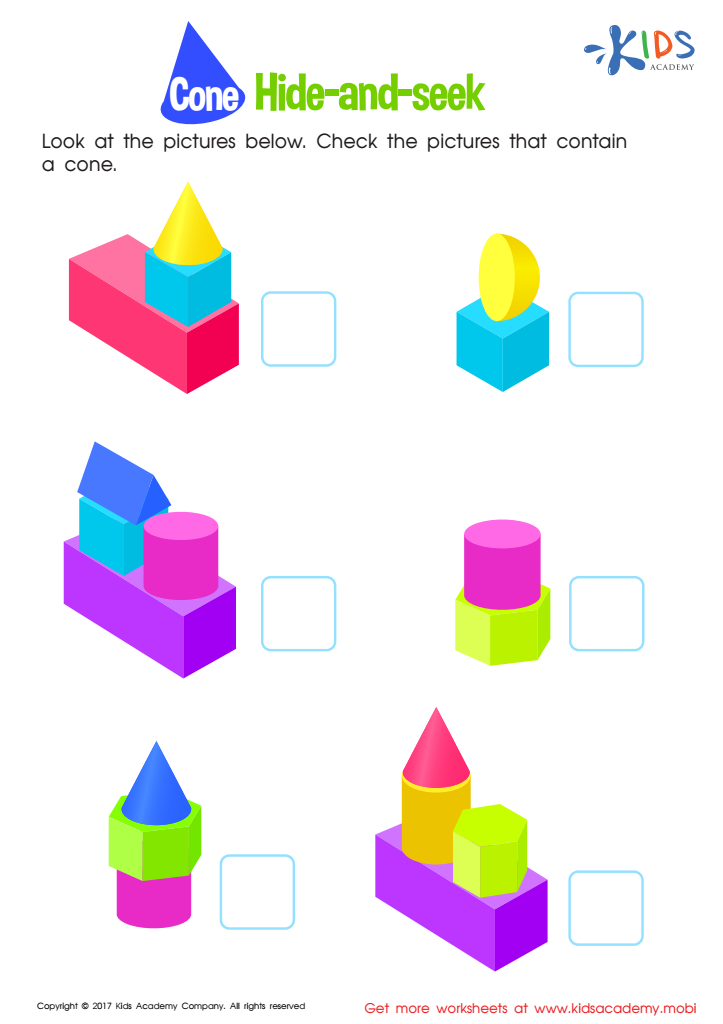
Cone Hide-and-Seek Worksheet
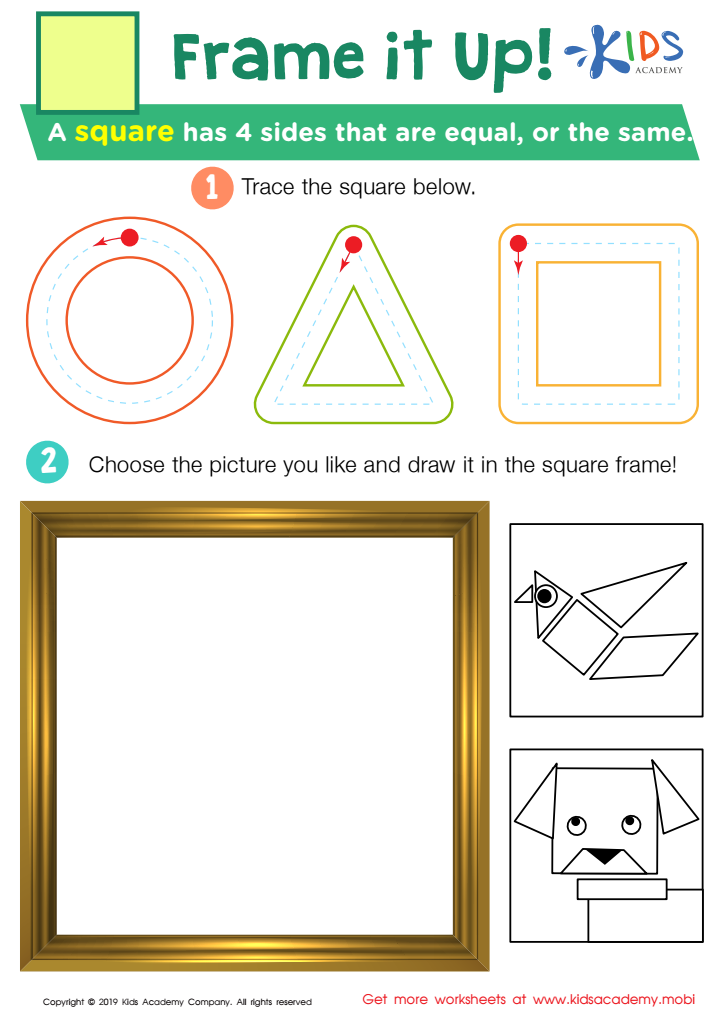
Frame it Up Worksheet
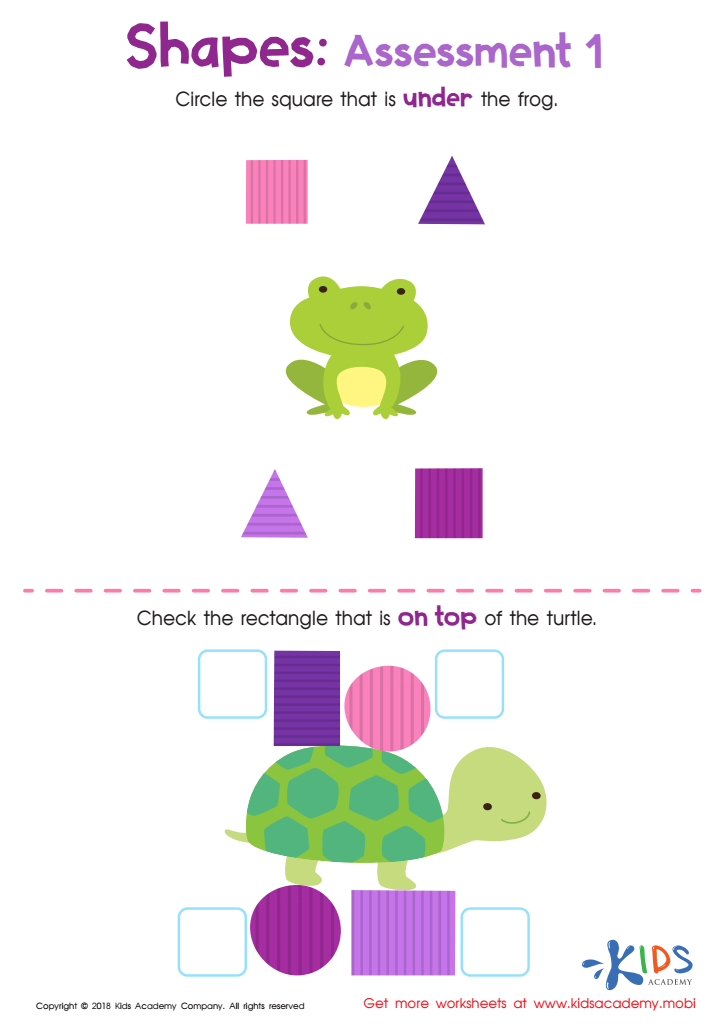
Geometry – Assessment 1 Worksheet
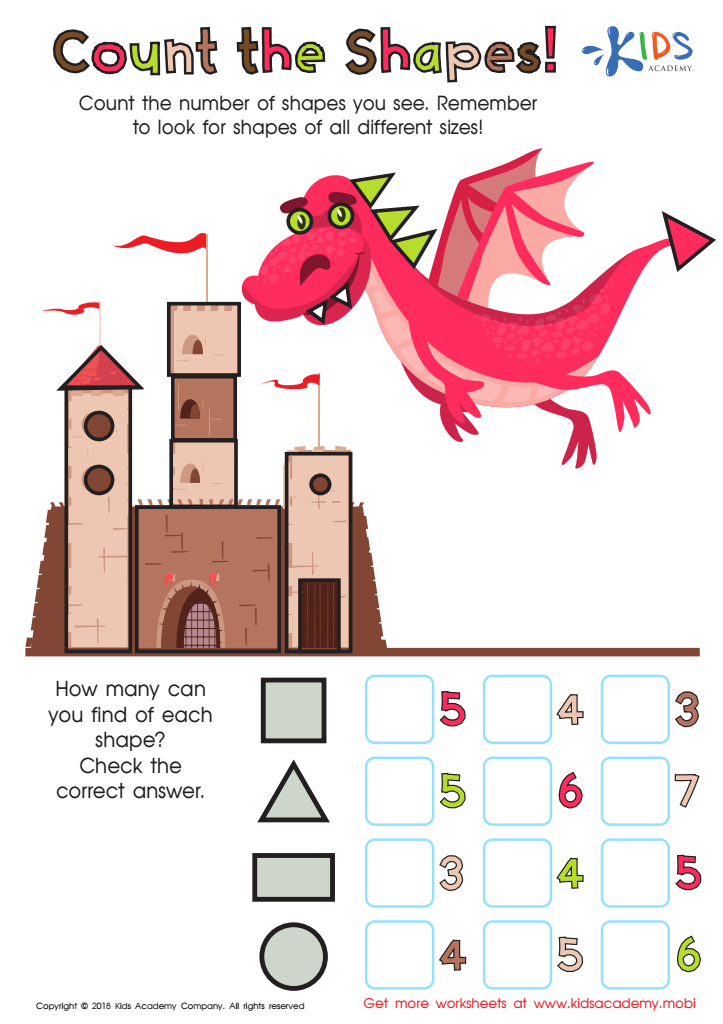
Count the Shapes Worksheet
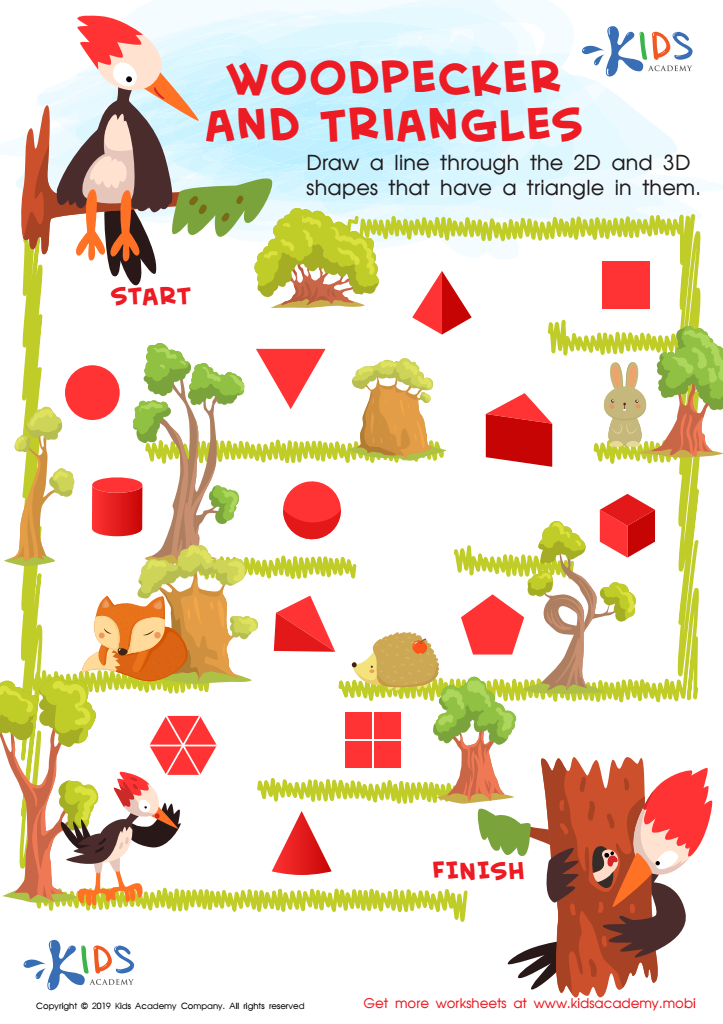
Woodpecker and Triangles Worksheet
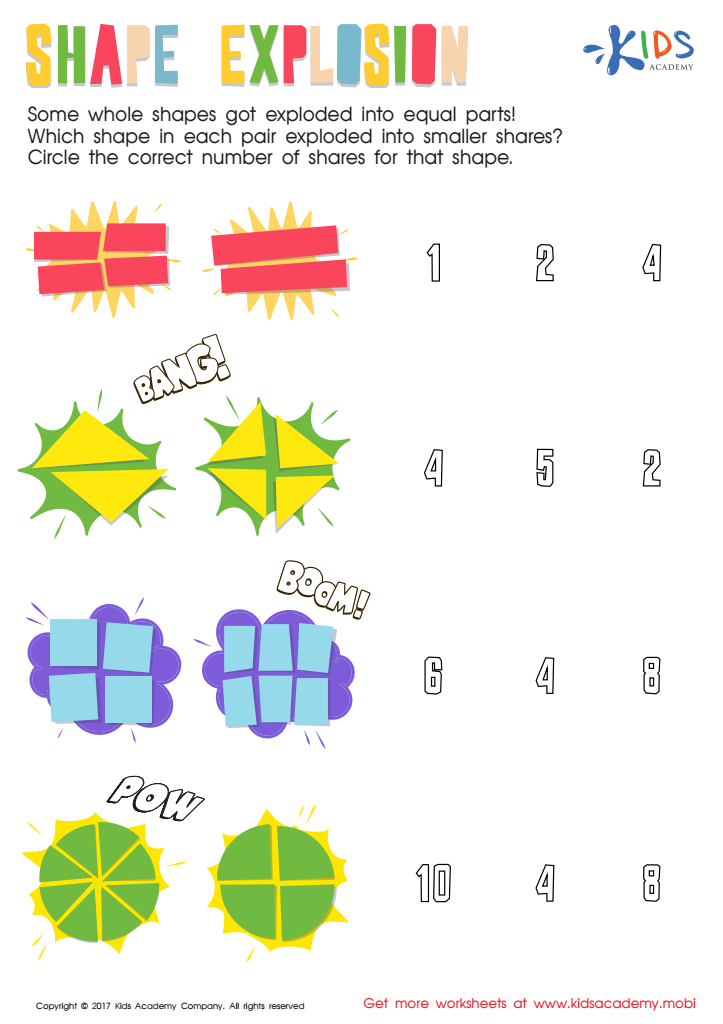
Shape Explosion Worksheet
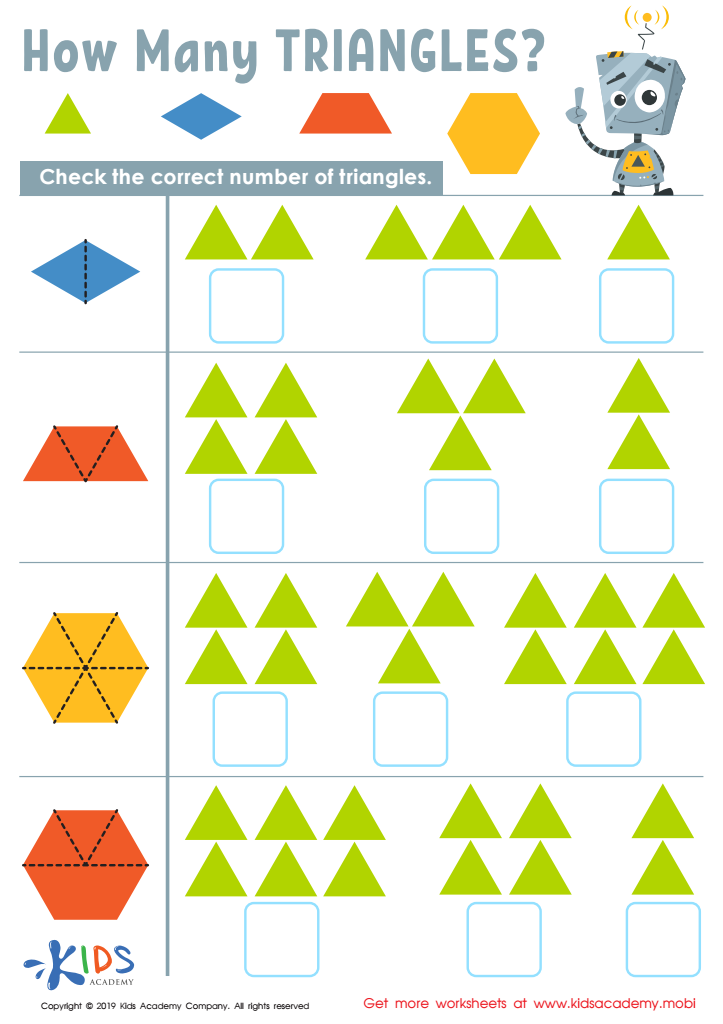
How Many Triangles Worksheet
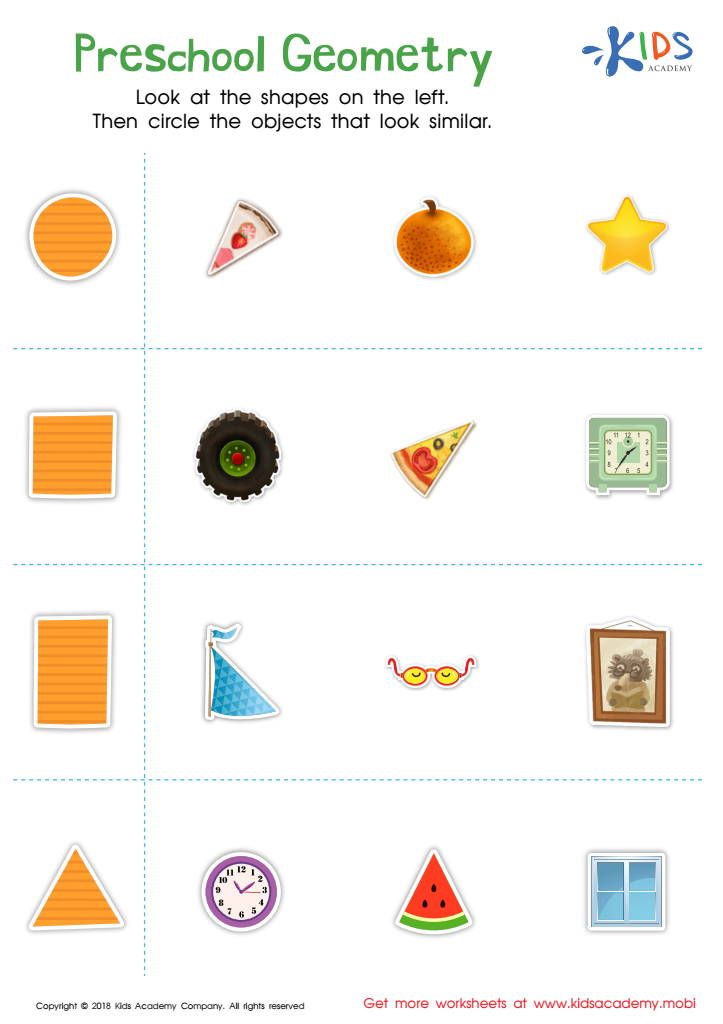
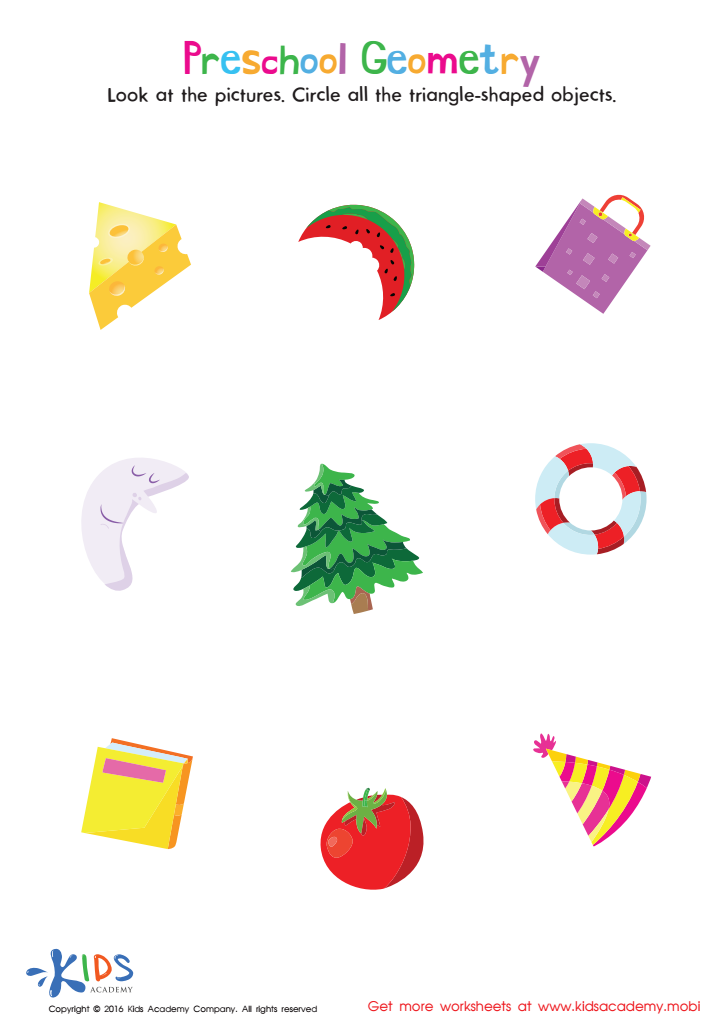
Preschool Geometry Worksheet
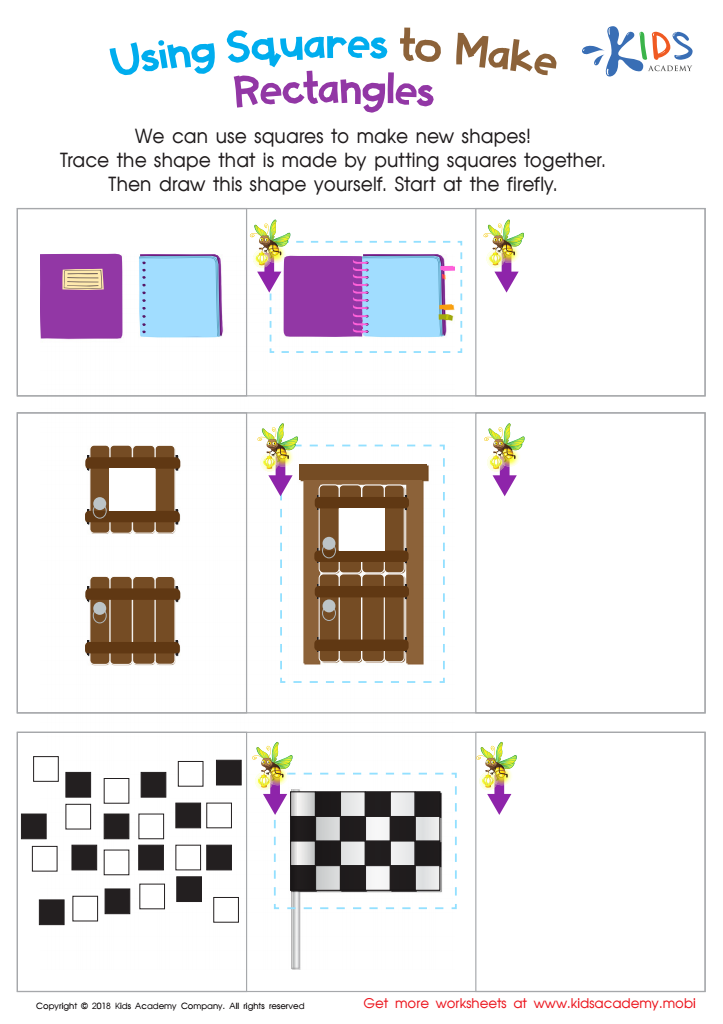
Using Squares to Make Rectangles Worksheet
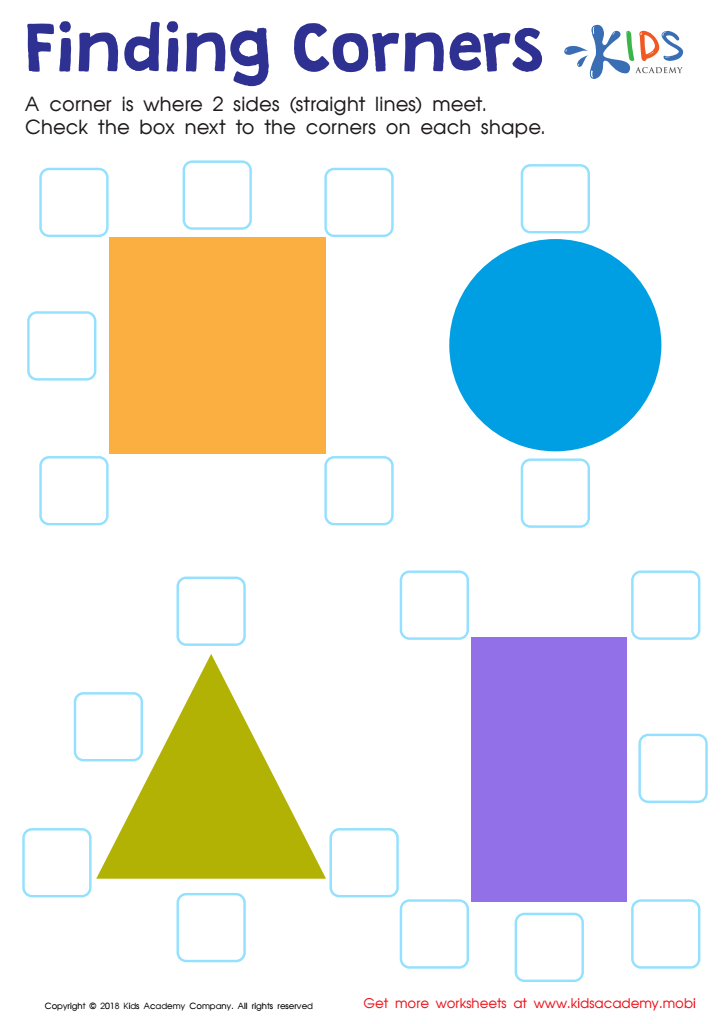
Finding Corners Worksheet
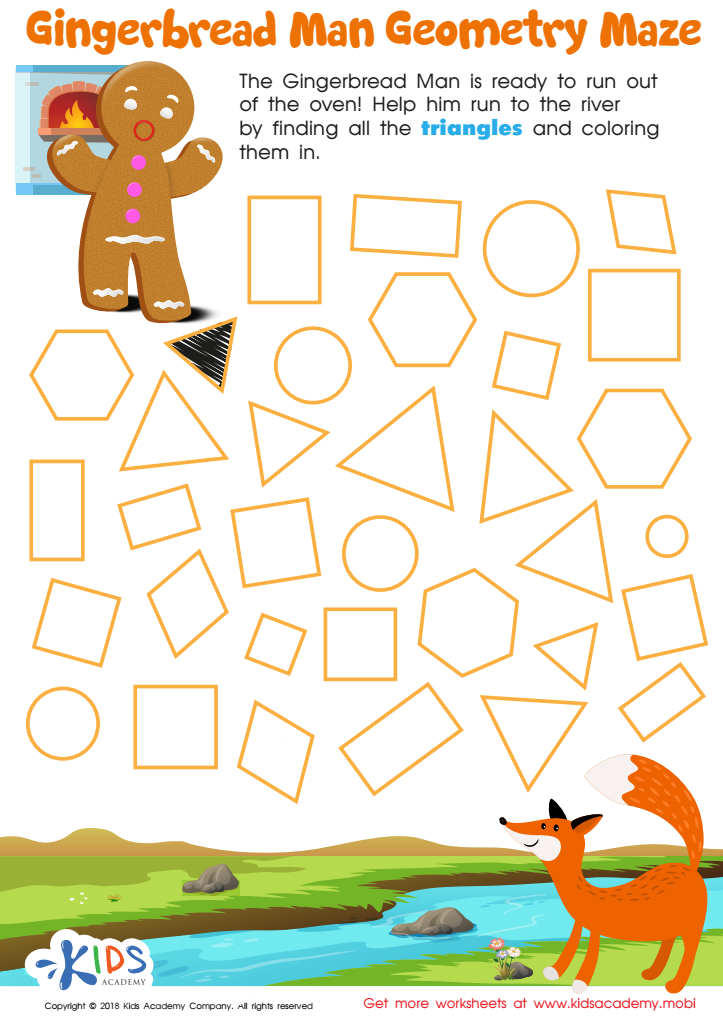
Gingerbread Man Geometry Maze Worksheet








Counting skills and geometry are foundational elements in early childhood education that hold profound significance for children aged 3-6. For parents and teachers, fostering these skills can lead to numerous cognitive and developmental benefits.
Counting skills form the basis for numeracy, enabling young learners to grasp the concept of numbers and their relationships. Proficiency in counting sets the stage for more complex mathematical tasks, like addition, subtraction, and problem-solving. Basic counting also enhances memory, attention, and sequencing abilities, which are crucial for overall cognitive development.
On the other hand, early exposure to geometry helps children understand the world around them. Recognizing shapes, spatial relationships, and patterns aids in developing critical thinking and spatial awareness. These skills are essential not just for future mathematics, but also for everyday tasks such as navigating environments, organizing thoughts, and building creativity.
Inclusion of counting and geometry in early learning aligns well with natural curiosity in young children. Activities like sorting shapes, counting objects, and simple puzzles not only engage them but also integrate learning into play.
Ultimately, investing time and effort in teaching counting and geometric concepts can pay extensive dividends, providing children with crucial tools for academic success and overall mental growth.








