Categorization skills Numbers Worksheets for Ages 3-6
4 filtered results
-
From - To
Explore our engaging Categorization Skills Numbers Worksheets designed specifically for children ages 3-6! These interactive resources help young learners grasp foundational math concepts by sorting and classifying numbers in fun and creative ways. With colorful visuals and relatable themes, children will enhance their cognitive abilities while developing essential categorization skills. Our worksheets are perfect for fostering critical thinking, boosting recognition of number patterns, and supporting early math comprehension. Ideal for parents and teachers, these printables provide an invaluable tool for making learning effortless and enjoyable. Dive into the world of numbers and watch your little ones thrive with these effective worksheets!
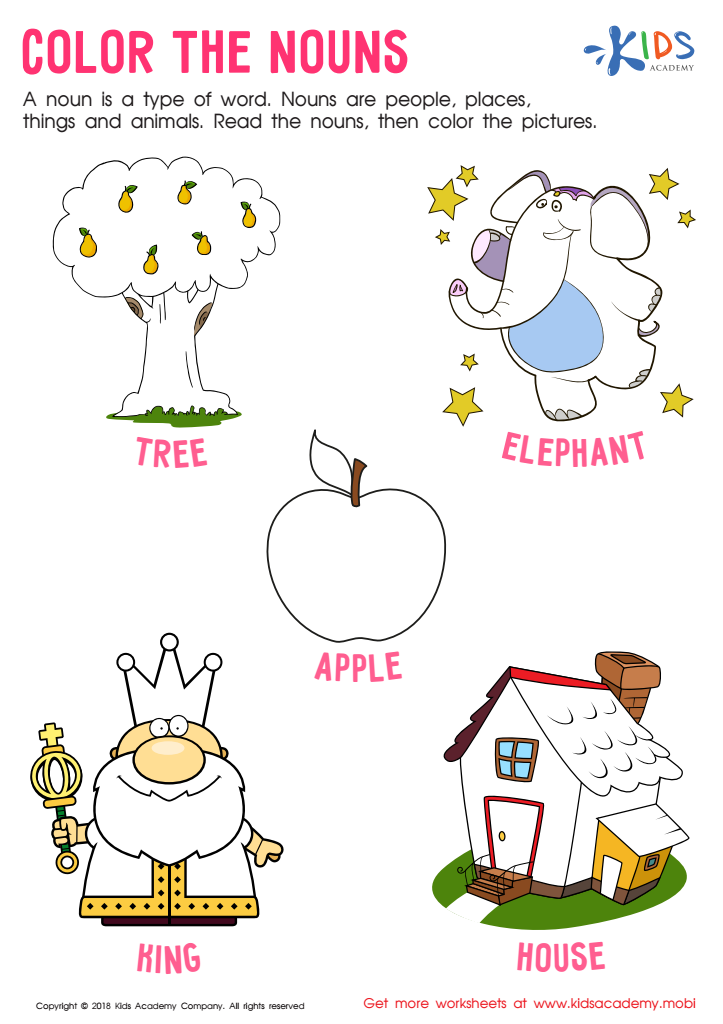
Color the Nouns Worksheet
 Assign to My Students
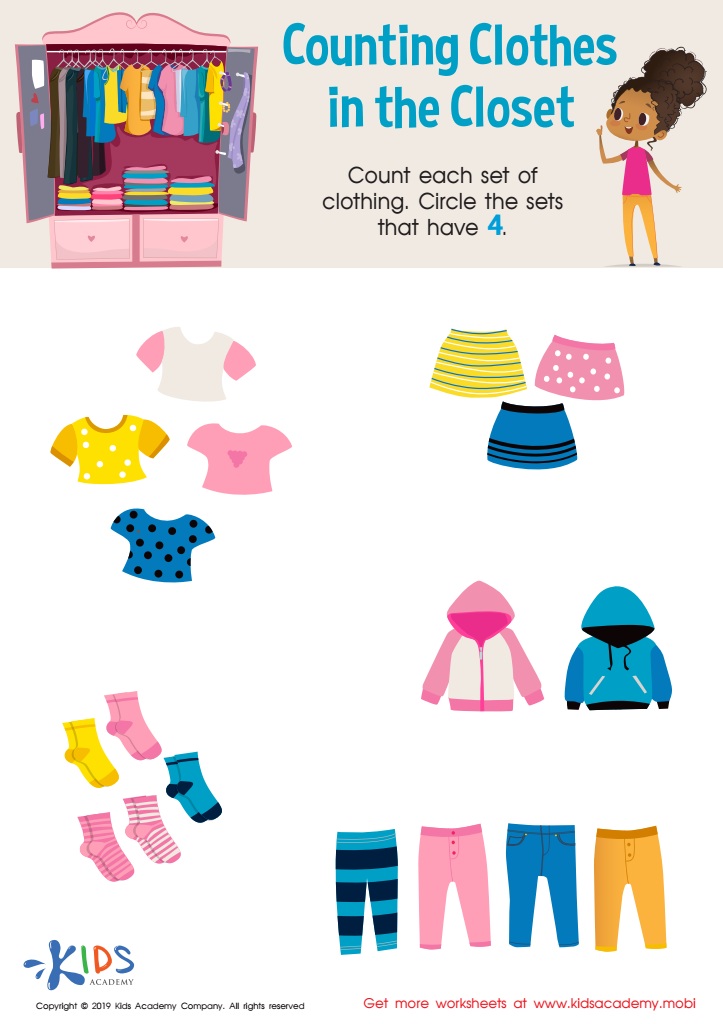
Counting Clothes Worksheet
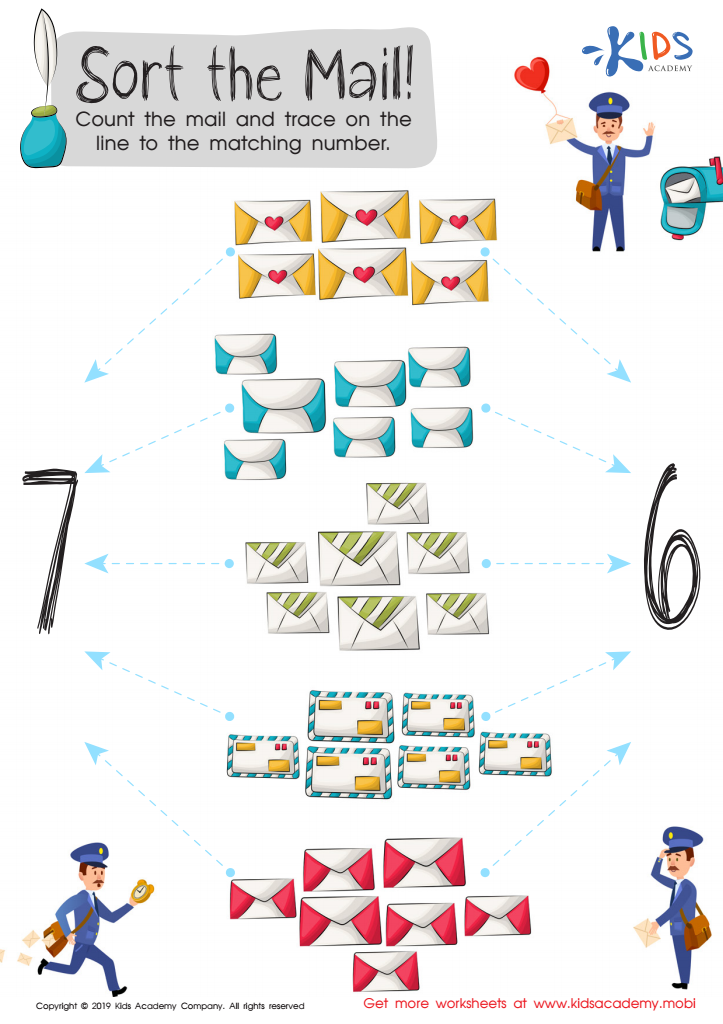
Sort the Mail Worksheet
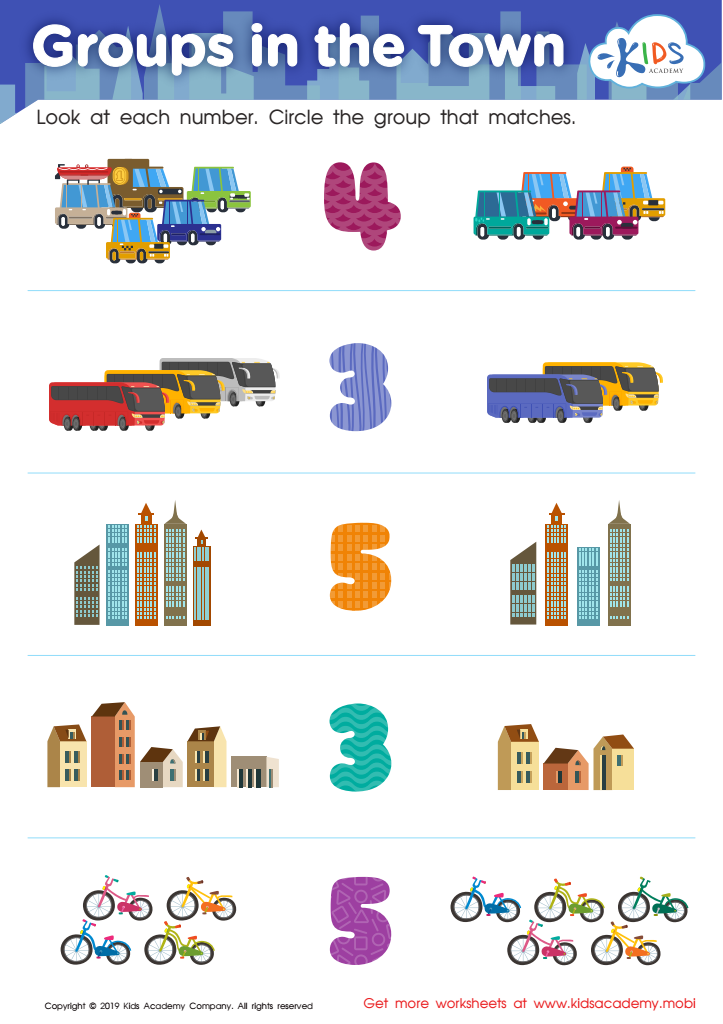
Groups in the Town Worksheet








Categorization skills are essential for young children ages 3-6, influencing their cognitive development and overall learning. These skills involve grouping objects, ideas, or experiences based on shared characteristics, which lays the groundwork for critical thinking and problem-solving abilities. When children categorize, they develop their analytical skills, enabling them to differentiate between various concepts and understand complex ideas.
Parents and teachers should prioritize helping children develop categorization skills because these abilities play a crucial role in early math and literacy acquisition. For example, recognizing patterns and groups aids in understanding numbers and counting, as well as identifying letters and sounds in reading. Moreover, categorization strengthens memory retention by encouraging children to make connections between similar items or concepts.
Additionally, engaging in categorization activities promotes social skills. By sorting and classifying, children learn to work cooperatively, express their thoughts, and negotiate with peers, fostering communication and teamwork. When parents and teachers actively support the development of these skills, they empower children to become more observant, confident, and capable learners, ultimately enhancing their academic success and social interactions as they transition into more formal educational settings. Investing time in cultivating these foundational skills is essential for holistic childhood development.








