Counting practice Numbers Worksheets for Ages 3-6 - Page 2
36 filtered results
-
From - To
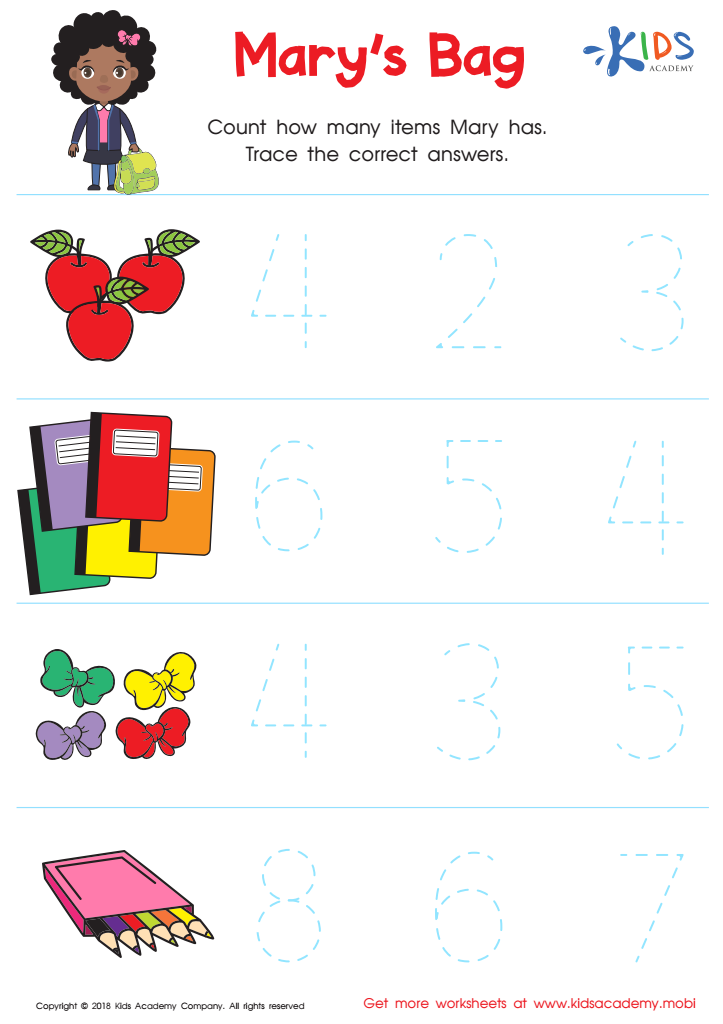
Kindergarten Number Tracing: Mary's Bag Worksheet
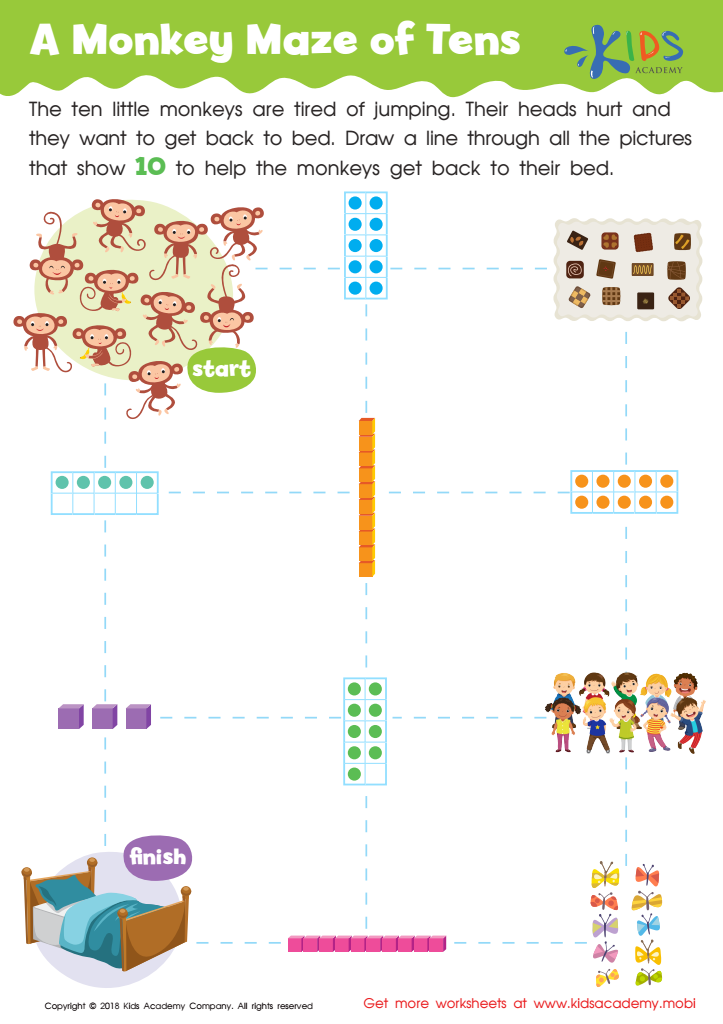
A Monkey Maze of Tens Worksheet
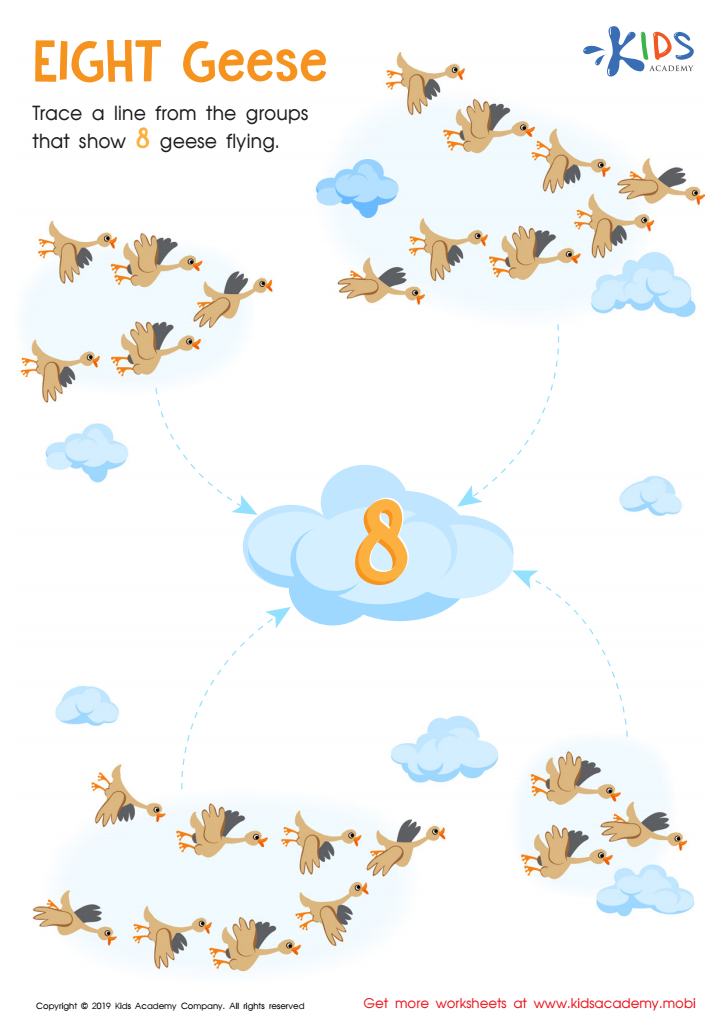
Eight Geese Worksheet
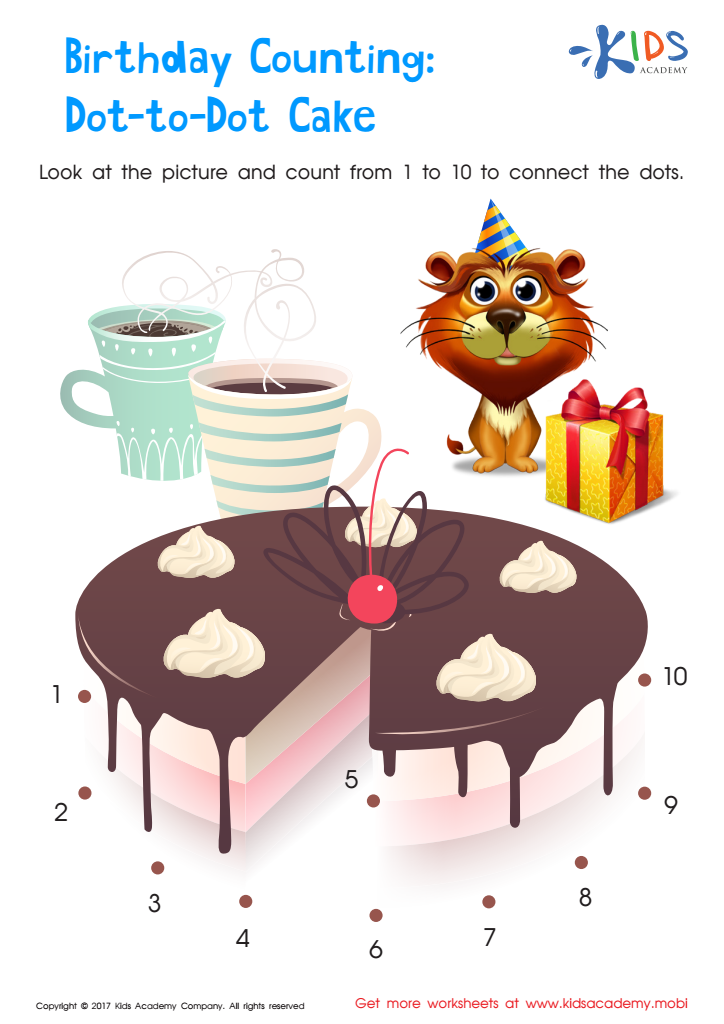
Birthday Counting Connect Dots Worksheet
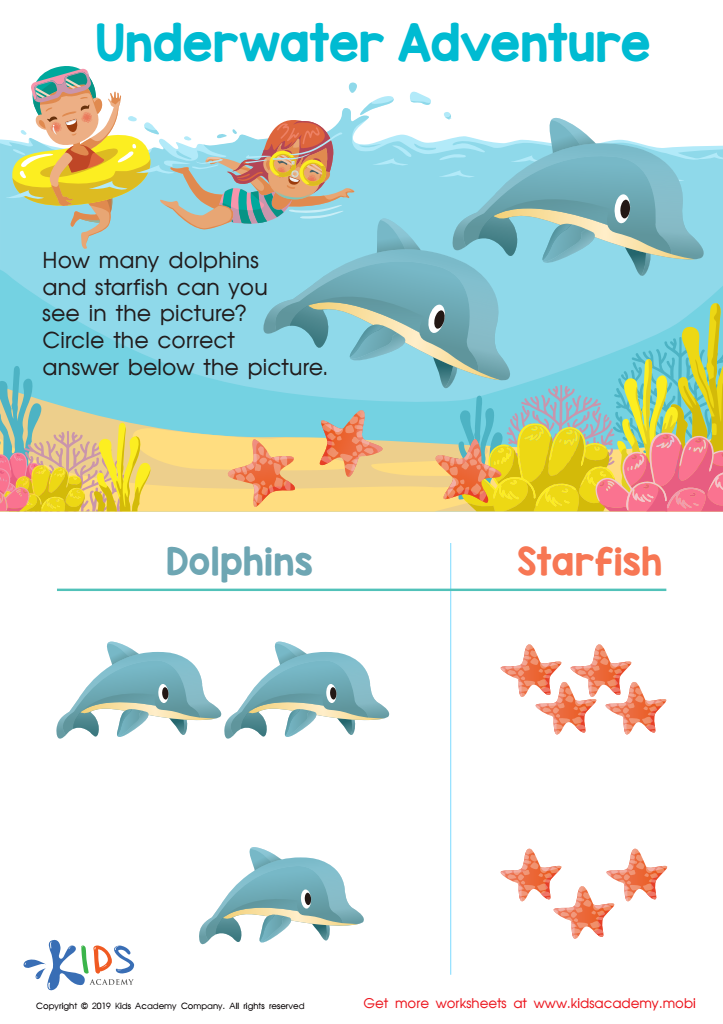
Underwater Adventure Worksheet
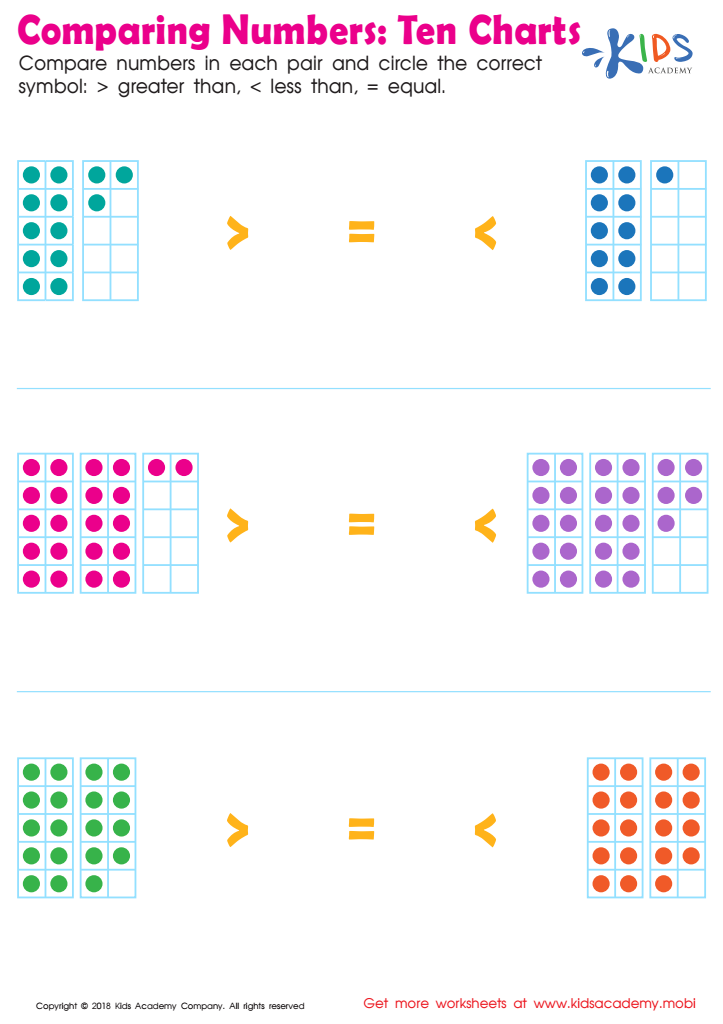
Ten Charts Worksheet
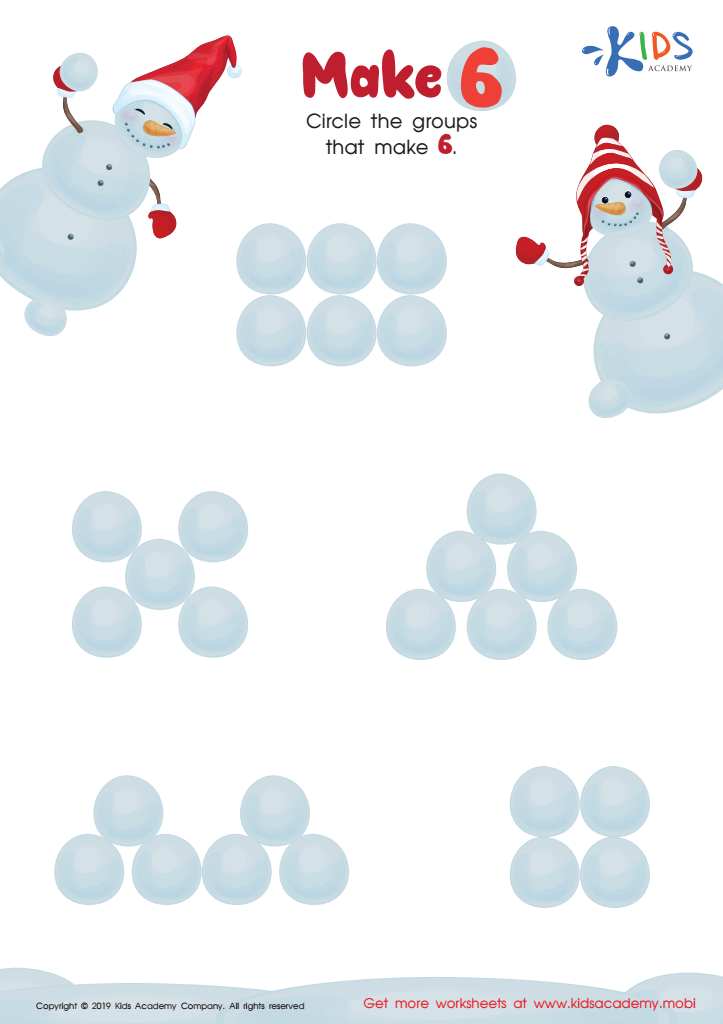
Make 6 Worksheet
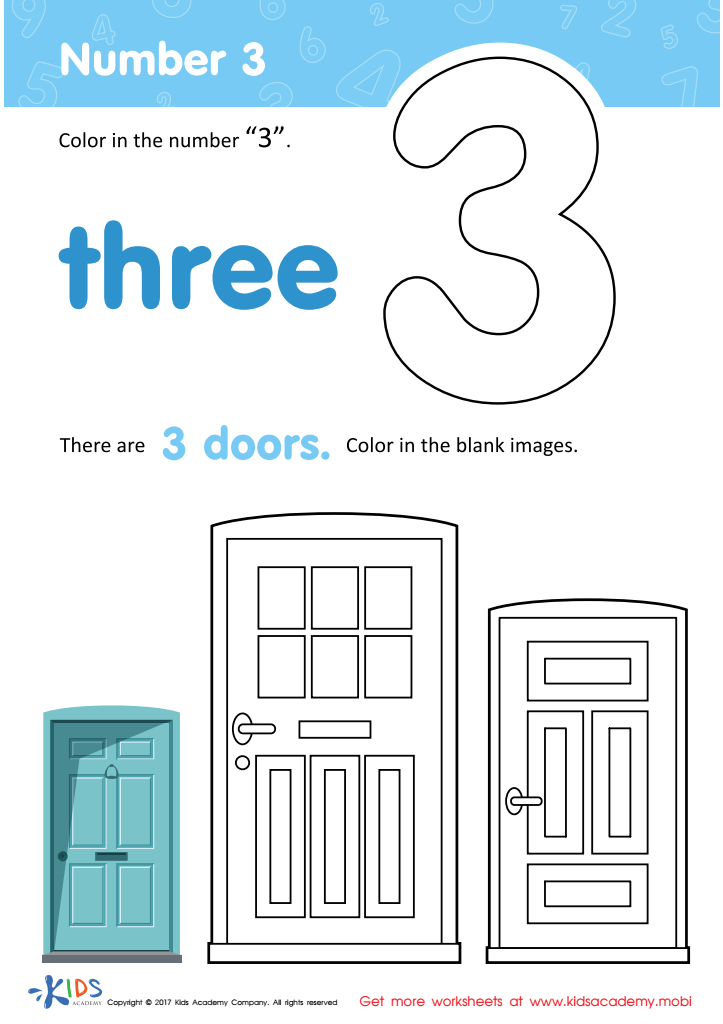
Number 3 Worksheet
 Assign to My Students
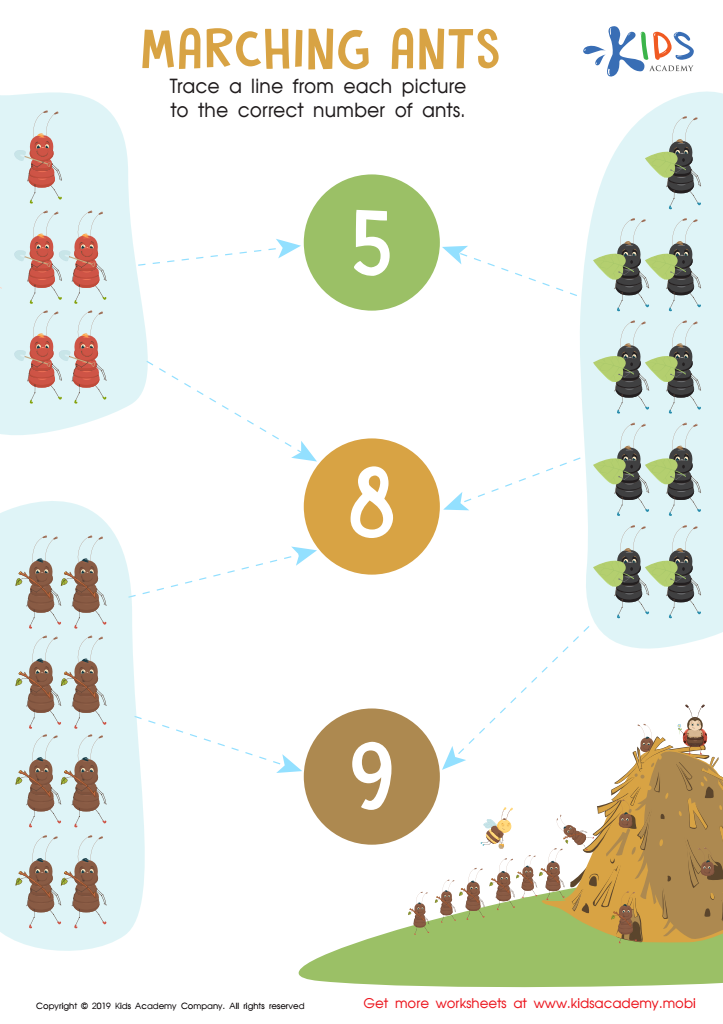
Marching Ants Worksheet
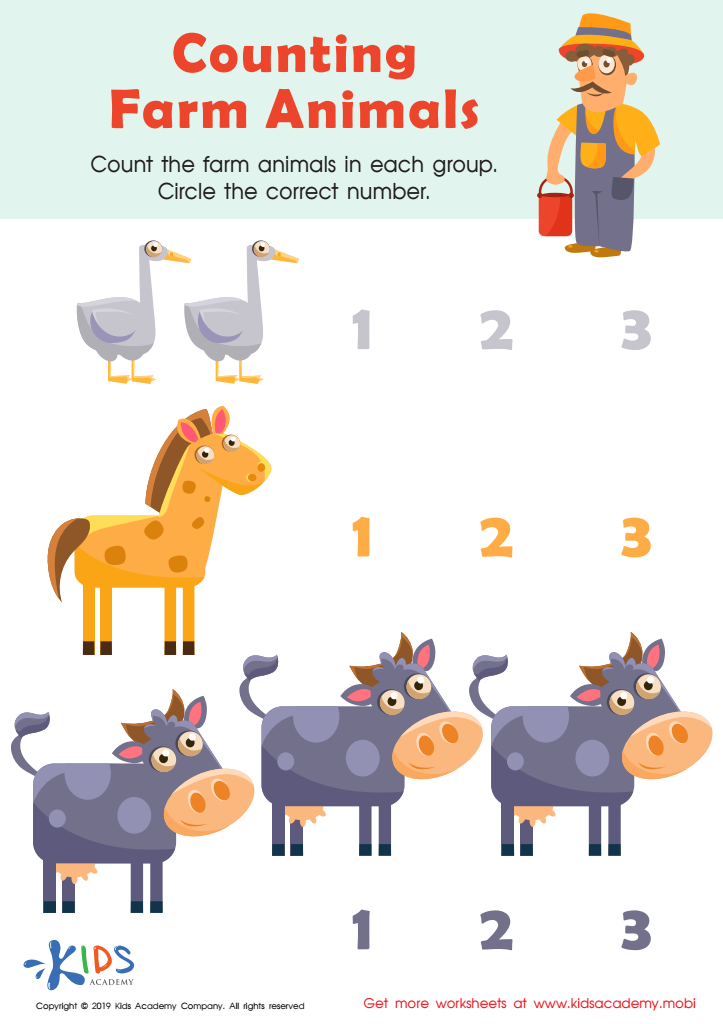
Counting Farm Animals Worksheet

Counting on the City Skyline: Dot-to-Dot Worksheet
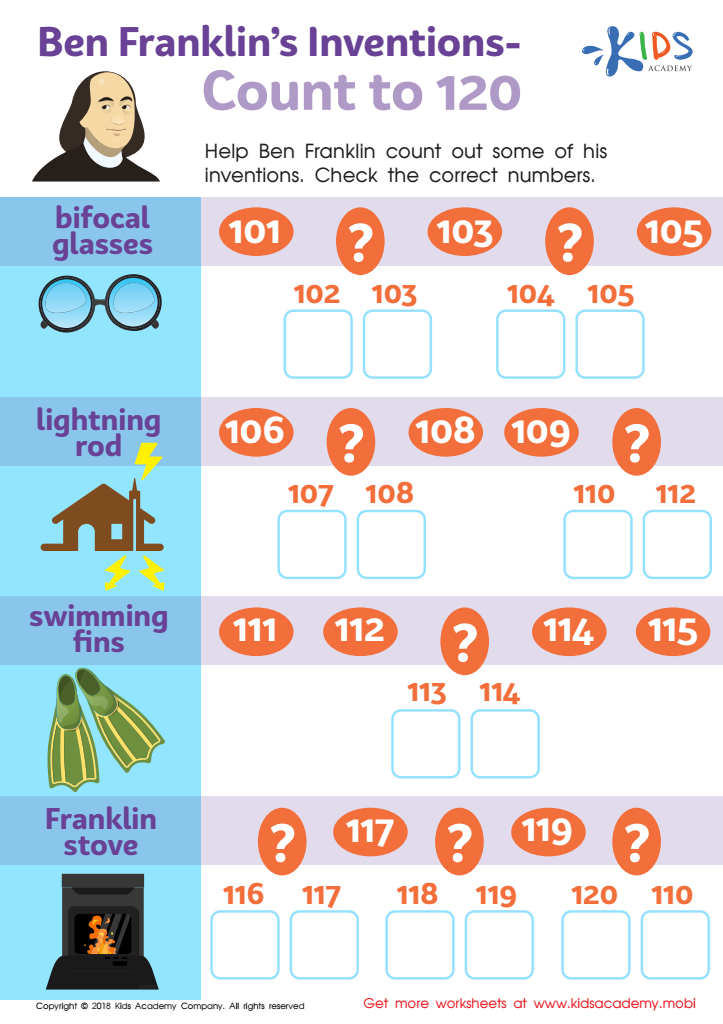
Ben Franklin’s Inventions – Count to 120 Worksheet








Counting practice is crucial for children aged 3-6 as it lays the foundation for their mathematical understanding and cognitive development. During these formative years, children are highly receptive to learning through play and interactive activities, making counting both educational and enjoyable. Parents and teachers should recognize that counting helps children develop essential skills such as number recognition, one-to-one correspondence, and basic addition and subtraction concepts.
Engaging in counting activities also fosters critical thinking and problem-solving abilities. As children explore numbers, they learn to categorize, compare, and sequence, enhancing their ability to analyze and understand relationships in different contexts. Moreover, practicing counting in everyday situations—whether through counting fruits during grocery shopping or steps on a walk—infuses learning into natural routines, which reinforces skills without making it feel like a chore.
Additionally, these early experiences with numbers can boost self-esteem and confidence in mathematical abilities as children find success in understanding and not just memorizing. Ultimately, when parents and teachers actively promote counting practice, they nurture not only mathematical skills, but also a love for learning that can empower children throughout their educational journey. This foundational practice supports lifelong learning habits essential in an increasingly complex world.








