Basic geometry understanding Math Worksheets for Ages 3-6
11 filtered results
-
From - To
Welcome to our “Basic Geometry Understanding Math Worksheets” page for children aged 3-6! Designed to develop essential geometric skills, our worksheets are a fun and engaging way for young learners to explore shapes, spatial awareness, and early math concepts. Each worksheet features colorful illustrations and interactive activities that capture children's attention, making learning enjoyable. With exercises tailored to different skill levels, parents and teachers can easily support early foundational geometry. Start your child's mathematical journey today with these printable resources that promote critical thinking and foster a love for learning through shapes and spatial recognition! Perfect for home or classroom use.
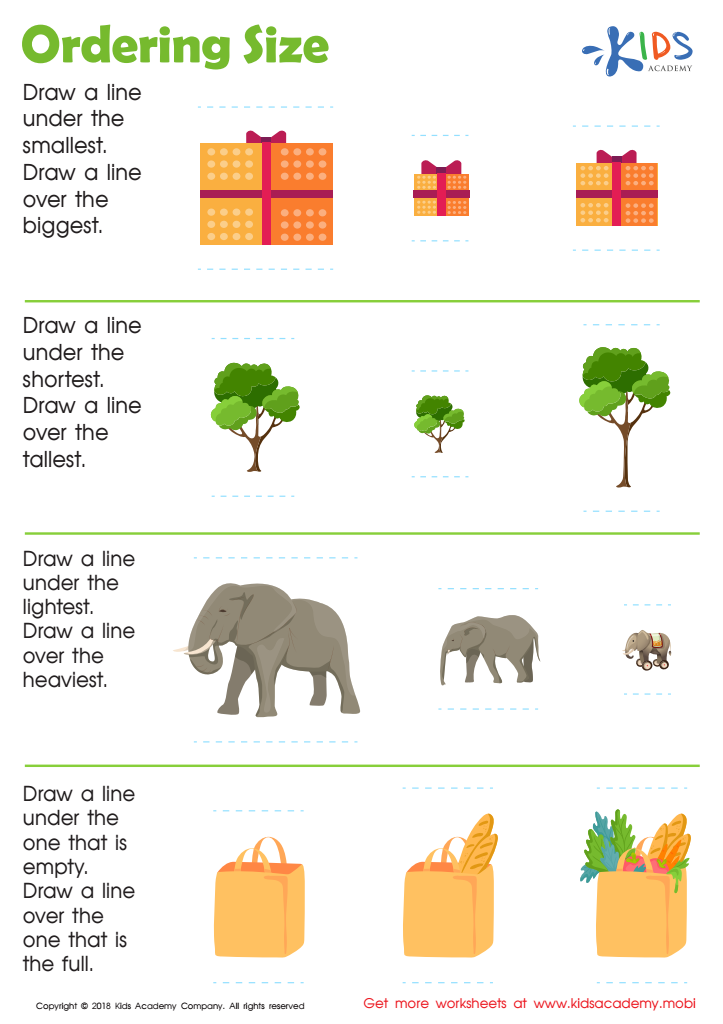
Ordering Size Worksheet
 Assign to My Students
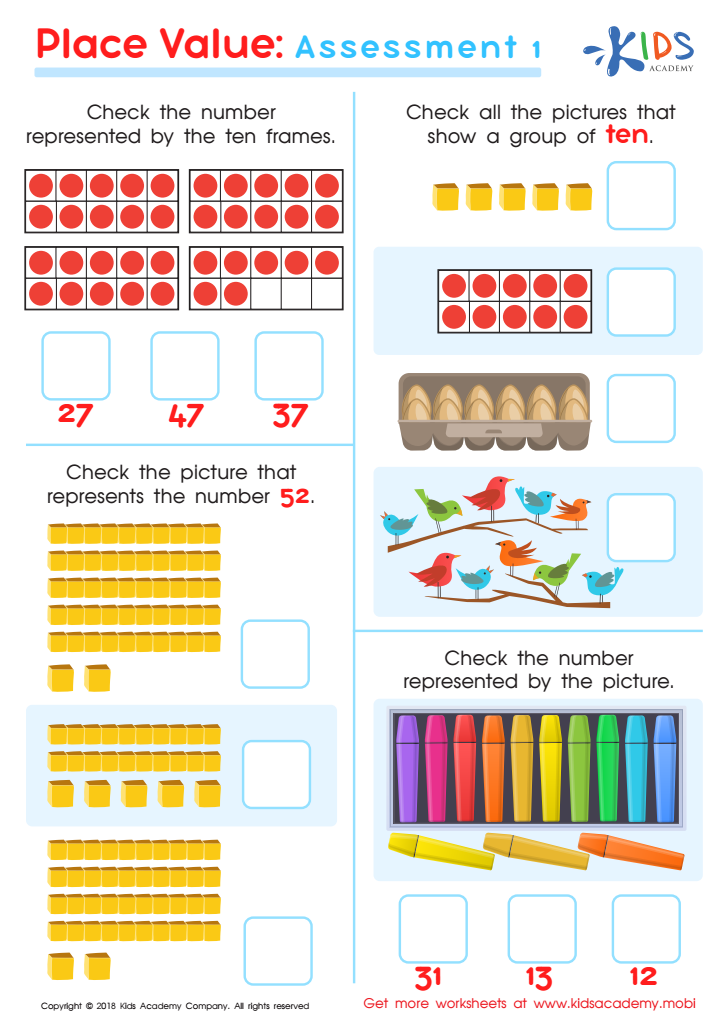
Place Value: Assessment 1 Worksheet
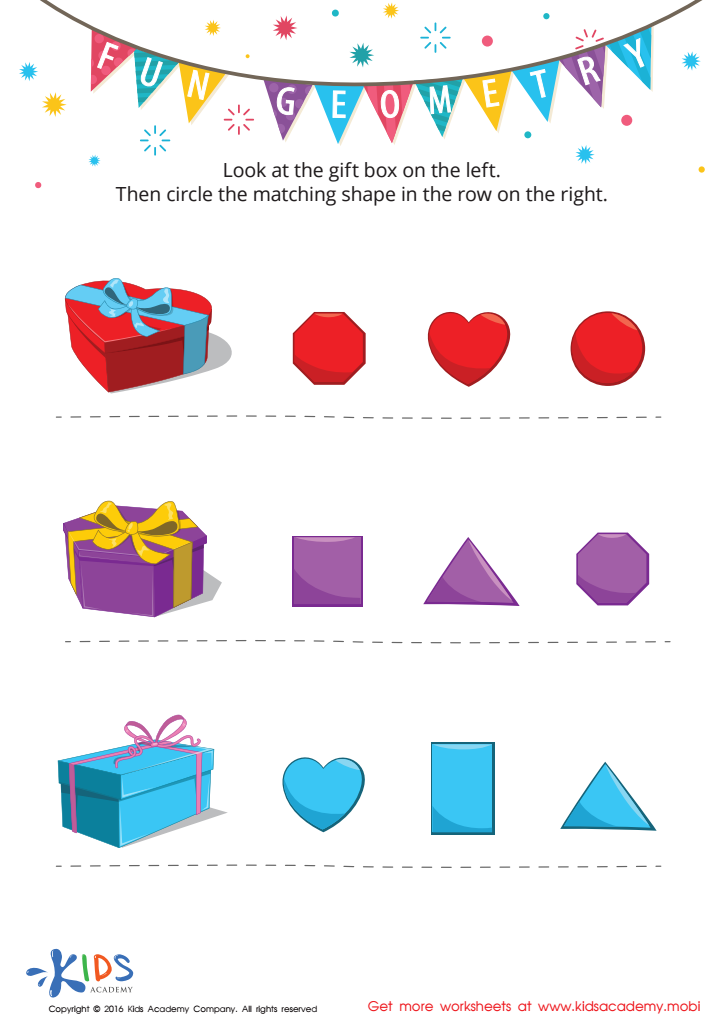
Fun Geometry Worksheet
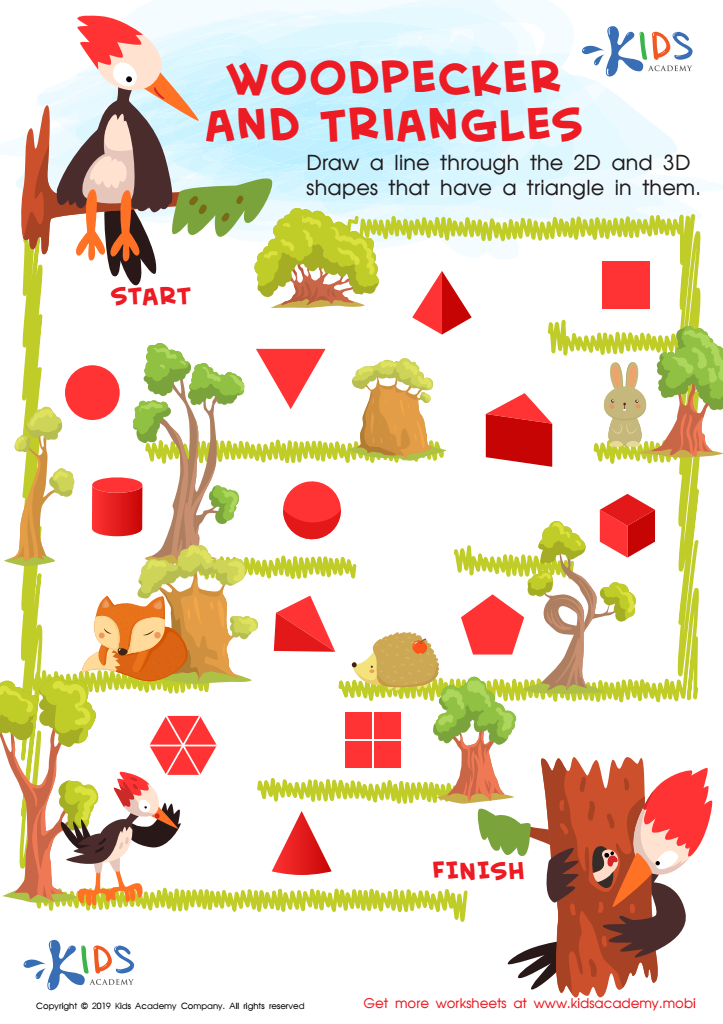
Woodpecker and Triangles Worksheet
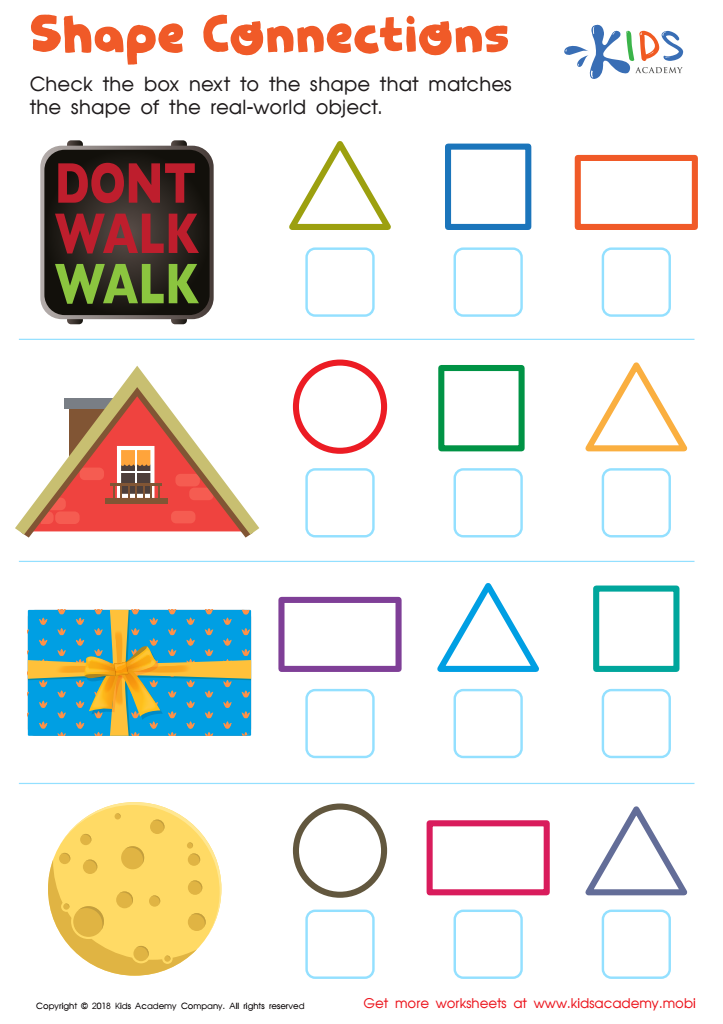
Shape Connections Worksheet
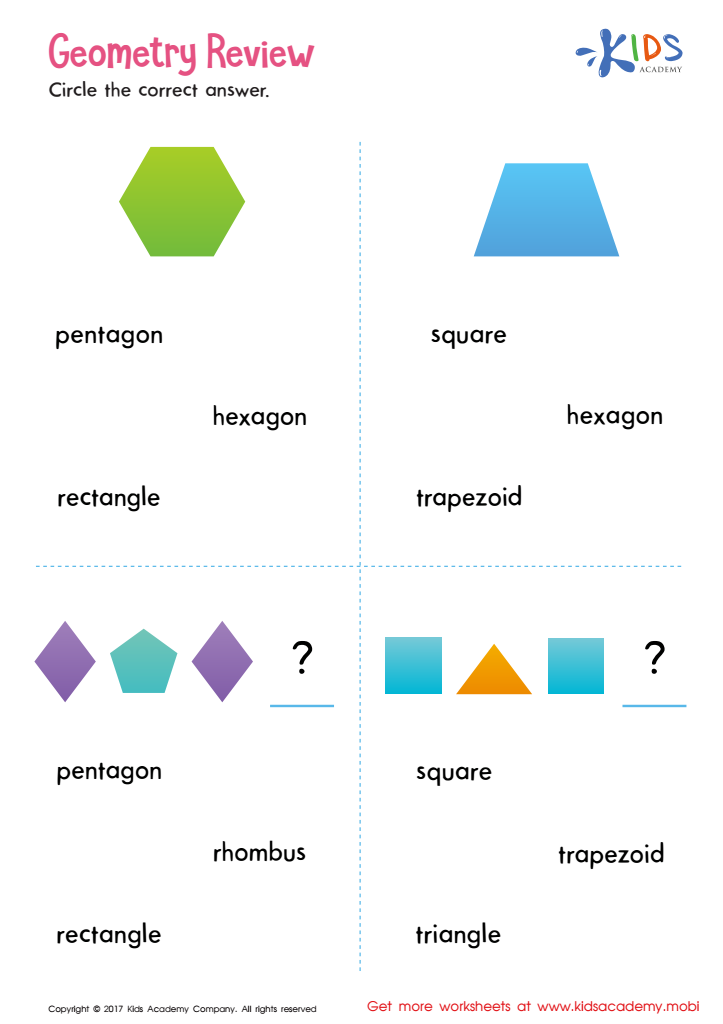
Geometry Review Printable
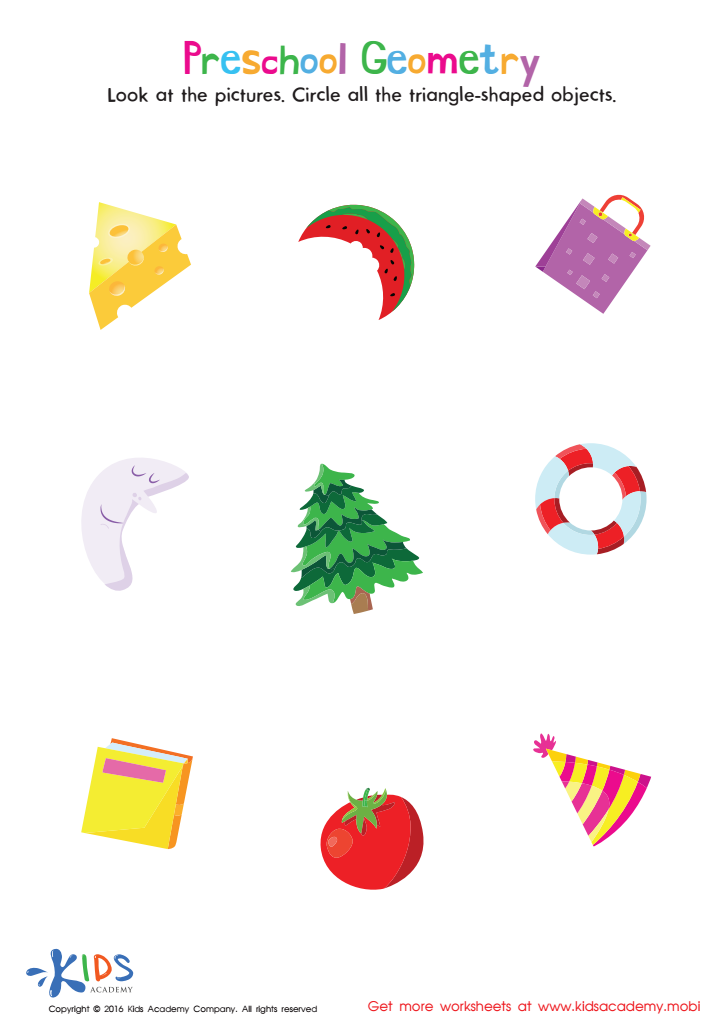
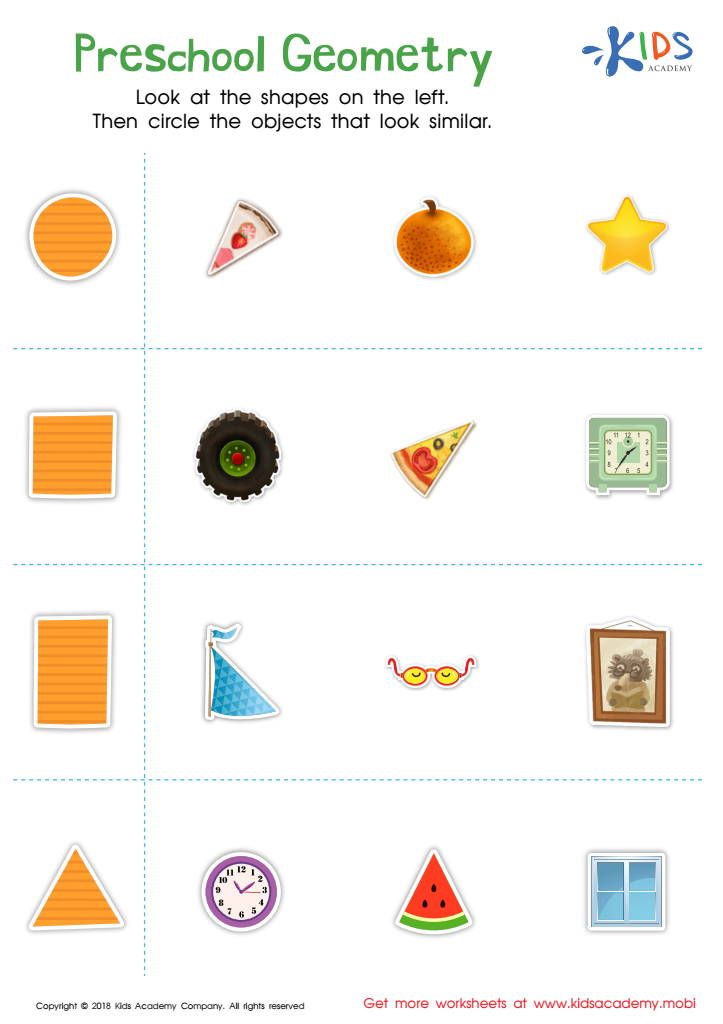
Preschool Geometry Worksheet
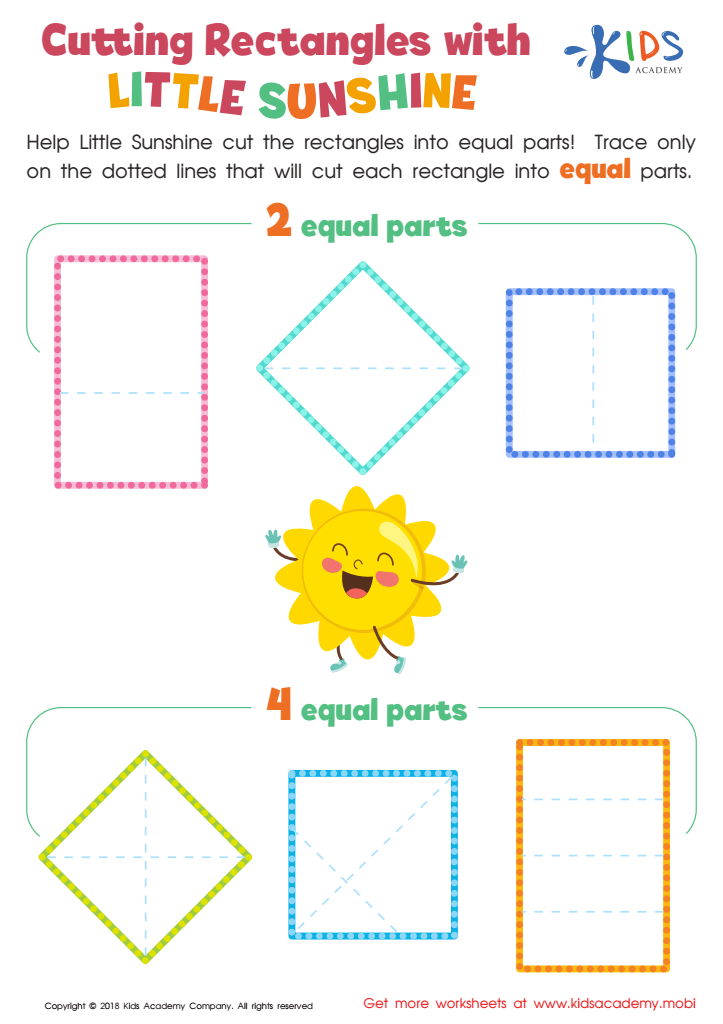
Cutting Rectangles with Little Sunshine Worksheet
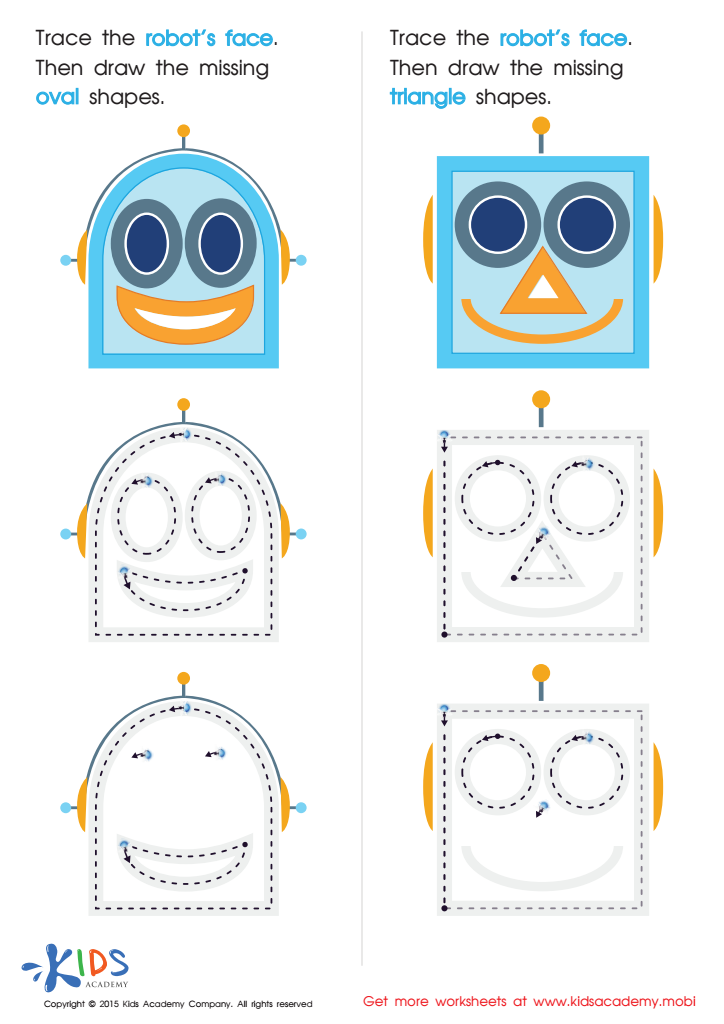
Drawing Ovals And Triangles with Fun Printable
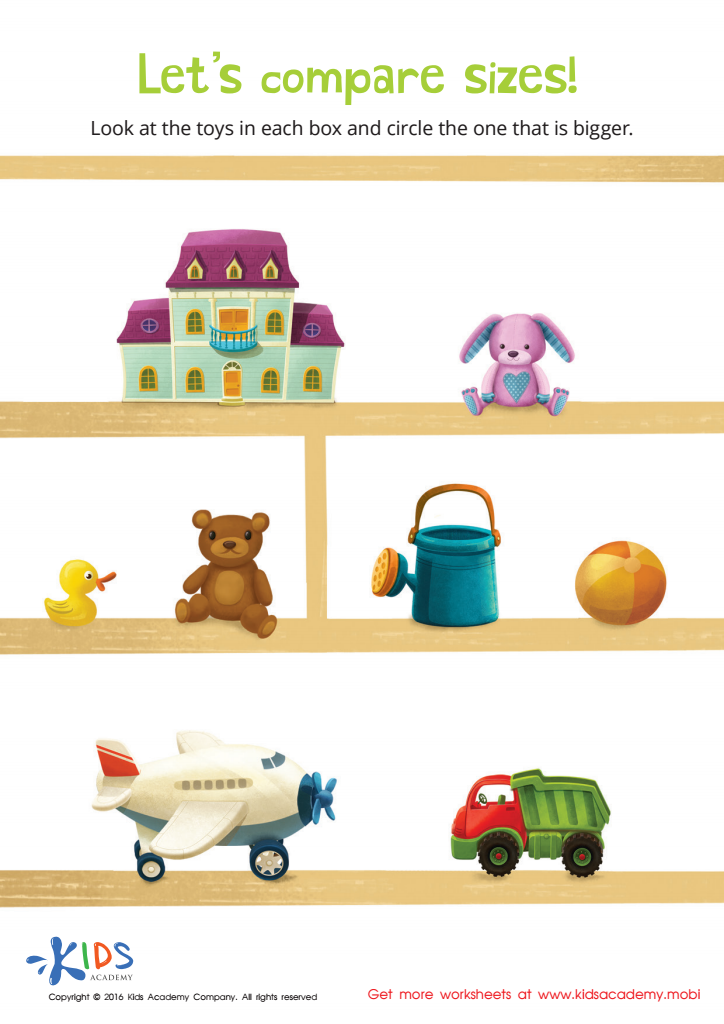
Classifying by Size Sorting Worksheet







.jpg)
Understanding basic geometry is crucial for children aged 3-6 as it lays the foundation for future mathematical skills and cognitive development. During these formative years, children begin to explore shapes, sizes, and spatial relationships, which are integral to both everyday life and advanced math concepts. Early exposure to geometry helps spark curiosity, enhances problem-solving abilities, and nurtures critical thinking.
Moreover, learning about shapes and their properties can improve children's coordination and fine motor skills through activities like drawing, building, and sorting. Geometry also plays a significant role in language development; when children learn to describe shapes and spatial relationships, they improve their vocabulary and communication skills.
From a parental and educator perspective, fostering an understanding of geometry can support overall academic achievement. Geometry is interconnected with other areas of math, such as measuring and patterns, leading to a broader comprehension of number sense and mathematics.
Finally, introducing geometry concepts encourages creativity and exploration, key traits that promote lifelong learning. Thus, nurturing geometry understanding in young children is beneficial not only for immediate educational outcomes but also for cultivating essential skills that will aid their growth in all future studies and real-world scenarios.








