Cognitive Development Math Worksheets for Ages 3-6 - Page 2
165 filtered results
-
From - To
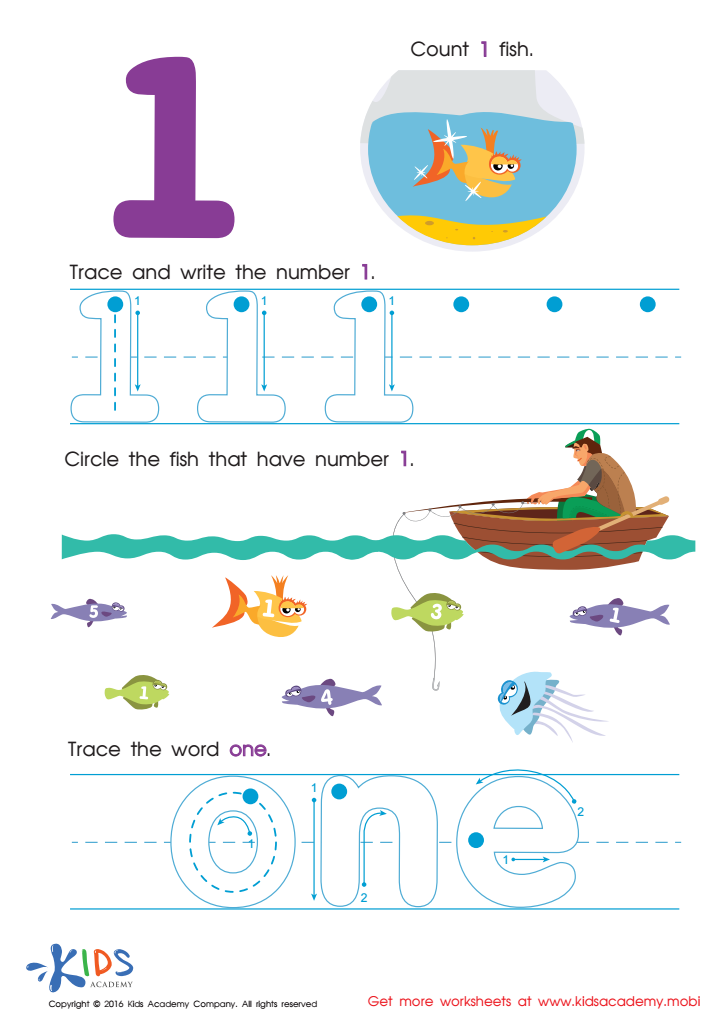
Learning to Write 1 Worksheet
 Assign to My Students
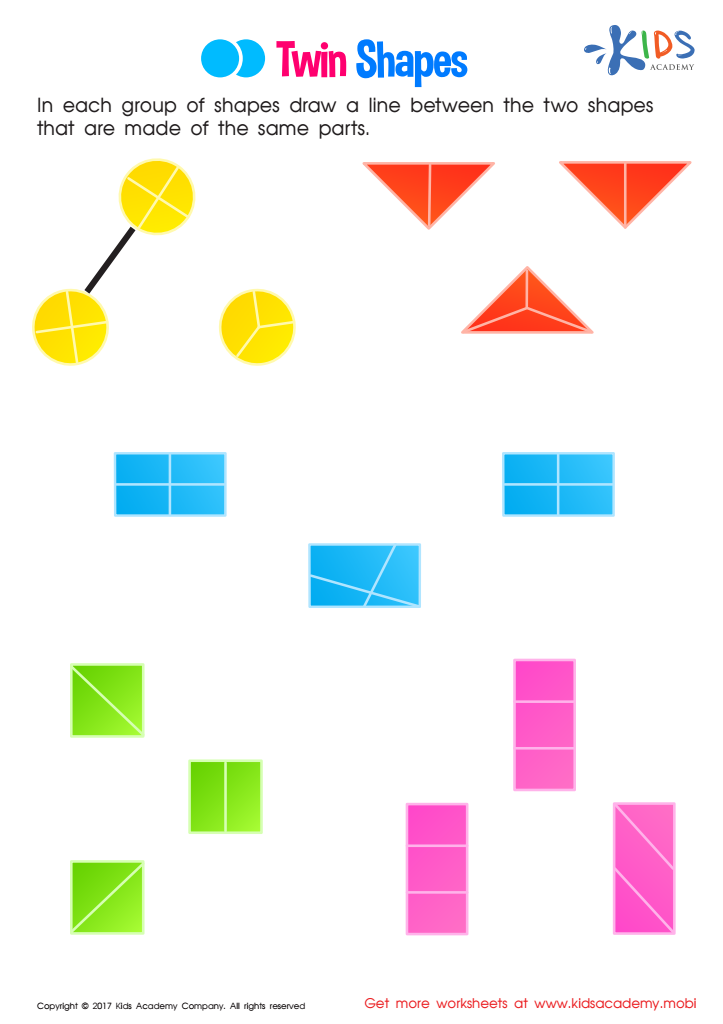
Twin Shapes Worksheet
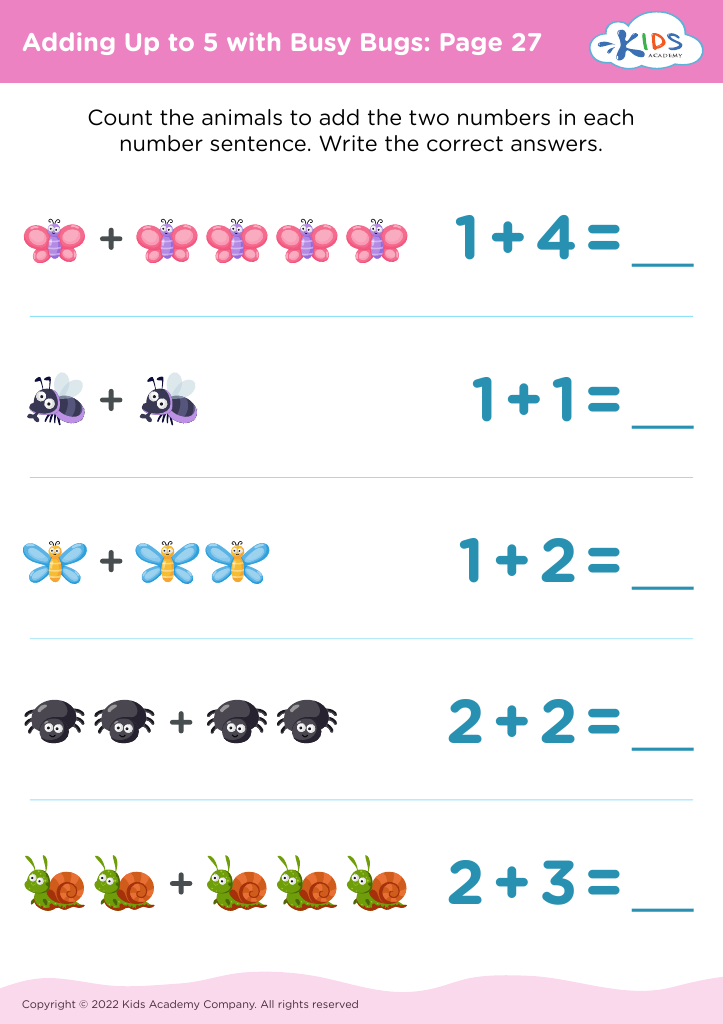
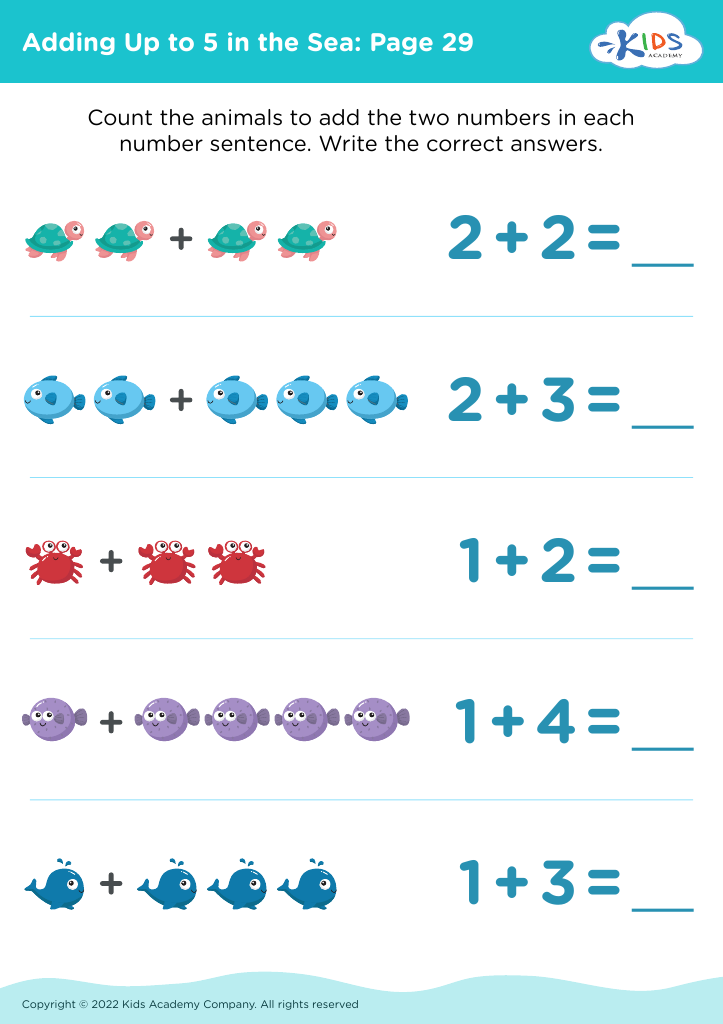
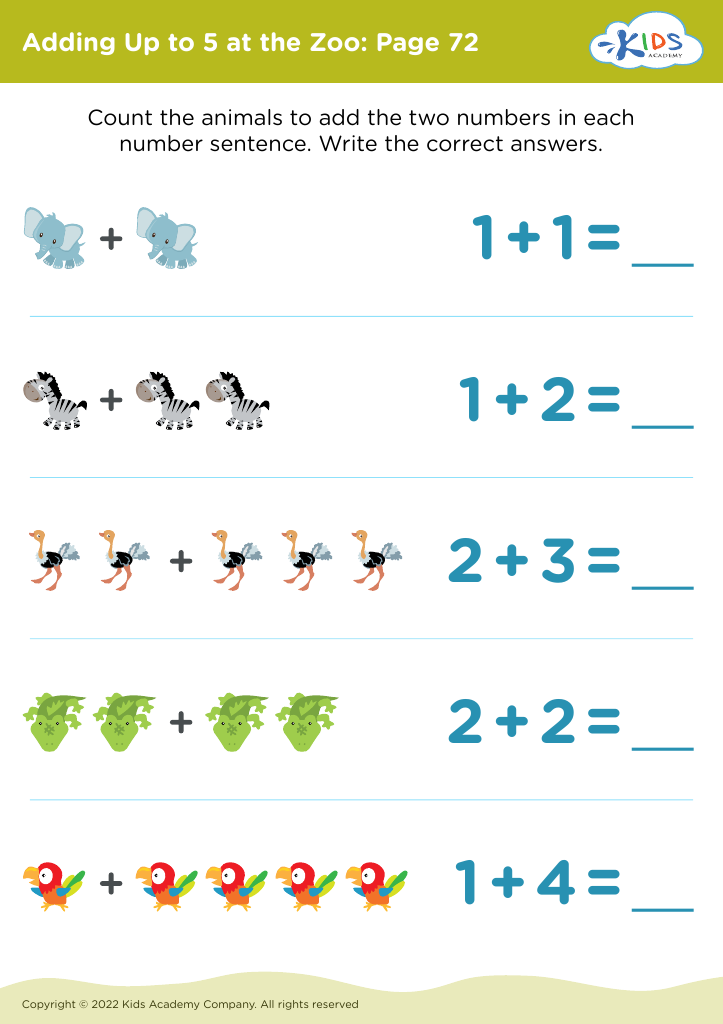
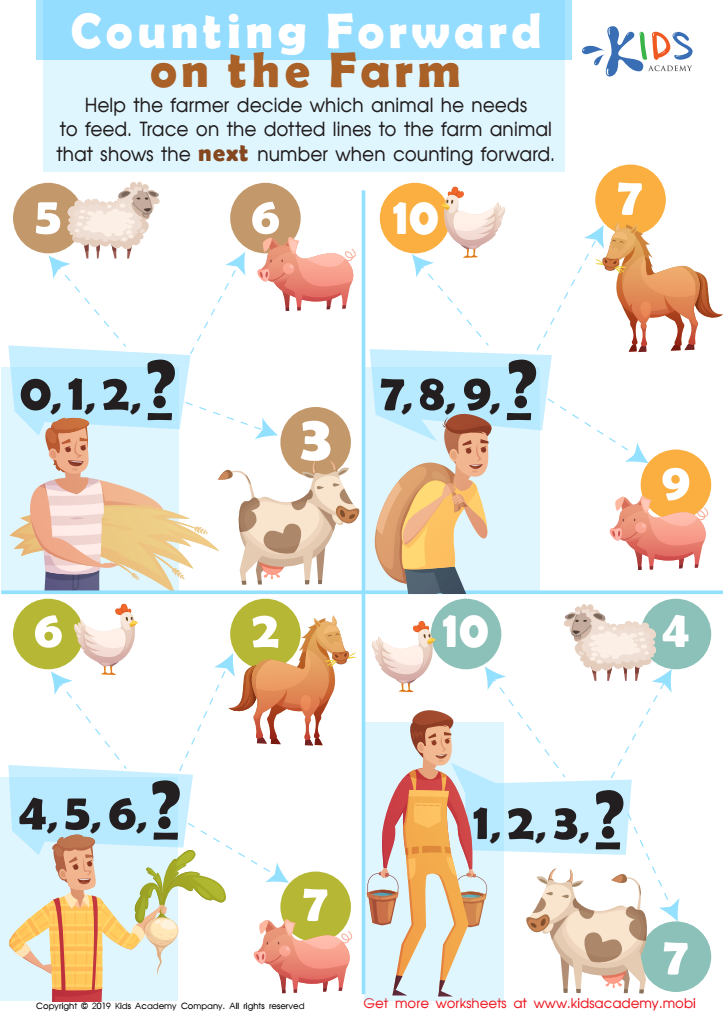
Counting Forward On the Farm Worksheet
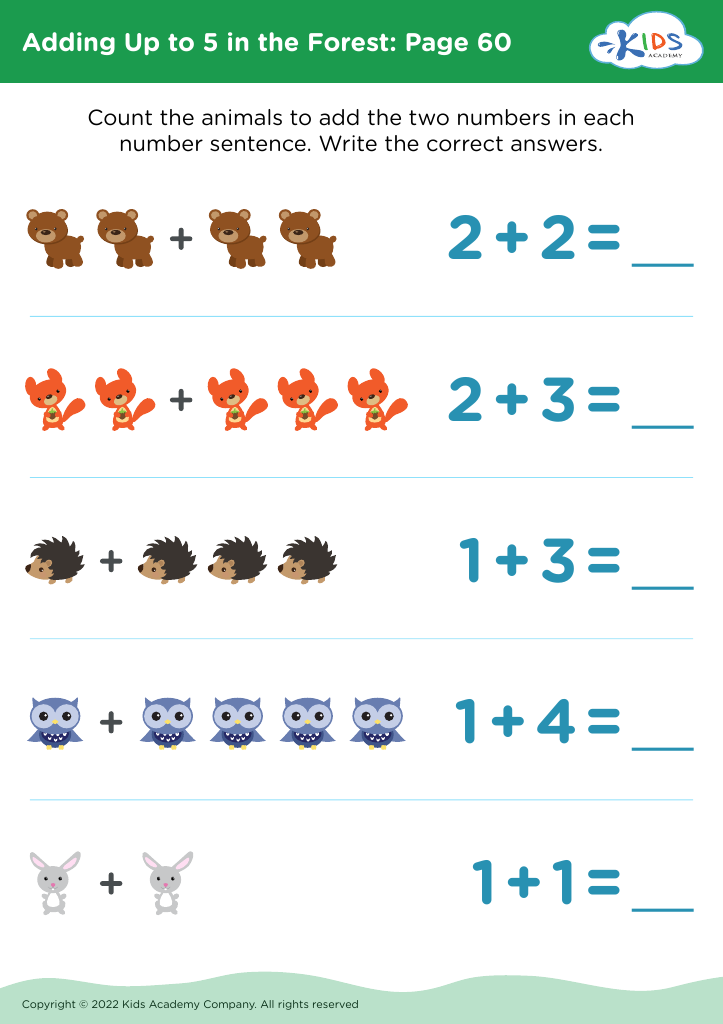
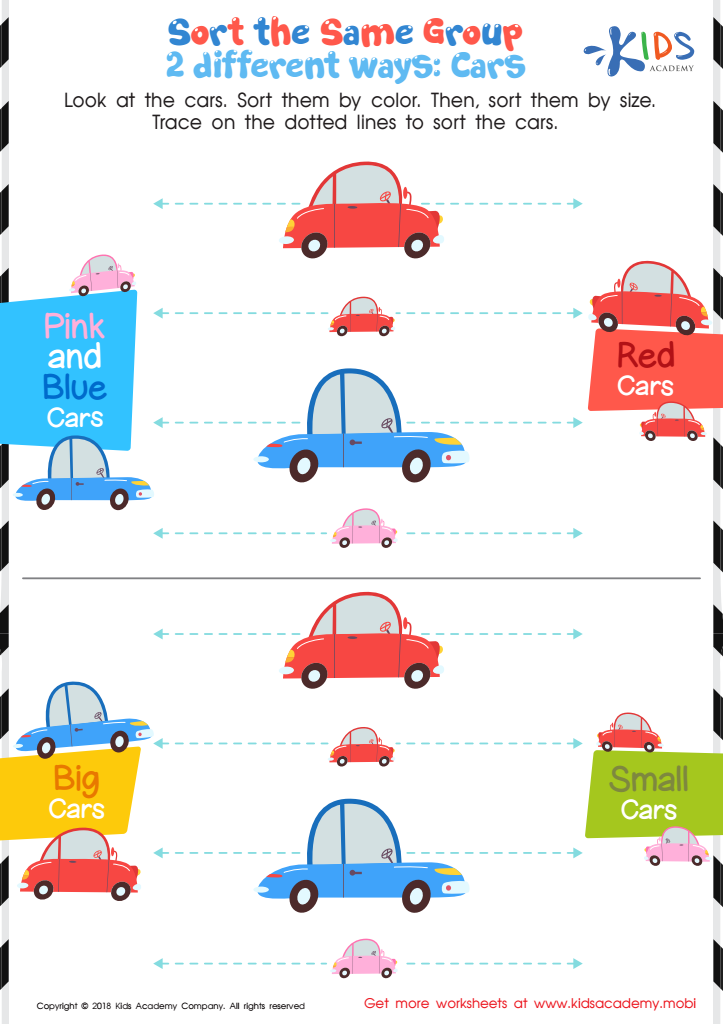
Sort the Same Group 2 Different Ways: Cars Worksheet
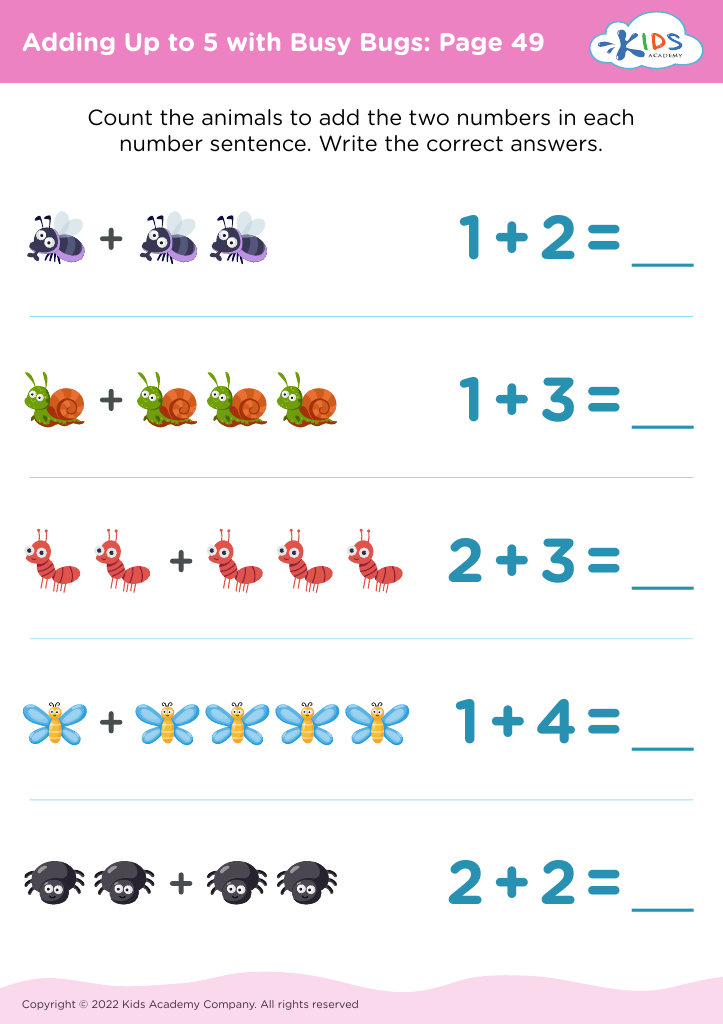
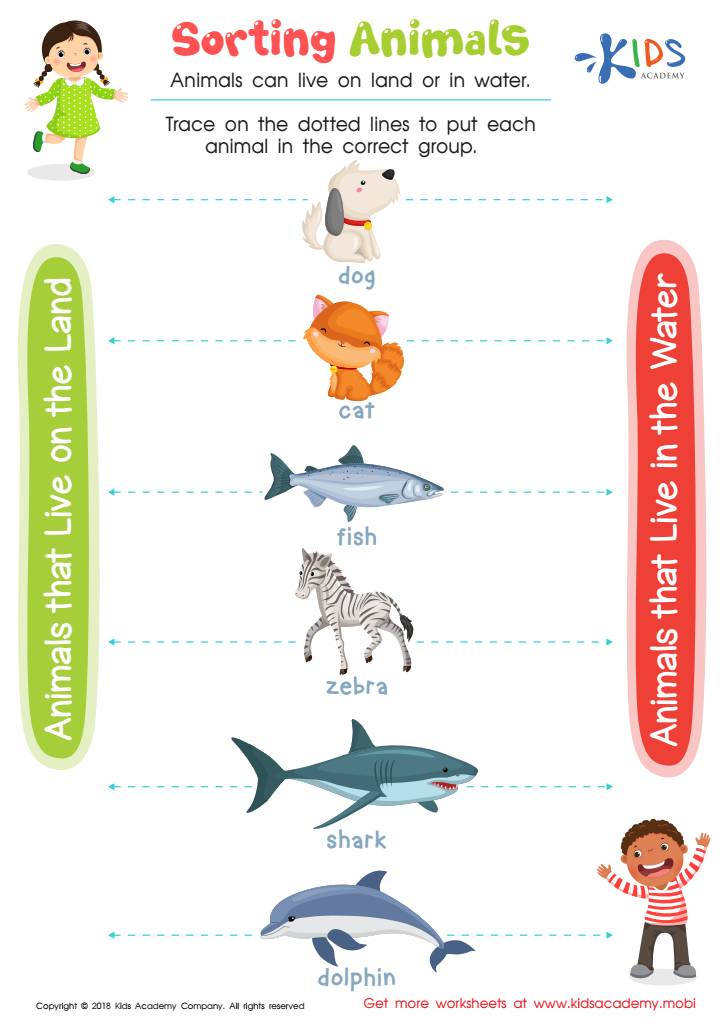
Sorting Animals Worksheet
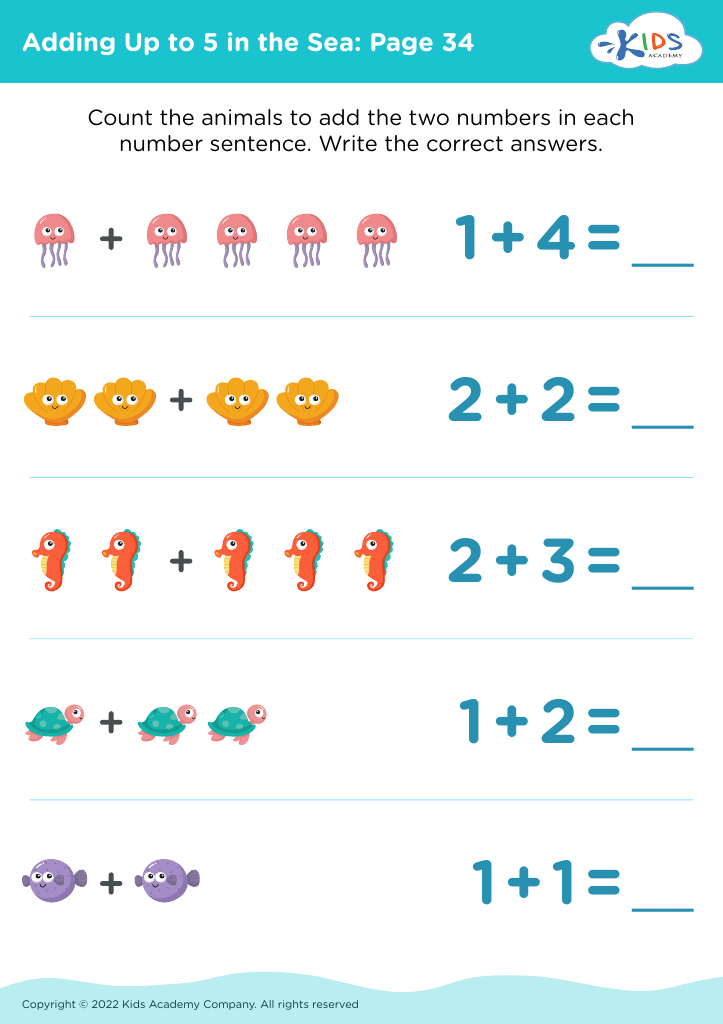
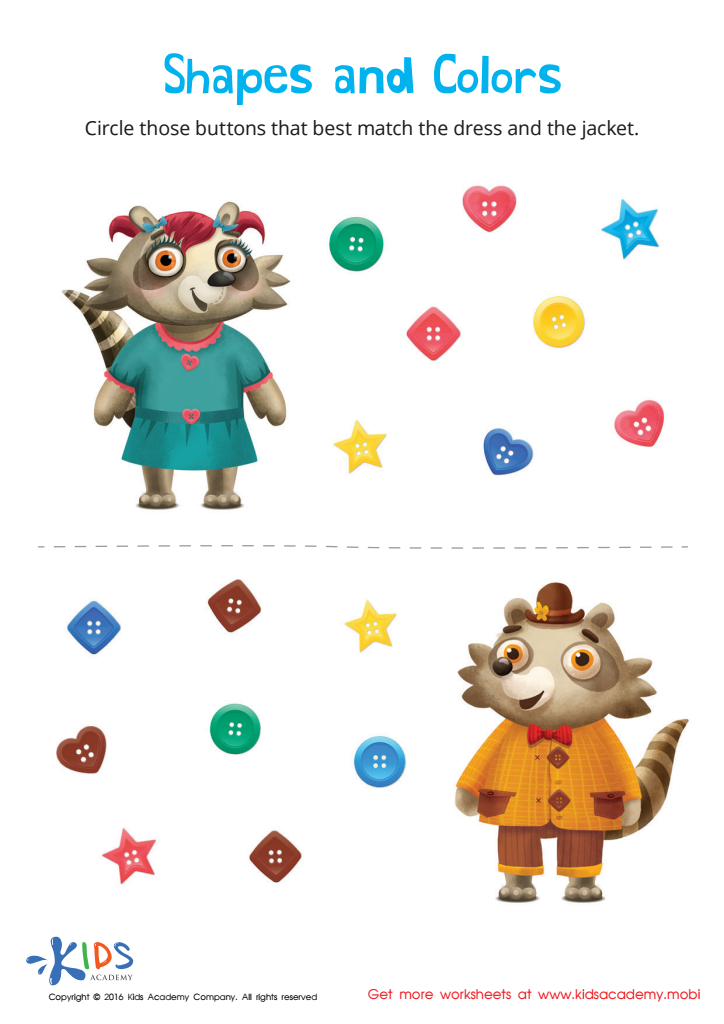
Matching: Shapes and Colors Worksheet
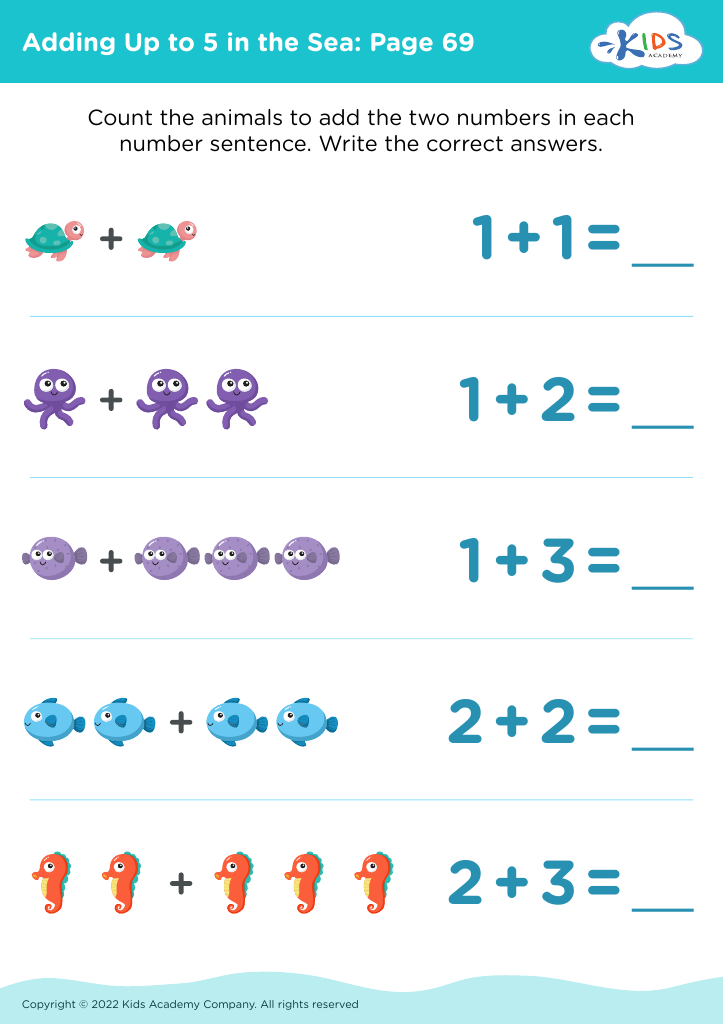
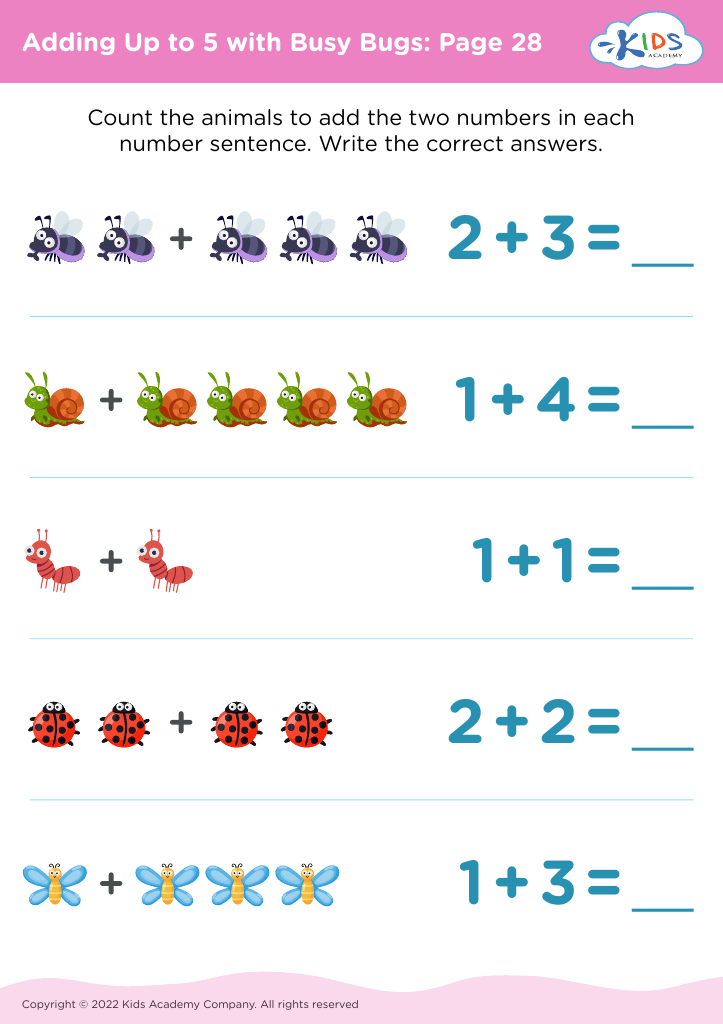
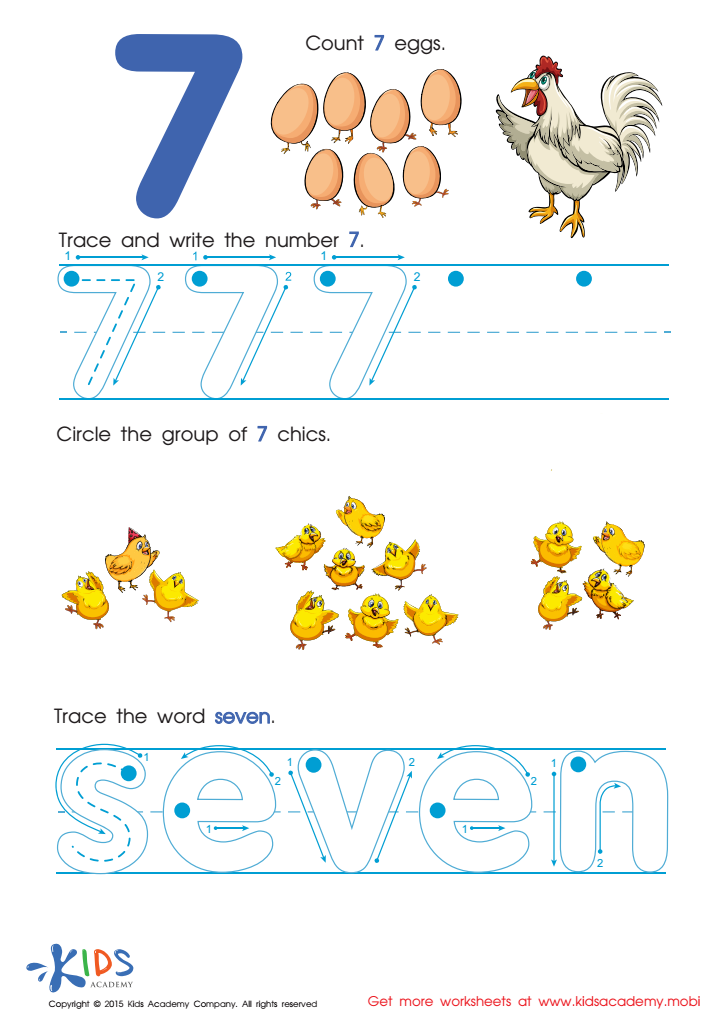
Trace And Write Number 7 with Fun Worksheet
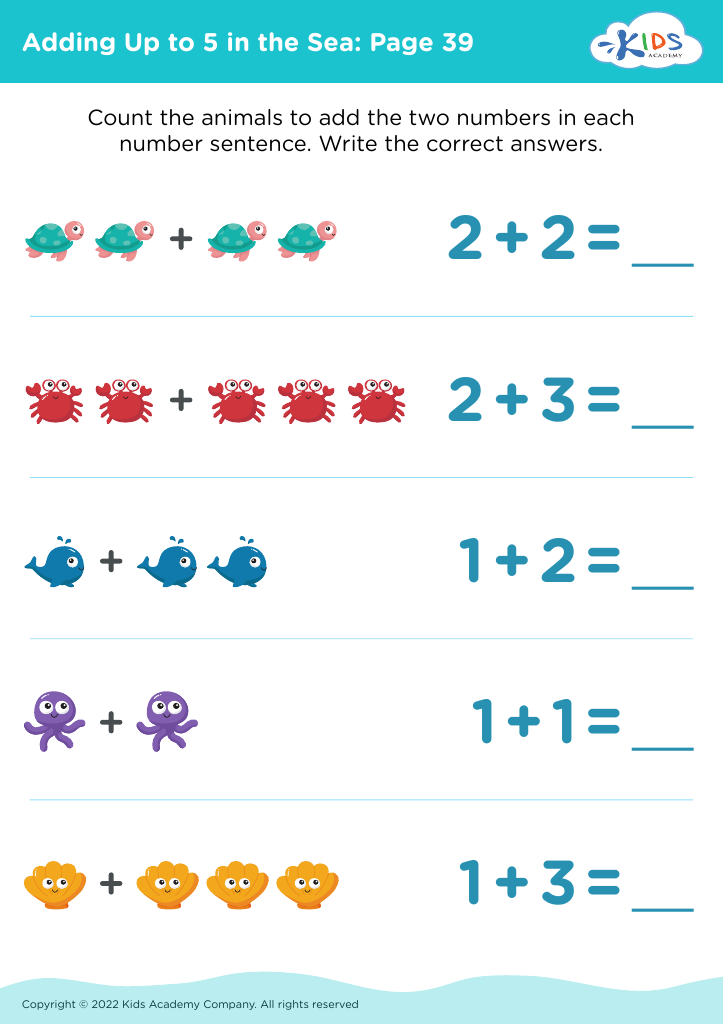
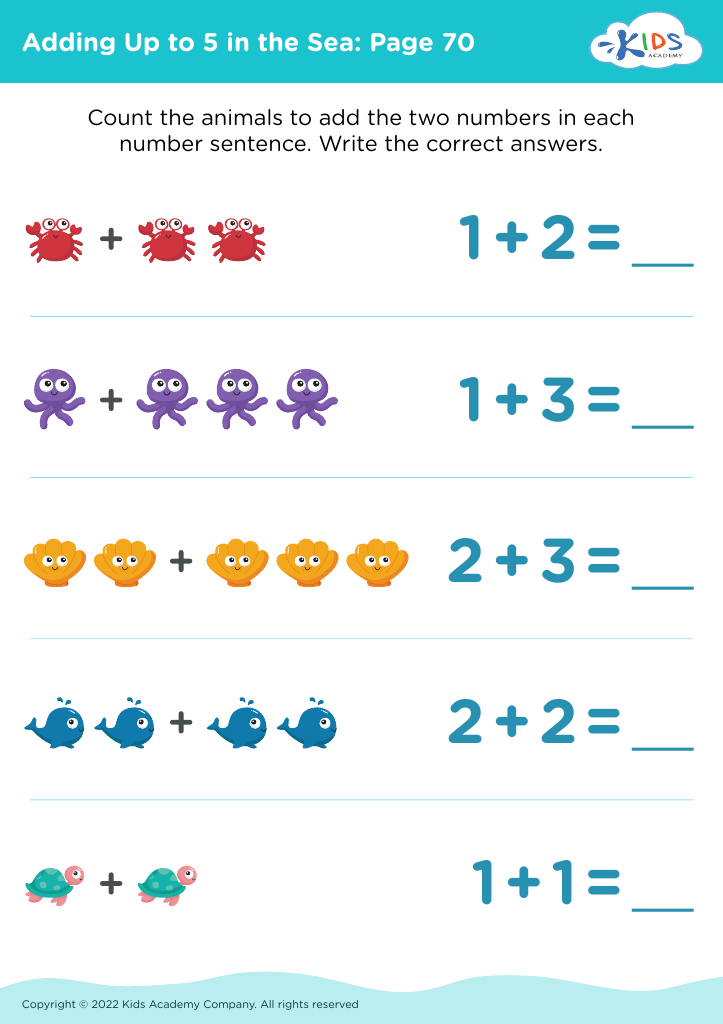
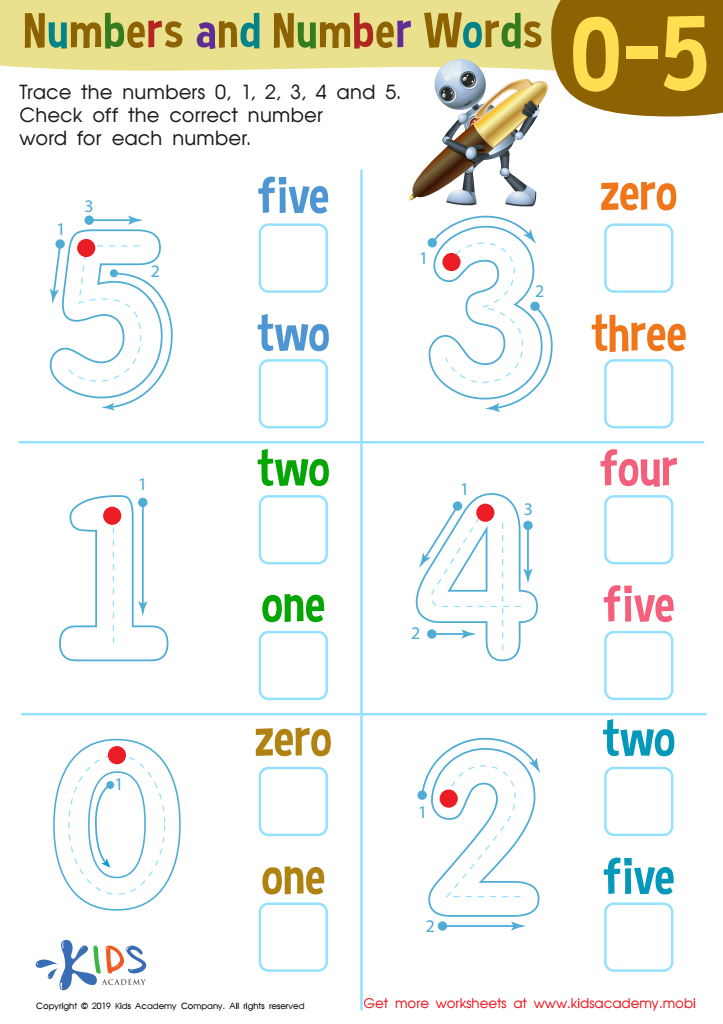
Numbers and Number Words Worksheet
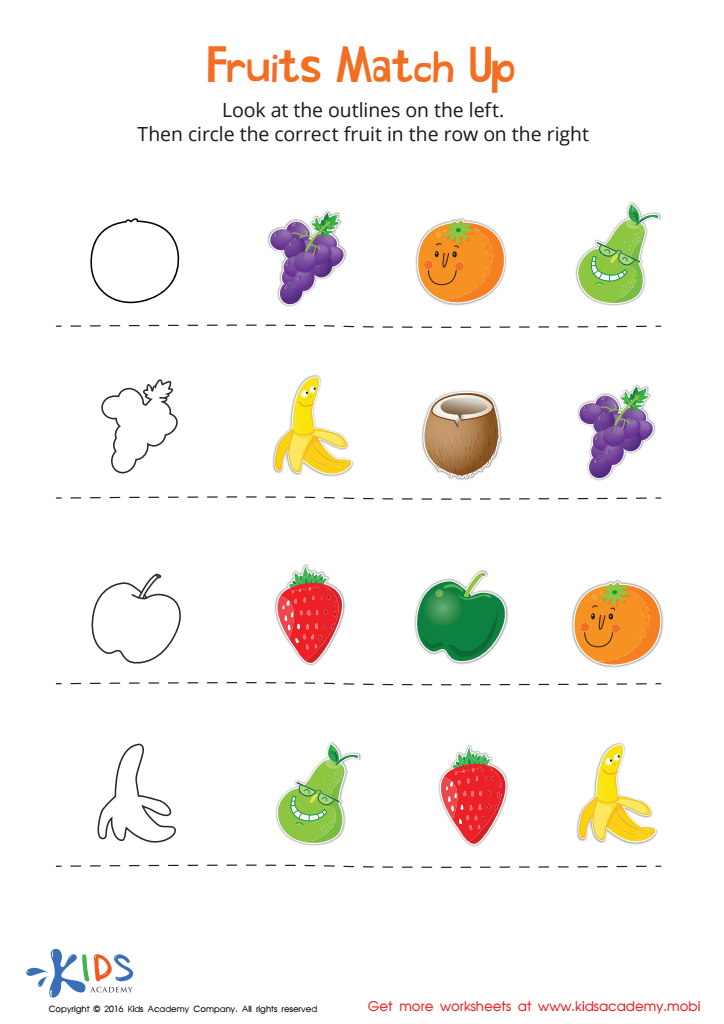
Fruits Match Up Worksheet
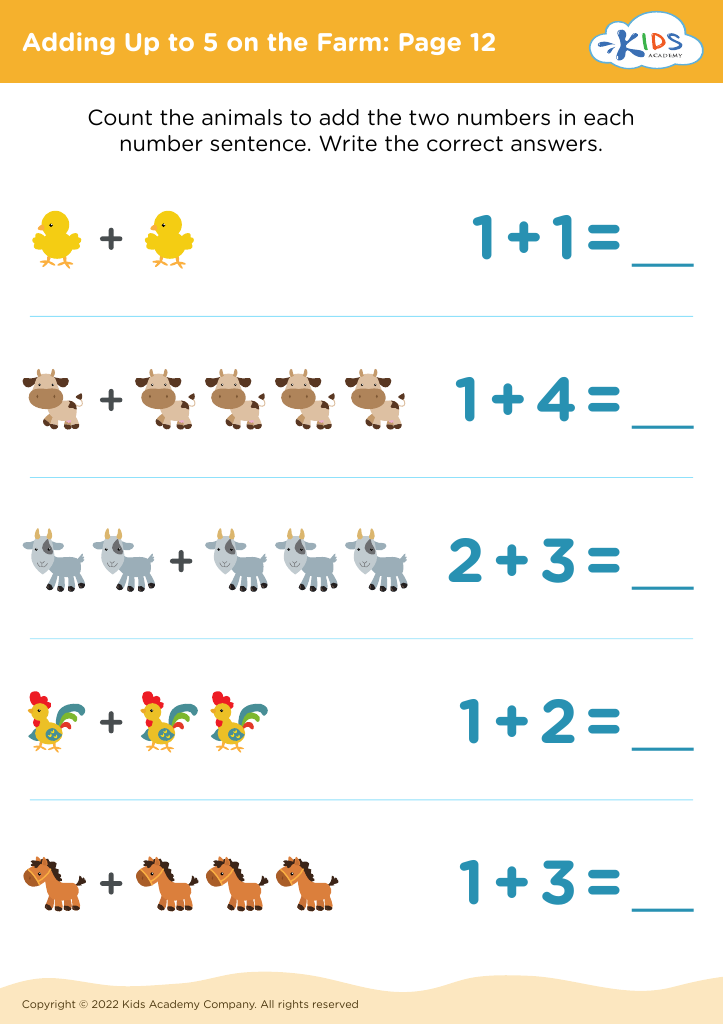
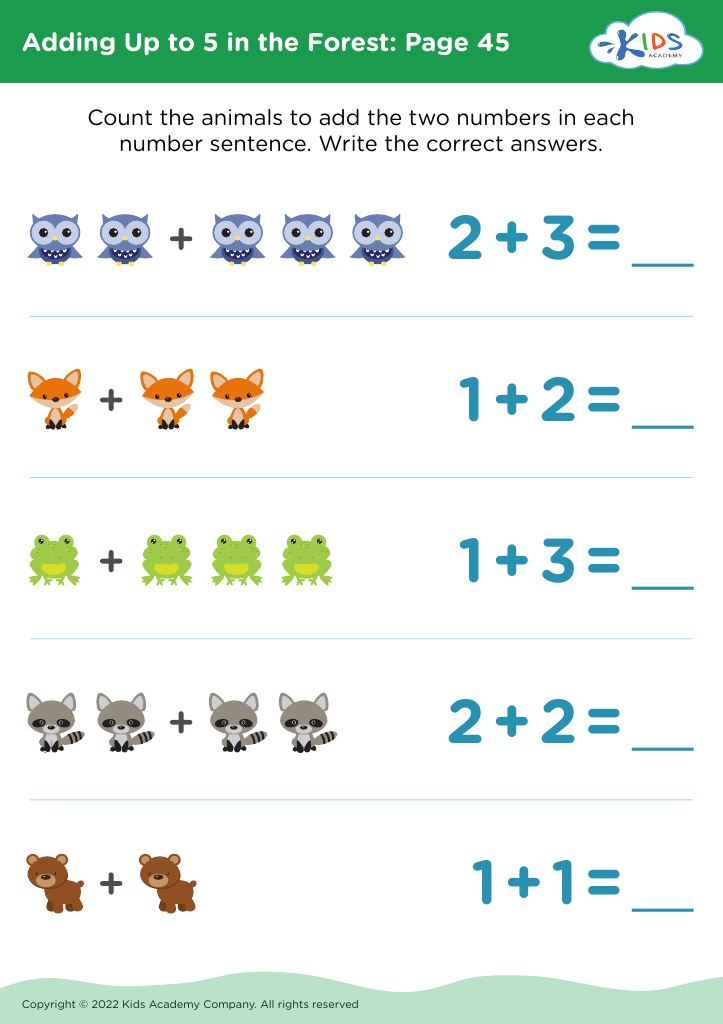
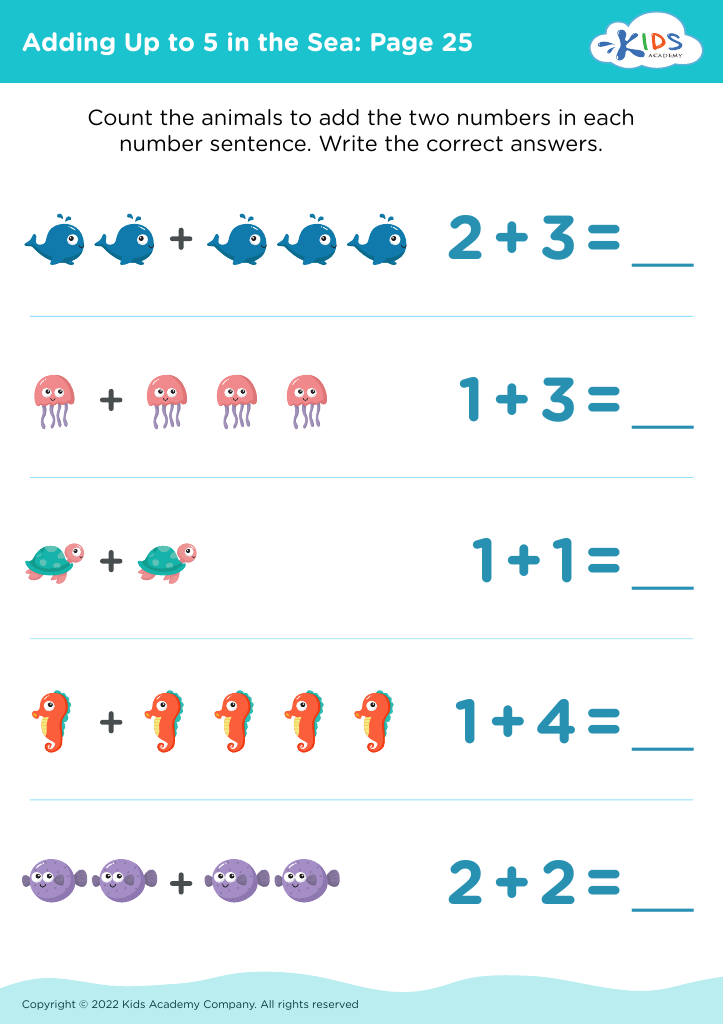
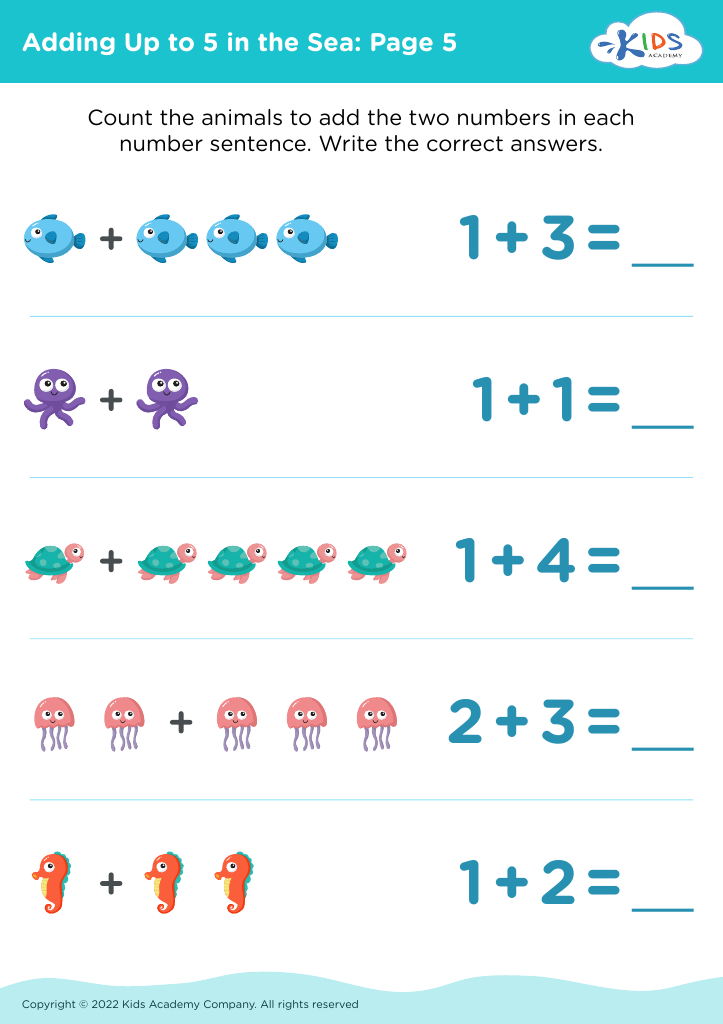







Cognitive development in math for children aged 3 to 6 lays a foundational framework crucial for lifelong learning. During these formative years, children are highly receptive to concepts such as counting, pattern recognition, and basic addition and subtraction. Engaging young learners in math-based activities not only enhances their problem-solving skills but also fosters critical thinking and logic, which are essential in later academic subjects.
Furthermore, early math skills correlate strongly with later academic success. Research shows that children who develop a strong number sense early on tend to perform better in mathematics throughout their schooling. These skills also intertwine with language development, promoting enhanced communication and reasoning abilities.
Parents and teachers play vital roles in this development by creating a supportive environment that encourages exploration and curiosity. Rather than focusing solely on rote memorization of numbers, fostering playful interactions with math—such as through games, songs, or everyday problem-solving—can make learning enjoyable and effective.
By investing time in enhancing cognitive math development at an early age, adults can help children build confidence, develop a positive attitude towards learning, and lay the groundwork for future success in their educational journey. This investment benefits not just the individual child but society as a whole.








