Spatial awareness Math Worksheets for Ages 3-6
16 filtered results
-
From - To
Enhance your child's spatial awareness with our engaging math worksheets designed for ages 3-6! These thoughtfully crafted resources help young learners develop essential skills such as understanding shapes, positions, and patterns through fun activities. Our worksheets encourage hands-on exploration and critical thinking, making math concepts accessible and enjoyable. Perfect for preschoolers, kindergarteners, or homeschooling, these printable resources provide various challenges, including matching, sorting, and identifying spatial relationships. Foster your child's confidence and independent thinking in math while laying a solid foundation for future learning. Explore our collection of spatial awareness worksheets today and watch your child's mathematical abilities blossom!
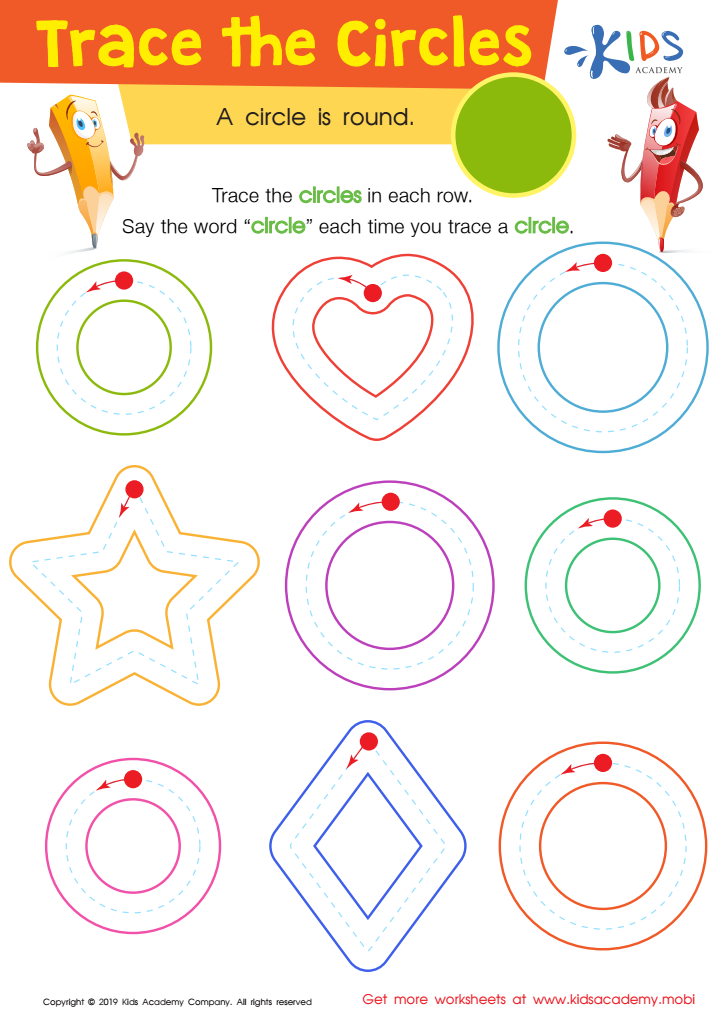
Trace The Circles Worksheet
 Assign to My Students
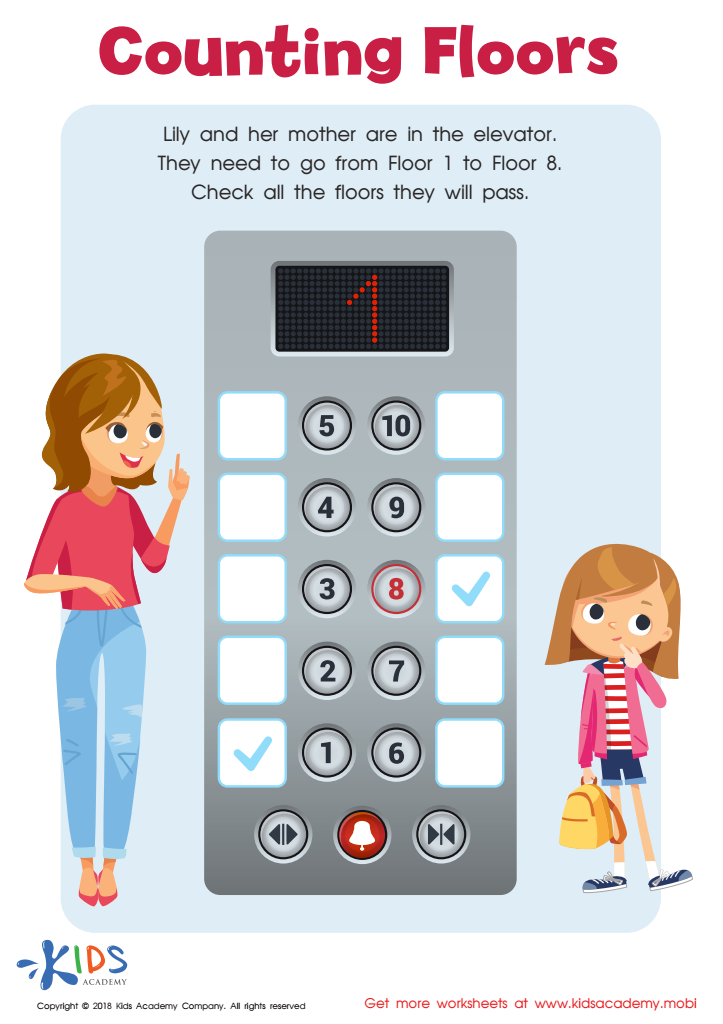
Counting Floors Worksheet
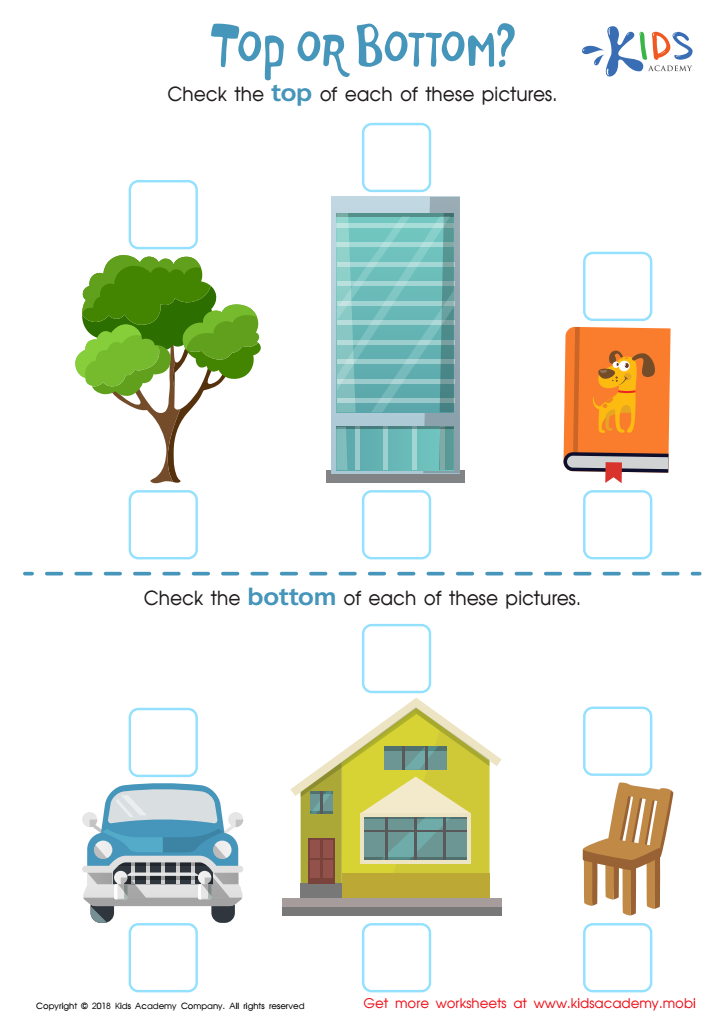
Top or Bottom Worksheet
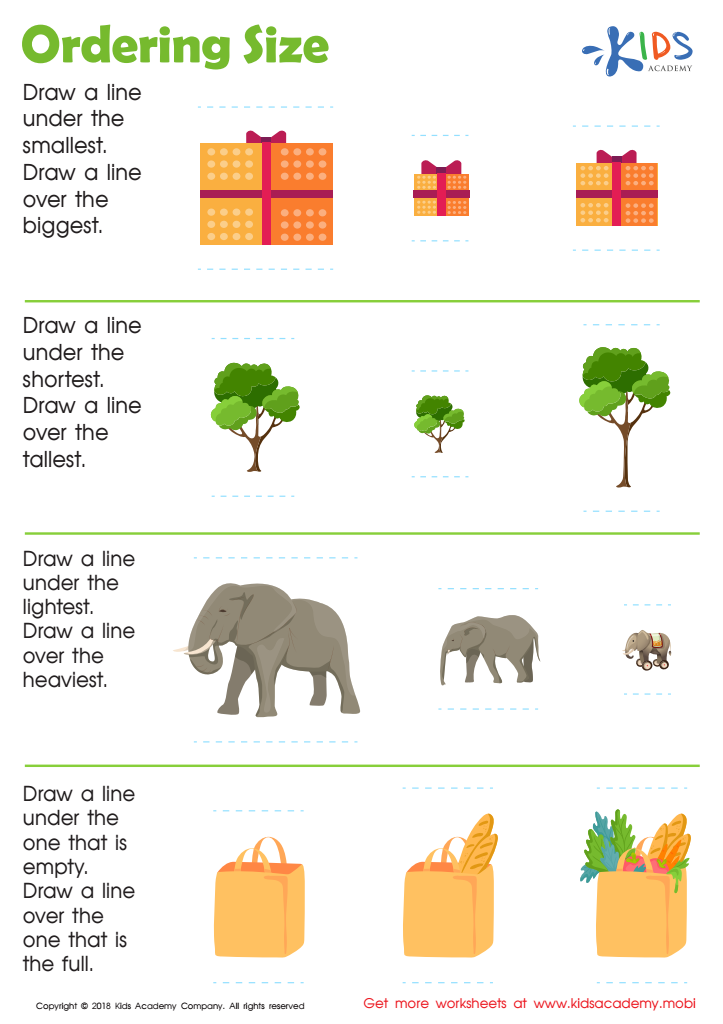
Ordering Size Worksheet
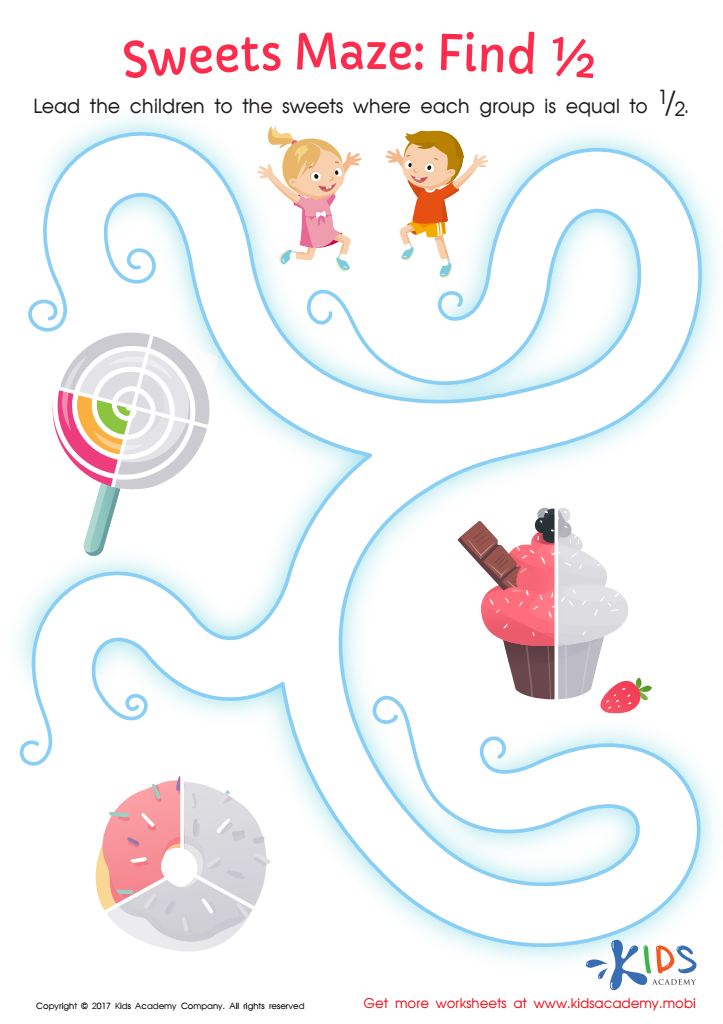
Fractions: Sweets Maze Worksheet
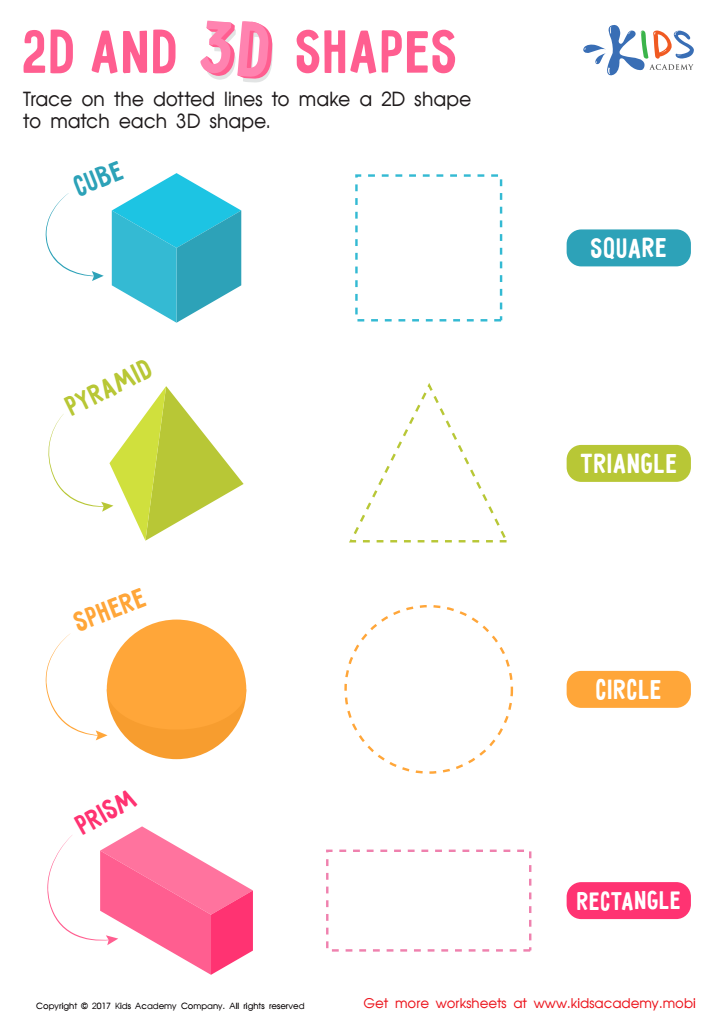
2D and 3D Shapes Worksheet
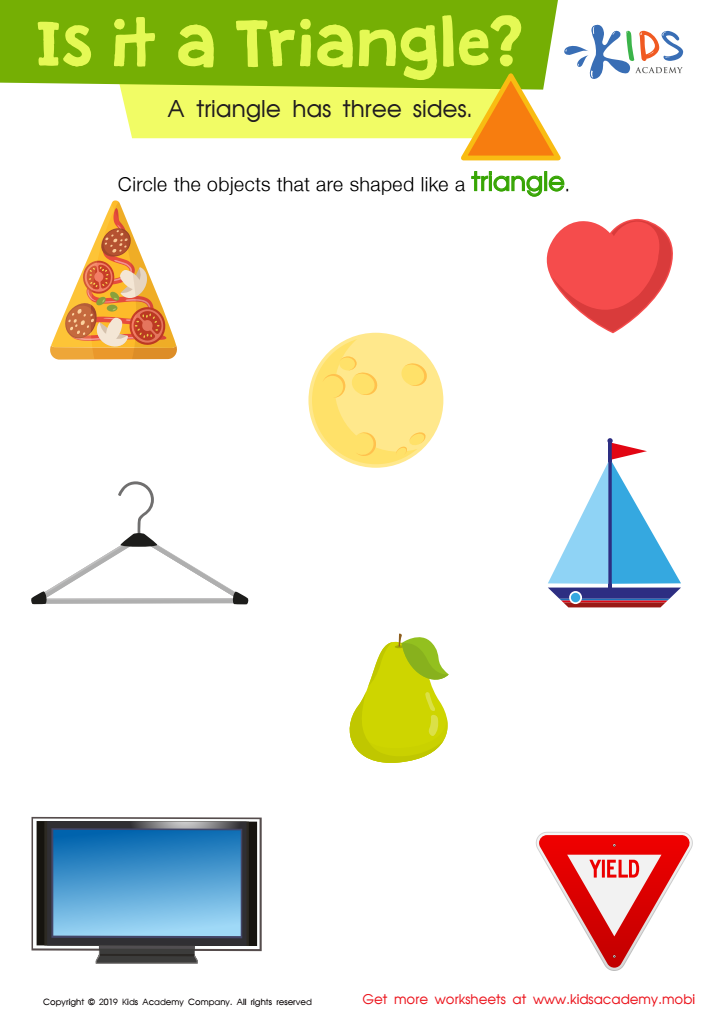
Is It a Triangle? Worksheet
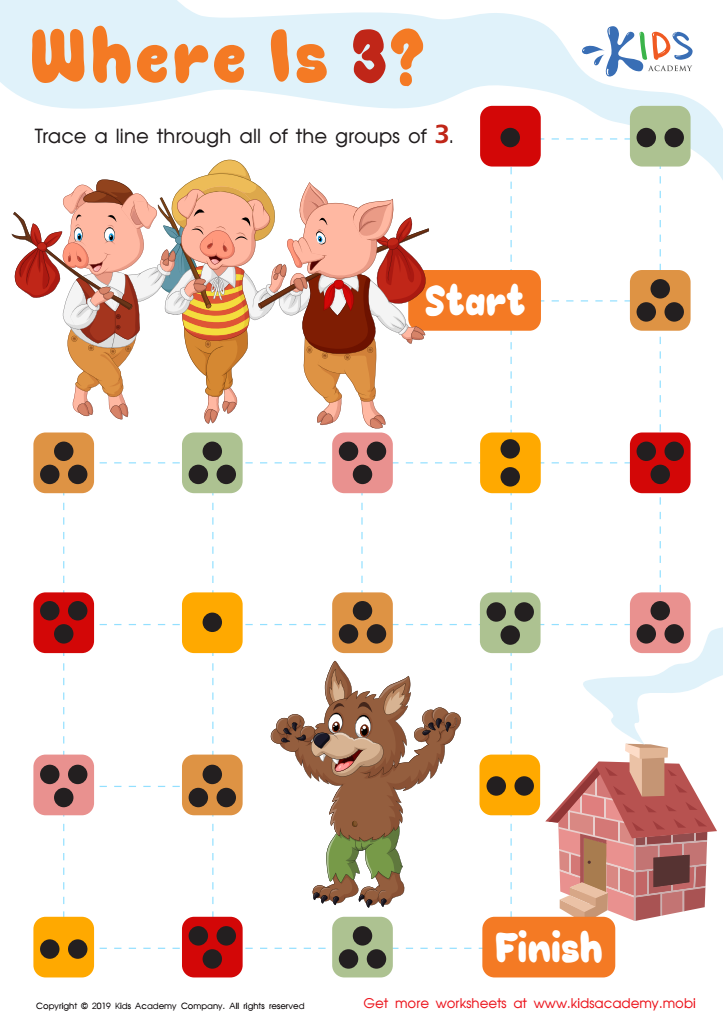
Where Is 3? Worksheet
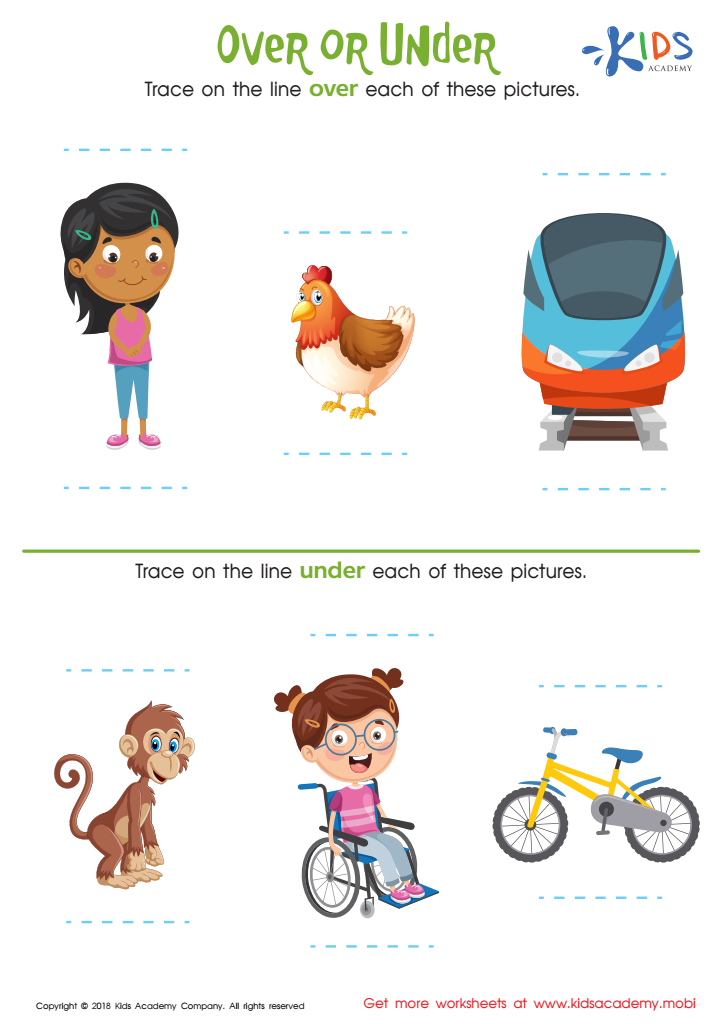
Over or Under Worksheet
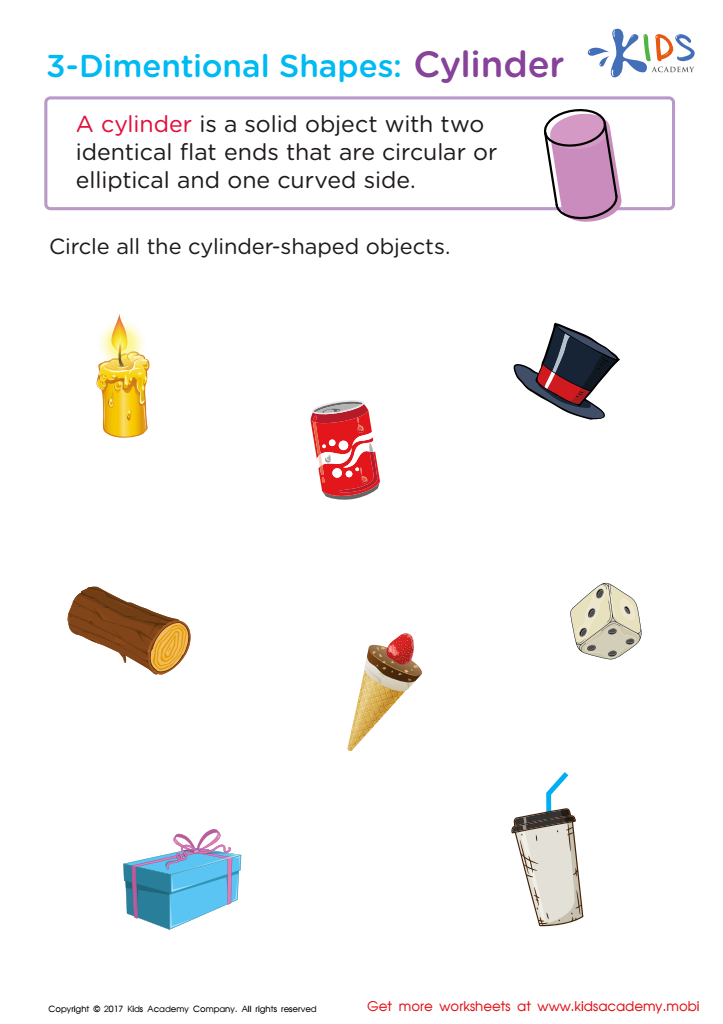
Three–Dimensional Shapes: Cylinder Worksheet
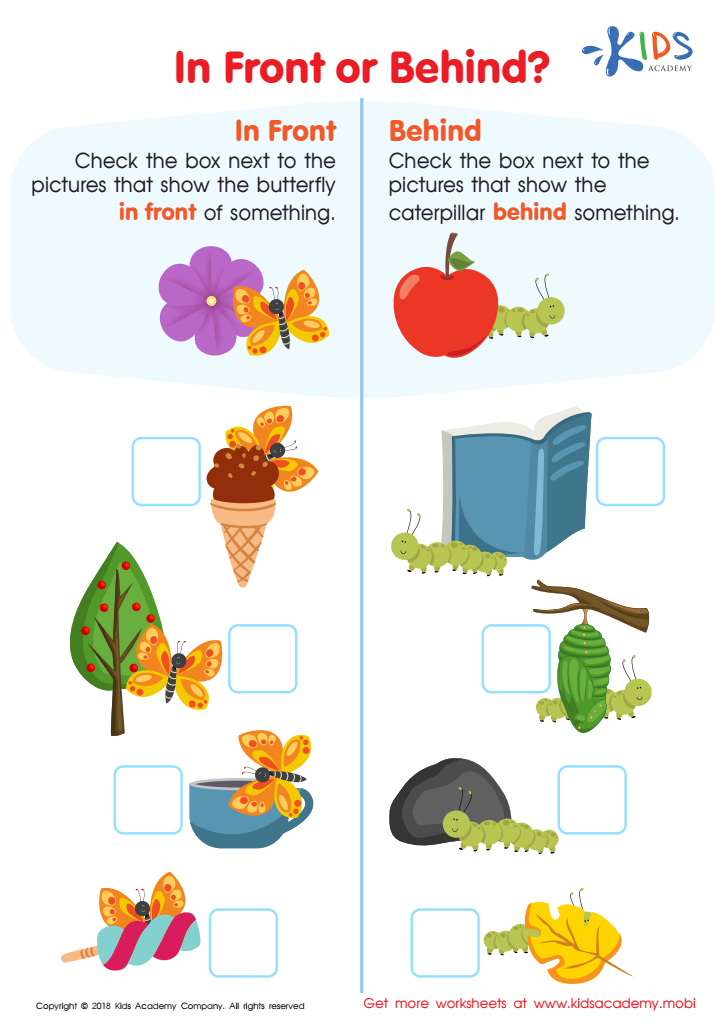
In Front or Behind Worksheet
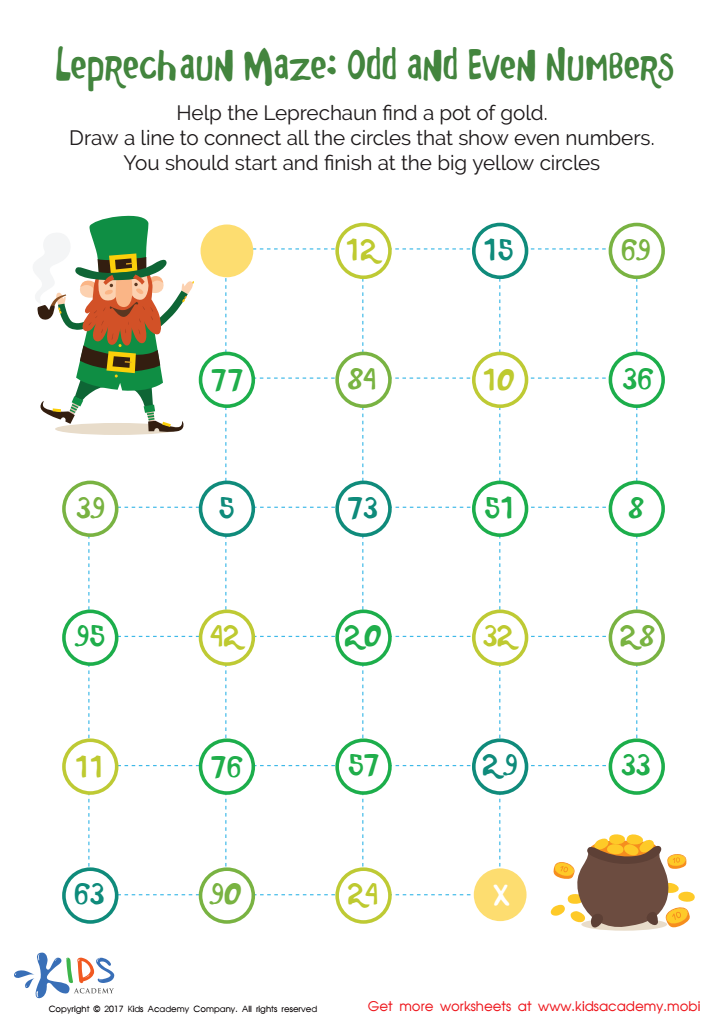
Leprechaun Maze Printable
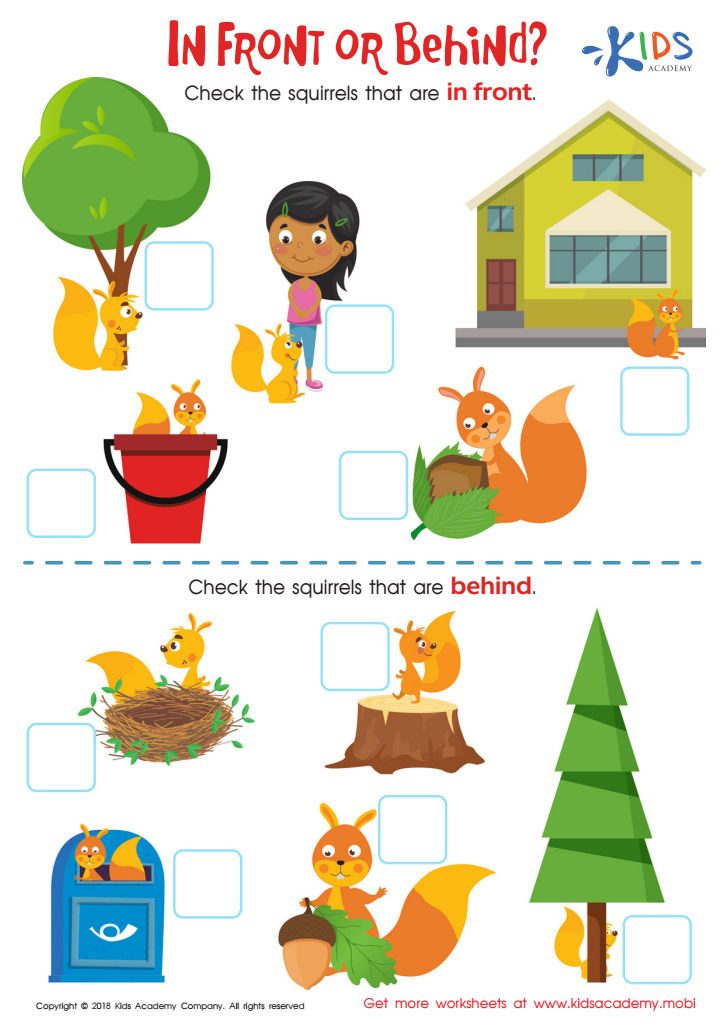
In Front or Behind: Part 2 Worksheet
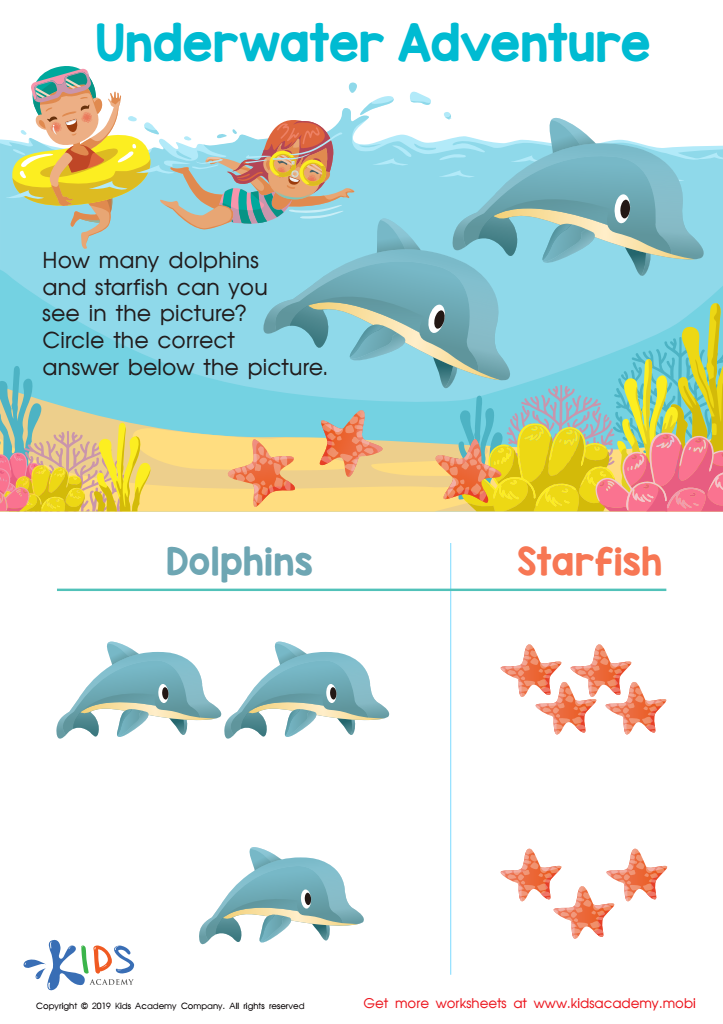
Underwater Adventure Worksheet
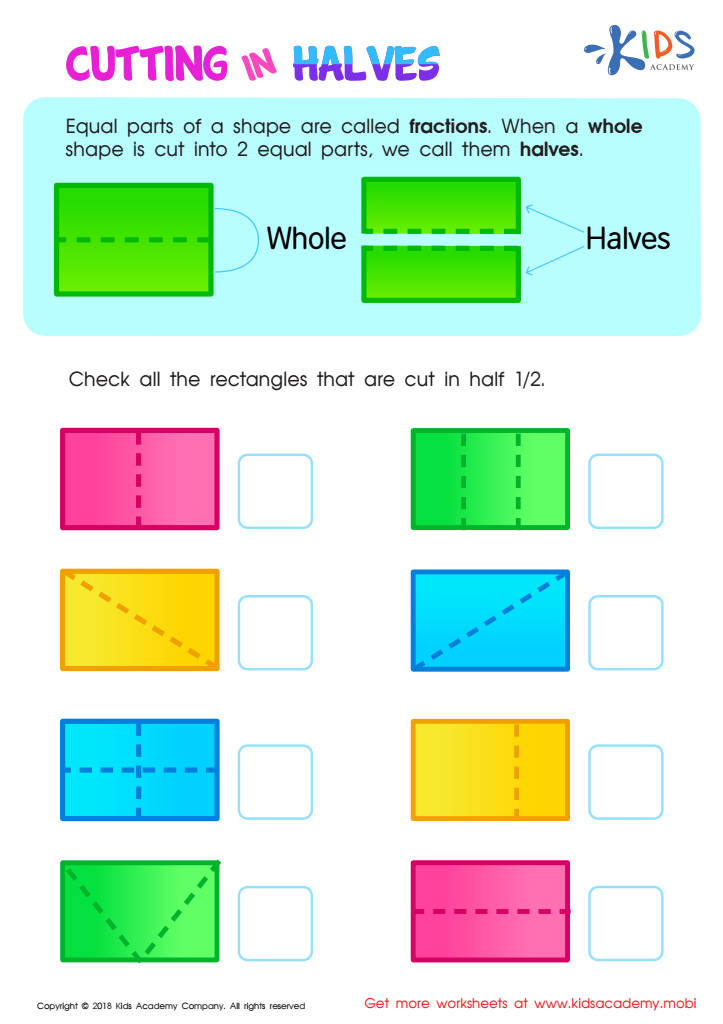
Cutting in Halves Worksheet
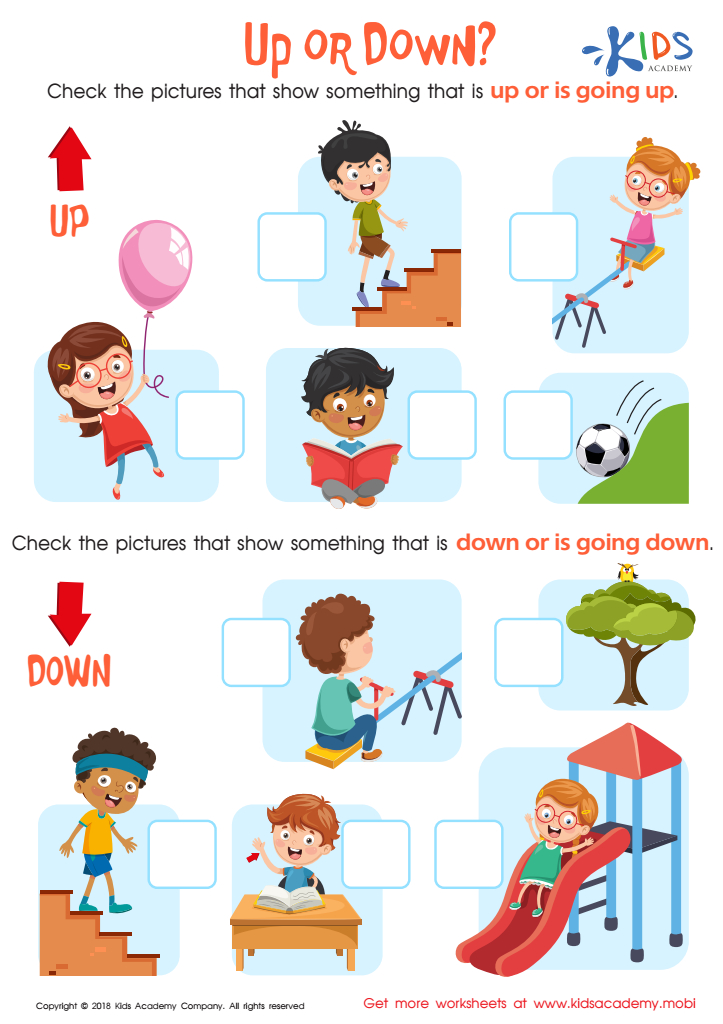
Up or Down Worksheet







Spatial awareness refers to the understanding of how objects relate to each other in space, which is a critical component of early math development for children aged 3-6. Parents and teachers should care about cultivating spatial awareness because it lays the foundation for various cognitive skills.
Firstly, strong spatial awareness enhances problem-solving abilities. Children who can visualize shapes and their relationships can tackle math problems more effectively, understanding concepts like geometry and measurement early on.
Secondly, spatial skills are linked to future academic success in STEM (Science, Technology, Engineering, and Mathematics) fields. Engaging children in activities like puzzles, block play, and drawing can greatly boost their spatial reasoning, leading to better performance in math-related tasks later in life.
Additionally, fostering spatial awareness promotes fine motor skills and encourages creativity and exploration through hands-on learning. It boosts confidence as children navigate both physical and hypothetical spaces.
Finally, supporting spatial reasoning at a young age creates a solid foundation for lifelong learning and adaptive skills, reinforcing the importance of a well-rounded educational approach. By investing in developmentally appropriate spatial math activities, parents and teachers can actively contribute to a child’s overall growth and future success.








