Visual perception improvement Math Worksheets for Ages 3-6
12 filtered results
-
From - To
Enhance your child's visual perception skills with our engaging Math Worksheets designed specifically for ages 3-6! These fun and interactive activities not only stimulate early math concepts but also boost essential visual perception abilities vital for academic success. Our thoughtfully crafted worksheets incorporate colorful visuals and engaging exercises that capture young learners' attention while promoting critical skills like pattern recognition, spatial awareness, and problem-solving. Tailored for preschool and kindergarten levels, these resources provide a great way for parents and educators to support children's developmental milestones in a playful and effective manner. Start building a strong foundation for math proficiency today!
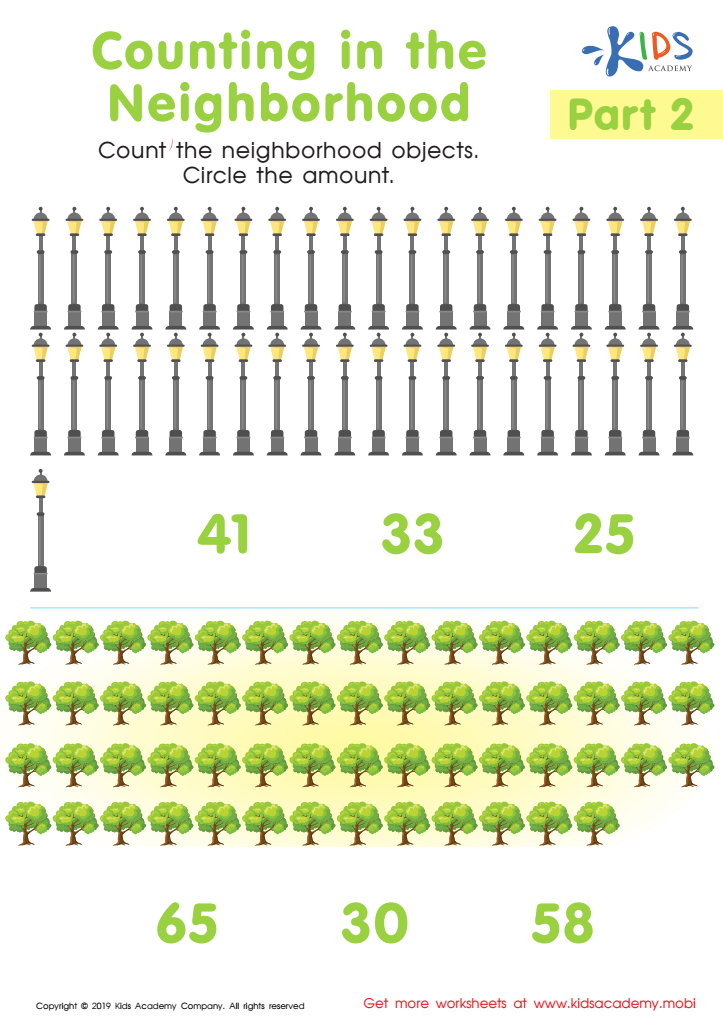
Counting In The Neighborhood Part 2 Worksheet
 Assign to My Students
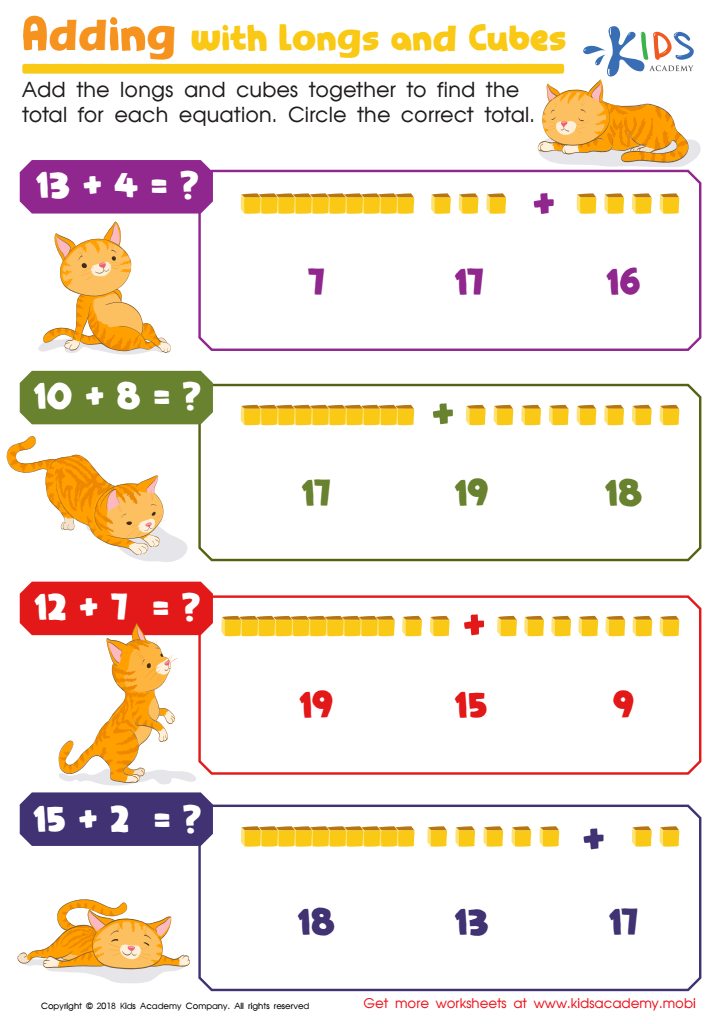
Adding With Longs and Cubes Worksheet
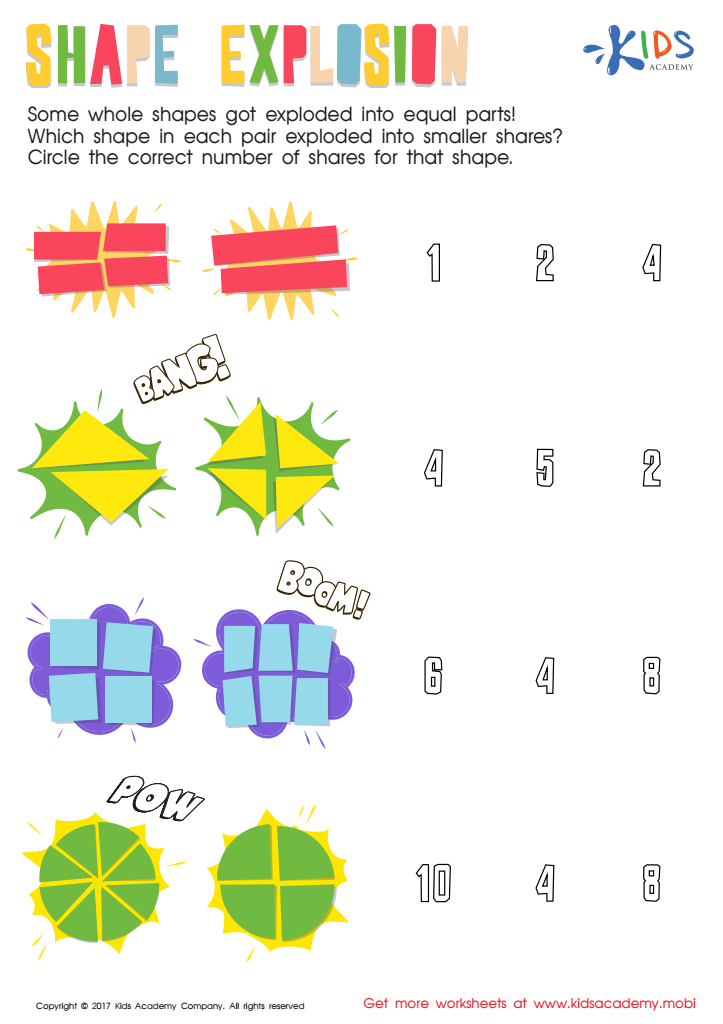
Shape Explosion Worksheet
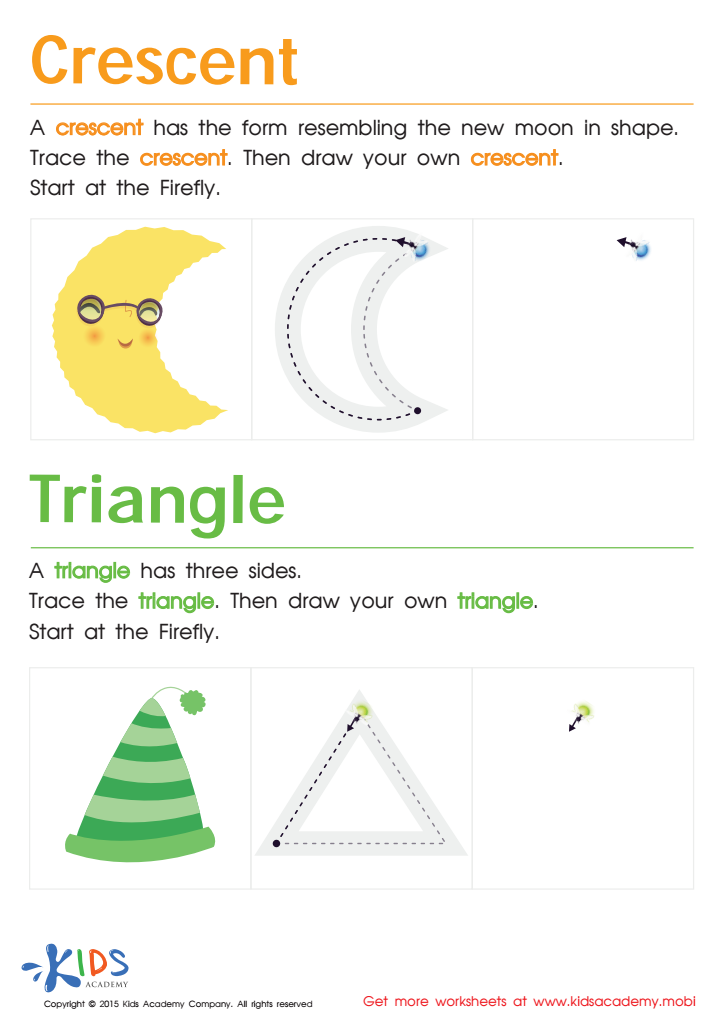
Learning to Draw Crescents And Triangles Worksheet
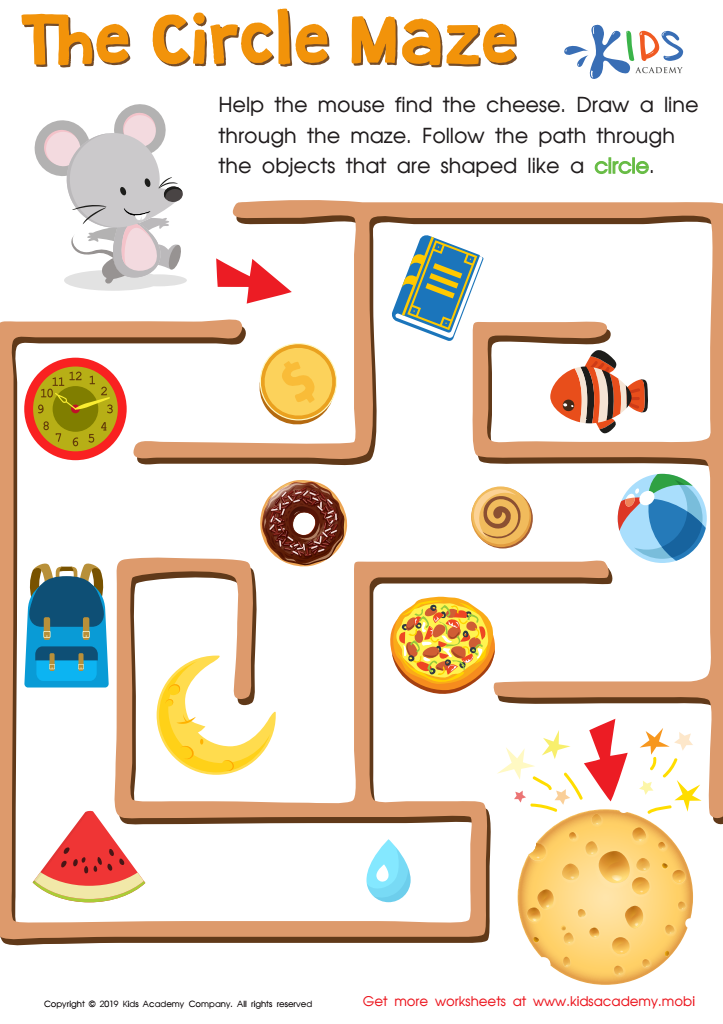
The Circle Maze Worksheet
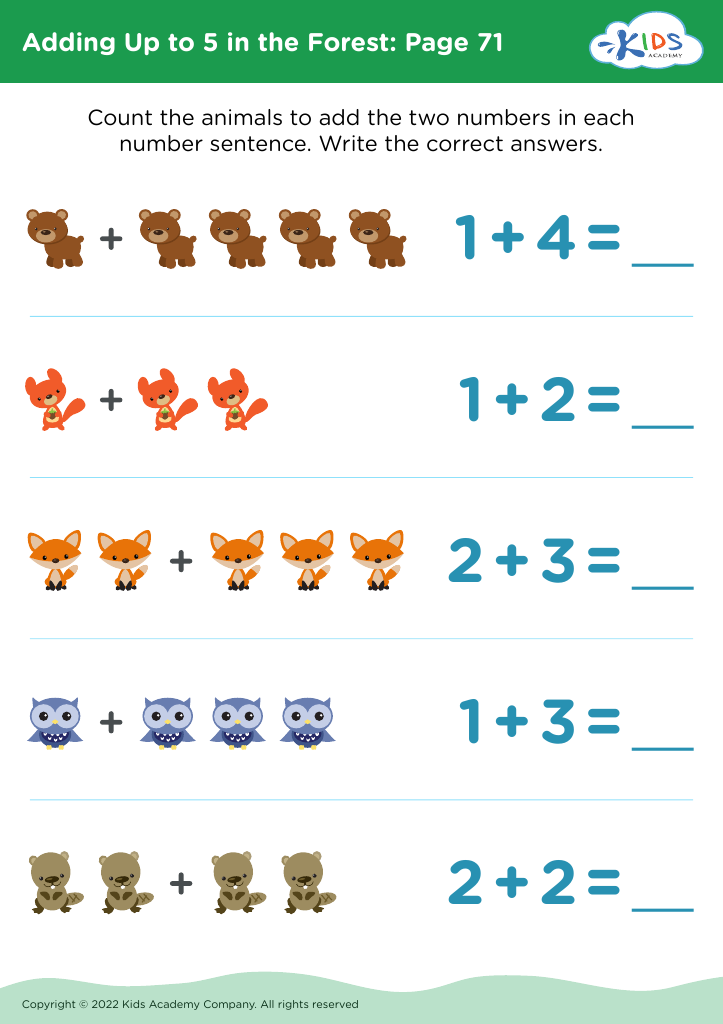
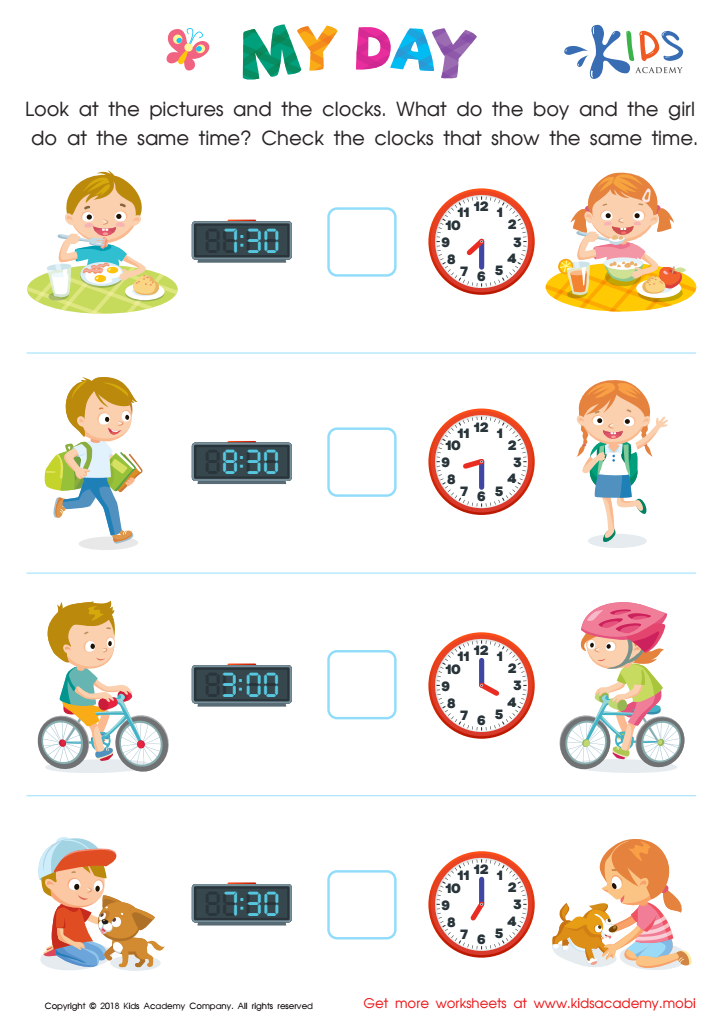
My Day Worksheet
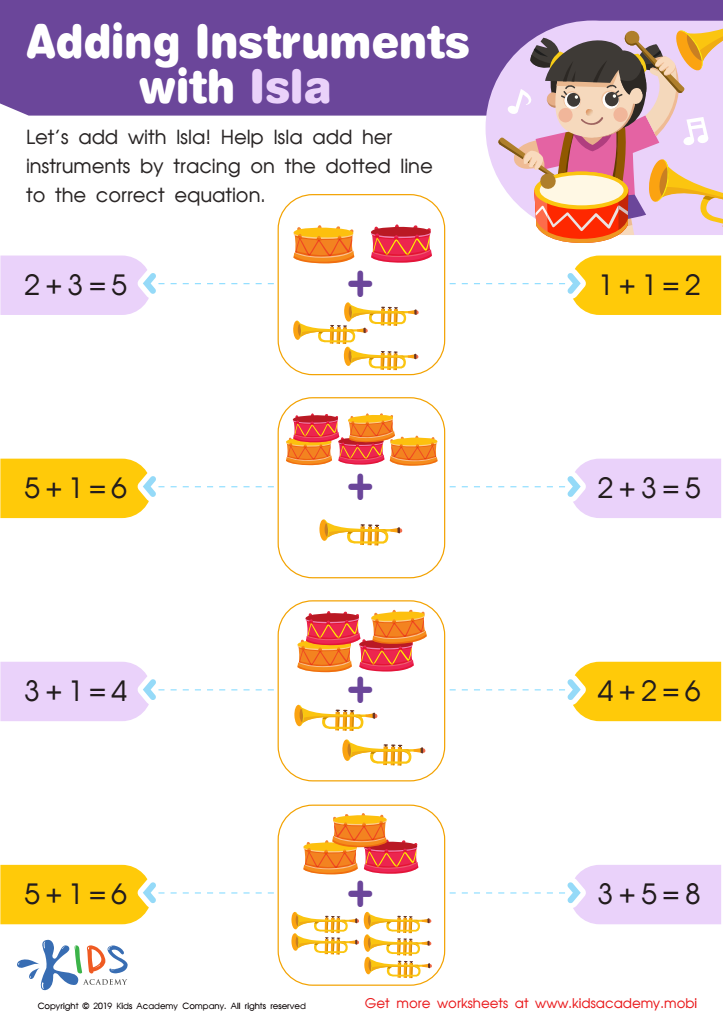
Adding Instruments with Isla Worksheet






.jpg)
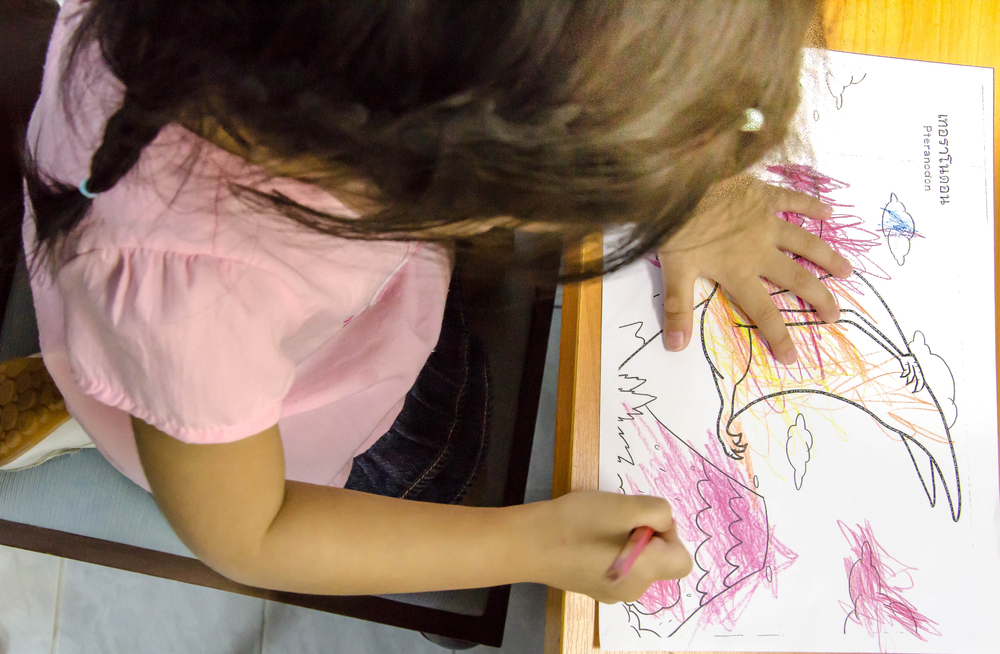
Visual perception is a crucial cognitive skill that plays a significant role in early childhood learning, particularly in mathematics. For children aged 3-6, strong visual perception skills enhance their ability to recognize shapes, patterns, and spatial relationships—key components in understanding mathematics. Parents and teachers should prioritize visual perception improvement, as it lays the foundation for future math competencies.
Research indicates that strong visual perception correlates with better mathematical skills, such as counting, addition, and problem-solving. Skills like sorting objects by size or shape help children understand mathematical concepts intuitively. Furthermore, engaging activities that bolster visual perception, such as puzzles, pattern recognition games, and drawing, provide enjoyable learning experiences that foster a love for math in young learners.
Fostering these skills early on promotes not only better performance in math but also supports development in other academic areas, as visual perception is linked to literacy and general cognitive development. By focusing on visual perception, parents and teachers can help build confidence and foundational skills in young children, ultimately contributing to their academic success and positive attitude towards learning. This holistic approach prepares them for more advanced mathematical concepts they will encounter in their educational journey.








