Number Recognition Place Value Worksheets for Ages 3-6
8 filtered results
-
From - To
Enhance your child's early math skills with our engaging Number Recognition and Place Value Worksheets, designed specifically for ages 3-6! These interactive worksheets make learning fun while helping young learners identify numbers and grasp the concept of place value. Through colorful illustrations and age-appropriate activities, children will build a strong foundation in number recognition, paving the way for future math success. Our carefully crafted resources support developmental growth, encourage critical thinking, and make math enjoyable. Perfect for home or classroom use, these worksheets provide endless opportunities for practice, ensuring that your little ones are set on the path to becoming math whizzes!
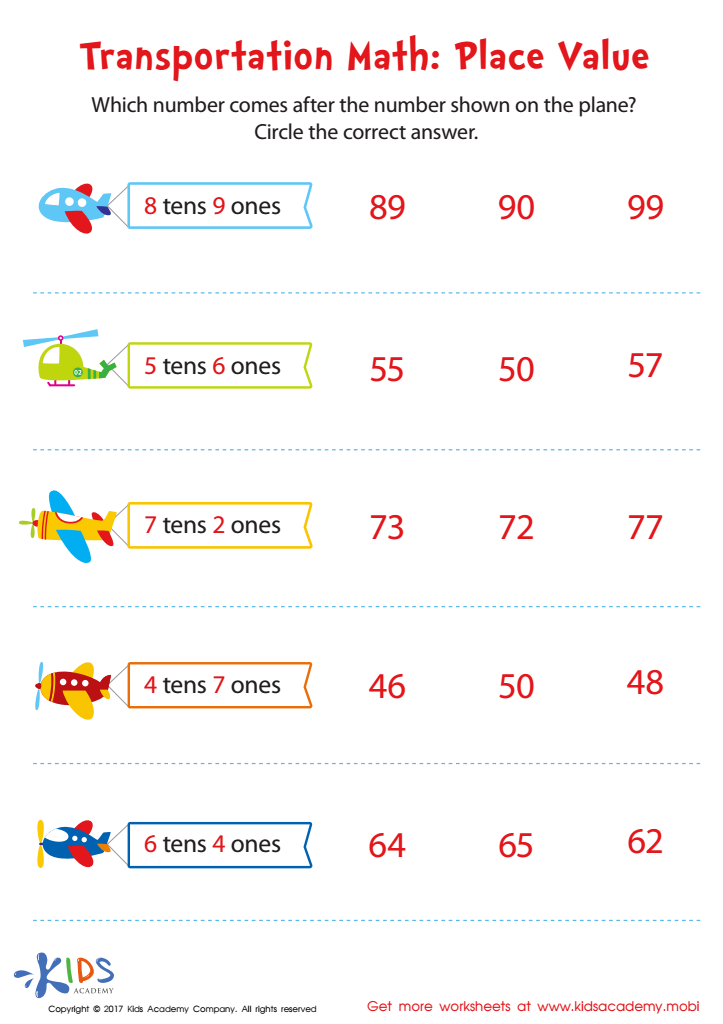
Transportation Math Printable
 Assign to My Students
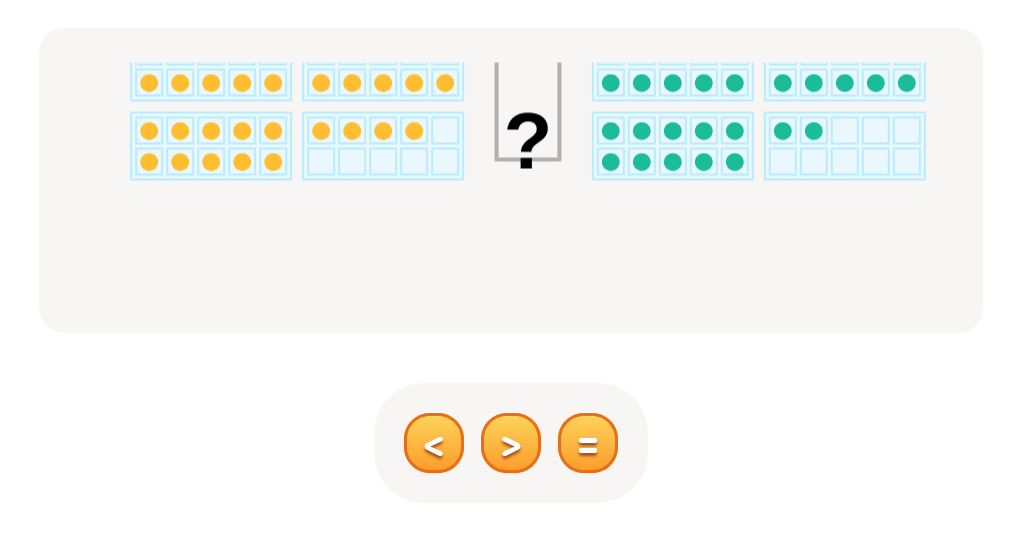

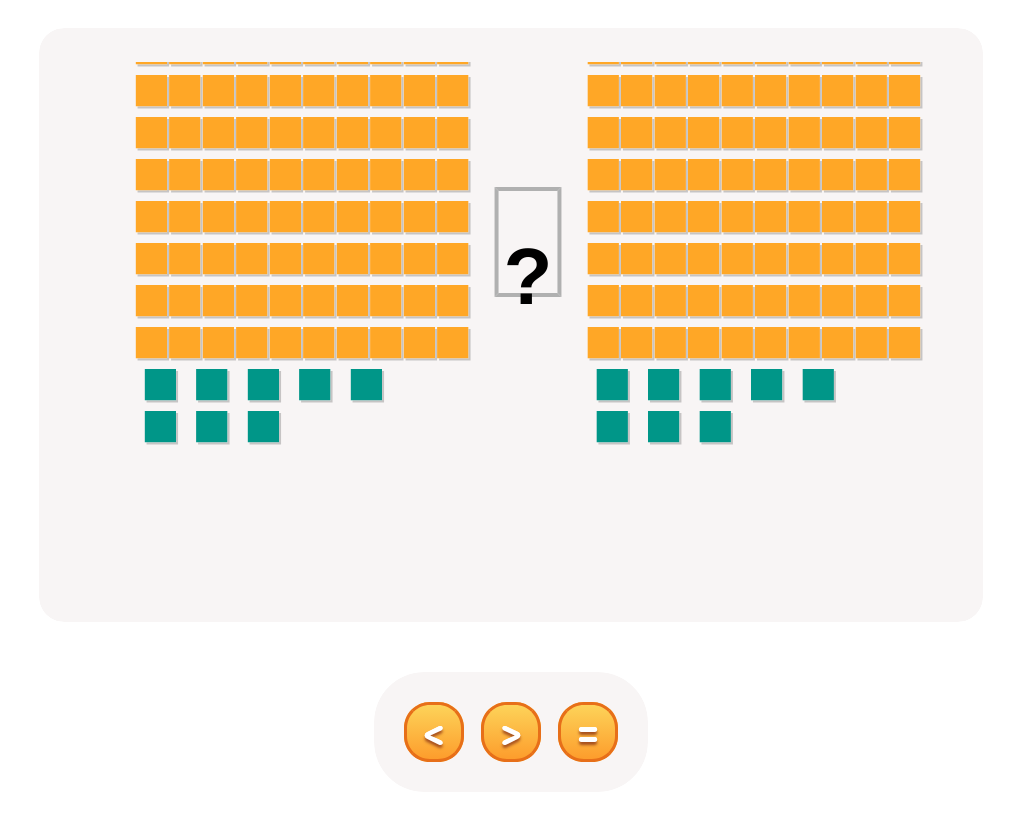
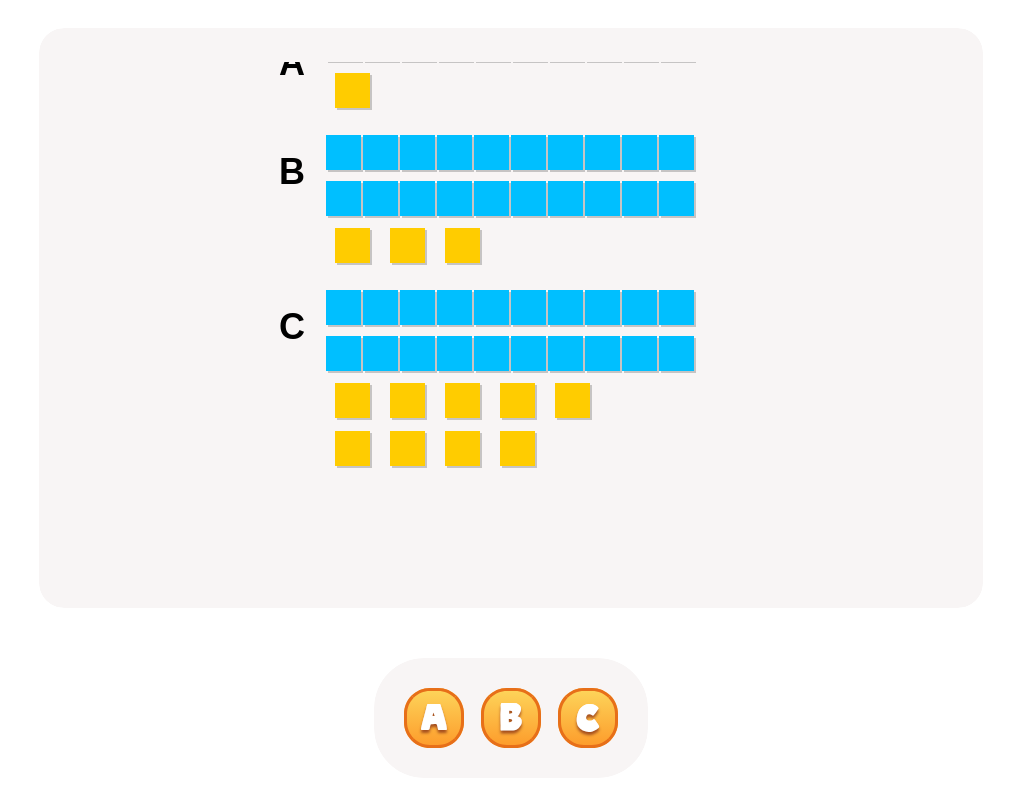
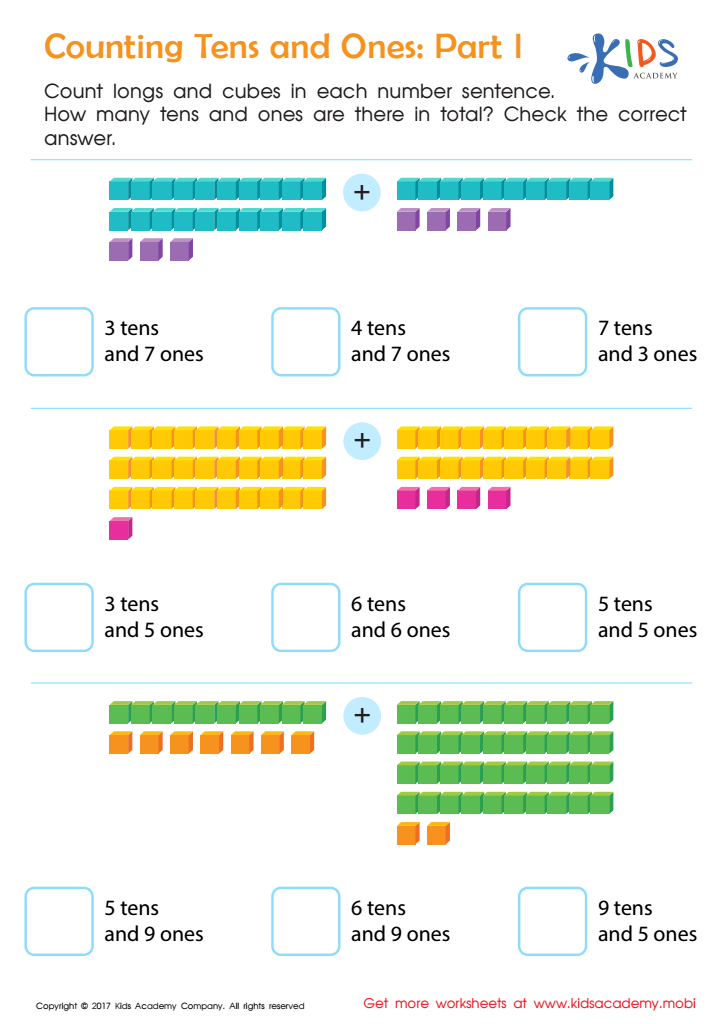
Counting Tens and Ones: Part 1 Worksheet
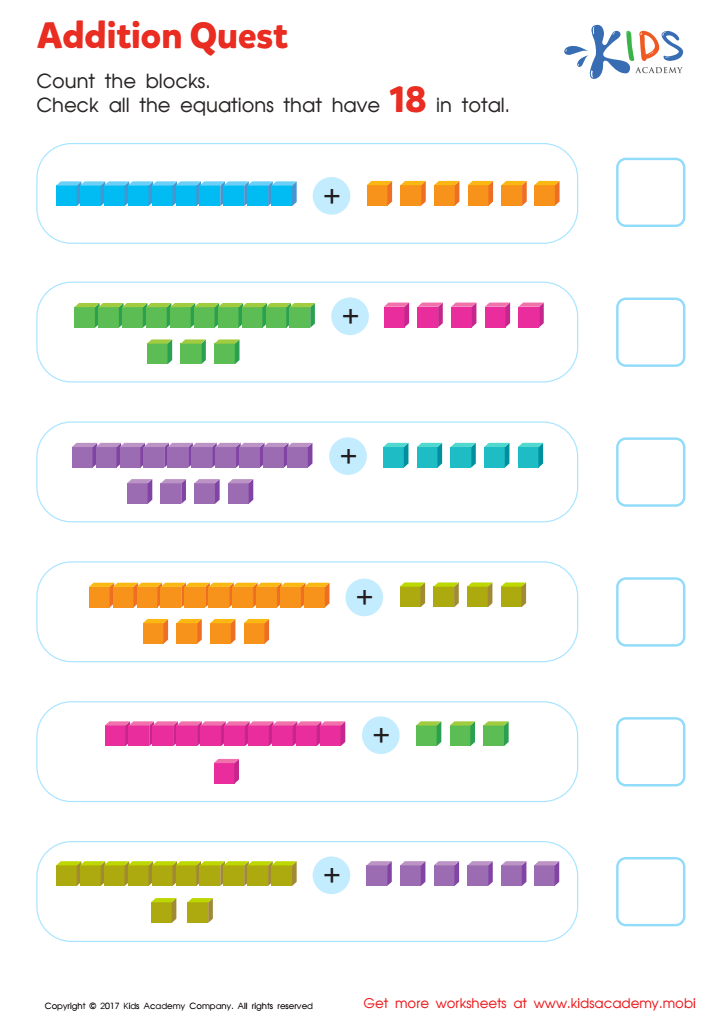
Addition Quest Worksheet: Part 2
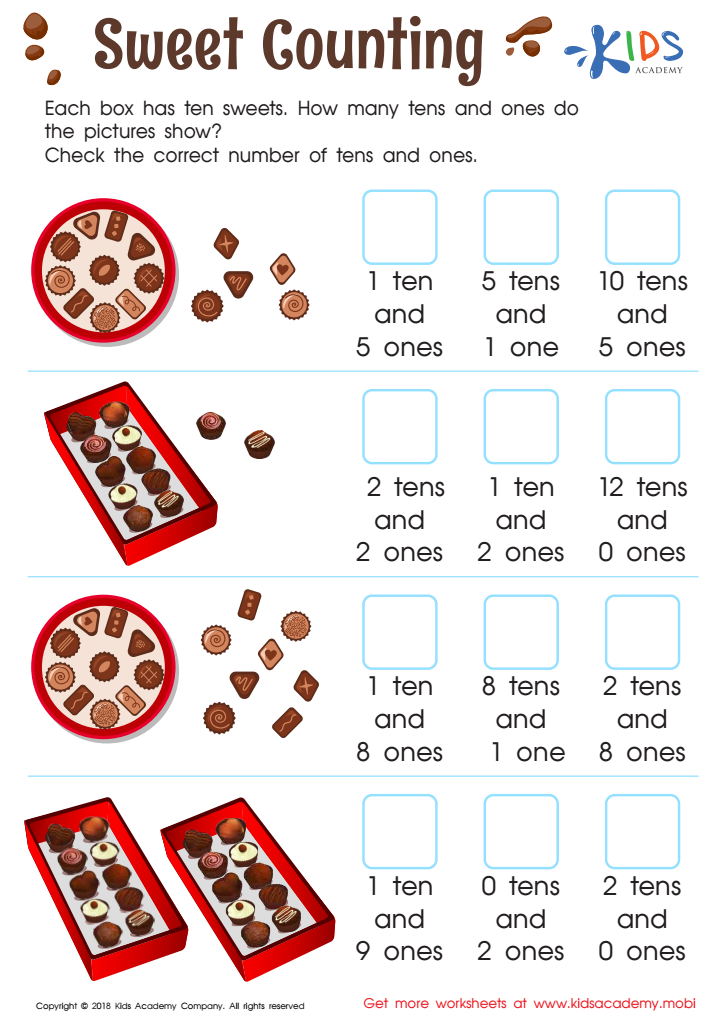
Sweet Counting - Part 2 Worksheet
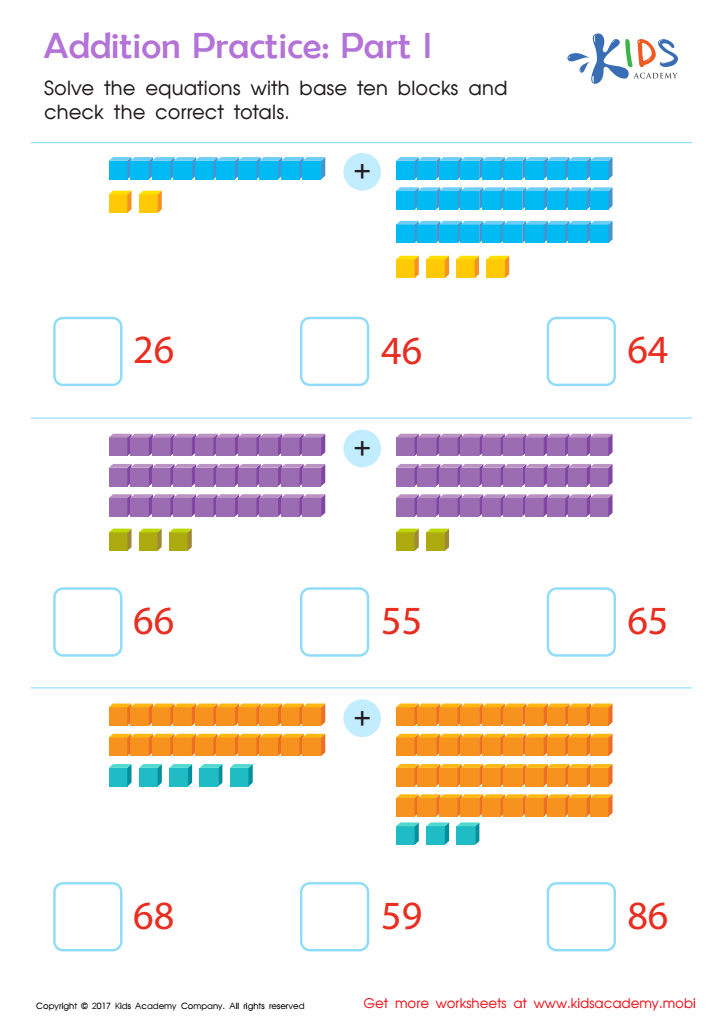
Addition Practice Sheet: Part 1
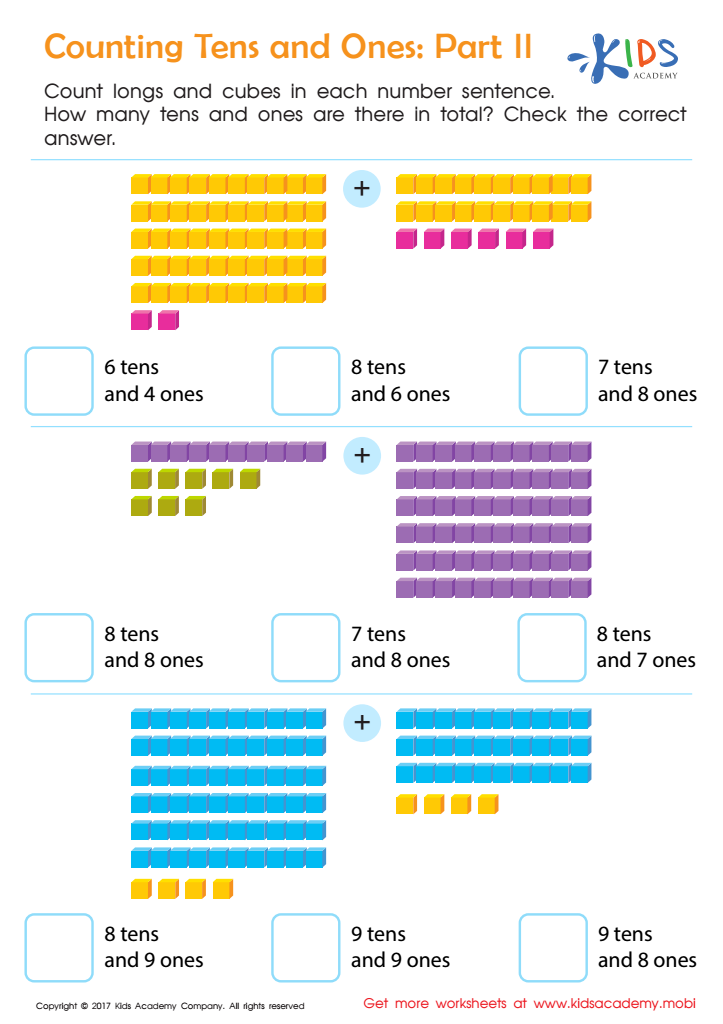
Counting Tens and Ones: Part 2 Worksheet
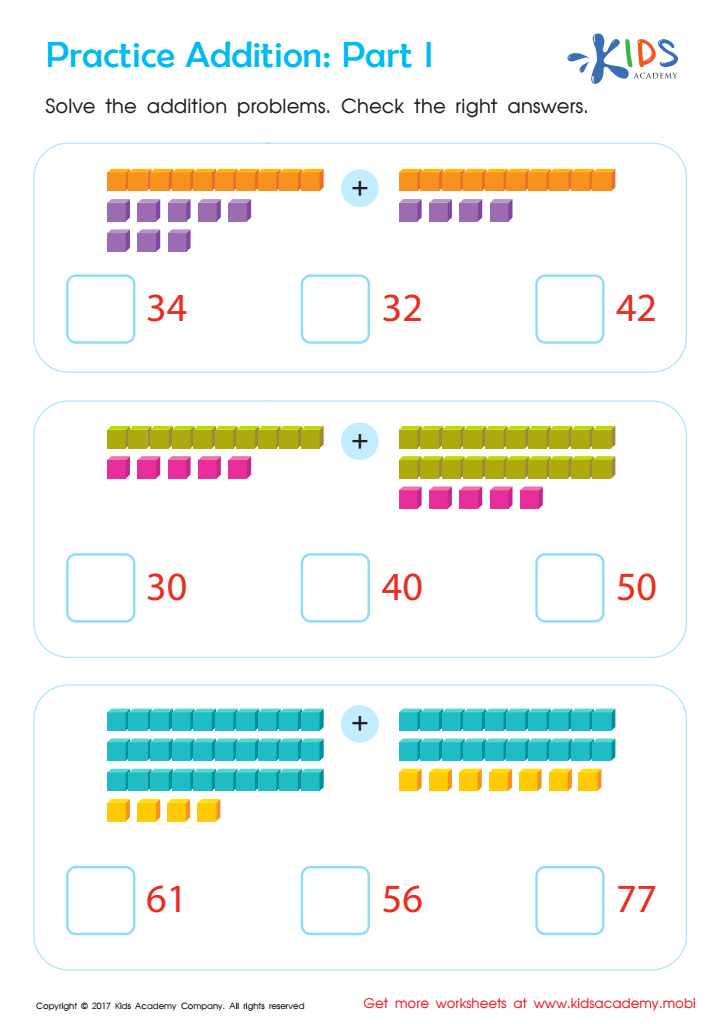
Practice Addition: Part 1 Worksheet
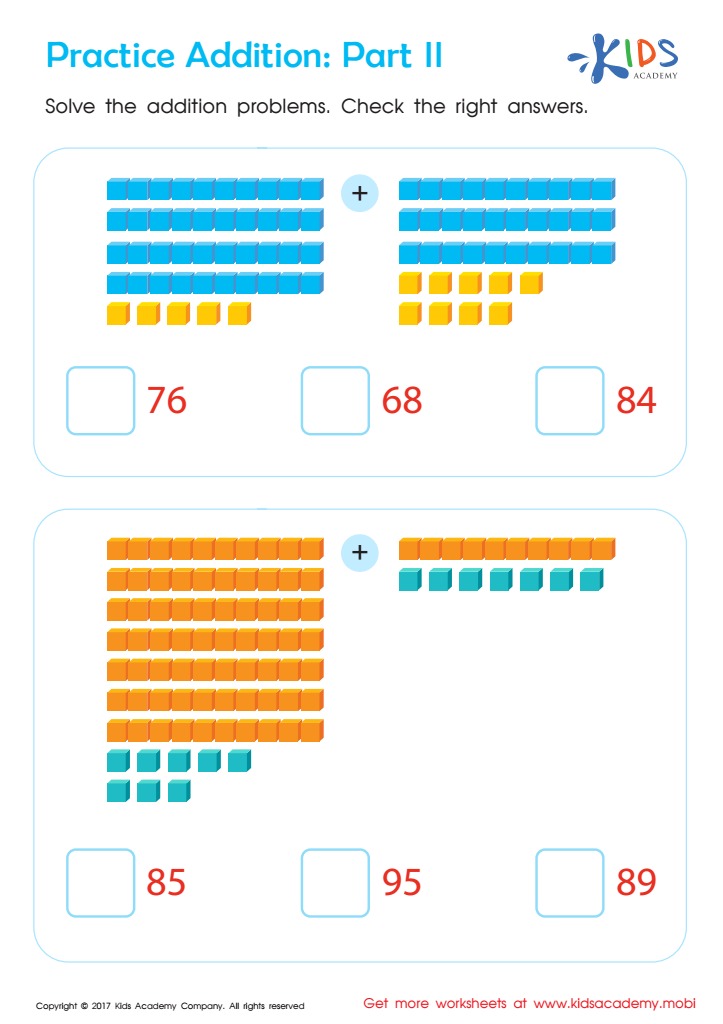
Practice Addition: Part 2 Worksheet








Number recognition and place value are foundational concepts in early childhood mathematics that significantly impact children's academic futures. For ages 3-6, the ability to recognize numbers sets the stage for understanding quantities, counting, and basic arithmetic. When children can recognize numbers, they develop confidence in their mathematical abilities, allowing them to engage more fully in learning experiences.
Place value teaches children that the position of a digit affects its value, which is crucial for grasping larger numbers and understanding arithmetic operations. This foundational concept prepares young learners for more advanced mathematics, such as addition, subtraction, and ultimately, algebra.
Parents and teachers play a vital role in fostering these skills through everyday activities, such as counting objects, using number games, and incorporating math into play. Engage children by using real-world experiences, like counting fruits during grocery shopping or recognizing house numbers.
Investing time in developing number recognition and place value not only solidifies a child’s understanding of math concepts but also enhances critical thinking and problem-solving skills. Plus, a solid early foundation in numeracy contributes to lifelong learning enthusiasm, making math less intimidating as they progress in their education. Thus, nurturing these skills is crucial for their overall academic success.








