Problem-Solving Skills Word Problems Worksheets for Ages 3-6 - Page 2
39 filtered results
-
From - To
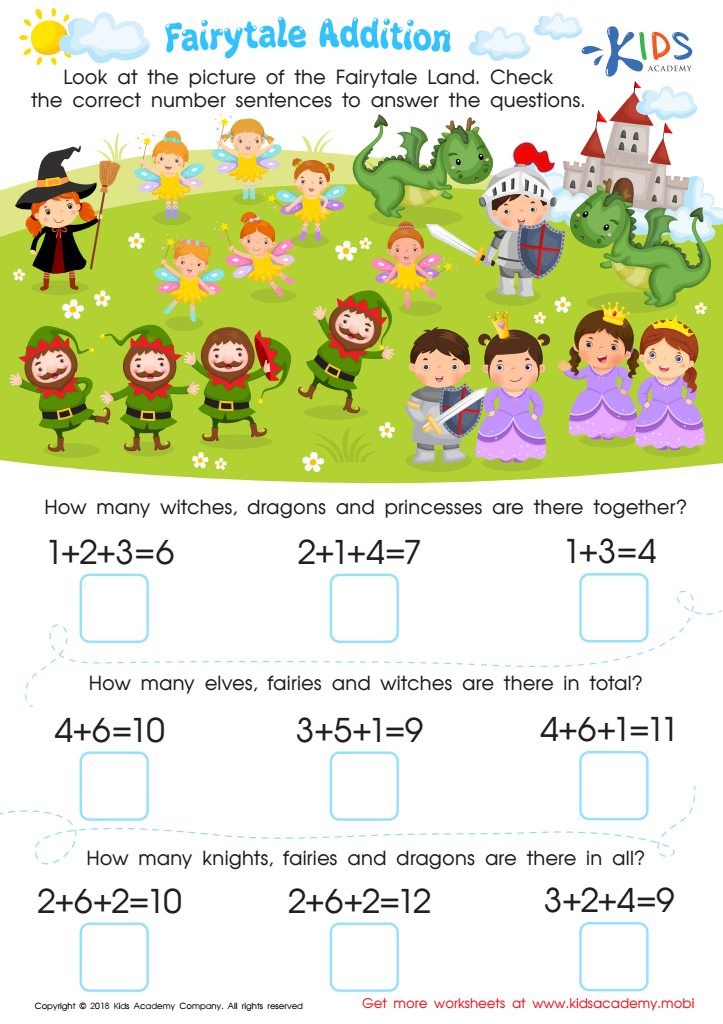
Fairytale Addition Worksheet
 Assign to My Students
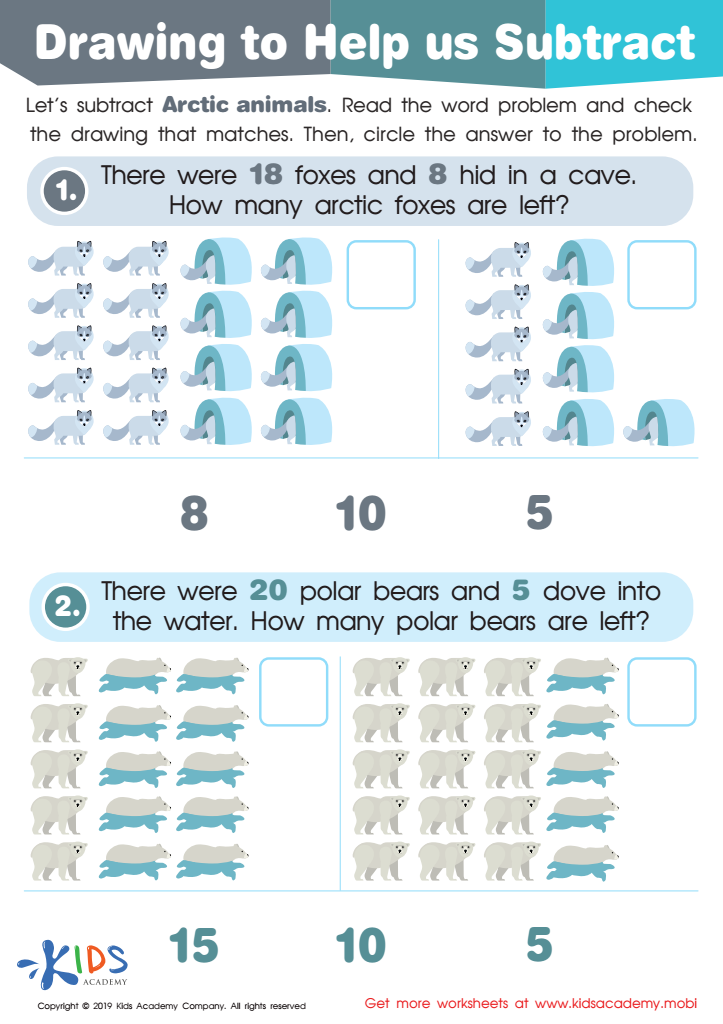
Drawing to Help Us Subtract Worksheet
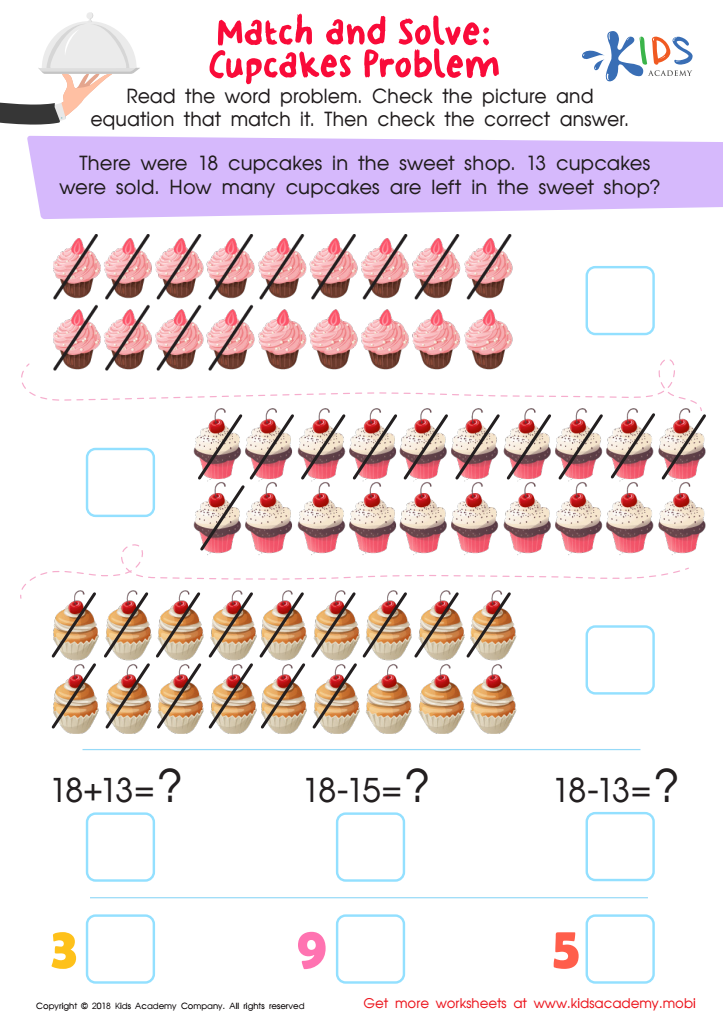
Match and Solve: Cupcakes Problem Worksheet
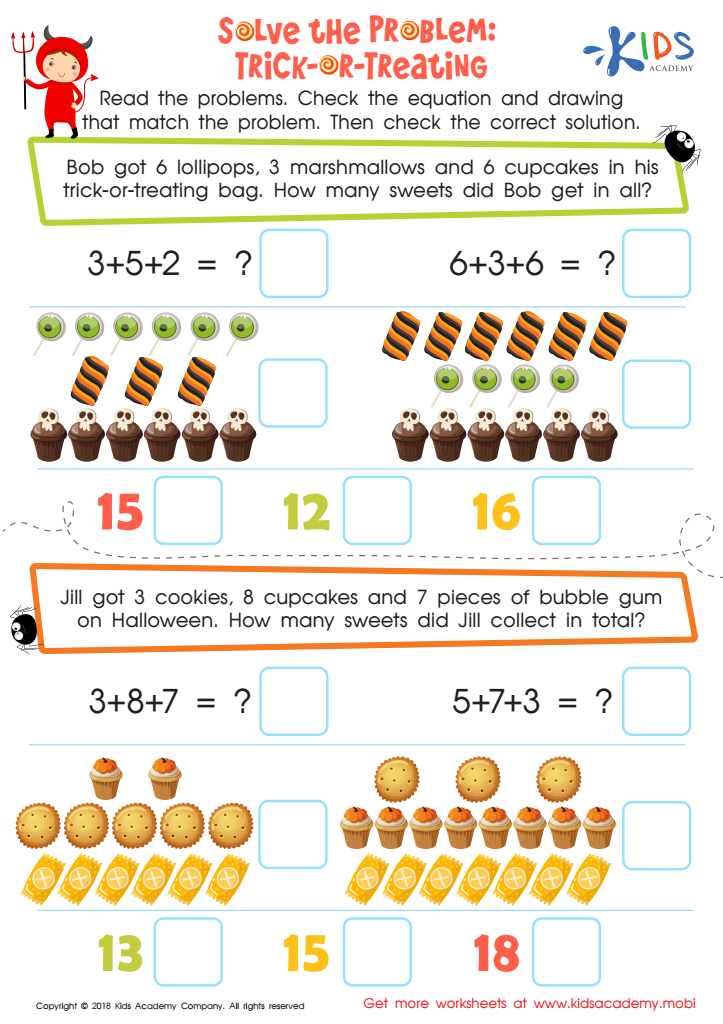
Solve the Problem: Trick–or–treating Worksheet
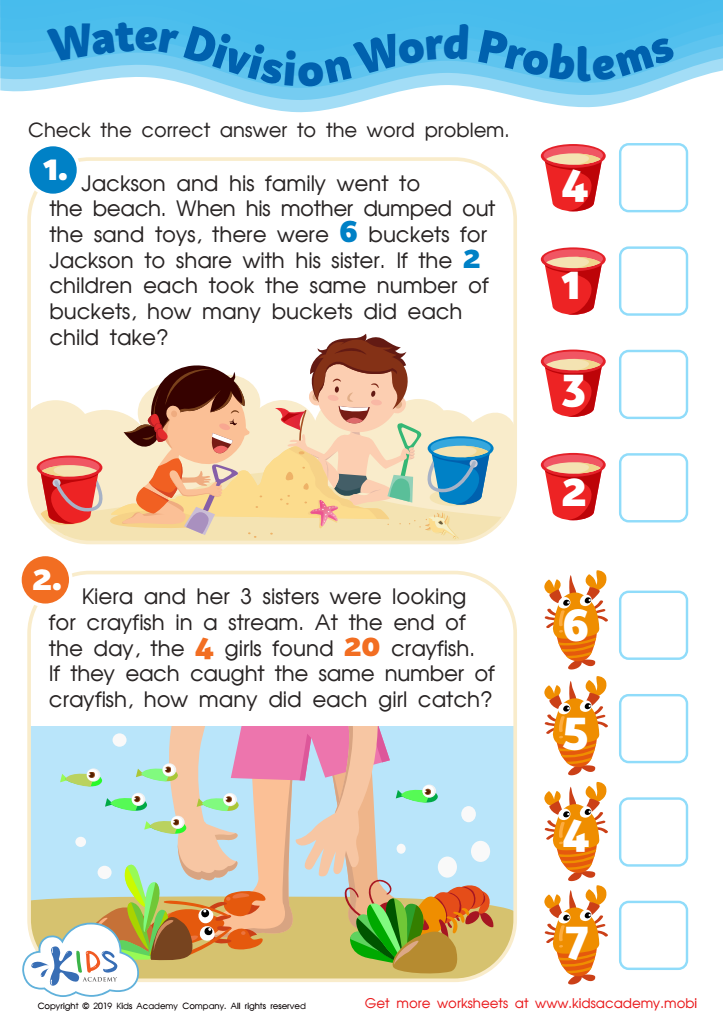
Water Division Word Problems Worksheet
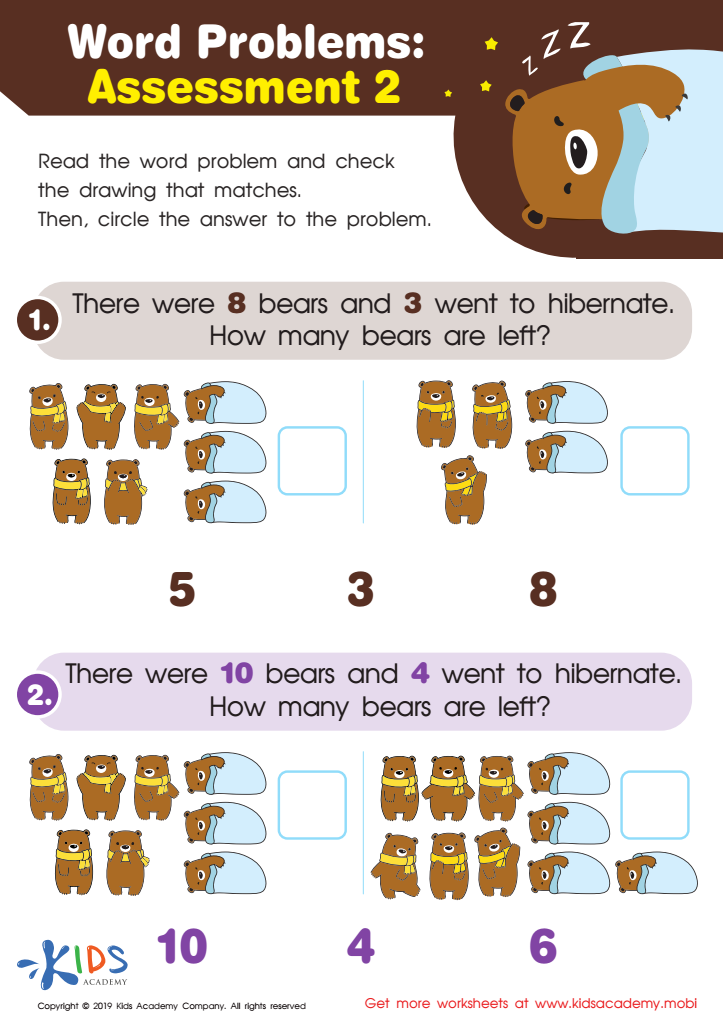
Word Problems: Assessment 2 Worksheet
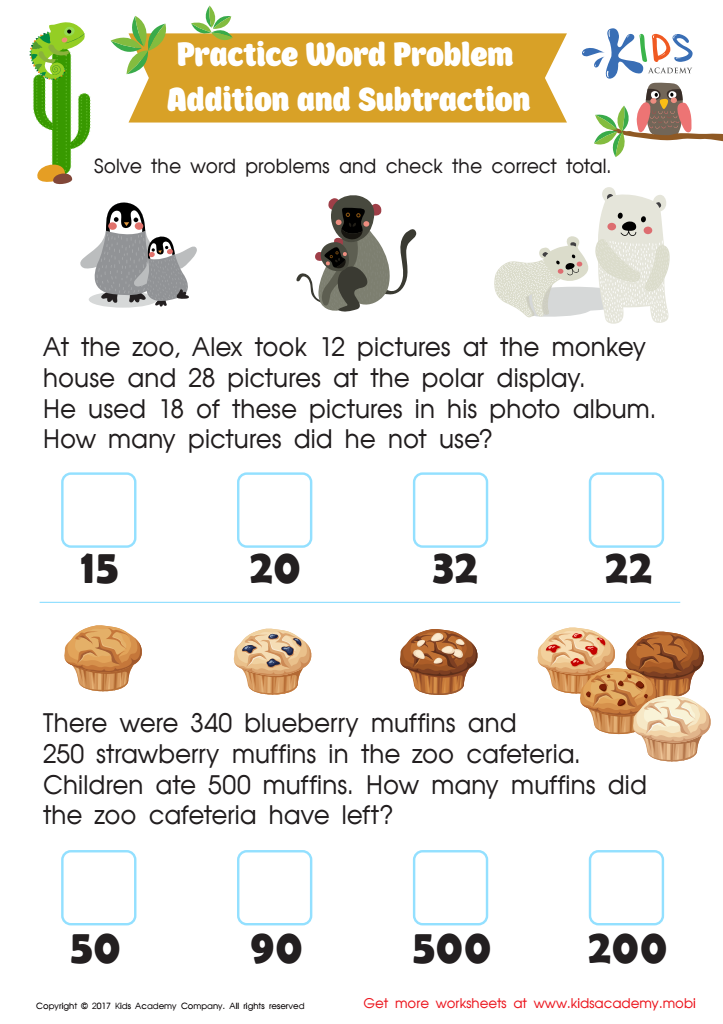
Addition and Subtraction: Word Problems Worksheet
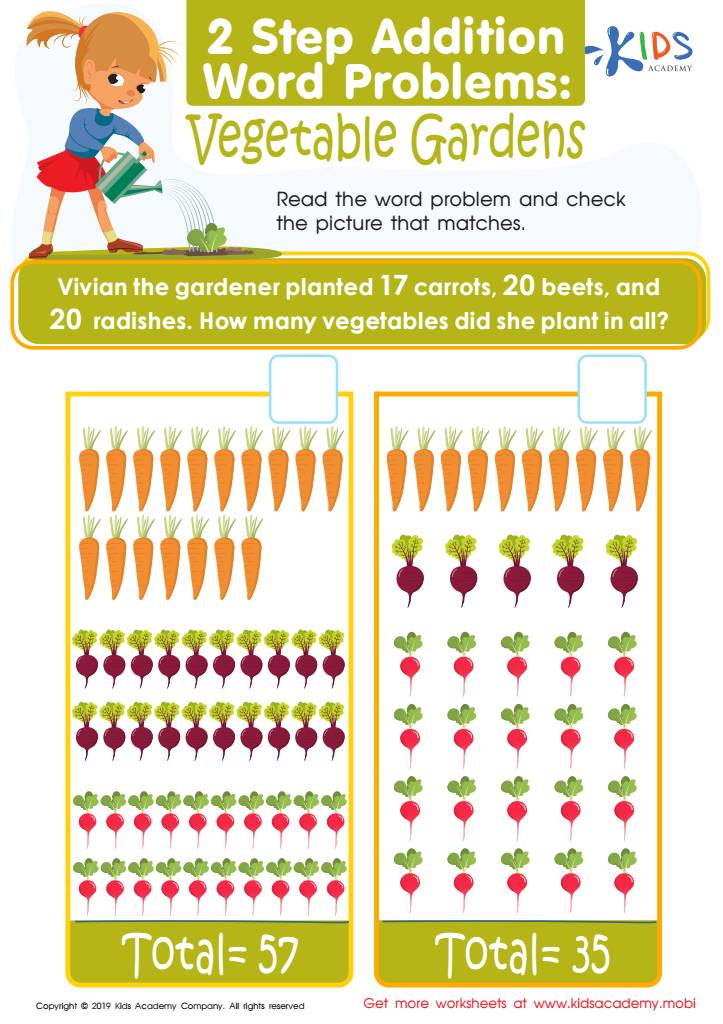
Vegetable Gardens Worksheet
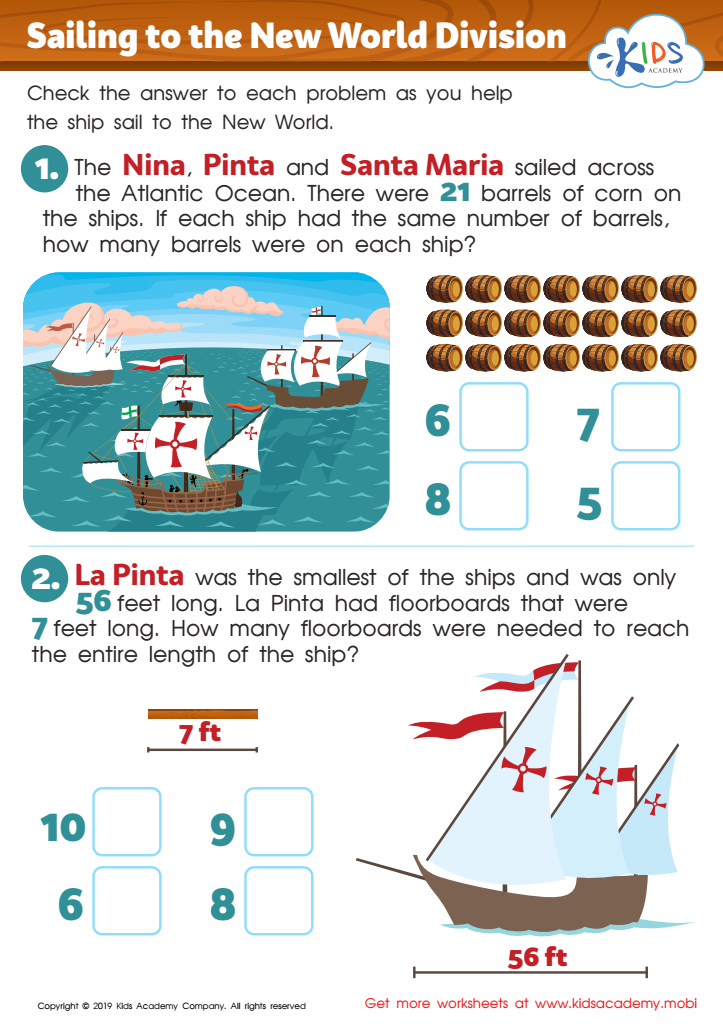
Sailing to the New World Division Worksheet
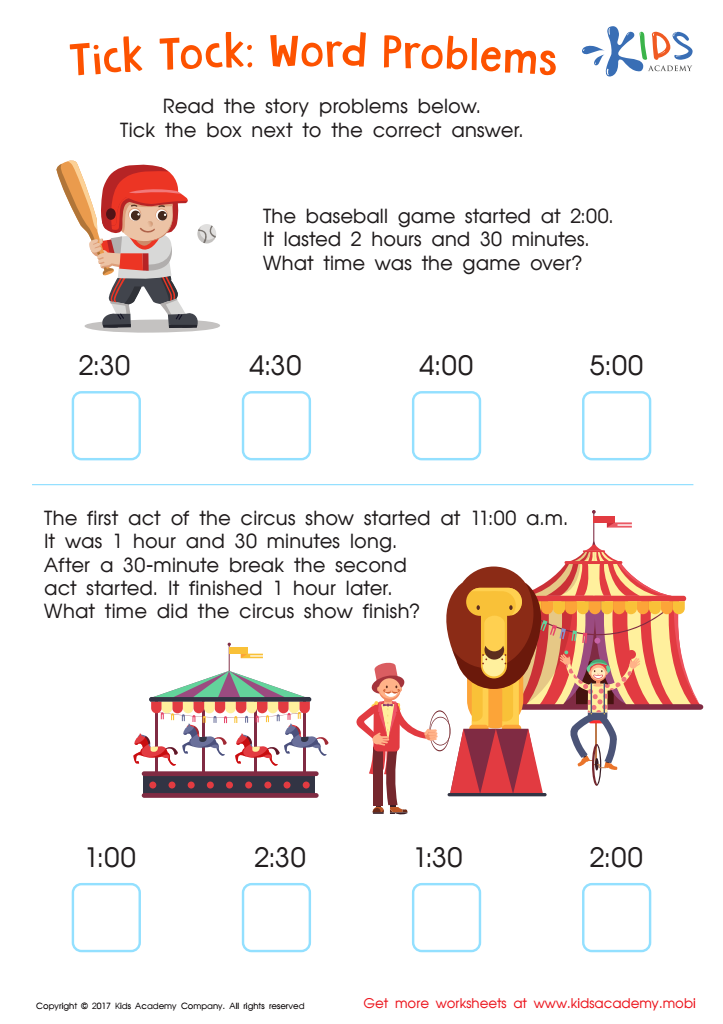
Tick Tock Word Problems Time Worksheet
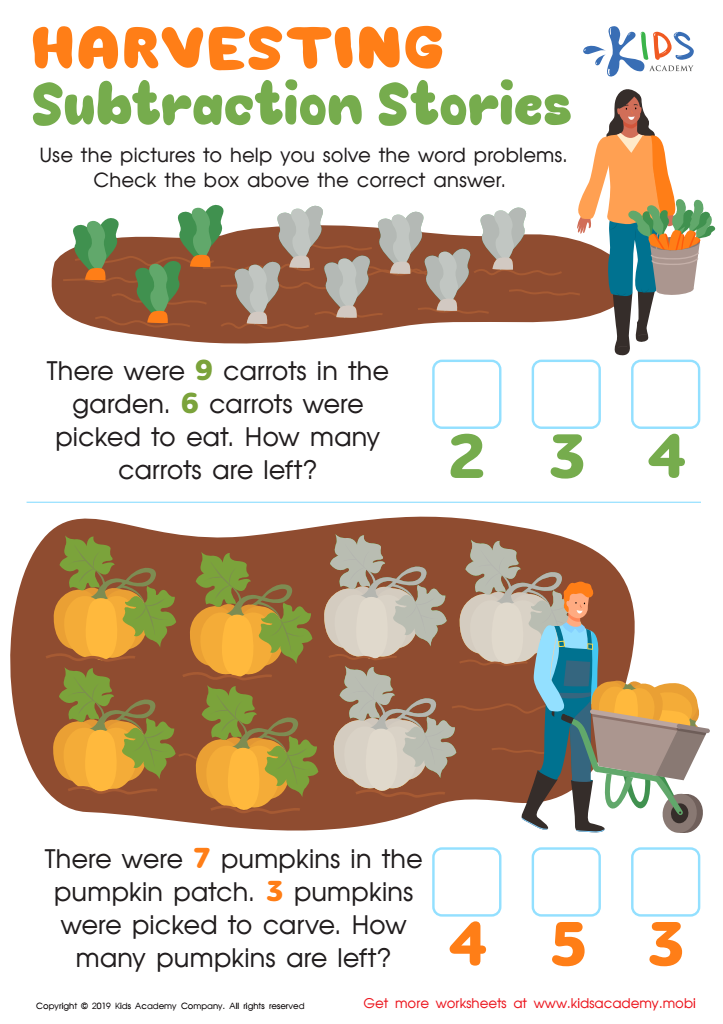
Harvesting Subtraction Stories Worksheet
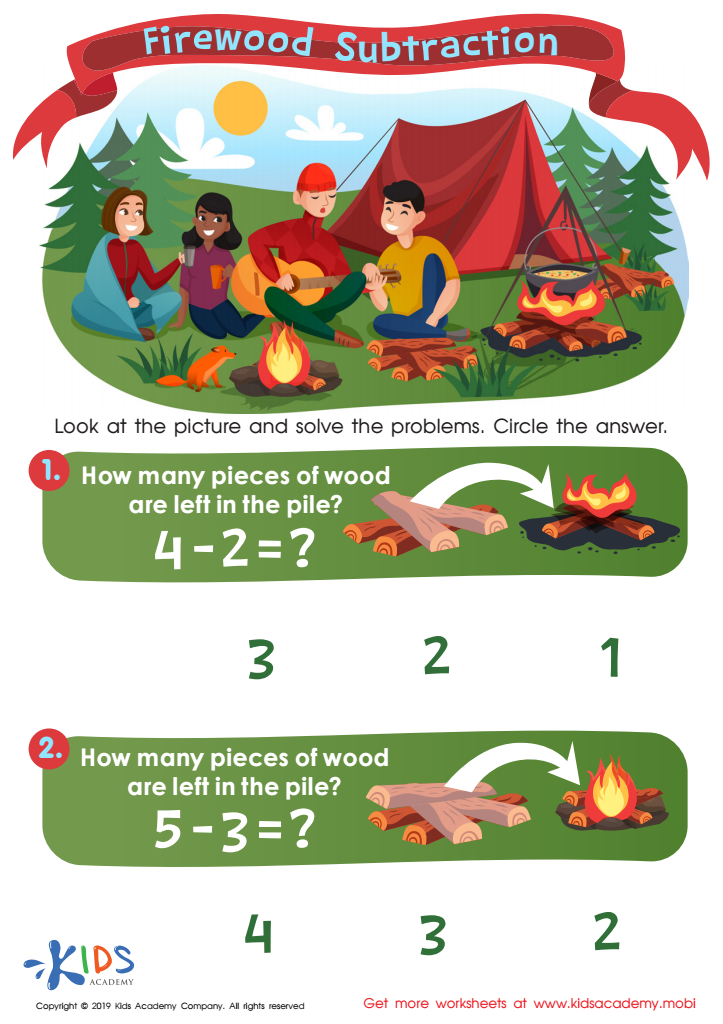
Firewood Subtraction Worksheet
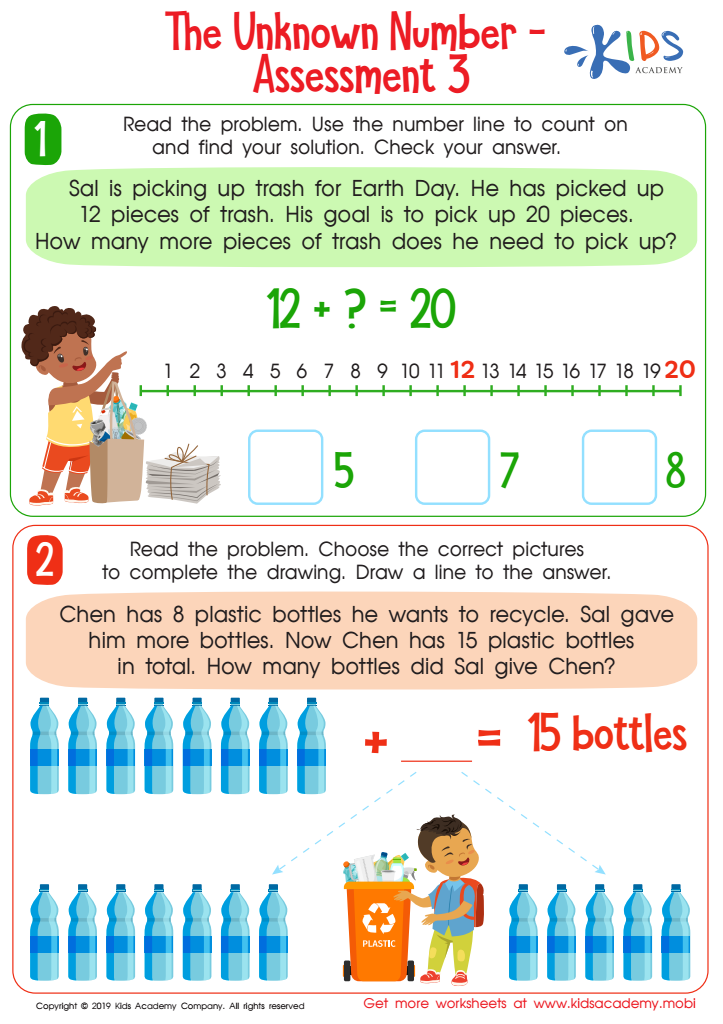
The Unknown Number - Assessment 3 Worksheet
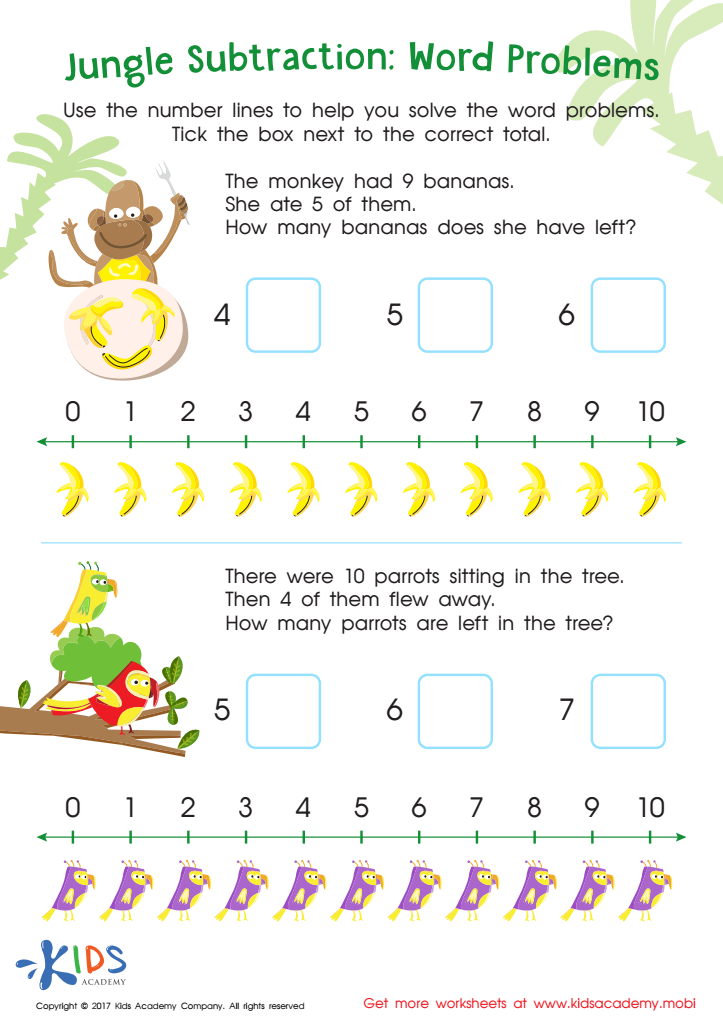
Jungle Subtraction Word Problems Substraction Worksheet
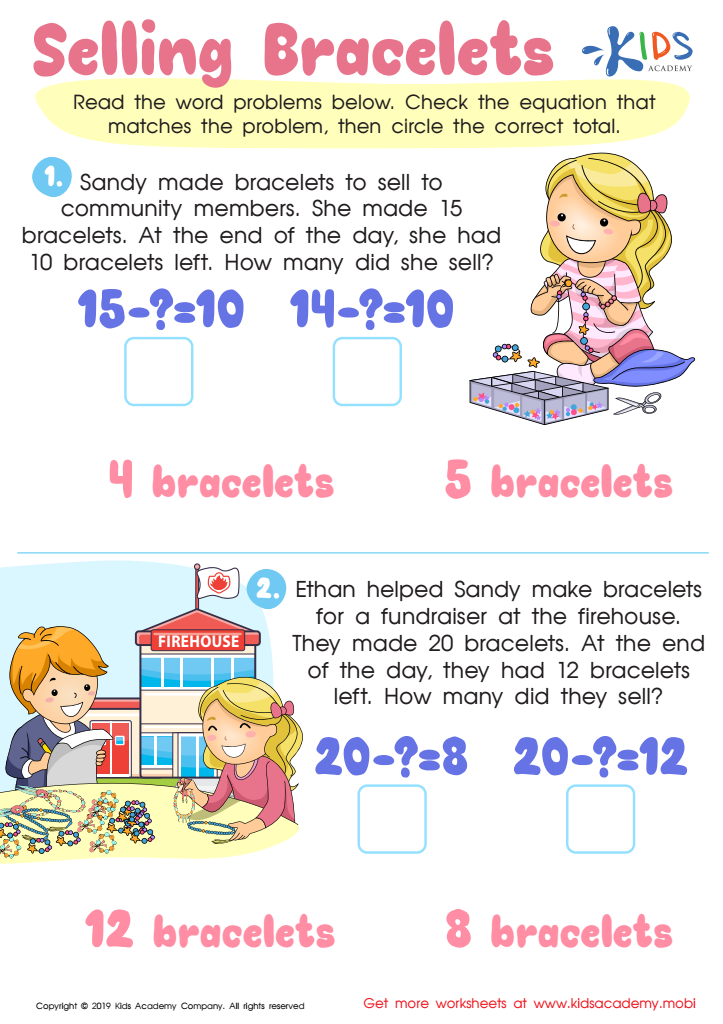
Selling the Bracelets Worksheet




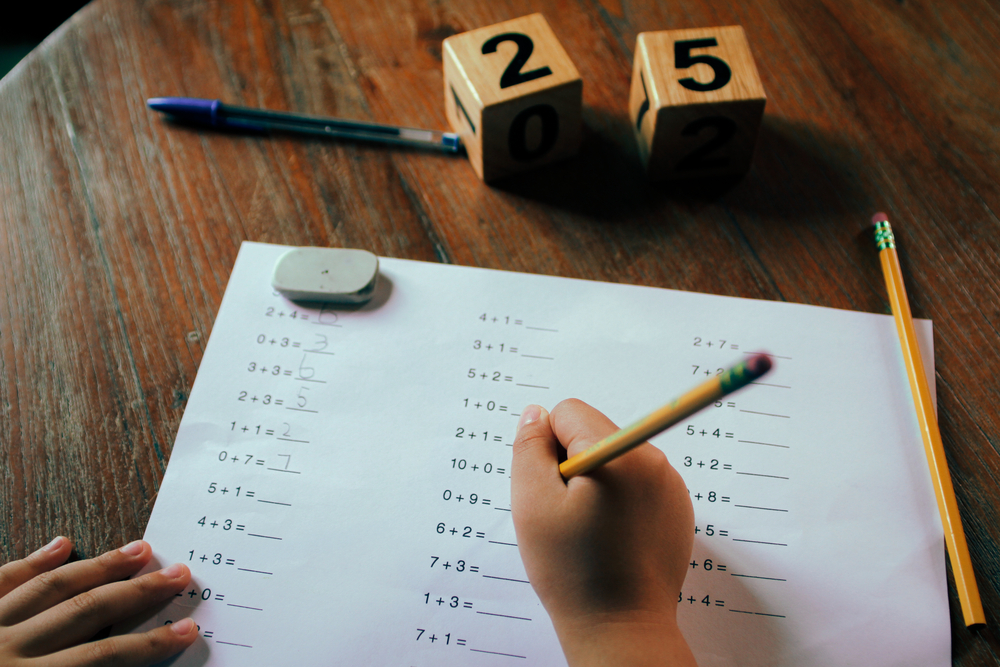



Problem-solving skills and word problems are fundamental for young children, specifically those ages 3-6. Parents and teachers should prioritize these skills for several reasons. First, problem-solving fosters critical and analytical thinking. These skills enable children to approach challenges methodically and develop solutions independently. This cognitive boost lays the foundation for lifelong learning and adaptation.
Second, word problems present scenarios that blend literacy with numerical concepts, enhancing a child's vocabulary, comprehension, and mathematical prowess. This dual focus prepares children for more complex subjects they'll encounter in higher grades.
Additionally, problem-solving activities promote social skills and emotional growth. When children work through problems, they learn patience, perseverance, and gain confidence as they overcome obstacles. They also experience the value of collaboration and communication when they solve problems in group settings.
Moreover, young children are natural explorers and curious thinkers. Introducing problem-solving in early childhood taps into this innate curiosity, making learning a fun and engaging process. By nurturing these skills early on, parents and teachers help children develop into resilient, thoughtful, and versatile individuals. Equipping our youngest learners with robust problem-solving abilities ensures that they can tackle future academic and life challenges with confidence and creativity.








