Basic counting skills Reading Worksheets for Ages 3-6
3 filtered results
-
From - To
Explore our engaging Basic Counting Skills Reading Worksheets, designed for children ages 3 to 6. Perfect for early learners, these worksheets combine fun and education, helping young minds develop essential counting skills while enhancing their reading abilities. Our thoughtfully crafted activities feature vibrant illustrations and age-appropriate exercises, making counting a joyful experience. Kids will enjoy counting objects, matching numbers, and solving simple puzzles, all designed to spark their curiosity and boost confidence. These resources are ideal for parents and teachers looking to enrich their lesson plans or home learning environment. Start your child’s numerical journey today with our dynamic worksheets!
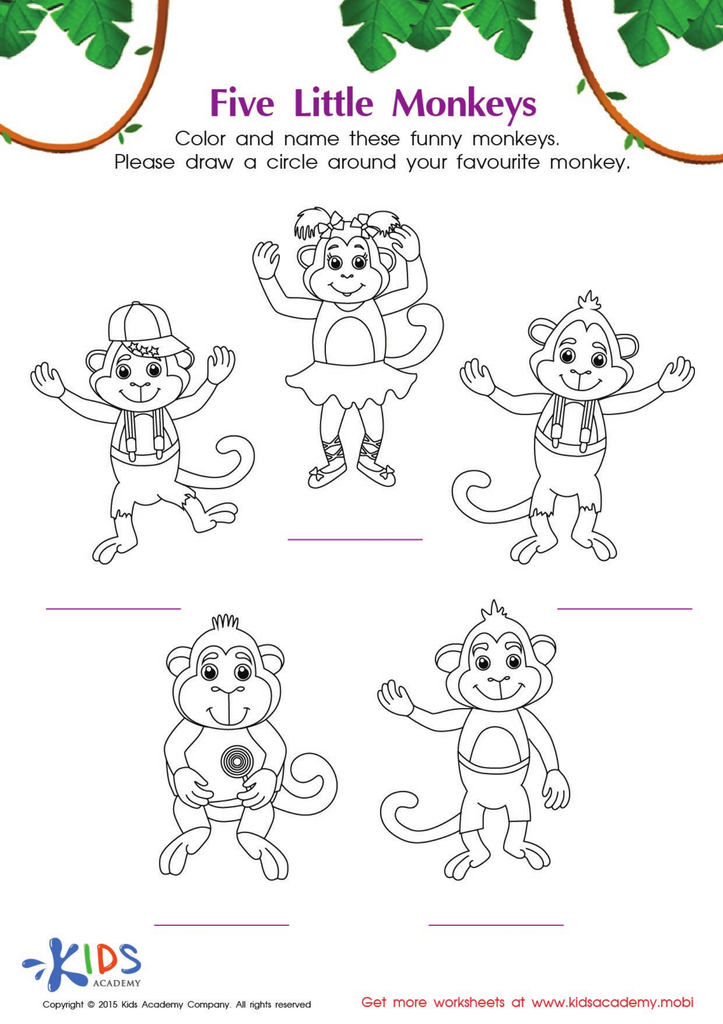
The Five Little Monkeys Coloring Worksheet
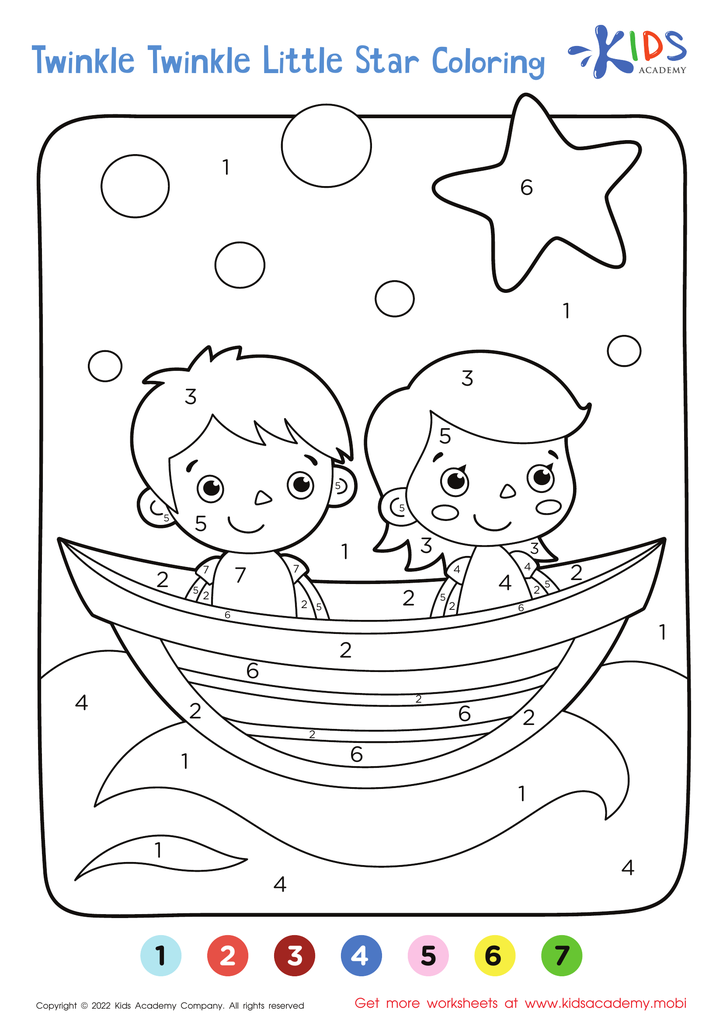
Twinkle, Twinkle, Little Star – Coloring by Numbers
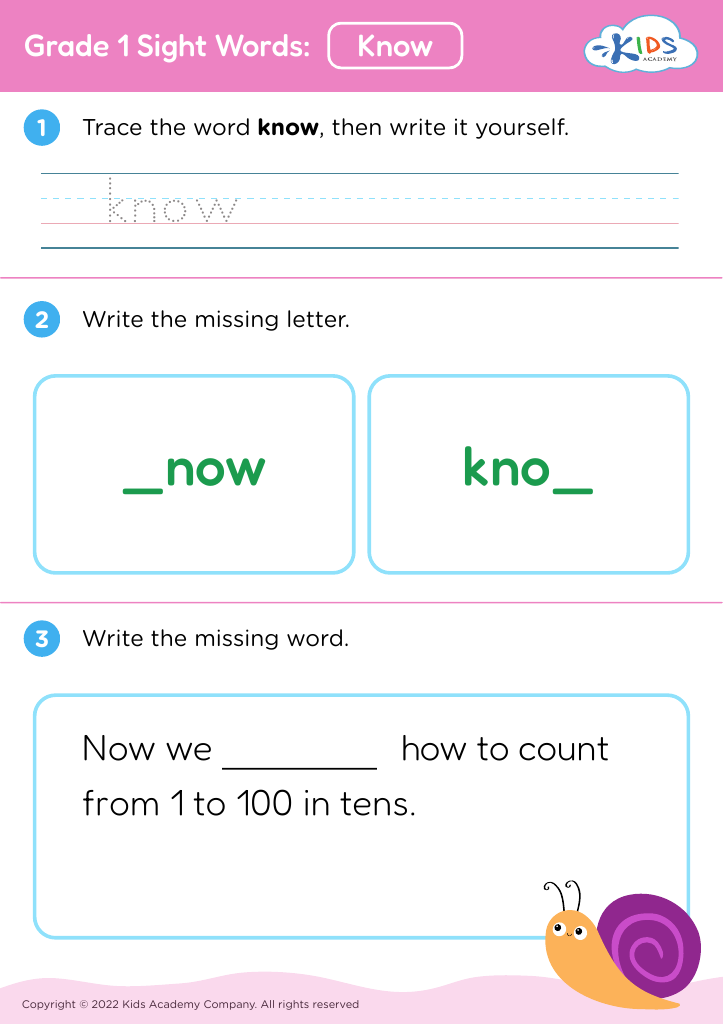







Basic counting skills and reading are fundamental components of early childhood education, laying the foundation for a child's cognitive and language development. For ages 3-6, acquiring these skills fosters essential problem-solving abilities and encourages logical thinking. Math and reading are intertwined; counting introduces children to patterns, sequences, and relationships that enhance their understanding of texts and numbers.
Parents and teachers should be invested in developing these skills because early intervention is crucial. Mastery in counting helps children transition into more complex mathematics as they grow, while literacy skills open doors to effective communication and comprehension. Engaging young learners through playful counting games, rhymes, and stories makes learning enjoyable and promotes curiosity.
Moreover, early proficiency in counting and reading can boost a child's confidence and motivation, fostering a positive attitude towards education. When children feel capable and encouraged, they are more likely to be self-directed learners, setting them on a path for academic success.
By prioritizing basic counting skills and reading from ages 3-6, parents and teachers equip children with the necessary tools to navigate their world, promoting both personal and social growth as they advance in their educational journey.








