Critical Thinking Reading Worksheets for Ages 3-6 - Page 2
43 filtered results
-
From - To
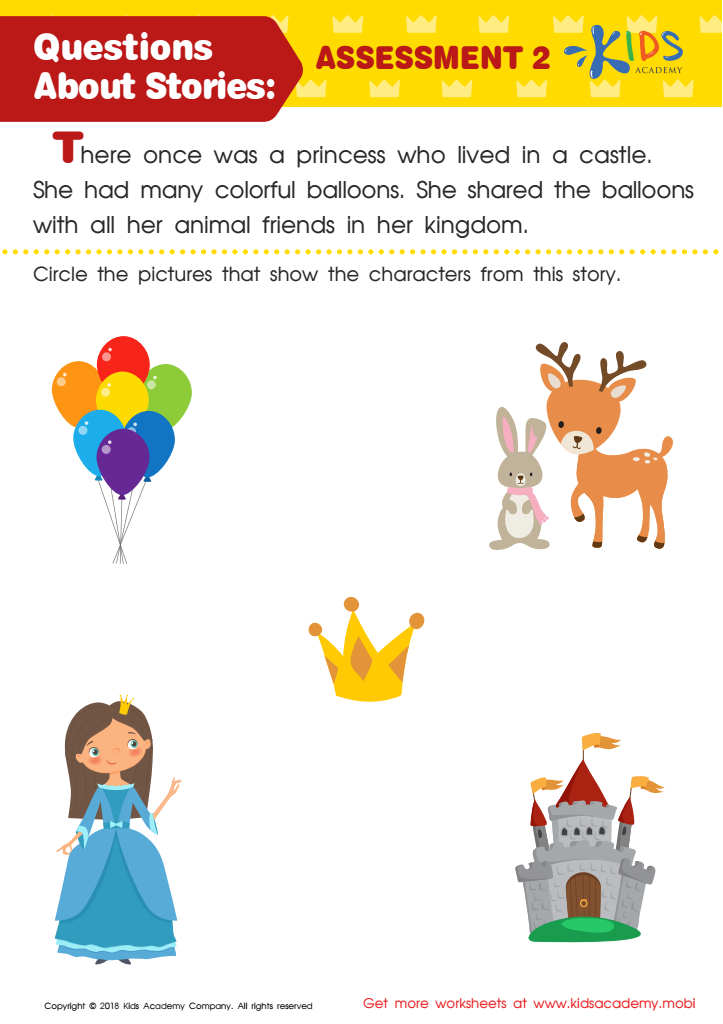
Questions About Stories: Assessment 2 Worksheet
 Assign to My Students
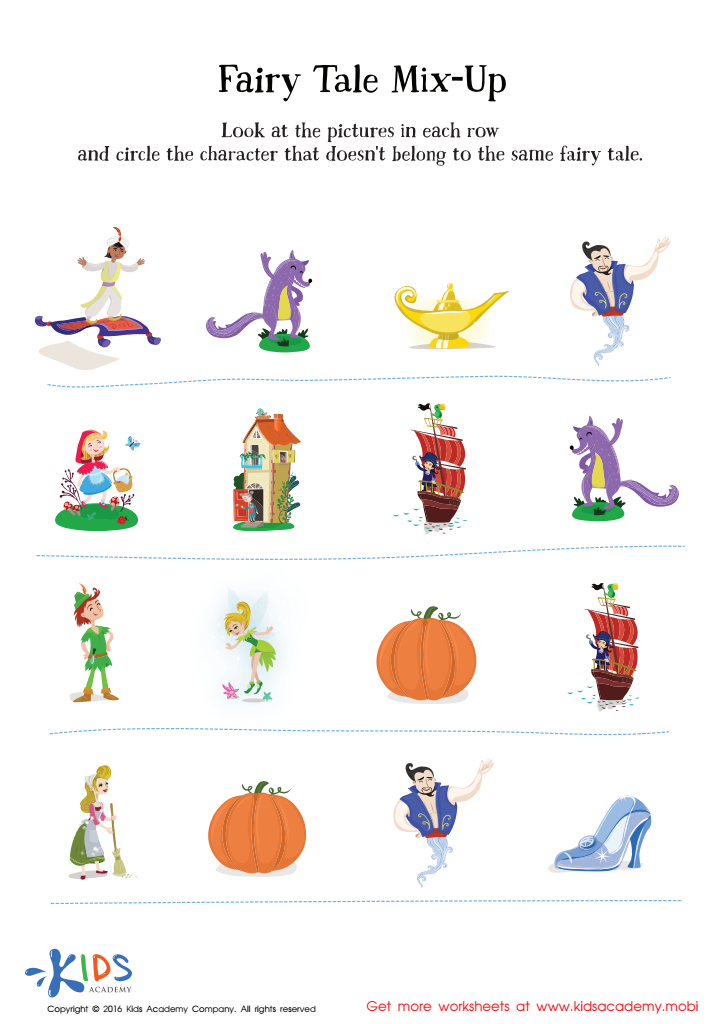
Fairy Tale Worksheet: Story Mix Up
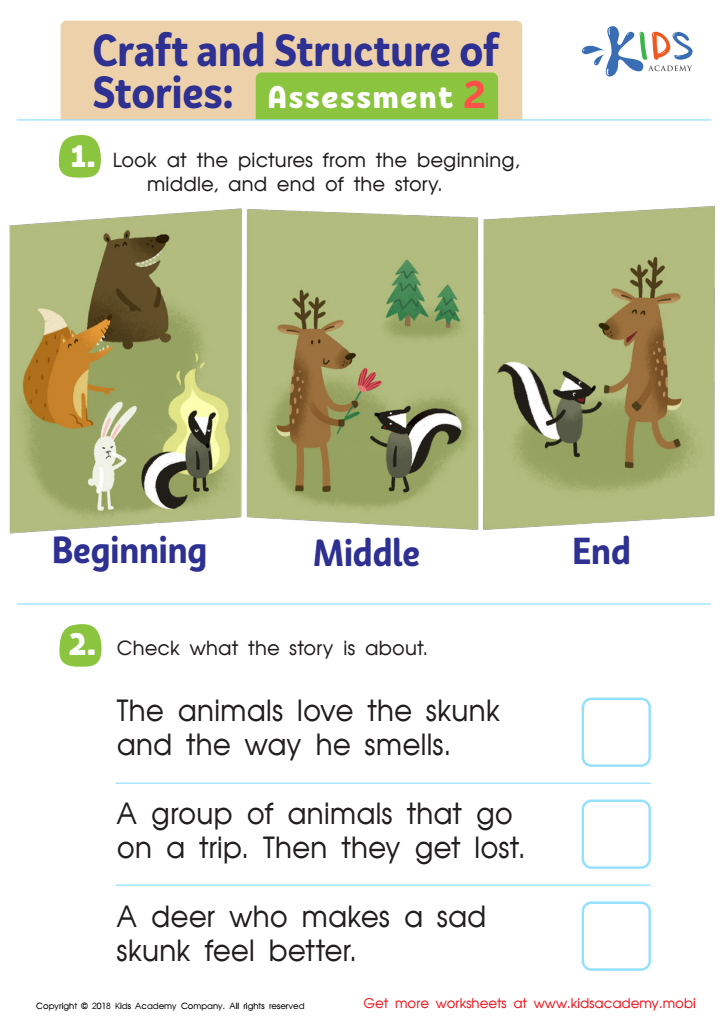
Craft and Structure of Stories: Assessment 2 Worksheet
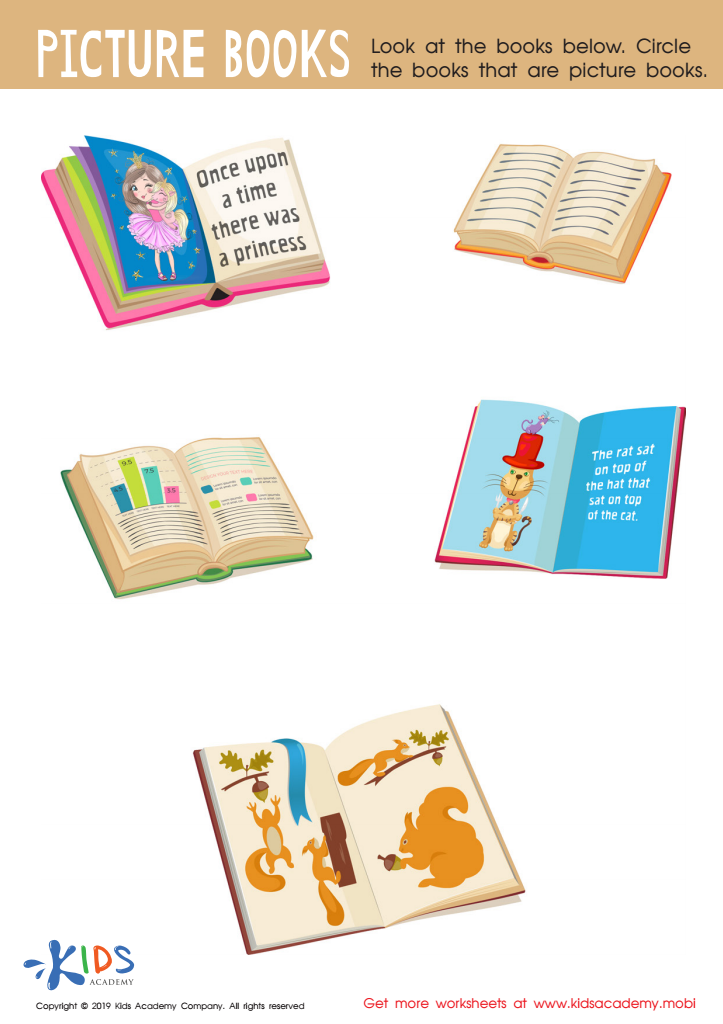
Picture Books Worksheet
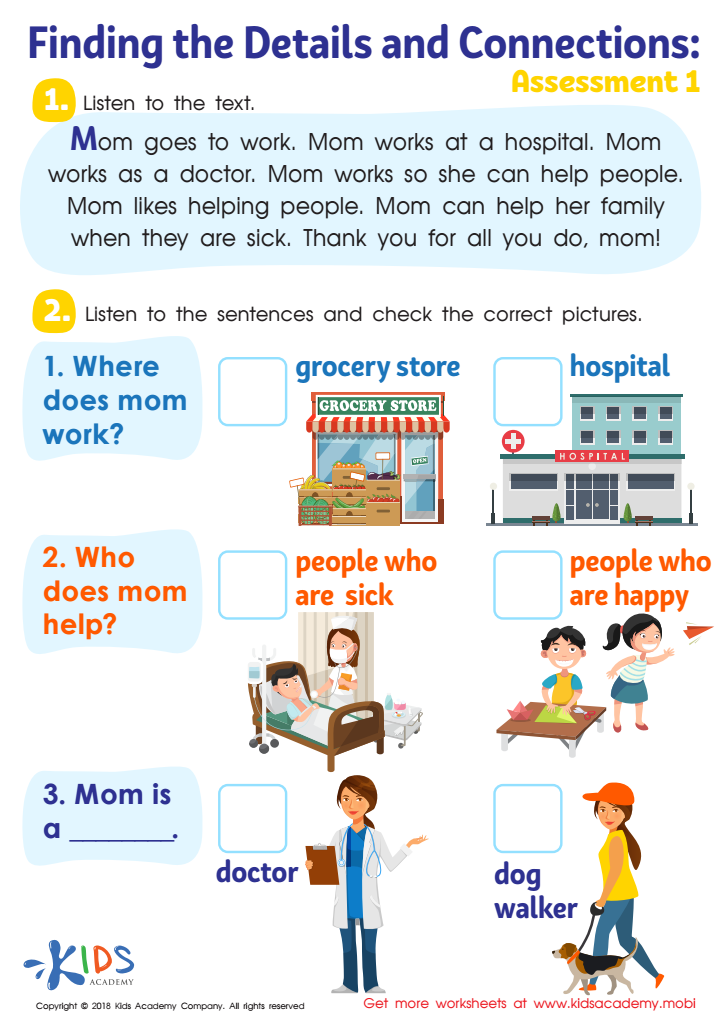
Finding the Details and Connections: Assessment 1 Worksheet
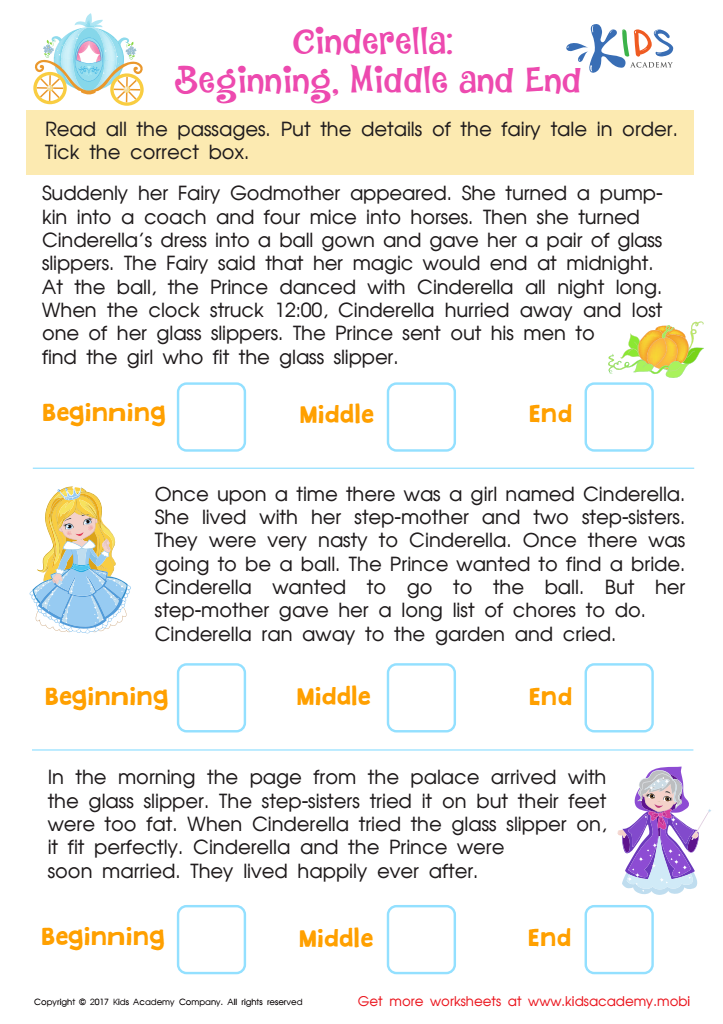
Cinderella: Beginning, Middle and End Worksheet
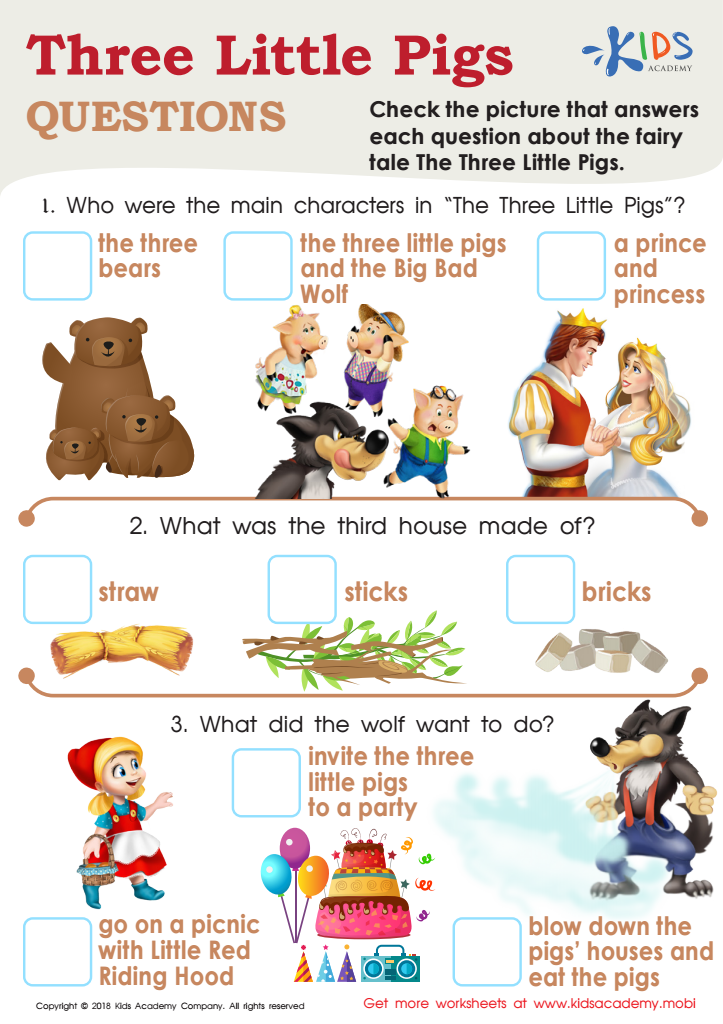
Three Little Pigs Questions Worksheet
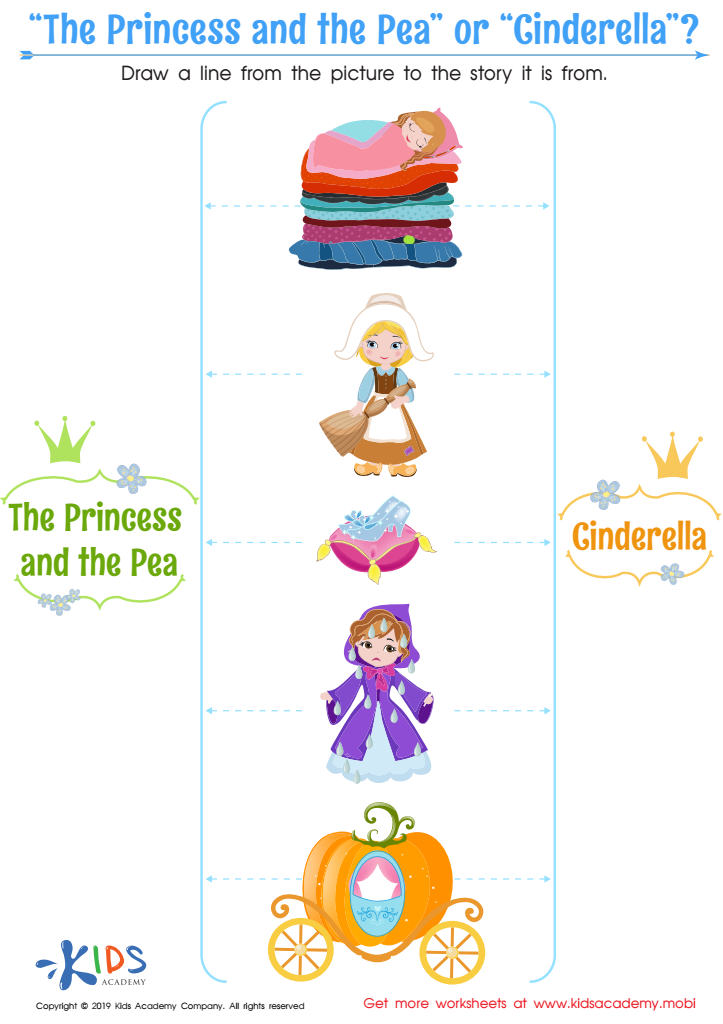
“The Princess and the Pea” or “Cinderella” Worksheet
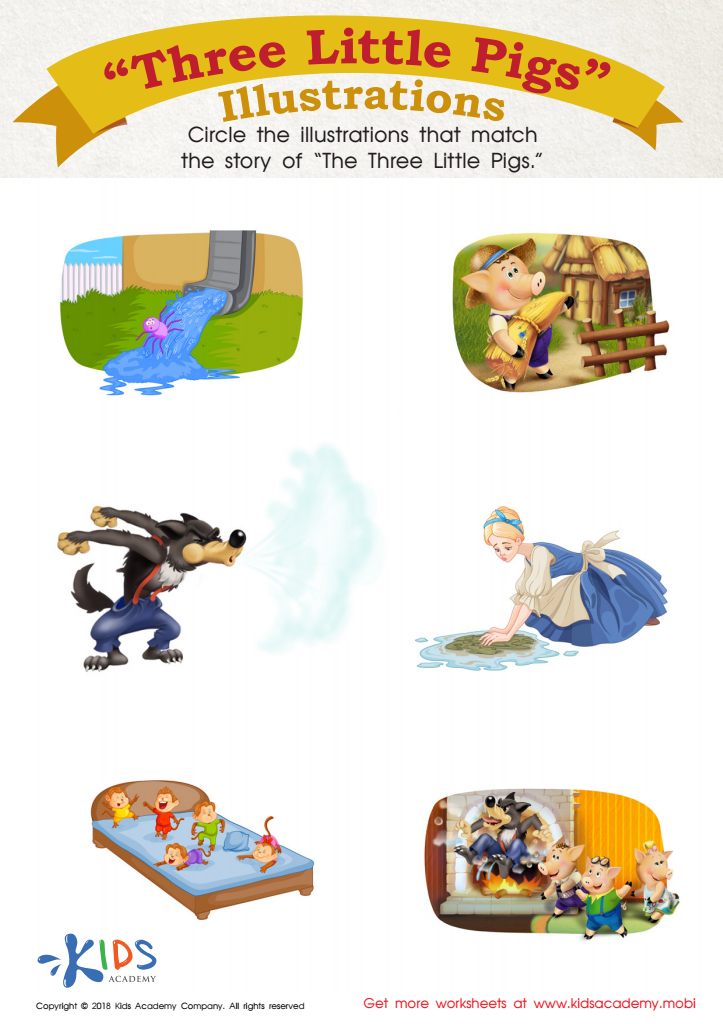
Three Little Pigs: Illustrations Worksheet
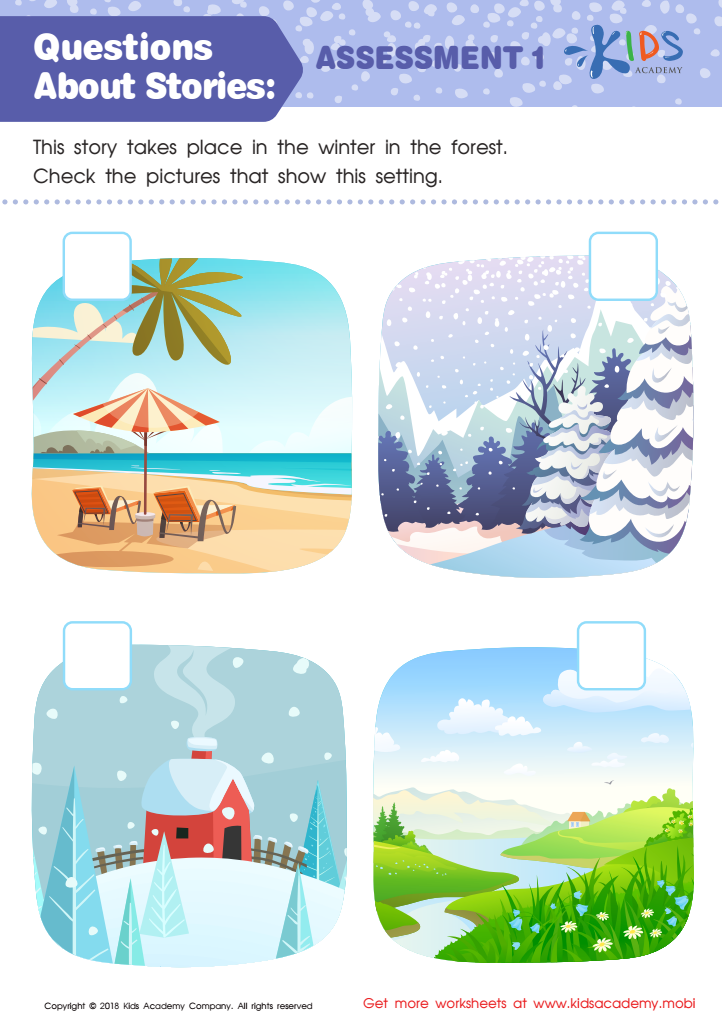
Questions About Stories: Assessment 1 Worksheet
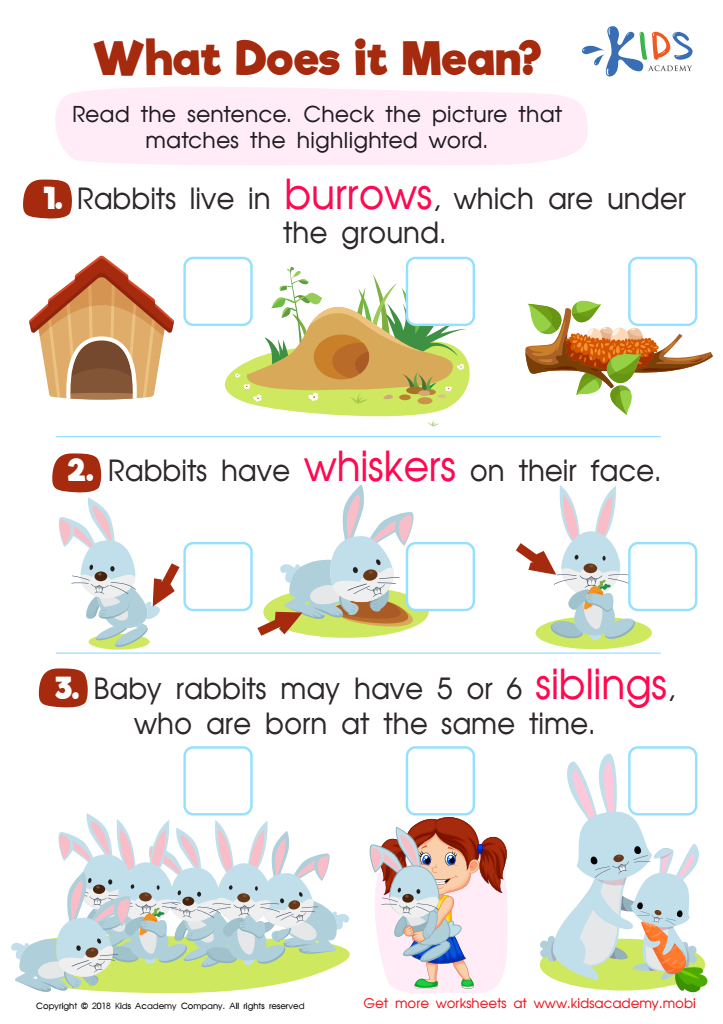
What Does It Mean? Worksheet
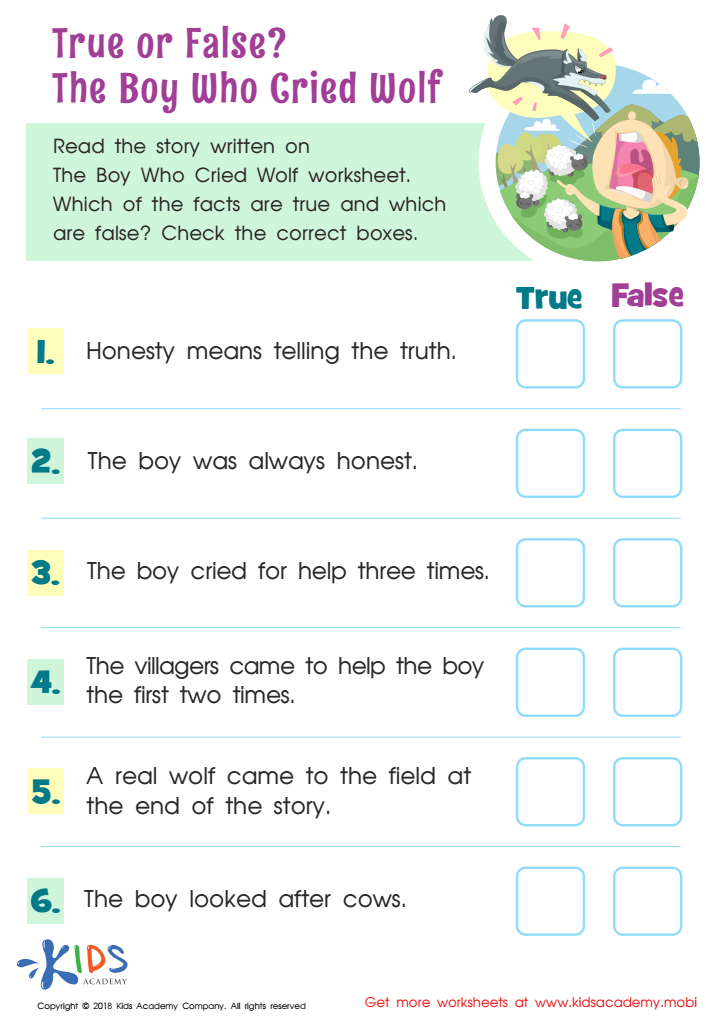
True or False? The Boy Who Cried Wolf Worksheet
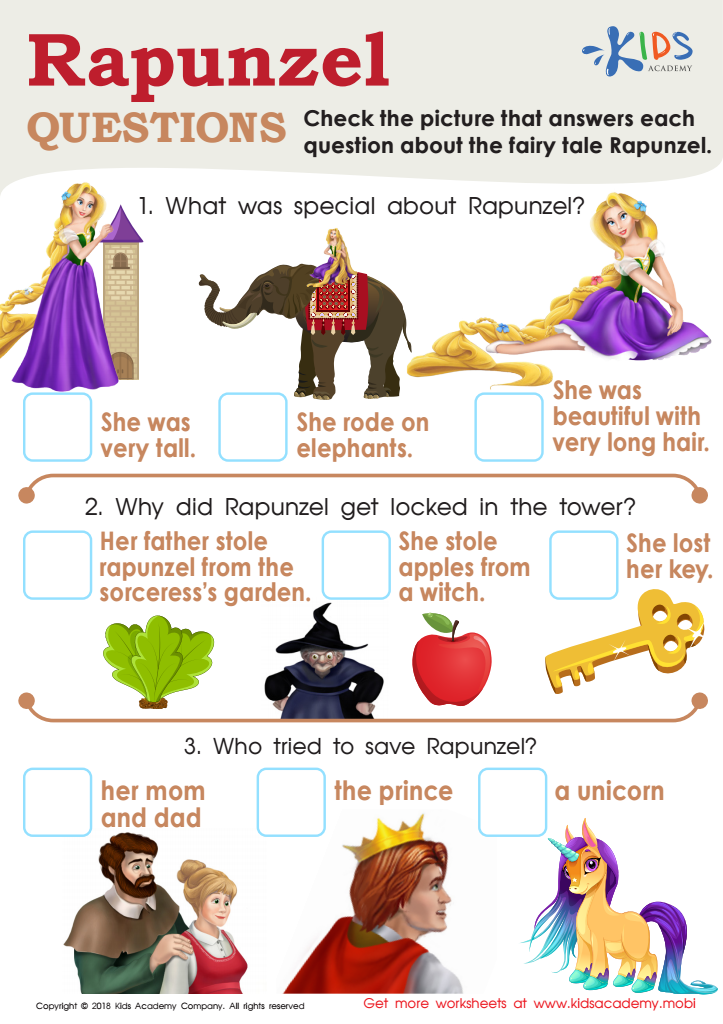
Rapunzel Questions Worksheet
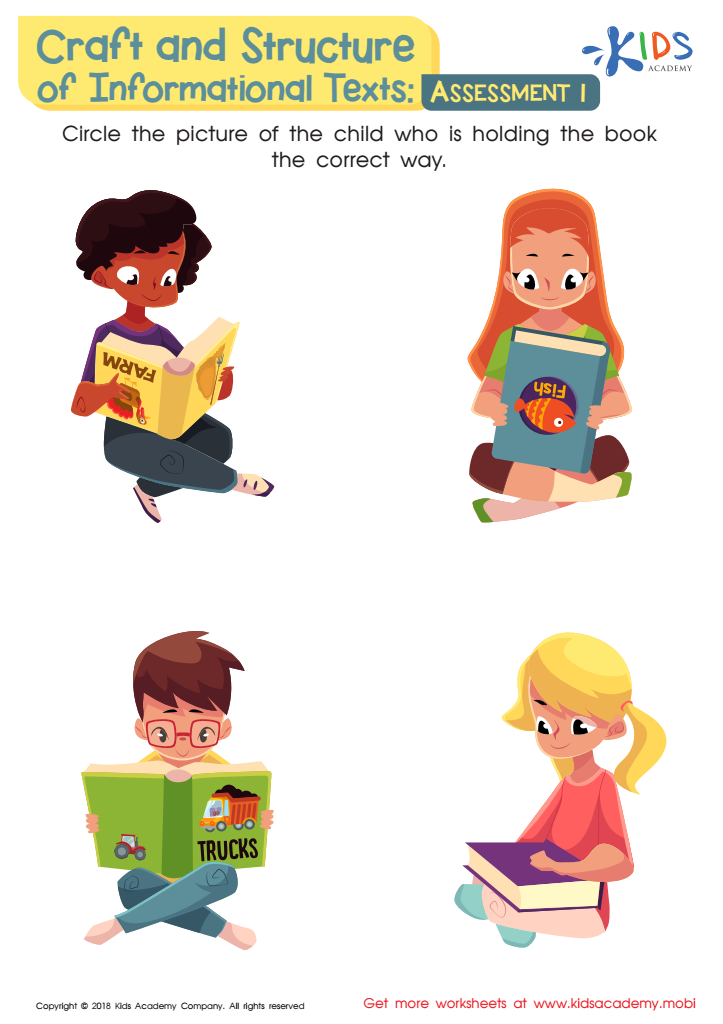
Craft and Structure of Informational Texts: Assessment 1 Worksheet
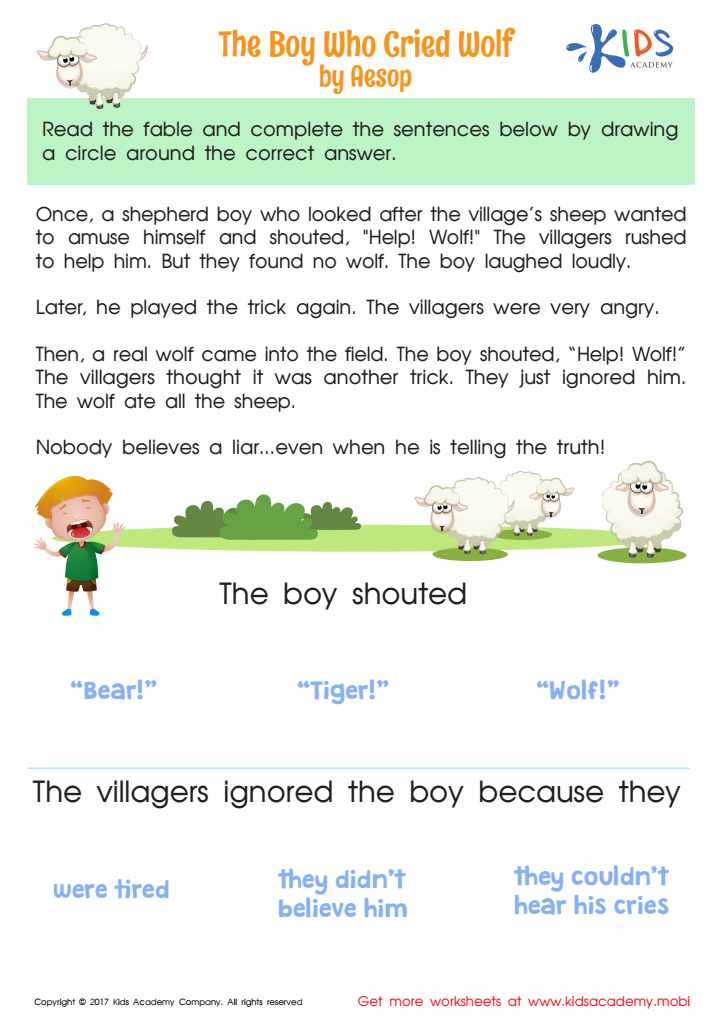
The Boy Who Cried Wolf Worksheet
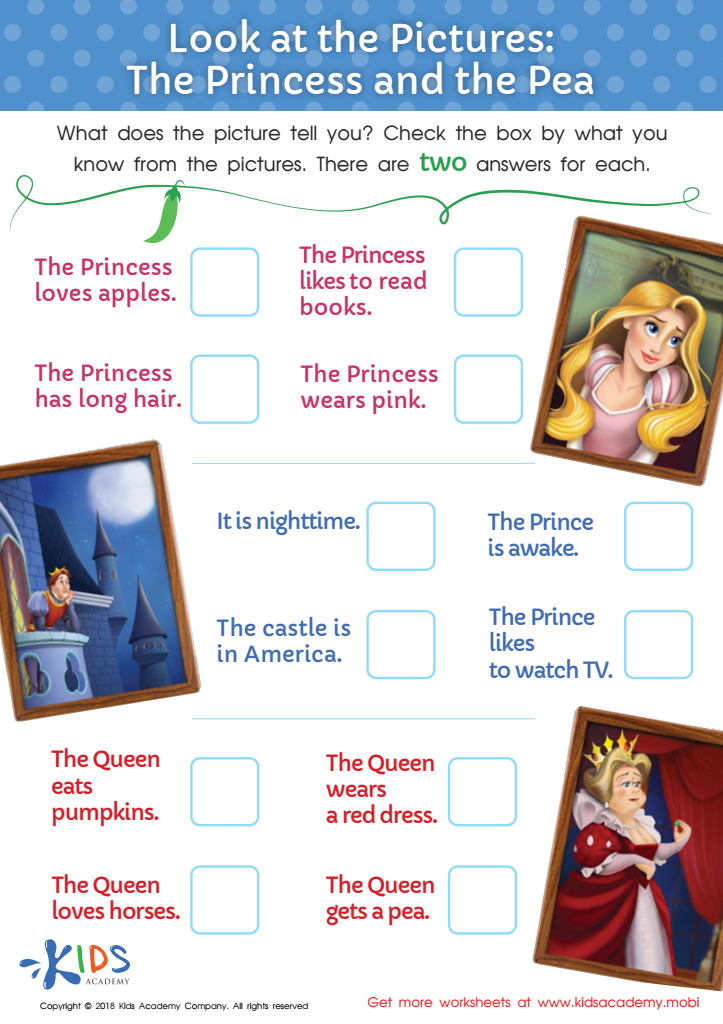
Look at the Pictures: The Princess and the Pea Worksheet
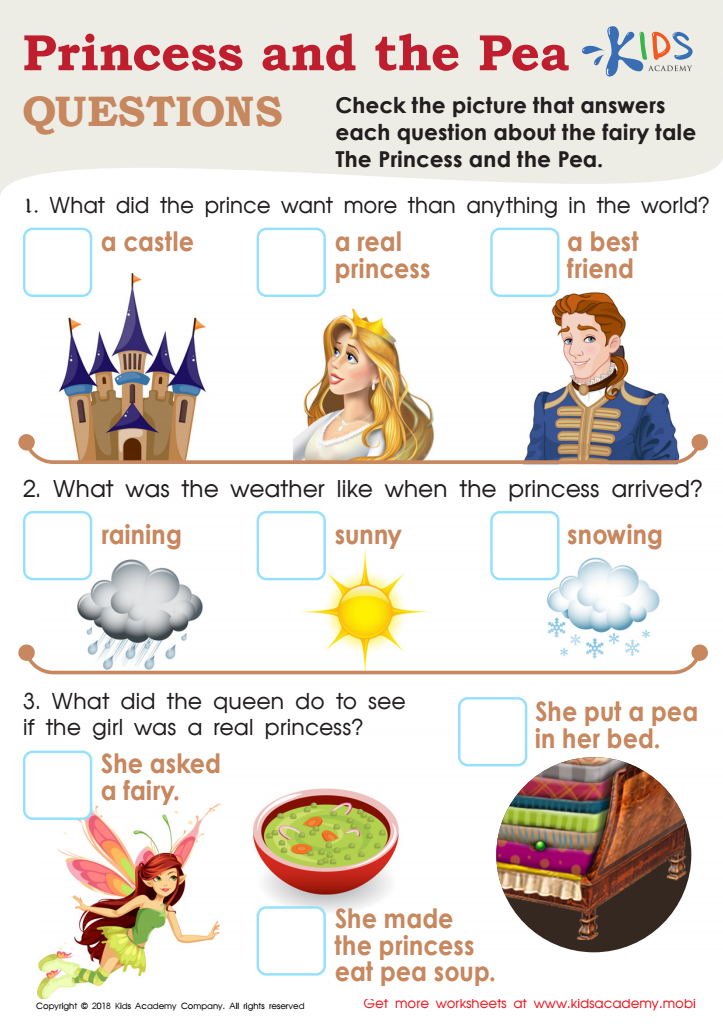
Princess and the Pea Questions Worksheet







Critical thinking reading for children ages 3-6 is essential for several reasons. At this young age, children are developing foundational literacy skills that will set the stage for their future learning. By promoting critical thinking in reading, parents and teachers help young learners engage with texts more deeply, encouraging them to ask questions, make connections, and analyze characters and plots. This type of engagement fosters curiosity and imagination, key components of a child’s cognitive development.
Moreover, critical thinking empowers children to go beyond mere comprehension. Rather than passively absorbing information, they learn to evaluate and synthesize ideas, which is crucial for problem-solving and decision-making later in life. As children articulate thoughts and opinions about stories, they enhance their communication skills and emotional intelligence, learning to empathize with different perspectives.
Further, nurturing these skills early on can lead to increased academic performance as they transition into more formal education. Parents and teachers who encourage discussions about stories, ask open-ended questions, and provide varied reading materials lay the groundwork for lifelong critical thinkers. Ultimately, fostering critical thinking in reading aligns with the development of thoughtful, curious, and engaged citizens—traits that benefit both individuals and society as a whole.








