Enhancing Reading Comprehension Reading Worksheets for Ages 3-6
6 filtered results
-
From - To
Enhance your child's reading comprehension with our engaging worksheets designed specifically for ages 3-6. Our thoughtfully crafted activities encourage young learners to develop crucial skills such as understanding context, identifying main ideas, and making connections while reading. With colorful illustrations and age-appropriate content, these worksheets make learning fun and effective! Parents and educators can easily integrate these resources into daily routines to promote a love for reading. From interactive exercises to entertaining stories, our enhanced reading comprehension worksheets inspire curiosity and boost confidence in young readers. Start your child on the path to success in reading and literacy today!
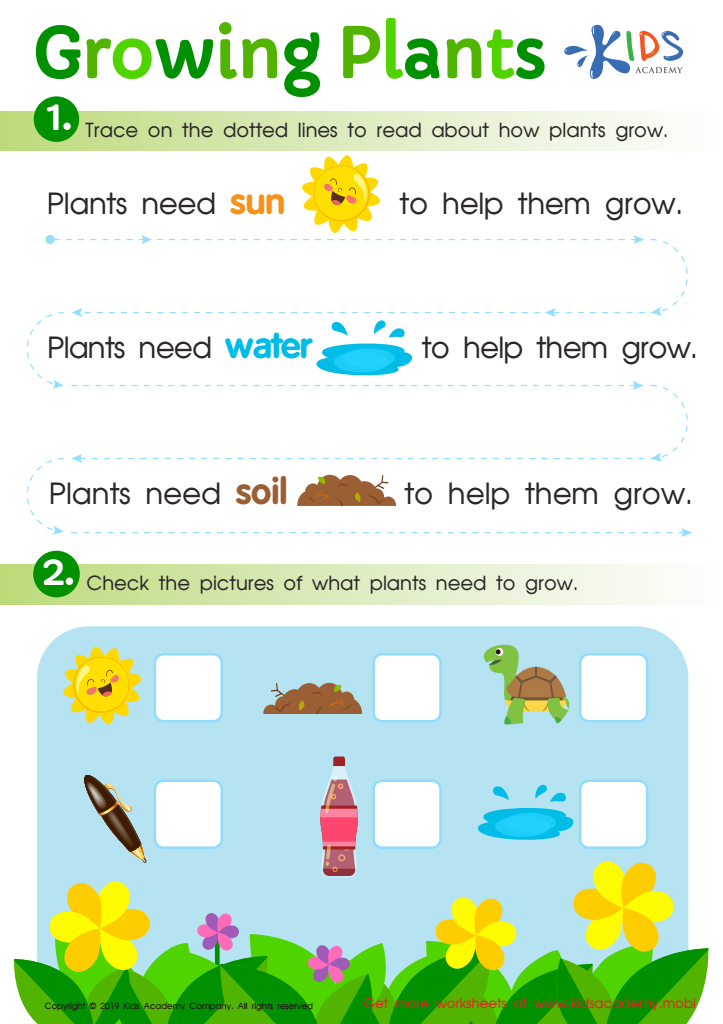
Growing Plants Worksheet
 Assign to My Students
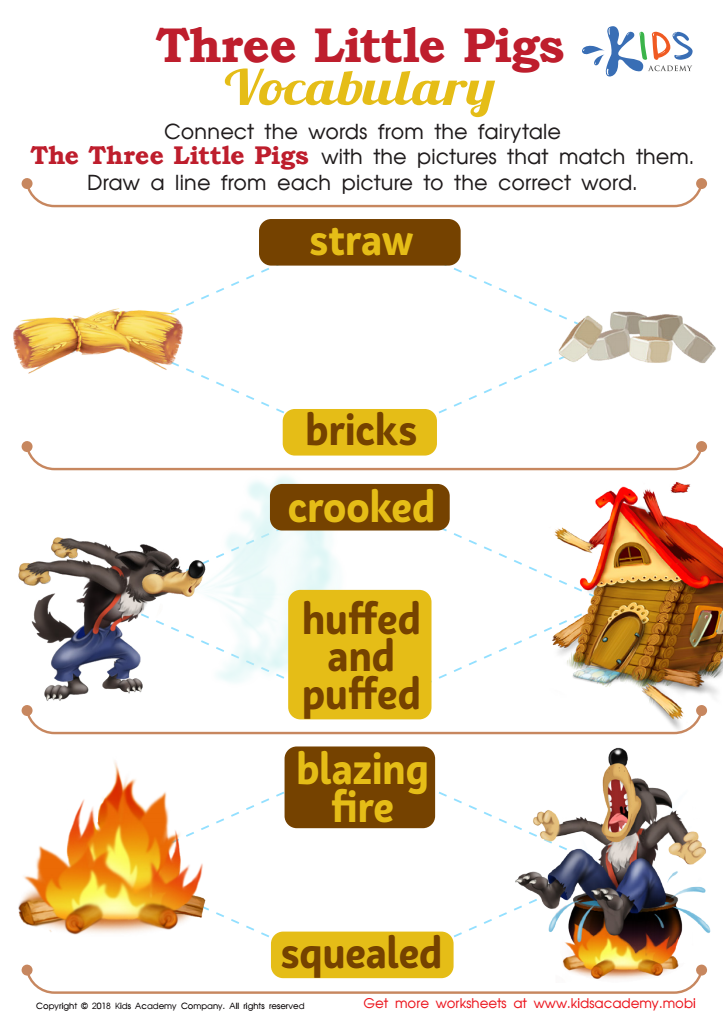
Three Little Pigs Vocabulary Worksheet
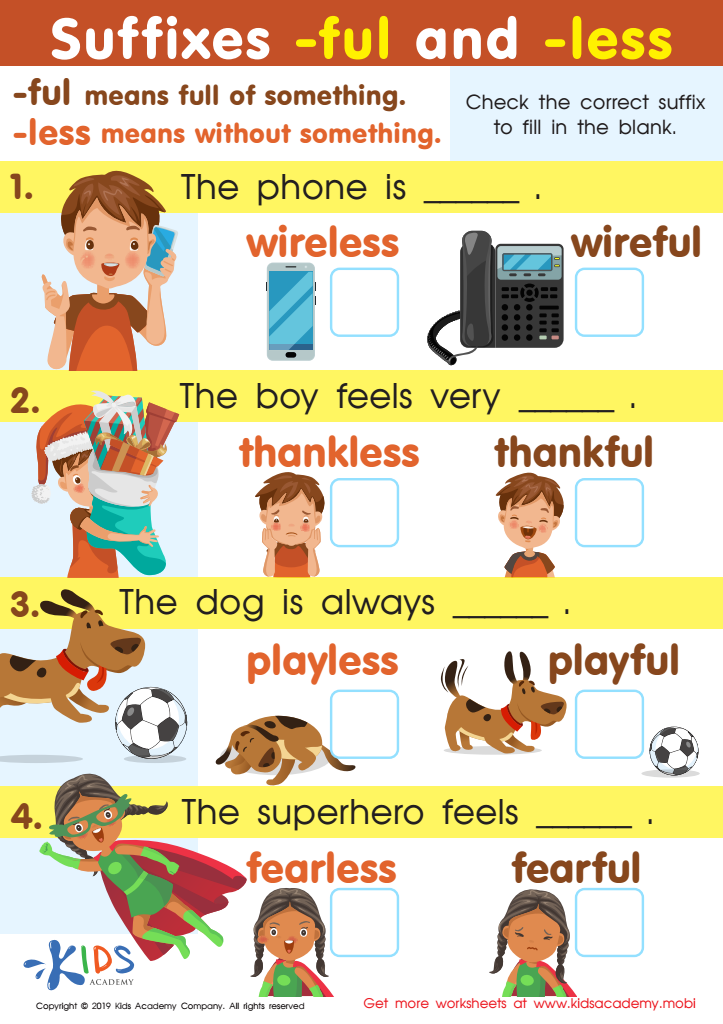
Suffixes –ful and –less Worksheet
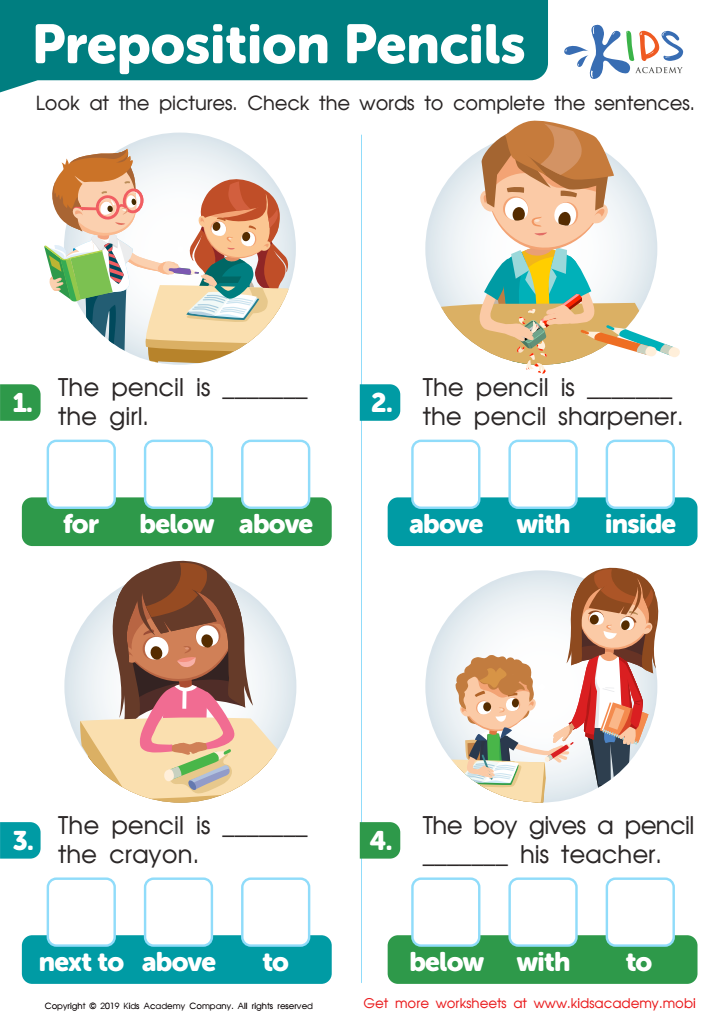
Preposition Pencils Worksheet
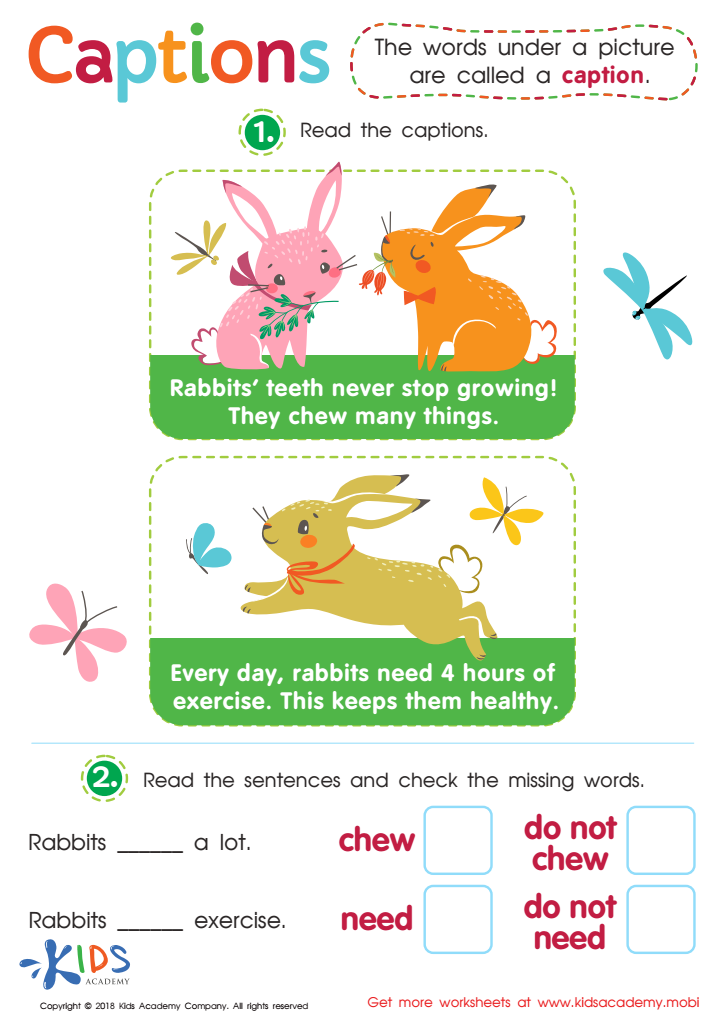
Captions Worksheet
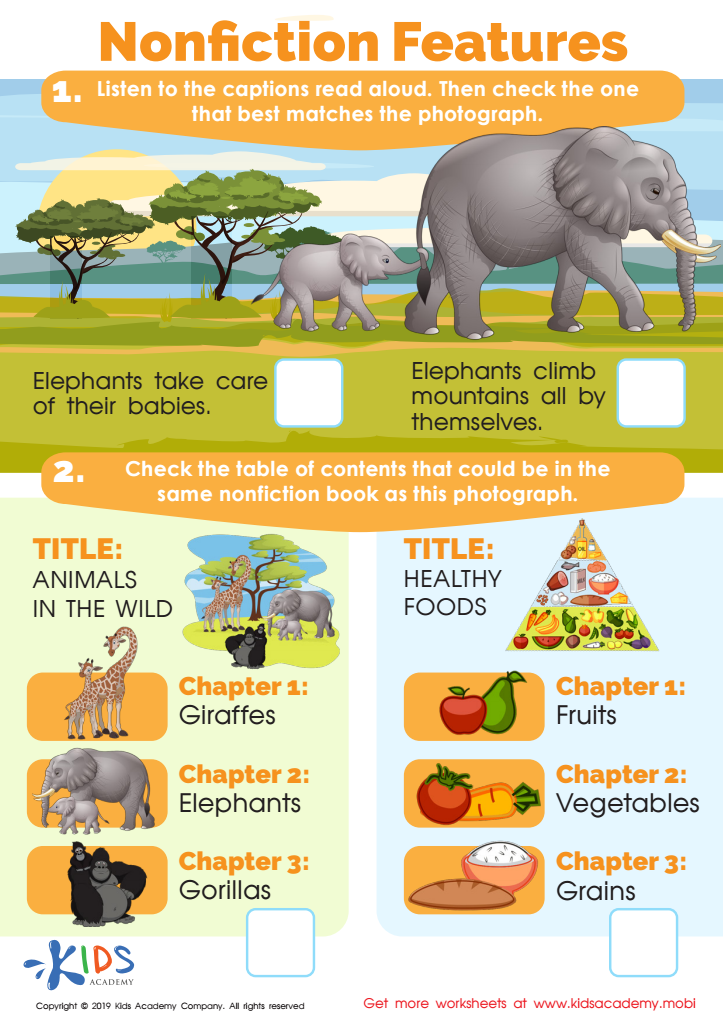
Nonfiction Features Worksheet








Enhancing reading comprehension for children aged 3-6 is crucial for several reasons. This developmental stage is foundational for lifelong learning, and fostering strong reading skills contributes significantly to overall cognitive development. During these early years, children are eager to explore the world around them, and engaging with stories not only enriches their vocabulary but also enhances their ability to understand and analyze information.
Parents and teachers play a pivotal role in nurturing these skills. By providing exposure to diverse texts and encouraging discussions about stories, they help children to identify themes, characters, and main ideas. This, in turn, cultivates critical thinking and inference-making abilities, which are essential as children transition to more complex texts in later years.
Moreover, reading comprehension fosters emotional and social development since stories often present situations and emotions that children can relate to, facilitating empathy and social understanding. Considering these factors, parents and teachers must prioritize reading activities that engage youngsters, promote interaction, and stimulate curiosity. Ultimately, a strong foundation in reading comprehension equips children with the tools they need for academic success and fosters a lifelong love of reading, setting them on a positive trajectory for their educational journey.








