Improve counting skills Reading Worksheets for Ages 3-6
4 filtered results
-
From - To
Enhance your child's counting abilities with our engaging reading worksheets specifically designed for ages 3-6! Our collection provides fun and interactive activities that help young learners practice essential counting skills in an enjoyable way. Each worksheet ensures that counting becomes an exciting adventure through colorful illustrations and age-appropriate challenges. Whether you're teaching at home or in a classroom, these resources support early math proficiency while fostering a love for learning. Explore a variety of themes and concepts that align with early childhood education standards, making it easier than ever to nurture your child's confidence and competence in counting. Empower your child's educational journey today!
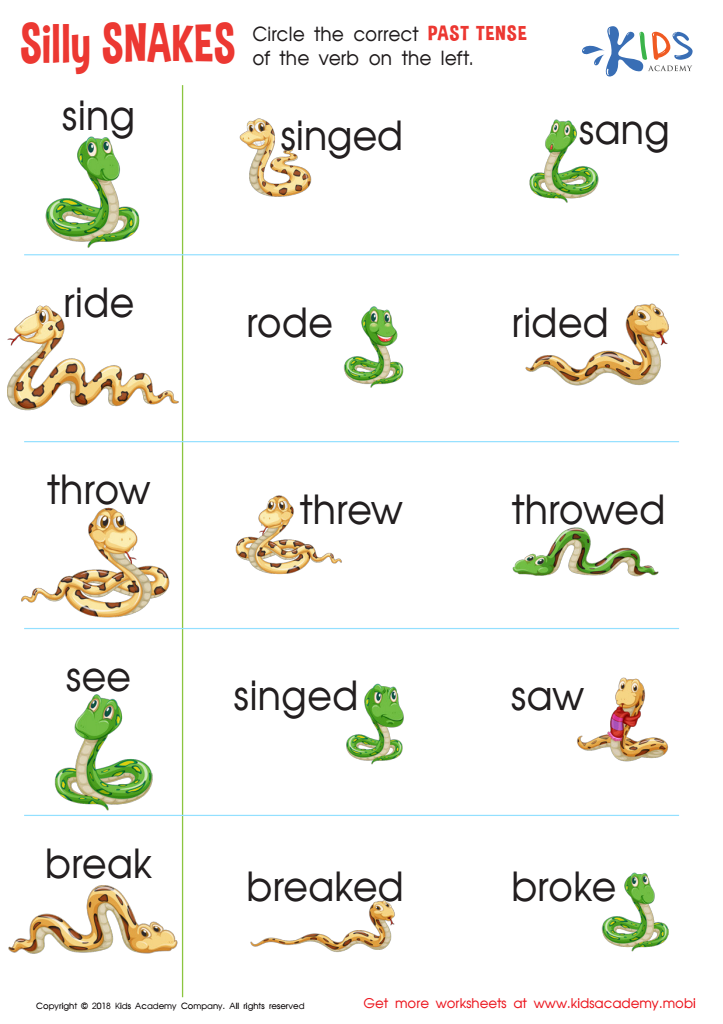
Silly Snakes Worksheet
 Assign to My Students
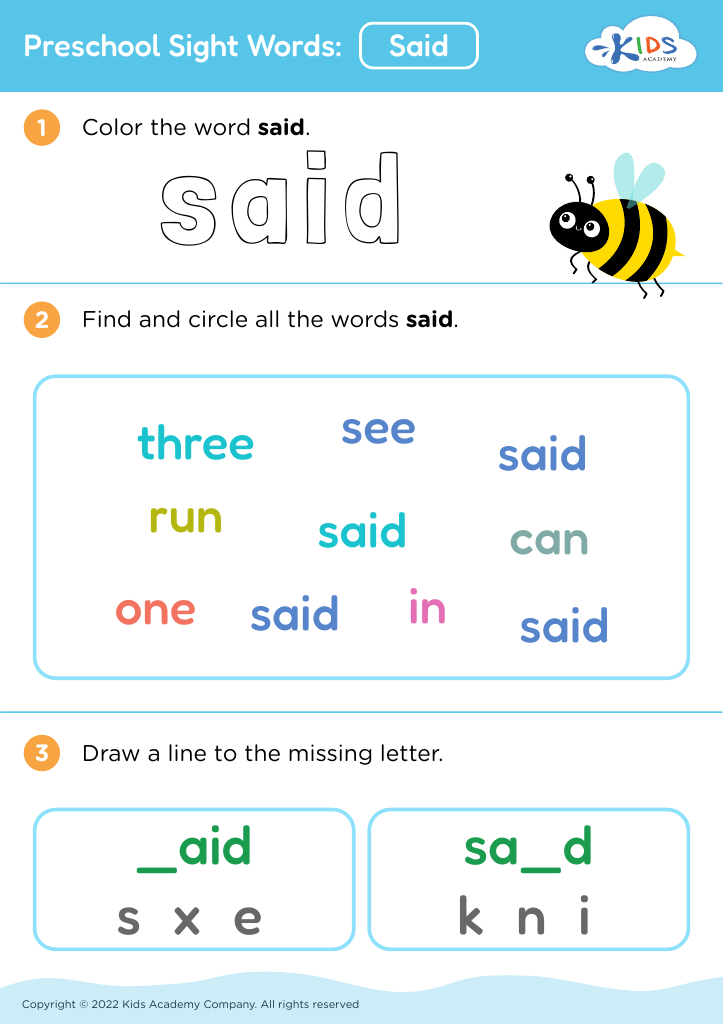
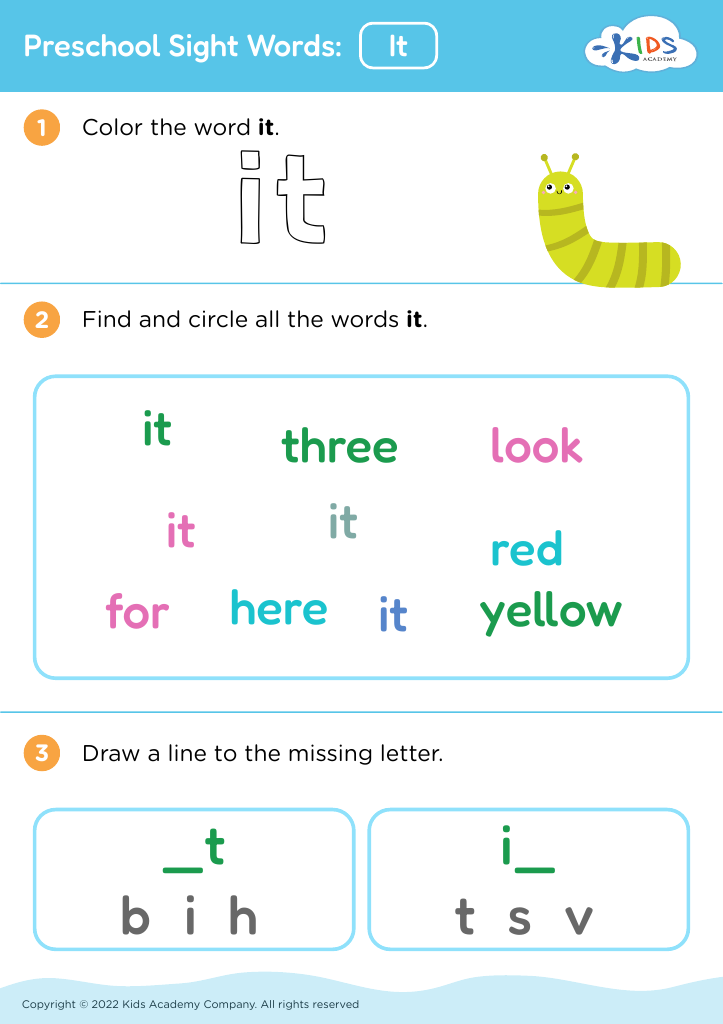
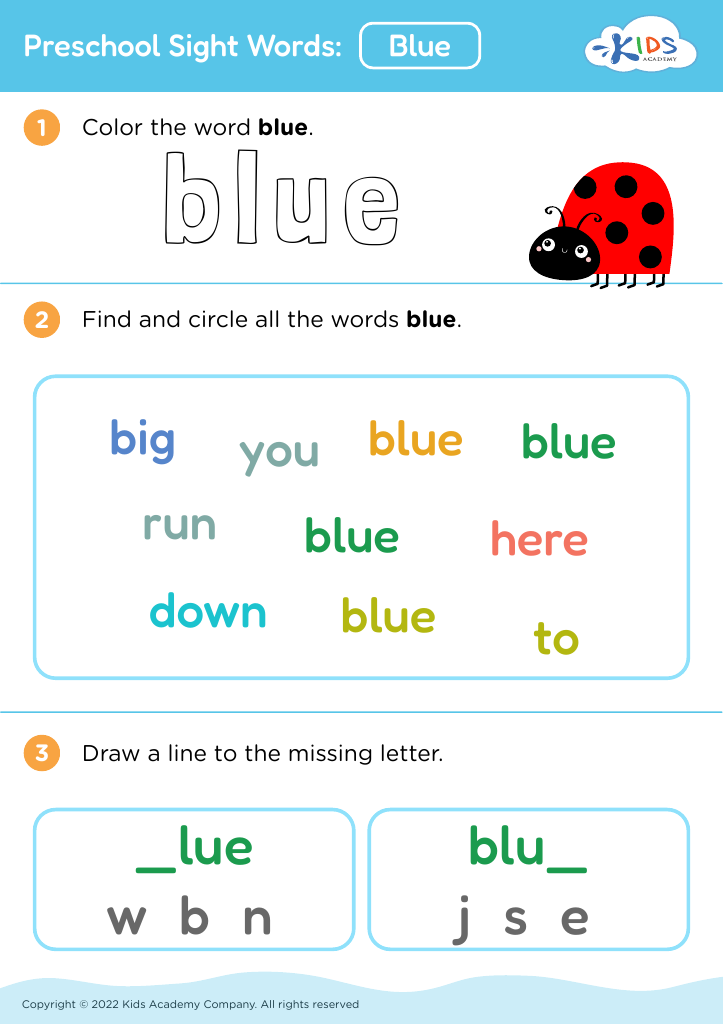





.jpg)

Improving counting skills through reading for children aged 3-6 is essential for several reasons. First, early numeracy lays the foundation for future academic success. When parents and teachers engage children with counting-themed stories, they create opportunities for meaningful discussions about numbers, fostering a positive attitude towards math. Books that incorporate counting practices not only build numerical knowledge but also enhance vocabulary and comprehension skills.
Moreover, integrating counting skills within the reading experience helps make learning enjoyable and relatable. Children learn best when the content is engaging, and storytelling paired with practical counting elements makes concepts accessible. This dual approach promotes a deeper understanding of both math and language, which are interconnected at this age.
Additionally, developing counting skills enhances critical thinking and problem-solving abilities. As children recite numbers through familiar narratives, they start recognizing patterns and quantities, which are essential skills in daily life.
Furthermore, early exposure to counting through reading strengthens a child's cognitive development and prepares them for more complex mathematical concepts. Thus, parents and teachers play a crucial role in nurturing these skills, setting the stage for a lifelong love of learning that includes both literacy and numeracy.








