
Recognizing Patterns Reading Worksheets for Ages 3-6
3 filtered results
Difficulty Level
Grade
Age
-
From - To
Subject
Activity
Standards
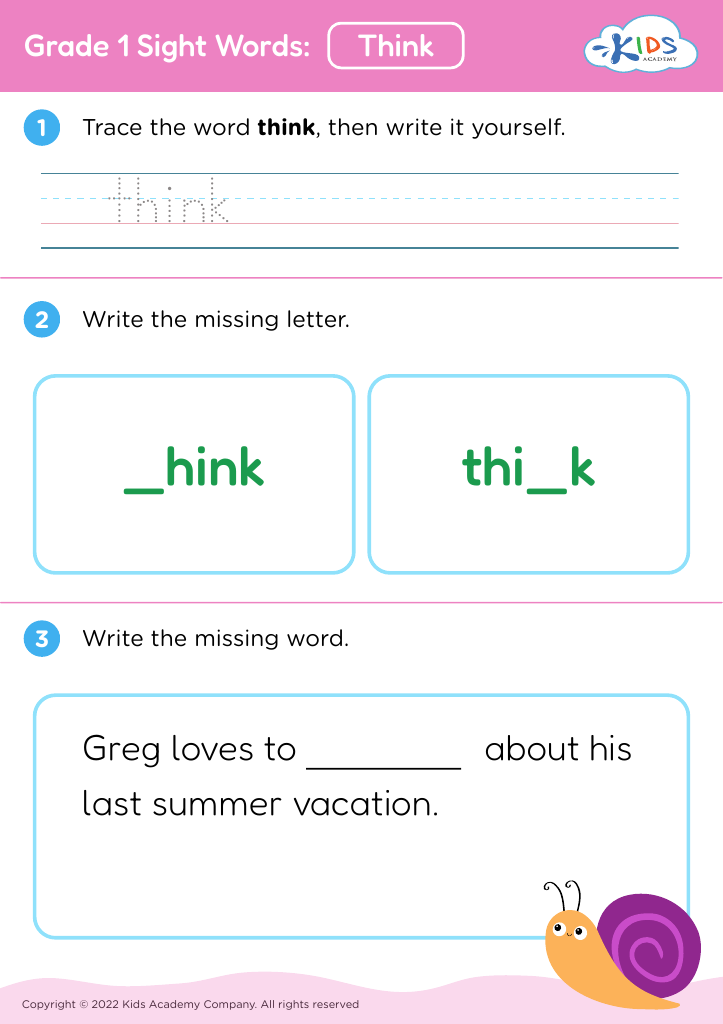
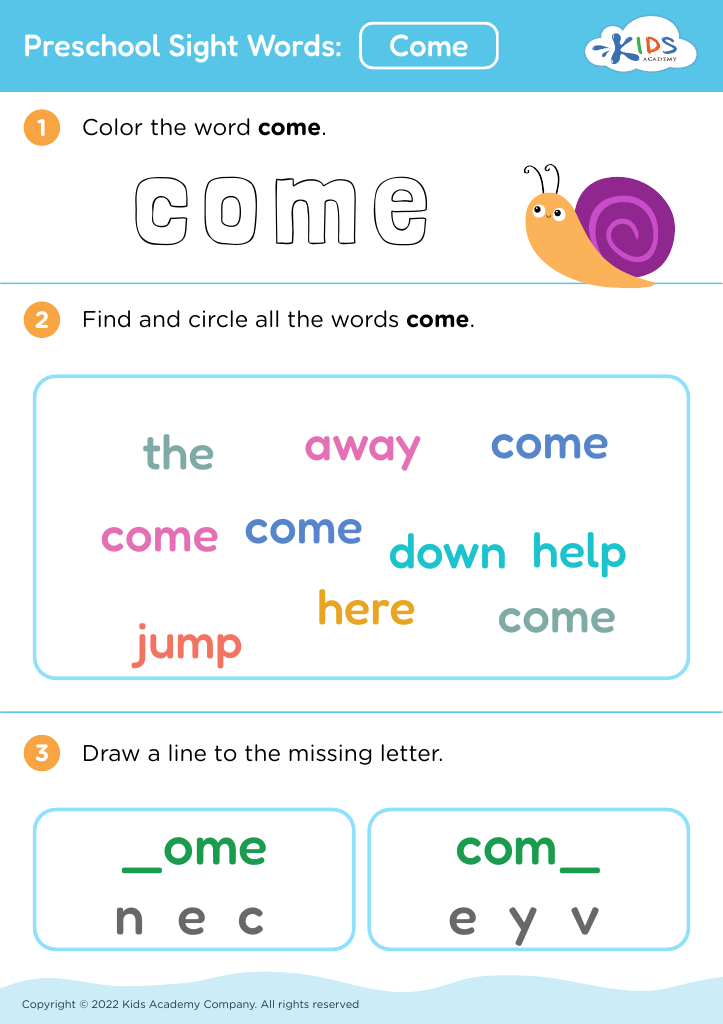
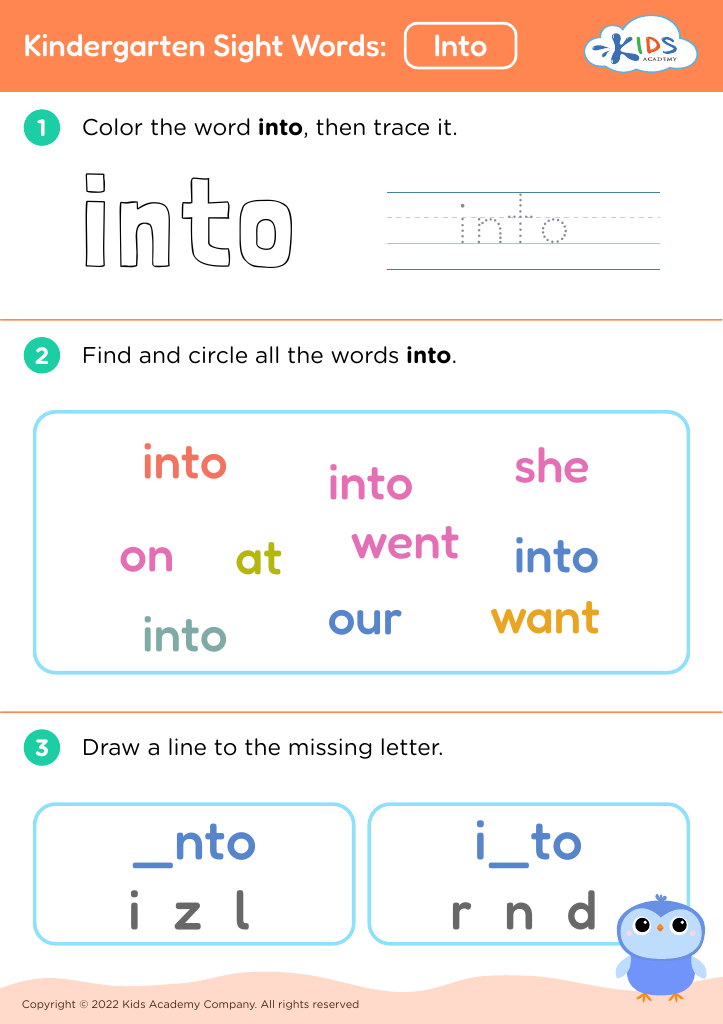
Unlock your child's potential with our "Recognizing Patterns Reading Worksheets for Ages 3-6." These engaging, expertly crafted worksheets help young learners identify and understand patterns—a foundational skill critical for early reading and math development. Through fun, interactive activities, children distinguish between shapes, colors, and sequences, fostering logical thinking and problem-solving abilities. Ideal for preschoolers and kindergarteners, our worksheets make learning enjoyable and effective. Download our free printable worksheets today and watch your child’s confidence and skills grow as they master the art of pattern recognition. Start a journey of discovery and learning success with Kids Academy!
Favorites
With answer key
Interactive
Join Kids Academy for Free
Who is primarily going to use this learning content?




.jpg)


Recognizing patterns in reading is a crucial skill for children aged 3-6, as it forms the foundation for literacy development and cognitive growth. At this formative stage, children are learning to identify and understand the world around them. Recognizing patterns helps them decipher the structure of language, making it easier to grasp spelling, phonics, and sentence construction.
For parents and teachers, encouraging pattern recognition enhances a child’s ability to predict and comprehend text, fostering smoother and more confident reading. This skill nurtures critical thinking, as children learn to observe sequences, identify regularities, and anticipate what comes next. This cognitive ability not only bolsters reading comprehension but also translates to better problem-solving skills in math and other subjects.
Moreover, early mastery of pattern recognition builds a child’s confidence and enthusiasm for learning, setting a positive precedent for their educational journey. It fosters independence and reduces frustration, creating a more enjoyable and engaging reading experience.
Parents and teachers can support pattern recognition through activities like rhyming games, repetitive storybooks, and visual patterns, which make learning enjoyable and effective. By prioritizing this skill early on, caregivers lay a strong foundation for a child’s academic success and lifelong love of reading.








